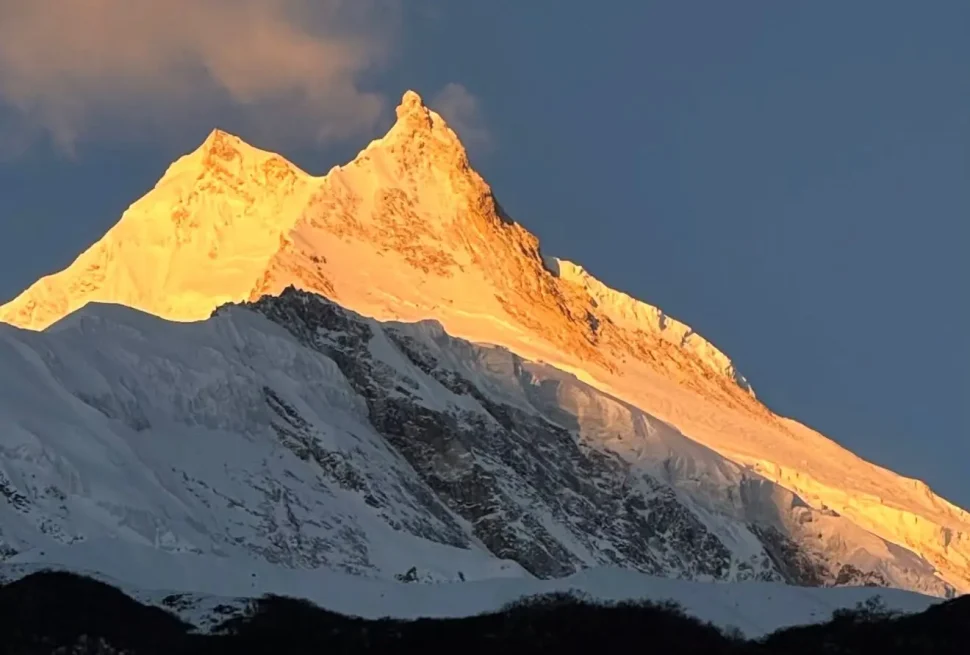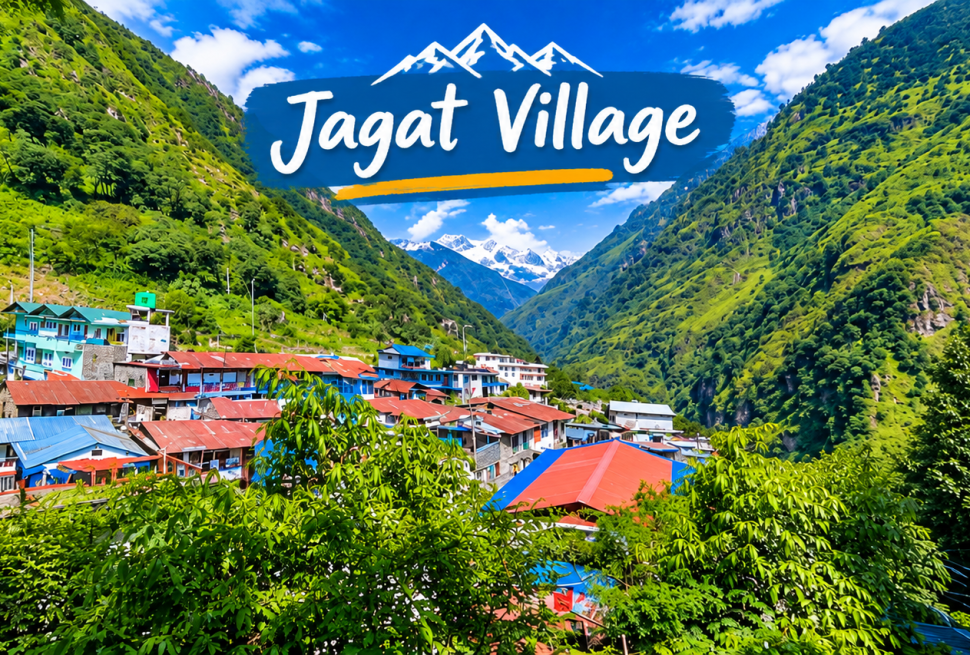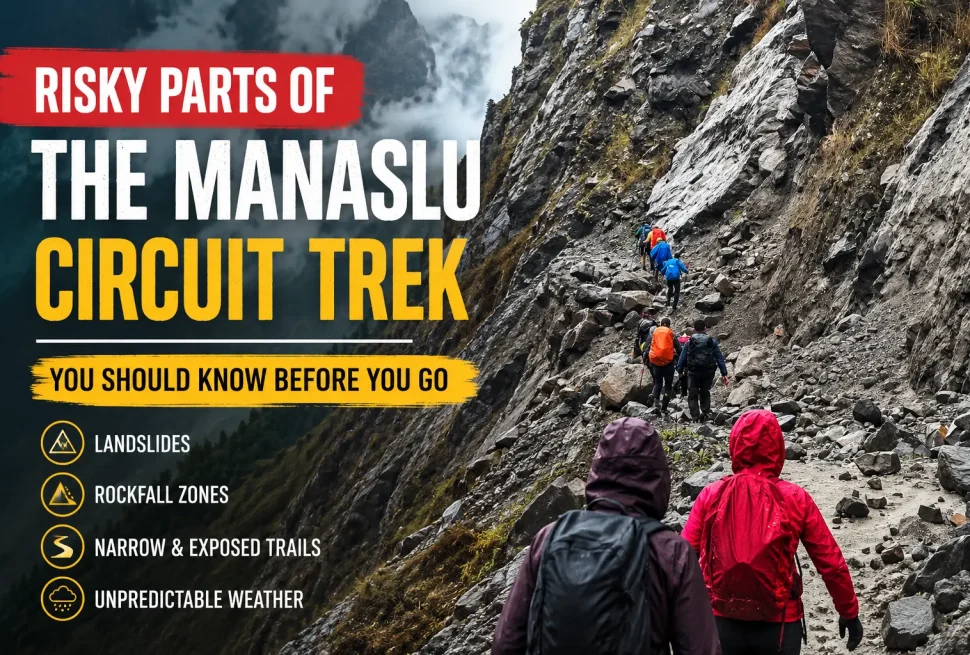
The Manaslu Circuit Trek requires a restricted area permit, a licensed Nepali guide, and genuine physical preparation. The trek takes 10 to 17 days, crosses the Larke Pass at 5,106 metres, and moves through remote terrain where teahouses are basic, ATMs do not exist, and weather shifts fast. Start fitness training at least 6 to 8 weeks before departure, break your boots in properly, carry Nepali rupees from Kathmandu, and take acclimatization seriously after Samagaon. Contact our best manaslu trek company for customised itineraries and expert guidance.
Introduction
We have been running the Manaslu Circuit Trek for over a decade. Every season, we meet trekkers at the trailhead who are excited, well-intentioned, and sometimes underprepared. Not because they skipped research. Most have read plenty. But generic travel content does not always match what actually happens on the ground.
This guide comes from real field experience organising treks in the Manaslu region. It covers permit logistics, packing decisions, what altitude genuinely feels like after Dharamsala, and what first-time trekkers most often get wrong. If you are serious about completing the Manaslu Circuit safely and well, read this before you book anything.
Why Preparation Matters More on Manaslu Than Most Treks
Manaslu is not Annapurna or Everest Base Camp. No rescue helicopters are waiting at every village. Mobile signal comes and goes. Teahouses beyond Samagaon are simple. The Larke Pass sits at 5,106 meters and demands that your body has genuinely had time to adjust before you attempt it.
Because this is a restricted area, you cannot enter without a registered guide. You cannot buy a permit at the trailhead. If something goes wrong with your documents, your cash, or your permit before entering the valley, you solve it in Kathmandu. Not on the trail.
Preparation here is less about enthusiasm and more about attention to detail. Trekkers who complete this route well are the ones who sorted paperwork early, trained with purpose, packed smart, and respected what altitude does to the body. The route rewards that kind of preparation.
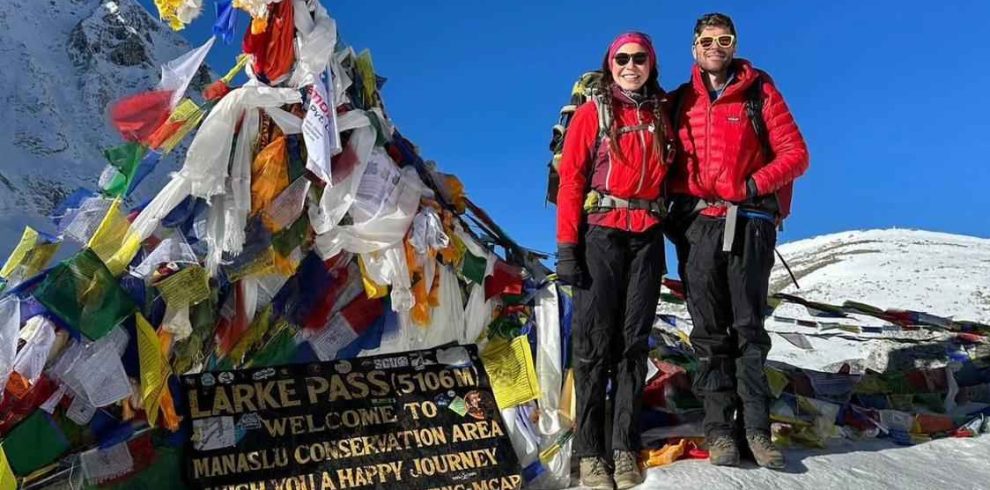
The Manaslu trek for couple is a private and peaceful Himalayan trekking experience, ideal for couples who want adventure, comfort,…
Physical Fitness Preparation for the Manaslu Circuit Trek
The Manaslu Circuit is a demanding trek spread across multiple weeks. You will walk roughly 177 kilometers with significant daily elevation gain and loss. The Larke Pass day alone runs 8 to 10 hours and begins in the early morning hours when it is cold and often windy.
You do not need to be an elite athlete. But you do need a solid aerobic base and legs that can work through back-to-back days of loaded hiking on uneven ground. We have seen trekkers of all fitness backgrounds complete this route comfortably. The one thing they all share is that they trained before arriving.
The trekkers who handle the route best are not always the gym regulars. They are the ones who walked outdoors, climbed real hills, and carried weight on their back over multiple days before departure. That kind of preparation cannot be replicated on a treadmill.
If you are coming from a mostly sedentary routine, give yourself 10 to 12 weeks. If you already hike regularly, 6 to 8 weeks of focused training is enough.
Suggested Training Plan
Weeks 1 and 2: Build the Base For a complete week by week training plan, see our dedicated training and fitness guide.
Start with 30 to 45 minute walks five days a week. Add gentle hills wherever possible. The goal is not intensity. It is consistency and getting your joints, tendons, and feet used to regular movement. Begin wearing your hiking boots on these walks from day one.
Weeks 3 and 4: Add Load and Elevation
Move toward longer weekend hikes of 3 to 5 hours. Carry a daypack with 5 to 8 kilograms. Use stairs daily if you live in a flat area. Add cycling or swimming for cardiovascular work between hiking days.
Weeks 5 and 6: Build Endurance Over Consecutive Days
Back to back weekend hikes are the most useful thing you can do at this stage. Hike 4 hours on Saturday and 3 to 4 hours again on Sunday. This is exactly what the trek demands. Your legs will need to work again before they have fully recovered. Add core strengthening two to three times per week.
Weeks 7 and 8: Taper and Fine Tune
Reduce intensity slightly but keep frequency up. Walk with your full loaded pack to confirm the fit and weight feel right. Add stretching and yoga to maintain flexibility. Rest well in the final week before you fly.
One thing we always tell trekkers: strengthen your knees specifically. The descents on Manaslu are long and steep in sections. Weak knees slow people down far more than poor cardiovascular fitness on this particular route.
Essential Packing List and Gear Preparation
Gear preparation is not about buying the most expensive kit. It is about bringing the right things and knowing they work before you arrive.
Footwear
Your boots are the single most important decision you will make. They need to be waterproof, above the ankle, and properly broken in before the trek begins. Every season we see trekkers arrive with brand new boots still in the box. After a few days the blisters begin, and by day five or six what started as minor discomfort has become a real problem.
Wear your boots on training hikes for several weeks before departure. Walk in them in wet conditions. Add quality insoles if you have any arch or pronation concerns. Bring a pair of comfortable camp shoes for evenings at the teahouse. Your feet will need the break.
Clothing and Layers
Temperature variation on the Manaslu Circuit is extreme. In October departures, mornings around Machha Khola can feel warm and pleasant. You might start walking in just a light fleece. That same person will be standing near Dharamsala within a week in temperatures well below zero with wind on top of that.
Bring:
A moisture wicking base layer in merino wool or synthetic fabric. A midlayer fleece. A down jacket with at least 600 fill power. A waterproof outer shell jacket and matching waterproof pants. A warm hat. A balaclava. Two pairs of gloves — one light pair and one insulated pair. Thermal underlayers for sleeping and for the Larke Pass crossing day.
Sleeping Bag
Most teahouses provide blankets but quality varies and above Samagaon they are often not warm enough on their own. Bring a sleeping bag rated to at least minus 10 degrees Celsius. For spring trekkers, a slightly warmer rating is worth considering for the high camp nights.
Trekking Poles
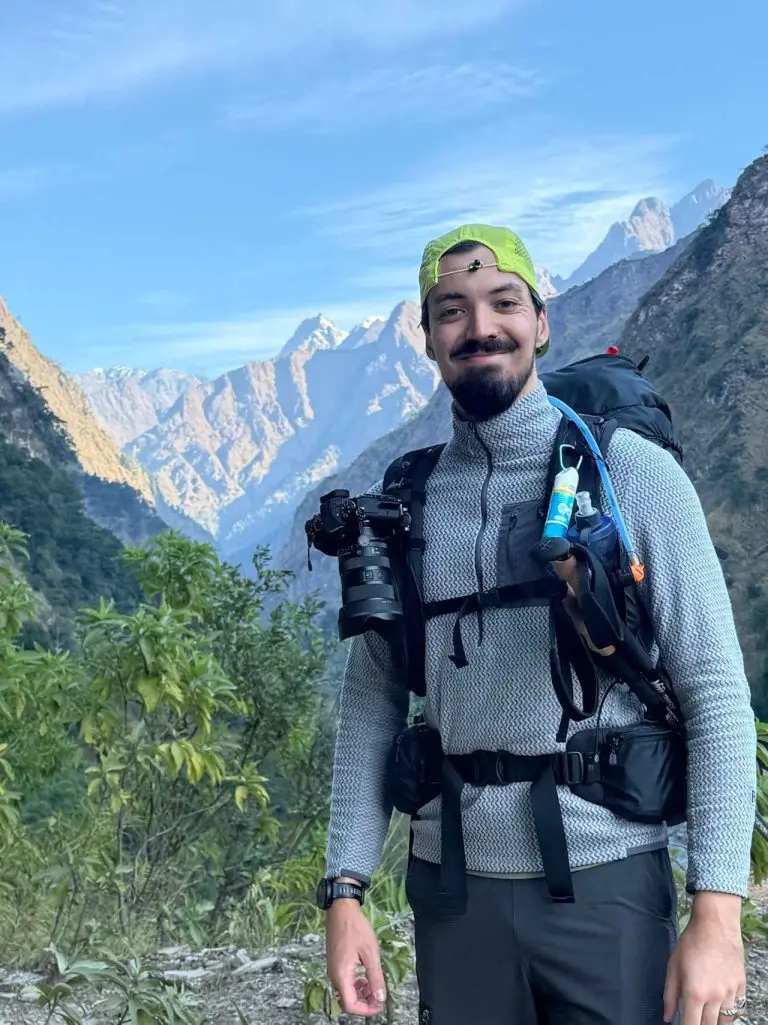
Not optional on this route. The Larke Pass descent is steep, the surface is variable, and loose rock and occasional snow make poles essential for balance and knee protection. They reduce the physical toll of downhill sections significantly.
Personal Medical Kit
Your guide carries a basic first aid kit. But bring your own personal supplies as well. At minimum: ibuprofen, paracetamol, blister treatment, rehydration salts, antidiarrheal medication, antinausea tablets, antihistamine, and any personal prescriptions. Speak with your doctor about diamox before departure if you have any concern about altitude sensitivity.
Other Items Worth Packing
A headlamp with spare batteries. Sunscreen at SPF 50 or above. UV protective sunglasses. Water purification tablets or a filter. Reusable water bottles. Small padlocks for your bags. A waterproof document sleeve for permits. A power bank with enough capacity for two or more full charges.
Pack Weight
Aim for 10 to 12 kilograms total in your main pack. Your guide or a hired porter can carry the main load while you carry a daypack on the trail each day. Overpacking is one of the most common mistakes we see. A 20 kilogram pack feels manageable at home. After six hours on the trail at altitude it becomes a serious burden.
Permit and Document Preparation
| Permit | Cost | Where to Get It |
|---|---|---|
| Manaslu Restricted Area Permit | USD 100 per person for first 7 days in Sep and Oct, USD 15 per extra day. USD 75 per person for first 7 days all other months, USD 10 per extra day | Through a registered trekking agency only |
| Manaslu Conservation Area Permit | NPR 3,000 (approximately USD 23) | Department of National Parks and Wildlife Conservation |
| Annapurna Conservation Area Permit | NPR 3,000 | Nepal Tourism Board |
| TIMS Card | Approximately USD 20 | Arranged through your trekking agency |
All permits must be arranged in Kathmandu before you leave for the trailhead. Carry original documents, not just photographs on your phone. Checkpoints along the route verify these carefully and the restricted area permit is checked strictly at multiple points.
Bring two passport size photos and photocopies of your passport. Some checkpoints keep copies.
The Restricted Area Regulation Explained
Manaslu falls under Nepal’s restricted area trekking classification. This exists to protect the cultural and ecological integrity of the region and to manage the flow of trekkers through a sensitive high altitude zone.
In practical terms this means: you must trek as part of a group of at least two paying trekkers. Solo trekking is not permitted in the restricted zone. You must have a licensed Nepali guide registered with the relevant authorities. And your permits must be in place before entering the region. There is no fixing permit issues once you are inside the valley.
If you are traveling alone, you can still do this trek. Join a group departure from a registered agency or pair up with another solo traveler through the agency. This is a common arrangement and most solo trekkers we work with are happy for the company.
Guide Requirement: Not Optional, Not a Formality
A licensed guide is legally mandatory on the Manaslu Circuit. This is not a suggestion. It is a requirement under Nepal’s trekking regulations for restricted areas.
Some trekkers ask whether they can hire a porter and navigate independently. The answer is no. Without a licensed guide you will not pass the first restricted area checkpoint. A porter alone does not satisfy the requirement.
Beyond the legal side, a competent local guide on Manaslu is genuinely valuable. The trail is not always clearly marked, especially in the upper sections. Weather changes fast. In remote terrain, local knowledge about trail conditions, teahouse availability, and altitude warning signs matters enormously.
When selecting a guide through your agency, look for someone with at least two to three completed Manaslu circuits and current wilderness first aid training. Ask about their experience on the Larke Pass in different weather conditions. A good guide has crossed that pass in October snow, spring sunshine, and the occasional storm that arrives without much warning.
Best Season and Weather Preparation
| Season | Months | Conditions |
|---|---|---|
| Autumn | Late September to November | Clearest skies, best views, most reliable weather. October is peak season. November gets cold with possible early snow above 4,000 meters. |
| Spring | March to May | Rhododendrons in bloom on lower sections, fewer crowds, more variable weather. Snow possible on Larke Pass in March and April. |
| Monsoon | June to August | Not recommended. Trails are slippery, leeches are heavy on lower sections, landslides are frequent. |
October vs Spring: What Changes in Your Preparation
October departures mean you will hit the trail in full autumn clarity. But prepare for extreme temperature variation. Mornings around Machha Khola at the start can feel warm and pleasant. That same person will be at nearly 4,900 meters near Dharamsala within a week, in temperatures that drop well below zero overnight. Pack for both ends of that range.
October also means a busier trail. Teahouses along the popular sections fill up. If you are traveling in peak October, confirm accommodation in advance for the key nights around Lho, Samagaon, Samdo, and Dharamsala.
Spring departures should prepare for the possibility of residual snow on the Larke Pass through April. Microspikes or lightweight crampons are worth carrying in March and early April. The lower elevations are warmer, sometimes uncomfortably so in direct sun, which can increase dehydration risk earlier in the day. Spring trekkers also benefit from fewer crowds and better lodge availability throughout the route.
Altitude Sickness Preparation and Acclimatization
The Larke Pass stands at 5,106 meters. Most trekkers spend the night before the crossing at Dharamsala, which sits at around 4,460 meters. The nights at Samdo and Samagaon before that are critical acclimatization points.
Altitude sickness is not a sign of weakness. It is a physiological response to reduced oxygen at elevation. What matters is recognizing it early and responding correctly.
The realistic altitude concern on Manaslu begins after Samagaon.
Below Samagaon, the altitude is manageable for most fit and acclimatized trekkers. But Samagaon sits at 3,530 meters and from there to Dharamsala the trail climbs steeply. Many trekkers begin noticing headaches, disrupted sleep, and reduced appetite in this section. These are normal early signs. The correct response is simple: do not push. Rest days matter here more than anywhere else on the route.
We build a rest day at Samagaon into all our itineraries. This is not extra time. It is essential time. Trekkers who skip acclimatization days to save a day are the ones most likely to struggle or be forced to turn around on the Larke Pass approach.
Signs that require immediate descent:
Persistent severe headache that does not respond to paracetamol. Confusion or disorientation. A wet crackling cough with pink or frothy sputum. Inability to walk a straight line. Extreme lethargy or difficulty waking.
Your guide is trained to recognize these signs. If they recommend descent, trust them. No pass crossing is worth pulmonary or cerebral edema.
On diamox: it is a useful tool for some trekkers but not a substitute for proper acclimatization. Discuss it with your doctor before departure. Understand the side effects including increased urination and tingling in the fingers and toes. Do not rely on it as a reason to skip rest days.
Tea House Conditions and Accommodation Expectations
| Section | Room Quality | Showers | Menu | Electricity |
|---|---|---|---|---|
| Machha Khola to Jagat | Comfortable, often private rooms | Basic hot showers available | Varied menu, good options | Reliable |
| Deng to Lho | Moderate, smaller rooms | Bucket showers in some lodges | Decent variety | Mostly available |
| Samagaon to Samdo | Simple rooms, basic mattresses | Bucket or cold showers | Narrower menu | Limited and inconsistent |
| Dharamsala | Very basic, cold nights | None or minimal | Very limited | Minimal or none |
Meals across the route are nourishing. Dal bhat, noodles, rice dishes, and tsampa porridge at higher elevations cover most menus. By Dharamsala you eat what is available. Carry high energy snacks like nuts, chocolate, and energy bars to supplement.
Charging is available in most teahouses for a fee of around NPR 200 to 500 per charge. Above Samagaon do not count on consistent electricity. Your power bank is essential.
Cash Preparation and ATM Reality
There are no ATMs on the Manaslu Circuit. The last reliable ATM access is in Kathmandu. Withdraw enough Nepali rupees before you leave the city.
For a 14 to 16 day trek, budget approximately NPR 4,000 to 6,000 per person per day for food, accommodation, and incidentals if traveling independently with a guide. That means carrying NPR 60,000 to 100,000 in total cash. If you are on a full package, your major costs are covered but you will still need cash for personal spending, charging fees, snacks, and tips.
Tipping your guide and porter at the end of the trek is standard and important. Guides typically receive USD 10 to 15 per day as a tip. Porters receive USD 5 to 10 per day. Keep this cash separate and ready.
Credit cards are not accepted anywhere on the trail. USD can sometimes be exchanged in Arughat but at poor rates. Come with rupees.
Transportation from Kathmandu to Machha Khola
The Manaslu Circuit typically starts from Machha Khola, reached by road from Kathmandu. The drive covers approximately 140 kilometers and takes 7 to 10 hours depending on road conditions and season.
The road beyond Arughat toward Machha Khola is rough. Parts are paved, parts are not, and some sections are narrow with steep drops on one side. A 4WD vehicle is necessary. Motion sickness on this stretch is common. Bring medication if you are sensitive to winding mountain roads.
Departures from Kathmandu typically happen early morning with arrival at Machha Khola in the late afternoon or evening. Some itineraries include an overnight stay in Arughat to break the journey, which we find reduces exhaustion significantly before the trek begins.
Avoid this road immediately after heavy rainfall. Landslides affect certain sections and can cause long delays. We monitor road conditions before all of our departures.
Internet, Charging, and Communication Preparation
Signal on the Manaslu Circuit is genuinely limited. An NTC SIM card with a data plan offers the most reliable coverage on the lower trail sections. Above Samagaon, connectivity drops significantly. Expect to be largely offline through the middle and upper sections of the trek.
If staying connected is important, consider a satellite communicator device before departure. Garmin inReach and similar devices allow two way text messaging via satellite regardless of mobile signal. For solo travelers or those with family keeping track from home, this is worth the investment.
Download offline maps before leaving Kathmandu. Maps.me and Gaia GPS both have usable offline maps for this region. Do not rely on Google Maps loading in real time once you are in the valley.
USB charging is more common than three pin sockets in some lodges. Bring a universal travel adapter to cover all situations.
Common Mistakes Trekkers Make Before the Manaslu Circuit Trek
Arriving with new boots. Many trekkers arrive with new hiking boots and discover problems after several days on the trail. Blisters, heel rub, and pressure points that felt minor on a single test walk become serious issues after a week of sustained hiking. Break your boots in properly before you travel. Walk in them on at least 10 to 15 full hiking days beforehand.
Leaving permits to the last minute. The restricted area permit cannot be rushed. Trekkers who contact us just days before departure sometimes create avoidable stress around paperwork. Give yourself at least two weeks of lead time, especially during peak October season when agencies are managing multiple groups at once.
Underestimating the cash requirement. We have seen trekkers reach Arughat with USD 200 in their wallet expecting to find an ATM or exchange counter. There is nothing reliable in range. Withdraw rupees in Kathmandu before you leave.
Skipping acclimatization days. The pressure to keep moving is real, especially when weather is clear and you feel okay. But altitude illness does not always announce itself dramatically. Rest days at Samagaon are in your itinerary for a reason. Use them.
Overpacking without testing the load. A 20 kilogram pack feels manageable at home. After six hours on the trail at altitude it is a very different experience. Pack your bag, weigh it, then remove roughly 20 percent of what you packed. You will appreciate that decision by day eight.
Not leaving an itinerary with someone at home. The Manaslu Circuit has limited communication for much of the route. Before leaving Kathmandu, give a clear itinerary and your trekking agency contact details to someone at home. This matters especially for solo travelers.

Buying all gear in Kathmandu on arrival. Thamel has good shops and reasonable selection. But altitude rated sleeping bags, quality boots, and technical layers should come from home where you know the fit and reliability. Rental gear in Kathmandu works for supplementary items. Not for your primary kit.
Local Guide Tips from Real Trekking Experience
Start early every day. Mornings on the Manaslu Circuit are the clearest part of the day. The trail is coolest and afternoon cloud builds up regularly. Arriving at your lodge before 2pm consistently improves the experience and gives your body time to rest before the next day.
Drink water before you feel thirsty. At altitude, thirst lags behind actual dehydration. Aim for at least 3 to 4 liters per day from Samagaon upward. Watch your urine color. That is a more reliable hydration guide than how thirsty you feel.
Respect the rhythm of the trail. Manaslu is not a race. Trekkers who try to maximize distance every single day often hit a wall by mid trek. Consistent moderate days with genuine rest periods are more sustainable than heroic efforts followed by exhaustion.
The Larke Pass descent deserves as much attention as the ascent. Most trekkers focus on gaining the pass. But the descent to Bimthang on the western side is long, steep in sections, and harder on the knees than climbing up. Poles and a measured pace on the way down matter as much as pacing on the way up.
Communicate openly with your guide. They can often tell when you are struggling before you admit it. Trekkers who share honestly mentioning a headache or being honest about fatigue, consistently do better than those who push through in silence.
Frequently Asked Questions
How physically fit do I need to be for the Manaslu Circuit Trek?
You should be comfortable hiking 5 to 8 hours a day with a loaded pack on consecutive days. If you can cover 15 to 20 kilometers with 500 to 700 meters of elevation gain without significant difficulty, you have a solid starting point. Train specifically for this trek for at least 6 to 8 weeks before departure.
Is a guide really mandatory or can I trek with just a porter?
A licensed guide is legally mandatory in the Manaslu restricted area. You will not pass the first checkpoint without one. A porter does not satisfy this requirement. Your guide must be registered with the Nepal Tourism Board.
What is the Larke Pass and how difficult is it?
Larke Pass sits at 5,106 meters and is the highest point of the Manaslu Circuit. The crossing typically takes 8 to 10 hours and starts around 4am from Dharamsala. The ascent is steep but manageable for properly acclimatized trekkers. The descent to Bimthang is long. Cold temperatures, wind, and occasional snow or ice make this a demanding day even for fit and experienced trekkers.
Can I do the Manaslu Circuit Trek as a solo traveler?
You cannot trek independently in the restricted area. But you can travel as an individual within a group of at least two paying trekkers. We regularly arrange group departures where solo travelers join small teams. This is a very common and practical arrangement.
When is the best time of year for the Manaslu Circuit Trek?
October is the most reliably clear and popular month. Late September is also excellent. November is beautiful but colder with early snow possible on the Larke Pass. Spring from March to May offers blooming rhododendrons and fewer crowds but more variable weather. Avoid June through August due to monsoon conditions.
How much does the Manaslu restricted area permit cost?
For September and October: USD 100 per person for the first 7 days, then USD 15 per additional day. For all other months: USD 75 per person for the first 7 days, then USD 10 per additional day. The Manaslu Conservation Area Permit adds approximately NPR 3,000.
How much cash should I bring for the trek?
Withdraw enough Nepali rupees in Kathmandu before departure. There are no ATMs on the Manaslu Circuit. Budget NPR 4,000 to 6,000 per person per day for food, accommodation, and incidentals if on an independent itinerary. Add guide and porter tip funds separately.
What are teahouses like on the Manaslu Circuit?
Lower sections are reasonably comfortable with private rooms, decent menus, and basic showers. Above Samagaon, teahouses are simpler with small rooms, basic mattresses, limited menus, and inconsistent electricity. Carry a sleeping bag rated for cold conditions and adjust expectations for the upper sections.
Do I need diamox for altitude sickness?
Speak with your doctor before the trek. Diamox can help some trekkers adjust to altitude but it is not a substitute for proper acclimatization and rest days. Side effects include increased urination and tingling in the extremities. Many trekkers complete Manaslu without it. A medical consultation before departure is the right approach.
How long does the Manaslu Circuit Trek take?
Standard itineraries run 14 to 18 days. We recommend a minimum of 16 days to allow proper acclimatization rest days and a comfortable pace throughout. Rushing below 14 days increases altitude risk and reduces the overall experience.
What is the road like from Kathmandu to Machha Khola?
The drive takes 7 to 10 hours by 4WD vehicle. The section from Kathmandu to Arughat is manageable. Beyond Arughat toward Machha Khola the road is rough, narrow, and winding with steep drops on one side. Motion sickness is common. Travel early and carry medication if you are sensitive to winding mountain roads.
Will I have mobile signal or internet access on the trail?
Coverage is limited. An NTC SIM card provides signal on lower sections. Above Samagaon the connection drops significantly. Download offline maps before leaving Kathmandu. Consider a satellite communicator device for consistent two way messaging. Expect to be largely offline through the upper sections of the trek.
Can I rent gear in Kathmandu instead of bringing it from home?
Rental from Thamel works well for supplementary items like sleeping bag upgrades, trekking poles, or crampons. For core items — boots, base layers, your main pack — bring gear from home that you have tested and trust. Never rely on rental boots. Fit and comfort of your footwear is too important to leave to chance.
What should I do if I develop altitude sickness on the trek?
Descend immediately. Do not continue upward. Do not wait at the same elevation if symptoms are moderate or severe. Tell your guide right away. They are trained to assess altitude illness and know the evacuation options from each section of the route. For mild symptoms, rest and hydrate without gaining further elevation until they resolve fully.
Is the Manaslu Circuit suitable for first time trekkers in Nepal?
It is suitable for first time trekkers in Nepal who have solid prior hiking experience and have prepared specifically for this route. It is not suitable as a first ever Himalayan trek for someone who has never hiked at altitude or done multi day trekking. We recommend the Annapurna Circuit or Everest Base Camp as a more appropriate first experience in Nepal before taking on the Manaslu Circuit.
Conclusion
The Manaslu Circuit is one of Nepal’s most rewarding treks precisely because it demands something real from you. The restricted area rules, the mandatory guide, the logistics of cash and permits, and the altitude of the Larke Pass are none of these obstacles to resent. They are part of what keeps the trail less crowded, culturally intact, and genuinely wild.
Trekkers who prepare well arrive with realistic expectations, the right gear, strong legs, and sorted paperwork. They leave with one of the strongest trekking experiences Nepal has to offer.
Start your preparation early. Train with purpose. Sort your permits through a registered agency. Withdraw enough rupees before leaving Kathmandu. Rest when your body tells you to. These are simple things that make an enormous difference on a route like this.
We have guided hundreds of trekkers through the Manaslu Circuit over the years. The ones who enjoy it most are not always the fittest or the most experienced. They are the ones who approached it with respect for the mountain and patience with the process.
If you have questions about your preparation, your itinerary, or your permits, reach out to us at Manaslu Treks and Expedition Pvt. Ltd. We know this route the way most people know their own neighbourhood.