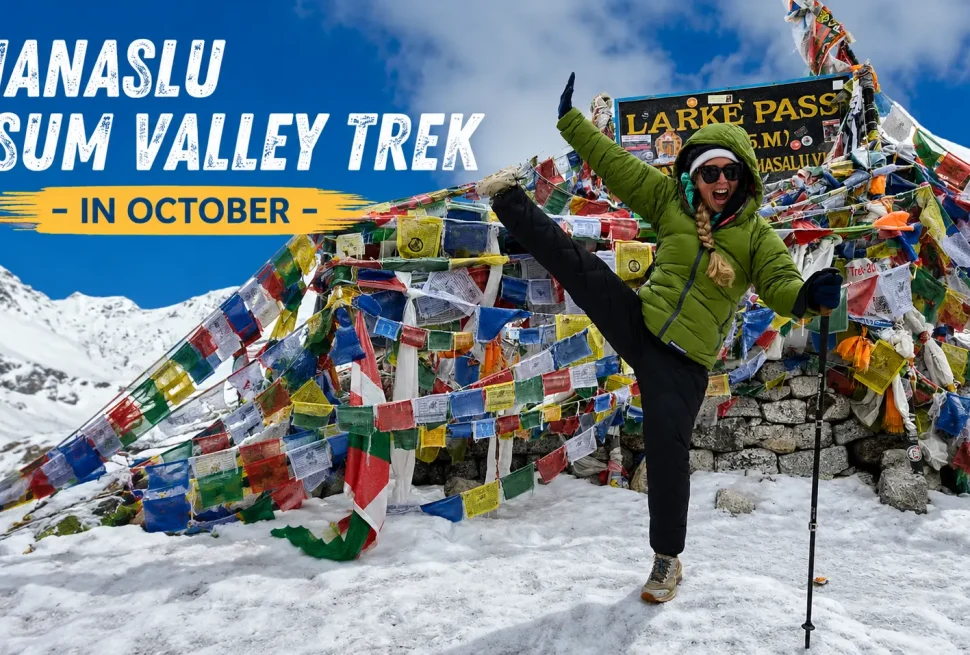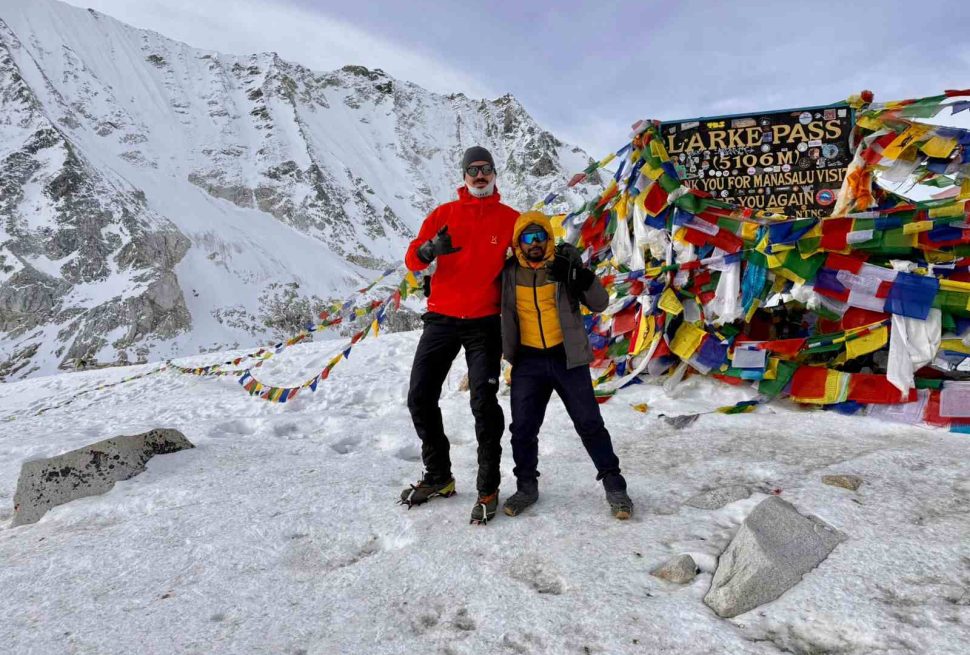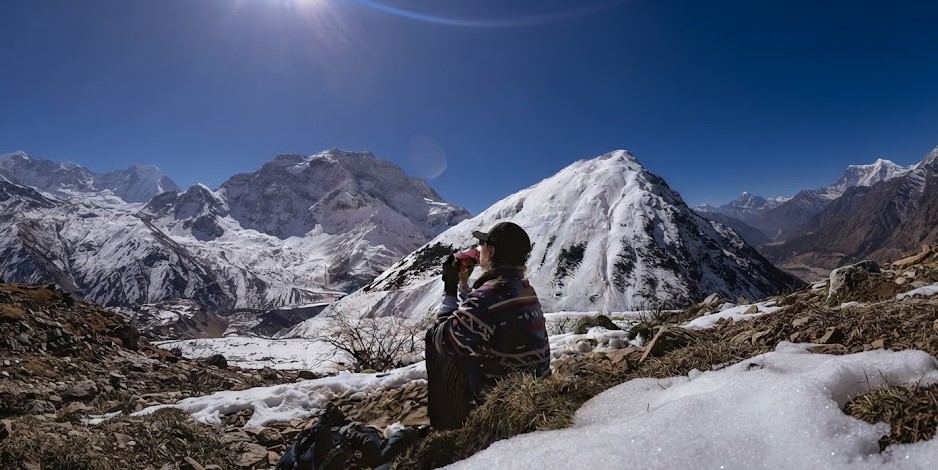
The Manaslu Circuit Trek is one of the finest trekking routes in Nepal. It circles the eighth highest mountain in the world, crosses the Larkya La Pass at 5,106 metres, passes through ancient Tibetan Buddhist communities, and remains genuinely remote in a way that the Everest and Annapurna routes no longer are. Trust our manaslu trekking company for expert guidance on every Manaslu adventure.
But it is not a gentle walk. The Manaslu Circuit has specific sections and specific conditions that carry real risk for trekkers who are not prepared for them. This blog covers every one of those risks in detail, based on years of guiding trekkers on this route and direct knowledge of what goes wrong and why.
Read this before you book. Read it again before you leave Kathmandu.
Have questions about the risky sections of the Manaslu Circuit Trek? Our team has guided this route for years and can help you prepare safely.
WhatsApp us Email usQuick Risk Overview Table
| Risk Type | Where It Occurs | Risk Level | Season Most Dangerous |
|---|---|---|---|
| Altitude Sickness (AMS) | Above Samagaun, Dharamsala, Larkya La | Very High | All seasons |
| Larkya La Pass Crossing | 5,106m, day before descent to Bimthang | Very High | Winter, early monsoon |
| Landslide and Rockfall | Soti Khola to Jagat, Jagat to Deng, above Lho | High | Monsoon, post-monsoon |
| Suspension Bridge Crossings | Throughout lower Budhi Gandaki | Moderate | Monsoon, flood season |
| Cliffside Trail Sections | Budhi Gandaki gorge, Jagat to Deng | High | Monsoon, wet trails |
| Flash Flooding | Lower Budhi Gandaki river sections | High | June to September |
| Extreme Cold and Hypothermia | Dharamsala, Larkya La, Samdo | High | Winter, pre-dawn crossings |
| Remoteness and Rescue Access | Above Samdo, near Larkya La | High | All seasons |
| Rapid Weather Change | Upper valley above 3,500m | Moderate to High | October, May |
| Road Construction Hazards | Lower approach road to Machha Khola | Moderate | All seasons |
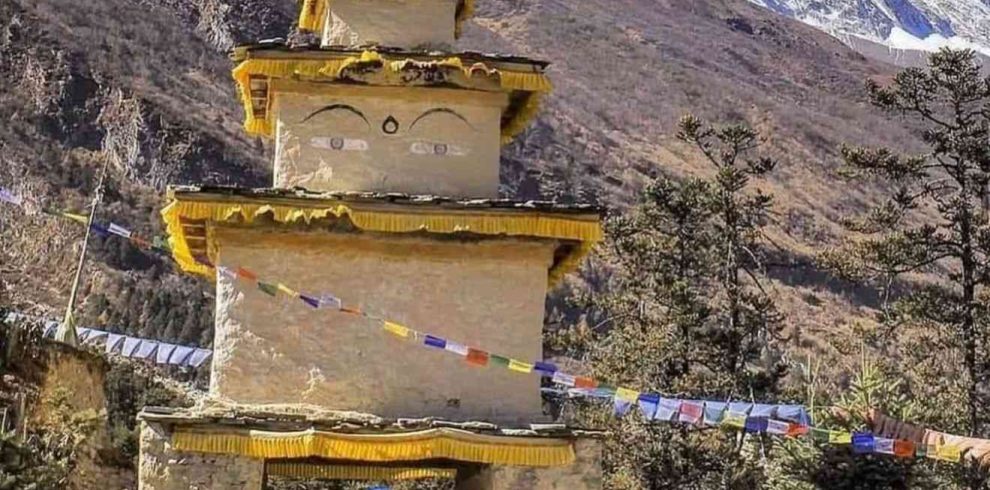
The 14-Day Manaslu Circuit Trek takes you around Mount Manaslu at 8,163 meters, the eighth-highest mountain on earth, through one of…
1. Altitude Sickness — The Most Serious Risk on the Manaslu Circuit Trek
Altitude sickness is the leading cause of medical emergencies on the Manaslu Circuit Trek. It is also the most preventable. Understanding exactly when and where the risk builds on this specific route is essential before you leave Kathmandu. For prevention steps, symptoms to watch for, and when Diamox actually helps, see our full altitude sickness and Diamox guide.
Where Altitude Sickness Risk Builds on the Manaslu Circuit
The Manaslu Circuit Trek begins at Machha Khola at around 930 metres. For the first three days the altitude is low and altitude sickness is not a significant concern. The risk begins to build meaningfully from Namrung at 2,900 metres and increases continuously through the following days.
| Location | Altitude | AMS Risk Level | Notes |
|---|---|---|---|
| Machha Khola to Jagat | 930m to 1,340m | Very Low | Lower than Kathmandu |
| Jagat to Namrung | 1,340m to 2,900m | Low to Moderate | Watch pace from here |
| Shyala | 3,500m | Moderate | First real risk point |
| Samagaun | 3,500m | Moderate to High | Acclimatisation day essential |
| Samdo | 3,785m | High | Serious zone begins |
| Dharamsala | 4,450m | Very High | Critical night before pass |
| Larkya La Pass | 5,106m | Extreme | Highest point on route |
The most dangerous progression pattern we see on the Manaslu Circuit is trekkers arriving at Dharamsala with mild AMS symptoms, sleeping badly at 4,450 metres, and attempting the Larkya La crossing the following morning in a deteriorating physical condition. That is how serious altitude emergencies happen on this route. The guide’s ability to identify early symptoms at Samdo and Dharamsala and make the call to hold or descend is the most important safety factor on the entire Manaslu Circuit.
Three Types of Altitude Sickness to Know
Acute Mountain Sickness (AMS) The mildest form. Symptoms include headache, reduced appetite, fatigue, nausea, and poor sleep. AMS is expected and manageable. The treatment is to stop ascending and rest until symptoms resolve completely. Never ascend with AMS symptoms present.
High Altitude Cerebral Oedema (HACE) A severe progression of AMS where fluid builds in the brain. Symptoms include loss of coordination, confusion, inability to walk a straight line, and altered consciousness. HACE is a medical emergency requiring immediate descent of at least 500 metres and evacuation to lower altitude as fast as possible.
High Altitude Pulmonary Oedema (HAPE) Fluid in the lungs. Symptoms include breathlessness at rest, a wet cough, and pink frothy sputum. HAPE is the most common cause of altitude death in trekkers and can progress rapidly. Immediate descent and evacuation are the only treatment.
How to Reduce Altitude Sickness Risk on the Manaslu Circuit
The acclimatisation day at Samagaun in the 14 day Manaslu Circuit Trek itinerary is not optional. It is the physiological foundation of the Larkya La crossing. On that rest day the standard programme is to climb to Manaslu Base Camp area at around 4,200 metres during the day and sleep back at Samagaun at 3,500 metres. This altitude stimulus combined with the lower sleeping altitude accelerates red blood cell production in a way that makes the Larkya La crossing significantly safer three days later.
Follow the golden rule: climb high, sleep low. Drink 3 to 4 litres of water per day throughout the trek. Move slowly above 3,000 metres. Tell your guide immediately at the first sign of any symptom.
Diamox (Acetazolamide) is a prescription medication that reduces AMS risk by stimulating faster breathing at altitude. Consult your doctor before the trek. Carry a pulse oximeter. A SpO2 reading below 80 percent above 4,000 metres is a serious warning sign that needs immediate attention from your guide.
2. The Larkya La Pass Crossing — The Most Demanding Day on the Trek
The Larkya La Pass at 5,106 metres is the highest point on the Manaslu Circuit Trek and the single most demanding day. Every risk factor on the route concentrates on this one crossing.
What Makes Larkya La Dangerous
The crossing begins at 3am from Dharamsala at 4,450 metres. The total day from Dharamsala to Bimthang covers a descent of approximately 1,440 metres over 7 to 9 hours of walking. The ascent to the pass gains around 650 metres over roughly 4 hours in complete darkness. The descent from the col to Bimthang is long, steep, loose-rocked, and knee-demanding.
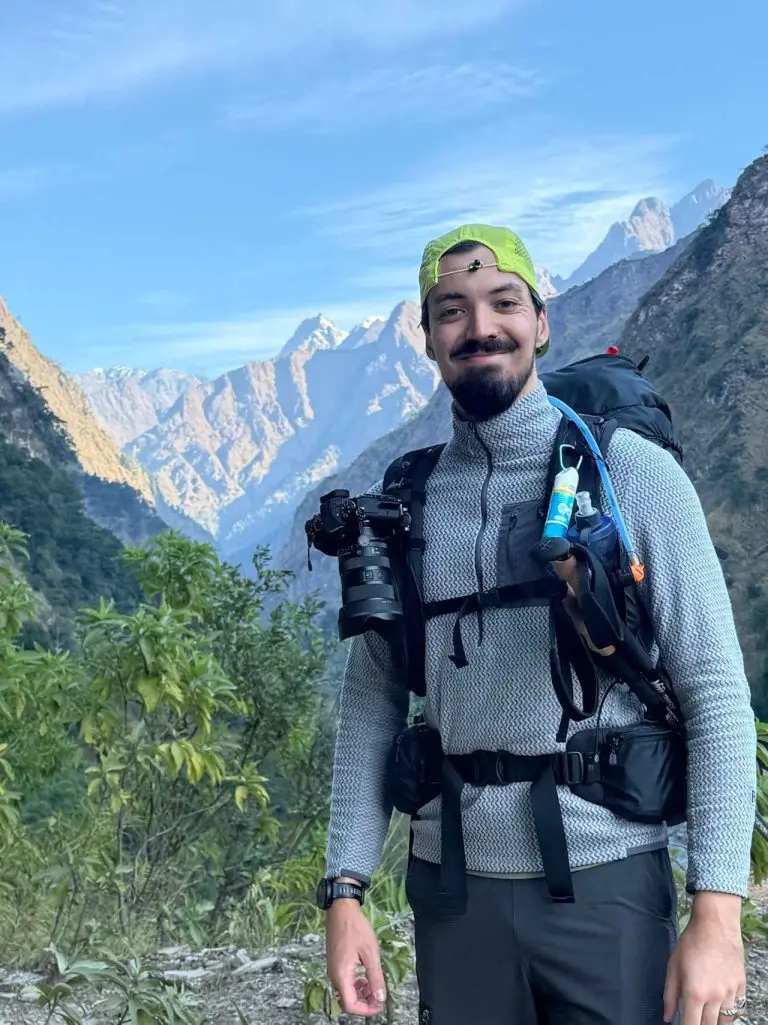
In March and early season the upper section of the Larkya La approach and descent carries hard packed snow and ice. Microspikes or crampons are not optional on this section in those conditions. They are essential for safe movement. Trekkers who arrive at Dharamsala without traction devices and find icy conditions on the pass face a genuinely dangerous choice.
The wind on Larkya La can be severe. Wind speeds at the col can reach dangerous levels with very little warning. The weather on the pass in October and November can turn from clear to blizzard within hours. Your guide checks the weather each morning before the departure and has the authority and responsibility to delay the crossing if conditions are not safe.
| Larkya La Risk Factor | Detail | Mitigation |
|---|---|---|
| Ice and snow on approach | Hard packed ice in winter and early spring | Microspikes mandatory, guide leads |
| Pre-dawn darkness start | 3am departure, headlamp navigation | Strong headlamp, follow guide exactly |
| Wind at the col | Can reach dangerous levels | Down jacket, balaclava, gloves |
| Long steep descent | 1,440m drop to Bimthang | Trekking poles, short steps, pace control |
| Altitude at the top | 50% less oxygen than sea level | Acclimatisation days, slow pace |
| Weather change | Clear to blizzard within hours | Guide weather assessment, flexible timing |
Never attempt the Larkya La crossing against your guide’s recommendation. If your guide says conditions are not suitable, that assessment is based on direct knowledge of this specific pass and the specific conditions on that specific day. It is not a suggestion.
Have questions about the risky sections of the Manaslu Circuit Trek? Our team has guided this route for years and can help you prepare safely.
WhatsApp us Email us3. Landslide and Rockfall Risk — The Danger Nobody Talks About Enough
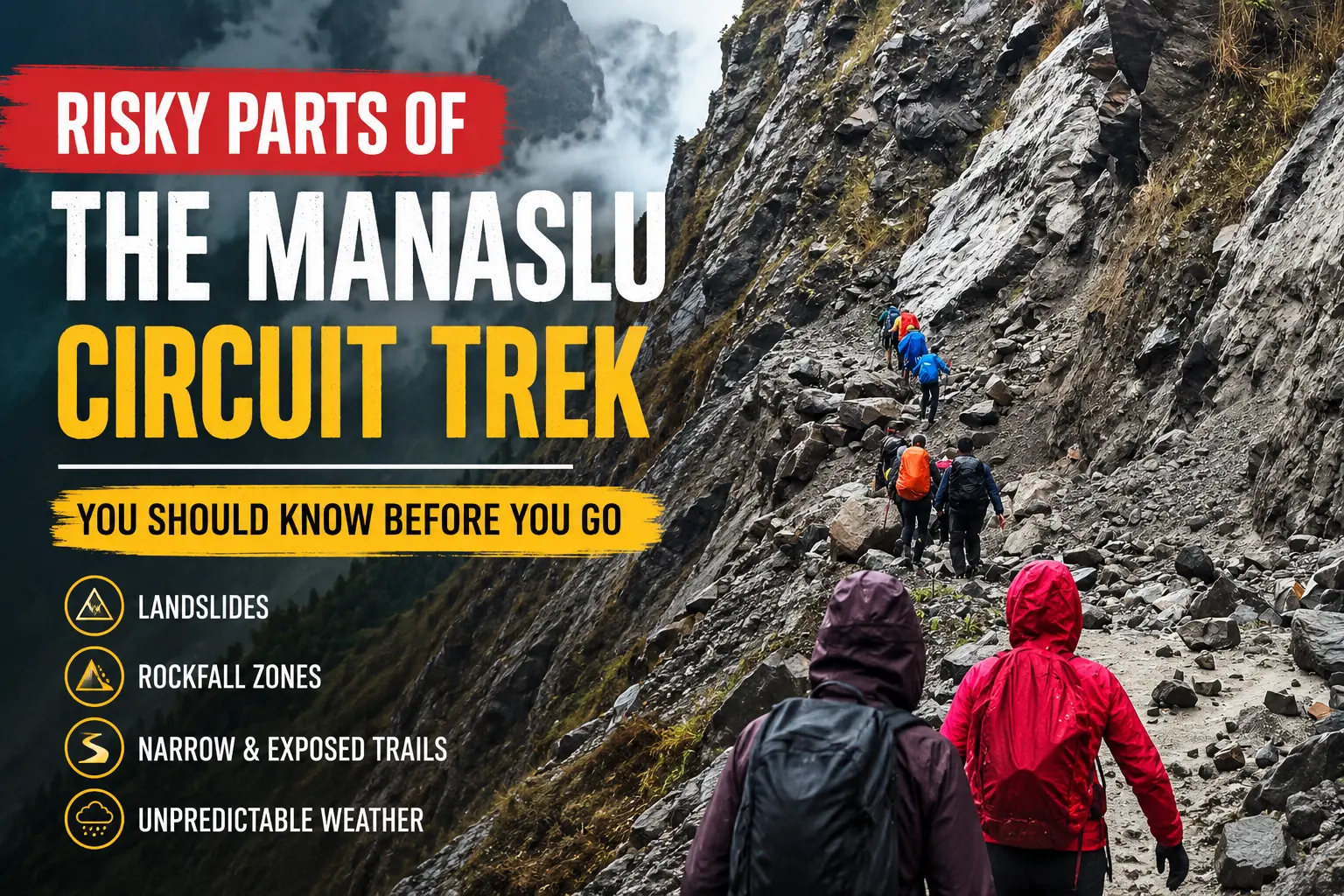
The landslide risk on the Manaslu Circuit Trek is significantly higher than on the Everest Base Camp or Annapurna Circuit routes and it receives far less attention in standard trek descriptions.
The Most Dangerous Landslide Sections
The stretch of the Manaslu Circuit between Soti Khola and Jagat, and then from Jagat through to Deng and beyond toward Lho, has some of the most documented landslide zones in Nepal’s trekking network. The trail in this section cuts into sheer rock walls above the Budhi Gandaki River. The gorge walls are steep and loose. Rockfall happens without warning.
In 2024 multiple sections of this trail required rerouting due to landslide damage. The condition of landslide sections changes after every significant rainfall. What was safe last week may not be safe today.
The immediate post-monsoon period of October and early November is actually one of the higher risk windows for rockfall on the lower Manaslu sections despite being peak trekking season. Slopes saturated by months of monsoon rainfall remain unstable well into October even after the main rains have stopped.
| Landslide Risk Section | Location | Risk Level | Notes |
|---|---|---|---|
| Soti Khola to Jagat | Lower Budhi Gandaki gorge | Very High | Documented danger zones, narrow cliff trails |
| Jagat to Deng | Mid gorge sections | High | Rock walls above trail, loose material |
| Above Deng to Lho | Transitional sections | Moderate to High | Reduces above tree line |
| Post-monsoon early October | All lower sections | High | Saturated slopes, unstable after monsoon |
Your guide on the Manaslu Circuit should be asking every trekking group coming the opposite direction about current landslide conditions on the sections ahead. This is how real-time trail condition information is gathered on a remote restricted area route where no official daily condition report exists. If your guide is not doing this, ask why.
4. Suspension Bridge Crossings — Not Just a Photo Opportunity
The Manaslu Circuit Trek crosses the Budhi Gandaki River repeatedly through its lower and middle sections on a series of suspension bridges. Most sources mention the bridges as a fun or interesting feature of the trek. The reality is more nuanced.
Suspension bridges on the Manaslu Circuit range from wide and well-maintained structures to narrow, old, and moving considerably underfoot. Some bridges wash away during flood seasons and are not always replaced before trekking season resumes. In the immediate post-monsoon period the river levels are still high and the force of the water below any crossing is significant.
The risk from bridge crossings is not dramatic but it is real. A slip on a narrow bridge with a fully loaded pack above a fast-moving river has predictable consequences. The correct approach is to cross one at a time when the bridge is narrow, to not look down if heights affect your balance, and to listen to your guide’s specific instructions for each crossing.
Bridges can also be single-file only regardless of what the official width suggests. Trekking poles should be used to maintain balance on any bridge that moves noticeably underfoot. Never cross a suspension bridge over a significantly flooded river if your guide has any hesitation about doing so. On the Manaslu Circuit in monsoon season some bridges become genuinely dangerous and the correct decision is to wait or take alternative routes.
5. Cliffside Trail Sections in the Budhi Gandaki Gorge
The trail through the lower Budhi Gandaki gorge between Jagat and Deng includes sections cut directly into cliff faces above the river. The path on these sections is narrow, the drop to the river below is significant, and there are no guardrails or barriers of any kind.
For trekkers with any sensitivity to exposed heights these sections require focused attention. The footing on the cliff face paths is generally good when dry. When wet they become significantly more demanding and require full concentration on every step.
Your guide will lead on all exposed cliff sections. Follow the exact line they take. Do not look at the view on these sections. Look at your feet. The view will still be there when you reach the other side.
6. Flash Flooding in the Lower Valley
The Budhi Gandaki River can rise very rapidly during and after heavy rainfall. In the monsoon season from June through August the river in the lower gorge sections rises to levels that make the trail genuinely dangerous and in some cases impassable.
Manaslu Treks and Expedition does not run Manaslu Circuit treks during the monsoon for exactly this reason. The lower trail sections through the Budhi Gandaki gorge in heavy rain are not a place where trekkers should be. The river rises significantly, landslide risk is at its highest, visibility in the upper sections is consistently obscured by cloud, and the overall conditions make the trek unsafe rather than simply uncomfortable.
The flood risk extends into late September and early October in years with a late or heavy monsoon. Always check current conditions with a local operator before booking autumn season departures in the first two weeks of October. Manaslu Treks and Expedition monitors conditions throughout the season and will advise honestly on departure timing.
For detailed information on when the Manaslu Circuit is safe to trek, see our complete Manaslu Circuit Trek FAQ for 2026 and 2027.
7. Extreme Cold and Hypothermia Risk
The cold on the upper sections of the Manaslu Circuit Trek is serious. The nights at Samdo at 3,785 metres and Dharamsala at 4,450 metres are genuinely cold in any season outside of June through August. In the crossing months of October, November, March, and April the pre-dawn temperatures at Dharamsala range from minus eight to minus fifteen degrees Celsius.
Hypothermia on the Manaslu Circuit is most likely during the Larkya La crossing day at the 3am start when the combination of cold temperature, wind, physical exertion, and altitude all act together on a body that has not yet fully warmed up from sleep. This is not a condition for casual cold weather clothing. This is a condition that requires a sleeping bag rated to minus fifteen degrees Celsius, a down jacket of the same rating, multiple base layers, a balaclava, expedition gloves, and the will to put all of that on before leaving Dharamsala in the dark.
| Cold Risk Point | Temperature Range | Required Gear |
|---|---|---|
| Dharamsala at 3am | minus 8 to minus 10°C | Full sleeping bag, down jacket, balaclava |
| Larkya La summit | minus 5 to minus 20°C in winter | All of the above, plus hand warmers |
| Samdo at night | minus 5 to minus 10°C | Sleeping bag rated to minus 15°C minimum |
| Bimthang after descent | 0 to minus 5°C at night | Warm layers, dry change of clothes |
Sleeping bag liners are a worthwhile addition for any trekker who feels the cold strongly. Down jacket temperature ratings should be trusted, not hoped for. A jacket rated to zero degrees Celsius is not adequate at Dharamsala in October.
8. Remoteness and Limited Rescue Access
The Manaslu Circuit Trek is a restricted area route. Above Samdo the trail is genuinely remote in a way that has real consequences for any medical emergency. There are no road accessible exit points above the Dharapani junction at the end of the circuit. A medical evacuation from Dharamsala or the Larkya La area requires a helicopter, and helicopter operations in mountain weather are weather-dependent and not always immediately available.
The helicopter evacuation cost from the upper Manaslu Circuit to Kathmandu ranges from USD 6,000 to USD 15,000. Travel insurance that explicitly covers helicopter evacuation to 5,106 metres is not optional for this trek. It is mandatory. Manaslu Treks and Expedition will ask for confirmation of your insurance policy before the trek begins.

Emergency communication on the Manaslu Circuit above Namrung is limited. Mobile phone signal is unreliable or absent in most sections above Jagat. Satellite communication devices carried by guides provide the primary emergency contact capability on the upper route. This is another reason why the mandatory licensed guide requirement on the Manaslu Circuit is a genuine safety measure rather than an administrative formality.
See our Manaslu Circuit Trek permits and safety information for full details on insurance requirements.
9. Rapid Weather Change Above 3,500 Metres
Mountain weather in the Manaslu region changes rapidly. A clear morning at Samagaun can become an afternoon snowstorm. A settled weather window at Dharamsala can deteriorate to dangerous wind and cloud within hours of the Larkya La departure. This is not unusual weather. This is normal Himalayan mountain weather behaviour.
The implications for trekkers on the Manaslu Circuit are practical. The 3am departure for the Larkya La crossing is timed specifically to use the stable pre-noon weather window that is typical of Himalayan mountain passes. Starting late because of a slow morning is not just an inconvenience. It can mean arriving at the Larkya La col as the afternoon weather deteriorates.
The October shoulder period is particularly worth noting. The 2014 trekking disasters in Nepal including the Annapurna tragedy demonstrated that catastrophic weather can arrive during peak season without warning. The Manaslu Circuit is not immune to sudden storms of that kind. Having a guide who monitors weather actively and has the authority to hold or cancel a pass crossing based on conditions is not a luxury. It is a core safety component of the trek.
Have questions about the risky sections of the Manaslu Circuit Trek? Our team has guided this route for years and can help you prepare safely.
WhatsApp us Email us10. Road Construction Hazards on the Approach
A road is being constructed through the lower Budhi Gandaki valley to connect the remote Nubri communities with the main Nepal road network. As of 2026, the road extends to the Pangsing area near Chisopani village and construction continues.
Road construction on the Manaslu Circuit approach brings specific hazards for trekkers. Blasting operations on the road happen without reliable advance warning to trekkers in the area. Loose rock and debris from blasting and earthmoving equipment falls onto the trail in sections where construction is active. Dust is heavy on the lower sections near active road works in dry conditions.
Your guide knows the current state of road construction and will navigate the approach to minimise exposure to active blasting zones. This is not a dramatic risk but it is a genuine consideration that is specific to the 2026 Manaslu Circuit Trek and that has not been present on the route in previous years.
Risk by Season — At a Glance
| Season | Landslide Risk | Pass Crossing Risk | AMS Risk | Overall Safety |
|---|---|---|---|---|
| Spring (Mar to May) | Low to Moderate | Moderate (snow on pass in March) | High above 4,000m | Good with proper prep |
| Pre-monsoon (Late May to June) | Increasing | Moderate to High | High | Not recommended |
| Monsoon (July to August) | Very High | Not passable safely | High | Trek not advised |
| Post-monsoon (September) | High, decreasing | Good from mid September | High above 4,000m | Possible from mid-Sept |
| Autumn (October to November) | Low to Moderate | Best conditions | High above 4,000m | Best overall season |
| Winter (December to February) | Low | Very High, pass may close | High above 4,000m | Experienced trekkers only |
The 9 day Manaslu Circuit Trek and 14 day Manaslu Circuit Trek are both operated by Manaslu Treks and Expedition during spring and autumn seasons only. We do not run departures in the monsoon. We advise winter departures only for experienced trekkers with high altitude experience.
11. Physical Fatigue and Cumulative Exhaustion
This risk does not appear on most danger lists but it is one of the most practically important. The Manaslu Circuit Trek involves 6 to 8 hours of walking per day across 12 to 16 consecutive days. The cumulative physical fatigue from that sustained effort at altitude is real and builds progressively through the trek.
By Day 10 or 11 the body’s reserves are noticeably lower than they were on Day 3. The Larkya La crossing, which is the most demanding day of the entire trek, comes late in the itinerary when fatigue is already accumulated. This is not a coincidence or poor planning. The later days on the Manaslu Circuit are preceded by the acclimatisation days that make the pass safe. But it means the hardest day arrives when the body is already carrying 10 days of effort.
Trekkers who do not train properly before the Manaslu Circuit arrive at Dharamsala with a physical deficit that makes the Larkya La crossing significantly more dangerous than it needs to be. A minimum of 8 to 12 weeks of preparation before the trek including long hikes with loaded packs, cardiovascular training, and leg strength work is genuinely necessary rather than merely recommended.
What Your Guide Does to Manage These Risks
The mandatory licensed guide requirement on the Manaslu Circuit Trek is enforced by the Nepal government through the permit system and enforced at army checkpoints above Jagat. Every trekker on the Manaslu Circuit above the restricted zone checkpoint must be with a licensed guide from a registered agency.
This requirement exists for safety reasons as much as regulatory ones. A good Manaslu Circuit guide does the following throughout the trek.
They check every trekker’s oxygen saturation and general condition every morning and evening using a pulse oximeter. They ask about sleep quality, appetite, and headache at every teahouse check-in. They assess landslide section conditions by talking to groups coming the other direction. They make the call each morning on whether the Larkya La weather window is suitable for departure. They manage the pace on the upper sections to match the specific acclimatisation state of each individual trekker. They know the helicopter evacuation procedures and have the emergency contacts for the rescue services.
At Manaslu Treks and Expedition all our guides are government-licensed, trained in altitude sickness recognition and response, and have guided the Manaslu Circuit multiple times across multiple seasons. Our team has direct experience with every risk section described in this blog. For more information about our guide team and how we operate, visit our about.
Checklist: What to Bring for the Risky Sections
| Item | Why It Matters on the Manaslu Circuit |
|---|---|
| Pulse oximeter | Monitor blood oxygen at altitude, essential above Namrung |
| Microspikes or crampons | Mandatory for Larkya La in March, recommended in October |
| Sleeping bag rated to minus 15°C | Dharamsala night before pass is genuinely cold |
| Down jacket rated to minus 15°C | Pre-dawn Larkya La crossing |
| Balaclava and expedition gloves | Wind at Larkya La col can be extreme |
| Trekking poles | Essential for descent from Larkya La and cliffside sections |
| Diamox with prescription | Reduces AMS risk, consult doctor before trek |
| Strong headlamp and spare batteries | 3am Larkya La departure is in complete darkness |
| Travel insurance certificate (printed) | Helicopter evacuation coverage mandatory, kept accessible |
| Water purification | Reliable clean water above Namrung |
| Emergency cash | No ATMs above Namrung, USD 50 to 80 per day minimum |
Summary: The Manaslu Circuit Trek Is Safe When You Respect What It Is
The Manaslu Circuit Trek is not unusually dangerous for an experienced trekker who is properly prepared, properly equipped, and properly guided. It is operated safely by Manaslu Treks and Expedition every spring and autumn season.
The risks described in this blog become serious when they are not taken seriously. Altitude sickness becomes deadly when symptoms are ignored and ascent continues. Larkya La becomes dangerous when the 3am start is delayed or when a trekker pushes through AMS symptoms to make the crossing. Landslide sections become accidents when trekkers rush through them or ignore guide instructions. Cold becomes hypothermia when the wrong gear is packed to save weight.
Every risk on the Manaslu Circuit Trek is manageable with preparation, good equipment, a conservative pace, and a qualified guide who knows the route.
Our 14 day Manaslu Circuit Trek package is built around a safety-first itinerary with the correct acclimatisation days, the right pace, and guides who have walked this route many times. Our 19 day Manaslu Circuit and Tsum Valley Trek combines the full circuit with the hidden Tsum Valley for trekkers who want the most complete Manaslu experience available.
Have questions about the risky sections of the Manaslu Circuit Trek? Our team has guided this route for years and can help you prepare safely.
WhatsApp us Email us