1. Join a Group and Share Costs
Joining a group is one of the best ways to lower the overall cost of the Manaslu Circuit Trek. Permit fees, guide costs, and transportation become much more affordable when shared among several trekkers. Reach out to the best manaslu trek company for customised itineraries and expert guidance.
Manaslu Treks and Expedition regularly organizes group departures, helping trekkers enjoy lower prices while still receiving personalized service.
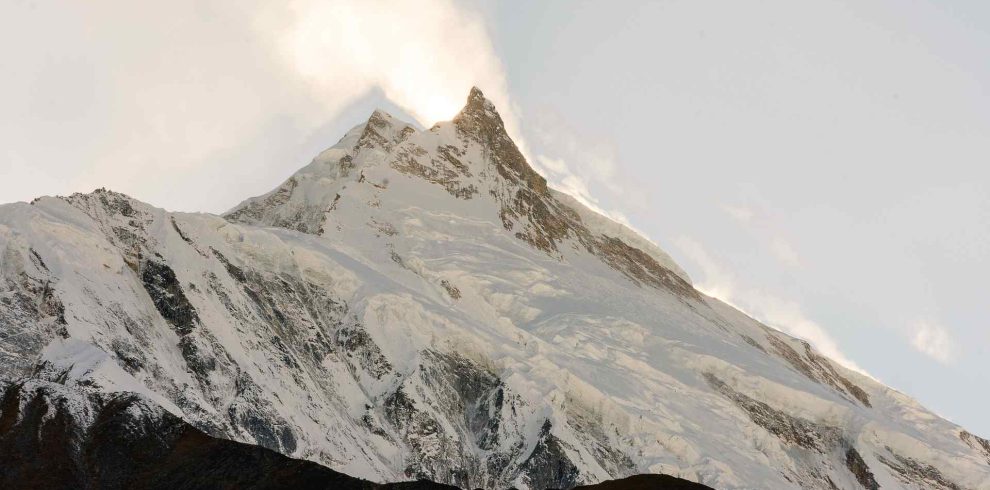
The 9 Days Manaslu Circuit Trek, also known as the Short Manaslu Circuit Trek, is designed for trekkers who want…
2. Book Directly With a Local Company
Booking directly with a local operator in Nepal avoids international middlemen and provides better value for money. Local companies understand the route, seasonal conditions, and logistics far better than overseas resellers.
3. Choose a Company That Specializes in Manaslu
We focus only on the Manaslu Circuit Trek. Since 2018, we’ve built deep expertise and strong ties with the people and teahouses along the trail.
Our licensed guides know the Manaslu Circuit inside and out. They’ve completed it more than 20 times, giving you unmatched local insights. We manage all aspects, from permits and transport to accommodation and trek logistics. Because we specialize in just one region, we guarantee personalized advice, consistently reliable service, and endless value for everyone trekking in Manaslu
Choose a specialist team with deep, first-hand Manaslu knowledge for a simple, smooth, and valuable trekking experience.
4. Use the Free Trekking Gear Provided
Renting gear in Kathmandu can quickly increase your expenses. Choosing a company that provides essential equipment can save you a significant amount.
Manaslu Treks and Expedition, we provide:
- Down jacket
- Four-season sleeping bag
- Duffel bag
- Trekking map
- Trekking poles
These complimentary items help reduce the cost of preparing for the trek.
5. Get a Nepal SIM Card With Unlimited Internet
Paying for Wi-Fi at every teahouse can become surprisingly expensive. A Nepal SIM card with a data package is often much cheaper.
For our guests, Manaslu Treks and Expedition provides a Nepal SIM card with an unlimited data package, helping trekkers stay connected throughout much of the journey without incurring repeated Wi-Fi charges.
6. Buy Personal Snacks in Kathmandu
Chocolate bars and energy snacks become increasingly expensive as you gain altitude.
Before leaving Kathmandu, buy:
- Mars bars
- Snickers
- Protein bars
- Dry fruits
- Nuts
- Electrolyte powder
Buying them in Kathmandu is considerably cheaper than purchasing them along the trail.
7. Travel by Bus Instead of Private Jeep
Private jeeps are more comfortable but considerably more expensive.
If your priority is keeping costs low, local bus transportation between Kathmandu and Machha Khola offers substantial savings. Many budget-conscious trekkers choose this option.
8. Choose a Company That Arranges Everything
Trying to organize permits, transportation, guides, accommodation, and gear separately often leads to unnecessary expenses.
Manaslu Treks and Expedition handles everything for you, including:
- Restricted area permits
- MCAP and ACAP permits
- Licensed guide
- Accommodation
- Meals during the trek
- Transportation
- Airport transfers
- Essential trekking gear
- Nepal SIM card with unlimited internet
- Assistance before and during the trek
Having everything organized by one experienced team helps avoid unexpected costs and makes the entire experience smoother.
9. Share Hot Water Costs
At higher elevations, ordering individual cups of hot water can become expensive. If you are trekking with friends or a group, ordering a thermos and sharing it is usually much cheaper.
10. Share Transportation Costs or Use Local Buses
Transportation is one of the easiest places to save money on the Manaslu Circuit Trek.
- A private jeep from Kathmandu to Machha Khola can cost more than $200 one way if you hire the entire vehicle yourself.
- If you are traveling with a group of four to seven trekkers, the cost can be shared, making private jeep transportation much more affordable.
- For example, a jeep costing $220, shared among five people, comes to about $44 per person.
- If your priority is saving money, local buses are by far the cheapest option. Bus transportation from Kathmandu to Machha Khola costs only $12–15 per person, although the journey is longer and less comfortable.
Many trekkers choose to go by bus and return by jeep, combining lower costs with added comfort at the end of the trek.
You may also be interested in: Manaslu Circuit Trek Itinerary: Complete Route Planning Guide

How Much Does the Manaslu Circuit Trek Really Cost in 2026?
The first honest answer to this question is that there is no single number. Total cost depends on the season you trek, whether you join a group or go private, how many days you spend on the trail, and how carefully you manage your daily food and drink spending. The range is wide. A solo traveler joining a group departure in December could complete the circuit for around $1,100 all in, while a private two-person trip in October with a porter could reach $2,200 per person before international flights.
Here is how the major cost categories break down for a standard 13 to 14 day Manaslu Circuit Trek in 2026:
| Cost Category | Low Estimate (USD) | High Estimate (USD) | Notes |
|---|---|---|---|
| Restricted Area Permit | $75 | $200 | Depends on season and duration |
| MCAP Permit | $22 | $22 | Fixed fee (NPR 3,000) |
| ACAP Permit | $22 | $22 | Required from Dharapani to Besi Sahar |
| TIMS Card | $15 | $15 | NPR 2,000, required for trekking |
| Licensed Guide (14 Days) | $280 | $350 | Plus customary tip |
| Porter (Optional) | $210 | $280 | Plus customary tip |
| Transport (Kathmandu–Soti Khola and Return) | $45 | $70 | Shared jeep both ways |
| Teahouse Accommodation (14 Nights) | $70 | $210 | $5–$15 per night |
| Food and Drinks (14 Days) | $280 | $560 | $20–$40 per day |
| Travel Insurance | $80 | $150 | Must include helicopter evacuation |
| Total (Excluding Flights) | $1,099 | $1,879 | Solo trekker, guide included |
When you book a guided package, most of these costs are bundled at a price often lower than if you arranged each component separately, because we book teahouse rooms in bulk and have established transport agreements. Our 13 Day Manaslu Circuit Trek package starts at $1,350 per person and includes permits, guide, accommodation, meals, and transport. The 14 Day version starts from $1,300. These prices beat what most independent trekkers spend when they add everything up individually.
The categories where you have the most control over spending are food and drinks, accommodation standard, trek duration, and the season you travel. We will cover each of these in detail below.
The Single Biggest Cost: Understanding the Manaslu Restricted Area Permit
The Manaslu Restricted Area Permit (RAP) is the largest mandatory government fee on the Manaslu Circuit Trek. While you cannot avoid this permit, understanding how the pricing works can help you choose the right season and reduce your overall trekking costs.
Peak Season vs Off-Peak Permit Costs
The Nepal government charges different rates depending on the season.
Peak Season (September, October, November, March, April, and May)
- USD 100 per person for the first 7 days.
- USD 15 per person for each additional day.
- Total for a 14-day trek: USD 205 per person.
Off-Peak Season (December, January, February, June, July, and August)
- USD 75 per person for the first 7 days.
- USD 10 per person for each additional day.
- Total for a 14-day trek: USD 145 per person.
By trekking during the off-season, you can save approximately USD 60 per person on permit fees alone.
The Permit Must Be Arranged Through a Registered Trekking Agency
Unlike Everest or Annapurna permits, the Manaslu Restricted Area Permit cannot be obtained independently. It must be processed through a licensed trekking company in Nepal.
At Manaslu Treks and Expedition, we arrange all permit formalities for our guests before the trek begins, ensuring everything is completed correctly and on time.
Permit Checkpoints Along the Route
Trekkers are required to present their permits at several checkpoints throughout the journey, including:
- Jagat
- Deng
- Namrung
- Samagaun
- Samdo
These checkpoints are actively monitored, and trekking without the required permits can result in fines and being denied entry into the restricted area.
Why Finalizing Your Dates Matters
The Manaslu Restricted Area Permit is non-transferable and generally non-refundable once issued. If your travel dates change significantly after permit processing, a new permit may be required.
For this reason, it is best to finalize your itinerary before starting the permit application process.
Our Recommendation
Because permits represent one of the largest fixed costs of the Manaslu Circuit Trek, choosing the right season and working with an experienced Manaslu specialist can save both money and unnecessary complications.
At Manaslu Treks and Expedition, we focus exclusively on the Manaslu Circuit Trek and handle all permits, transportation, accommodation, and logistics, making the entire process simple and hassle-free.
Best Season to Do Manaslu Circuit Trek on a Budget
The best months to trek the Manaslu Circuit for a lower total cost are December, January, and February. These winter months qualify as off-peak season, which means the restricted area permit rate drops from $100 per week to $75 per week. Beyond the permit saving, several other cost factors shift in your favor during these months.
Teahouses in the lower and mid-altitude sections remain open throughout December and January, though some lodges at Samdo and Larkya Phedi close in the coldest weeks of January. Room prices do not increase in winter, and some lodge owners offer additional discounts during periods of low occupancy. If you are comfortable negotiating, winter is the season where you have the most room to ask for a better rate and receive one.
The main trade-off of winter trekking is temperature. Nights above 3,500 metres in December and January are very cold, sometimes reaching minus 15 to minus 20 degrees Celsius near Larkya La. You need a high-quality sleeping bag rated for these temperatures and a complete set of insulating layers. If you need to rent gear in Kathmandu, you will spend money on thermal equipment that you might not need in October or April. Factor this into your total budget comparison before concluding that winter is automatically cheaper overall.
February is generally the most accessible budget month. Temperatures are starting to rise from the January lows, the permit rate is still at the off-peak level, and snowpack on Larkya La is typically manageable. March sees a transition back to peak season rates, so if you are targeting the lowest permit cost possible, aim to enter the restricted area before March 1.
The monsoon months of June, July, and August have the lowest trekker volume of the year, and some teahouse owners offer reduced rates just to maintain any revenue during the wet season. However, the trail conditions in the Budhi Gandaki gorge during monsoon are genuinely hazardous, with frequent landslides and flooded river crossings. We do not recommend these months for first-time Manaslu trekkers regardless of the cost saving. The risk to safety is not worth the saving on the permit and accommodation.
Our Manaslu Circuit Trek preparation guide covers seasonal conditions in more detail, including what to pack for each season and how temperature affects the difficulty of the Larkya La crossing.
How to Save Money by Joining a Group Departure
Joining a group departure is the single most effective cost-reduction strategy available to independent travelers on the Manaslu Circuit, and it is an option that most trekkers do not know exists or do not think to pursue.
When you book a private trek, the cost of the licensed guide and the transport arrangements are divided between you and whoever you are trekking with. If you are a solo traveler booking a private package, you pay the full guide cost yourself. But Nepal regulations require a minimum of two trekkers per group on the Manaslu Circuit, so even a solo traveler must pay for a guide and typically pays the single supplement that agencies charge to cover the minimum group requirement.
On a group departure, those same fixed costs are divided among all participants. A guide who costs $320 for 14 days divides to $32 per person in a group of ten, compared to $160 per person for a pair. The transport cost from Kathmandu to Soti Khola is another category that scales down with group size. A shared jeep seat for a solo traveler costs $30 to $45 per person. In a dedicated group transfer, the per-seat cost often falls below $25.
Our group departure packages for the Manaslu Circuit are available throughout the trekking seasons and are priced to reflect the shared cost structure. The 13 Day Manaslu Circuit Trek starting at $1,350 and the 14 Day version at $1,300 are both offered as group departures with fixed start dates throughout the year. These prices would be impossible to match if you tried to arrange a private trek with identical services.
When joining a group departure from an agency, it is worth asking a few specific questions before you book. Find out the maximum group size (we keep ours to 12 people or fewer to maintain a manageable pace on the trail), whether a minimum group size is required for the departure to run, and what happens to your booking if the minimum is not met. Also confirm that the guide leading the group holds a current government-issued trekking license for the Manaslu restricted area specifically, not just a general Nepal trekking license.
Guide and Porter Costs: What You Need to Know
A licensed guide is mandatory for the Manaslu Circuit Trek. Since the route passes through a restricted area, Nepal government regulations require all trekkers to be accompanied by a licensed guide. Permit checkpoints along the route regularly verify guide and permit documents, making independent trekking illegal.
Understanding the cost of guides and porters will help you budget properly and avoid unnecessary expenses.
Guide Costs in 2026
Professional licensed guides on the Manaslu Circuit typically cost between $30 and $35 per day. For a standard 14-day trek, guide costs generally range between $420 and $490.
When you book with a reputable company, this price usually includes:
- Government-licensed trekking guide.
- Guide insurance.
- Salary and equipment.
- Permit arrangements and logistics support.
- Accommodation and meals for the guide.
At Manaslu Treks and Expedition, guide costs are already included in our package prices, so trekkers do not have to worry about arranging these services separately.
Do You Need a Porter?
Unlike guides, porters are optional. Whether you need one depends largely on how much weight you plan to carry and your personal comfort level.
Most trekkers carry between 7 and 12 kilograms, including clothing, a sleeping bag, and personal items. Many healthy trekkers manage this comfortably. However, if you prefer to hike with a lighter daypack or have knee or shoulder problems, hiring a porter can make the trek much more enjoyable.
Porter Costs in 2026
Porters on the Manaslu Circuit generally cost $25 to $30 per day. For a 14-day trek, this means a total cost of approximately $350 to $420.
One porter can carry up to 25 kilograms, making it common for two trekkers to share one porter.
For example:
- One porter for two trekkers costs around $350–420.
- Split between two people, the cost becomes approximately $175–210 per person.
- Sharing a porter is one of the easiest ways to reduce costs without sacrificing comfort.
Guide and Porter Tips
Tipping is customary and greatly appreciated in Nepal. While the amount varies, many trekkers budget:
- $10–15 per day for the guide.
- $7–10 per day for the porter.
These amounts are separate from your package cost and should be planned for in advance.
Our Recommendation
If you are trekking with a friend or partner, sharing one porter between two people is usually the best balance between comfort and cost. At Manaslu Treks and Expedition, we provide experienced licensed guides and reliable porters who know the route well, ensuring a safe and enjoyable experience throughout the Manaslu Circuit.
Manaslu Teahouse Food Costs: What You Will Eat and What You Will Pay
Food is one of the most flexible expenses on the Manaslu Circuit Trek. Your daily choices can make a significant difference to your overall budget. If you are still planning your itinerary, difficulty level, or permits, you may want to read our Manaslu Circuit Trek guide for a complete overview of the route.
On a typical 14-day Manaslu Circuit, careful spending on food and drinks can save more than $100 compared to eating and drinking without considering the costs.
Dal Bhat: The Best Value Meal on the Manaslu Circuit
Dal Bhat, Nepal’s traditional meal of rice, lentil soup, vegetables, and pickle, is available in every teahouse along the route. It is also the meal most guides and porters eat because it is filling, nutritious, and offers free refills at almost all lodges.
- Below 3,000 meters: NPR 700–900 ($5–7).
- Above 3,000 meters: NPR 900–1,300 ($7–10).
Because rice and lentil refills are included, Dal Bhat remains the most economical and satisfying option on the trek.
Other Common Teahouse Meals
Most teahouses offer a surprisingly varied menu, including:
- Fried rice
- Noodle soup
- Pasta
- Momos
- Tibetan bread
- Porridge
- Omelets
- Pancakes
Prices generally increase with altitude:
- Lower elevations: $4–7 per dish.
- Samagaun and higher villages: $6–10 per dish.
Imported snacks and packaged foods become increasingly expensive as you gain altitude.
A Realistic Daily Food Budget
Breakfast
- Oatmeal, Tibetan bread, eggs, or porridge.
- Cost: $5–8.
Lunch
- Dal Bhat, fried rice, or noodle soup.
- Cost: $6–9.
Dinner
- Dal Bhat with unlimited refills or another main dish.
- Cost: $7–10.
Hot Drinks
- Tea, ginger lemon honey tea, coffee, or boiled water.
- Cost: $3–7.
Snacks
- Chocolate bars, nuts, or energy bars.
- Cost: $2–5.
Estimated Daily Food Cost
- Budget-conscious trekkers: $20–30 per day.
- Average spend: $25–35 per day.
- Heavy spenders: $35–45+ per day.
Over a 14-day trek, food and drinks usually cost between $280 and $490 per person.
Avoid Soft Drinks at High Altitude
One of the easiest ways to overspend is by buying bottled soft drinks.
- Coke, Fanta, or Sprite above 3,000 meters typically cost NPR 400–700 ($3–5).
- Drinking two soft drinks daily for 14 days can easily add $80–140 to your total expenses.
Instead, choose:
- Boiled water
- Lemon tea
- Ginger honey lemon tea
- Black tea
These options are cheaper, healthier, and help maintain hydration at altitude.
Buy Snacks in Kathmandu
Mars bars, Snickers, nuts, trail mix, and electrolyte powders are much cheaper in Kathmandu than on the trail. Buying snacks before the trek can save a considerable amount over two weeks.
Our Recommendation
At Manaslu Treks and Expedition, we recommend keeping meals simple and nutritious. Dal Bhat remains the best value meal on the Manaslu Circuit, and avoiding unnecessary purchases such as soft drinks and imported snacks can easily save over $100 during the trek while helping you stay healthier and better acclimatized.
Budget Packing for Manaslu: What to Bring and What to Rent in Kathmandu
Buying or renting trekking gear in Kathmandu is significantly cheaper than bringing everything from home, especially for items you will only use on one trek. Knowing which items are worth renting versus which you should own outright is the key decision.
Gear that is worth renting in Kathmandu for the Manaslu Circuit includes:
- Down sleeping bag (minus 15°C rated): Rental cost is approximately NPR 150 to NPR 250 per day, around $1 to $2 per day. For 14 days that is $14 to $28, compared to purchasing a comparable sleeping bag for $80 to $150 new in Kathmandu or more abroad. Renting makes sense unless you trek frequently in cold conditions.
- Trekking poles: Rental cost is approximately NPR 100 to NPR 150 per day per pair. For 14 days that is $10 to $17. A quality new pair costs $30 to $70. If you do not own poles, renting for Manaslu and then deciding whether to buy after experiencing their value is sensible.
- Duffle bag for the porter: If you are hiring a porter, they need a bag they can carry on their back. Rental is minimal, around NPR 50 to NPR 100 per day.
Gear that is worth buying or bringing from home rather than renting includes your trekking boots, base layers, and headlamp. Rented boots are a hygiene and fit issue. Rented headlamps may have weak batteries. These are items where failure or discomfort has direct consequences on the trail, so personal ownership is worth it.
Thamel’s outdoor gear shops in Kathmandu sell local and Chinese-made versions of most branded trekking gear at a fraction of Western prices. Down jackets that cost $250 at outdoor retailers abroad sell for $30 to $60 in Thamel. Trekking pants, fleece layers, buffs, gloves, and sun hats are all available at low cost. The quality varies, but for a one-time trek rather than a repeated use scenario, Thamel gear is functional.
One item not to skip buying regardless of cost: a good pair of trekking socks. Blisters in a remote area with no road access are not a minor inconvenience. Buy at least two pairs of merino wool trekking socks before you leave Kathmandu. Local merino blends are available in Thamel for NPR 600 to NPR 1,000 per pair, around $5 to $8. This is not where you save money.
The other gear investment that directly affects your cost on the trail is water treatment. Trekkers who carry a water filter or purification tablets treat their own water from streams and taps along the route at near-zero cost. Trekkers who buy bottled water at each stage spend $1 to $3 per liter, which adds up to $20 to $50 over the full circuit depending on how much they drink. A basic Sawyer filter costs $25 to $35 and pays for itself on a single trek.
Our Manaslu preparation guide contains a full gear checklist with specific recommendations for each season, including what our guides personally carry on the circuit.
Permit Fees on Manaslu: The Full 2026 Breakdown
There are four separate permits or cards required to legally complete the Manaslu Circuit Trek. Each has a fixed government price, and all must be obtained before you enter the restricted area. Here is the complete 2026 breakdown:
| Permit Type | Cost (Peak Season) | Cost (Off-Peak Season) | Issuing Authority | Notes |
|---|---|---|---|---|
| Manaslu Restricted Area Permit (RAP) | $100 per person for the first 7 days, plus $15 per additional day | $75 per person for the first 7 days, plus $10 per additional day | Department of Immigration, Kathmandu | Peak seasons are September, October, November, March, April, and May. Must be processed through a registered trekking agency. |
| Manaslu Conservation Area Project (MCAP) Permit | NPR 3,000 (≈ $22) | NPR 3,000 (≈ $22) | National Trust for Nature Conservation (NTNC) | Required throughout the Manaslu Conservation Area. No seasonal variation. |
| Annapurna Conservation Area Project (ACAP) Permit | NPR 3,000 (≈ $22) | NPR 3,000 (≈ $22) | National Trust for Nature Conservation (NTNC) | Required after crossing Larkya La Pass for the section from Dharapani to Besi Sahar. |
| Trekkers Information Management System (TIMS) Card | NPR 2,000 (≈ $15) | NPR 2,000 (≈ $15) | Trekking Agencies’ Association of Nepal (TAAN) | Usually processed through your registered trekking agency or the TAAN office. |
| Estimated Total Permit Cost | $159–$174+ | $134–$149+ | Varies with duration | Longer treks require additional RAP fees. |
How Many Days Should You Trek to Maximize Value?
The question of trek duration has a real cost dimension that most trekkers do not examine closely enough before booking. A shorter trek is not always the cheapest option when you look at the cost per day rather than the headline total price.
Here is how the math works. The Manaslu Restricted Area Permit is charged by the week, so any trek that falls within a single week costs the same in permit fees regardless of whether you spend 6 days or 7 days in the restricted zone. The fixed costs of the trip (permits, guide salary for the period, transport) are largely the same whether you trek for 9 days or 11 days. The only costs that scale directly with days are your food, accommodation, and the incremental guide and porter daily rates.
The 9 Day Short Manaslu Circuit Trek, priced from $1,090 per person in our short trek package, is the most budget-friendly entry point. It covers the Budhi Gandaki gorge section and reaches the high altitude villages before returning via the same or alternate route, without crossing Larkya La. If your goal is to experience the Manaslu region at the lowest possible cost, the 9 day option achieves that while keeping permit costs to one week.
However, most trekkers who complete the Manaslu Circuit come specifically to cross Larkya La at 5,106 metres. The pass crossing is logistically only possible with enough acclimatization time, which is why any credible itinerary that includes the crossing runs a minimum of 11 to 13 days. Our 11 Day Manaslu Circuit Trek at $1,290 per person is the shortest package that includes the Larkya La crossing with a reasonable acclimatization buffer. The 10 Day version at $1,195 is possible for experienced trekkers who have prior altitude experience above 4,000 metres and can handle a faster acclimatization schedule.
On the other end of the spectrum, the 14 Day Manaslu Circuit Trek at $1,300 includes a dedicated acclimatization day at Samagaun, which we consider the single most valuable day on the circuit from a health and safety perspective. The extra days cost very little in absolute terms (14 days at $1,300 versus 13 days at $1,350 means the longer trek is actually cheaper per day) and provide meaningful protection against altitude sickness. When we guide clients on the circuit ourselves, we always recommend at minimum the 14-day schedule.
If you want to extend further and include the Tsum Valley, our 19 Day Manaslu Circuit with Tsum Valley Trek at $1,895 adds one of the most intact Tibetan Buddhist valleys in Nepal. The cost per day for the 19-day version comes out lower than the 13-day version, because the fixed costs are spread across more days.
Solo vs. Guided Group: Why the Math Favors a Package
Nepal’s regulations create a situation where attempting to trek the Manaslu Circuit without engaging a registered agency is not only illegal but is also, paradoxically, more expensive than booking a package. This is a misunderstood point that leads some experienced trekkers to arrive in Kathmandu thinking they can save money by arranging everything independently. They cannot.
Here is why. The Manaslu Restricted Area Permit must be processed through a registered Nepali trekking agency. There is no mechanism for an individual trekker to apply directly to the Department of Immigration without agency sponsorship. This means every trekker on the Manaslu Circuit, regardless of experience level, must engage an agency for at minimum the permit processing. Once you are paying an agency to handle your permits, the incremental cost of adding a guide, teahouse bookings, and transport coordination through the same agency is modest.
A realistic cost comparison for a solo trekker attempting to minimize spending on the 14-day circuit:
- Agency permit processing fee (minimum if buying permits only): $50 to $80 in agency fees beyond the government permit cost
- Government permit total (RAP two weeks peak season plus MCAP plus ACAP plus TIMS): $234
- Licensed guide hired through agency: $320 to $350
- Transport both ways, shared jeep: $55 to $70
- Teahouse accommodation (14 nights at $10 average): $140
- Food and drinks (14 days at $25 average): $350
- Travel insurance: $80 to $150
- Total minimum estimate: $1,229 to $1,334 per person
Compare this to our 14 Day Manaslu Circuit Trek package at $1,300, which includes permits, guide, accommodation, all meals, and transport. The independently arranged option at $1,229 might appear cheaper until you account for the agency processing fee on permits, which brings it to $1,279 to $1,414 before food. The package wins or ties on cost and eliminates all the complexity of coordinating permits, guide hiring, and teahouse logistics across time zones before you arrive.
The advantage of a package over independent arrangement is not just cost. It is the elimination of risk. Permit application errors, hiring unqualified guides, not having the correct documents at the Jagat checkpoint, and communication failures with remote teahouses are all real problems that our team handles internally before they become your problem. For a trek in a restricted zone with limited rescue infrastructure, this operational buffer has real value.
Book a Budget-Friendly Manaslu Trek with Manaslu Treks and Expedition
We started Manaslu Treks and Expedition because we believe that the best way to run this circuit is with a company that has led it many times, understands every checkpoint, knows every teahouse owner by name, and can solve problems before they affect your experience. That operational depth is what makes the difference between a trek that runs smoothly and one that runs into costly avoidable complications.
Our packages are structured to keep costs transparent. No hidden fees, no permit charges added at the end of the booking process, no surprise supplements. All our package prices include the four required government permits, licensed guide, teahouse accommodation, three meals per day on trek, and all transport between Kathmandu and the trailhead. You pay on arrival in Nepal, not in advance, so you have no financial risk if your plans change before departure.
Here is a summary of our current Manaslu Circuit Trek packages for 2026 and 2027:
| Package | Duration | Price Per Person | Includes Larkya La? | Best For |
|---|---|---|---|---|
| Short Manaslu Circuit Trek | 9 Days | From $1,090 | No | Budget trekkers, limited time |
| Manaslu Circuit Trek 10 Days | 10 Days | From $1,195 | Yes | Experienced trekkers, tight schedule |
| Manaslu Circuit Trek 11 Days | 11 Days | From $1,290 | Yes | Good fitness, prior altitude experience |
| Manaslu Circuit Trek 13 Days | 13 Days | From $1,350 | Yes | Most popular option, group departures |
| Manaslu Circuit Trek 14 Days | 14 Days | From $1,300 | Yes | Best balance of safety and value |
| Manaslu Circuit with Tsum Valley | 19 Days | From $1,895 | Yes | Full cultural and trekking experience |
Group departures run throughout the year on fixed schedules, which you can view on our all trips. For trekkers who want a more tailored experience, we also offer custom Manaslu Circuit Trek planning where we build an itinerary around your specific dates, fitness level, budget, and interests.
If you have questions about costs, permits, packing, or whether a specific package suits your needs, contact us directly. We respond to all WhatsApp and email inquiries within a few hours during Nepal business hours.
Phone and WhatsApp: +977 9869225929
Email: info@manaslutreks.com
You can also read what past trekkers say about trekking with us on our reviews, which includes direct reports from trekkers in their own words. We are based in Thamel, Kathmandu, and our team of licensed guides has completed the Manaslu Circuit more times than we can easily count. This route is what we do, season after season, and we would rather give you accurate cost information upfront than have you arrive with unrealistic expectations.
Frequently Asked Questions About Manaslu Circuit Trek Costs
What is the cheapest month to do the Manaslu Circuit Trek?
December, January, and February offer the lowest restricted area permit rates ($75 per person per week rather than $100 in the first peak-season week). Teahouse prices do not drop significantly in winter, but lodge owners are more open to negotiation during the quiet period. February is the most accessible of the three months for Larkya La conditions.
Is there a minimum group size for the Manaslu Circuit?
Yes. Nepal regulations require a minimum of two trekkers per group for the Manaslu restricted area permit. Solo female trekkers received an exemption to this rule as of March 2026 and may now trek with a licensed guide without a minimum group partner. All other nationalities and gender categories still require at minimum two people per group.
Can I reduce costs by not hiring a porter?
Yes. A porter is optional, and trekkers who can carry 8 to 12 kilograms comfortably throughout a 13 to 14 day circuit do not need one. If you are traveling with a companion, sharing one porter between two people is a common and effective cost-reduction strategy. No porter is needed for the 9 Day Short trek, which follows moderate trail grades throughout.
Does the package price change based on group size?
For group departure packages, the listed per-person price is fixed regardless of the number of people in your booking. For private custom packages, group size directly affects cost because fixed costs, such as guide salary and transport, are divided among more people. A private package for four people costs notably less per person than the same private package for two.
What is the total cost for a couple doing the 14-day Manaslu Circuit?
If two people book our 14 Day Manaslu Circuit Trek package, the cost is $1,300 per person, so $2,600 total before international flights, Nepal visa, travel insurance, and personal spending. Adding insurance ($160 combined), Nepal visa ($100 combined for 30 days each), and personal spending of $200 to $400 combined for snacks, tips, Kathmandu accommodation and extras brings the total for a couple to approximately $3,060 to $3,260, excluding international flights.
Are there any costs that surprise trekkers who have not done the Manaslu route before?
Hot shower charges surprise some trekkers. At lower elevations, hot showers are sometimes free or very low-cost. Above Namrung, they are charged separately at NPR 300 to NPR 500 per shower. Over 14 days this can add $28 to $70 if you shower daily. Charging costs for phones and cameras are also charged at many lodges above Deng, usually NPR 100-200 per device. Carry a power bank, and you avoid these charges entirely. Finally, hot drinks at very high elevations (Samdo, Larkya Phedi) are more expensive than at lower altitudes, sometimes NPR 300 to NPR 400 for a basic tea. These are all small amounts individually but worth anticipating in your daily budget.
For more context on what the experience is actually like on the trail from a real trekker’s perspective, our 14 Day Manaslu Circuit Trek experience post written by a trekker from Ireland is an honest account of the day-by-day realities of the route. It covers food, accommodation, weather, and the Larkya La crossing from the point of view of someone who had not been to Nepal before this trip.
How much does the Manaslu Circuit Trek cost in 2026?
Most trekkers spend between $8,00 and $1,500 per person, excluding international flights. The final cost depends on the season, guide and porter services, transportation, accommodation, and personal spending.
Can I do the Manaslu Circuit Trek without a guide?
No. Nepal government regulations require all foreign trekkers to be accompanied by a licensed guide in the Manaslu restricted area.
Is the Manaslu Circuit Trek expensive?
Compared with many other treks in Nepal, yes. However, joining a group and booking with a local specialist can significantly reduce costs.
What is the cheapest month for the Manaslu Circuit Trek?
December, January, February, June, July, and August have lower restricted area permit fees, making them cheaper than peak seasons.
Is a porter necessary for the Manaslu Circuit Trek?
No. A porter is optional, although many trekkers prefer one for added comfort.
How much does a porter cost in 2026?
Porters generally cost between $25 and $30 per day.
Can two trekkers share one porter?
Yes. Sharing one porter between two trekkers is common and helps reduce costs.
How much does a guide cost in 2026?
Licensed guides usually cost between $30 and $35 per day.
How much should I budget for food?
Most trekkers spend between $20 and $35 per day on meals and drinks.
What is the cheapest meal on the Manaslu Circuit?
Dal Bhat offers the best value because unlimited rice and lentil refills are available at most teahouses.
How much do teahouses cost on the Manaslu Circuit?
Accommodation generally costs between $5 and $15 per night depending on altitude and season.
Is Wi-Fi available on the Manaslu Circuit?
Yes, although it becomes slower and more expensive at higher elevations.
Should I buy snacks in Kathmandu?
Yes. Chocolate bars, nuts, and energy bars are much cheaper in Kathmandu than on the trail.
How much does transportation from Kathmandu to Machha Khola cost?
Local buses cost around $12–15 per person, while a private jeep can cost more than $200 one way.
Is travel insurance necessary for the Manaslu Circuit Trek?
Yes. Insurance with helicopter evacuation coverage is strongly recommended.
How can I reduce the cost of the Manaslu Circuit Trek?
Joining a group, sharing transportation, buying snacks in Kathmandu, and using the gear provided by your trekking company can help reduce expenses.
Does Manaslu Treks and Expedition provide trekking gear?
Yes. We provide a sleeping bag, down jacket, duffel bag, trekking poles on request, and other essential equipment to help trekkers save money.
Are meals included in Manaslu Circuit Trek packages?
Many packages include meals during the trek, although inclusions vary by company. At Manaslu Treks and Expedition, meals are included in our standard packages.
Why book with Manaslu Treks and Expedition?
Many agencies offer treks throughout Nepal; we specialize exclusively in the Manaslu Circuit Trek. Since 2018, we have focused only on the Manaslu region and provide complete trip arrangements, including permits, guides, accommodation, transportation, meals, and essential trekking gear.
The Manaslu Circuit Trek is a spectacular journey around Mount Manaslu (8,163 m), the eighth-highest mountain in the world. Located…