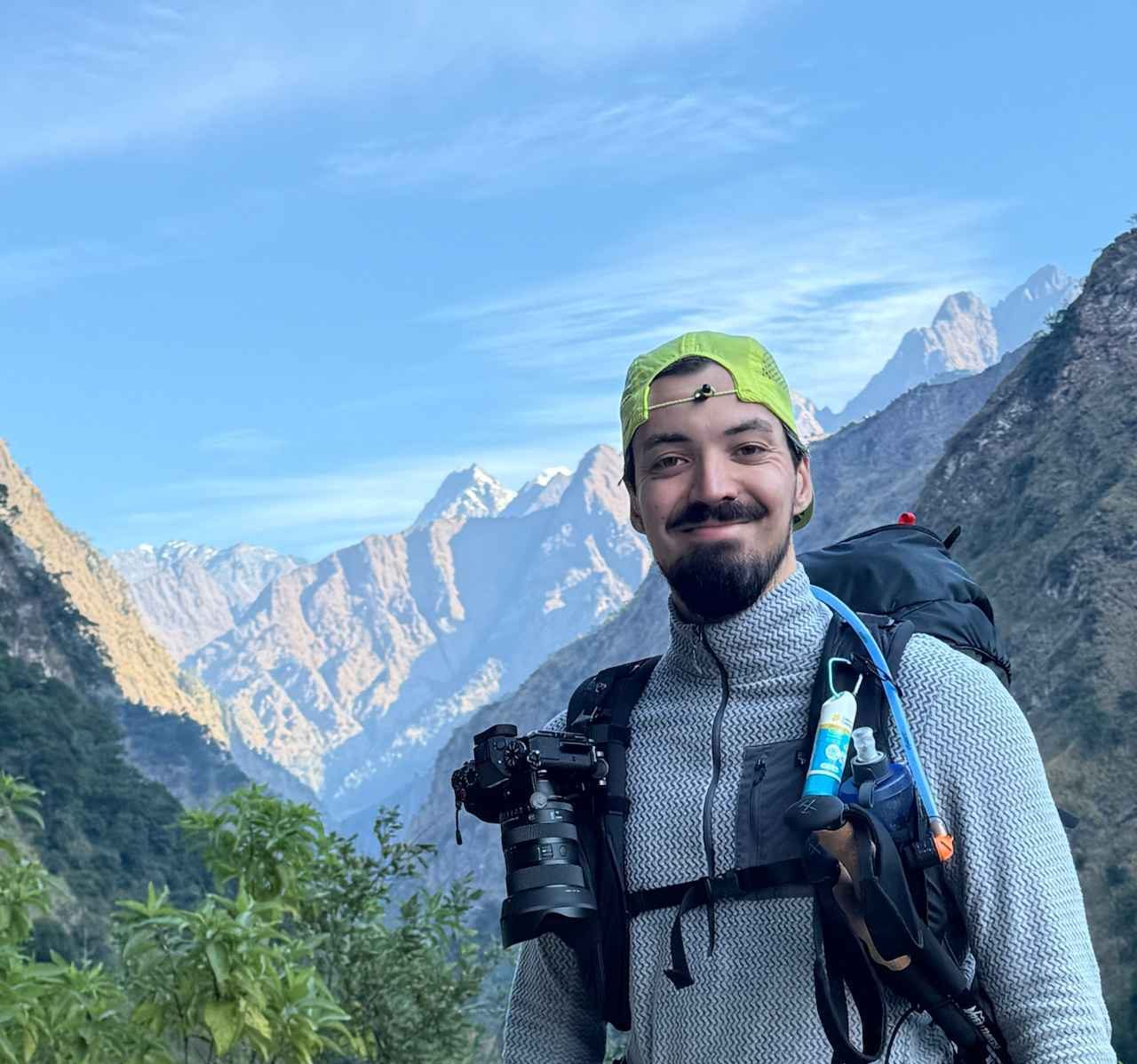
What Is the Manaslu Circuit Trek?
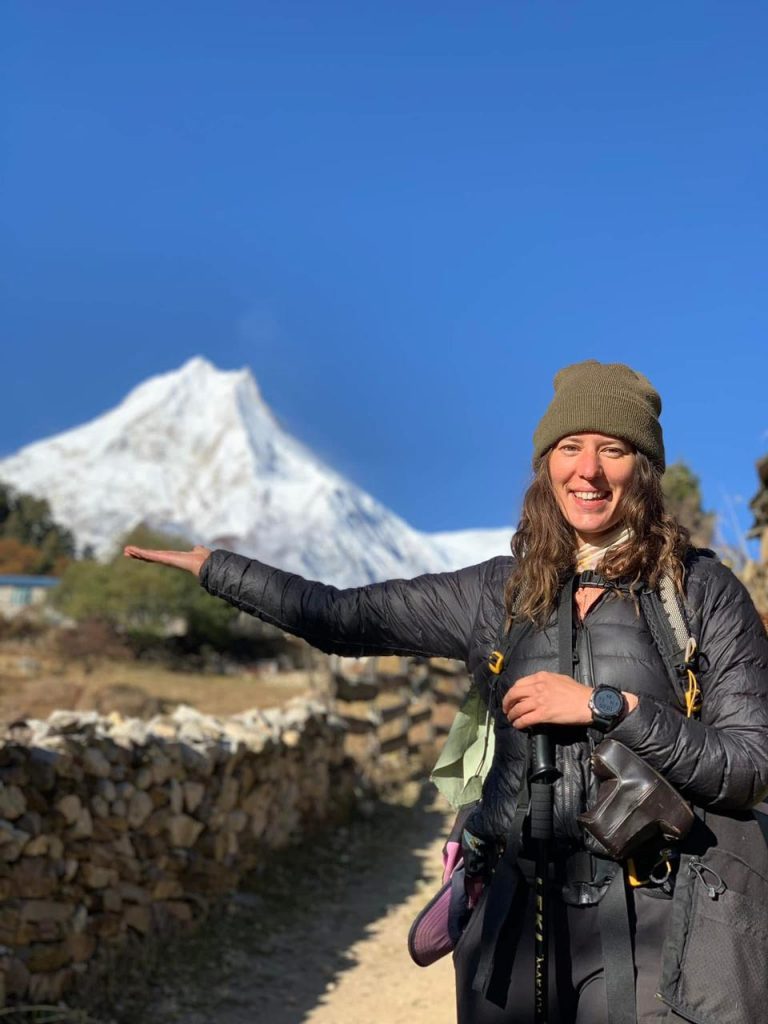
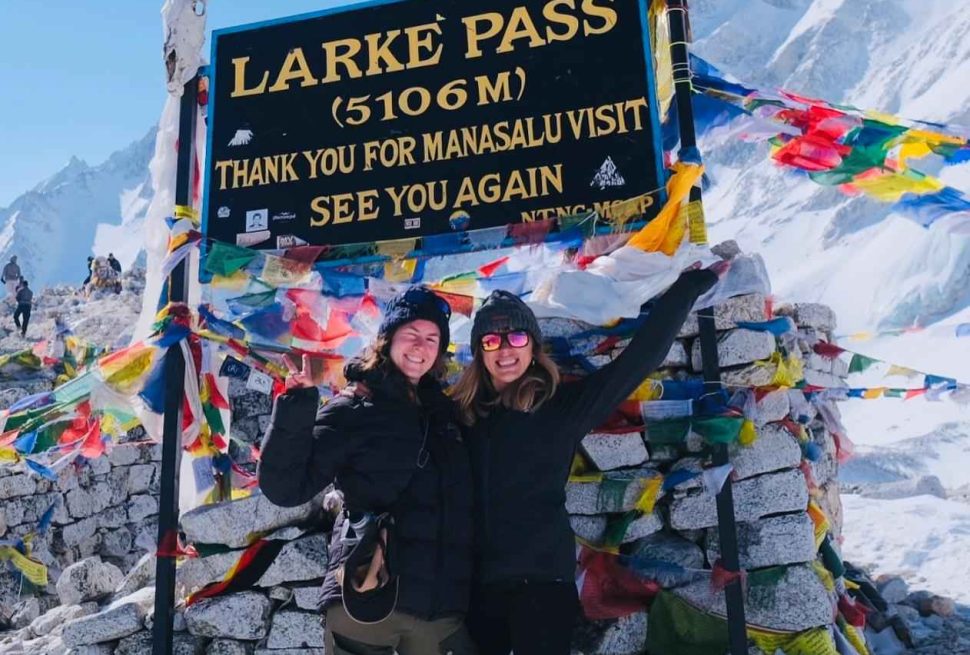
The Manaslu Circuit Trek follows the Budhi Gandaki river valley in a complete loop around Mount Manaslu (8,163 m), the eighth highest peak on earth. The route passes through remote Gurung and Tibetan-speaking villages, climbs over Larke Pass at 5,106 metres, and ends in the Annapurna region near Dharapani or Besisahar. It is one of the few remaining trekking circuits in Nepal where you still walk through villages that see relatively little foot traffic compared to the Annapurna or Everest regions. Our manaslu trek company provides fully customised itineraries with no advance deposit required.
The Annapurna Circuit and the Manaslu route require a Restricted Area Permit, which means you must trek with a registered agency and a licensed guide. This keeps group sizes manageable and the cultural fabric of the villages more intact. From our experience running groups through this region since 2003, the permit system has been one of the main reasons Manaslu still feels like the Nepal of 25 years ago in places like Tsum Valley or the upper reaches near Samdo.
The duration of a Manaslu Circuit trek typically ranges from 10 to 22 days, depending on where you start, the number of acclimatisation days you build in, whether you include the Tsum Valley, and the extent of the jeep road’s development during your visit. Road construction is ongoing in this region, and the driveable starting point shifts. Currently, most groups begin trekking from Soti Khola or Machha Khola. Some parties arriving from Besisahar on the Annapurna side do the circuit in reverse — which changes the acclimatization profile significantly, and not always for the better.
Quick Facts
| Detail | Info |
|---|---|
| Larke Pass Altitude | 5,106 m |
| Approximate Route Length | 177 km |
| Duration Range | 10–22 days |
| Mt. Manaslu Height | 8,163 m |
| Best Seasons | March–May and October–November |
| Permit Required | Yes — Restricted Area Permit + MCAP |
Standard Manaslu Circuit Route Overview
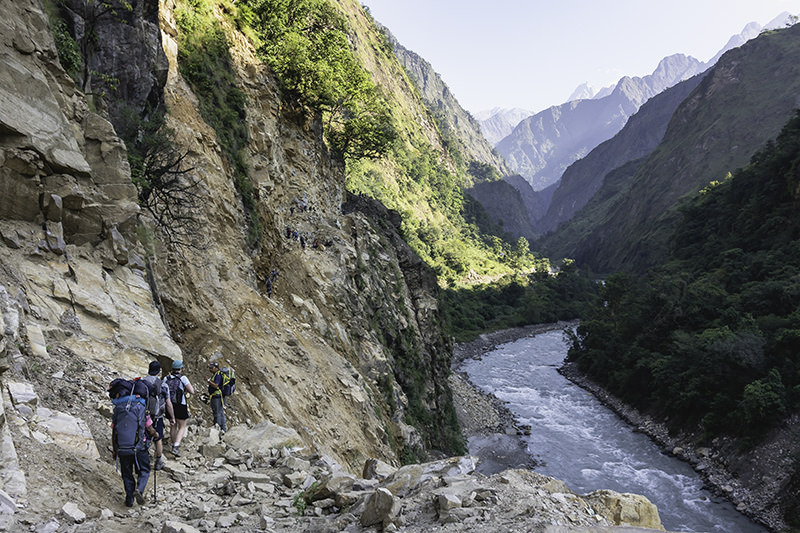
The classic Manaslu Circuit follows the Budhi Gandaki river upstream from the lowlands around Soti Khola or Machha Khola, climbing steadily through deep gorges, subtropical forest, and eventually into the high alpine zone. After crossing Larke Pass, the trail descends through Bimthang into the Marsyangdi valley, finishing at Dharapani or continuing to Besisahar.
Route at a Glance:
- Start Point: Soti Khola (930 m) or Machha Khola (900 m) — by jeep from Arughat
- Key Villages: Jagat → Deng → Ghap → Namrung → Lho → Shyala → Samagaun → Samdo → Dharamsala → Larke Pass → Bimthang
- Larke Pass: 5,106 m — the highest and most critical point on the route
- End Point: Dharapani (1,860 m) or Besisahar (760 m) — by jeep or local bus to Kathmandu
- Direction: Anti-clockwise (Soti Khola to Dharapani) is standard and better for acclimatization
- River Valley: Budhi Gandaki upstream; Marsyangdi downstream after the pass
The anti-clockwise direction — starting from the lower Budhi Gandaki and crossing Larke from east to west — gives trekkers a gradual altitude gain profile. You spend roughly 8–10 days climbing from 900 m to above 5,000 m, which is the right pace for most people. Groups who do the route in reverse often arrive at high altitude too quickly and face acclimatization problems we would rather avoid.
Planning the Manaslu Circuit Trek and need help with permits, route, or itinerary?
WhatsApp us Email usElevation Profile — Key Waypoints
| Waypoint | Altitude |
|---|---|
| Soti Khola | 930 m |
| Machha Khola | 900 m |
| Jagat | 1,340 m |
| Deng | 1,804 m |
| Ghap | 2,160 m |
| Namrung | 2,630 m |
| Lho | 3,180 m |
| Samagaun | 3,530 m |
| Samdo | 3,860 m |
| Dharamsala (Larke Phedi) | 4,460 m |
| Larke Pass | 5,106 m |
| Bimthang | 3,590 m |
| Dharapani | 1,860 m |
10-Day Short Manaslu Circuit Trek Itinerary
A 10-day Manaslu Circuit Trek itinerary is tight. It works only for physically fit trekkers who have recently been at altitude, have no history of altitude sickness, and understand the risks of moving fast at elevation. We generally do not recommend this schedule for first-time high-altitude trekkers. That said, there is real demand from trekkers with limited leave, and the route is doable if done carefully. The road to Machha Khola cuts the first day of walking, which makes 10 days achievable.
| Day | Route | Altitude | Hours |
|---|---|---|---|
| Day 1 | Kathmandu → Machha Khola (Drive) | 900 m | 8–9 hrs drive |
| Day 2 | Machha Khola → Jagat | 1,340 m | ~5–6 hrs |
| Day 3 | Jagat → Deng | 1,804 m | ~5–6 hrs |
| Day 4 | Deng → Namrung | 2,630 m | ~6–7 hrs |
| Day 5 | Namrung → Samagaun via Lho & Shyala | 3,530 m | ~6–7 hrs |
| Day 6 | Samagaun — Acclimatization Day | 3,530 m | Hike to Base Camp or Pungyen Gompa |
| Day 7 | Samagaun → Samdo | 3,860 m | ~3 hrs |
| Day 8 | Samdo → Dharamsala | 4,460 m | ~4 hrs |
| Day 9 | Dharamsala → Larke Pass → Bimthang | 5,106 m | ~8–9 hrs (4 AM start) |
| Day 10 | Bimthang → Dharapani → Kathmandu | 1,860 m | ~4 hrs walk + drive |
Guide note: The Deng–Namrung push on Day 4 is the hardest single day. Many trekkers underestimate how tired they will be after three consecutive full walking days with altitude gain. If anyone in your group shows signs of struggle on Day 4, build in a rest day at Namrung — it will save the pass day later.
11-Day Manaslu Trek Itinerary
Adding one day over the 10-day version gives you meaningful breathing room. We typically insert the extra night at Namrung or split the long Deng–Namrung section at Ghap. This prevents the fatigue pile-up that leads to problems higher on the route.
| Day | Route | Altitude | Hours |
|---|---|---|---|
| Day 1 | Kathmandu → Machha Khola (Drive) | 900 m | 8–9 hrs drive |
| Day 2 | Machha Khola → Jagat | 1,340 m | ~5 hrs |
| Day 3 | Jagat → Deng | 1,804 m | ~5–6 hrs |
| Day 4 | Deng → Ghap | 2,160 m | ~5 hrs |
| Day 5 | Ghap → Namrung | 2,630 m | ~5–6 hrs |
| Day 6 | Namrung → Samagaun via Lho | 3,530 m | ~6–7 hrs |
| Day 7 | Samagaun — Rest Day | 3,530 m | Manaslu Base Camp or Pungyen Gompa hike |
| Day 8 | Samagaun → Samdo | 3,860 m | ~3 hrs |
| Day 9 | Samdo → Dharamsala | 4,460 m | ~4 hrs |
| Day 10 | Dharamsala → Larke Pass → Bimthang | 5,106 m | ~9 hrs (4–5 AM start) |
| Day 11 | Bimthang → Dharapani → Kathmandu | 1,860 m | ~4 hrs walk + drive |
14-Day Standard Manaslu Circuit Trek Itinerary
The 14-day itinerary is the most popular format we run and the one we recommend to most trekkers with moderate Himalayan experience. It starts the trek from Soti Khola rather than Machha Khola, giving an extra day of lower-altitude walking that helps legs and lungs prepare. The acclimatization day at Samagaun is non-negotiable at this pace, and many groups add a short hike toward Samdo on Day 9 before returning to sleep.
| Day | Route | Altitude | Hours |
|---|---|---|---|
| Day 1 | Kathmandu → Arughat → Soti Khola | 930 m | Drive + short walk |
| Day 2 | Soti Khola → Machha Khola | 900 m | ~5–6 hrs |
| Day 3 | Machha Khola → Jagat | 1,340 m | ~5 hrs |
| Day 4 | Jagat → Deng | 1,804 m | ~5–6 hrs |
| Day 5 | Deng → Ghap | 2,160 m | ~4–5 hrs |
| Day 6 | Ghap → Namrung | 2,630 m | ~5–6 hrs |
| Day 7 | Namrung → Lho → Shyala | 3,500 m | ~5 hrs |
| Day 8 | Shyala → Samagaun | 3,530 m | ~3–4 hrs |
| Day 9 | Samagaun — Acclimatization Day | 3,530 m | Manaslu Base Camp (4,800 m) or Pungyen Gompa |
| Day 10 | Samagaun → Samdo | 3,860 m | ~3 hrs |
| Day 11 | Samdo → Dharamsala | 4,460 m | ~4 hrs |
| Day 12 | Dharamsala → Larke Pass → Bimthang | 5,106 m | ~8–10 hrs (4 AM start) |
| Day 13 | Bimthang → Tilje → Dharapani | 1,860 m | ~5–6 hrs |
| Day 14 | Dharapani → Kathmandu | — | Jeep/bus ~7–8 hrs |
16-Day Classic Manaslu Circuit Trek Itinerary
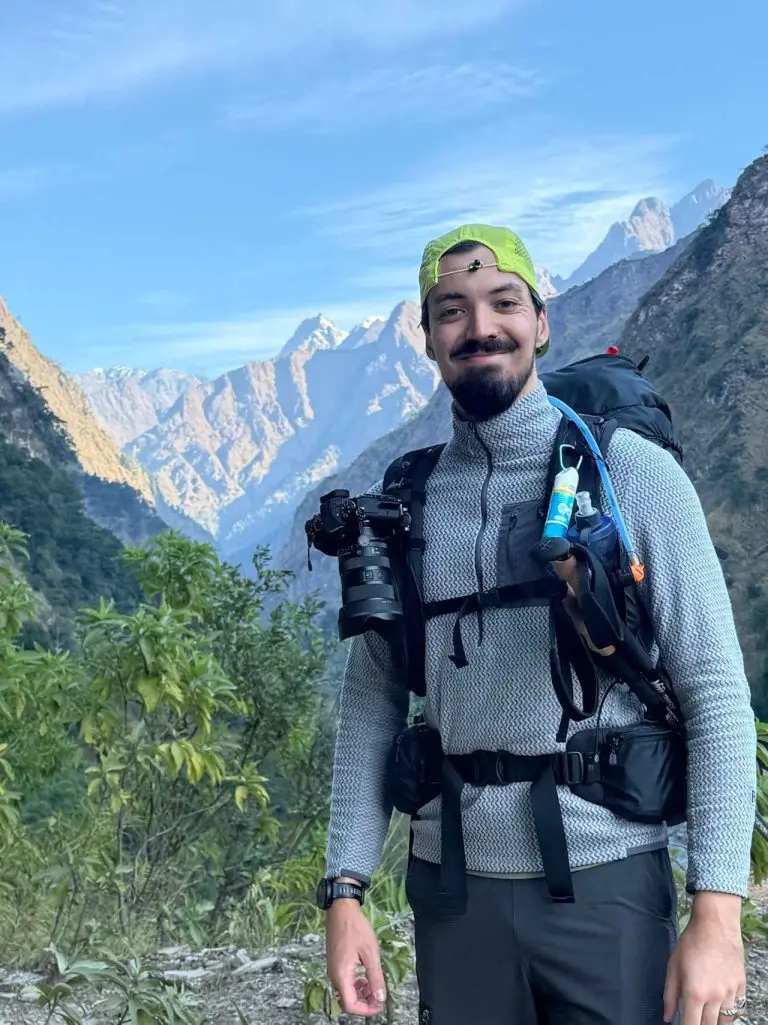
The 16-day version is what we consider the best all-round itinerary for most trekkers. It has enough flexibility to handle a rest day at Namrung if anyone feels under the weather, a proper acclimatization day at Samagaun, an optional acclimatization push from Samdo, and time to visit Lho Gompa without rushing. Groups who have done Everest Base Camp or similar will find this pace comfortable.
| Day | Route | Altitude | Hours |
|---|---|---|---|
| Day 1 | Kathmandu → Soti Khola | 930 m | Drive via Arughat Bazar |
| Day 2 | Soti Khola → Machha Khola | 900 m | ~5 hrs |
| Day 3 | Machha Khola → Jagat | 1,340 m | ~5–6 hrs |
| Day 4 | Jagat → Deng | 1,804 m | ~5–6 hrs |
| Day 5 | Deng → Ghap | 2,160 m | ~4–5 hrs |
| Day 6 | Ghap → Namrung | 2,630 m | ~5–6 hrs |
| Day 7 | Namrung — Rest or Explore | 2,630 m | Visit Namrung Gompa, short hike |
| Day 8 | Namrung → Lho | 3,180 m | ~3 hrs (visit Lho Gompa) |
| Day 9 | Lho → Samagaun via Shyala | 3,530 m | ~4–5 hrs |
| Day 10 | Samagaun — Acclimatization | 3,530 m | Manaslu Base Camp hike (4,800 m) |
| Day 11 | Samagaun → Samdo | 3,860 m | ~3 hrs |
| Day 12 | Samdo — Explore | 3,860 m | Hike to Tibetan border viewpoint ~4,200 m |
| Day 13 | Samdo → Dharamsala | 4,460 m | ~4 hrs |
| Day 14 | Dharamsala → Larke Pass → Bimthang | 5,106 m | ~9–10 hrs (4 AM start) |
| Day 15 | Bimthang → Dharapani | 1,860 m | ~5–6 hrs |
| Day 16 | Dharapani → Kathmandu | — | Jeep/bus |
17-Day Manaslu Circuit with Proper Acclimatization
If you have never been above 4,000 metres before, or if you are travelling in a group with mixed fitness levels, 17 days is what we recommend. The key difference from 16 days is a second acclimatization point — either an extra night at Namrung or a deliberate short-day split between Samdo and Dharamsala, sleeping at an intermediate camp near 4,200 m before continuing to Dharamsala. This version also allows a more relaxed morning on pass day, starting at 4:30–5:00 AM instead of 4:00 AM.
Additional day compared to 16-day:
- Extra buffer at Namrung (Day 7) for lower altitude adjustment
- Split stage: Samdo → intermediate camp (4,200 m), then to Dharamsala
- More relaxed pass day start — 4:30–5:00 AM
- Best for: First-time high-altitude trekkers, older adults, mixed-fitness groups
18-Day Extended Manaslu Circuit Trek Itinerary
The 18-day version is ideal for trekkers who want time to explore side valleys and monastery sites without the feeling of always catching up with the schedule. We typically use the extra days to add Serang Gompa or to spend proper time at Lho exploring the entire monastery complex. Some groups use an 18-day framework to combine a shortened Tsum Valley entry (as far as Chumling) before rejoining the main circuit.
The overall trail structure remains the same as the 16-day version, with additional flexibility built in around Namrung, Samagaun, and the post-pass section. This is a good choice for photographers and trekkers who like unhurried mornings.
Manaslu Circuit with Serang Gompa Side Trip
Serang Gompa is a high-altitude monastery located above the main circuit, accessible via a trail that branches off near Bihi (between Deng and Ghap) or from Prok village. Most trekkers on the standard circuit never make this detour, which is precisely what makes it worth doing. The monastery sits at around 3,850 metres in a location that feels genuinely remote — you may well be the only group there for several days.
The trail from Prok to Serang Gompa and back adds approximately 2–3 days to your itinerary. The path is steep and not well-maintained in all sections. As of our last group through in late October 2024, one of our guides confirmed that the trail above 3,200 metres had some fallen sections from the monsoon that required careful footing. Serang Gompa Trek is not a detour to add lightly, but for trekkers interested in Tibetan Buddhist culture and remote landscapes, it is one of the genuine highlights of the entire Manaslu region.
Serang Gompa Extension Details:
| Detail | Info |
|---|---|
| Access Point | Prok village (near Ghap–Namrung section) |
| Altitude | ~3,850 m |
| Extra Days | 2–3 days added to base itinerary |
| Tea Houses | Basic lodging at Prok; camping may be needed near gompa |
| Best Base | Use 16-day or 17-day main circuit as foundation |
| Trail Condition | Steep and remote; good trekking fitness required |
Manaslu Circuit with Tsum Valley — 18 & 22 Day Itineraries
Tsum Valley is a separate restricted area that branches off the main Manaslu Circuit trail. The entry point is at Lokpa, accessible from Philim or from a junction near Deng. Tsum Valley was opened to trekkers later than the Manaslu Circuit — it requires its own separate restricted area permit on top of the MCAP — and it has seen far less tourist infrastructure development as a result. This is its main draw: the Tsumba people maintain a distinct Tibetan Buddhist culture that has changed relatively little.
The key villages in Tsum Valley are Chumling, Chhokangparo, Nile, and Mu Gompa. Mu Gompa, at 3,700 metres, is the highest and most sacred monastery in the valley and the goal of most trekkers who enter Tsum. The round trip from the Lokpa junction to Mu Gompa and back takes approximately 5–7 days depending on pace.
Planning the Manaslu Circuit Trek and need help with permits, route, or itinerary?
WhatsApp us Email us18-Day Tsum Valley + Manaslu Circuit Itinerary
| Day | Route | Altitude | Notes |
|---|---|---|---|
| Day 1 | Kathmandu → Soti Khola | 930 m | Drive via Arughat |
| Day 2 | Soti Khola → Machha Khola | 900 m | ~5 hrs warm-up |
| Day 3 | Machha Khola → Lokpa | 1,100 m | ~5–6 hrs, Tsum Valley entry |
| Day 4 | Lokpa → Chumling | 2,386 m | ~5 hrs into Tsum Valley |
| Day 5 | Chumling → Chhokangparo | 3,031 m | ~5–6 hrs, mani walls throughout |
| Day 6 | Chhokangparo → Nile | 3,361 m | ~4–5 hrs, high pastures |
| Day 7 | Nile → Mu Gompa | 3,700 m | ~4 hrs, valley head monastery |
| Day 8 | Mu Gompa — Explore | 3,700 m | Visit monasteries, Ripchet lake |
| Day 9 | Mu Gompa → Chhokangparo | 3,031 m | ~5 hrs return descent |
| Day 10 | Chhokangparo → Philim / Rejoin Main Circuit | 1,590 m | ~5–6 hrs via Tsum exit |
| Day 11 | Philim → Deng | 1,804 m | ~4–5 hrs, back on Budhi Gandaki |
| Day 12 | Deng → Namrung via Ghap | 2,630 m | ~7 hrs or split over two days |
| Day 13 | Namrung → Samagaun via Lho | 3,530 m | ~6 hrs |
| Day 14 | Samagaun — Acclimatization | 3,530 m | Base Camp hike (4,800 m) |
| Day 15 | Samagaun → Samdo → Dharamsala | 4,460 m | ~7 hrs combined |
| Day 16 | Dharamsala → Larke Pass → Bimthang | 5,106 m | 4:00–4:30 AM start |
| Day 17 | Bimthang → Dharapani | 1,860 m | ~5–6 hrs descent |
| Day 18 | Dharapani → Kathmandu | — | Jeep/bus return |
23-Day Full Tsum Valley Trek+ Manaslu Exploration
The 23-day itinerary is for trekkers who want to spend proper time in Tsum Valley — not just pass through it. The extra days allow a rest at Mu Gompa, exploration of the side valley toward Ganesh Himal viewpoints, a slower return through Tsum, and a complete Manaslu Circuit with full acclimatization stops at Namrung, Samagaun, and Samdo. This is our flagship itinerary for groups combining cultural interest with high-altitude trekking.
23-Day Structure:
| Stage | Days | Details |
|---|---|---|
| Drive to trailhead | Days 1–2 | Kathmandu to Soti Khola or Machha Khola |
| Lower Budhi Gandaki to Tsum entry | Days 3–4 | Walk to Lokpa junction |
| Full Tsum Valley loop | Days 5–11 | Chumling → Chhokangparo → Nile → Mu Gompa (2 nights) → return |
| Rejoin main circuit | Days 12–13 | Philim → Deng → Ghap |
| Mid-circuit acclimatization | Days 14–16 | Ghap → Namrung (rest) → Lho → Samagaun |
| Samagaun acclimatization | Day 17 | Base Camp hike (4,800 m) |
| Upper circuit push | Days 18–19 | Samagaun → Samdo (acclimatization hike) → Dharamsala |
| Larke Pass crossing | Day 20 | Dharamsala → Larke Pass → Bimthang |
| Descent | Day 21 | Bimthang → Dharapani |
| Return | Day 22 | Drive to Kathmandu Day 23 Departure |
Important note on Tsum Valley logistics: Tsum Valley has only a handful of proper tea houses compared to the main Manaslu Circuit. The lodges in Chhokangparo and Nile are basic — expect shared rooms, limited menu, and sometimes no electricity. Sleeping bags are essential. The Tsum Valley permit is USD 40 per week, in addition to the Manaslu Conservation Area Permit. Both must be arranged in Kathmandu before departure.
Manaslu Circuit Itinerary Comparison Table
| Duration | Start Point | Acclimatization Stops | Best For | Recommended? |
|---|---|---|---|---|
| 10 Days | Machha Khola | Samagaun only | Very fit, altitude-experienced | Warning: Caution |
| 11 Days | Machha Khola | Samagaun only | Fit trekkers, some altitude exp. | Minimum viable |
| 14 Days | Soti Khola | Samagaun | Most trekkers, moderate fitness | Yes Popular |
| 16 Days | Soti Khola | Namrung + Samagaun + Samdo | Any trekker including beginners | Yes Best Value |
| 17 Days | Soti Khola | Multiple including intermediate | First-timers, older adults | Yes Safest |
| 18 Days | Soti Khola | Full + Serang Gompa | Explorers wanting side trips | Yes Extended |
| 18 Days (Tsum) | Machha Khola | Mu Gompa + Samagaun | Cultural trekkers, limited time | Yes Cultural |
| 22 Days (Tsum) | Soti Khola | Full stops + 2 nights Mu Gompa | Full exploration | Yes Best Overall |
Acclimatization Strategy on the Manaslu Circuit
Larke Pass at 5,106 metres is the critical point of the entire trek. Everything in the itinerary design exists to prepare you for that one day. Most altitude sickness problems we have dealt with over the years have come from trekkers who arrived at Samagaun (3,530 m) having skipped a rest day somewhere below, or who pushed directly to Dharamsala without sleeping at Samdo first.
The standard rule in this region is: sleep no higher than 300–400 metres above where you slept the night before, except on day sections where you ascend and descend back to the same camp. The trek from Lho (3,180 m) to Samagaun (3,530 m) is fine in a single day. The climb from Samagaun to Dharamsala (4,460 m) should be done over two days, with a night at Samdo (3,860 m) in between.
Warning: Signs that require immediate descent:
- Loss of coordination or inability to walk in a straight line
- Severe headache not responding to paracetamol or ibuprofen
- Confusion or disorientation
- Gurgling sound when breathing (fluid in lungs — HACE/HAPE)
Do not wait to see if these improve overnight at altitude. Descend immediately. On the Manaslu circuit, evacuation from above Samagaun is difficult. Helicopter rescue is possible with adequate travel insurance, but weather windows can close for days at a time, particularly in post-monsoon October. Prevention through proper acclimatization is far more reliable than rescue planning.
The Larke Pass Day in Detail
Most lodges at Dharamsala serve breakfast from 3:30 AM on the understanding that groups leave by 4:00–4:30 AM. The pass summit is roughly 4–5 hours from Dharamsala. The descent from the pass to Bimthang is another 4–5 hours and is the part that surprises people — the legs are already tired from the ascent, and the technical terrain on the western descent requires concentration.
Snow on the pass is possible throughout the year, but it is most significant in early spring (March) and after heavy snowfall events in late November. Crampons and ice axes are generally not required for spring and autumn trekkers, but micro-spikes are useful insurance. Check with your guide the evening before about current conditions.

Altitude Gain by Stage
| Stage | Altitude Gain | Difficulty |
|---|---|---|
| Machha Khola → Jagat | +440 m | Moderate |
| Jagat → Deng | +464 m | Moderate |
| Deng → Namrung | +826 m | High |
| Namrung → Samagaun | +900 m (over 2 days ideally) | High |
| Samagaun → Samdo | +330 m | Moderate |
| Samdo → Dharamsala | +600 m | Significant |
| Dharamsala → Larke Pass | +646 m | Most Demanding |
Manaslu Trek Permits and Cost Overview
Manaslu is a restricted trekking area. You cannot enter independently — you must be accompanied by a licensed guide from a registered Nepali trekking company. This applies to all foreign nationals regardless of nationality. The permit system is managed by the Nepal Tourism Board and checked at multiple points along the route, starting at Jagat.
| Permit | Cost | Required For |
|---|---|---|
| MCAP (Manaslu Conservation Area Permit) | NPR 3,000 | All trekkers on the circuit |
| ACAP (Annapurna Conservation Area Permit) | NPR 3,000 | Bimthang–Dharapani exit section |
| Restricted Area Permit (Sep–Nov) | USD 100 per person/week | Mandatory for all foreign nationals |
| Restricted Area Permit (Dec–Aug) | USD 75 per person/week | Mandatory for all foreign nationals |
| Tsum Valley Restricted Area Permit | USD 40 per person/week | Required for Tsum Valley extension |
The restricted area permit pricing changes by season. September, October, and November are the peak season rates (USD 100 per week). If your trek spans two calendar weeks — which is common on 14-day and longer itineraries — you pay for two weeks. Budget accordingly when comparing costs between agencies.
Planning the Manaslu Circuit Trek and need help with permits, route, or itinerary?
WhatsApp us Email usPractical Advice: Tea Houses, Gear, and Road Access
Tea House Development on the Circuit
The teahouse situation on the Manaslu Circuit improved significantly after 2010, when the trail became more popular following restrictions on other major circuits during certain political periods. Before 2010, you could expect very basic accommodation, thin walls, shared outdoor toilets, and menus limited to dal bhat and noodle soup. That is still the reality in some sections, but the villages from Namrung upward now have proper lodges with enclosed dining rooms, attached bathrooms in the better rooms, and menus that include pasta, eggs, porridge, and seasonal vegetables.
Samagaun has the best selection of lodges on the upper circuit, with around six to eight tea houses of varying quality. Samdo has three to four. Dharamsala has two lodges, both basic — the walls are thin and it gets seriously cold at night. Bring a quality sleeping bag rated to at least -15°C for the Dharamsala stay, regardless of what season you are trekking in.
Current Road Access and Starting Points
Road construction has been advancing slowly up the Budhi Gandaki valley for the past decade. As of our last operational season, jeep access is reliable to Machha Khola and in some conditions to Jagat, depending on recent road maintenance and rainfall. We still recommend starting the actual trek from Soti Khola or Machha Khola rather than driving further — the walking from Machha Khola to Jagat is some of the most beautiful lowland river gorge terrain on the entire route.
The drive from Kathmandu to Machha Khola takes 7–9 hours in a jeep, longer by public bus. We use private jeeps for all our groups. The road after Arughat Bazar is unpaved and rough, with sections that can be impassable after heavy rain during the pre-monsoon period in May and during the monsoon itself.
Essential Gear for the Manaslu Circuit
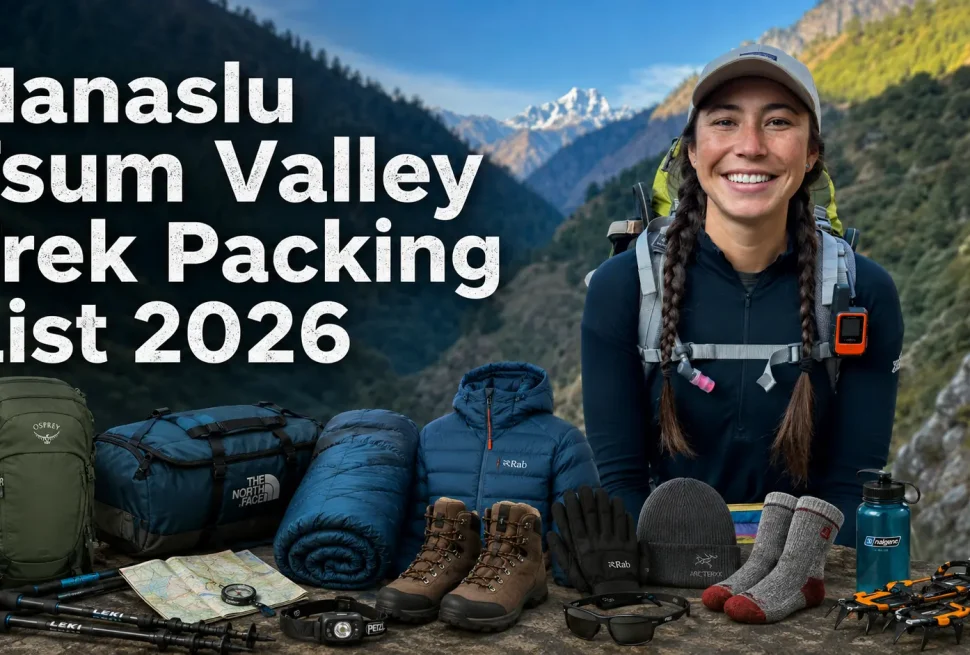
The gear list for Manaslu is similar to other 5,000-metre treks in Nepal, with a few adjustments:
- Down jacket and thermal layers — mandatory; temperatures at Dharamsala can drop to -10°C before sunrise even in October
- Trekking poles — strongly recommended, especially for the descent from Larke Pass
- Waterproof boots with ankle support — the lower gorge trail can be muddy for hours after rain; light trail runners are not adequate for the post-pass descent
- Sleeping bag rated to -15°C — essential for Dharamsala and Samdo nights
- Micro-spikes — useful insurance for early spring or late autumn pass crossings
- Water purification — tablets or filter; not all sources are reliable
From our guides’ experience: The single gear item that causes the most problems is footwear. Trekkers who arrive with trail runners or light hikers often find the descent from Larke Pass hard on the feet — the trail is rocky and steep for several hours after the top. Ankle support matters on this route more than on flatter circuits.
How to Choose the Right Manaslu Circuit Itinerary
Choose 10–11 Days If…
You have significant previous experience at altitude (above 4,500 m), are physically fit with recent trekking experience, have a hard time constraint, and understand that you are compressing the acclimatization window. This is not a beginner itinerary. We do run it on request, but we make the risks clear upfront.
Choose 14 Days If…
You have moderate trekking experience, have been above 3,500 m before without problems, and have two weeks available. This is the most popular commercial itinerary for a reason — it covers the whole circuit with one solid acclimatization day and reasonable daily distances.
Choose 16–17 Days If…
You are new to high-altitude trekking, are over 50, have any pre-existing cardiovascular or respiratory conditions, or are leading a group with mixed fitness levels. The extra days are not wasted — the time at Namrung and the optional Samdo day hike do real physiological work in preparing your body for Larke Pass.
Choose 18–22 Days (Tsum Valley) If…
You want more than a trekking circuit — you want to understand the culture, visit the gompas properly, spend time with local communities, and come home with a sense of having been somewhere genuinely different. Tsum Valley is one of the most culturally intact places accessible to trekkers in the Himalaya. It deserves more than a rushed transit.
Conclusion
The Manaslu Circuit is not a trek you want to rush, and it is not one you want to under-prepare for. The altitude is real, the remoteness is real, and the trail demands respect. But with the right itinerary and a competent guide, it is one of the most complete trekking experiences available in Nepal, combining high-altitude passes, river gorge wilderness, Tibetan Buddhist culture, and mountain views that you will not find crowded with other trekkers.
Our recommendation: if you have 14 days, do the 14-day circuit. If you can stretch to 16 or 17 days, take that option. The extra time is spent on the mountain, not in a city. If you have 18 or more days and any interest in cultural trekking, include at least a partial Tsum Valley route.
We have been running groups through the Manaslu region for over two decades. Every season the trail teaches us something new a lodge that has improved, a trail section that has changed after monsoon, a village that has grown. The best way to plan your Manaslu circuit trek itinerary is to talk to someone who was there last season. Contact Manaslu Treks and Expedition for a current itinerary recommendation based on your fitness, available dates, and what you most want to get from the experience.
Planning the Manaslu Circuit Trek and need help with permits, route, or itinerary?
WhatsApp us Email us