
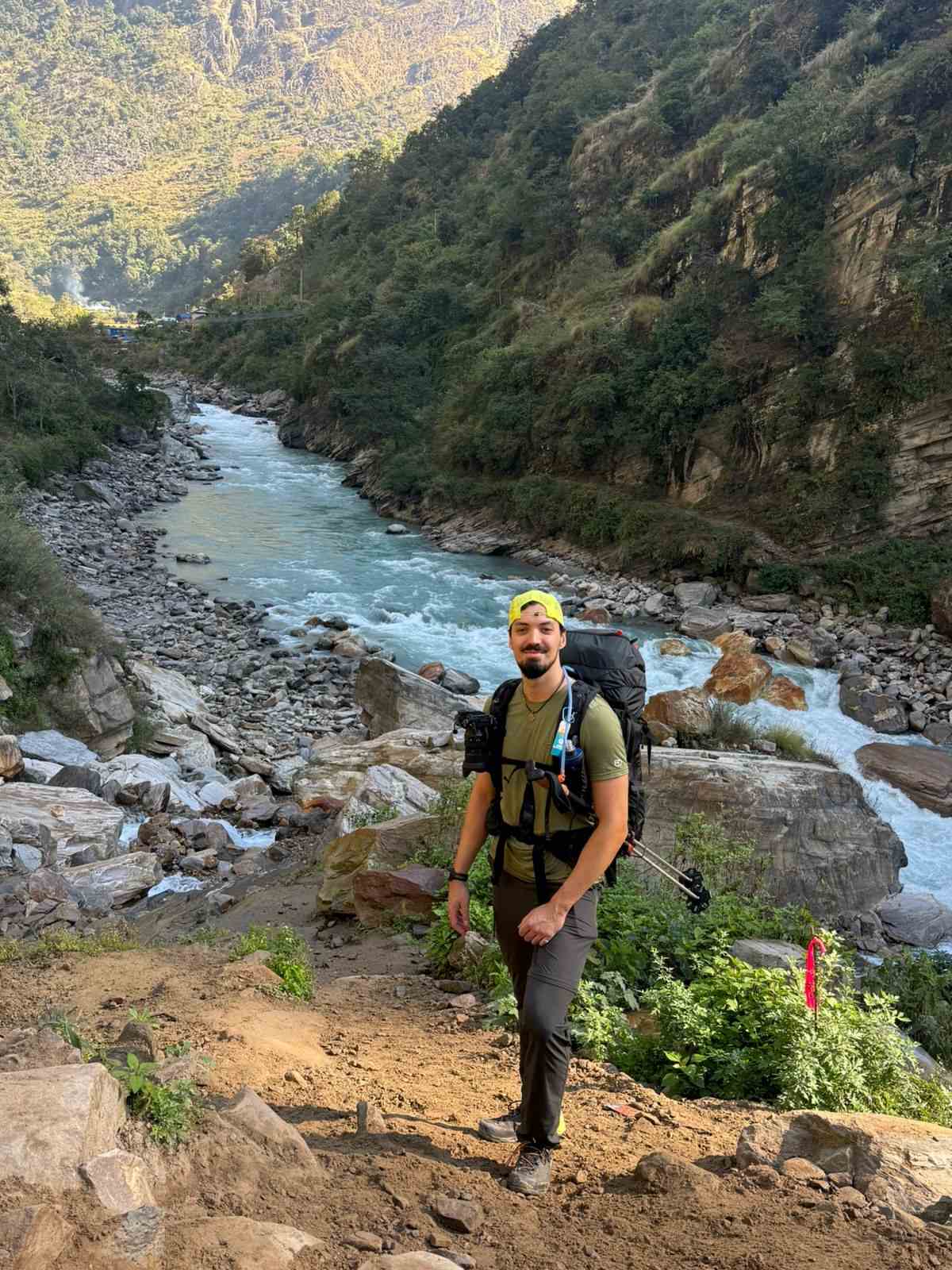
| Day | From to | Start (m) | End (m) | Gain/Loss (m) | Hours | Highlights | Notes |
|---|---|---|---|---|---|---|---|
| 01 | Kathmandu to Machha Khola | 1400 | 930 | -470 | 8–9 drive | Prithvi Highway, Trishuli river gorge, rural hills, first views of Ganesh Himal. | Mixed paved and off-road sections. |
| 02 | Machha Khola to Jagat | 930 | 1340 | +410 | 6–7 | Budhi Gandaki river trail, hot springs at Tatopani, waterfalls. | Rocky sections and suspension bridges. |
| 03 | Jagat to Deng | 1340 | 1860 | +520 | 6–7 | Restricted area entry and permit check, bamboo forests, mani walls. | First strong Buddhist cultural feel. |
| 04 | Deng to Namrung | 1860 | 2630 | +770 | 6–7 | Views of Siringi Himal, deep pine forests, stone villages. | Notice Tibetan influenced architecture. |
| 05 | Namrung to Lho | 2630 | 3180 | +550 | 4–5 | Wide panoramas of Manaslu, Lho Monastery, sunrise and sunset points. | One of the most photogenic villages. |
| 06 | Lho to Samagaun | 3180 | 3530 | +350 | 4–5 | Ribung Gompa, long mani walls, close view of Manaslu North Face. | Samagaun is the main acclimatization base. |
| 07 | Samagaun acclimatization | 3530 | 3530 | 0 | 2–7 | Birendra Lake 3691 m or Manaslu Base Camp 4800 m option. | Hydrate and rest to adapt well to altitude. |
| 08 | Samagaun to Samdo | 3530 | 3860 | +330 | 3–4 | High alpine meadows, yak pastures, Tibetan trade history. | Short day to keep ascent gradual. |
| 09 | Samdo to Dharamsala | 3860 | 4460 | +600 | 4–5 | Expansive mountain amphitheater, last teahouses before the pass. | Early dinner and sleep for pass day. |
| 10 | Dharamsala to Bimthang via Larkya La | 4460 | 3720 | -740 | 8–9 | Larkya La 5160 m high point with views of Himlung, Cheo, Kang Guru, Annapurna II. | Start before dawn to avoid afternoon winds. |
| 11 | Bimthang to Tilije | 3720 | 2300 | -1420 | 5–6 | Glacial moraine to rhododendron and oak forests, river crossings. | Big vegetation change as you lose altitude. |
| 12 | Tilije to Kathmandu | 2300 | 1400 | -900 | 8–9 drive | Road journey back to the capital and farewell celebration. | Achievement award presentation on arrival. |
Want to do the Manaslu Circuit trek hassle‑free? Our manaslu trek company provides fully customised itineraries with no advance deposit required.
Click here to chat on WhatsApp or call +977 9869225929Why the Manaslu Circuit Trek is Special
Unlike the busier Everest Base Camp and Annapurna Circuit, the Manaslu Circuit still feels wild and untouched. You will walk through deep river gorges, cross suspension bridges that sway high above the water, pass centuries-old mani walls, and watch prayer flags dancing in the mountain wind. The locals are warm and welcoming, often inviting trekkers in for a cup of butter tea, a simple but memorable gesture.
The landscapes are incredibly diverse. You start in lush green hills, pass through forests of pine and rhododendron, move into high alpine meadows, and finally reach rocky passes surrounded by snow and ice. This variety makes the trek feel like several adventures packed into one.
Best Time to Trek
Two main seasons offer the best experience.
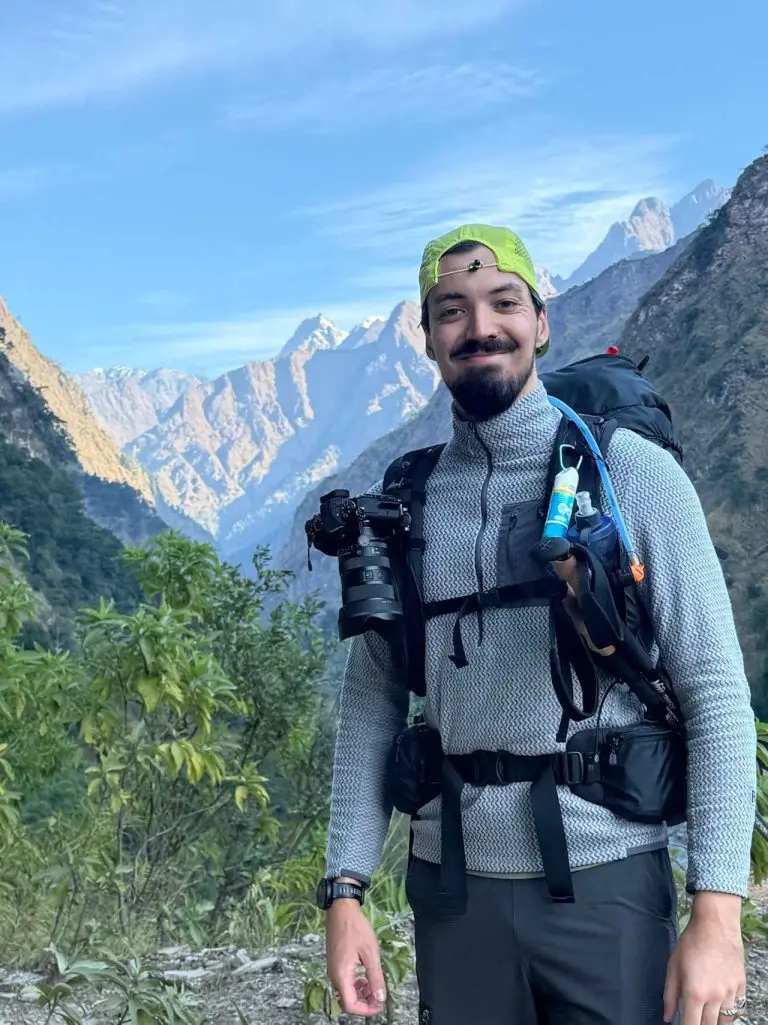
Autumn (September to November): Clear skies, stable weather, and breathtaking mountain views.
Spring (March to May): Pleasant temperatures and hillsides covered in colorful rhododendron blossoms.
Winter brings extreme cold at high passes and summer has heavy rainfall with muddy trails, so these are not recommended for most trekkers.
Trek Difficulty and Preparation
The Manaslu Circuit is a moderate to challenging trek. You will walk between six to eight hours a day on varying terrain, and you will cross Larke La Pass at over 5,000 meters. Physical fitness, mental readiness, and proper acclimatization are the keys to completing this trek safely and happily.
Tip from a local guide: Make use of trekking poles for the long downhill sections after Larke La. Your knees will thank you later.

Permits for the Manaslu Circuit Trek
- Manaslu Restricted Area Permit (RAP) costs between USD 75 to 100 depending on the month.
- Manaslu Conservation Area Permit (MCAP) costs USD 30.
- Annapurna Conservation Area Permit (ACAP) costs USD 30.
These permits are arranged by your trekking agency before the trek begins.
Main Highlights of the 12-Day Itinerary
- Scenic drive along the Trishuli and Budhi Gandaki Rivers
- Crossing thrilling suspension bridges over deep gorges
- Close-up views of Manaslu, Himal Chuli, Ngadi Chuli, and Ganesh Himal
- Exploring traditional Tibetan-influenced villages
- Visiting ancient monasteries and spinning prayer wheels for blessings
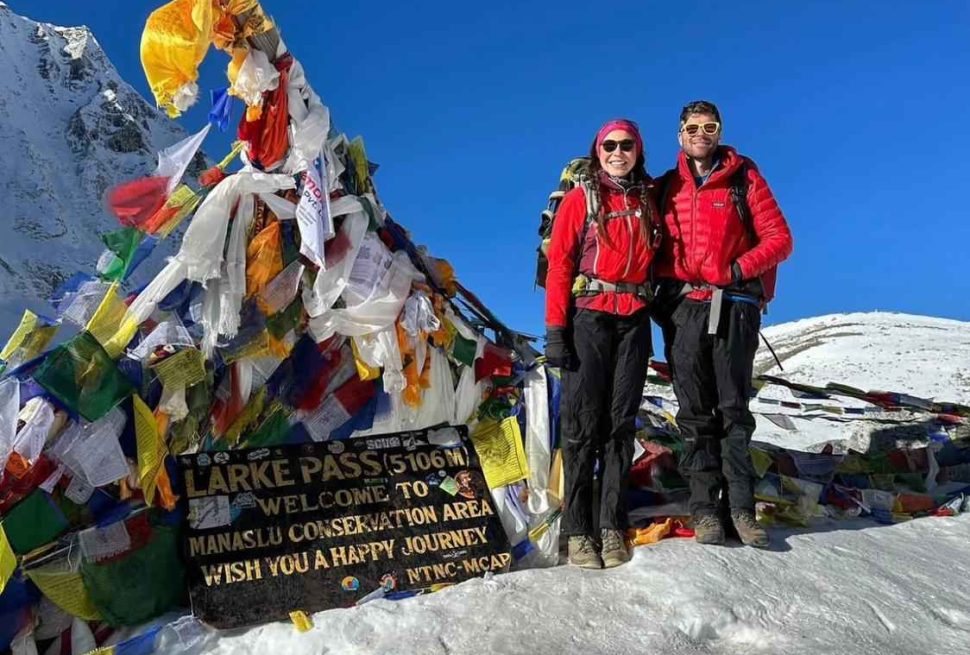
- Crossing the breathtaking Larke La Pass at 5,106 meters
Why This Itinerary Works So Well
This 12-day plan allows for a steady pace, proper acclimatization, and enough time to enjoy both the natural beauty and cultural heritage of the region. It avoids unnecessary rush while making sure you do not miss the best parts of the trail.
Want to do the Manaslu Circuit trek hassle‑free?
Click here to chat on WhatsApp or call +977 9869225929If 12 days doesn’t quite fit your schedule, here are some alternative itineraries you can consider:
- 9 Days Manaslu Circuit Trek – A shorter version for trekkers with limited time.
- 10 Days Manaslu Circuit Trek – Balanced itinerary with essential highlights.
- 11 Days Manaslu Circuit Trek – A flexible option with comfortable pacing.
- 14 Days Manaslu Circuit Trek – The classic full circuit experience.
- Best Manaslu Circuit Trek Package – Carefully designed for all-round services and value.
- 23-Day Tsum Valley & Manaslu Circuit Trek – A combined adventure for culture and landscapes.
- Manaslu Circuit and Tsum Valley Trek – Perfect for those who want both the circuit and the serene Tsum Valley.


Allow me to tell you something the majority of septic companies will not: there are two kinds of people in this world. Those who believe septic systems are simply “buried containers for waste,” and those that have had raw sewage bubbling into their backyard at 2 AM. I understood this reality the difficult way in 2005—knee-deep in sludge, shivering in a Washington rainstorm, as my brothers and I aided a weathered installer restore our family’s broken system. I was 14. My hands were raw. My pants were wrecked. But that night, something clicked: This is not just manual labor. It’s people’s lives that we’re protecting.
Here’s the ugly truth: most septic companies just maintain tanks. They’re like band-aid salesmen at a demolition convention. But Septic Solutions? They are different. It all originated back in the beginning of the 2000s when Art and his family—just kids hardly tall enough to shoulder a shovel—aided install their family’s septic system alongside a weathered pro. Picture this: three pre-teens waist-deep in Pennsylvania clay, discovering how soil porosity affects drainage while their friends played Xbox. “We never just dig trenches,” Art shared with me last winter, warm coffee cup in hand. “We learned how ground whispers secrets. A patch of cattails here? That’s Mother Nature screaming ‘high water table.'”
https://hive.blog/hive-178708/@praditya/the-progress