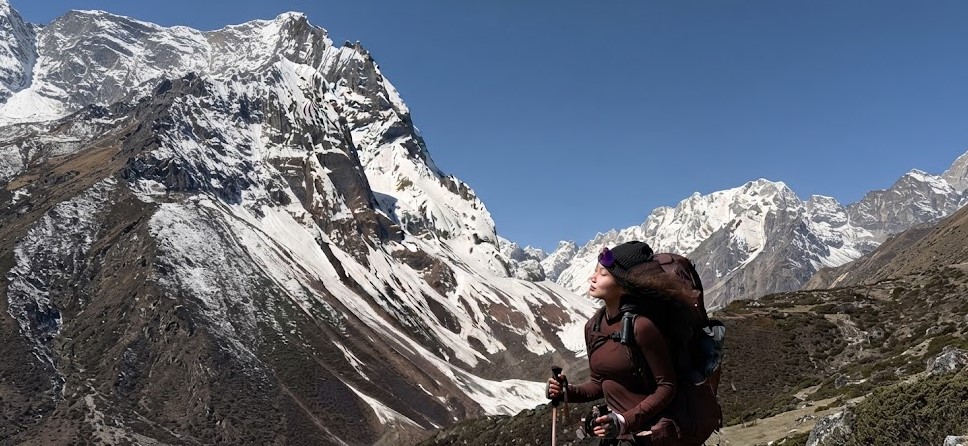
I have guided a fair number of Scandinavian groups on the Manaslu Circuit over the years, and I will say this straight away: trekkers coming from Sweden, Norway and Denmark tend to arrive better prepared for cold and physical discomfort than trekkers from almost anywhere else I work with. You already know what minus temperatures feel like on bare skin, you already own proper base layers, and you do not panic the first time a guesthouse room has no heating. That is a genuine head start. What Nordic trekkers usually do not know going in is the practical side of getting from Stockholm, Oslo or Copenhagen to a remote Himalayan valley: the visa process, the flight routing, the permit system, the money situation, and the insurance traps that catch out even experienced winter hikers. This article covers all of that in plain language, based on what I tell my own clients before they fly out.
Why the Manaslu Circuit Trek Appeals to Nordic Trekkers Specifically
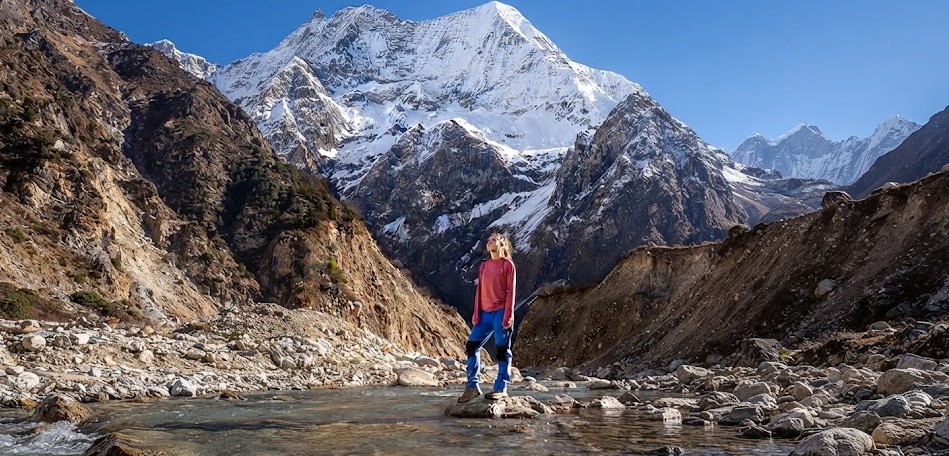
The Manaslu Circuit sits around the eighth highest mountain on earth, and it is quieter and more remote than the Everest or Annapurna routes, which tend to draw a certain type of trekker who has already done those two and wants something with fewer crowds and more genuine village life. Scandinavians who come to me have usually done multi day hikes in Jotunheimen, Sarek, or the Swedish and Norwegian mountains, so they already understand what it means to walk for six or seven hours a day carrying a daypack, to sleep in basic huts, and to deal with weather that changes fast. The Manaslu Circuit rewards exactly that kind of experience. It crosses the Larkya La pass at over 5,100 metres, moves through Tibetan influenced villages in the upper valley, and drops through forest and terraced farmland lower down, so in a single trek you get several completely different landscapes and cultures. If you want a full breakdown of what the trail actually demands day by day, our honest look at how hard the trek really is is worth reading before you commit, because the pass day is genuinely tough regardless of how fit you are.
One thing I always mention to Nordic groups: the trek is a restricted area, which means you need a licensed guide and specific permits, unlike some other Nepal treks where independent walking is still allowed. This actually suits Scandinavian trekkers well, since most of you are used to organised mountain trips with mountain guides or a fjell service back home, so having a guide alongside you the whole way does not feel like a loss of independence, it feels normal.
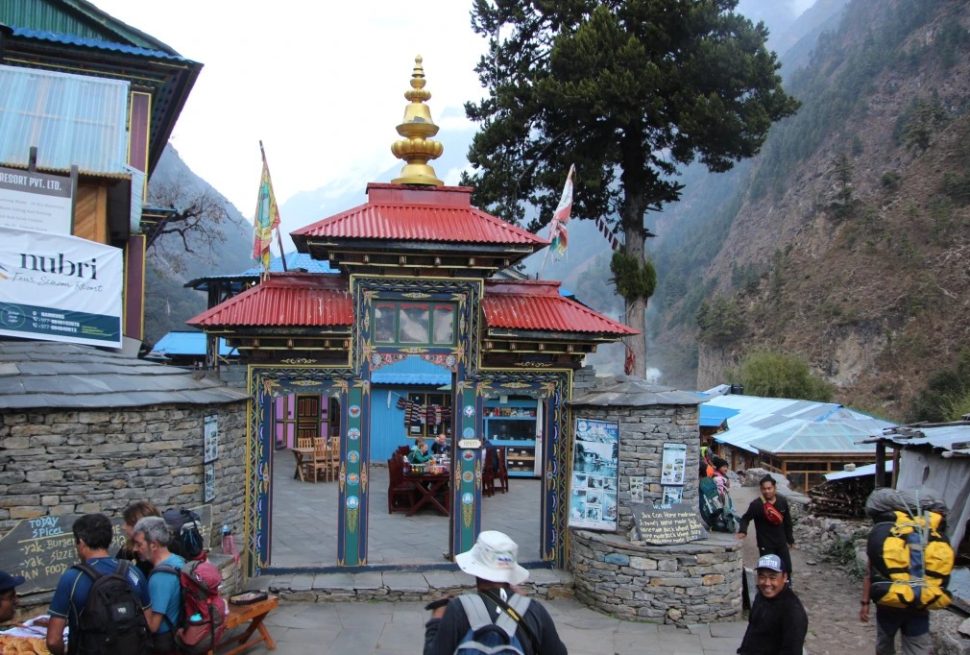
There is also a simpler reason Nordic clients keep choosing this particular route over the more famous alternatives: it still feels like a proper expedition rather than a well trodden tourist corridor. Teahouses along the upper valley are family run, often the same family for generations, and the pace of daily life you pass through, farmers herding yaks, children walking to school along the same trail you are walking, prayer flags strung across suspension bridges, gives the whole trip a texture that a busier route simply cannot match anymore. For trekkers used to solitude in the Scandinavian mountains, that quieter atmosphere is often the deciding factor over a more crowded alternative.
I also find that Nordic trekkers ask smarter questions before booking than most nationalities I work with. You tend to want the honest version of trail conditions, daily walking hours, and realistic difficulty rather than a polished sales pitch, which is exactly the approach we take when explaining this trip to anyone from Sweden, Norway or Denmark who gets in touch.
Visa Requirements for Swedish, Norwegian and Danish Passport Holders
Citizens of Sweden, Norway and Denmark can get a visa on arrival at Tribhuvan International Airport in Kathmandu, and this is one of the easiest parts of the whole trip to plan. You do not need to apply in advance at an embassy. What you do need is a passport valid for at least six months beyond your travel dates, one passport sized photo (carry two or three spares because trekking permits also want photos), and cash or a card to pay the visa fee at the airport counter.
The current fee structure, which has been stable for a while now, is roughly as follows: a 15 day visa costs around 30 US dollars, a 30 day visa costs around 50 US dollars, and a 90 day visa costs around 125 US dollars. These are multiple entry visas, so if you plan a side trip to India or elsewhere in the region and come back into Nepal, the same visa still works within its validity window. Payment at the arrival counters is generally accepted in US dollars or Euros, and increasingly by card too, though I always tell clients to bring the exact cash amount in US dollars as a backup since card machines at a busy airport counter do occasionally go down. Swedish Krona, Norwegian Krone and Danish Krone are not accepted for the visa fee itself, so do not expect to hand over Nordic currency at that counter.
For a two week Manaslu Circuit itinerary plus a few days in Kathmandu before and after, a 30 day visa is the right choice for almost everyone. If you are combining the trek with extra travel elsewhere in Nepal or a longer stay, go for the 90 day option since the price difference is small relative to what you save on a second visa run.
Flight Routes and Journey Time from Stockholm, Oslo and Copenhagen
There are no direct flights from any Scandinavian capital to Kathmandu, so you are looking at one or two connections. The most common routing I see clients use is via Doha on Qatar Airways, via Istanbul on Turkish Airlines, or via Dubai or Abu Dhabi on Emirates or Etihad. Some travellers also connect through Delhi on Nepal’s own carriers or Indian airlines, which can work out cheaper but adds a layer of complexity if you need a transit visa for India, so check that carefully before booking.
Rough total flight time excluding layovers works out to about 12 to 15 hours from Copenhagen, a touch more from Stockholm and Oslo depending on the routing, but once you add a realistic layover of two to five hours the door to door travel time usually lands somewhere between 16 and 22 hours. Turkish Airlines out of Copenhagen and Qatar Airways out of Oslo and Stockholm are the two options I hear about most from clients, and both airlines have reasonably generous baggage allowances, which matters when you are carrying trekking gear plus the down jacket and sleeping bag we provide for the trek that you will need to fit into your bag on the way home along with everything else.
A practical tip: book an outbound flight that lands in Kathmandu in the late afternoon or evening if you can, since the airport and city are calmer then and you will want a full night of proper sleep before starting your trip preparation the next day. Also build in at least one full buffer day in Kathmandu before you head out to the trailhead, because flight delays and missed connections through Middle Eastern or Turkish hubs happen often enough that starting your trek the same day you land is a genuine risk.
Time Zone Difference and Adjusting to Nepal Time
Nepal keeps an unusual time zone of UTC plus five hours and forty five minutes, one of the few places in the world with a quarter hour offset rather than a full or half hour one. Sweden, Norway and Denmark run on Central European Time, which is UTC plus one in winter and UTC plus two during daylight saving. So depending on the season, Nepal is roughly four hours and forty five minutes ahead of Scandinavia in summer, or five hours and forty five minutes ahead in winter.
This is a moderate jet lag zone, not a brutal one. Most Nordic trekkers I have worked with adjust within two or three days, faster than crossing the Atlantic would require. My advice is simple: try to shift your sleep schedule slightly earlier in the days before you fly, stay awake during the daytime legs of your journey, and avoid heavy alcohol on the plane since it makes the adjustment worse. Once you are on the trek itself the jet lag becomes irrelevant fast, because you will be going to bed not long after dark and waking with first light regardless of what your body clock says, which is honestly one of the nicer side effects of trekking in a place with no electricity in most villages.
Best Time of Year to Book and Travel
The Manaslu Circuit has two solid trekking windows: autumn from late September through November, and spring from March through May. Autumn gives you the clearest mountain views and the most stable weather, and it is also when most trekking groups are on the trail, so teahouses are busier but the route feels alive with other travellers from all over the world. Spring brings rhododendron blooms lower down the valley and slightly warmer daytime temperatures, though afternoon cloud builds up more often than in autumn.
For Nordic trekkers specifically, I would flag that late September and October line up nicely with the tail end of the Scandinavian summer holiday season, before the depth of your own winter sets in, which makes it an easy time to take leave from work. If you prefer to travel during your own darkest winter months to escape the lack of daylight back home, December through February is technically possible on Manaslu but the pass can close after heavy snow and temperatures at high camp drop sharply, so this window is only for trekkers with real winter mountaineering background, not standard hikers.
Book flights three to five months ahead for the best fares and seat availability in autumn, since this is peak season for Nepal travel generally and seats through Doha and Istanbul fill up. Permits and the trekking itself are best organised once your flight dates are fixed, and our team can build the exact itinerary around whichever window works for your leave dates, something you can start sorting out through the Manaslu Circuit Trek trip listing where current departure options are laid out.
Climate Comparison: What Scandinavian Cold Actually Prepares You For
Here is where I want to be honest rather than flattering. Growing up hiking in Norwegian fjells or Swedish fjäll country does prepare you for a lot on Manaslu, but not for everything, and knowing the difference matters.
What your Nordic background genuinely helps with: dressing in layers, understanding wind chill, not being precious about cold hands and feet in the morning, walking on uneven frozen ground, and simply tolerating a cold room without complaint. Guesthouses above 3,000 metres on this route have no central heating, just a wood or dung stove in the communal dining room in the evening, and bedrooms are cold enough overnight that condensation freezes on the inside of windows. None of that fazes someone who has spent a winter in northern Sweden or inland Norway.
What it does not prepare you for is altitude. Cold tolerance and altitude tolerance are two completely separate things, and this is the single biggest mistake I see confident Nordic trekkers make. You can be extremely fit, completely comfortable in freezing temperatures, and still get hit hard by acute mountain sickness at 4,000 or 4,500 metres if you climb too fast. The air simply has less oxygen in it regardless of how tough you are in the cold, and your Vasaloppet finishing time or your Birkebeinerrittet result means nothing to your blood oxygen saturation at altitude. I have watched strong, experienced Nordic hikers slow down and need extra acclimatisation days on this route while less naturally fit trekkers from lower countries sailed through simply because they paced themselves properly.
The other adjustment is sun exposure. Nepal sits much further south than Scandinavia, so even in cold temperatures the ultraviolet exposure at altitude is intense, and thin mountain air offers little protection. Bring proper sunglasses rated for glacier conditions and sunscreen with a high protection factor, because a face that has survived Norwegian winters can still burn badly in a single afternoon near the Larkya La.
Money Matters: Currency, Cash and Cards
Nepal’s currency is the Nepali Rupee, and outside of Kathmandu you are operating in a cash economy almost entirely. Once you leave the city and head up the Manaslu valley, there are no ATMs and card payments are essentially unheard of in teahouses, so whatever rupees you are carrying when you leave Kathmandu need to last the whole trek for extras like hot showers, wifi, snacks, and hot drinks beyond what your trip package covers.
Swedish Krona, Norwegian Krone and Danish Krone cannot be exchanged directly at most currency counters in Kathmandu, since these are not commonly traded currencies in Nepal. The far easier approach is to bring US dollars or Euros from home and exchange those into rupees once you land, or simply withdraw rupees from an ATM in Kathmandu using your normal debit card, which is what I recommend to almost everyone now since ATM access in Kathmandu is reliable and rates are fair. A handful of exchange counters in Thamel will take dollars or Euros in cash at good rates too, and some will take other major currencies but usually at a worse rate with more hassle, so converting Nordic currency to dollars or Euros before you leave home, or simply relying on your card at Kathmandu ATMs, both work better than trying to exchange Krona directly.
Budget roughly 15 to 25 US dollars a day in extra cash for the trek itself for things like charging devices, hot showers, and bottled or boiled water, plus more if you want beer or extra snacks, since prices climb the higher you go due to everything being carried in by porter or mule. Always carry a mix of smaller denomination rupee notes since teahouse owners in remote villages often cannot break large bills.
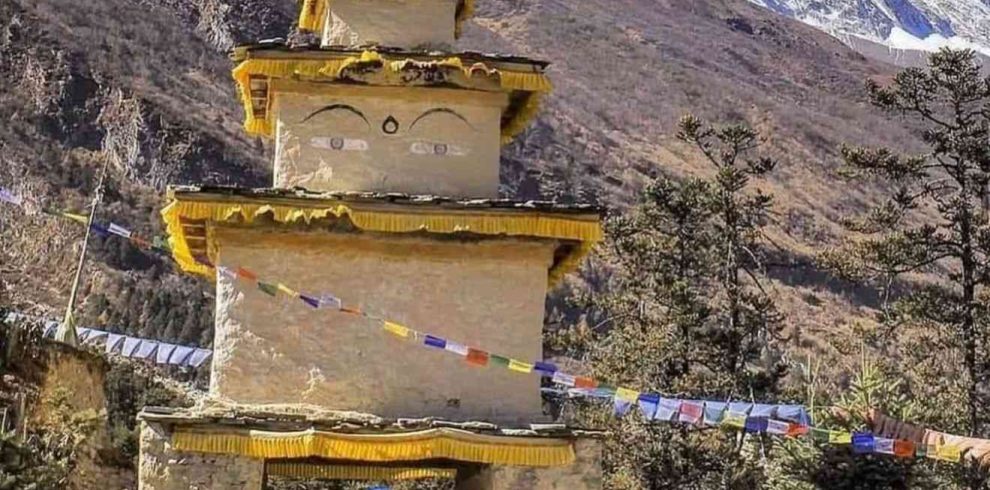
The 14-Day Manaslu Circuit Trek takes you around Mount Manaslu at 8,163 meters, the eighth-highest mountain on earth, through one of…
Travel Insurance: Why Standard European Policies Are Not Enough
This is the section I push hardest on with every Nordic client, because it is the one area where good intentions and a false sense of security cause real problems. Most standard travel insurance sold in Sweden, Norway and Denmark, including policies bundled with credit cards or home insurance packages, exclude activities above a set altitude, commonly 4,000 or sometimes 5,000 metres. On the Manaslu Circuit you will sleep above 4,000 metres for several nights and cross a pass above 5,100 metres, which means an ordinary policy from your bank or a standard Nordic insurer almost certainly will not cover you once you are above that line, even though it looks perfectly adequate on paper for general travel.
What you actually need is a policy with a specific high altitude trekking rider, one that explicitly names trekking above 5,000 or 6,000 metres and includes helicopter evacuation coverage. Helicopter rescue in the Manaslu region is genuinely expensive, often running into several thousand dollars for a single evacuation, and rescue services will ask for proof of adequate insurance, sometimes before they will even dispatch the helicopter in less urgent cases. Read the policy wording carefully rather than trusting a summary page, since some insurers advertise trekking cover but bury an altitude cap in the small print that excludes exactly the section of trail where you would most need it.
Specialist insurers that Nordic trekkers commonly use for Himalayan trips include those aimed specifically at mountaineering and trekking, rather than general leisure travel insurers, so search specifically for high altitude or trekking insurance rather than assuming your usual annual travel policy will do. Confirm in writing, ideally by email from the insurer, that the policy covers trekking at the specific altitude of the Larkya La pass and includes emergency helicopter evacuation, and keep that confirmation with you on the trek along with your policy number and a 24 hour emergency contact number.
Physical Preparation: What Nordic Trekkers Often Get Right and Wrong
On the positive side, most Scandinavian trekkers arrive with a solid cardiovascular base from cross country skiing, cycling, or regular hiking, and that general fitness translates well to long trekking days. You also tend to be comfortable carrying a daypack for hours, which some trekkers from less outdoor focused cultures struggle with initially.
Where I see problems is in underestimating the cumulative effect of consecutive long days at altitude. A single hard day in the Norwegian mountains is not the same as day nine of fourteen consecutive trekking days with thinning air and cold nights wearing down your recovery. Build in some longer back to back walking days in training if you can, ideally on hilly terrain rather than flat ground, since sustained ascent and descent uses different muscles than a flat ski track or a road run.
The other common gap is technical acclimatisation knowledge rather than physical fitness. Understanding the climb high, sleep low principle, recognising early symptoms of acute mountain sickness such as headache, nausea, and poor sleep, and being willing to say something to your guide rather than pushing through silently, matters more than raw fitness on the pass day. Scandinavian culture sometimes has a quiet stoicism around discomfort, which is admirable in many contexts but can be dangerous at altitude if it stops someone reporting symptoms early. Our route breakdown covering acclimatisation days and daily distances is laid out in detail in the day by day route overview, and I would genuinely recommend reading it properly rather than skimming it, since knowing exactly where the acclimatisation days fall helps you pace your own expectations.
Training wise, three months out I usually suggest building toward back to back days of four to six hours of hill walking with a loaded pack, plus general cardio work such as running, cycling, or cross country skiing if the season allows it at home. Strength work for the legs, particularly for the descents, matters more than people expect, since the knees take a real pounding on the long downhill stretches after the pass. Do not wait until the week before departure to break in new boots either, since blisters on day three of a fourteen day trek can genuinely derail an otherwise strong trekker who simply neglected this basic step.
Permits and Group Requirements for the Manaslu Circuit
The Manaslu region is a restricted area, so the permit system is more involved than for open treks like Everest Base Camp. You will need three separate permits arranged through a registered trekking agency, since individual trekkers cannot apply for the restricted area permit on their own: the Restricted Area Permit, the Manaslu Conservation Area Permit, and the Annapurna Conservation Area Permit, since the route eventually crosses into Annapurna Conservation Area territory near the end of the trek.
Restricted Area Permit costs are seasonal. During the main autumn season of September through November, expect around 100 US dollars for the first week and roughly 15 US dollars per day after that. In the quieter months from December through August, the fee drops to around 75 US dollars for the first week and about 10 US dollars per day beyond that. The Conservation Area Permits are flat fees of roughly 25 to 30 US dollars each for foreign nationals, with no seasonal change. On top of these you will encounter small local municipality fees collected at checkpoints along the trail.
An important recent change worth knowing about: the old rule requiring a minimum of two foreign trekkers to apply together for the Restricted Area Permit has been dropped, so solo trekkers can now apply individually. A licensed guide is still mandatory for anyone entering this restricted area regardless of group size, which fits naturally with how the trek is run anyway. If you are trekking as a couple, small friend group, or solo from Sweden, Norway or Denmark, this makes planning considerably simpler than it used to be. For the full current cost breakdown covering permits plus the rest of the trip budget, our detailed cost and planning answers cover the numbers in more depth than I can fit here.
What to Pack Beyond What You Already Own for Nordic Winters
Since you already own solid cold weather gear from home, packing for Manaslu is less about buying everything new and more about filling specific gaps. Your Nordic base layers, mid layer fleece, and good wool socks will all do fine here, so do not feel you need an entirely new wardrobe.
What you likely do not have and should add: proper broken in trekking boots with ankle support if your usual footwear is skis, skates, or general winter boots rather than multi day hiking boots. A hydration system or water bottles plus purification tablets or a filter, since you cannot simply melt clean snow here the way you might at home. A good sun hat and glacier rated sunglasses, since Nepali sun at altitude is stronger than anything you deal with in Scandinavian winter darkness. A basic personal first aid kit including blister treatment, since long consecutive walking days create foot problems that skiing does not.
One thing that surprises Nordic clients pleasantly: as part of the standard package on this trek, we provide every trekker with a sleeping bag and a down jacket rated for high altitude conditions, which you use for the duration of the trek and return at the end. This genuinely lightens what you need to bring from home, since a proper expedition grade down jacket and a cold rated sleeping bag are bulky items that take up a lot of luggage space and airline weight allowance, and it means one less major purchase before the trip.
Cultural Adjustment: Rural Nepal Versus Nordic Expectations
Sweden, Norway and Denmark run on efficiency, punctuality, and a fairly high baseline standard of infrastructure even in rural areas. Rural Nepal, especially in the upper Manaslu valley, runs on a completely different rhythm, and adjusting your expectations before you arrive saves a lot of unnecessary frustration.
Electricity in teahouses often comes from small solar setups or micro hydro systems and can be unreliable, especially in cloudy weather, so charging devices sometimes takes patience or a small fee. Wifi exists in many places now but is slow and occasionally unavailable for a day or two at a time. Food is simple, mostly rice, lentils, potatoes, and noodle dishes, cooked on a single stove for the whole guesthouse, so meals take longer to arrive than you might expect from a restaurant back home, particularly when a full trekking group orders at once. None of this is a complaint, it is simply how things work at the end of a long supply chain that depends on porters and mules rather than roads.
Pace of life is the other adjustment. Things happen when they happen rather than to a fixed schedule, and a bit of flexibility goes a long way. I find Nordic trekkers actually adapt to this better than many nationalities once they understand it is not a service failure, just a different system, since there is already a cultural respect for nature and simplicity in Scandinavian outdoor culture that maps reasonably well onto rural Himalayan life. Basic courtesy matters here as everywhere: greet people with a friendly namaste, ask before photographing someone, and remove your boots when a host asks you to.
Toilets in the upper villages are frequently basic squat style rather than the seated western style you use at home, and hot showers, where available at all, usually mean a bucket warmed over a stove or a small solar heated tank rather than an endless supply. Noise levels in shared teahouse dining rooms can be higher than the quiet you might expect from your own culture, since trekking groups from many countries gather in one common room each evening, and conversation, card games, and the odd bit of music are part of trail life. None of this is difficult once you expect it, and most Nordic clients tell me afterward that the simplicity ends up being one of their favourite parts of the whole trip rather than something they merely tolerated.
Visa and Cost Overview
Here is a summary table covering the main visa and permit costs relevant to Swedish, Norwegian and Danish trekkers planning this trip.
| Item | Approximate Cost (USD) | Notes |
|---|---|---|
| Nepal visa on arrival, 15 days | 30 | Cash in USD or Euros, or card where available |
| Nepal visa on arrival, 30 days | 50 | Most common choice for a two week trek plus buffer days |
| Nepal visa on arrival, 90 days | 125 | Best if combining the trek with extended travel |
| Restricted Area Permit, autumn season | 100 for first week, then 15 per day | September through November |
| Restricted Area Permit, off season | 75 for first week, then 10 per day | December through August |
| Manaslu Conservation Area Permit | 25 to 30 | Flat fee, foreign nationals |
| Annapurna Conservation Area Permit | 25 to 30 | Flat fee, foreign nationals |
| Daily extra spending on trek | 15 to 25 per day | Showers, wifi, snacks, drinks beyond the package |
| High altitude travel insurance rider | Varies by insurer | Confirm cover above 5,000 metres and helicopter evacuation |
A Sample Two Week Itinerary and Packing Table
Below is a general shape of how a two week Manaslu Circuit itinerary usually runs, alongside a short packing list geared toward what Nordic trekkers commonly need to add to gear they already own.
| Day | Itinerary Outline |
|---|---|
| Day 1 | Arrive Kathmandu, visa on arrival, transfer to hotel |
| Day 2 | Trip briefing, permit paperwork, gear check, explore Kathmandu |
| Day 3 | Drive to Machha Khola or Soti Khola, start of the trek |
| Day 4 to 6 | Walk through lower valley villages, forest and river trail, gradual altitude gain |
| Day 7 | Acclimatisation day around Samagaon or Sama village |
| Day 8 to 9 | Continue up valley toward Samdo and Dharamsala, high camp preparation |
| Day 10 | Cross the Larkya La pass, descend to Bimthang |
| Day 11 to 13 | Descend through lower forest villages back toward road access |
| Day 14 | Drive back to Kathmandu, rest and shower |
A short packing note to sit alongside that table: bring your own broken in boots, wool socks, base layers, gloves, and a warm hat from home since these are things you already own from Nordic winters. Add sun protection rated for altitude, a personal first aid kit with blister care, water purification, and a headlamp with spare batteries, since teahouse lighting is limited. The sleeping bag and down jacket are covered for you as part of the standard package, so leave the bulky expedition jacket at home and use that suitcase space for personal items instead.
For a full rundown of everything else worth packing beyond what you already own from home, our complete packing list for this region is worth a read before you fly.
Frequently Asked Questions
How much does a Nepal visa cost for Swedish, Norwegian or Danish citizens?
A visa on arrival at Kathmandu airport costs around 30 US dollars for 15 days, around 50 US dollars for 30 days, and around 125 US dollars for 90 days. Payment is generally accepted in cash in US dollars or Euros, and card payment is increasingly available at the counters too, though carrying exact dollar cash as backup is smart since card readers occasionally fail.
How long is the flight from Stockholm, Oslo or Copenhagen to Kathmandu?
Actual flight time is roughly 12 to 15 hours excluding layovers, usually via Doha, Istanbul or a Gulf hub. With a realistic layover included, total door to door travel time typically runs 16 to 22 hours depending on the connection.
Does having cold weather experience from Scandinavia actually help on this trek?
Yes, genuinely, for comfort in cold guesthouse rooms, layering clothing correctly, and general toughness in tough conditions. It does not, however, protect against altitude sickness, which is a separate physiological challenge that affects fit and experienced hikers just as often as anyone else, so proper acclimatisation pacing still matters regardless of your background.
Will my normal Nordic travel insurance cover this trek?
Almost certainly not above a certain altitude. Most standard European travel policies, including bank issued and home insurer packages common in Sweden, Norway and Denmark, exclude trekking above 4,000 or 5,000 metres. You need a specific high altitude trekking rider that names coverage above 5,000 or 6,000 metres and includes helicopter evacuation, confirmed in writing before you travel.
What is the best season to trek Manaslu Circuit from Scandinavia?
Autumn from late September through November gives the clearest views and most stable weather, and lines up well with the end of the Nordic summer holiday period. Spring from March through May is the other reliable option with milder temperatures and blooming rhododendrons, though slightly more afternoon cloud.
Do I need a minimum group size to get the Manaslu permit?
No, this requirement was removed, and solo trekkers can now apply for the Restricted Area Permit individually. A licensed guide remains mandatory regardless of group size, which fits how the trek is organised in any case.
Can I exchange Swedish Krona, Norwegian Krone or Danish Krone in Kathmandu?
Not easily. Most exchange counters in Kathmandu deal in US dollars, Euros, and a handful of other major currencies, not Nordic currencies directly. Bring dollars or Euros from home, or simply withdraw Nepali Rupees from an ATM in Kathmandu using your normal bank card, which is the easiest option for most trekkers.
What should I pack that I do not already own from Nordic winters?
Proper broken in trekking boots if your usual winter footwear is skis or skates rather than multi day hiking boots, altitude rated sun protection, water purification, and a personal first aid kit for blisters. A sleeping bag and down jacket are provided as part of the standard trip package, so you do not need to bring or buy those.
How many people usually go on the Manaslu Circuit as a group from Scandinavia?
It varies widely, from solo trekkers now that the minimum group requirement has been dropped, to couples, small friend groups, or larger organised parties. The trek works well for any of these since a licensed guide accompanies every group regardless of size, and the itinerary can be adjusted a little depending on group fitness and pace.
If you are ready to start planning a Manaslu Circuit Trek from Sweden, Norway or Denmark, our team can walk you through the exact permit paperwork, flight timing, and itinerary adjustments that fit your dates. Reach us anytime by phone or WhatsApp at +977 9869225929, by email at info@manaslutreks.com, or through our contact details, and we will help you turn this into a properly planned trip rather than a list of open questions.