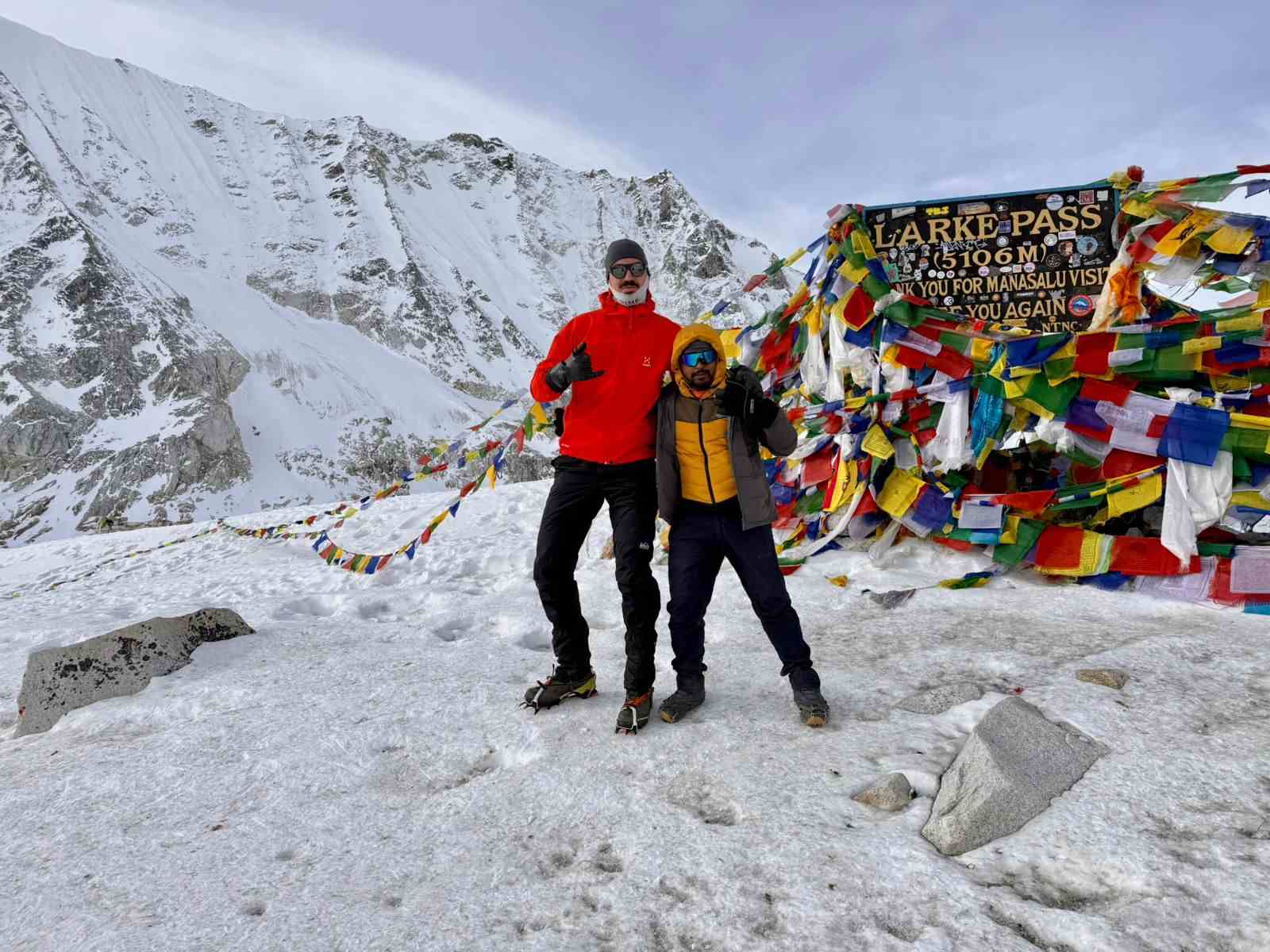
Is the Manaslu trek hard? This question sits at the forefront of planning for anyone considering the Manaslu Circuit Trek. The honest answer requires more nuance than a simple yes or no. The Manaslu trekking challenge combines multiple factors that affect different trekkers in different ways. Understanding these elements helps you prepare properly and set realistic expectations for what many consider one of Nepal’s most rewarding high altitude adventures. Trust our manaslu trekking company for expert guidance on every Manaslu adventure.
Overall Manaslu Trek Difficulty Rating
Planning the Manaslu Circuit Trek and need help with permits, route, or itinerary?
WhatsApp us Email usThe Manaslu Circuit Trek earns a difficulty rating of moderate to strenuous. This places it firmly in the challenging category of Himalayan treks, though not at the extreme technical end occupied by mountaineering expeditions or peak climbing routes.
The trek covers approximately 177 kilometers over 14 to 18 days, depending on your chosen itinerary. You will walk between 6 and 8 hours daily through varied terrain, with some days extending to 9 or 10 hours, particularly when crossing Larkya La Pass. The highest point reaches 5,106 meters at the pass, placing significant demands on your body’s ability to function with reduced oxygen.
The Manaslu Trek is not for complete beginners with no mountain experience. While you do not need technical climbing skills or previous experience at extreme altitudes, you should approach the Manaslu Circuit with respect for its physical demands and environmental challenges. Average fitness is not sufficient. Good to excellent physical condition, combined with mental preparation for extended effort, provides the foundation for a successful trek.
Quick Difficulty Overview Chart
| Factor | Rating | Details |
|---|---|---|
| Overall Difficulty | Moderate to Strenuous | Challenging but achievable with preparation |
| Altitude Challenge | High | Maximum 5,106m at Larkya La Pass |
| Daily Walking Hours | 6-8 hours | Some days 9-10 hours (pass crossing day) |
| Terrain Difficulty | Moderate to Challenging | Rocky, uneven, narrow cliff paths |
| Technical Skills Required | None | No climbing or mountaineering skills needed |
| Infrastructure | Basic | Simple teahouses, limited amenities |
| Remoteness | Very Remote | Limited medical support, rare communication |
| Best For | Experienced hikers | Prior multi-day trekking recommended |
| Duration | 14-18 days | Full commitment required |
| Physical Fitness Required | Good to Excellent | Must train 3-6 months in advance |
Altitude: The Primary Challenge
Altitude affects every aspect of the Manaslu trek difficulty. Your body must adapt to progressively thinner air as you climb from subtropical river valleys to high alpine environments. This adaptation process, called acclimatization, determines much of how hard you find the trek.
Elevation Profile
The trek begins at Soti Khola or Machha Khola, sitting around 700 to 900 meters elevation. From this relatively low starting point, the trail climbs steadily through multiple climate zones. Key elevation points mark your progress:
Jagat at 1,410 meters serves as the entry checkpoint for the Manaslu Conservation Area. Namrung at 2,630 meters represents your first settlement with strong Tibetan cultural influence. Lho at 3,180 meters offers the first clear views of Manaslu itself. Samagaon at 3,530 meters provides a crucial acclimatization stop before pushing higher. Samdo at 3,860 meters sits as the final permanent settlement before the pass. Dharamsala at 4,460 meters gives you a high camp before the predawn start toward Larkya La.
The pass itself tops out at 5,106 meters. At this elevation, atmospheric pressure provides only about 53 percent of the oxygen available at sea level. Your body must work significantly harder to perform the same tasks that feel effortless in the lowlands.
After crossing, you descend steeply to Bimthang at 3,720 meters, then continue dropping to Dharapani at 1,860 meters where the circuit concludes.
Planning the Manaslu Circuit Trek and need help with permits, route, or itinerary?
WhatsApp us Email usElevation Profile: Day by Day
| Day | Location | Elevation | Elevation Gain/Loss | Walking Hours |
|---|---|---|---|---|
| 1 | Soti Khola to Machha Khola | 900m | +200m | 5-6 hours |
| 2 | Machha Khola to Jagat | 1,410m | +510m | 6-7 hours |
| 3 | Jagat to Deng | 1,860m | +450m | 6-7 hours |
| 4 | Deng to Namrung | 2,630m | +770m | 6-7 hours |
| 5 | Namrung to Lho | 3,180m | +550m | 4-5 hours |
| 6 | Lho to Samagaon | 3,530m | +350m | 4-5 hours |
| 7 | Samagaon (Rest Day) | 3,530m | Acclimatization | Day hikes |
| 8 | Samagaon to Samdo | 3,860m | +330m | 4-5 hours |
| 9 | Samdo to Dharamsala | 4,460m | +600m | 4-5 hours |
| 10 | Dharamsala to Bimthang (via Larkya La 5,106m) | 3,720m | +646m / -1,386m | 8-10 hours |
| 11 | Bimthang to Tilije | 2,300m | -1,420m | 5-6 hours |
| 12 | Tilije to Dharapani | 1,860m | -440m | 5-6 hours |
Critical Altitude Zone: Days 8-10 (above 3,860m) require careful attention to acclimatization and altitude sickness symptoms.
Acclimatization Strategy
The Manaslu Trek Circuit itinerary builds in acclimatization through gradual ascent and strategic rest days. Most trekkers take a rest day at Samagaon, the largest village in the upper valley. This day allows for short hikes to higher elevations, such as visits to Manaslu Base Camp, Birendra Lake, or Pungyen Gompa monastery, before returning to sleep at Samagaon’s elevation.
A second acclimatization strategy involves spending an extra night at Samdo. From here, trekkers can hike toward the Tibetan border at Rui La pass, gaining altitude exposure before descending to sleep.
Even with proper acclimatization, altitude sickness remains a real risk. Symptoms can include headache, nausea, dizziness, fatigue, and loss of appetite. Most trekkers experience at least mild symptoms at some point. The key is recognizing symptoms early and responding appropriately, either through rest, slower pace, or descent if symptoms worsen.
The rapid elevation gain between Samagaon (3,530 meters) and Dharamsala (4,460 meters), followed by the push to Larkya La (5,106 meters), represents the steepest altitude challenge of the trek. This section demands particular attention to your body’s signals.
Realistic Altitude Expectations
Altitude affects people differently regardless of fitness level. A marathon runner may struggle with altitude while someone with moderate fitness adapts well. Age, genetics, previous altitude exposure, and individual physiology all play roles.
Expect to feel some effects of altitude. Breathing becomes noticeably heavier during exertion. You may need more frequent rest breaks on climbs. Sleep can be disrupted at higher elevations. Appetite often decreases. These are normal responses to altitude and do not necessarily indicate altitude sickness.
What distinguishes manageable altitude effects from concerning altitude sickness is the progression of symptoms. Mild headache that resolves with rest and hydration differs from persistent headache that worsens. Slight breathlessness during climbing differs from breathlessness at rest. Understanding these distinctions helps you make informed decisions about continuing upward or taking extra rest.
Daily Walking Hours and Physical Demands
The Manaslu trekking challenge includes sustained daily effort over multiple weeks. Unlike a weekend hike where you can push hard knowing rest awaits, this trek requires pacing yourself to maintain energy across consecutive long days.
Typical Daily Schedule
Most days begin with breakfast between 7:00 and 8:00 AM, followed by packing and departure around 8:30 or 9:00 AM. Walking continues with breaks for snacks and lunch, typically concluding at the day’s destination between 3:00 and 5:00 PM.
This schedule means 6 to 8 hours of actual walking time for most days. Some days are shorter, perhaps 4 to 5 hours on easier terrain or when acclimatizing. Other days stretch longer, particularly the Larkya La crossing day which can extend to 9 or 10 hours depending on your pace and conditions.
Distance Covered
Daily trekking distances range from 10 to 20 kilometers. However, horizontal distance tells only part of the story. Vertical gain and loss matter more for assessing difficulty. A 12 kilometer day with 800 meters of ascent and 400 meters of descent demands far more effort than 12 flat kilometers.
The terrain’s nature also affects how quickly you cover distance. Rocky, uneven trails require careful foot placement, slowing your pace compared to smooth paths. Stream crossings, suspension bridges, and navigating around pack animals all interrupt steady forward progress.
Cumulative Fatigue
A unique aspect of multi day trekking is cumulative fatigue. Your body works hard each day without fully recovering before the next day’s effort begins. By the middle of the second week, you have walked dozens of hours with significant elevation gain. Legs feel heavier. Small irritations like blisters or sore shoulders from your pack become more noticeable.
This cumulative effect means the Manaslu trek difficulty increases as days pass, even if individual day profiles seem manageable. Physical training before the trek should prepare you for consecutive long days rather than just single hard efforts.
Terrain Characteristics
The Manaslu Circuit traverses dramatically varied terrain. Understanding what you will encounter helps set realistic expectations and guides your preparation.
Lower Elevations: River Gorges
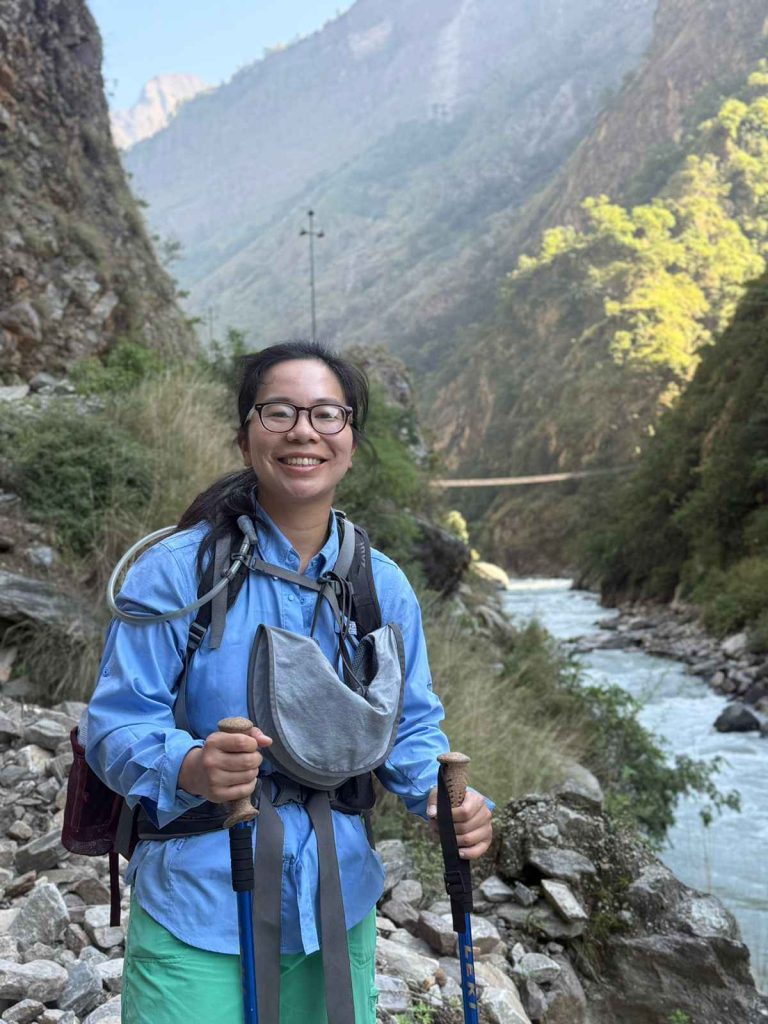
The initial days follow the Budhi Gandaki River through deep gorges. Trails carved into cliff sides wind up and down, crossing the river on suspension bridges. These sections involve:
Constant small ascents and descents that accumulate significant elevation change despite following a river valley. Narrow paths where you must watch your footing carefully, particularly when pack animals pass. Rocky, uneven surfaces requiring good balance and ankle stability. High humidity in the subtropical climate, especially during spring and autumn trekking seasons.
While these lower sections do not present extreme difficulty, they demand attention. The trails are not technically difficult but neither are they casual walking paths. A twisted ankle on day two, far from road access, creates serious problems.
Planning the Manaslu Circuit Trek and need help with permits, route, or itinerary?
WhatsApp us Email usMiddle Elevations: Forest and Village
Between approximately 1,500 and 3,000 meters, the trail passes through temperate forests of pine, rhododendron, and bamboo. Villages become more scattered. Terrain moderates somewhat compared to the lower gorges:
Wider trails in many sections allow more comfortable walking. Longer gradual climbs replace the constant up and down of the lower gorges. Forest shade provides relief during warmer parts of the day. Traditional stone villages offer cultural interest alongside physical challenge.
This middle section provides some of the trek’s most pleasant walking, though it remains strenuous. Daily elevation gains of 600 to 800 meters require steady effort.
Upper Elevations: High Alpine
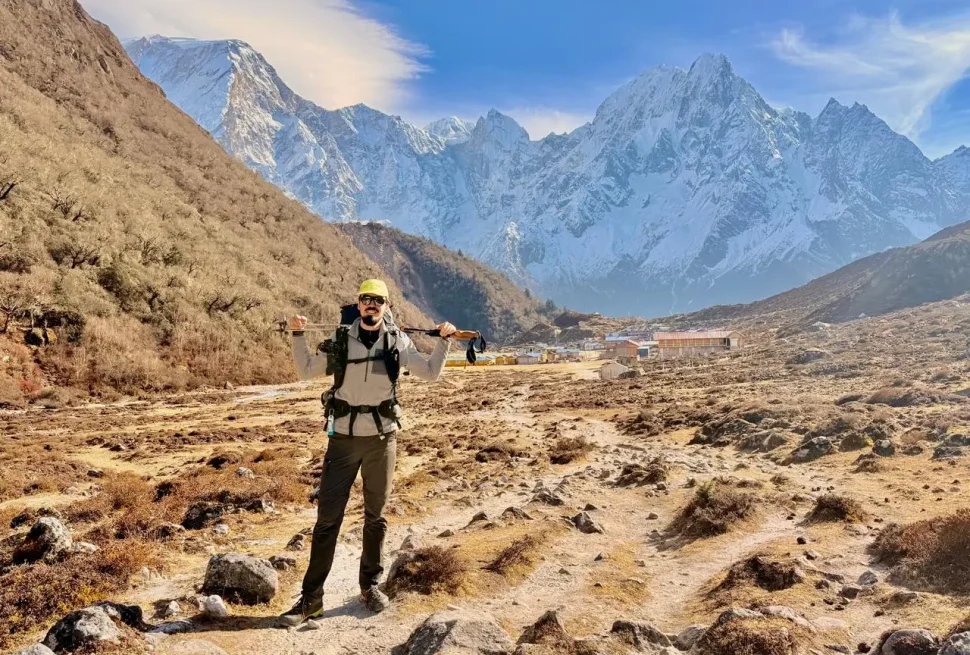
Above 3,500 meters, vegetation thins to alpine scrub and eventually disappears entirely. The landscape opens into high valleys surrounded by snow peaks. Physical challenges shift:
Thinner air makes exertion more difficult even on moderate grades. Temperature drops significantly, particularly at night and in early morning. Terrain becomes rockier as you approach glacial environments. Wind increases in exposed areas, adding to cold stress.
The section from Samdo to Dharamsala and onward to Larkya La represents the trek’s most demanding terrain. Rocky moraines, potential ice and snow on the pass itself, and the thin air at over 5,000 meters combine to test your physical limits.
The Larkya La Crossing
Crossing Larkya La Pass deserves specific attention as the single most challenging day of the trek. You typically depart Dharamsala around 4:00 or 5:00 AM to reach the pass by midday and descend to Bimthang before nightfall.
The ascent from Dharamsala (4,460 meters) to the pass (5,106 meters) gains 646 meters over approximately 4 to 5 hours. This may not sound extreme, but at these elevations even moderate climbing demands significant effort. The grade steepens as you approach the pass. Depending on season and recent weather, you may encounter snow and ice requiring careful foot placement.
The descent from Larkya La to Bimthang drops over 1,380 meters, roughly 1,000 meters more than you climbed that morning. This extended descent punishes knees and tests leg endurance, particularly after hours of climbing in thin air. The trail drops steeply through loose scree and moraine before gradually easing in the lower valley.
Many trekkers find this descent harder than the ascent, despite descent generally being considered easier. The combination of already tired legs, sustained steep grade, and loose footing creates real difficulty.
Remoteness and Limited Infrastructure
Part of what defines Manaslu trek difficulty relates not to the physical trail but to the remote environment. This is not a resort trek with modern amenities waiting each evening. The region’s isolation presents practical challenges that add to the overall difficulty.
Basic Accommodation
Teahouses along the Manaslu Circuit provide basic shelter and meals. Expect simple rooms with two beds and minimal furniture. Mattresses are thin. Blankets are provided but you will likely need your sleeping bag for warmth, particularly at higher elevations.
Shared bathroom facilities range from western style toilets to squat toilets. Hot showers exist at some lodges in lower elevations but become increasingly rare higher up. When available, they cost extra and may be heated by wood fire or solar power, making availability unpredictable.
Heating in dining areas typically comes from wood or yak dung stoves. These warm the central area but rooms themselves are unheated. At Dharamsala, temperatures inside your room can drop well below freezing overnight.
These conditions are manageable with proper gear and realistic expectations. They become difficult if you expect comfort levels found on more developed routes.
Limited Food Variety
Teahouse menus center on dal bhat, the traditional Nepali meal of lentil soup, rice, and vegetable curry. This nutritious, carbohydrate rich meal fuels trekkers well. Other options include fried rice, noodle dishes, momos, and simple vegetable curries.
Variety decreases at higher elevations. The lodges at Samdo and Dharamsala offer fewer choices than those in Samagaon or lower villages. Fresh vegetables become scarce. Meat options are limited or nonexistent at altitude.
If you have dietary restrictions or preferences, the limited menu presents challenges. Vegetarian and vegan trekkers manage well as dal bhat naturally fits these diets. Gluten free options exist but variety narrows. Those with significant food allergies should plan carefully and possibly carry supplementary food.
Communication and Connectivity
Mobile phone coverage exists sporadically along the route. Lower elevations may have decent signals from Nepali carriers. Higher villages like Samagaon have limited coverage. Beyond Samdo, phone service becomes unreliable.
WiFi is available at some teahouses but expect slow speeds, high costs, and frequent outages. The remoteness means you cannot rely on internet communication for navigation, weather updates, or emergencies.
This lack of connectivity adds psychological difficulty for some trekkers. You cannot quickly search for answers to questions, check weather forecasts in detail, or easily communicate with family. The trek requires comfort with being genuinely remote for extended periods.
Medical and Emergency Support
No hospitals or clinics exist along most of the route. Some villages have basic health posts staffed seasonally. For serious medical issues, helicopter evacuation represents the only rapid response option. Weather must allow helicopter flight, which is not guaranteed.
This reality means self reliance and prevention take priority. Treating minor injuries before they become major, recognizing altitude sickness early, and maintaining hygiene to avoid illness all become more critical than on treks with better medical infrastructure.
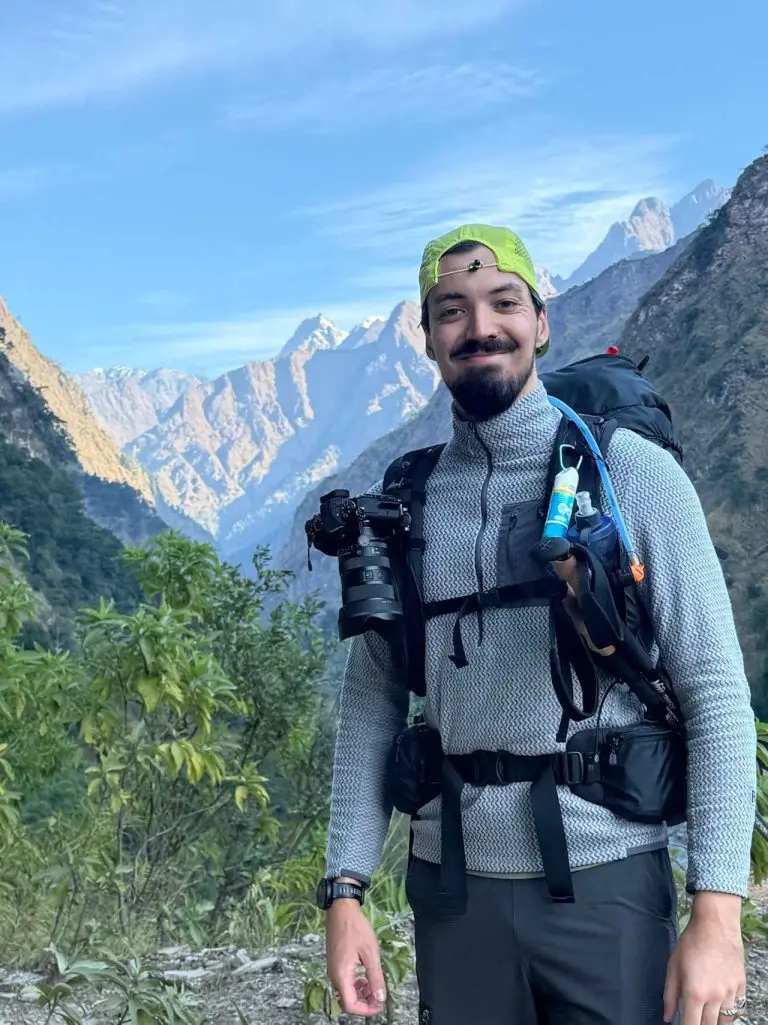
Trekking with a guide provides important safety support. Guides carry communication equipment, know evacuation procedures, and can recognize when situations require professional medical intervention.
Weather Conditions and Seasonal Challenges
Weather significantly affects Manaslu trek difficulty. Conditions vary by season and can change rapidly at altitude.
Spring Season: March to May
Spring offers generally stable weather with warming temperatures and the spectacle of rhododendron blooms at middle elevations. However, spring conditions include:
Afternoon clouds that can obscure mountain views. Occasional spring storms bringing snow at higher elevations. Increasing temperatures at lower elevations that make daytime walking hot. Variable conditions at the pass itself where weather remains unpredictable even in good seasons.
Overall, spring provides favorable trekking conditions with manageable difficulty from weather factors.
Autumn Season: September to November
Autumn is considered the prime trekking season for Manaslu. Post monsoon conditions bring:
Clear skies and excellent mountain visibility. Stable weather patterns with minimal precipitation. Comfortable temperatures for walking at most elevations. Cold nights at higher elevations but generally dry conditions.
The main weather difficulty in autumn comes from temperature extremes between day and night at altitude and occasional early winter storms in November.
Monsoon Season: June to August
Few trekkers attempt Manaslu during monsoon months due to significant weather difficulties:
Heavy rainfall at lower and middle elevations creating slippery, muddy trails. Landslide risk on sections carved into steep hillsides. Leeches in forest areas below 3,000 meters. Cloud cover blocking mountain views. Swollen rivers making crossings dangerous.
While not impossible, monsoon trekking requires flexibility, extra time for weather delays, and tolerance for wet, muddy conditions that substantially increase difficulty.
Planning the Manaslu Circuit Trek and need help with permits, route, or itinerary?
WhatsApp us Email usSeasonal Difficulty Comparison
| Season | Months | Weather | Trail Conditions | Difficulty Level | Crowds | Best For |
|---|---|---|---|---|---|---|
| Spring | Mar-May | Warm, stable, occasional afternoon clouds | Dry, clear paths, some snow at pass | Moderate | Moderate | Most trekkers, rhododendron blooms |
| Autumn | Sep-Nov | Clear skies, excellent visibility | Dry, best conditions | Moderate (easiest season) | High (still less than EBC/Annapurna) | First-timers, photography |
| Monsoon | Jun-Aug | Heavy rain, clouds, humidity | Muddy, slippery, landslide risk | Very Difficult | Very low | Only very experienced with flexibility |
| Winter | Dec-Feb | Heavy snow, extreme cold | Deep snow at pass, ice, closures | Extremely Difficult | Very low | Winter mountaineering experience required |
Temperature Ranges by Season:
| Location/Season | Spring (Day/Night) | Autumn (Day/Night) | Monsoon (Day/Night) | Winter (Day/Night) |
|---|---|---|---|---|
| Lower Valley (1,000-2,000m) | 15-25°C / 5-15°C | 10-20°C / 5-10°C | 20-30°C / 15-20°C | 5-15°C / -5 to 5°C |
| Mid Elevation (2,000-3,500m) | 10-20°C / 0-10°C | 5-15°C / 0-5°C | 15-25°C / 10-15°C | 0-10°C / -10 to 0°C |
| High Camp (4,000m+) | 5-15°C / -10 to 0°C | 0-10°C / -15 to -5°C | 10-20°C / 0-10°C | -10 to 0°C / -25 to -15°C |
| Larkya La Pass (5,106m) | 0-10°C / -15 to -10°C | -5 to 5°C / -20 to -15°C | 5-15°C / -5 to 5°C | -15 to -5°C / -30 to -20°C |
Best Trekking Windows:
- Optimal: Mid-April to mid-May, mid-October to mid-November
- Good: Late March to early June, September to late November
- Challenging: December to February (winter mountaineering skills needed)
- Not Recommended: June to August (monsoon)
Winter Season: December to February
Winter brings the most extreme weather conditions:
Heavy snow at higher elevations, particularly at Larkya La Pass. Many teahouses close for the season, limiting accommodation options. Bitterly cold temperatures, especially at night above 3,500 meters. Risk of the pass being impassable due to snow accumulation. Shorter daylight hours reducing available trekking time.
Winter trekking on the Manaslu Circuit is possible but only for experienced trekkers prepared for winter mountaineering conditions. The difficulty increases substantially compared to spring or autumn.
How Hard is Manaslu Trek Compared to Everest Base Camp?
Many trekkers weighing Manaslu trek difficulty compare it with the more famous Everest Base Camp Trek. These treks differ in significant ways that affect overall difficulty.
Altitude Comparison
Everest Base Camp reaches 5,364 meters at the camp itself, with most trekkers also climbing Kala Patthar at 5,545 meters. This exceeds Larkya La Pass’s 5,106 meters by about 440 meters. The higher altitude creates greater risk of altitude sickness and presents more severe physical challenges.
However, the Everest Base Camp Trek includes better acclimatization profile. You start at Lukla at 2,860 meters, already at significant elevation. The route provides multiple acclimatization days at Namche Bazaar and Dingboche. The gradual elevation gain helps your body adapt.
Manaslu starts much lower, around 700 to 900 meters. While this allows very gradual initial climbing, the acceleration between Samagaon and Larkya La happens faster than comparable elevation gains on the Everest route.
Verdict: Everest Base Camp presents greater altitude challenge due to higher maximum elevation, though Manaslu’s elevation gain rate in the upper section is steeper.
Terrain and Trail Conditions
Everest Base Camp follows well maintained trails through Nepal’s most developed trekking region. Stone staircases, wide paths, and frequent villages characterize the route. Thousands of trekkers annually help maintain trail quality.
Manaslu traverses more rugged, less maintained terrain. Narrow cliffside paths, rocky trails, and sections prone to landslide damage require more careful navigation. The trail feels wilder and more remote.
Verdict: Manaslu presents more challenging terrain overall due to rougher trail conditions and less infrastructure.
Daily Walking Demands
Everest Base Camp requires 5 to 7 hours of walking most days, with some shorter days during acclimatization. Total distance covers approximately 130 kilometers round trip.
Manaslu demands 6 to 8 hours daily over approximately 177 kilometers. The circuit nature means continuous forward progress rather than retracing steps. Days tend to be longer with fewer short days built into the itinerary.
Verdict: Manaslu requires more sustained daily effort over a longer total distance.
Accommodation and Services
The Everest region offers the Himalaya’s best trekking infrastructure. Lodges range from basic to relatively luxurious. Food variety exceeds what you find elsewhere. Hot showers, WiFi, and charging stations are widely available. Medical posts and rescue helicopter services operate efficiently.
Manaslu provides basic teahouse accommodation with limited amenities. Services decrease significantly at higher elevations. Communication remains difficult. Medical support is minimal.
Verdict: Manaslu’s limited infrastructure increases overall difficulty, particularly for trekkers accustomed to comfort.
Crowds and Solitude
Everest Base Camp sees roughly 50,000 to 60,000 trekkers annually. Trails can feel crowded during peak seasons. Lodges fill up. The social atmosphere appeals to some but detracts from wilderness experience.
Manaslu attracts approximately 7,000 to 10,000 trekkers yearly. Most days you encounter few other trekkers. Villages remain quiet. The wilderness feeling persists throughout.
This distinction does not directly affect physical difficulty but influences the psychological experience. Some find crowds motivating and reassuring. Others find them stressful and prefer Manaslu’s solitude.
Overall Difficulty Verdict
Is Manaslu trek harder than Everest Base Camp? The consensus among experienced trekkers and guides leans toward yes, Manaslu is moderately harder for most people. While Everest reaches higher altitude, Manaslu’s rougher terrain, longer daily walking hours, basic infrastructure, and remoteness combine to create greater overall challenge.
However, individual factors matter. Someone particularly sensitive to altitude may find Everest harder despite other factors favoring Manaslu. Someone comfortable with basic conditions but challenged by rough terrain may find Manaslu easier than expected.
The better question asks which trek suits your specific strengths, weaknesses, and preferences rather than which is universally harder.
Manaslu vs Everest Base Camp: Complete Comparison
| Factor | Manaslu Circuit | Everest Base Camp | Winner (Easier) |
|---|---|---|---|
| Maximum Altitude | 5,106m (Larkya La) | 5,545m (Kala Patthar) | Manaslu |
| Total Distance | 177 km | 130 km | EBC |
| Trek Duration | 14-18 days | 12-14 days | EBC |
| Daily Walking Hours | 6-8 hours (up to 10) | 5-7 hours | EBC |
| Trail Condition | Rough, narrow, rocky | Well-maintained, wide | EBC |
| Infrastructure | Basic teahouses | Good to excellent lodges | EBC |
| Hot Showers | Rare above 3,500m | Widely available | EBC |
| Food Variety | Limited, basic | Diverse menus | EBC |
| WiFi/Communication | Very limited | Good coverage | EBC |
| Medical Support | Minimal | Health posts available | EBC |
| Crowd Level | 7,000-10,000/year | 50,000-60,000/year | Manaslu (quieter) |
| Permit Cost | $100-130 USD total | $50-60 USD total | EBC |
| Guide Required | Mandatory | Optional (2026) | EBC |
| Acclimatization | Good but steeper gains | Excellent, gradual | EBC |
| Remoteness | Very remote | Developed region | EBC |
| Terrain Challenge | Higher | Lower | EBC |
| Overall Difficulty | Moderate to Strenuous | Moderate | EBC is easier |
Bottom Line: Manaslu is moderately harder than Everest Base Camp due to rougher terrain, longer daily distances, basic infrastructure, and greater remoteness, despite EBC reaching higher altitude.
Manaslu Circuit Compared to Annapurna Circuit
The Annapurna Circuit provides another useful comparison point for assessing Manaslu trek difficulty.
Altitude and Passes
Annapurna Circuit crosses Thorong La Pass at 5,416 meters, higher than Larkya La’s 5,106 meters by 310 meters. This creates greater altitude challenge on paper.
However, both treks provide reasonable acclimatization profiles. The Annapurna route has been refined over decades of trekker traffic to optimize altitude adaptation. Manaslu’s acclimatization works well but sees less refinement due to fewer trekkers.
Verdict: Annapurna presents slightly greater altitude challenge due to higher pass elevation.
Distance and Duration
Traditional Annapurna Circuit covers approximately 160 to 230 kilometers depending on starting and ending points, taking 15 to 20 days. Road construction has shortened some trekkers’ routes.
Manaslu Circuit spans about 177 kilometers over 14 to 18 days. Both represent substantial undertakings requiring similar commitment.
Verdict: Roughly equivalent in distance and duration.
Trail Conditions and Infrastructure
Annapurna Circuit, despite some sections affected by road construction, maintains well developed infrastructure. Teahouse variety exceeds what Manaslu offers. The route sees more trekkers though still far fewer than Everest.
Manaslu remains more remote with more rugged trails, particularly in the lower Budhi Gandaki gorge sections. Infrastructure is improving but still basic compared to Annapurna.
Verdict: Manaslu presents more challenging trail conditions and more basic services.
Difficulty Assessment
Comparing Manaslu Circuit difficulty with Annapurna Circuit produces mixed results. Annapurna’s higher pass creates greater altitude challenge. Manaslu’s rougher trails and more basic infrastructure create different challenges. Many trekkers consider them roughly equivalent in overall difficulty, with individual sections of each presenting unique challenges.
Manaslu offers more consistent wilderness feeling. Annapurna provides more cultural diversity as it passes through different ethnic regions. Choice between them often comes down to preference for solitude versus variety rather than pure difficulty assessment.
Manaslu vs Annapurna Circuit: Side by Side
| Factor | Manaslu Circuit | Annapurna Circuit | Notes |
|---|---|---|---|
| Highest Point | 5,106m (Larkya La) | 5,416m (Thorong La) | Annapurna higher by 310m |
| Total Distance | 177 km | 160-230 km (varies) | Roughly similar |
| Trek Duration | 14-18 days | 15-20 days | Comparable |
| Trail Condition | More rugged | Better maintained | Annapurna easier |
| Infrastructure | Basic | Good | Annapurna better |
| Road Impact | Minimal | Significant in sections | Manaslu more pristine |
| Crowds | Low (7,000-10,000/year) | Moderate (30,000+/year) | Manaslu quieter |
| Cultural Diversity | Tibetan Buddhist focus | Multiple ethnic groups | Annapurna more varied |
| Wilderness Feel | Consistent throughout | Mixed due to roads | Manaslu more remote |
| Permit Requirements | Restricted area (guide mandatory) | Open area (guide optional) | Annapurna more flexible |
| Overall Difficulty | Moderate to Strenuous | Moderate to Strenuous | Roughly Equal |
Verdict: Both treks present similar overall difficulty with different strengths. Annapurna has higher altitude challenge; Manaslu has rougher trails and more basic services. Choose based on preference for solitude (Manaslu) or cultural variety (Annapurna).
Required Fitness Level for Manaslu Trek
Understanding Manaslu trek difficulty helps determine what fitness level you need. Be honest in assessing your current condition and realistic about required preparation.
Cardiovascular Endurance
Your cardiovascular system must support 6 to 8 hours of walking daily at progressively higher altitudes where oxygen becomes scarce. This requires excellent aerobic fitness.
Minimum standard: You should comfortably walk 4 to 5 hours on consecutive days at moderate intensity. Better standard: You can hike 6 to 8 hours on consecutive days with significant elevation gain without excessive fatigue.
Build cardiovascular fitness through activities like running, cycling, swimming, or long hikes. Consistency matters more than intensity. Four to five sessions weekly over several months prepares your heart and lungs better than occasional intense workouts.
Leg Strength and Endurance
Your legs power every step over 177 kilometers. Quadriceps handle descents and absorb impact. Calves push you upward on climbs. Stabilizer muscles maintain balance on uneven terrain. All must function well when tired and at altitude.
Training should include exercises that build leg strength: squats, lunges, step ups, and calf raises. However, strength alone is insufficient. Endurance matters more than pure strength. Your legs must perform hour after hour, day after day.
Long training hikes with elevation gain provide the most specific preparation. Start with 3 to 4 hour hikes and gradually extend to 6 to 8 hours over several months. Include significant uphill and downhill sections. Carry a loaded pack to simulate trekking conditions.
Planning the Manaslu Circuit Trek and need help with permits, route, or itinerary?
WhatsApp us Email usCore Stability
Your core stabilizes your body on uneven terrain and supports your pack’s weight. Weak core muscles lead to back pain and poor posture, both of which accumulate difficulty over multiple days.
Include planks, side planks, and rotational exercises in your training. These need not be extreme; consistency and functional strength matter more than impressive gym numbers.
Flexibility and Mobility
Tight muscles increase injury risk and reduce efficiency. Good flexibility in hips, hamstrings, and ankles allows better foot placement on rocky terrain and reduces strain.
Regular stretching, yoga, or similar mobility work complements strength and endurance training. This becomes more important if you spend most of your day sitting for work.
Fitness Self-Assessment Checklist
| Fitness Component | Minimum Required | Better Standard | How to Test |
|---|---|---|---|
| Cardiovascular Endurance | Walk 4-5 hours continuously | Walk 6-8 hours with pack | Try a long day hike |
| Consecutive Day Stamina | 2-3 days of 4-hour hikes | 5-7 days of 6-hour hikes | Do back-to-back weekend hikes |
| Uphill Climbing | 400m elevation gain/hour | 600m+ elevation gain/hour | Time yourself on hills |
| Downhill Endurance | 500m descent without knee pain | 1,000m+ descent comfortably | Test on steep descents |
| Pack Carrying | 5-7 kg for 4 hours | 10-12 kg for 6+ hours | Practice with loaded pack |
| Leg Strength | 30 bodyweight squats | 50+ squats or weighted sets | Test at home |
| Core Stability | 1-minute plank hold | 2-3 minute plank hold | Simple plank test |
| Recovery Ability | Feel okay after rest day | Ready to hike next day | Monitor consecutive days |
If you meet “Minimum Required” standards: You can likely complete the trek with effort, but it will be very challenging.
If you meet “Better Standard” benchmarks: You’re well-prepared and should find the trek challenging but enjoyable.
If you fall below minimum standards: Focus on 4-6 months of serious training before attempting Manaslu.
Mental Endurance
Physical fitness alone does not guarantee success on the Manaslu Circuit. Mental endurance to push through discomfort, adapt to basic conditions, and maintain positive attitude despite fatigue matters enormously.
Training your mind is less straightforward than training your body. Long training hikes teach mental endurance by forcing you to continue when you would rather stop. Camping or basic accommodation on training trips simulates the lack of comfort awaiting on the trek.
Visualization of challenging moments and mentally rehearsing your response builds psychological preparation. Imagine being cold, tired, and facing several more hours of walking. How will you respond? Planning your mental approach helps when the reality arrives.
6-Month Training Plan at a Glance
| Timeline | Cardio Training | Strength Training | Hiking Practice | Key Focus |
|---|---|---|---|---|
| 6 Months Before | 3-4 sessions/week, 30-45 min | 2-3 sessions/week, basic | 2-3 hour weekend hikes | Build base fitness, establish habits |
| 5 Months Before | 4-5 sessions/week, 45-60 min | 3 sessions/week, progressive | 3-4 hour hikes with 300m gain | Increase volume gradually |
| 4 Months Before | 4-5 sessions/week, 60+ min | 3 sessions/week, add hills | 4-6 hour hikes with 500m gain | Add specificity, weighted pack |
| 3 Months Before | 5 sessions/week, include intervals | 3-4 sessions/week, heavy legs | 5-7 hour hikes with 800m gain | Build strength endurance |
| 2 Months Before | 5-6 sessions/week, peak volume | 3-4 sessions/week, maintain | 6-8 hour hikes with 1,000m gain | Peak training, test all gear |
| 6-8 Weeks Before | 5-6 sessions/week, high intensity | 3 sessions/week, power focus | Back-to-back full day hikes | Maximum training load |
| 4 Weeks Before | 4-5 sessions/week, reduce volume | 2-3 sessions/week, lighter | 4-6 hour hikes, easy pace | Begin tapering |
| 2 Weeks Before | 3-4 sessions/week, easy | 1-2 sessions/week, light | Short easy walks only | Rest and recover |
| Final Week | Light activity only | None | Gentle stretching | Final preparation, stay healthy |
Weekly Training Hours Progression:
- Month 6: 6-8 hours total
- Month 5: 8-10 hours total
- Month 4: 10-12 hours total
- Month 3: 12-14 hours total
- Month 2: 14-16 hours total (peak)
- Month 1: 10-12 hours total (taper)
Critical Rule: Increase total training volume by no more than 10% per week to avoid injury.
Training Timeline for Manaslu Trek
Proper preparation reduces Manaslu trek difficulty significantly. Starting training with adequate time allows systematic fitness building without injury risk from rushing.
Six Months Before
If you have six months preparation time, start building base fitness. Focus on consistency rather than intensity. Establish regular exercise habits: 4 to 5 sessions weekly of cardiovascular work, 2 to 3 sessions of strength training, and regular flexibility work.
Begin extending weekend hikes. If you currently hike 2 hours comfortably, push to 3 hours. Focus on time on feet rather than extreme intensity.
Four Months Before
Increase training volume and specificity. Cardiovascular sessions should regularly exceed one hour. Include hill repeats or incline treadmill work to simulate climbing. Weighted pack training becomes important; start light and gradually increase pack weight to match what you will carry on the trek.
Training hikes should regularly reach 4 to 6 hours. Include significant elevation gain. If you lack nearby mountains, stair climbing provides good specific training.
Begin planning logistics: book flights, arrange permits through a trekking company, purchase necessary gear, and schedule any required immunizations.
Two Months Before
Peak training volume occurs six to eight weeks before departure. Your longest training hikes should approach full day efforts of 6 to 8 hours with elevation gain of 800 to 1,200 meters if possible.
Back to back long hikes on consecutive weekend days simulate the sustained effort of the trek. This reveals how your body responds to consecutive days of effort without full recovery.
Ensure all gear is tested. Break in trekking boots thoroughly. Test your sleeping bag, down jacket, and other essential equipment in conditions similar to what you will face.
One Month Before
Begin tapering training volume while maintaining intensity. Shorter, more intense sessions replace very long hikes. This allows your body to recover from peak training while maintaining fitness.
Finalize all trek arrangements. Confirm your itinerary, ensure permits are being processed, and complete any remaining gear purchases.
Focus on staying healthy. Avoid injury from overtraining or trying new activities. An injury one month before departure can derail plans.
Final Two Weeks
Significantly reduce training volume. Short, easy sessions maintain fitness without creating fatigue. Rest becomes more important than training.
Organize packing lists. Gather medications, ensure first aid supplies are complete, and prepare what you will carry.

Mental preparation intensifies. Review your itinerary, study maps, and visualize the trek’s progression. Manage pre trip anxiety through concrete preparation rather than worry.
Recognizing and Managing Altitude Sickness
Altitude sickness represents the most serious health risk on the Manaslu Circuit. Understanding symptoms and proper response is crucial for safely managing this aspect of Manaslu trek difficulty.
Acute Mountain Sickness
Acute mountain sickness presents the mildest and most common form of altitude illness. Symptoms typically develop 6 to 12 hours after rapid ascent and include:
Headache, often described as pressure across the forehead. Nausea or loss of appetite. Dizziness or lightheadedness. Fatigue beyond what normal exertion explains. Disturbed sleep or periodic breathing.
These symptoms alone do not require descent if they remain stable or improve. Management includes: adequate hydration, slower pace, rest at current altitude, simple pain medication for headache, and avoiding alcohol and sleeping medications.
If symptoms improve within 24 hours at the same altitude, you can consider continuing upward gradually. If symptoms worsen despite rest, you must descend.
High Altitude Cerebral Edema
High altitude cerebral edema represents life threatening progression of altitude sickness. Fluid accumulates in brain tissue. Symptoms include:
Severe headache unresponsive to medication. Ataxia, meaning loss of coordination and balance. Altered consciousness, confusion, or irrational behavior. Extreme fatigue and weakness.
HACE requires immediate descent, by several hundred meters minimum. Descending even at night is preferable to remaining at altitude. This is a medical emergency where delay risks death.
Altitude Sickness: Recognizing the Warning Signs
| Condition | Severity | Key Symptoms | Action Required | Time Sensitivity |
|---|---|---|---|---|
| Normal Altitude Effects | Mild | Slight breathlessness during exertion, minor sleep disruption, reduced appetite | Continue with caution, hydrate well | Monitor daily |
| Acute Mountain Sickness (AMS) | Mild to Moderate | Headache, nausea, dizziness, fatigue, loss of appetite | Rest at current altitude 24 hours, descend if worsening | Watch for 24-48 hours |
| Severe AMS | Moderate | Persistent headache despite medication, vomiting, extreme fatigue | Descend immediately (300-500m minimum) | Descend within hours |
| High Altitude Cerebral Edema (HACE) | Life-Threatening | Severe headache, ataxia (loss of balance), confusion, irrational behavior | EMERGENCY: Descend immediately, even at night | Immediate action required |
| High Altitude Pulmonary Edema (HAPE) | Life-Threatening | Shortness of breath at rest, wet cough, chest tightness, blue lips | EMERGENCY: Descend immediately | Immediate action required |
Simple Test for Ataxia (HACE Warning): Have the person walk a straight line heel-to-toe for 5 meters. Inability to maintain balance indicates serious altitude illness requiring immediate descent.
When in Doubt: Descend. Altitude will be there tomorrow. Your health cannot be recovered if you push too far.
Planning the Manaslu Circuit Trek and need help with permits, route, or itinerary?
WhatsApp us Email usHigh Altitude Pulmonary Edema
High altitude pulmonary edema involves fluid accumulation in the lungs. Symptoms include:
Shortness of breath at rest, not just during exertion. Wet cough, possibly producing pink or bloody sputum. Chest tightness or congestion. Extreme weakness. Blue or pale lips and fingernails.
Like HACE, HAPE demands immediate descent. This is life threatening and worsens rapidly. Descent by several hundred meters often produces dramatic improvement within hours.
Prevention Strategies
Preventing altitude sickness proves far easier than treating it. Key prevention strategies include:
Gradual ascent allowing proper acclimatization. The standard recommendation of not increasing sleeping altitude by more than 300 to 500 meters above 3,000 meters provides a guideline, though the Manaslu itinerary occasionally exceeds this in sections where terrain dictates camp locations.
Proper hydration maintains blood volume and helps oxygen delivery. Aim for 3 to 4 liters of fluid daily at altitude, adjusting based on exertion and conditions.
Climb high, sleep low strategy means taking day hikes to elevations higher than where you sleep, then returning to lower altitude for the night. This accelerates acclimatization.
Avoiding alcohol and sleeping pills allows your body’s natural altitude adaptation. These substances can depress breathing and worsen oxygen deprivation.
Maintaining caloric intake even when appetite decreases provides energy for your body’s increased metabolic demands at altitude.
Some trekkers use medications like acetazolamide to aid acclimatization. Discuss this option with a doctor familiar with altitude medicine before your trek. Medication supplements but does not replace proper acclimatization practices.
Knowing When to Descend
The most important altitude sickness management skill is recognizing when you must descend. Many trekkers push onward despite warning signs, risking serious illness or death. Clear descent indicators include:
Symptoms of acute mountain sickness that worsen rather than stabilize or improve after 24 hours at the same altitude. Any symptoms of HACE or HAPE. Inability to eat or drink adequately. Shortness of breath at rest. Declining mental state, including confusion or difficulty making decisions.
When in doubt, descend. The altitude will still be there if you want to return after recovery. Your health cannot be recovered if you push too far.
Practical Difficulty Factors
Beyond physical trail conditions and altitude, several practical factors influence how hard you find the Manaslu trek.
Permit Requirements and Restrictions
Manaslu is a restricted area requiring special permits and a licensed guide. You cannot trek independently. This removes the option of going at your own pace or following your own itinerary adjustments.
While restrictions might seem to reduce difficulty by providing professional support, they also create inflexibility. If you feel unusually strong and want to cover more ground, your guide’s planned itinerary may not allow it. If you need an extra rest day, schedule adjustments may be difficult.
The mandatory guide requirement does provide important safety benefits. Guides know the route, handle lodge bookings, communicate in Nepali, and recognize altitude sickness symptoms. This support particularly helps first time Himalayan trekkers.
Pack Weight
What you carry directly affects daily effort. Many trekkers hire porters to carry the majority of their gear, limiting their daypack to 5 to 7 kilograms. This substantially reduces physical demand.
Carrying a full pack of 12 to 15 kilograms transforms the trek’s difficulty. Every ascent requires more effort. Descents stress knees more. Balance becomes more difficult on rough terrain.
If budget allows, hiring a porter significantly decreases difficulty. If carrying your own pack, rigorous weight minimization becomes important. Every unnecessary item adds burden over 177 kilometers.
Group Dynamics
Trekking with a group means adjusting to the group’s pace. A faster group may push you beyond comfortable limits. A slower group might frustrate you or reduce your sense of accomplishment. Personality conflicts can make challenging days even harder.
Solo trekkers paired with a guide can set their own pace within reason, though the guide’s schedule for reaching certain villages by nightfall creates structure.
Managing group dynamics requires flexibility and communication. Discuss pace expectations early. Be honest about your limits when struggling. Support group members having difficulty.
Food and Dietary Adaptation
Dal bhat, the staple trek meal, fuels trekkers well but eating the same food twice daily for two weeks tests some people’s tolerance. If you struggle with limited food variety, this becomes a mental difficulty factor.
Altitude typically decreases appetite. Forcing yourself to eat adequate calories despite lack of appetite requires discipline. Undereating leads to fatigue and increased altitude sickness risk.
If you have dietary restrictions, planning becomes essential. Communicate restrictions clearly to your guide who can notify teahouses in advance. Carry supplementary snacks you know you can eat to ensure adequate caloric intake.
Hygiene and Health Management
Basic toilet facilities, limited hot water, and lack of regular laundry increase difficulty of maintaining hygiene. This matters not just for comfort but for health. Poor hygiene increases risk of gastrointestinal illness which can derail your trek.
Hand washing before meals, water purification, and avoiding raw vegetables at altitude reduces illness risk. These practices require consistent attention when you are tired and basic facilities make them inconvenient.
Minor health issues like blisters, chafed skin, or small cuts need immediate attention before they worsen. Carrying a comprehensive first aid kit and knowing how to use it prevents small problems from becoming trek ending injuries.
Weather Exposure
Hours outdoors daily expose you to sun, wind, and temperature extremes. Sunburn at altitude happens quickly due to increased UV radiation. Wind chill can drop perceived temperatures dangerously low. Managing these exposures requires proper gear and vigilant attention.
Layering clothing appropriately throughout the day as conditions change becomes routine but demands thought. Starting too warm leads to excessive sweating and wet clothing. Starting too cold risks hypothermia before you warm up from exertion.
Is Manaslu Trek Hard for Beginners?
Can a beginner successfully complete the Manaslu Circuit? The answer is yes, with significant caveats.
Defining Beginner
If beginner means someone with no hiking experience whatsoever who rarely exercises, then no, the Manaslu trek is not appropriate. The sustained daily effort, altitude, and remoteness create too many challenges without foundation fitness and some mountain experience.
If beginner means someone fit and active but without previous high altitude experience or multi day trekking, then yes, Manaslu is possible with proper preparation. Many successful Manaslu trekkers had no altitude experience before this trek. They succeeded through:
Serious physical training over several months building required endurance. Careful research and realistic expectation setting. Choosing experienced guide services providing proper support. Willingness to listen to their bodies and adjust pace or descend if needed.
Recommended Prerequisites
Before attempting Manaslu as a first major trek, consider these prerequisites:
Base fitness level allowing you to hike 4 to 6 hours comfortably. Some experience with multi day hiking, even if at lower elevations. Comfort with basic accommodation and simple food. Mental preparation for extended discomfort and physical challenge. Financial capacity for good equipment and reliable guide service.
If these prerequisites are met and you commit to proper training, Manaslu becomes achievable even without previous high altitude experience.
Alternative First Treks
If uncertain about tackling Manaslu as a first major trek, consider building experience on slightly less demanding routes:
Langtang Valley Trek reaches 3,800 meters over 7 to 10 days, providing altitude experience with easier logistics. Annapurna Base Camp Trek climbs to 4,130 meters in 7 to 12 days with well developed infrastructure. Everest View Trek reaches 3,880 meters at Hotel Everest View in 5 to 7 days, offering taste of Khumbu region.
These treks teach you how your body responds to altitude, how you handle basic conditions, and whether you enjoy this style of adventure, all while being shorter and less committing than the Manaslu Circuit.
Reducing Manaslu Trek Difficulty Through Preparation
While the trek’s inherent challenges cannot be eliminated, proper preparation substantially reduces difficulty.
Physical Training
Systematic physical training over four to six months transforms the trek from borderline impossible to challenging but achievable. Focus on:
Building aerobic base through consistent cardio exercise. Developing leg strength and endurance through weight training and hill repeats. Extending hiking duration to match or exceed daily trek demands. Training with loaded pack to adapt to carrying weight. Back to back training days to simulate consecutive trek days.
The difference between arriving well trained versus poorly prepared cannot be overstated. Well trained trekkers find hard days challenging but manageable. Poorly prepared trekkers struggle painfully through each day, increasing injury risk and reducing enjoyment.
Gear Selection
Quality gear appropriate for conditions reduces physical and mental difficulty. Key items include:
Well fitted, broken in trekking boots preventing blisters and providing ankle support. Warm sleeping bag rated for expected minimum temperatures. Effective layering system allowing temperature regulation throughout the day. Trekking poles reducing stress on knees and improving balance. Quality headlamp for early morning starts and evening use.
Gear need not be expensive, but it must function well. Borrow or rent quality equipment if budget is limited rather than buying cheap gear that fails.
Itinerary Selection
Choosing an appropriate itinerary reduces difficulty. Longer itineraries with more acclimatization days decrease altitude sickness risk. Routes starting from lower elevations like Soti Khola allow more gradual adaptation than routes cutting in higher via 4WD roads.
Discuss itinerary options with your trekking company. Express any concerns about pace or altitude. A well designed itinerary balances completing the circuit within reasonable time while providing adequate acclimatization.
Choosing the Right Season
Trekking during optimal seasons of spring and autumn reduces weather related difficulty. Clear skies, stable temperatures, and dry trails make every day easier than fighting through rain, mud, or excessive snow.
If you have schedule flexibility, target mid April through mid May or mid October through mid November for the best conditions.
Mental Preparation
Mental readiness reduces psychological difficulty significantly. Research the trek thoroughly. Watch videos and read trip reports. Understand what each day typically entails. This removes uncertainty and allows you to mentally prepare for known challenges rather than facing unexpected difficulties.
Develop coping strategies for hard moments. What will you tell yourself when exhausted with hours of walking remaining? How will you manage discomfort from basic conditions? Mental rehearsal of difficult scenarios helps when reality arrives.
Pre-Trek Readiness Assessment
Use this checklist 1-2 months before your departure to assess if you’re truly ready:
Physical Readiness ✓
| Checkpoint | Ready? | Notes |
|---|---|---|
| □ Can walk 6-8 hours with 10kg pack | ☐ Yes ☐ No | Test on training hikes |
| □ Completed back-to-back long hikes (2-3 consecutive days) | ☐ Yes ☐ No | Simulates trek fatigue |
| □ No current injuries or health issues | ☐ Yes ☐ No | See doctor if unsure |
| □ Comfortable hiking 1,000m elevation gain in 4-5 hours | ☐ Yes ☐ No | Test on local hills |
| □ Knee and ankle strength tested on long descents | ☐ Yes ☐ No | Critical for pass descent |
Gear Readiness ✓
| Checkpoint | Ready? | Notes |
|---|---|---|
| □ Trekking boots broken in (50+ km walked) | ☐ Yes ☐ No | Prevents blisters |
| □ Sleeping bag tested to -15°C | ☐ Yes ☐ No | Essential at Dharamsala |
| □ All layers tested in training hikes | ☐ Yes ☐ No | Know what works |
| □ First aid kit complete and organized | ☐ Yes ☐ No | Include blister treatment |
| □ Water purification method tested | ☐ Yes ☐ No | Tablets or filter |
Logistics Readiness ✓
| Checkpoint | Ready? | Notes |
|---|---|---|
| □ Permits arranged through registered agency | ☐ Yes ☐ No | Mandatory requirement |
| □ Licensed guide confirmed | ☐ Yes ☐ No | Required for restricted area |
| □ Travel insurance covers altitude to 6,000m | ☐ Yes ☐ No | Check policy details |
| □ Emergency evacuation coverage confirmed | ☐ Yes ☐ No | Must include helicopter |
| □ Flights and accommodation in Kathmandu booked | ☐ Yes ☐ No | Before and after trek |
Mental Readiness ✓
| Checkpoint | Ready? | Notes |
|---|---|---|
| □ Understand trek is 14-18 days with no exits | ☐ Yes ☐ No | Full commitment required |
| □ Comfortable with basic toilet and shower facilities | ☐ Yes ☐ No | No luxury amenities |
| □ Accept limited food variety (dal bhat twice daily) | ☐ Yes ☐ No | Manage expectations |
| □ Prepared for limited/no communication with outside world | ☐ Yes ☐ No | Embrace remoteness |
| □ Know when to descend for altitude sickness | ☐ Yes ☐ No | Safety over summit |
Scoring:
- All checkboxes ticked: You’re well-prepared. Go with confidence.
- 1-3 boxes unchecked: Address these gaps in the next 4-6 weeks.
- 4+ boxes unchecked: Consider postponing or additional preparation time.
- Any “Mandatory” items unchecked: Cannot proceed with trek.
Conclusion: Assessing Your Readiness
The Manaslu trek difficulty is real but manageable with proper preparation and realistic expectations. This is not an extreme mountaineering expedition requiring technical skills. It is a strenuous high altitude trek requiring good fitness, mental resilience, and proper planning.
Ask yourself these questions when assessing readiness:
Can I train consistently for at least three to four months before the trek? Am I willing to walk 6 to 8 hours daily for two weeks? Can I adapt to basic accommodation and limited food variety? Do I understand altitude sickness symptoms and when to descend? Am I prepared for significant financial investment in permits, guide service, and equipment? Do I have schedule flexibility if weather or health issues require extra days?
If you answer yes to these questions and commit to proper preparation, the Manaslu Circuit Trek is within your capability. The challenges are significant but not insurmountable. The rewards of completing this trek, walking through remote Himalayan valleys and crossing a 5,106 meter pass surrounded by 8,000 meter peaks, justify the effort required.
Understanding Manaslu trek difficulty honestly helps you prepare appropriately. Underestimating difficulty leads to suffering and potential failure. Overestimating it may prevent you from attempting a trek within your capabilities. Accurate assessment, combined with systematic preparation, provides the foundation for a successful and rewarding Manaslu Circuit experience.
Planning the Manaslu Circuit Trek and need help with permits, route, or itinerary?
WhatsApp us Email us