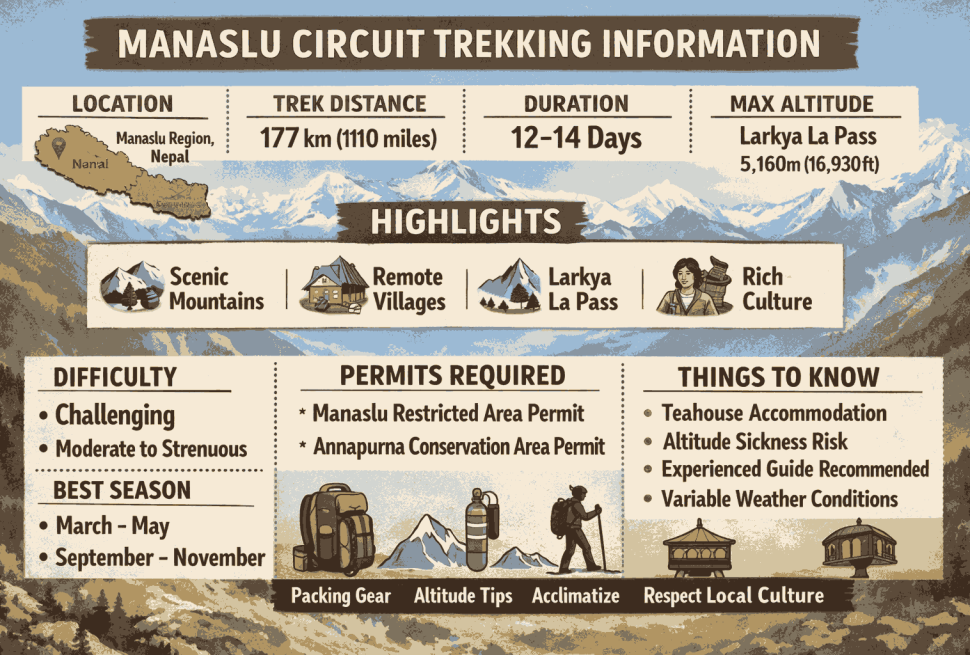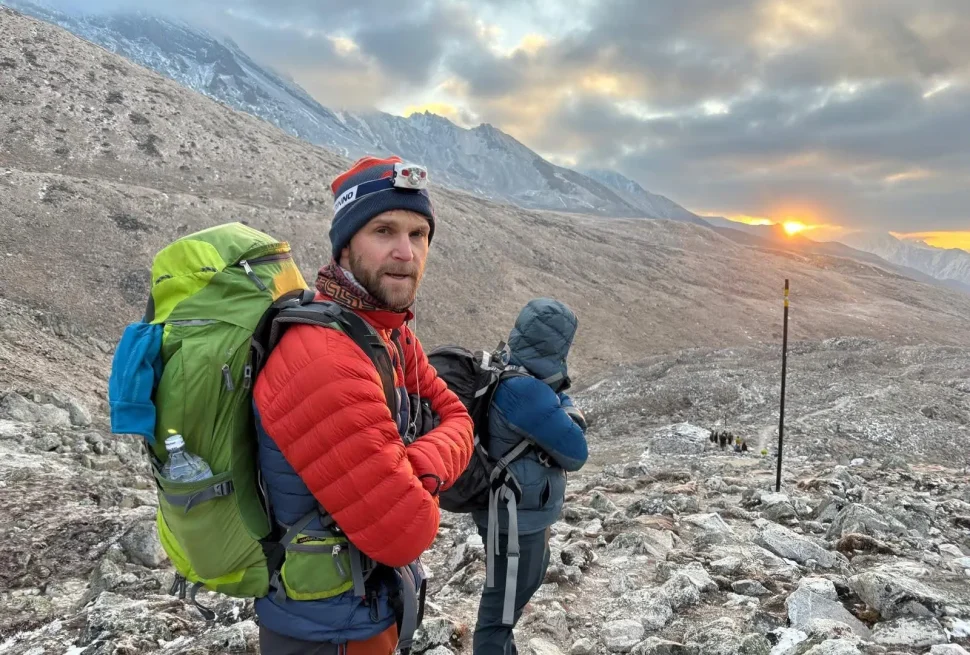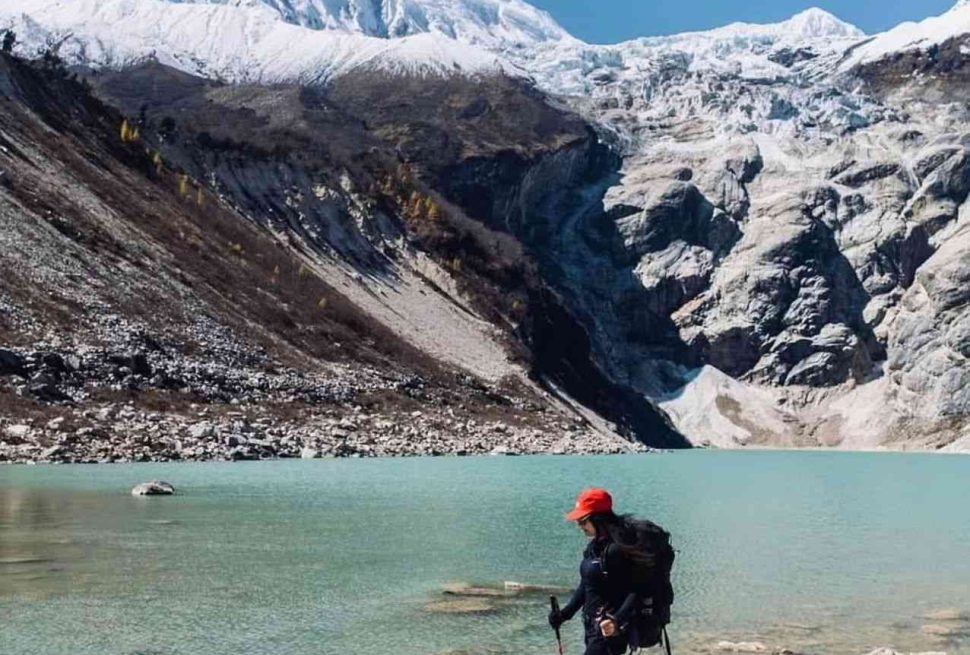
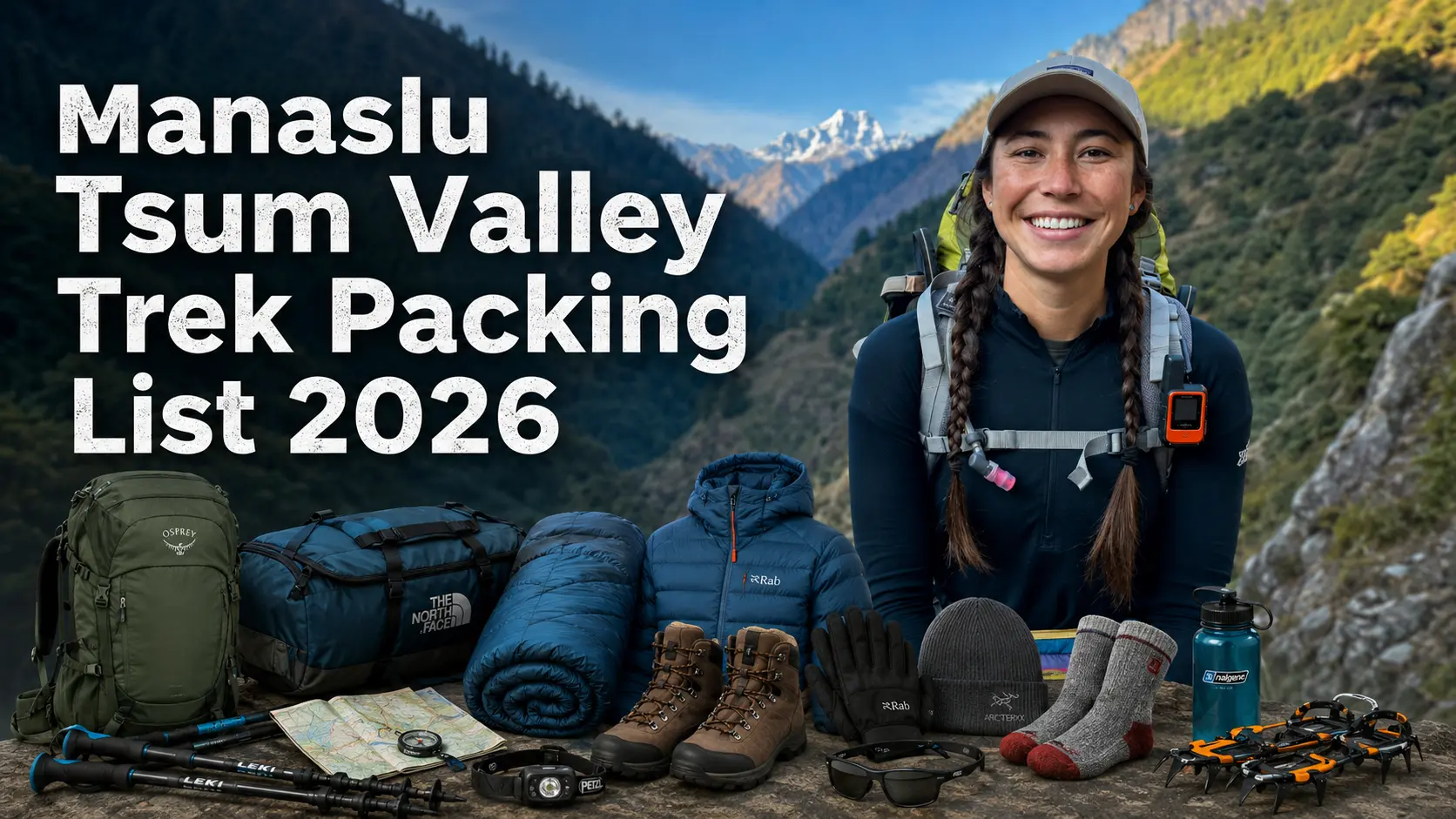
The Manaslu Tsum Valley Trek is one of the most remote and rewarding trekking routes in Nepal. You will walk through high mountain passes, ancient Buddhist monasteries, and valleys that see only a few hundred trekkers each year. The trail runs for 18 to 22 days through restricted areas with no shops selling trekking gear, no pharmacies, and no option to replace forgotten items. What you pack before leaving Kathmandu is exactly what you will have for the entire journey.
Our team at Manaslu Treks and Expedition has guided trekkers through this region for many years. We know what works, what fails at altitude, and what most trekkers wish they had brought. This packing list is built from real experience on the trail, not from a generic checklist. Every item listed here has a reason to be in your bag.
Before we dive into the full list, there is good news. Our team provides several key pieces of equipment so you do not need to buy or carry everything yourself. We will cover exactly what we provide in the next section.
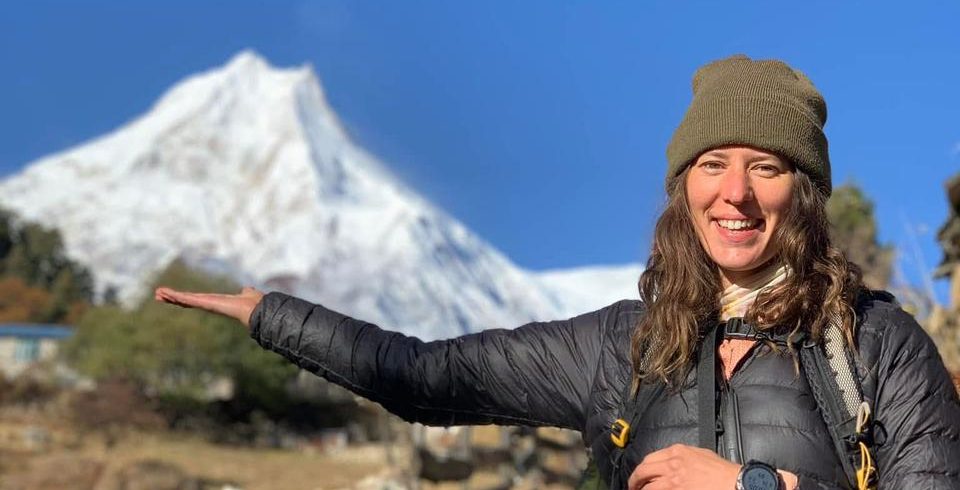
The 19-Day Manaslu Circuit with Tsum Valley Trek is one of Nepal’s most rewarding long-distance Himalayan journeys, combining remote valleys, ancient…
What Manaslu Treks and Expedition Provides for You
When you book the Manaslu Tsum Valley Trek with our team, you receive key trekking equipment as part of your package. This reduces what you need to buy or rent in Kathmandu and keeps your personal load lighter.
| Item We Provide | Details |
|---|---|
| Down Jacket | Warm insulated jacket suitable for high altitude and cold nights |
| Sleeping Bag | Rated for cold mountain temperatures, cleaned between each use |
| Duffle Bag for Porter | Provided so your porter can carry your main load comfortably |
| Crampons | Metal traction devices for icy sections near Larkya La Pass (5,106 m) |
| Trekking Poles | Adjustable poles to support your knees on long descents |
| Trek Map | Detailed route map of the Manaslu and Tsum Valley trail |
These items are cleaned, inspected, and properly maintained before each trip. You can still bring your own gear if you prefer, but knowing these items are provided helps you plan what else you need to carry in your personal daypack.
Understanding the Terrain and Temperature Before You Pack
The Manaslu Tsum Valley Trek starts at around 900 meters in the warm lowland village of Machha Khola and rises to 5,106 meters at Larkya La Pass. That is a temperature swing from warm and humid conditions to cold, windy, and potentially icy terrain. You will also pass through the Tsum Valley, which sits between 2,000 and 4,500 meters and has its own seasonal character.
Here is what the temperature range looks like across the main trekking seasons:
| Season | Low Temperature | High Temperature | Trail Conditions |
|---|---|---|---|
| Spring (March to May) | -6°C | 18°C | Clear skies, blooming rhododendrons, some snow on passes |
| Summer and Monsoon (June to August) | 5°C | 25°C | Rain on lower sections, leeches, occasional landslides |
| Autumn (September to November) | -2°C | 20°C | Best visibility, stable weather, crowded but manageable |
| Winter (December to February) | -5°C | 15°C | Snow on passes, cold nights, fewer trekkers |
For more detail on when to go, read our guide on the best time for the Manaslu Tsum Valley Trek.
Clothing for the Manaslu Tsum Valley Trek
Clothing is the most important part of your packing list. You need to dress for both warm afternoons and freezing mornings. The layering system is what makes this work. You add or remove layers depending on the altitude and time of day.
Base Layer
Your base layer sits directly against your skin. Its job is to move sweat away from your body so you stay dry. Wet skin loses heat fast, especially when you stop moving. Choose base layers made from merino wool or synthetic fabrics such as polyester. Avoid cotton entirely. Cotton soaks up sweat and stays wet for hours.
- 2 long sleeve base layer tops
- 2 base layer bottoms (thermal leggings)
- 3 to 4 moisture wicking underwear
- Sports bra or supportive top for women trekkers (at least 2)
Mid Layer
The mid layer provides insulation. A fleece jacket is the standard choice because it retains warmth even when damp, dries quickly, and weighs very little.
- 1 fleece jacket (medium weight, 200 to 300 gsm)
- 1 to 2 quick drying trekking shirts for warmer days
- 1 pair of trekking trousers (zip off style works well)
- 1 pair of lightweight trekking shorts for lower elevations
Outer Layer
The outer layer protects you from wind, rain, and snow. A waterproof and windproof jacket is essential. We provide a down jacket as part of your trek package, so you do not need to carry a heavy insulated jacket in your personal bag. However, bring a separate rain jacket and waterproof trousers for wet weather.
- 1 waterproof rain jacket with sealed seams
- 1 waterproof rain trousers
- 1 warm hat or beanie (wool or fleece)
- 1 neck gaiter or buff
- 1 pair of inner liner gloves
- 1 pair of outer waterproof gloves
- 1 sun hat or wide brimmed cap for lower sections
- 1 balaclava for very cold mornings near the pass
Footwear: Choosing the Right Boots and Socks
Your feet carry you for six to eight hours every day across rocky trails, river crossings, and icy passes. Choosing the wrong footwear is the most common mistake first time trekkers make.
Trekking Boots
You need waterproof boots with ankle support and a stiff sole. The boots should be broken in before the trek. New boots cause blisters, and blisters at high altitude are painful and can slow your progress significantly. Wear your trekking boots on hikes near home for at least four to six weeks before the trek starts.
Camp Shoes
After a long day on the trail, your feet need a break. Bring a pair of lightweight sandals or slip on shoes for the evenings inside the teahouse. Your trekking boots are heavy and uncomfortable for indoor use.
| Footwear Item | Quantity | Purpose |
|---|---|---|
| Waterproof trekking boots | 1 pair | Main trail use, ankle support on rough terrain |
| Camp sandals or slip on shoes | 1 pair | Evening use in teahouses |
| Trekking socks (wool or synthetic) | 4 to 5 pairs | Moisture management, blister prevention |
| Thick thermal socks | 2 pairs | Nights at high altitude teahouses |
| Sock liners | 2 pairs | Extra blister protection under main socks |
| Gaiters | 1 pair | Keeping snow and mud out of boots near Larkya La |
Sleeping Gear and What You Need for Cold Nights
We provide a sleeping bag as part of your trek package, so you do not need to carry one in your luggage from home. However, it is important to understand the specifications so you know what to expect. For a deeper breakdown of exactly what temperature rating and fill power you need, our dedicated down jacket and sleeping bag guide covers it in more detail.
The sleeping bag we provide is rated to handle temperatures down to around -10°C to -15°C. This is appropriate for most nights on the Manaslu Tsum Valley Trek. At Lho (3,180 m), Samagaon (3,520 m), and the higher camps, temperatures can drop below zero at night.
If you are a person who feels cold easily, consider adding a sleeping bag liner. A liner adds 5 to 10 degrees of extra warmth and keeps your sleeping bag clean. Liners are lightweight and easy to carry in your daypack.
- Sleeping bag liner (silk or fleece, optional but recommended)
- Inflatable travel pillow (optional, most teahouses provide pillows)
- Earplugs and eye mask for better sleep at altitude
Trekking Gear and Essential Accessories
Beyond clothing and sleeping equipment, certain trekking accessories are non negotiable for a safe and comfortable journey. We provide crampons, trekking poles, and a trek map, but there are additional items you should carry in your daypack every day.
| Gear Item | Provided by Us | Notes |
|---|---|---|
| Trekking poles | Yes | Adjustable, helps on steep descents and ascents |
| Crampons | Yes | Essential for icy sections at Larkya La Pass |
| Trek map | Yes | Detailed Manaslu and Tsum Valley route map |
| Down jacket | Yes | For cold nights and high altitude sections |
| Sleeping bag | Yes | Rated for cold mountain temperatures |
| Duffle bag for porter | Yes | Your porter carries this with your main gear |
| Daypack (25 to 35 liters) | No, bring your own | For daily essentials you carry yourself |
| Headlamp with extra batteries | No, bring your own | Power cuts are common in mountain teahouses |
| Water bottle (1 liter minimum) | No, bring your own | Staying hydrated prevents altitude sickness |
| Water purification tablets | No, bring your own | For filtering water from streams or taps |
Your Daypack Setup
Your daypack is what you carry personally each day while your porter carries your main duffle bag. Keep your daypack to 6 to 8 kilograms maximum. Pack items you will need during the walking day: water, snacks, rain gear, sunscreen, your camera, a small first aid kit, and a warm layer in case the weather turns cold suddenly.
Sun Protection and High Altitude UV Exposure
The sun at altitude feels much stronger than at sea level. At 4,000 meters, ultraviolet radiation increases by roughly 40 percent compared to sea level. Snow reflection makes this worse. Sunburn happens fast on the trail, even on cloudy days, and it is surprisingly easy to underestimate how exposed you are when you are focused on the path ahead.
- Sunscreen with SPF 50 or higher (water resistant formula)
- Lip balm with SPF protection
- Quality sunglasses that block 100 percent of UVA and UVB rays
- Wide brimmed sun hat or cap for lower sections of the trek
- Lightweight UV protection gloves (optional but useful)
Apply sunscreen every two hours when you are walking. Your face, neck, ears, and the backs of your hands are the most exposed areas. Do not forget the inside of your nostrils and lips, which can burn easily in dry mountain air.
First Aid Kit and Medications for the Trek
Our guides carry a group first aid kit on the trail. However, you should carry your own personal first aid kit with items specific to your medical history and comfort level. The nearest hospital with proper facilities is in Kathmandu. If you have a serious medical emergency, evacuation by helicopter is the fastest option, which is why travel insurance covering helicopter evacuation is mandatory for this trek.
| Item | Purpose | Quantity |
|---|---|---|
| Diamox (Acetazolamide) | Altitude sickness prevention (consult doctor first) | As prescribed |
| Ibuprofen or paracetamol | Pain relief, headaches | 1 strip each |
| Antihistamine tablets | Allergic reactions, insect bites | 1 strip |
| Anti diarrhea tablets (Loperamide) | Stomach upset and loose stools | 1 strip |
| Oral rehydration salts | Rehydration after illness or heavy sweating | 5 to 10 sachets |
| Ciprofloxacin | Stomach bacterial infection (prescription required) | As prescribed |
| Blister plasters (Compeed or similar) | Treating foot blisters quickly | 6 to 10 |
| Bandages and antiseptic wipes | Wound cleaning and dressing | Small pack |
| Thermometer | Checking for fever | 1 |
| Water purification tablets | Making untreated water safe to drink | 1 full pack |
Do not bring sleeping pills. They suppress breathing during sleep, which makes altitude adjustment more difficult and increases the risk of altitude sickness. If you have any pre existing medical conditions, tell your guide before the trek begins.
For more answers to health and safety questions, read our Manaslu Tsum Valley Trek FAQ guide.
Required Documents and Trekking Permits
The Manaslu Tsum Valley Trek passes through a restricted area of Nepal. You cannot obtain these permits at the trailhead. Our team arranges all permits for you in Kathmandu before the trek begins.
| Permit | Area It Covers | Who Arranges It |
|---|---|---|
| Manaslu Restricted Area Permit | Required for all trekkers in the restricted Manaslu zone | Manaslu Treks and Expedition |
| Manaslu Conservation Area Permit (MCAP) | Entry into the Manaslu Conservation Area | Manaslu Treks and Expedition |
| Tsum Valley Restricted Area Permit | Access to the Tsum Valley restricted zone | Manaslu Treks and Expedition |
| Annapurna Conservation Area Permit (ACAP) | If the route exits through the Annapurna region via Dharapani | Manaslu Treks and Expedition |
Your personal documents to carry:
- Original passport (valid for at least 6 months from entry date)
- Nepal visa (we help with this in Kathmandu)
- Travel insurance documents (must cover helicopter evacuation up to 6,000 m)
- 4 to 6 passport size photos for permits
- Photocopies of all important documents kept separately from originals
- Emergency contact details written on paper, not just stored on a phone
There are no ATMs along the Manaslu Tsum Valley Trek route. The last reliable ATM is in Kathmandu. Carry enough Nepali rupees to cover personal expenses such as drinks, snacks, hot showers, charging fees, and personal shopping for the entire duration of the trek. Most trekkers carry between USD 400 and USD 600 equivalent in Nepali rupees for personal spending beyond what the package covers.
Food and Snacks to Carry on the Trail
Your main meals are provided at teahouses along the route. Breakfast, lunch, and dinner are cooked fresh at each teahouse. However, there are long walking days where you will be on the trail for 6 to 8 hours and may want something to eat between stops. Having snacks in your daypack prevents energy crashes on steep climbs.
Recommended trail snacks:
- Energy bars or protein bars (bring from home or buy in Kathmandu)
- Dried fruits such as apricots, raisins, or mango
- Mixed nuts or trail mix
- Dark chocolate (high calorie, keeps morale high on hard days)
- Granola bars or oat biscuits
- Electrolyte sachets to add to water on high output days
Do not rely on finding snacks beyond Sotikhola. Some villages have small shops, but stock is limited and prices increase with altitude. Bring enough for the full duration of the trek.
Electronics and Charging on the Manaslu Tsum Valley Trek
Many teahouses along the route offer charging facilities, but availability is not guaranteed and the price per charge increases as you go higher. Solar panels power most lodges above 3,000 meters. On overcast days or in winter, power supply may be unreliable.
- High capacity power bank (at least 20,000 mAh)
- Camera with extra memory cards and batteries
- Smartphone for navigation, photos, and communication
- Universal travel adapter
- Solar charger (optional, useful as backup)
- Headlamp with extra batteries (power banks and solar charge slowly at altitude)
Mobile network coverage is available in some sections of the route but disappears in the deeper parts of Tsum Valley. Do not rely on your phone for navigation. Use the trek map we provide and follow your guide direction. Always tell someone at the teahouse where you are going before heading out for an acclimatization walk.
Hygiene and Toiletry Essentials
Hot water for bathing is available at most teahouses, but it may cost extra and is only available in the evenings. On some days, you may not have access to a full shower. Pack hygiene items that work with or without water access.
| Item | Notes |
|---|---|
| Biodegradable soap and shampoo | Environment friendly for the protected conservation area |
| Toothbrush and toothpaste | Standard |
| Quick drying travel towel | Teahouses sometimes provide towels but not always |
| Wet wipes (several packs) | For refreshing yourself on days without shower access |
| Hand sanitizer | Use before every meal to prevent stomach illness |
| Toilet paper | Most teahouses do not stock toilet paper |
| Small ziplock bags for used toilet paper | Do not litter on the trail, carry out used paper |
| Deodorant | Travel size is enough |
| Lip balm (with SPF) | Dry mountain air causes chapped lips quickly |
| Skin moisturizer | Cold dry air dehydrates skin |
| Sunscreen (SPF 50 or higher) | Apply daily even when cloudy |
| Menstrual products (for women) | Not available on the trail, bring full supply from Kathmandu |
What You Can Rent or Buy in Kathmandu
If you do not own all the gear on this list, Kathmandu is the best place to fill the gaps. Thamel, the main trekking neighborhood, has dozens of shops selling and renting trekking equipment. Quality ranges from genuine brand name gear to local alternatives that work well for a single trip.
Items worth renting rather than buying if you do not already own them:
- Additional down jacket (if you want a personal one beyond what we provide)
- Waterproof gaiters
- Extra trekking poles (if you want a second pair)
- Backpack rain cover
Items better bought than rented:
- Trekking socks (hygiene reasons)
- Underlayers and base layers
- Underwear
- First aid supplies and personal medication
- Sunscreen and lip balm
Reputable brands available in Kathmandu include North Face, Mammut, Marmot, and local brands such as KAEMP 8848 and Sherpa Adventure Gear. Inspect all rental items carefully before accepting them. Check zippers, seams, and insulation before you leave the shop.
Packing Strategy by Season: Spring, Autumn and Winter
Spring Packing (March to May)
Spring is the most popular season for the Manaslu Tsum Valley Trek. Temperatures are rising but the high passes still carry snow. You need full winter gear for Larkya La but can pack lighter clothing for the lower sections. Rhododendrons are in bloom and the trail is beautiful. There is a chance of afternoon clouds and light rain at lower elevations.
- Bring a rain jacket even though it is not monsoon season
- Sunscreen is critical, snow reflection is strong in spring
- Layers work well because mornings are cold and afternoons warm quickly
Autumn Packing (September to November)
Autumn is the other peak trekking season. The monsoon has cleared the air and visibility is exceptional. Temperatures are comfortable but nights at altitude get cold quickly in October and November. October nights at Lho or Samagaon can drop to minus 5°C.
- Pack the same full clothing list as spring
- Bring slightly warmer gloves and hat for November specifically
- Check the weather forecast at Larkya La before attempting the pass in November, snow arrives early some years
Winter Packing (December to February)
Winter treks require extra preparation. Larkya La Pass can be heavily snow covered, and our team will assess conditions before the crossing. Nights at high altitude can reach minus 15°C. The sleeping bag we provide is rated for these conditions, but you will want extra thermal layers and a sleeping bag liner for personal comfort.
- Bring a balaclava, heavy gloves, and multiple thermal layers
- Insulated gaiters are strongly recommended for the pass section
- Consider hand warmers for very cold mornings
What Not to Pack: Keep Your Bag Light
Over packing is as much of a problem as under packing. Your porter carries your main duffle bag, but it should not exceed 12 to 14 kilograms for the porter comfort. Your daypack should be 6 to 8 kilograms maximum. Every unnecessary item you pack means extra weight someone carries for days.
Items to leave at home or in your Kathmandu hotel storage:
- Jeans or heavy cotton clothing (heavy, slow to dry, uncomfortable when wet)
- Multiple books (one light paperback is enough, most teahouses have book swaps)
- Full sized shampoo or toiletry bottles (travel size is sufficient for the full duration)
- Formal or dress clothing (unnecessary and heavy)
- Sleeping pills (these suppress respiration and increase altitude sickness risk)
- Excessive electronics (one phone and one camera is enough)
- Jewelry or valuables beyond what you need daily
Most hotels in Kathmandu offer free luggage storage. Leave your extra suitcase at the hotel and collect it when you return. Many trekkers bring a small rolling suitcase for Kathmandu and leave it behind while they trek with only a duffle bag and daypack.
Quick Summary Packing Checklist
Use this checklist before you leave Kathmandu for the trailhead:
| Category | Key Items | Provided by Us |
|---|---|---|
| Clothing | Base layers, fleece, rain jacket, hat, gloves | Down jacket included |
| Footwear | Trekking boots, camp shoes, 4 to 5 pairs of socks | Not provided |
| Sleeping | Sleeping bag liner (optional) | Sleeping bag included |
| Trekking gear | Headlamp, water bottle, daypack, water tablets | Poles, crampons, map included |
| Sun protection | SPF 50 sunscreen, lip balm, sunglasses | Not provided |
| First aid | Personal medications, blister plasters, ORS sachets | Group kit carried by guide |
| Documents | Passport, insurance, photos, cash in Nepali rupees | Permits arranged by us |
| Hygiene | Travel towel, wet wipes, hand sanitizer, toilet paper | Not provided |
| Food and snacks | Energy bars, trail mix, electrolyte sachets | Main meals provided |
| Electronics | Power bank, camera, adapter | Not provided |
| Porter bag | Main duffle bag for porter to carry | Duffle bag included |
Tips from Our Guides Who Have Done This Trail Many Times
Our guides have walked the Manaslu and Tsum Valley route more times than they can count. Here is what they tell every trekker before the journey begins:
- Break in your boots before you arrive. This is the single most important thing. More trekkers drop out due to blisters than any other preventable cause.
- Test your headlamp the night before you start. Replace batteries before the trek, not when you are in a dark teahouse at 4,000 meters.
- Pack your rain gear at the top of your daypack where you can reach it in 30 seconds. Mountain weather changes without warning.
- Drink at least 3 liters of water every day on the trail. Altitude makes you breathe more heavily, which dehydrates you faster than you expect.
- Never take altitude sickness symptoms lightly. Headache combined with nausea and confusion is a medical emergency. Tell your guide immediately if you feel unwell.
- Carry some Nepali rupees in a small separate pocket from your main wallet. Use it for daily small expenses to avoid opening your main bag repeatedly.
For the complete experience and what to expect on each day of the journey, read our trekker account of the 19 Day Manaslu Circuit and Tsum Valley Trek experience.
Booking the Manaslu Tsum Valley Trek with Manaslu Treks and Expedition
We are a licensed and registered Nepali trekking company based in Thamel, Kathmandu. Our team has been guiding trekkers through the Manaslu region for many years. We are a best Manaslu treks company with local guides who know this trail intimately, including seasonal variations in snow cover, teahouse availability, and permit processing timelines.
When you choose us as your Tsum Valley Trek company, you benefit from:
- All trekking permits arranged and handled before departure
- Experienced English speaking guides who have completed this route many times
- Equipment provided including down jacket, sleeping bag, crampons, trekking poles, duffle bag, and trek map
- All main meals and teahouse accommodation throughout the route
- 24 hour emergency support via our Kathmandu office
Our main Manaslu Tsum Valley Trek packages are:
If you have any questions about gear, the route, or what is included, contact our team before you travel. We answer questions seven days a week and can help you finalize your packing list based on the season you plan to travel.
For more planning resources, explore our complete guides:
- Manaslu Tsum Valley Trek: 100 Frequently Asked Questions
- Best Time for the Manaslu Tsum Valley Trek
- Manaslu Circuit Trek: Complete Planning Guide
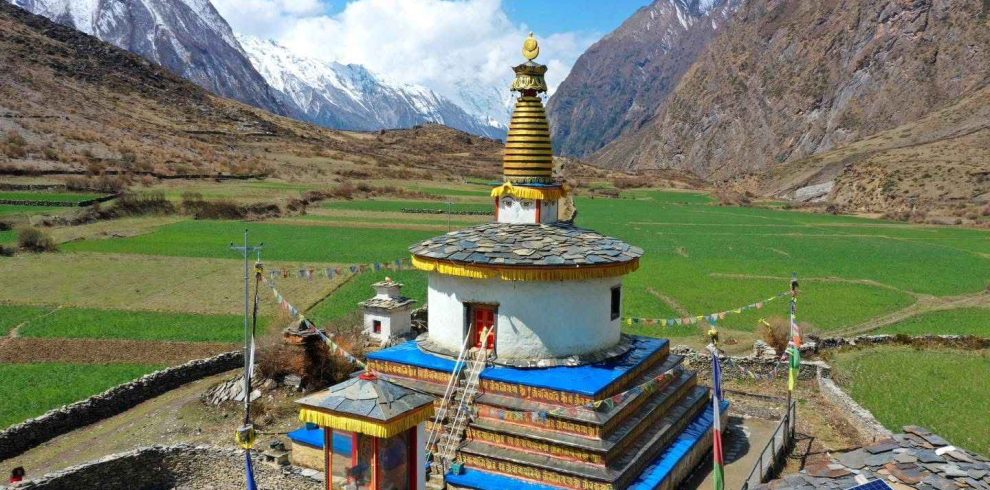
The 23-day Tsum Valley & Manaslu Circuit Trek combines breathtaking Himalayan landscapes with the preserved Tibetan Buddhist culture of a…