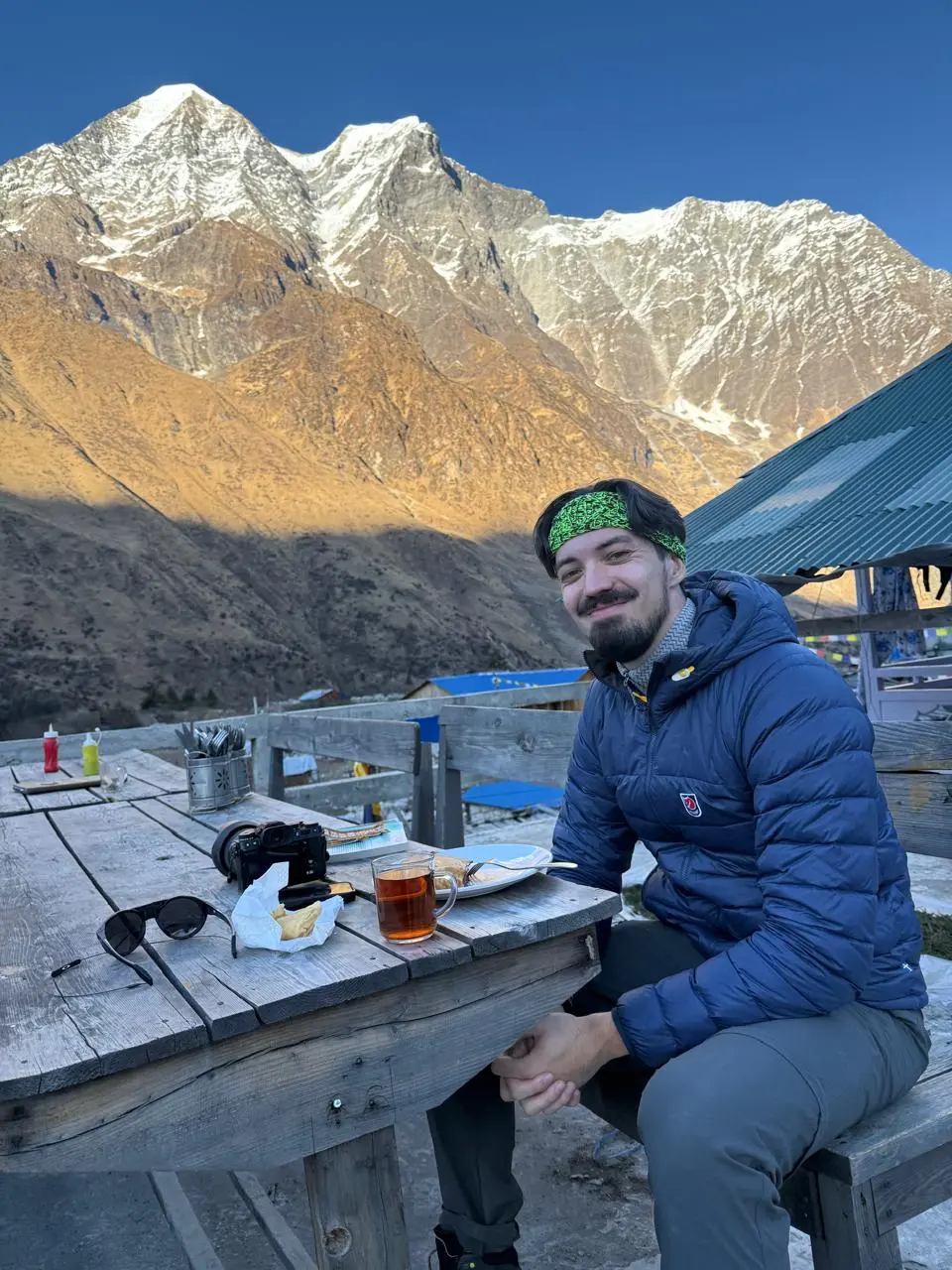
The Manaslu Tsum Valley Trek sits at the crossroads of raw Himalayan terrain and living Tibetan Buddhist culture. Over 18 to 23 days you walk from subtropical river valleys at 700 meters up to Larkya La Pass at 5,160 meters, then into the sacred Tsum Valley that opened to foreign trekkers only in 2008. At Manaslu Treks and Expedition, we have guided hundreds of trekkers through this route. These 100 questions are the ones we hear most often, answered with the facts you need to plan properly.
Table of Contents
- General Overview (Questions 1 to 10)
- Itinerary and Route Details (Questions 11 to 20)
- Permits and Paperwork (Questions 21 to 30)
- 2026 Rules and Regulations (Questions 31 to 40)
- Physical Fitness and Preparation (Questions 41 to 50)
- Altitude Sickness and Safety (Questions 51 to 60)
- Culture and Tsum Valley (Questions 61 to 70)
- Food, Accommodation and Wildlife (Questions 71 to 80)
- Weather, Gear and Best Time (Questions 81 to 90)
- Cost, Booking and Company Information (Questions 91 to 100)
General Overview
General Overview
Q1. What is the Manaslu Tsum Valley Trek?
The Manaslu Tsum Valley Trek combines two incredible routes into one journey. You walk the full Manaslu Circuit around the worlds eighth highest mountain, then explore Tsum Valley, a sacred region that was closed to outsiders until 2008. Tsum Valley is sometimes called the Hidden Valley, though honestly every valley in Nepal is hidden until you walk there. This trek gives you high mountain passes, deep river gorges, ancient Buddhist monasteries, and villages that have changed very little in centuries. You need a restricted area permit and a licensed guide to do this trek. For a full breakdown of permits, costs, and what to expect, see our Manaslu Tsum Valley Trek facts.
Q2. How long is the Manaslu Tsum Valley Trek?
Most trekkers take 18 to 23 days including travel days from Kathmandu. The walking portion itself is about 16 to 20 days depending on your itinerary and acclimatization schedule. If you add Tsum Valley as a side trip, that adds roughly 4 extra days compared to the standard Manaslu Circuit alone. We run a 19 day Manaslu Circuit and Tsum Valley Trek that includes proper acclimatization and a rest day in Samagaon. Do not try to rush this trek. The altitude at Larkya La pass is serious business, and your body needs time to adjust. Cutting days to save money is the fastest way to end up with altitude sickness and a helicopter evacuation.
Q3. What is the total distance of the Manaslu Tsum Valley Trek?
The total walking distance is approximately 220 to 240 kilometers, or about 140 to 150 miles. That covers the full Manaslu Circuit plus the Tsum Valley detour to Mu Gompa and back. Without Tsum Valley, the standard Manaslu Circuit is roughly 177 kilometers. The Tsum Valley side trip adds about 45 to 60 kilometers depending on how far you go. Some trekkers only go as far as Chhekampar, while others push all the way to Mu Gompa at 4,300 meters. For a detailed breakdown of the full route, check our 23 day Tsum Valley and Manaslu Circuit Trek.
Q4. How does the Manaslu Tsum Valley Trek compare to Everest Base Camp?
Manaslu Tsum Valley is longer, quieter, and more varied than Everest Base Camp. EBC is a straight out and back route on a well worn trail with lodges every hour. Manaslu Tsum Valley is a full circuit that starts in subtropical forest at 700 meters and crosses Larkya La at 5,106 meters. You will see maybe 10 to 20 trekkers per day on the Manaslu trail, compared to hundreds on the EBC trail. The scenery is different too. Everest gives you big dramatic peaks right in your face. Manaslu gives you a gradual build up, river valleys, waterfalls, and then massive mountains. If you want solitude and a real adventure, Manaslu wins. For more details on the standard route, see our complete Manaslu Circuit Trek information guide.
Q5. How does it compare to the Annapurna Circuit Trek?
The Annapurna Circuit used to be the king of treks in Nepal, but the road construction has changed the experience significantly. You now walk on jeep track for significant portions of the lower and middle sections. The Manaslu Tsum Valley Trek has no road access, which means every item you see in the lodges was carried by mule, porter, or helicopter. The walking is more remote, the villages feel more authentic, and the trail is quieter. Annapurna Circuit crosses Thorong La at 5,416 meters, which is higher than Larkya La at 5,106 meters. But Manaslu gives you a longer buildup to the pass and the Tsum Valley cultural experience is something Annapurna simply does not have. We also offer a short 9 day Manaslu Circuit trek and a 13 day Manaslu Circuit trek for those with less time.
Q6. Why is the Manaslu Tsum Valley Trek called a restricted area trek?
The Nepal government classifies the Manaslu region and Tsum Valley as restricted areas for conservation and security reasons. This means you cannot trek here alone. You must be in a group of at least two trekkers and be accompanied by a licensed guide from a registered company. You also need a special restricted area permit in addition to your Manaslu Conservation Area Permit and Annapurna Conservation Area Permit. The restricted status has one big benefit: it keeps the crowds away. While the Everest and Annapurna trails see tens of thousands of trekkers each year, Manaslu sees only a few thousand. That is exactly why the trail feels wild and the villages retain their traditional character.
Q7. Why is the Manaslu Tsum Valley Trek less crowded than Everest Base Camp?
Three reasons. First, the restricted area permit requirement means you cannot just show up and start walking. You need a guide, a group, and paperwork arranged in advance. Second, there is no airport near the trailhead. You drive 8 to 10 hours from Kathmandu to reach Soti Khola, whereas Lukla has daily flights. Third, Manaslu requires more days and more fitness than EBC, which filters out casual trekkers. The result? On a busy day in peak season you might pass 15 to 25 other trekkers on the Manaslu trail. On the EBC trail in October, you might pass 15 to 25 trekkers in a single hour. If you want to hear birds instead of conversation, Manaslu is your trek.
Q8. What makes Tsum Valley special compared to other trekking regions?
Tsum Valley was opened to foreign trekkers only in 2008, making it one of the newest trekking regions in Nepal. Before that, it was completely closed to outsiders for decades. The valley is considered sacred by the local people, who are ethnically Tibetan and practice a form of Buddhism that predates many traditions in Tibet itself. You will see ancient monasteries at Mu Gompa and Rachen Gompa, centuries old chortens, and mani walls that stretch for hundreds of meters. The people here still follow traditional farming practices and many homes have prayer flags and carved mani stones above the door. There is no road, no airport, and very little modern development. It feels like stepping back in time, in the best possible way.
Q9. What is Mount Manaslu and why is it significant?
Mount Manaslu stands at 8,163 meters and is the eighth highest mountain in the world. The name comes from the Sanskrit word Manasa, meaning intellect or soul. It was first climbed in 1956 by a Japanese expedition, and Japanese climbers still have a special connection to the mountain. The peak sits entirely within Nepal and dominates the skyline for most of the second half of the trek. From Lho village at 3,180 meters, you get your first truly dramatic view of the entire Manaslu massif. From Samagaon, the mountain fills your entire field of vision. Manaslu is also the centerpiece of the Manaslu Conservation Area, which covers 1,663 square kilometers and protects everything from subtropical forests to alpine meadows. You can read more on our trekking blog.
Q10. What is the success rate for completing the Manaslu Tsum Valley Trek?
With proper acclimatization and a realistic itinerary, the success rate is around 90 to 95 percent. The main reason people turn back is altitude sickness at Larkya La pass. In my experience guiding over 20 groups on this trek, I have seen maybe 3 or 4 people who could not complete the full route. Those cases usually involved trekkers who rushed their itinerary, had prior health issues, or ignored early warning signs of altitude sickness. The trek is physically demanding but not technically difficult. No climbing skills are needed. The key is walking slowly, drinking plenty of water, and taking your acclimatization days seriously. For a full difficulty breakdown, read our Manaslu Circuit trek difficulty guide. You can also check our trek facts for more details.
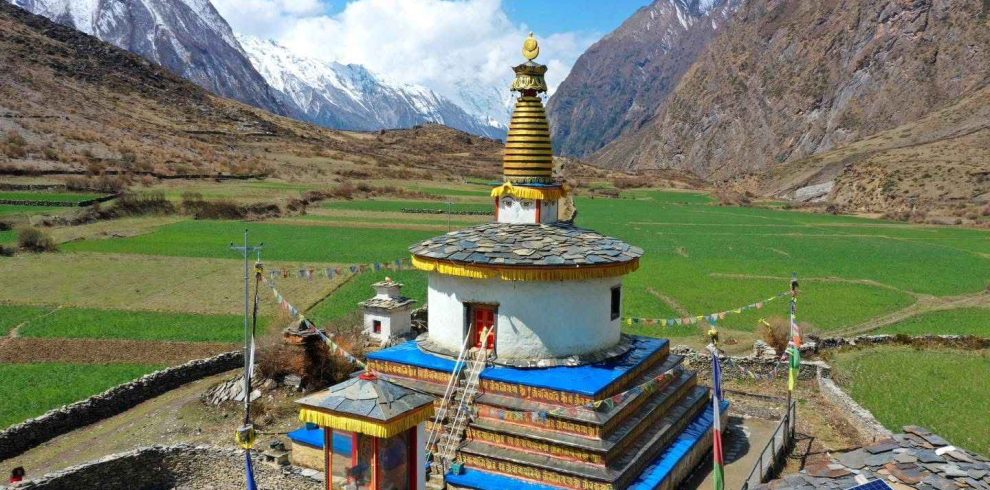
The 23-day Tsum Valley & Manaslu Circuit Trek combines breathtaking Himalayan landscapes with the preserved Tibetan Buddhist culture of a…
Itinerary and Route Details
Q11. What is the typical day by day itinerary for the Manaslu Tsum Valley Trek?
A typical 19 day itinerary looks like this. Day 1: drive from Kathmandu to Soti Khola. Days 2 to 4: trek to Machha Khola, Jagat, and Lokpa. Days 5 to 7: enter Tsum Valley, trek to Chumling, Chhekampar, and Mu Gompa. Day 8: explore Mu Gompa and Rachen Gompa. Day 9: descend back to Chumling. Day 10: return to Lokpa or Deng. Days 11 to 13: trek to Namrung, Lho, and Samagaon. Day 14: rest and acclimatization day in Samagaon. Days 15 to 16: trek to Samdo and Dharmasala. Day 17: cross Larkya La and descend to Bimthang. Day 18: trek to Dharapani. Day 19: jeep to Besisahar, then drive to Kathmandu. For a detailed day by day breakdown, see our 19 day Manaslu Circuit and Tsum Valley Trek.
Q12. How many hours do you walk each day on the Manaslu Tsum Valley Trek?
Most walking days are 5 to 7 hours of actual walking time. That does not include lunch breaks, photo stops, or rest breaks. A typical day starts around 7:00 AM with breakfast, walking by 8:00 AM, lunch around noon for an hour, and arrival at the teahouse by 3:00 or 4:00 PM. Some days are shorter, like the walk from Namrung to Lho which is only 3 to 4 hours. Some days are longer, like crossing Larkya La which can take 8 to 10 hours from Dharmasala to Bimthang. Your guide will set a slow, steady pace. There is no rushing on this trek. The altitude makes everything harder, and your body will thank you for walking slowly.
Q13. What is the longest walking day on the Manaslu Tsum Valley Trek?
The longest day is the Larkya La pass crossing, from Dharmasala to Bimthang. You wake up around 3:00 AM, have a light breakfast, and start walking by 4:00 AM in the dark with headlamps. The climb to the pass at 5,106 meters takes 4 to 5 hours. Then the descent to Bimthang at 3,720 meters takes another 3 to 4 hours. Total walking time is 7 to 9 hours, sometimes longer if the weather is bad or the trail is icy. It is a long, hard day. But when you reach the top of the pass and see the prayer flags flapping in the wind, with the Annapurna range stretching out before you, you will forget how tired your legs are. At least until the next morning.
Q14. What is the highest point on the Manaslu Tsum Valley Trek?
The highest point is Larkya La pass at 5,106 meters. This is the most challenging day of the entire trek and the highest elevation most trekkers will ever reach on foot. The pass sits on the ridge between the Manaslu and Annapurna regions, and the views from the top include Himlung Himal, Cheo Himal, Annapurna II, and several other peaks above 6,000 meters. If you take the Tsum Valley detour to Mu Gompa, that reaches 4,300 meters, which is high but still below the pass. Altitude sickness can happen at any elevation above 3,000 meters, so by the time you reach Larkya La you should have spent over a week acclimatizing. That is why the rest day in Samagaon is not optional.
Q15. What is the lowest point on the trek?
The lowest point is Soti Khola at approximately 700 meters above sea level. This is where the road ends and the walking begins. The first few days of the trek follow the Budhi Gandaki River through warm, humid subtropical forest. You will see rice terraces, banana trees, and waterfalls pouring off the cliffs above the trail. The temperature at Soti Khola can reach 30 degrees Celsius in April and October. By contrast, the temperature at Larkya La can drop to minus 15 degrees Celsius. That is a temperature range of 45 degrees across the trek. You need to pack for both tropical heat and freezing cold. Layering is the only strategy that works.
Q16. What are the key villages you pass through in order?
Starting from Soti Khola at 700 meters, you walk to Machha Khola, then Jagat at 1,340 meters where permit checks happen. After Jagat you reach Deng at 1,860 meters, then Namrung at 2,630 meters where the landscape changes to alpine forest. Lho at 3,180 meters gives you the first big view of Manaslu. Samagaon at 3,530 meters is your main acclimatization stop and a beautiful village with Pungyen Gompa nearby. Samdo at 3,860 meters is the last village before the pass. Dharmasala at 4,460 meters is just a basic lodge, not really a village. After the pass you reach Bimthang at 3,720 meters, then Tilje, and finally Dharapani at 1,860 meters where you join the Annapurna Circuit road.
Q17. What does the Tsum Valley detour add to the standard Manaslu Circuit?
The Tsum Valley detour adds roughly 4 to 5 days and about 45 to 60 kilometers of walking. After Jagat, instead of continuing straight toward Deng, you turn north into the Tsum Valley. You visit Chumling at 3,238 meters, Chhekampar at 3,010 meters, and Mu Gompa at 4,300 meters. The valley is culturally and spiritually distinct from the rest of the Manaslu region. The people speak a unique dialect, practice ancient Buddhism, and maintain traditions that have disappeared elsewhere in Nepal. You will see the impressive Rachen Gompa nunnery and the remote monastery at Mu Gompa. The valley was never conquered by outside forces and was a center of Tibetan Buddhist learning for centuries. For the full route with Tsum Valley, check our 23 day Tsum Valley and Manaslu Circuit Trek.
Q18. How many acclimatization days are built into the itinerary?
A proper itinerary includes at least two full acclimatization days. The first is typically in Samagaon at 3,530 meters, where you can hike to Pungyen Gompa or Birendra Lake. This day is crucial because you spend it above 3,500 meters, which helps your body adapt before pushing higher. The second acclimatization opportunity is built into the Tsum Valley section at Mu Gompa or Chhekampar, which sits around 3,000 to 4,300 meters. Some itineraries also include a rest day at Samdo at 3,860 meters before the pass crossing. I always tell my groups: the rest day is not a lazy day. You should hike higher and sleep lower. Go up to Pungyen Gompa, get your heart rate up, then come back down to sleep. That is how acclimatization works.
Q19. Where does the trek start and how do you get there from Kathmandu?
The trek starts at Soti Khola, a small riverside settlement at about 700 meters in the Gorkha district. From Kathmandu, you drive approximately 140 kilometers by private jeep, which takes 8 to 10 hours depending on road conditions. The road is paved for the first half, then becomes a rough dirt track for the final section. During monsoon season from June to September, landslides can block the road and you may need to walk an extra 2 to 3 hours from a point where the jeep cannot pass. I always recommend leaving Kathmandu early, around 6:00 or 7:00 AM, so you arrive at Soti Khola with daylight left. The drive itself is an adventure, with views of terraced hillsides, small villages, and the Trishuli River.
Q20. Where does the trek end and how do you get back to Kathmandu?
The trek ends at Dharapani at 1,860 meters, where the Manaslu trail meets the Annapurna Circuit. From Dharapani you take a shared jeep to Besisahar, which takes about 3 to 4 hours on a rough mountain road. The drive includes several river crossings and sections where the road clings to the hillside with a steep drop on one side. From Besisahar, you transfer to a private vehicle for the drive back to Kathmandu, which takes another 5 to 6 hours on the Prithvi Highway. Some trekkers choose to continue walking from Dharapani down the Annapurna Circuit to Nayapul, but most are ready for a hot shower and a real bed by that point. Total return travel time is usually 8 to 10 hours from Dharapani to Kathmandu.
The 23-day Tsum Valley & Manaslu Circuit Trek combines breathtaking Himalayan landscapes with the preserved Tibetan Buddhist culture of a…
Permits and Paperwork
Q21. What permits are required for the Manaslu Tsum Valley Trek in 2026?
You need five different permits for the Manaslu Tsum Valley Trek in 2026. First, the Manaslu Restricted Area Permit because the entire region sits inside a controlled zone. Second, the Tsum Valley Restricted Area Permit since Tsum is a separate restricted area within Manaslu. Third, the Manaslu Conservation Area Permit. Fourth, the Annapurna Conservation Area Permit because the trail exits into the Annapurna region at Dharapani. Fifth, the Chumnubri Rural Municipality entry permit. On top of all this, your guide now registers you through the eTIMS digital system, which replaced the old paper TIMS cards starting in 2026. We handle every permit for our trekkers. No one walks this trail without the full set. Check our complete Manaslu trek information for more details.
Q22. How much does the Manaslu Restricted Area Permit cost in 2026?
The Manaslu Restricted Area Permit costs $100 per week during autumn season, which runs from September to November. During spring, winter, and summer, the price drops to $75 per week. If you stay longer than your original permit duration, you pay $15 per extra day in autumn or $10 per extra day during other seasons. The week counts from your entry date, not calendar weeks. So if you enter on a Wednesday, your week runs through the following Tuesday. We always build the permit cost into our package price so you do not need to carry extra cash just for permit extensions. The Department of Immigration in Kathmandu issues this permit, and only registered trekking agencies can apply for it.
Q23. How much does the Tsum Valley Restricted Area Permit cost?
The Tsum Valley Restricted Area Permit costs $40 per week in autumn and $30 per week during spring, winter, and summer. Each extra day beyond your permitted week costs $7 regardless of season. This is a separate permit from the main Manaslu RAP. Even if you already hold the Manaslu permit, you cannot enter Tsum Valley without this additional document. The permit covers the entire Tsum Valley area from Chumling all the way up to Mu Gompa and the Tibet border region. We apply for both restricted permits at the same time through the Department of Immigration. The Tsum Valley permit fee goes directly toward local infrastructure and conservation projects in this remote valley.
Q24. What is the total permit cost for a standard Manaslu Tsum Valley Trek?
For a typical 19 to 23 day Manaslu Tsum Valley Trek, your total permit cost in autumn comes to around $185 to $200 for the restricted permits alone. Add NPR 3,000 for MCAP, NPR 3,000 for ACAP, and NPR 1,000 to NPR 2,000 for the Chumnubri Rural Municipality permit. In spring or other seasons, the restricted permits drop to roughly $140 to $155 total. These prices do not include guide wages, food, accommodation, or transport. Our Manaslu trek cost breakdown lists every expense line by line. The 19 day Manaslu Tsum Valley Trek and the 23 day Tsum Valley Manaslu Circuit Trek both include all permits in the package price.
Q25. Who arranges the permits for the trek?
Your trekking agency arranges every permit. Solo trekkers cannot walk into the Department of Immigration and apply for the Manaslu or Tsum Valley RAP themselves. The rules require that a Nepal government registered agency submit the application on your behalf. At Manaslu Treks, we handle the full permit process for every client. You only need to send us a clear passport copy and a passport sized photo by email before you arrive. We prepare the paperwork, submit it to the Department of Immigration, and collect the permits a day or two before your trek starts. On trek day, your guide carries the original permits and presents them at each checkpoint. You never need to worry about the paperwork.
Q26. How long does permit processing take in Kathmandu?
Permit processing takes one full working day once we submit your application at the Department of Immigration. We recommend arriving in Kathmandu at least two full days before your trek start date. This gives us time to collect your documents, submit everything, and pick up the permits without rushing. If you arrive on a Saturday, note that government offices close on Saturday. We can still prepare your file, but submission happens Monday morning with permits ready by Monday afternoon or Tuesday morning. During peak autumn season in October, the immigration office gets busy, so two buffer days are safer. We always advise trekkers to plan Kathmandu arrival on a Thursday or Friday for a Sunday or Monday departure.
Q27. Do you need to bring passport photos for the permits?
Yes, you need two recent passport sized photos for the permit applications. Digital copies work fine if you email them ahead of time. We print them in Kathmandu at no extra charge. The photos should be clear, front facing, with a white or light background. Sunglasses, hats, or heavy shadows cause rejection at the immigration office. If you prefer, bring physical photos from home. They should be the standard 35mm by 45mm size. Your passport copy must show the full bio page clearly with at least six months validity remaining on your passport. We also keep a digital backup of all your documents on our office system in case anything gets lost on the trail.
Q28. What happens at the permit checkpoints along the trail?
The Manaslu region has several official checkpoints where armed police verify your permits. The main checkpoints sit at Jagat, Dyang, Namrung, Samagaun, and at the Larkya La pass exit. Your guide presents the original permits, and the officers check your name, nationality, permit dates, and entry stamp. The process takes five to ten minutes if your paperwork is correct. If permits are missing or expired, the checkpoint officers turn you back. They do not issue permits on the spot. In Tsum Valley, additional checkpoints operate at Chumling and Nile. Always trek with your guide who carries the permits. Never try to pass a checkpoint without stopping. The officers are professional and friendly with proper documents.
Q29. Can permits be obtained on the trail if you forget them?
No. You cannot obtain any permit on the trail. The restricted area permits come only from the Department of Immigration in Kathmandu. The conservation area permits come from the respective offices in Kathmandu or Pokhara. No office along the trail issues these documents. If you arrive at a checkpoint without proper permits, the police will send you back to the nearest road access at Arughat or Soti Khola. This means losing two or more days of your trek and paying for unexpected transport back to Kathmandu. We have seen trekkers try this, and it never ends well. Always arrange permits through a registered agency before you leave Kathmandu. Your guide should carry the originals at all times.
Q30. Do the permits expire during the trek?
Yes, the Manaslu RAP and Tsum Valley RAP both have fixed dates printed on them. The Manaslu permit shows your entry date and exit date, usually calculated as seven day blocks. The Tsum Valley permit works the same way. If you trek slower than planned due to weather or acclimatization needs, your permit can expire before you exit the restricted area. An expired permit means a fine at the checkpoint and possible delays. Your guide monitors the dates daily. If we see you running behind schedule, we arrange an extension in advance through the nearest checkpoint radio or satellite phone. This costs $15 per extra day in autumn or $10 in other seasons for Manaslu, plus $7 per day for Tsum Valley.
2026 Rules and Regulations
Q31. Can you trek solo on the Manaslu Tsum Valley Trek in 2026?
Yes, solo trekkers are allowed on the Manaslu Tsum Valley Trek as of March 22 to 26, 2026. This is a major change from previous years when the government required a minimum of two trekkers to enter any restricted area. The new solo trekking policy opened all restricted regions including Manaslu, Upper Mustang, and Nar Phu to individual trekkers. However, and this is important, you still must hire a licensed guide. Solo trekking does not mean independent trekking without a guide. It simply means you can trek alone with your guide rather than needing a group of two or more. We have guided many solo trekkers on this route since the rule changed. Our 2026 Manaslu trek facts page has more details on the new regulations.
Q32. Is a guide mandatory for the Manaslu Tsum Valley Trek?
Yes, a licensed guide is absolutely mandatory for the Manaslu Tsum Valley Trek. This rule has not changed in 2026 and there is no plan to remove it. The Nepal Tourism Board and TAAN both enforce this requirement strictly on the ground. Your guide must hold a valid trekking guide license issued by the Nepal government. The guide carries your permits, navigates the trail, handles emergencies, and communicates with checkpoint officials. A porter alone does not satisfy this rule. If you hire only a porter, you still need a licensed guide. At Manaslu Treks, all our guides are government licensed, first aid trained, and speak good English. Visit our 2026 trek facts page to learn more about the guide requirement.
Q33. Can you trek the Manaslu Tsum Valley without a guide?
No, you cannot trek the Manaslu Tsum Valley without a licensed guide. This is non negotiable under Nepal tourism regulations. The rule applies to every foreign trekker regardless of experience level or fitness. Even professional mountaineers must hire a guide for this trek. If you attempt to enter the region without a guide, you will be stopped at the first checkpoint in Jagat. The armed police there turn back unguided trekkers every season. Do not believe any advice telling you otherwise. The guide requirement protects both trekkers and the local communities in this restricted border region. We provide experienced licensed guides who know the trail, the people, and the weather patterns intimately. Your safety and enjoyment depend on having the right guide with you.
Q34. What changed for Manaslu trekkers in 2026?
Several important changes took effect in 2026. First, solo trekkers became allowed starting March 22 to 26, ending the old minimum two trekker rule. Second, the eTIMS digital system replaced paper TIMS cards nationwide. Your guide now registers your trek electronically through a mobile app. Third, travel insurance with helicopter evacuation coverage up to 6,000 meters became mandatory. Insurance companies and embassies pushed for this after multiple costly rescues in recent years. Fourth, the guide to trekker ratio changed to one guide maximum seven trekkers. These changes make trekking safer and more organized. Some trekkers welcomed the solo rule. Others were surprised by the stricter insurance requirement. Read our detailed Manaslu trek cost guide to factor these 2026 changes into your budget.
Q35. What is the minimum group size for the Manaslu Tsum Valley Trek in 2026?
The minimum group size is now one trekker. Since March 2026, solo trekkers can obtain the Manaslu and Tsum Valley restricted area permits without needing a second person in their group. This is welcome news for independent travelers who could not find a trekking partner. The maximum group size per guide is seven trekkers. If your group has eight or more people, the agency must provide two licensed guides. This one to seven ratio became formal policy in 2026. We run treks for solo travelers, couples, families, and groups of friends up to seven people with a single guide. Larger groups get two guides plus porters as needed. The solo trekking rule made the Manaslu Tsum Valley Trek accessible to far more people than before.
Q36. Are there any age limits for the Manaslu Tsum Valley Trek?
The Nepal government does not set a strict upper age limit for the Manaslu Tsum Valley Trek. We have guided trekkers in their late sixties and early seventies who completed the trek successfully. The key factor is fitness, not age. Children under ten years old often struggle with the long walking days and high altitude at Larkya La pass at 5,106 meters. Parents should think carefully before bringing young children on this route. For elderly trekkers, we recommend a slower itinerary with extra rest days in Samagaun and Samdo. Your insurance policy may have its own age restrictions, so check that carefully before booking. We assess every trekker individually and can adjust the pace to match your fitness level regardless of age.
Q37. What are the drone regulations in the Manaslu and Tsum Valley region?
Drone use in the Manaslu and Tsum Valley region is heavily restricted. This area sits close to the Tibet border, and authorities treat drone flying as a security concern. You need a permit from the Civil Aviation Authority of Nepal to fly a drone anywhere in Nepal. Getting this permit takes several weeks and requires detailed paperwork including flight plans and insurance. Even with a permit, local communities in Tsum Valley often object to drones for cultural and privacy reasons. Many villages in Tsum consider the valley a sacred place. We advise trekkers to leave their drones at home. If you absolutely must bring one, apply for the permit at least one month before arrival. Flying without permission risks confiscation, fines, and possible legal action.
Q38. Are there photography restrictions in Tsum Valley?
Tsum Valley has specific photography customs that every trekker should respect. Inside monasteries including Mu Gompa and Rachen Gompa, photography of religious statues, murals, and meditation halls is generally prohibited. Monks will stop you if you try. Always ask permission before photographing people, especially monks, nuns, and elderly villagers. Some younger residents are happy to pose, but others find it intrusive. The ancient chortens and mani walls along the trail are fine to photograph from outside. Do not climb on religious structures for a better camera angle. Inside private homes, always ask first. Your guide will advise you at each location. Respecting these boundaries builds trust between trekkers and the local community, which benefits everyone who visits in the future.
Q39. What travel insurance is required for the Manaslu Tsum Valley Trek in 2026?
Starting in 2026, travel insurance with helicopter evacuation coverage up to 6,000 meters altitude is mandatory for the Manaslu Tsum Valley Trek. This is a new requirement that trekkers cannot skip. Your insurance policy must explicitly state that it covers trekking up to 6,000 meters and includes emergency helicopter rescue. Standard travel insurance policies often cap evacuation coverage at 4,000 meters, which does not cover the Larkya La pass at 5,106 meters. We ask every client to send us their insurance certificate before the trek starts. We keep a copy with your permits. Recommended providers include World Nomads, Global Rescue, andIMG. Trekkers from the USA should check our Manaslu trek guide for US trekkers for insurance tips specific to American policies.
Q40. What happens if you are caught trekking without permits or a guide?
If you are caught trekking without permits or a guide on the Manaslu Tsum Valley Trek, the consequences are serious. At the first checkpoint in Jagat, armed police will turn you back immediately. You will not be allowed to proceed. If you somehow passed the first checkpoint and get caught further up the trail, you face fines, deportation to the nearest road head, and possible legal action at the district administration office in Gorkha. The police maintain radio contact between checkpoints, so skipping one checkpoint rarely works. In 2026, with the new eTIMS system, authorities can track trekker registrations digitally, making it even harder to trek illegally. The fines start at several hundred dollars plus the cost of your own deportation. It is simply not worth the risk. Always trek with proper permits and a licensed guide.
The 23-day Tsum Valley & Manaslu Circuit Trek combines breathtaking Himalayan landscapes with the preserved Tibetan Buddhist culture of a…
Physical Fitness and Preparation
Q41. How difficult is the Manaslu Tsum Valley Trek?
The Manaslu Tsum Valley Trek rates as Strenuous to Very Strenuous, a solid Grade 4 out of 5. You will cover 220 to 250 kilometers over 18 to 22 days. Daily walking runs 5 to 7 hours, stretching to 8 to 10 hours on the Larkya La pass day. Your body will handle roughly 9,000 to 10,000 meters in cumulative elevation gain and loss. That is a serious physical load. The trail includes steep ascents, rocky moraine, high altitude exposure, and long distances between settlements. This is not a casual walk. It demands endurance, mental toughness, and real preparation. I have guided over 20 completions on this route. Trekkers who respect the difficulty and train properly succeed. Those who underestimate it suffer. Treat this trek with the seriousness it deserves. For a deeper breakdown, see our Manaslu Circuit Trek difficulty guide.
Q42. How fit do you need to be for the Manaslu Tsum Valley Trek?
You need solid cardiovascular fitness and strong leg endurance. A typical day demands 5 to 7 hours of walking with a 5 to 8 kilogram daypack. On the Larkya La crossing, you face 18 to 24 kilometers in 8 to 10 hours at extreme altitude. You should be able to jog 5 kilometers comfortably or hike for 4+ hours with elevation gain before arrival. Lung capacity matters more than muscle size. Core strength helps with pack balance on uneven ground. Flexibility prevents strains during steep descents. If you get winded climbing three flights of stairs, you are not ready. Start training at least three months before your departure date. Your heart, lungs, and legs must work together under load for days on end. There is no shortcut for this.
Q43. Can beginners do the Manaslu Tsum Valley Trek?
Complete beginners should not attempt this trek. The Manaslu Tsum Valley Trek is a restricted area trek with remote terrain, high altitude, and no easy exit points. However, if you are a beginner with strong fitness, determination, and proper training, you can succeed. Our success rate sits at approximately 97%, which shows that prepared trekkers finish. The key is honest self assessment. Have you done multi day hikes before? Can you walk 6 hours two days in a row? Do you handle cold and discomfort well? If the answer is no, build experience on shorter treks first. If you are committed to preparing, read our Manaslu Circuit Trek for beginners guide to understand what preparation looks like. This route rewards those who put in the work.
Q44. What kind of training should you do before the trek?
Start training three to six months before departure. Focus on four areas. First, cardiovascular fitness: running, cycling, or swimming for 45 minutes at least four times per week. Second, weighted hiking: walk 3 to 5 hours with a loaded backpack on weekends. Find hills or stairs. Third, leg strength: squats, lunges, step ups, and calf raises build the muscles that carry you uphill. Fourth, core stability: planks and back exercises prevent injury under pack weight. The Larkya La pass day alone covers 18 to 24 kilometers. Your body must handle repeated impact. Do not skip the downhill training. It destroys untested knees. Train in the boots you will trek in. Break them in fully. Blisters from new boots have ended treks.
Q45. What is the minimum and maximum age for the Manaslu Tsum Valley Trek?
The minimum age is generally 12 years old. Children under this age struggle with the long walking days, altitude exposure, and emotional demands of a 18 to 22 day trek. There is no official maximum age. I have guided trekkers in their late sixties who completed the route successfully. Fitness and health matter far more than the number on your passport. Trekkers over 60 should get a full medical checkup before booking. Ask your doctor specifically about heart function, blood pressure, and lung capacity at altitude. Age increases susceptibility to altitude sickness. The AMS risk of 25% to 30% applies to everyone, but older trekkers need closer monitoring. Honest medical clearance protects your life. Do not let ego override your physician’s advice on this.
Q46. Is technical climbing or mountaineering experience required?
No. The Manaslu Tsum Valley Trek is a teahouse trekking route, not a climbing expedition. You will not need ropes, ice axes, crampons, or harnesses. The Larkya La pass at 5,160 meters involves walking on snow and ice in early spring or late autumn, but it is a trail crossing, not a technical climb. Your guide will assess conditions on the day. Microspikes or simple traction devices may help in icy conditions. What you need is stamina, balance, and the ability to walk carefully on uneven ground. The challenge is the altitude and distance, not vertical rock faces. Leave the climbing gear at home. Bring strong legs and a clear head instead. This is trekking, not mountaineering.
Q47. What is the hardest day on the Manaslu Tsum Valley Trek?
Without question, the Larkya La crossing is the hardest day. You leave Dharmashala high camp at 4,460 meters before dawn. The day covers 18 to 24 kilometers and takes 8 to 10 hours total. The pass itself sits at 5,160 meters, where oxygen levels are roughly half what they are at sea level. The approach involves a steep climb on loose scree and possibly snow. The descent to Bhimthang is long, knee pounding, and exhausting. By the time you reach camp, you will have been moving for up to 10 hours. Weather can turn fast at the pass. Cold wind, fog, and snow are common. Proper acclimatization at Samagaon and Samdo is what gets you through. This day separates prepared trekkers from unprepared ones.
Q48. What if you have knee problems or previous injuries?
Knee problems are manageable but demand honest planning. Trekking poles are not optional for you. They are essential. Use two poles and learn the proper technique before you arrive. A quality knee brace provides support on descents, which is where most knee pain flares up. The long descent from Larkya La to Bhimthang is brutal on weak knees. Take ibuprofen before the descent starts. Shorten your stride. Do not rush downhill. If you have had knee surgery, get clearance from your orthopedic specialist. Cartilage damage, ACL injuries, and chronic arthritis can worsen under sustained load. The cumulative elevation change of 9,000 to 10,000 meters means your knees absorb thousands of impact steps. Strengthen the muscles around your knee joint during training. Quad and hamstring exercises protect the joint itself.
Q49. Can overweight or obese people complete the Manaslu Tsum Valley Trek?
Yes, but body weight alone does not determine success. Cardiovascular fitness and joint health matter more than what the scale says. I have seen heavier trekkers complete this route while fit looking individuals turned back. The deciding factor is training. Can you hike for 6 hours with a pack? Can you handle stairs for 30 minutes without stopping? If yes, your weight is not the barrier. The main concerns are joint stress, especially knees and ankles, and cardiovascular strain at altitude. The AMS risk of 25% to 30% affects everyone, but excess weight can make breathing harder at 5,000 meters. Start training six months out. Lose what weight you can safely. Build your lung capacity. Use trekking poles to reduce joint load. Respect your body and its limits.
Q50. What exercises are most recommended for preparing for this trek?
The best exercise is hiking with a weighted backpack. Nothing prepares you for the trail like time on the trail. Walk 3 to 5 hours on weekends with 5 to 8 kilograms in your pack. Find hills or use stadium stairs. Stair climbing builds the exact muscles you need for uphill sections. In the gym, focus on squats, lunges, step ups, and deadlifts for leg power. Add planks and back extensions for core stability under pack weight. For cardio, run, cycle, or swim for 45 minutes four times weekly. The goal is sustained aerobic output, not sprint speed. Flexibility work prevents injury. Stretch your hips, hamstrings, and calves daily. Test your gear during training hikes. Your packing list and gear choices should be dialed in before you land in Nepal.
Altitude Sickness and Safety
Q51. What is altitude sickness and how does it affect trekkers?
Altitude sickness, or acute mountain sickness (AMS), happens when your body fails to adapt to lower oxygen pressure at high elevation. On the Manaslu Tsum Valley Trek, 25% to 30% of trekkers experience some level of AMS. It is not about fitness. I have seen marathon runners knocked flat at 3,500 meters while unfit smokers walked on fine. Your genetics and physiology decide your susceptibility, not your gym routine. At 5,160 meters on Larkya La, the air holds roughly 50% of the oxygen found at sea level. Your body compensates by breathing faster and increasing heart rate. If adaptation cannot keep pace with your ascent, symptoms develop. The danger increases as you sleep higher. Nighttime oxygen saturation drops further. That is why acclimatization days exist.
Q52. What are the symptoms of acute mountain sickness (AMS)?
AMS symptoms usually appear 6 to 24 hours after ascending above 2,500 meters. The hallmark sign is a headache that does not respond to normal painkillers. Other common symptoms include nausea, loss of appetite, fatigue, dizziness, and disturbed sleep. Some trekkers feel short of breath during mild exertion. Others experience swelling of the hands or face. Do not ignore these signals. Mild AMS is common and usually resolves with rest. Moderate AMS means symptoms persist at rest or worsen. Severe AMS requires immediate descent. Your guide should check you daily using a pulse oximeter. Oxygen saturation below 85% at altitude is a warning sign. I tell every group: honesty saves lives. Admitting you feel unwell is not weakness. Hiding symptoms can kill you.
Q53. What are HAPE and HACE and how serious are they?
HAPE (high altitude pulmonary edema) and HACE (high altitude cerebral edema) are life threatening complications of altitude sickness. HAPE means fluid fills your lungs. Symptoms include severe shortness of breath at rest, a wet cough, chest tightness, and blue lips or fingernails. HACE means your brain swells from fluid leakage. Symptoms include severe headache, confusion, loss of coordination, altered behavior, and eventual unconsciousness. Both conditions can kill within hours. They are medical emergencies. The only definitive treatment is immediate descent. Waiting at the same altitude is not an option. Dexamethasone helps with HACE temporarily. Nifedipine helps with HAPE. But these drugs buy time. They do not replace descent. On this trek, Dharmashala at 4,460 meters has no medical facilities. Recognizing these conditions early and acting fast is everything.
Q54. How can you prevent altitude sickness on the Manaslu Tsum Valley Trek?
Prevention starts with a slow ascent. The standard itinerary builds in acclimatization days at Samagaon (3,520 meters) and Samdo (3,875 meters). Use these days. Do not push to skip them. Climb high during the day, sleep low at night. Hydration is critical. Drink 3 to 4 liters of water every single day. Dehydration worsens AMS symptoms and masks the real problem. Avoid alcohol entirely. It dehydrates you and suppresses breathing at night. Eat carbohydrate rich foods. Carbs metabolize better than fats at altitude. Sleep slightly elevated with your head up. Consider preventive Diamox at 125 to 250 milligrams twice daily starting one day before ascent. Most importantly, listen to your body. Our Manaslu Tsum Valley Trek fact sheet includes full itinerary details to help you prepare.
Q55. What is Diamox and should you take it for this trek?
Diamox is the brand name for acetazolamide, a prescription medication that speeds up acclimatization. It works by making your blood slightly acidic, which triggers deeper breathing and increases oxygen delivery. For the Manaslu Tsum Valley Trek, the standard dose is 125 to 250 milligrams taken twice daily. Start one day before ascending above 2,500 meters and continue through the high altitude sections. Side effects include increased urination, tingling in fingers and toes, and a metallic taste in the mouth. These are annoying but harmless. Diamox does not mask serious altitude sickness. It genuinely helps your body adapt. Talk to your doctor before the trek. Mention any sulfa drug allergies, as acetazolamide is a sulfa derivative. I recommend it for most trekkers on this route.
Q56. How many acclimatization days are built into the standard itinerary?
The standard Manaslu Tsum Valley Trek itinerary includes two full acclimatization days. The first is at Samagaon, sitting at 3,520 meters. Here you can hike to Manaslu Base Camp or Birendra Lake for active acclimatization. The second is at Samdo, at 3,875 meters, the last village before the pass. From Samdo, a hike toward the Tibetan border helps your body adjust further. These rest days are not optional luxuries. They are physiological necessities. Your body needs time to produce more red blood cells and adjust breathing patterns before you push to 5,160 meters. Skipping acclimatization days to save time is reckless. I have seen trekkers try this. They almost always fail. The Larkya La pass demands respect. Those two rest days are what separate the 97% who succeed from the 3% who turn back.
The 23-day Tsum Valley & Manaslu Circuit Trek combines breathtaking Himalayan landscapes with the preserved Tibetan Buddhist culture of a…
Q57. What happens if you get altitude sickness during the trek?
If you develop AMS symptoms, stop ascending immediately. Rest at your current altitude for 24 hours. Drink 3 to 4 liters of water. Take ibuprofen for headache. If symptoms improve, you can continue slowly. If symptoms worsen or do not improve, you must descend. Going down 500 to 1,000 meters is the only reliable cure. Your guide monitors every trekker daily. The Samagaon health post at 3,520 meters carries oxygen and basic AMS treatment supplies. From Dharmashala at 4,460 meters, there are no medical facilities. This is the risk zone. Severe cases require helicopter evacuation, which costs $5,000 to $7,000 and depends on weather. Do not gamble with altitude sickness. Descending feels like defeat but it saves lives. The mountain will be there next year. You need to be too.
Q58. Does the guide carry a first aid kit and medical equipment?
Yes. Every guide on our team carries a comprehensive first aid kit and medical monitoring equipment. This includes a pulse oximeter to check blood oxygen levels, a blood pressure monitor, a thermometer, and basic medications. The kit contains blister treatment supplies, bandages, antiseptic, oral rehydration salts, anti diarrheal medication, painkillers, and altitude sickness drugs including Diamox and dexamethasone. At Samagaon, the local health post provides oxygen cylinders and basic AMS treatment. This is your safety net before the final push to the pass. Between Samdo and Bhimthang, you are in a remote zone with no medical infrastructure. Your guide’s kit and training are the only medical resources available. We train our guides in wilderness first aid specifically for high altitude emergencies. Your safety is their first priority.
Q59. Is helicopter rescue available and how much does it cost?
Helicopter rescue is available but not guaranteed. Weather in the Manaslu region changes fast. Clouds, wind, and snow can ground helicopters for hours or days. The cost ranges from $5,000 to $7,000 for a single evacuation flight from high altitude. This is not negotiable. The helicopter company requires cash payment or insurance guarantee before takeoff. From Dharmashala at 4,460 meters, evacuation depends entirely on morning weather windows. If conditions are bad, your only option is to descend on foot. This is why travel insurance is mandatory. Your policy must cover helicopter evacuation up to 6,000 meters. Read the fine print. Many standard policies cap evacuation at 4,000 meters, which leaves you fully exposed on Larkya La. Verify your coverage before you board the plane to Kathmandu.
Q60. What travel insurance do you need for the Manaslu Tsum Valley Trek?
You need travel insurance that explicitly covers trekking up to 6,000 meters altitude. This is non negotiable. The Larkya La pass reaches 5,160 meters. Many standard travel insurance policies exclude trekking above 4,000 meters. Read every word of your policy. Your insurance must include helicopter evacuation coverage, emergency medical treatment, and trip cancellation. The evacuation alone costs $5,000 to $7,000 out of pocket if uninsured. Verify that your provider recognizes Nepal helicopter rescue services. Some policies require you to call a specific hotline before arranging rescue. Carry your policy number and emergency contact in your daypack. Share these details with your guide at the pre trek briefing. I have seen trekkers turned away at checkpoints for inadequate insurance. Do not let paperwork ruin your adventure. Get the right coverage and confirm it in writing.
The 23-day Tsum Valley & Manaslu Circuit Trek combines breathtaking Himalayan landscapes with the preserved Tibetan Buddhist culture of a…
Culture and Tsum Valley
Q61. What is Tsum Valley and why is it considered special?
Tsum Valley sits in the northern Gorkha region of Nepal, cradled between massive Himalayan ridges near the Tibetan border. The valley holds deep spiritual meaning as a Beyul, a hidden sanctuary blessed by Guru Rinpoche in the 8th century for those seeking peace and Buddhist practice. The Tsumba people who live here have kept their Tibetan Buddhist customs nearly untouched by the outside world for many centuries. Walking through this valley feels like stepping into another time. Stone mani walls, spinning prayer wheels, and ancient monasteries dot the landscape. The valley was closed to foreigners from 1975 until 2008, which helped protect both the natural environment and the living culture within. Tsum remains one of the most genuine and spiritually rich places you can visit in Nepal. If you want to trek with a team that truly knows this valley, we are recognized as the best Tsum Valley trek company for good reason.
Q62. When did Tsum Valley open to foreign trekkers?
Tsum Valley was a restricted area from 1975 to 2008, meaning no foreign trekkers could enter during those 33 years. The Nepali government opened the valley to foreign visitors in 2008, making it one of the newest trekking destinations in Nepal. Before this opening, only local traders and pilgrims crossed the high passes between Nepal and Tibet through this region. Because it was closed for so long, the valley kept its original character, and the people maintained their traditions without outside pressure. Today trekkers need both a Manaslu Restricted Area Permit and a Tsum Valley Restricted Area Permit to enter. The permit system helps manage visitor numbers and protects the fragile cultural and natural environment. For current permit fees and full trek details, see our Manaslu Tsum Valley trek facts page.
Q63. What is a Beyul and why is Tsum Valley called one?
A Beyul is a sacred hidden valley in Tibetan Buddhist belief, blessed by Guru Rinpoche, also known as Padmasambhava, in the 8th century. Guru Rinpoche is the founding master of Tibetan Buddhism who brought the teachings from India to the Himalaya. He identified certain valleys as spiritual refuges that would protect both the land and the dharma during difficult times in the future. Tsum Valley is one of these sacred Beyuls, and the people here treat it with enormous reverence. The land itself is considered holy, and the mountains, rivers, and forests are all believed to carry spiritual power. This belief shapes how the Tsumba people live, farm, and care for their environment. The Beyul status means that harming living creatures or damaging the land is considered a serious spiritual offense, not just an environmental concern.
Q64. What religion do the people of Tsum Valley follow?
The people of Tsum Valley follow Tibetan Buddhism in the Nyingma tradition, which is the oldest of the four major schools of Tibetan Buddhism. The Nyingma tradition traces its roots directly back to Guru Rinpoche and emphasizes meditation, mantra recitation, and deep connection to the landscape as sacred. Monasteries and hermitages throughout the valley serve as centers of learning and spiritual practice. Colorful prayer flags flutter across every pass, and mani stones carved with the mantra “Om Mani Padme Hum” line the trails. The people practice daily puja ceremonies, and religious festivals mark important moments in the year. Monks and nuns remain respected figures in the community. This is not simply a religion that people observe on special days; it is woven into daily life, farming, conversation, and the way the Tsumba people understand their place in the world.
Q65. What is the Shyagya code and how does it affect the valley?
The Shyagya code was established in 1920 and remains one of the most important community rules in Tsum Valley. This traditional law strictly forbids hunting, trapping, harming, or killing any animal within the valley boundaries. Breaking the Shyagya brings serious social and spiritual consequences, including community sanctions and ritual penalties. The code reflects the deep Buddhist belief that all sentient beings deserve compassion and that harming animals creates negative karma. Because of the Shyagya, wildlife in Tsum Valley is remarkably calm around humans, and animals that are shy elsewhere often allow close observation here. The Shyagya also protects the natural ecosystem as a whole, since it extends beyond individual animals to the land and water sources they depend upon. This ancient code works alongside modern conservation laws to keep Tsum Valley one of the most intact ecosystems in the Nepal Himalaya.
Q66. What monasteries will you visit during the Tsum Valley portion?
The Tsum Valley trek takes you past several extraordinary monasteries, each with its own history and spiritual atmosphere. Mu Gompa was founded in 1895 AD and sits at 3,700 meters, serving as the highest and most important monastery in the valley. Rachen Gompa is a nunnery that has been active for roughly 300 years, where the nuns maintain daily prayer and ritual practice. Gumba Lungdang dates back to around 1200 AD and sits in a dramatic hillside location with stunning mountain views. Serang Gompa carries over 700 years of history, and Pungyen Gompa has stood for more than 400 years beneath the shadow of Manaslu. These are living religious institutions, not museum pieces. You will hear monks and nuns chanting, see butter lamps burning, and smell juniper incense rising. Visiting them respectfully is one of the great privileges of this trek. For our complete route that includes all these monasteries, consider our 23 day Tsum Valley and Manaslu Circuit trek.
Q67. Who was Milarepa and what is his cave in Tsum Valley?
Milarepa was one of Tibet’s most beloved Buddhist saints and poets, living in the 11th and 12th centuries. He started life as a sorcerer, then underwent deep transformation through meditation under his guru Marpa, eventually achieving enlightenment in a single lifetime. His songs and poems about the spiritual path are still studied and recited across the Himalaya today. In Tsum Valley, near the village of Burgi at approximately 3,500 meters, you can visit a cave where Milarepa is believed to have meditated. The cave sits on the hillside above the village and offers a quiet, contemplative space. Local people treat the site with great reverence, and you will often see offerings of flowers, incense, and prayer flags left by pilgrims. Standing inside that cave, you can feel why Milarepa chose such a remote place for his practice. The silence and the mountain presence are genuinely powerful.
Q68. What are the Tsumba people like and how do they live?
The Tsumba people are the native inhabitants of Tsum Valley, numbering approximately 1,810 people across 529 households. They speak Tsumba, a Tibeto Burman language that is distinct from Nepali and related to Tibetan dialects. The Tsumba practice subsistence farming, growing barley, buckwheat, and potatoes in terraced fields carved into the hillside. They also keep yaks and dzos for milk, transport, and wool. Buddhism shapes every aspect of daily life, from the morning prayers at the household altar to the community decisions made at the village level. Despite their small numbers, the Tsumba have maintained a strong sense of cultural identity. They are warm toward respectful visitors and often invite trekkers to share tea or a meal. Their resilience, living at altitudes above 3,000 meters with limited modern infrastructure, speaks to the strength of their community bonds and their deep connection to this sacred valley.
Q69. Can you interact with the local people during the trek?
Yes, and these interactions often become the most meaningful part of the journey. In lower villages, teahouse owners and their families are happy to talk, share stories, and explain local customs. In Tsum Valley itself, the Tsumba people are generally welcoming to respectful visitors. You may be invited into homes for butter tea, offered a seat by the fire, or asked to join a local festival if the timing is right. Learning a few words of Tsumba or Nepali goes a long way, and a simple smile and greeting breaks many barriers. The key is to approach people with genuine curiosity and humility. Ask before taking photographs, especially of elders, monks, nuns, or religious ceremonies. Dress modestly when visiting villages or monasteries. These small gestures of respect open doors to real connection, and many trekkers leave with friendships that last long after the boots come off.
Q70. What cultural rules should trekkers follow in Tsum Valley?
Respecting local culture in Tsum Valley means following a few important guidelines. Always walk clockwise around chortens, mani walls, and monasteries, keeping the sacred structures to your right. Remove your shoes and hat before entering any gompa or shrine room. Ask permission before photographing inside monasteries or of people, and never point your feet toward altars or seated monks and nuns. Dress modestly, covering your shoulders and knees, especially in villages and religious sites. Do not touch or climb on mani stones, prayer flags, or other religious objects. Refrain from loud behavior or public displays of affection. Alcohol consumption should be moderate and never inside monastic grounds. Never harm or disturb wildlife, as this violates both the Shyagya code and Buddhist principles. Following these rules shows respect for the Tsumba people and their faith, and it ensures that future trekkers will receive the same warm welcome you do.
The 23-day Tsum Valley & Manaslu Circuit Trek combines breathtaking Himalayan landscapes with the preserved Tibetan Buddhist culture of a…
Food, Accommodation and Wildlife
Q71. What kind of food is available on the Manaslu Tsum Valley Trek?
The staple meal throughout the Manaslu Tsum Valley Trek is dal bhat, the classic Nepali dish of rice, lentil soup, vegetables, and sometimes pickles or meat. Most teahouses offer unlimited refills, making it the best value and the most filling option for hungry trekkers. Beyond dal bhat, you will find Tibetan style bread, momos, noodle soup, fried rice, pasta, porridge, pancakes, and egg dishes. In lower villages like Soti Khola and Jagat, the menu is more varied. As you climb higher, options narrow but remain nourishing and well prepared. Tibetan dishes like tsampa and thukpa appear in Tsum Valley itself. Fresh vegetables come from local gardens in the lower villages, while higher lodges rely on supplies carried up by mule or porter. Meal prices range from NPR 400 to 600 in lower villages to NPR 900 to 1,200 in higher and more remote locations. Budget roughly NPR 3,500 to 5,500 per day for meals and extras.
Q72. Is the food on the Manaslu Tsum Valley Trek safe to eat?
Yes, the food on the Manaslu Tsum Valley Trek is generally safe, but a few precautions help prevent stomach trouble. Stick to freshly cooked, hot meals rather than food that has been sitting out. Dal bhat is usually the safest choice because the lentils are boiled thoroughly and the rice is served steaming. Avoid raw salads and unpeeled fruit in higher villages where water sources may be less controlled. Drink only boiled, filtered, or purified water, and use purification tablets or a water filter bottle. Tea and coffee made with boiled water are fine. Most teahouses maintain reasonably clean kitchens, and standards have improved significantly in recent years. Bring basic medication like oral rehydration salts and anti diarrheal tablets just in case. Our guides know which teahouses maintain the best hygiene standards, and we choose accommodations with a good reputation for clean food preparation.
Q73. What are the teahouses like on the Manaslu Tsum Valley Trek?
Teahouses along the Manaslu Tsum Valley Trek range from basic but comfortable in lower villages to simpler in higher and more remote locations. Rooms are typically twin share with foam mattresses, blankets, and shared toilet facilities. Higher teahouses may have squat toilets and a bucket wash system instead of flush facilities. In lower villages like Jagat and Namrung, some lodges offer attached bathrooms and thicker bedding. Common dining rooms serve as the gathering place in the evenings, heated by a wood or yak dung stove where everyone warms up together. Do not expect luxury, but do expect warmth and genuine hospitality. The teahouses are family run businesses, and the hosts take pride in caring for their guests. Bring a good sleeping bag rated to at least minus 10 degrees Celsius, as nighttime temperatures drop significantly, especially above 3,500 meters. The simplicity of teahouse life becomes part of the charm once you settle into the rhythm of the trail.
Q74. Do you need to bring your own sleeping bag?
Yes, you should bring your own sleeping bag, and it is essential for comfort and warmth. We recommend a sleeping bag rated to minus 10 degrees Celsius at minimum, or minus 15 degrees if you feel the cold easily. Teahouses provide foam mattresses and blankets, but these are rarely enough on their own at high altitude where temperatures drop well below freezing at night. A sleeping bag liner adds extra warmth and keeps your bag cleaner over a long trek. If you do not own a suitable sleeping bag, you can rent one in Kathmandu before departure. Make sure it is a reputable brand and check the temperature rating carefully. Do not rely on teahouse bedding alone, especially in Tsum Valley and at places like Mu Gompa, Dharamsala, or Samdo where the lodges are the most basic on the entire route. A warm sleeping bag is one piece of gear you will never regret carrying.
Q75. Are there hot showers available on the trek?
Hot showers are available at many teahouses along the lower and middle sections of the trek, but they come at a cost and are not guaranteed everywhere. Expect to pay between NPR 300 and 800 per shower depending on the altitude and whether the water is heated by gas, solar, or wood fire. In lower villages like Soti Khola, Machha Khona, and Jagat, hot showers are more common and reasonably priced. As you ascend toward Lho, Samagaun, and beyond, they become less frequent and more expensive. At Dharamsala, the high camp before Larkya La Pass, there are no hot showers at all. Above Samdo, including in Tsum Valley itself, hot water is scarce, and most trekkers accept that a warm bowl of water for a basic wash is the best option. Solar heated showers depend on sunshine, so cloudy days may leave you with lukewarm water at best. Bring wet wipes as a backup for the coldest nights.
Q76. Is there WiFi or mobile phone signal on the Manaslu Tsum Valley Trek?
WiFi is available in lower villages on the Manaslu circuit, but only at a fee charged by the teahouse, and the connection is often slow and unreliable. Once you pass above Samdo and enter the more remote sections of the trail, including all of Tsum Valley, there is no WiFi at all. Mobile phone signal follows a similar pattern. Nepal Telecom and Ncell have coverage in some lower villages, but the signal disappears as you climb higher and crosses behind ridges. In Tsum Valley proper, you should expect to be completely off the grid for several days. Charging your devices costs between NPR 200 and 500 per session above Lho, as teahouses rely on solar panels to generate electricity. Bring a portable power bank with at least 20,000 milliampere hours capacity to keep your phone and camera charged through the remote sections. Many trekkers find that going offline for a few days becomes one of the unexpected joys of this trek.
Q77. What wildlife might you see on the Manaslu Tsum Valley Trek?
The Manaslu Conservation Area hosts remarkable wildlife diversity across its 1,663 square kilometers. The region supports 33 species of mammals, over 110 species of birds, and more than 2,000 plant species. Trekkers regularly spot Himalayan tahr, sure footed wild goats that cling to steep cliffsides. Blue sheep gather on high grassy slopes, especially near the Larkya La area. Musk deer move through the forested zones, though they are shy and most active at dawn and dusk. Marmots whistle from rocky terrain above the treeline, often sitting upright to watch trekkers pass. The Himalayan Monal, Nepal’s national bird, flashes iridescent green and copper feathers through the rhododendron forests. Red pandas inhabit the bamboo thickets at middle elevations, though they are elusive and rarely seen. Langur monkeys swing through the oak and rhododendron canopy in lower sections. Pheasants, eagles, and various songbirds add color and sound throughout the journey.
Q78. Can you see snow leopards during the trek?
Snow leopards live in the Manaslu region, with an estimated population of around 15 individuals across the area, but seeing one is extremely rare. These magnificent cats are among the most elusive animals on earth, perfectly adapted to life above 3,000 meters on sheer mountain terrain. Their thick fur, wide paws, and long tail help them survive in conditions where few other large predators can exist. Most trekkers never glimpse a snow leopard, but signs of their presence are sometimes visible. Look for scrape marks on ridge trails, scat left on prominent rocks, or the remains of a blue sheep kill. Local herders occasionally spot them at dawn or dusk when the cats move between hunting grounds. The best chance, though still slim, comes in winter when snow leopards follow prey to lower elevations. Even without a sighting, simply knowing they share these mountains adds a sense of wonder to the trek.
Q79. What is the Manaslu Conservation Area?
The Manaslu Conservation Area covers 1,663 square kilometers of the Gorkha district and was established in 1998 to protect the unique ecosystems and cultural heritage surrounding Mount Manaslu. The conservation area rises from subtropical valleys at around 600 meters to alpine desert above 5,000 meters, creating extraordinary biodiversity across a compressed distance. The area contains everything from sal forests and bamboo groves to rhododendron woodlands, alpine meadows, and glacial moraine. The Nepal National Trust for Nature Conservation manages the area in partnership with local communities, promoting sustainable tourism, forest conservation, and community development projects. Your trekking permit fee directly supports conservation work. The area also encompasses the cultural landscapes of both the Manaslu circuit and Tsum Valley, recognizing that protecting nature and preserving traditional culture go hand in hand. The Manaslu Conservation Area represents one of Nepal’s best models for responsible mountain tourism.
Q80. When do the rhododendrons bloom along the trail?
The rhododendrons bloom from March through May along the Manaslu Tsum Valley Trek, transforming entire hillsides into spectacular walls of color. Nepal is home to over 30 species of rhododendron, and several of them appear along this trail in shades of red, pink, white, and deep crimson. The flowering starts in lower elevations in March and gradually moves upward as temperatures warm, with the best displays between 2,000 and 3,500 meters in April. Walking through a rhododendron forest in full bloom is an unforgettable experience. The air carries a faint sweet fragrance, and fallen petals carpet the trail beneath your boots. The contrast between the dark green foliage and the bright blossoms against snow capped peaks in the background creates scenes that photographers dream about. Spring also brings migrating birds, warmer days, and excellent visibility, making it one of the best seasons for this trek. For more on seasonal conditions, visit our best time for Manaslu Tsum Valley trek guide.
The 23-day Tsum Valley & Manaslu Circuit Trek combines breathtaking Himalayan landscapes with the preserved Tibetan Buddhist culture of a…
Weather, Gear and Best Time
Q81. What is the best time of year to do the Manaslu Tsum Valley Trek?
The best time for the Manaslu Tsum Valley Trek is March to May in spring and September to November in autumn. These months deliver stable weather, clear mountain views and safe trail conditions. In spring, rhododendron forests bloom along the lower trails and temperatures are moderate at all altitudes. Autumn offers the clearest skies of the entire year with crisp visibility for photography. We schedule most of our departures during these windows because teahouses are fully open and the Larkya La crossing is safest then. Winter and monsoon treks are possible but come with serious complications that most trekkers should avoid. You can see our full season breakdown on our best time to trek.
Q82. What are the temperatures at different altitudes during the trek?
Temperatures on the Manaslu Tsum Valley Trek vary dramatically by altitude and season. At Machha Khola in spring, daytime highs reach 18 to 25 degrees Celsius with nighttime lows of 10 to 15 degrees Celsius. Samagaon in spring sees 5 to 12 degrees Celsius during the day and drops to minus 3 to 2 degrees Celsius at night. Larkya La Pass is the coldest point, with daytime temperatures of minus 5 to 5 degrees Celsius and nighttime lows of minus 10 to minus 15 degrees Celsius in spring. Autumn runs slightly cooler at lower elevations. Machha Khola daytime temperatures are 15 to 22 degrees Celsius and Samagaon drops to 5 to 10 degrees Celsius during the day. Always pack for these ranges.
Q83. Is it possible to trek the Manaslu Tsum Valley in winter?
Winter trekking from December to February is technically possible but we do not recommend it for most clients. At Larkya La Pass, daytime temperatures fall to minus 10 to minus 5 degrees Celsius and nighttime temperatures plunge to minus 20 degrees Celsius or lower. Heavy snow can block the pass for days and many teahouses above Samagaon close during winter due to frozen water supplies and lack of trekkers. The risk of altitude sickness increases because cold air is harder to breathe. If you have high altitude winter experience and proper four season gear, contact us for a private winter departure. For most trekkers, the 19 day spring or autumn trek is the smarter choice.
Q84. What is the weather like during the monsoon season?
We do not recommend trekking the Manaslu Tsum Valley during monsoon season from June to August. Heavy rainfall triggers landslides on the road to Machha Khola and on sections of the trekking trail. Leeches are a constant problem in the lower forested areas. Cloud cover obscures mountain views for days at a time, which defeats the purpose of trekking in the Himalayas. The Manaslu region receives more rain than Annapurna areas because the valley faces directly into moisture laden clouds from the south. Teahouse owners in upper villages often leave for lower elevations during monsoon. If monsoon is your only available window, we can discuss the 23 day Tsum Valley option with built in weather buffer days.
Q85. What gear does Manaslu Treks and Expedition provide?
We provide essential trekking gear at no extra charge. Every client receives a warm sleeping bag rated for high altitude cold, a down jacket for mornings and evenings at altitude, a detailed trekking map of the Manaslu region, a fully stocked first aid kit carried by your guide, and a pulse oximeter for daily blood oxygen monitoring. We also provide airport pickup and drop off service in Kathmandu, two nights hotel accommodation in Kathmandu before and after the trek, and a farewell dinner to celebrate your completion. Your guide carries a comprehensive first aid kit including medications for common altitude and gastrointestinal issues. We check your oxygen saturation every evening once you pass 3,000 meters to catch altitude problems early.
Q86. What gear do you need to bring yourself?
You need to bring your own sturdy broken in trekking boots with ankle support, moisture wicking base layers, warm mid layers such as fleece or wool, trekking pants and shorts, warm hat and sun hat, gloves and liner gloves, sunglasses with UV protection, sunscreen SPF 30 or higher, a daypack for personal items, a water bottle or hydration system, headlamp with spare batteries, personal toiletries and medications, and blister care supplies. We recommend bringing trekking poles for the steep descent from Larkya La Pass. Footwear is the most critical item. Do not buy new boots right before the trek. Break them in for at least four weeks prior. For a full packing discussion, read our beginner guide.
Q87. How cold does it get at Larkya La Pass?
Larkya La Pass at 5,106 meters is the coldest and most demanding day of the entire trek. In spring, daytime temperatures range from minus 5 to 5 degrees Celsius depending on wind and cloud cover. Nighttime temperatures at nearby Dharamsala base camp drop to minus 10 to minus 15 degrees Celsius. In autumn, the pass can be similar during the day but nighttime temperatures occasionally reach minus 10 to minus 20 degrees Celsius. Wind chill makes it feel significantly colder. We start the Larkya La crossing before dawn to avoid afternoon winds and reach the pass when temperatures are most stable. The down jacket and sleeping bag we provide are rated for these conditions. Dress in layers and keep spare dry gloves in your daypack.
Q88. What is the weather like in October on the Manaslu Tsum Valley Trek?
October is arguably the single best month for the Manaslu Tsum Valley Trek. The monsoon has cleared all dust and haze from the atmosphere, leaving crystal clear visibility for mountain photography. At Machha Khola, daytime temperatures are pleasant at 15 to 22 degrees Celsius. Samagaon offers 5 to 10 degrees Celsius during hiking hours with cold nights of minus 5 to 0 degrees Celsius. Rainfall is minimal and trails are dry. Teahouses are fully operational and the social atmosphere in the lodges is excellent. October is our busiest month and groups fill quickly. If you want an October departure, book at least three months in advance. We run regular group departure dates throughout October with guaranteed departures.
Q89. Do you need crampons for the Larkya La crossing?
Crampons are generally not required for the Larkya La crossing during the recommended trekking seasons of spring and autumn. The trail is a rocky trekking path, not a technical glacier crossing. However, if there has been recent heavy snowfall, your guide will assess conditions at Dharamsala the evening before the crossing. We carry microspikes or lightweight traction devices as a precaution for icy sections. In late autumn or early spring, snow and ice are more likely and we may advise bringing additional traction. Your safety is our priority and we do not push the crossing in dangerous conditions. We have completed this route over 20 times and know when conditions are safe. We monitor weather reports from multiple sources before every Larkya La day.
Q90. How strong is the sun at high altitude on this trek?
The sun at high altitude on the Manaslu Tsum Valley Trek is extremely intense and burns skin faster than most trekkers expect. Above 3,000 meters, UV radiation increases by roughly 10 percent for every 1,000 meters of elevation gain. At Larkya La, the UV index is approximately 50 percent higher than at sea level. Snow reflection doubles exposure. We strongly recommend SPF 50 sunscreen applied to face, neck, ears and hands every two hours. Lip balm with SPF is essential. Quality sunglasses with side protection prevent snow blindness, which is painful and can end your trek. A wide brimmed sun hat or baseball cap works for lower elevations. Above 4,000 meters, cover exposed skin with clothing rather than relying solely on sunscreen. Dehydration accelerates sun damage, so drink four liters of water daily.
Cost, Booking and Company Information
Q91. How much does the Manaslu Tsum Valley Trek cost with Manaslu Treks and Expedition?
Our 19 day Manaslu Circuit and Tsum Valley Trek package costs between $1,655 and $1,895 per person depending on group size. The 23 day Tsum Valley and Manaslu Circuit Trek package costs between $1,855 and $1,995 per person. Larger groups receive lower per person pricing because fixed costs such as permits and transport are shared across more trekkers. Solo trekkers pay the higher end of the range. We offer group discounts for parties of four or more. Custom itineraries with additional rest days or side trips to Birendra Lake are priced separately. There is no hidden cost. The price you are quoted includes every item listed in our inclusions. For a detailed cost breakdown, visit our trek cost guide.
Q92. What is included in the trek package price?
Your package includes all required permits: Manaslu Restricted Area Permit, Manaslu Conservation Area Permit, Annapurna Conservation Area Permit, and Tsum Valley Special Permit. Accommodation in teahouses throughout the trek and meals (breakfast, lunch, dinner) are fully covered. You get a professional English speaking guide, a porter shared between two trekkers (20kg max combined), a warm sleeping bag, a down jacket, a trekking map, a first aid kit, and daily pulse oximeter checks. Airport transfers in Kathmandu, two nights hotel in Kathmandu with breakfast, and a farewell dinner at a traditional Nepali restaurant are included. Upon completion you receive a trek completion certificate. Your guide handles all permit checks, accommodation bookings and meal arrangements so you focus on walking.
Q93. What is NOT included in the trek package price?
Several items are your own responsibility. Your Nepal visa costs $30 for 15 days or $50 for 30 days, payable on arrival at Tribhuvan International Airport. International flights to and from Kathmandu are not included. Travel insurance with emergency evacuation coverage above 5,000 meters is mandatory and you must purchase this before arrival. Personal expenses include hot showers (roughly $3 to $5 per use at higher teahouses), charging electronic devices ($2 to $5 per hour), WiFi where available, extra snacks, and alcoholic beverages. Tips for your guide and porter are not included and are expected at the end of the trek. We recommend budgeting $200 to $300 for personal spending during the trek, plus whatever you need for shopping in Kathmandu.
Q94. Do you need to pay in advance to book the trek?
No. Manaslu Treks and Expedition does not require any advance payment to confirm your booking. You pay the full trek fee after you arrive in Kathmandu and meet our team in person. This policy exists because we want you to feel confident and secure. Too many trekkers have sent deposits to unknown operators overseas and never heard from them again. We cover the permit application costs and teahouse reservations upfront using our own funds. You settle the balance at our office in Thamel before the trek briefing. Cash in USD or Nepali rupees is preferred. Credit card payments carry a 4 percent processing fee. This no advance payment policy is one reason over 176 verified reviewers have given us a perfect 5.0 out of 5.0 rating.
Q95. How do you book the Manaslu Tsum Valley Trek with Manaslu Treks and Expedition?
Booking is straightforward. Message us on WhatsApp at +977 9869225929 or email us with your preferred dates, package choice (19 day or 23 day), and group size. We will confirm availability within 24 hours. Once you confirm, we handle all permit applications and teahouse reservations. You do not send any deposit. We ask for a copy of your passport and passport sized photos for permit processing, which you can email or send via WhatsApp. Upon arrival in Kathmandu, visit our office for a full trek briefing, equipment check, and payment. We answer every inquiry personally. Kiran Basnet, our founder and lead guide, oversees all bookings. We do not use automated responses. If you want a custom itinerary, tell us your timeframe and we will design a route.
Q96. How much should you tip the guide and porter?
Tipping is customary in Nepal trekking culture and your guide and porter depend on it as part of their income. For the 19 day Manaslu Tsum Valley Trek, we recommend tipping your guide $120 to $150 and your porter $80 to $100 total for the entire trek. On the 23 day package, increase this to $150 to $180 for the guide and $100 to $120 for the porter. If your group is larger than four trekkers, tip proportionally more because the guide and porter work harder coordinating the team. Give tips in cash in an envelope at the farewell dinner in Kathmandu or on the final trekking day. Tip based on service quality. Exceptional guides who handle altitude issues or emergencies deserve the upper end of the range.
Q97. How many trekkers are in a typical group?
Our typical group size is 4 to 10 trekkers. This size works well for the Manaslu Tsum Valley Trek because it is a restricted area with limited teahouse capacity. Groups of this size get better per person pricing while still receiving personal attention from the guide. We never mix more than two trekkers per porter. For solo trekkers, we pair you with a porter and you still get the full guide service. We also run private groups for families, corporate teams, and friend groups who want exclusive departure dates. The maximum group size we accept is 12 trekkers because larger groups create logistical problems with teahouse bookings and meal service in remote villages. If you want to join an existing group, message us on WhatsApp at +977 9869225929 for upcoming departure dates.
Q98. Why should you choose Manaslu Treks and Expedition over other companies?
Manaslu Treks and Expedition is registered with Nepal Tourism Board (reg. 390960/82/83) and is a TAAN member. Our founder Kiran Basnet is from Dhading district, the gateway to Manaslu, and has personally guided over 20 Manaslu completions since 2018. We hold 176 plus verified reviews with a perfect 5.0 out of 5.0 rating. We require zero advance payment. Every client gets a sleeping bag, down jacket, first aid kit, pulse oximeter, and trekking map at no extra cost. We do not cut corners on guide experience or safety equipment. Kiran personally checks every permit application and reviews weather conditions before each departure. We know the teahouse owners by name on every stop of the route. Choose a company that specializes in Manaslu, not one that treats it as a side offering.
Q99. Is the Manaslu Tsum Valley Trek safe for solo female travelers?
Yes. We have guided many solo female trekkers on the Manaslu Tsum Valley Trek and have never had a safety incident. Kiran Basnet and our guide team treat all clients with professional respect. Solo female trekkers are never left alone with unknown male staff. Your guide stays in the same teahouse as the group each night and is available at all times. The Tsum Valley locals are welcoming and conservative Buddhist communities where crime against trekkers is virtually unknown. We assign female porters upon request when available. If you prefer a female roommate in shared teahouse rooms, we arrange that. We also connect you with past solo female clients if you want firsthand feedback. The trail is well traveled during peak seasons and you will meet other trekkers daily. Your safety is non negotiable for us.
Q100. What happens after you book the trek?
After you confirm your booking via WhatsApp at +977 9869225929, we immediately begin permit processing using your passport copy and photos. We reserve teahouse rooms at every stop along your itinerary. Approximately two weeks before your arrival, we send a detailed pre departure document covering packing lists, fitness preparation, altitude advice, and Kathmandu arrival instructions. When you land at Tribhuvan International Airport, our representative meets you with a sign and transfers you to your hotel. The next day, Kiran Basnet conducts a thorough trek briefing at our office, checks your gear, answers final questions, and collects payment. You leave for the trek the morning after the briefing fully prepared. During the trek, we maintain contact with our Kathmandu office via satellite phone for emergency support. After the trek, we host your farewell dinner and present your completion certificate.
About Manaslu Treks and Expedition
Manaslu Treks and Expedition Nepal Pvt. Ltd. is a Kathmandu based trekking company registered with the Nepal Tourism Board (Reg. No: 390960/82/83) and a member of the Trekking Agencies Association of Nepal (TAAN). The company was founded by Kiran Basnet, a licensed trekking guide since 2018 who was born in Dhading District, the same district the Manaslu Circuit passes through. Kiran has personally completed the Manaslu Circuit more than 20 times and has guided trekkers to Everest Base Camp, Annapurna Circuit, Annapurna Base Camp, and Langtang Valley.
The company has earned 176+ verified reviews with a 5.0 out of 5.0 star rating from trekkers across more than 20 countries. Manaslu Treks specializes in Manaslu Circuit and Tsum Valley treks, offering 19 day and 23 day packages that include all permits, accommodation, meals, experienced guides, porters, and essential trekking gear. Every trek includes a sleeping bag, down jacket, trekking map, first aid kit, and daily oxygen saturation monitoring with a pulse oximeter.
For personalized advice, booking inquiries, or custom itinerary requests, contact Kiran directly via WhatsApp at +977 9869225929 or email info@manaslutreks.com. No advance payment is required. You book your trek and pay after arrival in Nepal.
Related Articles and Trek Packages
- 19 Day Manaslu Circuit with Tsum Valley Trek
- 23 Day Tsum Valley and Manaslu Circuit Trek
- 13 Day Manaslu Circuit Trek
- Short 9 Day Manaslu Circuit Trek
- Manaslu Tsum Valley Trek Facts 2026
- Manaslu Tsum Valley Trek Packing List 2026
- Best Tsum Valley Trek Company in Nepal
- Best Time for Manaslu Tsum Valley Trek 2026/2027
- Best Manaslu Circuit Trek Company 2026
- Manaslu Circuit Trek Cost 2026
- Manaslu Circuit Trek for Beginners 2026
- Complete Manaslu Circuit Trek Information
- Manaslu Circuit Group Trek Join 2026/2027
- Manaslu Treks and Expedition Blog
The 23-day Tsum Valley & Manaslu Circuit Trek combines breathtaking Himalayan landscapes with the preserved Tibetan Buddhist culture of a…