If you want the short answer before the long one: on a standard twelve day Manaslu Circuit Trek, we recommend tipping your guide somewhere between USD 200 and 250 for the whole trip, and your porter somewhere between USD 150 and 200 for the whole trip. That is a total tip, not a daily figure, and it is not handed over each evening like a restaurant bill. It is a lump sum, usually given at the farewell dinner in Kathmandu once the trek is over. These numbers are a guideline, not a rule carved into stone. Trekkers who had an outstanding guide, someone who nursed them through a rough night at Samdo or talked them through the nerves before Larkya La, often go higher. Trekkers on a tighter budget, or who felt service was only average, sometimes go lower. Nobody at Manaslu Treks and Expedition is going to chase you down for more money, and nothing bad happens if you tip at the low end of the range. What follows is everything I have learned about tipping on this route after running trips around Manaslu for years, plus what I found when I checked our numbers against what other operators, guidebooks, and trekking staff themselves say in 2026.
Why Tipping Matters in Nepal’s Trekking Economy
Tipping in Nepal is not an import from somewhere else. It grew directly out of how mountain trekking developed here from the 1960s onward, when foreign climbers and hikers started paying local men from villages like Sherpa, Gurung, Tamang, and Magar communities to carry loads and guide routes through country that had no roads and, in places, still has none today. The tip became the part of the income that reflected the actual, individual quality of the work done for you specifically, rather than the fixed daily rate that a trekking company pays regardless of how hard that particular week turned out to be.
On the Manaslu Circuit specifically, this matters more than on some other routes because of how remote and physically demanding the trail is. This is a restricted area trek that requires a special permit and, by regulation, a licensed guide for every foreign trekker. Your guide is not optional scenery, he is the person who has arranged your permits, negotiated with teahouse owners in villages where English is a second or third language, watched your oxygen saturation as you climb toward the pass, and made the calls about whether to push on or wait out a weather window. Your porter carried a load, often close to the legal limit, across the same terrain you walked with a day pack. Tips are one of the few direct, personal ways a trekker can say thank you to the two people who did more for your safety and comfort over those twelve days than almost anyone else you will meet in Nepal.
For a fuller picture of what the standard route and daily walking distances actually look like, our Manaslu Circuit route guide breaks the itinerary down village by village, which helps explain why the guide and porter roles are so demanding on this particular circuit.
How Guide and Porter Wages Actually Work
To understand tipping, you need to understand what a guide and porter are actually paid before a single tip changes hands, because the two systems are meant to work together, not separately. Nepal does not have one single, government mandated daily wage that every agency follows to the rupee, but there is a widely used industry benchmark that most reputable operators, including us, pay into. A porter’s day rate on a trek like Manaslu typically covers the porter’s wage itself along with food, lodging, insurance, and equipment provided by the company, and industry figures commonly cited for 2026 sit in the range of about USD 25 to 40 per day all in, once those extras are included. A guide’s day rate runs higher again, reflecting the training, licensing, first aid certification, and language skills required, plus the greater responsibility carried for the group’s safety.
Those wages are real income and they are not nothing, especially outside Kathmandu where the cost of living is lower. But they are also seasonal. A guide or porter who works the spring and autumn trekking seasons hard might have long stretches in the summer monsoon or the depth of winter with little or no paid work at all. The tip you leave at the end of a trek is not a top up on top of an already generous wage, it functions closer to how a service tip works anywhere else in the world, as recognition of good, attentive, individual work, and as a meaningful contribution to an income that has to stretch across months when there is no trekking happening at all. This is also why the wage a company pays and the tip a trekker gives are not really in competition with each other, a fair wage from the company and a fair tip from the trekker are both part of how this industry actually supports the people who make these treks possible.
Our Recommended Tip Amounts for the Manaslu Circuit Trek
Here is what we actually tell our own clients before they set off. On a standard twelve day itinerary for the Manaslu Circuit Trek, which is the length most of our groups walk, we suggest:
- Guide: USD 200 to 250 total for the entire trek
- Porter: USD 150 to 200 total for the entire trek
Notice the wording there again, because it trips people up every season: that is a total figure for the whole trip, not a per day amount. If you divide it out it works out to somewhere around USD 17 to 21 per day for a guide and USD 12 to 17 per day for a porter, which lines up closely with what other established Nepal operators and long time guidebooks recommend for treks of similar length and difficulty in the Everest and Annapurna regions as well. Manaslu is not radically different from those two better known circuits in terms of what fair tipping looks like, even though it sees far fewer trekkers overall and remains a restricted area.
These figures are a guideline range, and the actual amount is always at your discretion. Service quality, the size of your group, how many extra tasks your guide or porter took on, and your own budget all play into where you land within that range, or even outside it. Tips in Nepal’s trekking industry are customary, expected in the sense that almost every trekker gives one, but they are never legally obligatory and no guide or porter working with us will demand a specific figure from you or make you feel pressured. If a trek runs longer or shorter than twelve days, the sensible approach is to scale these figures roughly by length rather than treat them as fixed regardless of trip duration, an eighteen day trip that adds side trips or extra acclimatization days would reasonably sit toward the higher end or slightly above these ranges.
| Role | Recommended total tip for a twelve day Manaslu trek | Rough daily equivalent |
|---|---|---|
| Trekking guide | USD 200 to 250 | About USD 17 to 21 per day |
| Assistant guide (groups of six or more) | USD 120 to 160 | About USD 10 to 13 per day |
| Porter | USD 150 to 200 | About USD 12 to 17 per day |
| Cook or kitchen staff (on camping style trips) | USD 100 to 150 | About USD 8 to 12 per day |
Most Manaslu Circuit groups on the standard teahouse based itinerary will only need the guide and porter rows in that table, since a dedicated cook and kitchen crew is more typical of camping treks in areas without teahouses. If your particular trip is arranged with camping support for any stretch of the route, ask your trekking company in advance whether kitchen staff are separate from the porter team so you budget for them properly.
Tipping As a Solo Trekker Versus Tipping in a Group
The math changes quite a bit depending on whether you are trekking alone with one guide and one porter, or as part of a group of six or eight people sharing a guide, an assistant guide, and several porters. As a solo trekker or a couple, the recommended totals above apply pretty much directly to you. You are the only one contributing, so the full USD 200 to 250 for the guide and USD 150 to 200 for the porter comes from your pocket alone, or is split between you and your travel companion.
In a group, the convention shifts toward pooling. Rather than every single trekker independently handing the guide USD 220, the group as a whole contributes toward one shared pot that gets divided among the staff. A group of eight trekkers does not each tip the guide USD 220 individually, that would mean the guide receives nearly USD 1,800, wildly out of proportion to what is customary. Instead, the group might agree on a combined pool in the range of roughly USD 250 to 350 for the guide and a similar combined range split across however many porters were assigned, adjusted upward somewhat for a larger group since the workload of coordinating and cooking for more people is genuinely heavier, but nowhere near a straight multiplication of the solo figure by the number of people in the group.
Pooling tips also solves a real social problem: nobody wants to be the person who tipped less than everyone else, or to have the guide notice that one trekker in the group gave far more or far less than another. If your group appoints one person, often whoever organized the trip or feels comfortable with the math, to collect contributions quietly from each person and present the total as a single envelope or two envelopes, one for the guide and one for the porter team, at the farewell dinner, everyone avoids that awkwardness entirely. This is worth agreeing on a day or two before the trek ends rather than trying to sort it out at the dinner table itself.
When and How to Hand Over the Tip
Timing is one of the parts of Nepali tipping etiquette that surprises first time trekkers the most. You are not expected to tip daily, and doing so is actually somewhat unusual and can create confusion about whether it is meant as payment for something specific that day. The standard practice, and what we recommend to every one of our clients, is to tip as a lump sum at the very end of the trek. For most Manaslu groups that means the farewell dinner back in Kathmandu, after the trek has concluded and everyone has had a shower, a proper meal, and a night in a real bed. It is a natural, warm moment, guide and porter are usually there in more relaxed clothes than their trekking gear, and the whole group is in a good mood having just completed a genuinely tough circuit over Larkya La.
If your porter finished the physical trekking portion a day or two before the group reaches Kathmandu, which sometimes happens depending on the exit logistics from Dharapani or Besisahar, it is fine and often better to tip that porter directly at the point where you say goodbye to them on the trail or in the last vehicle together, rather than waiting for a dinner they may not attend.
On the handover itself, one small cultural detail matters more than most trekkers realize: in Nepali culture, it is traditional and respectful to offer money, gifts, or any handed item using both hands rather than one. Handing over a tip with a single hand is not offensive exactly, most guides and porters are used to foreign visitors not knowing this, but doing it with both hands is noticed, appreciated, and reads as a small sign that you understood something about the culture you have been walking through for the past two weeks. Say a genuine word of thanks along with it, use their name, and if you can manage even a simple “dhanyabad” in Nepali it lands well.
Cash Logistics: US Dollars, Nepali Rupees, and Clean Bills
Cash is the only practical way to tip on the trail or at a farewell dinner, there is no card machine at 4,460 meters in Samdo. Both US dollars and Nepali rupees are standard and accepted without any issue, and which one you choose is mostly a matter of what you happen to have on hand. Many guides and porters have a mild preference for rupees simply because it is the currency they will actually spend, and handing over dollars means a trip to a money changer for them later, but plenty are equally happy with clean US bills, particularly larger denominations that are easy to carry and exchange.
Here is the detail that catches out a surprising number of trekkers every season: if you plan to tip in US dollars, bring clean, relatively new bills. Nepali banks and money changers, along with most shops, are notoriously strict about the physical condition of foreign currency. A USD 100 bill with a small tear, a fold crease that has worn through, a stamp, or handwriting on it can be flatly refused, and older series bills from before roughly 2006 are frequently rejected outright regardless of condition. This is not a rumor, it is a real and ongoing frustration reported by travelers and confirmed by money changers themselves, and it means a tip you intended as generous can turn into a genuine headache for the person receiving it if the bills will not be accepted anywhere. Check your dollars before you leave home, iron out obvious problems where you can, and if you are unsure, favor rupees instead.
Getting Nepali rupees is straightforward in Kathmandu. ATMs are widely available in Thamel and around the city, and licensed money changers give a fair rate on US dollars, euros, and a handful of other major currencies. It is worth changing or withdrawing your tipping cash before you leave Kathmandu for the trek, since Machha Khola, Jagat, Deng, and the other villages along the Manaslu route have no banks and no reliable way to change money. Bring the cash you intend to use for tipping already sorted into the currency and denominations you plan to use, tucked somewhere separate from your daily spending money so you are not tempted to dip into it along the way.
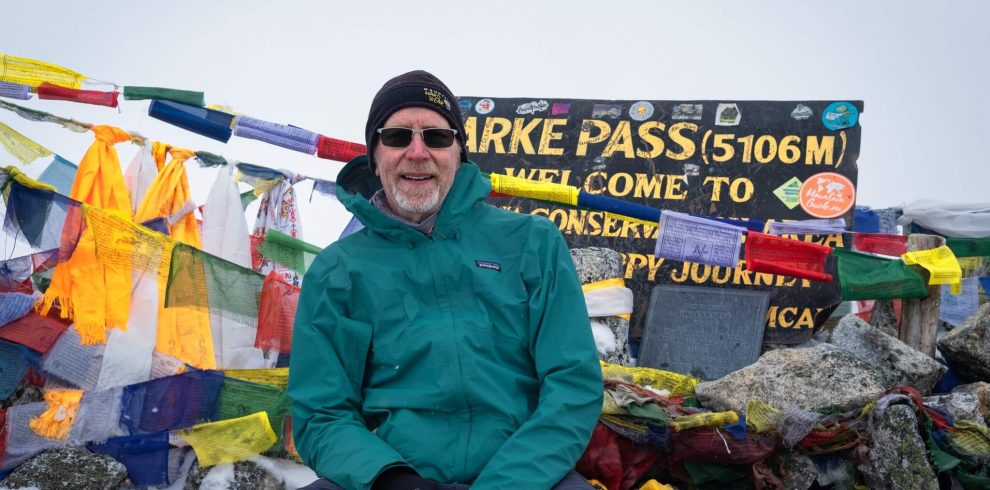
The 10-Day Manaslu Circuit Trek is a shorter yet adventure-packed version of the classic Manaslu trek, designed for trekkers who want to…
Tipping the Whole Team: Assistant Guides, Multiple Porters, and Kitchen Staff
Larger groups on the Manaslu Circuit are often supported by more than just one guide and one porter, and it is worth thinking through the whole team rather than only the two people you interact with most directly. A group of around six or more trekkers typically travels with an assistant guide in addition to the lead guide, someone who takes on real responsibility, often walking at the back of the group with slower members while the lead guide manages the front, and who deserves a separate, if smaller, tip of their own rather than being folded silently into the lead guide’s total.
Porters are usually assigned at roughly one porter per one or two trekkers depending on how much gear each person is carrying and the company’s policy on maximum loads per porter, since Nepal’s trekking associations set weight limits partly for safety reasons. If your trip has three or four porters rather than one, the sensible approach is to treat the porter tip as a team pool and either divide it evenly among them, since they generally rotate loads and support each other on tough sections, or split it with a small bonus toward anyone who visibly went further than the job required, carried extra for someone struggling, or stepped in to help at altitude. Handing the whole porter tip to just one porter and trusting them to redistribute it fairly to the others is not ideal practice, and it is better to either give each porter their own share directly or hand your guide the full pooled amount with clear instructions on how you would like it divided.
If your itinerary is arranged with any camping support, which happens occasionally on certain stretches of restricted area treks, a dedicated cook and kitchen crew may also be part of your team, and they are just as deserving of recognition as the guide and porters, even though trekkers sometimes overlook them simply because they see them less during the walking day. The table earlier in this guide gives a reasonable starting range for that role as well.
The Cultural Roots of Tipping in Nepal
It helps to understand where this custom actually comes from rather than treating it as an arbitrary rule handed to you by a trekking company. Nepal’s own domestic culture historically did not have a strong tipping tradition in restaurants or taxis the way, say, North America does. What developed instead, specifically within the trekking and mountaineering industry from the mid twentieth century onward, was closer to a patron and worker relationship shaped heavily by how early Western climbing expeditions treated their Sherpa and porter staff, rewarding those who performed well on summit pushes and difficult carries with bonuses beyond their contracted wage. Over decades that specific practice, tied to trekking and expedition work rather than everyday Nepali life generally, became its own well established custom, one that today’s guides, porters, and trekking agencies all recognize and expect in a mild, non demanding way.
That history matters because it explains why tipping here feels different from tipping a waiter in a restaurant in Kathmandu, where it is appreciated but genuinely optional and modest. On a trek, tipping the guide and porter carries more cultural weight specifically because of that mountaineering lineage, it is understood on both sides as part of how the relationship between trekker and staff is supposed to conclude, a mutual acknowledgment that something real and physically demanding was accomplished together over those days on the trail. Respecting that, and the both hands custom mentioned earlier, is a small way of honoring the actual roots of the practice rather than treating it as a transaction with no context behind it.
Common Mistakes and Awkward Situations to Avoid
A few patterns come up again and again with trekkers who are tipping for the first time, and knowing them in advance saves everyone an uncomfortable moment. The first is running out of cash near the end of the trek. Trekkers sometimes budget carefully for permits, food, and lodging but forget that the tip itself needs to be set aside as its own line item in actual cash, separate from what you might spend on souvenirs, extra snacks, or a celebratory beer in Samdo. Work out your tipping budget before you leave Kathmandu and keep that cash untouched.
The second is tipping in a way that embarrasses either party. Handing over money in front of the whole group with some fanfare, or loudly announcing the amount, tends to make both the giver and the receiver uncomfortable, and it can create pressure on other trekkers in the group who intended to give a different amount. A quiet word, a handshake or the both hands gesture, and a private moment works far better than a public presentation.
The third mistake is confusing the guide’s tip with payments for things the guide arranged on your behalf, like extra snacks bought in a village shop, a hot shower fee, or charging your phone at a lodge. Those are separate expenses you owe regardless of tipping and should be settled as they come up, not lumped into the farewell tip and treated as though the tip covered them.
The fourth is assuming a higher tip automatically means better treatment next time, or the reverse, feeling that a smaller tip than average will be held against you in some way. It will not, and a professional company and its staff do not treat clients differently based on what they eventually tip. Give what feels right based on your budget and the service you actually received, not out of anxiety about how it will be perceived.
Finally, do not offer used gear, old boots, or worn clothing as a substitute for or addition to a cash tip unless your guide or porter has specifically expressed interest in something you own and it is offered as a genuine, separate gift rather than a way of avoiding the cash tip altogether. It can come across as well meaning but slightly patronizing if presented as a stand in for payment, whereas a specific item genuinely wanted and freely given, alongside the expected cash tip rather than instead of it, is usually received warmly.
How Tipping Fits Into Your Overall Manaslu Trek Budget
Trekkers planning their Manaslu Circuit budget sometimes forget to build tipping into the total cost picture from the start, then feel the pinch when it comes time to actually part with cash at the end. It helps to think of tipping as a fixed, expected cost alongside your permits and package price, not as an optional extra you will decide about later depending on how much money happens to be left over.
Below is a sample budget for a solo trekker on a standard twelve day teahouse based Manaslu Circuit Trek, covering the main cost categories including tipping. Actual permit costs and package inclusions vary by season and by exactly what your trekking company includes, so treat this as an illustrative structure rather than a fixed quote, and check our Manaslu Circuit Trek FAQ and cost for current, detailed figures.
| Budget item | Approximate cost for a solo trekker |
|---|---|
| Restricted area permit, Manaslu Conservation Area permit, and Annapurna Conservation Area permit combined | Varies by season, typically a meaningful share of total trip cost |
| Trekking package with guide, porter, teahouse lodging, meals, and transport | Company dependent, quoted as a package price |
| Personal spending: snacks, hot showers, wifi, extra drinks | Roughly USD 100 to 200 for the full trek |
| Travel insurance with high altitude and rescue cover | Roughly USD 40 to 100 depending on provider and cover level |
| Guide tip | USD 200 to 250 |
| Porter tip | USD 150 to 200 |
Set alongside permit fees and the package price, the tipping total of roughly USD 350 to 450 combined for guide and porter is a modest but real slice of the overall trip cost, and it is money you should have set aside in cash before you ever leave Kathmandu. If you are trying to understand how physically demanding the trek itself is before locking in your budget and dates, our Manaslu trek difficulty assessment is a useful next read, since the effort your guide and porter put in day to day is closely tied to how tough the route actually is.
Two Real Scenarios From the Trail
A couple of examples from actual trips help make all of this concrete rather than abstract. On one recent trip, a solo trekker from Germany walked the standard twelve day route with one guide and one porter. The weather turned difficult in the days before Larkya La, and the guide made the call to add a rest day at Samdo rather than push through fatigue and altitude symptoms too quickly, a decision that likely prevented a genuine problem later on the pass. At the farewell dinner in Kathmandu, that trekker gave USD 250 to the guide and USD 200 to the porter, at the top of our recommended ranges, specifically because of that extra day of careful judgment and the noticeably attentive way the guide checked in on symptoms every morning.
On another trip, a group of five friends from the UK and Australia trekked together with one lead guide, one assistant guide, and three porters. Rather than each person tipping individually, they agreed on the second to last day to pool contributions, with one person collecting roughly USD 45 to 55 from each of the five trekkers. That pool came to about USD 250 for the lead guide, USD 130 for the assistant guide, and roughly USD 450 split fairly evenly across the three porters, adjusting slightly for one porter who had also helped carry gear for a member of the group who fell mildly ill near Dharamsala. The whole handover happened quietly after the group photo at the farewell dinner, envelopes for each staff member, handed over with both hands and a proper thank you to each person by name.
Neither of these trekkers overthought it. Both stayed within or close to the ranges outlined in this guide, adjusted a little based on specific things that happened on their particular trip, and both, from what the guides told us afterward, left their staff feeling genuinely appreciated rather than simply paid.
If you want more ways to manage your overall trip spending, our tips for saving money on the Manaslu Circuit Trek cover several practical areas beyond tipping.
Frequently Asked Questions
Is tipping actually required on the Manaslu Circuit Trek?
No. Tipping is customary and expected in the sense that the vast majority of trekkers do give one, but it is never a legal or contractual obligation. Your guide and porter are already paid a wage by the trekking company for their work. The tip is a separate, discretionary gesture on top of that wage, reflecting your own judgment of the service you received and what your budget allows.
What if I genuinely cannot afford the recommended amount?
Give what you can reasonably afford. The ranges in this guide are a guideline based on what most trekkers and operators consider fair for a standard twelve day trek, not a minimum enforced by anyone. A smaller tip given sincerely and with thanks is entirely acceptable, and no guide or porter working with a reputable company will make you feel bad about it.
Should I tip in US dollars or Nepali rupees?
Either is fine and both are commonly accepted. Rupees are often slightly more convenient for the person receiving them since it is the currency they will actually spend day to day, while US dollars are easy for trekkers to bring from home. If you choose dollars, make sure the bills are clean and in good condition, since damaged or very old notes are frequently refused by Nepali banks and money changers.
Can I tip during the trek instead of waiting until the end?
You can, but the standard and generally preferred practice is a lump sum at the end, usually at the farewell dinner in Kathmandu. Tipping daily is unusual on this route and can create confusion about what the payment is for. If circumstances mean you say goodbye to your porter before reaching Kathmandu, tipping them directly at that point is perfectly appropriate.
How do I handle tipping if I am trekking as part of a group I do not know well?
Raise it with the group a day or two before the trek ends rather than leaving it until the farewell dinner itself. Agreeing on a pooled amount per person, and appointing one person to collect and present it, avoids awkward comparisons between individual contributions and ensures the guide and porters receive one clear, fair total rather than a scattered mix of different amounts.
Do I need to tip an assistant guide separately from the lead guide?
Yes, if your group is large enough to have one. An assistant guide takes on real responsibility, often managing the slower members of a group or handling logistics at the back of the line, and deserves recognition in their own right rather than being assumed to share automatically in the lead guide’s tip.
What is the etiquette around actually handing over the tip?
Do it in a relatively private, low key moment rather than a loud public announcement, say a genuine thank you using the person’s name, and offer the money using both hands, which is the traditional and respectful way of handing over money or gifts in Nepali culture. A simple word of thanks in Nepali, such as dhanyabad, is a nice, easy addition.
Does the Manaslu Circuit require higher tips than Everest Base Camp or Annapurna because it is a restricted area?
Not dramatically higher. The physical demands and remoteness of Manaslu are real, and some trekkers choose to tip toward the upper end of the range partly in recognition of that, but the recommended figures for Manaslu sit broadly in line with what is customary on comparable length treks in the Everest and Annapurna regions. It is less about the region and more about matching the tip to trek length and the actual service you received.
What happens to the tip if my guide or porter changes partway through the trek?
This is uncommon but does occasionally happen due to illness or an emergency at home. In that situation, split your intended tip proportionally between the staff who worked with you for each portion of the trek, based roughly on how many days each person actually spent with your group, and mention the situation to your trekking company so they can help you work out a fair split if you are unsure.
Tipping on the Manaslu Circuit Trek does not need to be complicated once you know the ranges and the etiquette behind them. If you still have questions about tipping, budgeting, permits, or anything else about planning a trip around Manaslu, get in touch with us at Manaslu Treks and Expedition. You can call or message us on WhatsApp at +977 9869225929, email us directly at info@manaslutreks.com, or reach out through our contact, and we will answer honestly, the same way we have tried to write this guide. You can also see full details of the trip itself on our Manaslu Circuit Trek whenever you are ready to start planning.