Is September a good month for the Manaslu Circuit Trek? The honest answer is: it depends which half of September you are talking about. The first two or three weeks still carry the tail end of the summer monsoon, meaning cloud, occasional heavy rain at lower elevations, and a real chance of the high passes staying socked in. By the third week, and especially from around the twentieth onward, the monsoon typically pulls back from Nepal and the trail begins to dry out, skies clear, and the whole Manaslu region slides into what is widely considered the best trekking window of the year. So September is not one season, it is two seasons stitched together, and a trekker who books a departure date in September without understanding that split is gambling more than they might realize. Below, as a guide who has walked this circuit more times than I can easily count, I will break down exactly what to expect week by week, altitude by altitude, so you can plan a September trip that actually lines up with the good half of the month rather than the leftover monsoon half.
September on the Manaslu Circuit: A Month of Two Halves
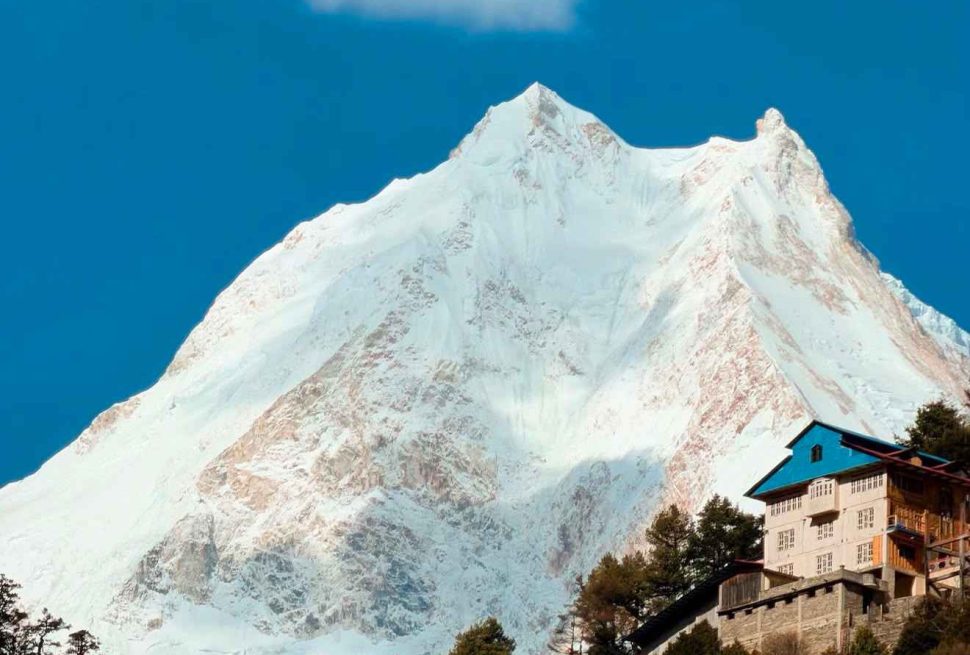
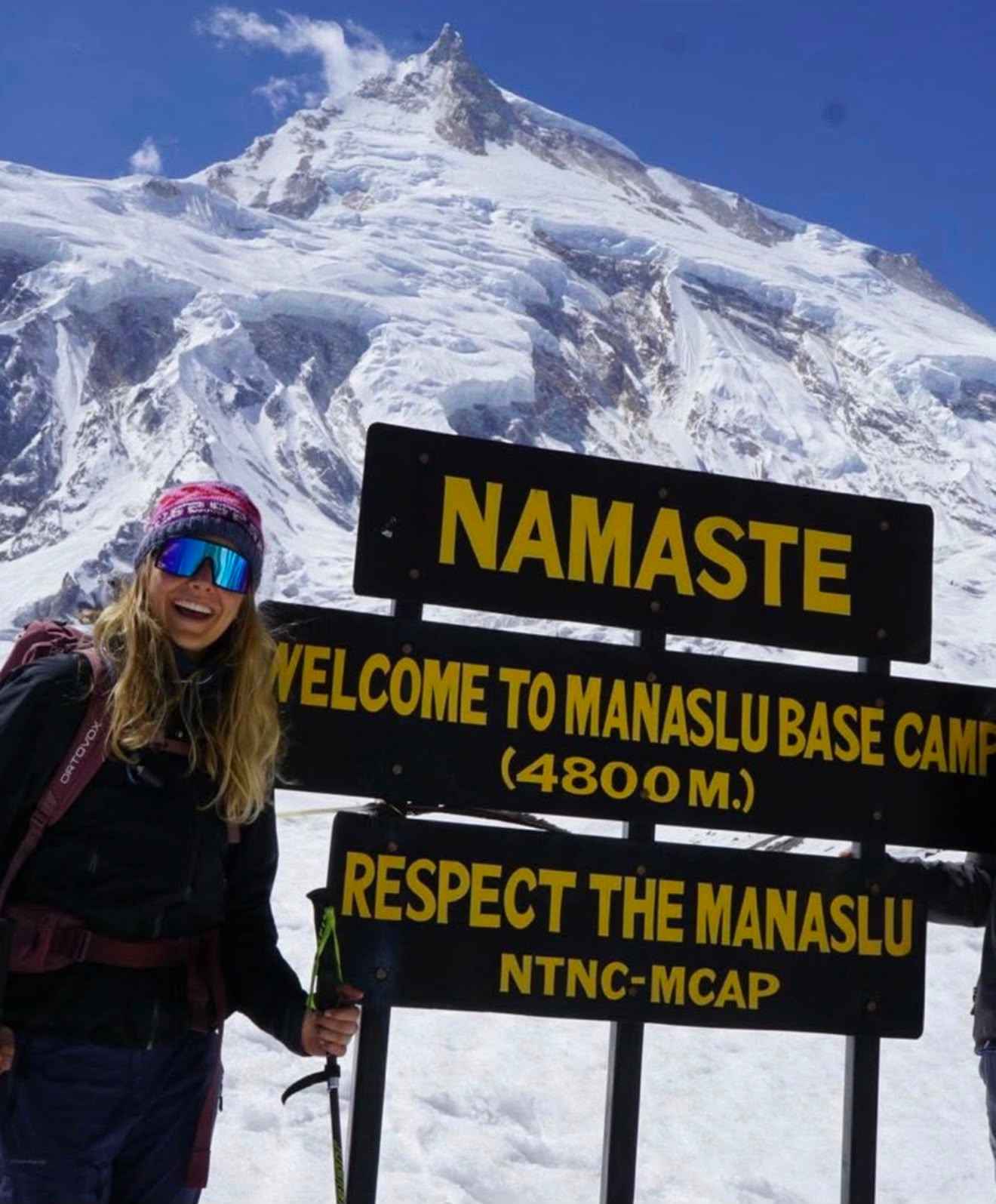
The Manaslu Circuit Trek runs through the Budhi Gandaki valley and over the Larkya La at 5,106 metres, tracing the base of Mount Manaslu, the eighth highest mountain on earth at 8,163 metres. It is a route that depends heavily on weather because so much of it runs through steep, landslide prone gorge country before climbing into high alpine terrain near the pass. In September, that dependency shows. Nepal’s monsoon, which soaks the country from roughly June through early or mid September, does not switch off on a fixed calendar date. Meteorologists at Nepal’s Department of Hydrology and Meteorology track an average withdrawal window that typically falls somewhere between the last week of September and the first week of October, though this shifts from year to year by a week or two in either direction. That average matters for trek planning because it tells you the rough dividing line, but it is not a promise. Some years the monsoon breaks early and clear autumn weather arrives by the second week of September. Other years the rain lingers into early October and pushes the good conditions back.
Practically, this means a trek that starts in the first ten days of September should be treated as a monsoon tail trip, with all the wet trail, leech, and limited visibility caveats that come with it. A trek that starts in the last ten days of September is usually walking into the beginning of the autumn season proper, arguably the best conditions the Manaslu region sees all year. If your dates are flexible, shifting a departure from early September to late September can make a genuinely large difference to your experience, not a marginal one. If you want to see how the full route breaks down stage by stage regardless of season, our Manaslu Circuit Trek route guide covers the trail in detail and is worth reading alongside this seasonal breakdown.
Temperature and Weather by Altitude Band
Temperature on this trek is really a function of altitude more than anything else, and the range across the trek is considerable given you start around 900 metres and finish over 5,100 metres at the pass. In the lower Budhi Gandaki gorge, around Machha Khola, Jagat, and Deng, sitting between roughly 900 and 1,900 metres, September daytime temperatures typically run somewhere in the low to mid twenties Celsius, humid, with overnight lows rarely dropping below the mid teens. This is still fairly warm, jungle like country, and in early September especially it can feel sticky and close, particularly after a rain shower when humidity spikes.
Moving up through Namrung and into Samagaon, in the 2,900 to 3,500 metre band, daytime temperatures cool noticeably, generally sitting in the mid teens Celsius under clear skies, dropping into the single digits or just above freezing overnight once you are into the second half of September. This is the zone where the character of the trek changes from subtropical valley walking to proper mountain trekking, and it is also where you start noticing whether the monsoon has actually cleared, since afternoon cloud build up is common here even in decent weather.
From Samdo at 3,860 metres through Dharamsala at 4,450 metres and up to the Larkya La at 5,106 metres, September nights get properly cold. Expect overnight temperatures well below freezing at Dharamsala, commonly somewhere in the range of minus five to minus ten Celsius on a clear night in late September, colder if wind picks up. Daytime temperatures at these elevations in direct sun can still feel comfortable, even warm in a down jacket, but as soon as the sun drops behind a ridge or cloud moves in, the temperature swing is sharp and fast. This is a trek where you genuinely need layers for both extremes in the same day, sometimes within the same hour.
Early September versus Late September: What Actually Changes
It is worth spelling out the practical differences between the two halves of the month rather than leaving it abstract. In early September, roughly the first ten to twelve days, you are still likely to see afternoon rain, sometimes heavy, most days. Trails in the lower valley can be muddy and slippery on stone steps, river crossings run higher and faster, and leeches are active in the forested sections between Machha Khola and Namrung. Cloud commonly obscures the higher peaks by late morning, so views of Manaslu itself from Samagaon are hit or miss. The Larkya La in early September can still be affected by residual monsoon moisture, meaning snow or slush on the approach and a higher chance of poor visibility at the pass itself, which matters a great deal given how exposed and long that crossing is.
By late September, generally from around the twentieth of the month onward, the picture shifts. Rain becomes intermittent rather than a daily near certainty, skies clear more consistently, especially in the mornings, and the classic autumn pattern of crisp clear mornings with some afternoon cloud build up starts to establish itself. Trail conditions dry out considerably, river levels drop, and the leech issue fades. The Larkya La in late September is usually in good shape, similar to what you would expect in early October, though snow can still fall at that altitude at any time of year and a fresh dump is always possible even in an otherwise clear stretch. If your schedule allows any flexibility at all, I would always recommend biasing a September Manaslu trip toward the back half of the month rather than the front.
Trail Conditions as the Monsoon Retreats
The trail itself tells the story of the month better than any forecast. Through the gorge sections below Namrung, the path crosses numerous small streams and a few significant suspension bridges, and after a monsoon summer these sections often show the wear of landslides or minor trail damage that porters and local crews repair through the season. Early in September you can expect some sections to still be muddy, a few stretches of loose or washed out trail on steep cutbacks, and generally slower, more careful walking than you would do in peak autumn. Wet stone steps around Jagat and Deng are a genuine slip hazard, and a decent pair of broken in boots with real tread matters more this month than in the drier months.
As the month progresses the ground firms up. By late September the lower trail is usually walkable at a normal, comfortable pace, and by the time you reach the higher sections around Samdo and Dharamsala the ground is typically dry, sometimes dusty, rather than muddy. Above Dharamsala on the approach to Larkya La, snow cover depends entirely on how recently it has snowed rather than on the calendar, since this is high enough that snow is possible in any month. A local guide checking conditions in the days before your crossing is genuinely useful here, not just a formality, because trail conditions on the pass approach can change within 48 hours of a fresh snowfall. If you want a detailed sense of how demanding this route is overall, independent of season, our Manaslu trek difficulty assessment breaks down the physical demands stage by stage, and September’s wetter early half adds a layer of technical caution on top of that baseline difficulty.
Visibility and Mountain Views Through the Month
Given that a large part of the appeal of this trek is the mountain scenery, in particular views of Manaslu, Manaslu North, and Himlung Himal from around Samagaon and Samdo, visibility is worth its own section. In early September, cloud typically builds through the morning and often obscures the higher peaks entirely by midday, with occasional clear windows at dawn. This is frustrating for photography but not unusual for the tail of the monsoon. Rest and acclimatisation days at Samagaon in early September can be a genuine coin flip on whether you get a clear look at the mountain.
Visibility generally improves steadily as the month goes on. By the third week, clear mornings become the norm rather than the exception, and by late September many trekkers report the kind of sharp, high contrast mountain views that the autumn season is known for, sometimes with the added drama of fresh snow on the peaks from a late monsoon system. It is not a guarantee, mountain weather in the Himalaya never is, but the odds shift substantially in your favor as September progresses. If clear mountain photography is a priority for you, treat late September and October as your target window rather than the first half of the month.
Larkya La Pass in September
The Larkya La, at 5,106 metres, is the technical and psychological crux of the whole circuit, a long crossing typically done in a single very long day from Dharamsala down to Bimthang, eight to ten hours of walking, much of it above 5,000 metres, with no teahouse or rescue infrastructure along the way. In early September this crossing carries more risk than it does later in the month. Residual monsoon moisture can mean soft snow on the approach slopes, reduced visibility from lingering cloud, and colder, wetter conditions underfoot that slow the group down and increase the chance of a weather related delay or turnback. Guides who work this route regularly will tell you early September crossings are done, and done safely, but they demand more caution, earlier starts, and a genuine willingness to postpone a day if conditions look poor.
Late September crossings are generally more settled. Snow on the approach, where present, tends to be firmer and more predictable, cloud typically burns off by mid morning giving usable visibility for the crossing, and the overall feel of the pass day is closer to the classic October conditions that the Manaslu Circuit is famous for. That said, no guide should ever tell you the pass is guaranteed safe on any given date. Wind, sudden snowfall, and cold exposure remain real hazards at this altitude in any month, and a licensed guide checking conditions and making a real time call on the crossing day is not optional, it is the whole point of trekking this route with a professional rather than independently.
Road Conditions to the Trailhead
Getting to the trailhead at Machha Khola or Soti Khola from Kathmandu involves a long drive, roughly 160 kilometres but eight to nine hours given the state of the road once you leave the highway, and this drive is directly affected by monsoon conditions. Through the height of the monsoon and into early September, the unpaved and partially paved sections of this route can suffer landslides, washouts, and temporary closures after heavy rain, occasionally adding hours to the journey or requiring a walk around a blocked section while vehicles are arranged on the other side. This is one of the more underappreciated monsoon tail risks of an early September Manaslu trip, since a road closure can eat into your itinerary buffer before you have even started walking.
As the monsoon retreats through the back half of September, road crews typically clear the worst of the damage and the route becomes more reliable, though it never becomes what most travellers would call a smooth ride, this is rough mountain road regardless of season. By late September the main risk is ordinary rough road conditions rather than active monsoon disruption, which is a meaningful improvement. If your trip involves an early September start, it is worth building at least one buffer day into your Kathmandu arrival in case the drive out is delayed.
Teahouses and Accommodation Availability
The Manaslu region runs almost entirely on a teahouse and lodge system, with basic but functional accommodation available at each of the main stops along the route. September sits at the edge of the trekking season calendar, meaning early in the month many lodges are still on reduced monsoon season operations, sometimes with a smaller selection of rooms open, more limited food stocks since resupply depends on the same roads and mule trains affected by monsoon conditions, and fewer staff on hand since the big autumn rush has not yet started. This is not usually a problem for booking a bed, since early September sees relatively low trekker numbers, but it can mean a slightly thinner menu and less choice at the more remote stops like Samdo and Dharamsala.
By late September, lodges are gearing up properly for the high autumn season, restocking supplies, opening additional rooms, and generally running at a fuller operational capacity. Trekker numbers also start climbing through this period as the well known autumn window opens, so late September can mean busier teahouses than early in the month, occasionally with a bit more competition for the better rooms at popular stops like Samagaon. Neither end of the month presents a real availability crisis on this route since Manaslu sees nowhere near the crowd levels of Everest or Annapurna, but it is a factor worth knowing about if you are particular about lodge comfort.
Pros and Cons of Trekking Manaslu in September
No month is perfect, and September is a genuinely mixed bag depending on which half you land in and how much flexibility you have. The table below lays out the honest trade offs as I see them from years of guiding this route.
| Factor | Pros in September | Cons in September |
|---|---|---|
| Weather | Late month brings clear, stable autumn conditions arriving early | Early month still carries monsoon rain and cloud most days |
| Trail conditions | Trail dries out and firms up as the month goes on | Early month trail can be muddy, slippery, and leech prone in lower forest sections |
| Mountain views | Visibility improves steadily, often excellent by late month | Early month views of Manaslu can be obscured by cloud most days |
| Larkya La pass | Late month crossings are usually settled and reliable | Early month crossings need extra caution and flexible scheduling |
| Crowds | Early month is very quiet with almost no other trekkers | Late month starts to see the autumn rush begin, busier lodges |
| Road access | Late month road conditions are more reliable after monsoon repairs | Early month drive can be disrupted by landslides or washouts |
| Teahouse comfort | Late month lodges are fully stocked and staffed for the season | Early month lodges may have limited food choice and fewer open rooms |
| Value | Early month can mean quieter trails and a more solitary experience | Permit costs are already at peak season pricing regardless of exact date |
Day by Day Sample Itinerary for a September Departure
Here is a standard thirteen day Manaslu Circuit itinerary as we run it, with notes on what to expect from each stage if you are trekking in September specifically. Actual daily conditions will vary depending on where in the month you start and how the monsoon is behaving that particular year, but the route and altitudes below are fixed.
| Day | Route | Altitude | Notes |
|---|---|---|---|
| Day 1 | Arrival in Kathmandu | 1,300 m | Airport transfer and trek briefing, humid low altitude conditions typical of early autumn Kathmandu |
| Day 2 | Kathmandu to Machha Khola, about 160 km, 8 to 9 hrs drive | 930 m | Road conditions depend heavily on how recently it rained, early September can see delays from landslide clearing |
| Day 3 | Machha Khola to Jagat, 11 to 12 km, 5 to 6 hrs walk | 1,410 m | Warm, humid valley walking, watch footing on wet stone steps and expect leeches if trekking early in the month |
| Day 4 | Jagat to Deng, 19 km, 6 to 7 hrs walk | 1,860 m | Local permit checkpoint fee typically collected here or nearby, trail firms up noticeably by late September |
| Day 5 | Deng to Namrung, 19 km, 6 to 7 hrs walk | 2,900 m | Noticeable cooling begins, forest gives way to more open mountain terrain |
| Day 6 | Namrung to Samagaon, 17 km, 6 to 7 hrs walk | 3,500 m | First real chance of Manaslu views if skies are clear, more reliable late in the month |
| Day 7 | Acclimatisation day at Samagaon, short side hike 8 to 10 km, 4 to 5 hrs | 3,500 m | Important rest and altitude adjustment day, good weather here greatly improves the experience |
| Day 8 | Samagaon to Samdo, 8 to 9 km, 3 to 4 hrs walk | 3,860 m | Shorter day, useful for continued acclimatisation, colder overnight temperatures begin here |
| Day 9 | Samdo to Dharamsala, 11 to 12 km, 4 to 5 hrs walk | 4,450 m | Basic lodging, cold nights, this is the staging point for the pass crossing |
| Day 10 | Dharamsala over Larkya La (5,106 m) to Bimthang, 17 to 19 km, 8 to 10 hrs | Descends to about 3,700 m | The longest and hardest day, early start essential, conditions on the pass are the single biggest weather variable of the whole trek |
| Day 11 | Bimthang to Tilije, 12 to 13 km, 5 to 6 hrs walk | 2,300 m | Descent into warmer, greener country on the Annapurna side of the pass |
| Day 12 | Tilije to Kathmandu, about 210 km, 8 to 10 hrs drive | 1,300 m | Long drive back, road conditions generally reliable by this point in the trek |
| Day 13 | Final departure from Kathmandu | 1,300 m | Buffer day is worth having built in earlier in the trip in case of pass delays |
For a stage by stage breakdown of the terrain, river crossings, and villages along this same route independent of season, see our full Manaslu Circuit Trek route guide. And if you would rather see the whole package laid out with dates and logistics, the Manaslu Circuit Trek has the current trip details.
What to Pack for a Transitional Month
September packing needs to cover a wider range of conditions than a straightforward autumn or winter trip because you genuinely might face monsoon rain in the lower valley and near winter cold at the pass within the same trek. A good rain shell is not optional this month, ideally a proper waterproof jacket rather than just a light showerproof layer, since early September rain can be sustained and heavy. Waterproof trousers or at least gaiters are worth having for the lower muddy sections. Footwear matters more in September than in the drier months, a broken in pair of boots with good tread and ideally a waterproof membrane will save you a lot of discomfort on wet stone steps.
For the cold at altitude, you need the same core layering system you would bring for any autumn Manaslu trip, a warm base layer, a mid weight fleece or synthetic insulation layer, and a proper down jacket for the evenings at Samdo, Dharamsala, and the pass crossing itself. Our package includes a sleeping bag and down jacket provided for the duration of the trek and returned at the end, which covers the bulk of the serious cold weather gear, but you should still bring your own moisture wicking base layers, a warm hat, gloves, and a buff or scarf for wind protection at the pass. A dry bag or good quality pack liner is worth packing given the rain risk, along with a few extra pairs of socks since wet feet in the lower valley are common in early September. Trekking poles are genuinely useful on the wet, sometimes slippery descents in the gorge sections and on the long descent from Larkya La to Bimthang.
Permits and Costs in September (Peak Season Pricing)
September falls within the peak season permit bracket for the Manaslu Restricted Area Permit, which runs from September through November. This matters because the restricted area permit is priced by season, and the September to November bracket is the more expensive of the two pricing tiers used for this permit. As of current published rates, the Manaslu Restricted Area Permit runs roughly 100 US dollars for the first seven days in this peak bracket, plus an additional charge of around 15 US dollars per extra day beyond that. On top of this you need the Manaslu Conservation Area Permit, priced at roughly 30 US dollars, and the Annapurna Conservation Area Permit, also around 30 US dollars, since the route crosses into the Annapurna Conservation Area on the far side of Larkya La. There is also a local Chumnubri Rural Municipality fee of about 10 US dollars, payable in cash in Nepali rupees at a checkpoint along the route, usually collected around Jagat.
A licensed guide is a legal requirement for anyone entering the Manaslu restricted area, regardless of group size or experience level, this is not a company policy but a government regulation specific to this region. Permit fees are set by the Nepal government and do change periodically, so treat the figures above as a solid current estimate rather than a locked in number, and reconfirm exact costs close to your departure date. The table below summarizes the main permits required.
| Permit | Approximate Cost | Notes |
|---|---|---|
| Manaslu Restricted Area Permit | About 100 USD for first 7 days, plus about 15 USD per extra day | September falls in the pricier peak season bracket, September through November |
| Manaslu Conservation Area Permit | About 30 USD | Covers the conservation area sections of the route |
| Annapurna Conservation Area Permit | About 30 USD | Required since the route crosses into Annapurna Conservation Area past the pass |
| Local Chumnubri Rural Municipality fee | About 10 USD | Paid in cash, Nepali rupees, typically at a checkpoint near Jagat |
For the current package pricing and full inclusion details, our thirteen day Manaslu Circuit Trek runs at approximately 1,350 US dollars per person for a solo traveler, 1,250 US dollars per person for a group of two to five, 1,200 US dollars per person for six to eight travelers, and 1,150 US dollars per person for a larger group of nine to ten, though you should confirm current rates directly since prices are reviewed periodically. This includes airport pickup and drop off, two nights of hotel accommodation in Kathmandu with breakfast, teahouse lodging throughout the trek itself, transport to and from the trailhead, all of the permits listed above, a licensed English speaking guide, porter service at a ratio of one porter per two trekkers carrying up to 20 kilograms, guide and porter wages, three meals a day during the trek plus morning tea or coffee, travel insurance for the trek staff, a provided sleeping bag and down jacket, a trekking map, a completion certificate, a first aid kit, government taxes, and a farewell dinner in Kathmandu. It excludes your international airfare, Nepal entry visa, personal travel and evacuation insurance, personal expenses like laundry, phone and wifi charges, bottled water and other beverages, alcohol and snacks, and any extra food beyond what the package covers. For a deeper breakdown of costs and permit questions specifically, our Manaslu Circuit Trek FAQ covers common questions on this topic in more detail.
Who September Suits Best
September on the Manaslu Circuit suits a fairly specific kind of trekker on each end of the month. Early September is a good fit for someone with real flexibility in their schedule, a tolerance for wet trail conditions and reduced views, and a genuine preference for solitude over guaranteed clear mountain photography. If you have trekked in the Himalaya before and understand what monsoon tail conditions actually feel like underfoot, early September can deliver a quiet, green, dramatic version of this trek with far fewer people on the trail than you would see even a month later. It is not the month to choose if this is your first serious high altitude trek or if clear summit views are the whole point of your trip for you.
Late September suits almost everyone, and functions essentially as an early entry into the main autumn season, arguably one of the better windows of the whole year since trail conditions are freshly dried out, vegetation is still green from the monsoon rather than dusty, and the worst of the October and November crowds have not yet arrived. If you can shift a September booking toward the twentieth of the month or later, you get most of the benefits of the famous autumn season with a slight edge in terms of lower crowd levels compared to peak October. For a full comparison of how September stacks up against the other trekking seasons on this route, our guide to the best time to trek Manaslu and Tsum Valley lays out the year round picture in more depth. Trekkers who want to combine this circuit with the Tsum Valley side trip should also look at our 23 day Tsum Valley and Manaslu Circuit combination trek, which extends the standard route into the culturally rich Tsum side valley before rejoining the main circuit, and works well as a September departure once the trail has dried out.
A Realistic Note on Booking Flexibility
Given how much the first and second half of September differ, if you have any control over your exact departure date, use it. A one or two week shift from the first week to the third week of the month can change your trip from a wet, low visibility monsoon tail experience to a clear, dry, classic autumn trek, without changing anything else about the itinerary, cost, or route. If your dates are fixed for work or personal reasons and you can only travel in early September, that is still a perfectly viable trip, just go in with realistic expectations about rain gear, muddy trail sections, and the possibility of limited mountain views, and build in flexibility around the Larkya La crossing date in case your guide recommends waiting a day for better conditions.
Contact Manaslu Treks and Expedition
If you are weighing a September departure and want honest, current advice on which week to pick, or want the exact permit and pricing situation confirmed for your specific dates, get in touch directly. We are a Kathmandu based trekking company operating out of Thamel, and our guides run this route regularly enough to give you a genuinely current read on trail and pass conditions rather than a generic seasonal guess. Call or message us on WhatsApp at +977 9869225929, email us at info@manaslutreks.com, or reach out through our contact. You can also view the full itinerary, current pricing, and booking details on our Manaslu Circuit Trek trip and we will help you plan a September trip that lands in the right part of the month for what you want out of it.
Frequently Asked Questions
Is September too early to trek the Manaslu Circuit?
It is not too early, but it is a genuinely different experience depending on the exact week. Early September still carries the tail of the monsoon, meaning wetter trail conditions, more cloud cover, and a somewhat less predictable Larkya La crossing. It is a viable trek for someone with flexibility and realistic expectations, but if you want the classic clear skies and dry trail conditions that Manaslu is known for, aiming for the last ten days of September or later gives you far better odds. Neither part of the month is unsafe when guided properly, the difference is comfort and view quality rather than fundamental safety, provided you trek with an experienced local guide who can read conditions day by day.
Will I get good views of Manaslu in September?
Your odds improve steadily through the month. In the first two weeks, cloud typically builds through the morning and often obscures the main peaks by midday, so you might get a clear dawn view and nothing more for the rest of the day. By the third week and especially the last week of September, clear mornings become the norm and many trekkers get genuinely excellent, sharp views of Manaslu, Manaslu North, and the surrounding peaks from Samagaon and Samdo. There are no guarantees in high mountain weather, but late September odds are considerably better than early September odds.
Is the Larkya La pass safe to cross in September?
It can be crossed safely in September with proper guidance, but the crossing demands more caution earlier in the month. Residual monsoon moisture can leave soft snow or reduced visibility on the approach in the first two or three weeks of September, which is why a licensed guide checking recent conditions and making a real time call on your crossing day matters so much on this particular section. By late September, conditions on the pass are generally more settled and closer to the reliable conditions seen through October. Regardless of the exact date, this is a long, high, remote crossing with no rescue infrastructure along the way, and it should never be attempted without an experienced guide.
Do I need a guide for the Manaslu Circuit in September, or any month?
Yes, a licensed guide is a legal requirement to enter the Manaslu restricted area regardless of the season or your group size, this is Nepal government regulation specific to this region rather than a company preference. Beyond the legal requirement, a guide with current, firsthand knowledge of trail and pass conditions is especially valuable in September given how variable the month can be, since they can adjust your schedule, recommend a rest day before the pass if conditions look poor, and generally read the mountain in a way that a guidebook or website cannot.
How much does the Manaslu Circuit Trek cost in September compared to other months?
The trek itself is priced the same across seasons in most packages, our thirteen day itinerary runs at approximately 1,350 US dollars per person solo, dropping to around 1,250 US dollars per person for groups of two to five, 1,200 US dollars for groups of six to eight, and 1,150 US dollars for groups of nine to ten. What changes seasonally is the permit cost, since September falls within the peak season bracket for the Manaslu Restricted Area Permit, which runs from September through November and is priced higher than the off season bracket. This means your total permit cost in September will be somewhat higher than if you trekked in, say, February, though the trek package price itself does not typically change with season.
What should I pack differently for a September trek compared to October or November?
The main addition for September is serious rain protection, a proper waterproof jacket and ideally waterproof trousers or gaiters, since the lower valley sections can see genuine monsoon tail rain especially in the first half of the month. Footwear with good tread and ideally a waterproof membrane matters more given wet stone steps in the gorge sections. Beyond that, the cold weather gear you need for the higher altitudes, Samdo, Dharamsala, and the pass itself, is essentially the same as any other month, since nighttime cold at 4,000 plus metres does not change much with the calendar. Our package includes a sleeping bag and down jacket for the trek, which covers the bulk of that cold weather need.
Are the teahouses open and fully stocked in September?
Yes, teahouses along the route operate through September, though early in the month some lodges, particularly at the more remote higher stops, may run on a slightly reduced footing with a smaller food selection and fewer staff, since the big autumn season resupply and staffing push has not fully ramped up yet. By late September, lodges are typically operating at full capacity for the coming autumn season. Availability of beds is rarely an issue on this route in September since trekker numbers are still relatively low compared to peak October and November, particularly earlier in the month.
Should I book early September or late September if I have flexibility?
If you can choose, late September, roughly the last ten days of the month, is the stronger choice for most trekkers, since it typically offers dry trail conditions, clearer mountain views, and a more settled Larkya La crossing, essentially an early entry into the main autumn season. Early September suits a trekker who specifically wants quieter trails and does not mind a real chance of rain, cloud, and reduced views in exchange for near solitude on the route. Neither choice is wrong, they simply deliver a different kind of trip, and knowing that difference before you book lets you pick the version of September that actually matches what you want out of the trek.
Can I combine the Manaslu Circuit with Tsum Valley if trekking in September?
Yes, this is a popular combination and works well once the trail has dried out through the month. Our 23 day Tsum Valley and Manaslu Circuit combination trek adds the culturally distinct Tsum side valley onto the standard circuit before rejoining the main route toward Samagaon and the pass. The same seasonal logic applies here as to the standalone circuit, early September carries more monsoon tail risk in the lower valley sections shared by both routes, while late September and beyond offer drier, clearer conditions for the extended itinerary.
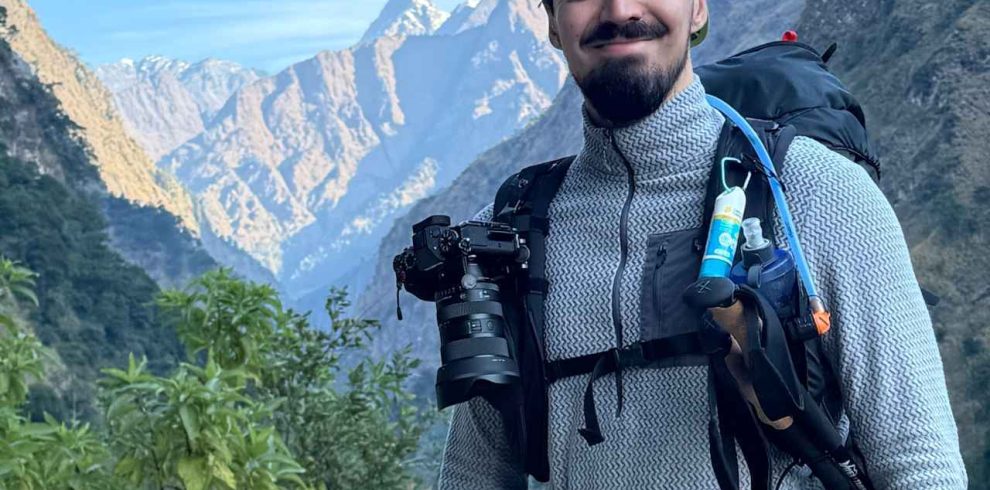
The Manaslu Circuit Trek is a spectacular journey around Mount Manaslu (8,163 m), the eighth-highest mountain in the world. Located…