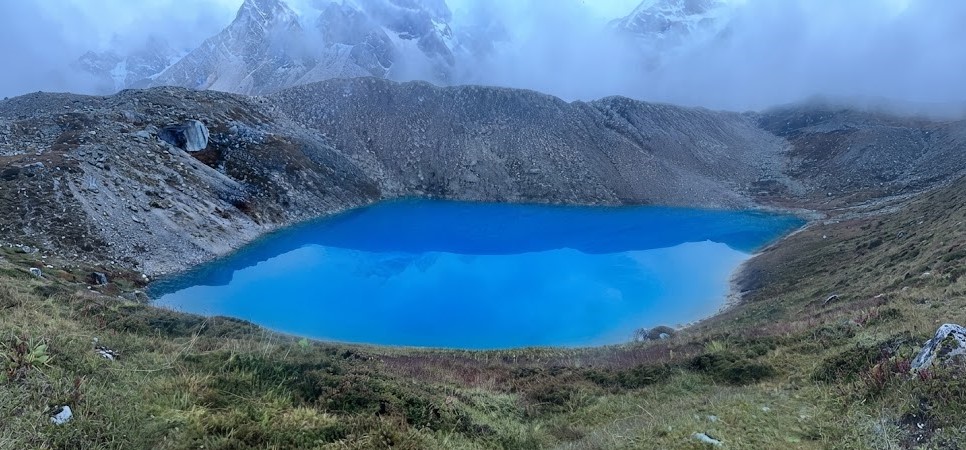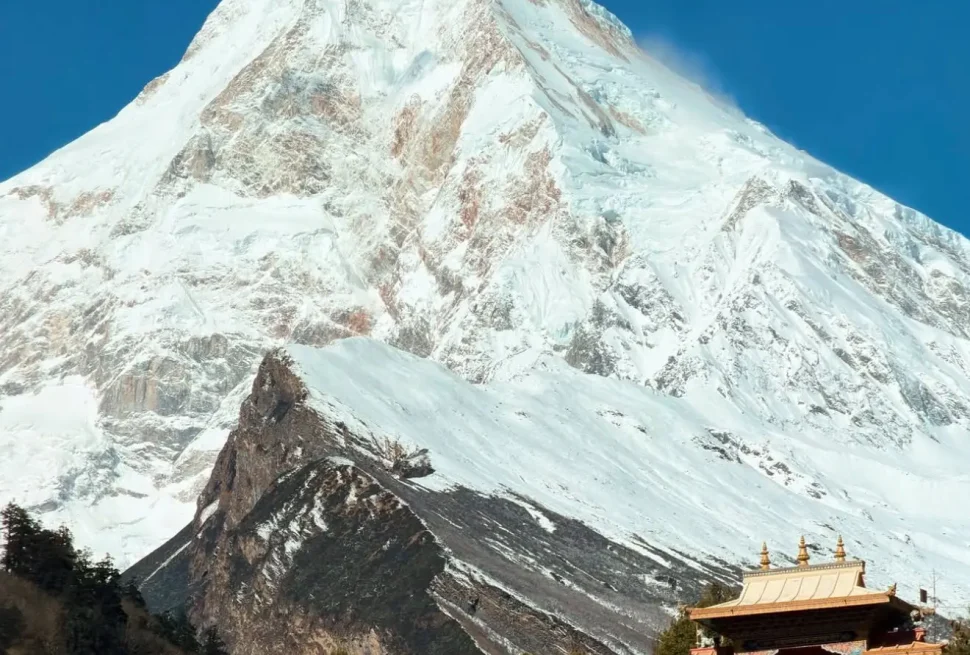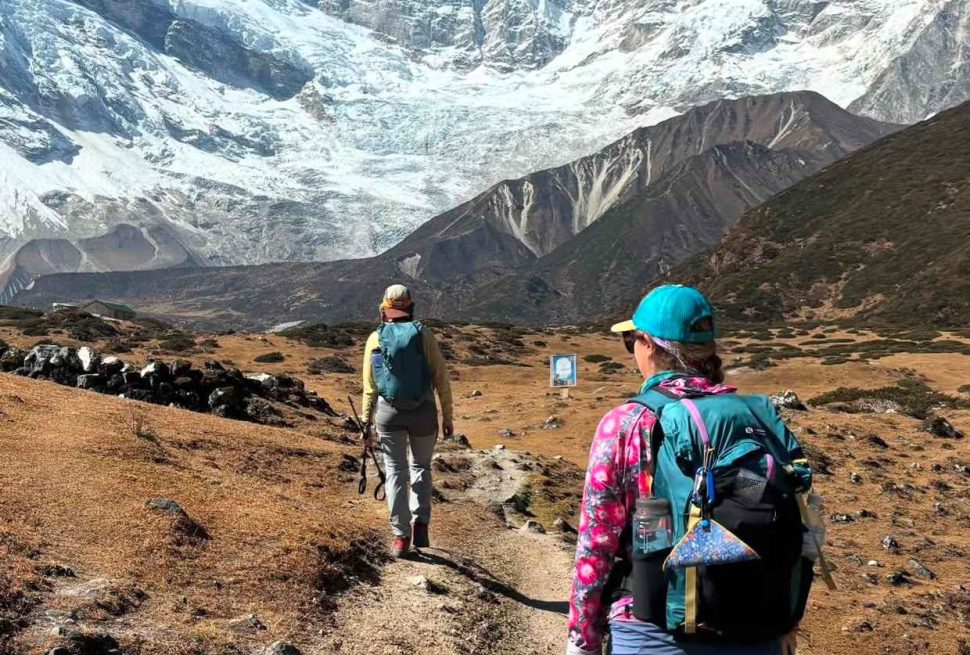
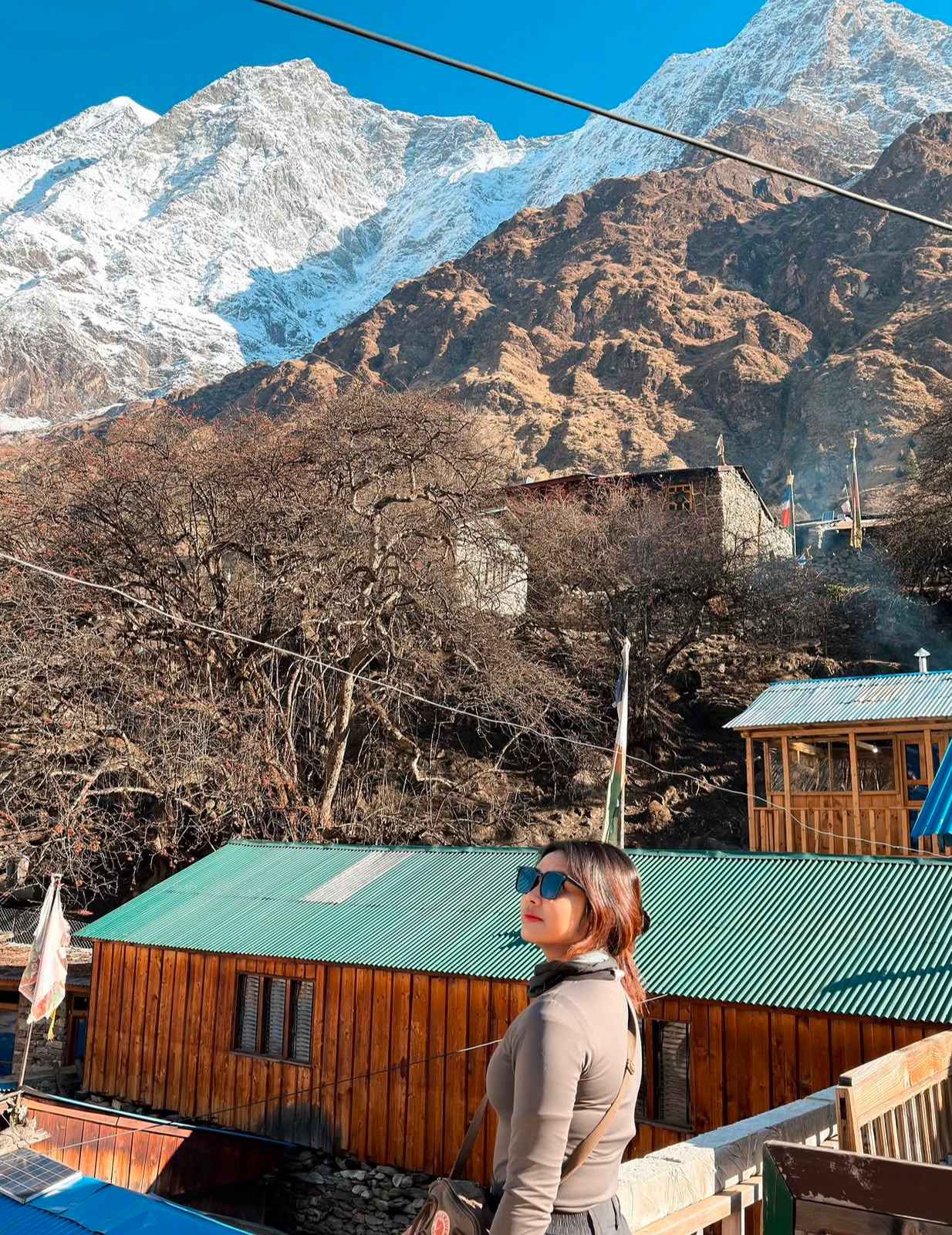
Is February a good month for the Manaslu Circuit Trek? Honestly, it depends on why you are going. February sits at the tail end of Nepal’s winter season, and up in the Manaslu region that means hard frozen mornings, a genuine chance of fresh snow on Larkya La, and some of the quietest trails you will ever walk in this valley. If you want solitude, crisp mountain views, and you are prepared for real winter conditions above 4,000 meters, February can work very well. If you want a relaxed, low risk crossing of the pass with guaranteed clear trail and warm evenings on the teahouse porch, this is not your month. Below I will walk through exactly what you can expect, day by day and altitude band by altitude band, based on how this route actually behaves in late winter, so you can decide for yourself rather than take a marketing brochure’s word for it.
Manaslu Circuit Trek in February: The Honest Overview
The Manaslu Circuit Trek circles the eighth highest mountain on earth, Mount Manaslu at 8,163 meters, running from the subtropical Budhi Gandaki valley near Machha Khola up through Tibetan influenced villages like Samagaon and Samdo, over the Larkya La at 5,106 meters, and down into the Marsyangdi valley near the Annapurna circuit. In February this entire route is still firmly in winter. Snow has usually fallen at least once by early February in the higher villages, and by the pass itself there is almost always a snow base, sometimes thin and crusty, sometimes knee deep after a fresh storm.
What February gives you that October and November cannot is quiet. The restricted area permit system already keeps numbers down compared to Everest or Annapurna, but in peak autumn season the lodges in Samagaon and Dharamsala still fill up. In February you will often be the only group in a teahouse, or one of two. The mountain views on a clear day are arguably sharper than in the hazier pre monsoon months, because cold dry air holds less dust and moisture. The tradeoff is real winter risk at altitude: cold injury, a harder pass crossing, and a narrower margin if a storm rolls in while you are near Dharamsala or on the pass itself. This is not a trek to underestimate just because the distance and daily walking hours look moderate on paper.
For a broader comparison of how February stacks up against spring, summer monsoon, and autumn, our season by season guide to the Manaslu and Tsum Valley region is worth reading alongside this article, since it puts February in context against the more popular March to May and September to November windows.
Temperature and Weather by Altitude Band
Temperature on this route is really a story of four distinct zones, and the swing between them in February is dramatic. Here is what you can realistically expect, based on how this valley behaves through the winter months and how past trekking groups and lodge owners describe the season.
Lower valley, Machha Khola to Jagat, around 900 to 1,400 meters. This is still subtropical terrain and February daytime temperatures are genuinely pleasant, typically in the range of 15 to 20 degrees Celsius in direct sun, dropping to somewhere around 5 to 8 degrees Celsius after dark. You will be walking in a light layer during the day and will barely need your down jacket until you gain more height. Morning fog sometimes sits in the river gorge until mid morning and burns off by midday.
Mid hills, Namrung to Lho, around 2,900 to 3,200 meters. Here February starts to bite. Daytime temperatures in the sun typically sit between 5 and 10 degrees Celsius, but once the sun drops behind the ridge, usually by early afternoon in this narrow valley, the temperature falls quickly and nights commonly reach minus 5 to minus 10 degrees Celsius. Frost on the ground in the morning is normal. Lodges here have wood stoves in the dining room, which is where you will spend most of your evening.
High villages, Samagaon and Samdo, around 3,500 to 3,900 meters. This is proper winter territory. Daytime highs in full sun might reach 0 to 5 degrees Celsius on a good day, but shaded slopes and windy afternoons can keep it well below freezing all day. Nighttime lows commonly fall to minus 10 to minus 18 degrees Celsius, and colder snaps into the low minus 20s are not unusual after a clear, windless night, since clear skies allow heat to radiate out fast at this elevation. Water left in a bottle overnight in your room will likely freeze solid.
Dharamsala and the approach to Larkya La, 4,450 to 5,106 meters. At Dharamsala and on the pass itself in February, expect daytime temperatures around minus 5 to minus 10 degrees Celsius even in sunshine if there is wind, and nighttime lows commonly in the minus 15 to minus 25 degrees Celsius range at Dharamsala’s basic lodge. On the pass at dawn, with wind chill factored in, it can feel colder still. This is the section where quality cold weather gear stops being optional gear you packed just in case and becomes the thing keeping you safe.
Wind is the other variable that catches people out. The Manaslu valley funnels wind, and a still, sunny minus 10 morning can turn into a biting minus 20 equivalent the moment a breeze picks up along an exposed ridge. Always dress assuming wind chill, not just the still air temperature.
Snow and Trail Conditions in February
By February, the Manaslu region has typically already received its first meaningful winter snowfalls, so you are not walking into an unknown, you are walking into an established winter trail. Below Namrung the trail is almost always snow free, following the Budhi Gandaki gorge through forest and terraced fields. Between Namrung and Samagaon you will likely encounter patches of old, packed snow on shaded sections of trail, particularly where the path crosses north facing slopes or passes through forest that blocks the sun. This snow is usually walkable without crampons if it has been compacted by previous trekkers and porters, but a fresh snowfall the night before can make things slippery and slower going.
From Samagaon upward, snow cover becomes the rule rather than the exception. The trail to Samdo and on to Dharamsala crosses open, exposed ground at nearly 4,000 to 4,500 meters, and in February this stretch is very often under a layer of snow ranging from a light dusting to twenty or thirty centimeters after a storm. Microspikes or light crampons are genuinely useful gear here, not an overcautious add on, and trekking poles earn their keep on the icier patches.
The single biggest variable in February is simply whether a fresh storm has passed through in the days before your crossing. Nepal’s winter weather comes in cycles, a spell of clear, cold, stable days followed by a storm system that can drop significant snow over one or two days, followed by clearing again. Your guide will be watching this pattern closely, because a fresh, unconsolidated dump of snow on Larkya La is the actual hazard here, both for visibility and for avalanche risk on the steeper sections near the pass. This is exactly why a flexible itinerary with a built in buffer day, and a guide who is willing to hold at Dharamsala or Samdo an extra day if conditions demand it, matters more in February than in any other month except January.
Larkya La in February: What Actually Happens at 5,106 Meters
Larkya La is the technical and psychological crux of this whole trek, and February is genuinely one of the more serious months to cross it, alongside January. The pass itself does not close in any official sense, there is no gate or authority shutting it, but it becomes impassable in practice during and immediately after a heavy snowfall, when visibility drops to nothing and the trail markers disappear under fresh powder.
On a good weather window in February, which does happen regularly through the month, the crossing is cold but entirely manageable for a fit trekker with proper gear and a guide who knows the route. You will leave Dharamsala in the dark, often around 4 to 5 in the morning, to reach the pass before the wind picks up in late morning and to give yourself the full daylight window for the long descent to Bimthang. The climb from Dharamsala to the pass gains roughly 650 meters over uneven, snow covered ground, and at this altitude with cold air in your lungs, it is slow, deliberate work rather than a fast hike.
Some trekking guides and operators describe February as marginally more settled than the coldest weeks of January in some years, since the deepest cold snaps of midwinter sometimes ease slightly as February progresses toward March. But this varies considerably year to year and should not be treated as a rule. Some Februaries bring a stable stretch of clear cold days ideal for the crossing, other years bring a series of storm systems that push a crossing back by two or three days. This is why we build a contingency day into the itinerary and why your guide, not a fixed schedule, makes the final call on the morning of the crossing.
What you should not do is treat a February crossing casually. People have needed to turn back from below the pass in bad winters, and cold injury, not exhaustion, is usually the real risk factor here. A licensed guide with recent experience on this exact route in winter is not a luxury, it is the single most important safety factor for a February crossing, and it happens to also be a legal requirement in this restricted area regardless of season or group size.
Daylight Hours and How They Shape Your Daily Schedule
February in this part of Nepal gives you roughly ten and a half to eleven hours of usable daylight, with sunrise around 6:45 to 7:00 in the morning and sunset around 5:45 to 6:00 in the evening, shifting gradually as the month progresses toward the longer days of March. That sounds like plenty until you factor in how much colder the early morning and late afternoon hours feel, and how the sun disappears behind the valley walls hours before actual sunset in the narrower gorge sections.
In practice this shortened daylight window changes how each day is run. Below Namrung, where the trail follows the river and altitude gain is gradual, this is a minor consideration and departure times stay similar to any other season, usually 7:30 or 8:00 in the morning. From Samagaon upward, and especially on summit day over Larkya La, departure times move much earlier. The Dharamsala to Bimthang day, at eight to ten hours of walking including the pass crossing and a long descent, needs every bit of daylight available, so a 4:00 or 5:00 in the morning start by headlamp is standard practice in February, both to reach the pass while the snow is still firm from overnight freeze and to be well down into Bimthang before the light fades and temperatures crash again.
The practical upshot for you as a trekker is that days in the high section feel long and are front loaded, and evenings arrive early and cold, so plan on being in your sleeping bag by 7:30 or 8:00 most nights above Samagaon, not because there is nothing to do, but because staying warm matters more than staying up.
Teahouse and Lodge Availability in February
This is one area where February genuinely rewards you. Unlike the peak autumn season when popular teahouses in Samagaon or Dharamsala can fill to capacity and latecomers end up sharing rooms or sleeping in the dining hall, February sees a small fraction of normal trekker traffic through this restricted region. Most teahouses along the route do stay open through winter, since local families and their livestock also rely on this trail, but expect a noticeably reduced number of options at the higher villages.
In Samagaon and Samdo, a handful of the sturdier lodges remain operating through February, usually the ones with the best insulated dining rooms and biggest wood stoves, while some of the smaller, more exposed guesthouses close for the season or scale back to a caretaker basis. At Dharamsala, which is a very basic single lodge setup even in high season, facilities in February are minimal, expect a simple dormitory style room, a shared dining hall that doubles as the only warm space, and very limited menu options since supplies this high up become harder to bring in during winter. Do not expect hot showers at this altitude in February, and expect boiled water for washing rather than running water in many of the higher lodges, since pipes freeze.
The upside of low numbers is real personal attention from lodge owners, first pick of the warmest room near the stove, and a much quieter, more genuine village atmosphere than you get during the autumn rush. It is worth discussing accommodation specifics with your guide or operator before you go, since which exact teahouses are open can shift slightly from year to year depending on family circumstances and how harsh a particular winter has been.
Road and Transport Conditions to the Trailhead in Late Winter
Getting from Kathmandu to the trailhead at Machha Khola, roughly 160 kilometers away, takes eight to nine hours by road, and this stretch is unpaved and rough for a significant portion once you leave the Prithvi Highway and head up the Budhi Gandaki valley past Arughat. In February this road is generally passable, since the heaviest disruption to this route comes from monsoon landslides between June and September, not winter weather. That said, winter mornings can bring localized fog in the lower hills that slows the drive slightly, and any recent rain, which does occur occasionally even in the dry winter months, can leave short sections muddy or require a jeep rather than a standard car for the final stretch into Machha Khola.
Compared to summer monsoon, when landslides can close this road for hours or even days at a time, February transport is considerably more reliable and predictable. Most groups make the drive in a private jeep, which handles the rougher final kilometers far better than a bus and gives you more flexibility if a short delay does occur. Once you reach Machha Khola, road access ends and everything from there is on foot, so any winter road complications are really only a factor for this first and last day of the trip. For a detailed breakdown of this whole route stage by stage, our Manaslu Circuit route guide covers each day’s terrain and walking conditions in more depth than we can fit here.
The Luxury Manaslu Circuit Trek is a comfortable way to explore one of Nepal’s most beautiful and less crowded trekking…
Pros and Cons of Trekking Manaslu Circuit in February
No honest guide should oversell a shoulder or off season month, so here is the trade off laid out plainly.
| Aspect | Advantage in February | Drawback in February |
|---|---|---|
| Crowds | Among the quietest months on the route, teahouses nearly empty, trail solitude genuinely rare elsewhere in Nepal | Fewer trekkers also means less social atmosphere in the evenings if you enjoy meeting other groups |
| Views | Cold, dry air often gives exceptionally clear mountain views on good days | Storm days bring complete whiteout and zero visibility, more likely than in spring or autumn |
| Larkya La crossing | Firm, cold snow can be easier underfoot than slushy spring snow when conditions are stable | Fresh snowfall, cold injury risk, and shorter safe weather windows are all real winter hazards |
| Cost and comfort | Same package pricing as other months, and lodges are more attentive with fewer guests to manage | Limited menu choices at altitude, no hot showers above Samagaon, colder rooms overall |
| Daylight | Enough daylight for all standard stages if you start early | Shorter days than spring or autumn mean less margin if a day runs long |
| Flexibility needed | A quiet trail means no competition for beds or permits if you need to adjust your schedule | Weather delays at Dharamsala are more likely and your itinerary needs a buffer day built in |
If you look at that table honestly, February suits a specific kind of trekker rather than everyone. We will get into exactly who that is further down.
Losar and Winter Festivals on the Manaslu Trail
The upper Manaslu villages, Samagaon, Samdo, and the communities around them, are ethnically Tibetan in culture and religion, and Losar, the Tibetan and Sherpa New Year, is the major festival of this calendar and often falls in February or occasionally late January or March, since it follows the lunar calendar rather than a fixed date. For the 2026 season specifically, Losar falls around the middle to latter part of February, though as with any lunar festival the exact date should be confirmed closer to your travel dates rather than assumed years in advance.
If your February trek happens to coincide with Losar, you may be lucky enough to see genuine local celebration in Samagaon or Samdo, including family gatherings, prayer flag renewals at the village monasteries, and special foods prepared for the occasion. This is not staged for tourists, it is simply how these communities mark their new year, so treat it with the same respect you would show at home, ask before photographing ceremonies or private gatherings, and be aware that some lodge owners and their families may be occupied with their own celebrations rather than fully focused on guest service during the festival days themselves. It is a genuinely interesting time to be in the region if the timing lines up, but it is not something to plan your entire trip around, since dates shift year to year and celebrations are family and community focused rather than a tourist event.
Day by Day Sample Itinerary for a February Manaslu Circuit Trek
This is our standard thirteen day itinerary, the same route we run in other seasons, adapted here with the specific conditions and timing you should expect in February.
| Day | Route | Altitude | Notes for February |
|---|---|---|---|
| Day 1 | Arrival in Kathmandu | 1,300 m | Airport transfer, gear check, and a briefing on winter specific packing before you head out |
| Day 2 | Kathmandu to Machha Khola, about 160 km, 8 to 9 hours drive | 930 m | Road is generally reliable in February, mild winter sun in the lower valley on arrival |
| Day 3 | Machha Khola to Jagat, 11 to 12 km, 5 to 6 hours walk | 1,410 m | Comfortable daytime temperatures, still essentially subtropical terrain, light layers are enough |
| Day 4 | Jagat to Deng, 19 km, 6 to 7 hours walk | 1,860 m | Cooling noticeably, mornings now genuinely cold before the sun clears the ridge |
| Day 5 | Deng to Namrung, 19 km, 6 to 7 hours walk | 2,900 m | First real winter feel, possible patchy old snow on shaded trail sections |
| Day 6 | Namrung to Samagaon, 17 km, 6 to 7 hours walk | 3,500 m | Manaslu comes into view on clear days, expect snow underfoot for parts of this stage |
| Day 7 | Acclimatization day at Samagaon, short side hike 8 to 10 km, 4 to 5 hours | 3,500 m | Essential extra night for altitude adjustment, side hike toward Manaslu base camp area if conditions allow |
| Day 8 | Samagaon to Samdo, 8 to 9 km, 3 to 4 hours walk | 3,860 m | Shorter day by design, cold builds fast here, limited lodge choice but genuinely quiet village |
| Day 9 | Samdo to Dharamsala, 11 to 12 km, 4 to 5 hours walk | 4,450 m | Basic lodge, coldest overnight of the trip, early dinner and early sleep in preparation for pass day |
| Day 10 | Dharamsala over Larkya La (5,106 m) to Bimthang, 17 to 19 km, 8 to 10 hours | Descends to about 3,700 m | Pre dawn start essential, this is the day where your guide’s judgment on weather matters most |
| Day 11 | Bimthang to Tilije, 12 to 13 km, 5 to 6 hours walk | 2,300 m | Noticeably milder as you drop into the Marsyangdi side, relief after the pass crossing |
| Day 12 | Tilije to Kathmandu, about 210 km, 8 to 10 hours drive | 1,300 m | Long drive day back, celebratory farewell dinner in the evening |
| Day 13 | Final departure from Kathmandu | 1,300 m | Airport transfer for your onward flight |
This is a proven itinerary, but in February especially, treat the pass crossing day as flexible on paper even if it is fixed on the printed schedule. A good operator will hold an extra day in reserve at Samdo or Dharamsala if a storm system is moving through, rather than pushing you over the pass into deteriorating weather to keep to a calendar. If you want to see how this compares to the exact same route walked in other months, our stage by stage route guide is a useful companion reference.
What to Pack for Late Winter Cold on the Manaslu Circuit
Packing for February on this route is packing for genuine winter mountaineering conditions at altitude, not just a cold hike. Get this wrong and you will be miserable at best and at risk of cold injury at worst. Here is what actually matters.
- Sleeping bag rated to at least minus 20 degrees Celsius. Our package includes a sleeping bag provided for the trek and returned at the end, rated for these conditions, but if you are bringing your own, do not undersell this figure, Dharamsala nights are genuinely severe.
- A quality down jacket. Also included in our package and returned afterward. A proper expedition weight down jacket, not a fashion puffer, is the single most useful piece of gear above Samagaon.
- Layering system for your torso. A moisture wicking base layer, a mid weight fleece or synthetic insulation layer, and a wind and waterproof outer shell. You will add and remove layers constantly through the day as you move between sun and shade.
- Insulated, waterproof trekking boots. Broken in well before you arrive, with room for a thick sock layer. Cold feet are one of the most common complaints in winter trekking and usually come down to boots that are one size too tight once you add insulation.
- Microspikes or light crampons. Genuinely useful, not optional extra weight, for the snow covered sections between Samdo and Dharamsala and on the pass itself.
- Trekking poles. Help enormously with balance on icy or snow covered trail sections and reduce strain on the long descent from Larkya La to Bimthang.
- Warm hat, neck gaiter or buff, and a heavier pair of gloves plus a thin liner pair. Extremities lose heat fastest, and having a spare dry pair of gloves for summit day is a smart backup.
- Good sunglasses with strong UV protection. Snow glare at altitude is intense and snow blindness is a real risk if you skimp here.
- A headlamp with spare batteries. Cold drains batteries fast, and you will be using this in the dark on your early departure from Dharamsala.
- Hand and toe warmers. Small, cheap, and genuinely useful insurance on the coldest mornings, particularly on pass day.
- A wide mouth insulated water bottle or vacuum flask. Standard bottles can freeze overnight or during the coldest hours of the pass crossing.
- Basic first aid and personal medication. Your guide carries a first aid kit as part of the package, but bring your own regular medications and any altitude sickness medication your doctor has recommended.
For a broader look at how demanding this trek is overall, separate from seasonal packing, our Manaslu trek difficulty assessment covers the fitness and altitude preparation side of things in detail, and is worth reading regardless of which month you choose.
Permits and Costs for a February Trek
Permit costs for Manaslu Circuit do not change with the season in terms of pricing structure, but it is worth knowing where February falls in the fee calendar, since the restricted area permit is priced differently depending on time of year. February sits within the cheaper off season bracket that runs roughly from December through August, as opposed to the higher priced September through November bracket. Here is the current fee structure, though these figures should always be reconfirmed close to your departure date since government fees change periodically without much advance notice.
| Permit or fee | Approximate cost | Notes |
|---|---|---|
| Manaslu Restricted Area Permit | About USD 75 for the first 7 days, plus about USD 10 per extra day | February falls in the lower cost December to August bracket rather than the pricier autumn window |
| Manaslu Conservation Area Permit | About USD 30 | One time fee covering the conservation area |
| Annapurna Conservation Area Permit | About USD 30 | Required since the route exits into Annapurna Conservation Area territory near Bimthang and Tilije |
| Chumnubri Rural Municipality local fee | About USD 10 | Paid in cash, Nepali rupees, usually at the checkpoint in Jagat |
A licensed guide is legally mandatory for this restricted area regardless of your group size or experience level, which is worth knowing if you have seen independent trekking suggested for this route elsewhere, since it simply is not permitted here the way it might be on more open trails.
On the package cost side, our current per person pricing runs USD 1,350 for a solo traveler, USD 1,250 per person for a group of two to five, USD 1,200 per person for six to eight, and USD 1,150 per person for nine to ten travelers, though please treat these as approximate and confirm current rates when you book, since pricing is reviewed periodically. This includes airport pickup and drop off, two nights in a Kathmandu hotel with breakfast, teahouse lodging throughout the trek, transport to and from the trailhead, all permits listed above including TIMS and local government fees, a licensed English speaking guide, porter service at one porter per two trekkers up to 20 kilograms, guide and porter wages, three meals a day during the trek plus morning tea or coffee, insurance, a sleeping bag and down jacket provided and returned at the end, a trekking map, a completion certificate, a first aid kit, government taxes, and a farewell dinner in Kathmandu. Not included are your international airfare, Nepal entry visa, personal travel and evacuation insurance, personal expenses like laundry, phone and wifi charges, bottled water and other beverages, alcohol and snacks, and any extra food beyond what the package covers. For a fuller breakdown of costs and permit questions, our Manaslu Circuit cost and permit FAQ goes into more detail than fits naturally here.
Who Should Trek Manaslu Circuit in February, and Who Should Choose a Different Season
February suits a fairly specific traveler. If you have trekked at altitude before and know how your body handles cold and thin air, if you genuinely want solitude on the trail rather than a busy teahouse scene, if your schedule simply does not allow for the more popular spring or autumn windows, and if you are willing to accept a real chance of a weather delay near the pass, February can be an excellent choice. The photography on a clear day is genuinely rewarding, with sharp, dust free views of Manaslu and the surrounding peaks that the hazier pre monsoon months rarely match.
February is not the right choice if this is your first ever high altitude trek and you would rather build experience in more forgiving conditions first. It is also not ideal if your travel dates are fixed and inflexible, since a February itinerary genuinely benefits from a buffer day around the pass crossing that you may not be able to use if your return flight is locked in tight. If you are particularly sensitive to cold, or if you are trekking with a physical condition that makes cold exposure risky, spring, specifically March through May, or autumn, September through November, will give you a considerably more comfortable and lower risk experience while still delivering excellent mountain views.
If you like the idea of this region but want to extend your trip and add genuine cultural depth, combining the circuit with a visit into Tsum Valley is worth considering, and our 23 day Tsum Valley and Manaslu Circuit combination trek is the package we run for travelers who want both in one trip, though be aware this adds meaningful time and further winter exposure in Tsum’s own high, cold valleys, so it suits an even more committed winter trekker than the standard circuit alone.
Frequently Asked Questions About the Manaslu Circuit Trek in February
Is it safe to cross Larkya La in February?
It can be safe with the right preparation, a licensed guide experienced in winter conditions, and a flexible schedule that allows for a weather delay if needed. The pass itself is not more technically difficult in February than other months in terms of the physical terrain, but the margin for error is smaller because of cold, potential fresh snow, and reduced visibility during storm periods. Trekkers who have proper cold weather gear, are acclimatized well through the earlier stages of the trek, and are willing to wait out a bad weather window rather than push through it, generally cross without serious incident. The honest answer is that risk is higher than in spring or autumn, but manageable for a prepared, guided group.
How cold does it actually get at night on this trek in February?
It varies enormously by location. In the lower valley near Machha Khola and Jagat, nights are mild, typically 5 to 8 degrees Celsius. By the time you reach Samagaon and Samdo above 3,500 meters, nighttime lows commonly fall to minus 10 to minus 18 degrees Celsius, and at Dharamsala just below the pass, minus 15 to minus 25 degrees Celsius is a realistic range on a clear, calm night. Wind chill can make it feel considerably colder still, which is why layering and a genuinely cold rated sleeping bag matter so much for this specific month.
Do I need crampons or microspikes for a February trek?
Light crampons or microspikes are strongly recommended, particularly for the stretch between Samdo, Dharamsala, and the Larkya La crossing itself, where packed snow and ice are common in February. You may not need them every single day, since lower sections of the trail are usually clear, but having them in your pack for the high altitude days is sensible rather than optional. Your guide will advise on exactly when to put them on based on the conditions on the day.
Are teahouses open along the whole route in February?
Most teahouses stay open through the winter months since local families rely on this trail for their own travel and trade, but the number of options is reduced compared to peak season, especially at the higher villages like Samdo and at Dharamsala. Expect simpler food choices, no hot showers above Samagaon, and a genuinely basic setup at Dharamsala specifically. The upside is far more personal attention from lodge owners and no competition for the warmest room near the stove.
How does February compare to January for this trek?
The two months are broadly similar, both firmly within winter, but February sometimes shows a marginally more settled weather pattern as the deepest cold of midwinter starts to ease slightly heading toward spring. This is not a guarantee and varies year to year, some Februaries are colder and stormier than the January before them. If your main goal is to avoid the absolute coldest weeks of the year, late February trends slightly milder than early January, but the difference is not dramatic enough to plan around with confidence.
What should I do if a storm hits while I am near the pass?
This is exactly why the itinerary includes flexibility and why you should trek with an experienced, licensed guide rather than attempt this route independently. If a storm system moves through while you are at Samdo or Dharamsala, the standard response is to wait it out, sometimes an extra day, occasionally two, until conditions stabilize and the trail is safe to cross. This is a normal and expected part of winter trekking in this region, not a sign that something has gone wrong with your trip, and it is far preferable to attempting a crossing in poor visibility or unstable fresh snow.
Will I actually see Manaslu and the surrounding peaks clearly in February?
On clear days, yes, often exceptionally well. Cold winter air tends to be drier and less hazy than the pre monsoon months of April and May, which can give some of the sharpest mountain photography of the year. The tradeoff is that storm days bring complete whiteout conditions with zero visibility, more frequently than you would experience in the more stable spring or autumn seasons. Over a full trek you will likely get a genuine mix of both extremes.
Is February cheaper than trekking in the busier autumn season?
Our package pricing itself does not change by season, but the Manaslu Restricted Area Permit does, and February falls within the lower cost December through August bracket rather than the higher priced September through November window, which does bring your overall permit costs down slightly. Beyond permits, you may also find better availability and more personal service at teahouses simply because fewer trekkers are on the trail at the same time as you.
Ready to Plan Your February Manaslu Circuit Trek?
If you have read through all of this and February still sounds like the right window for you, genuinely quiet trails, sharp winter mountain views, and a real sense of walking through a working Himalayan valley in its off season, we would be glad to help you plan the details. Every February departure we run is built around flexibility near the pass, proper winter gear provided as part of the package, and a licensed guide who has crossed Larkya La in these exact conditions before.
Get in touch with Manaslu Treks and Expedition, based in Thamel, Kathmandu, by phone or WhatsApp at +977 9869225929, or by email at info@manaslutreks.com. You can also reach us directly through our contact, or go straight to the Manaslu Circuit Trek package to see full itinerary details, current departure dates, and booking information. We are happy to answer honest questions about winter conditions before you commit, since a trek like this deserves a clear eyed decision rather than a rushed one.