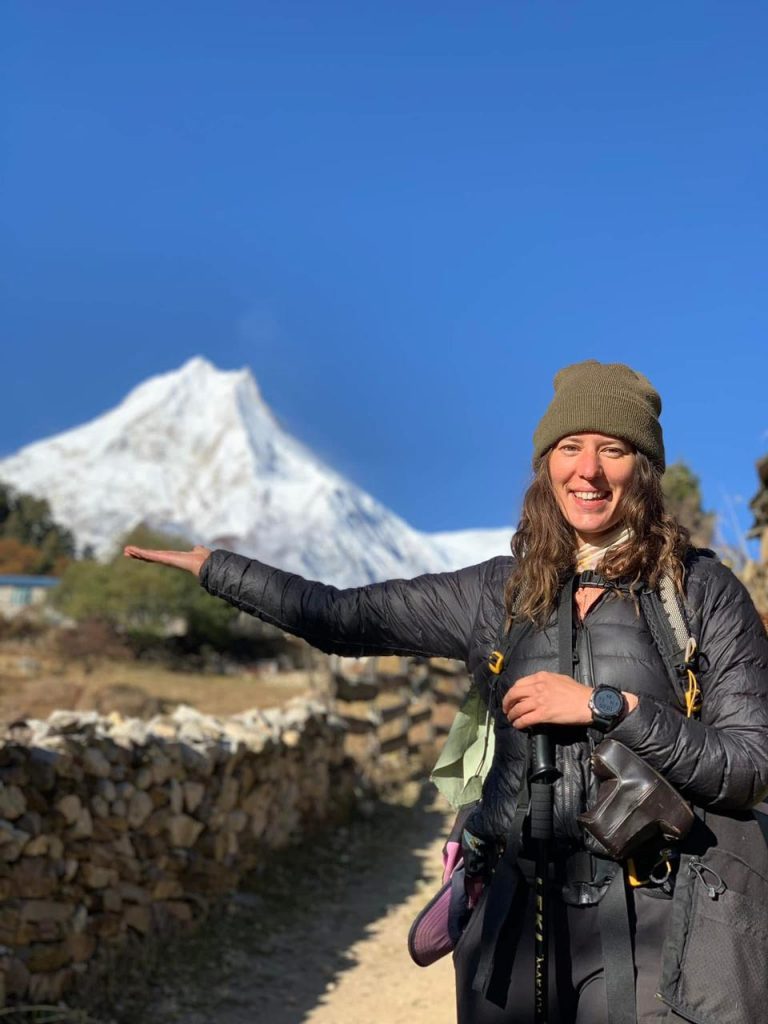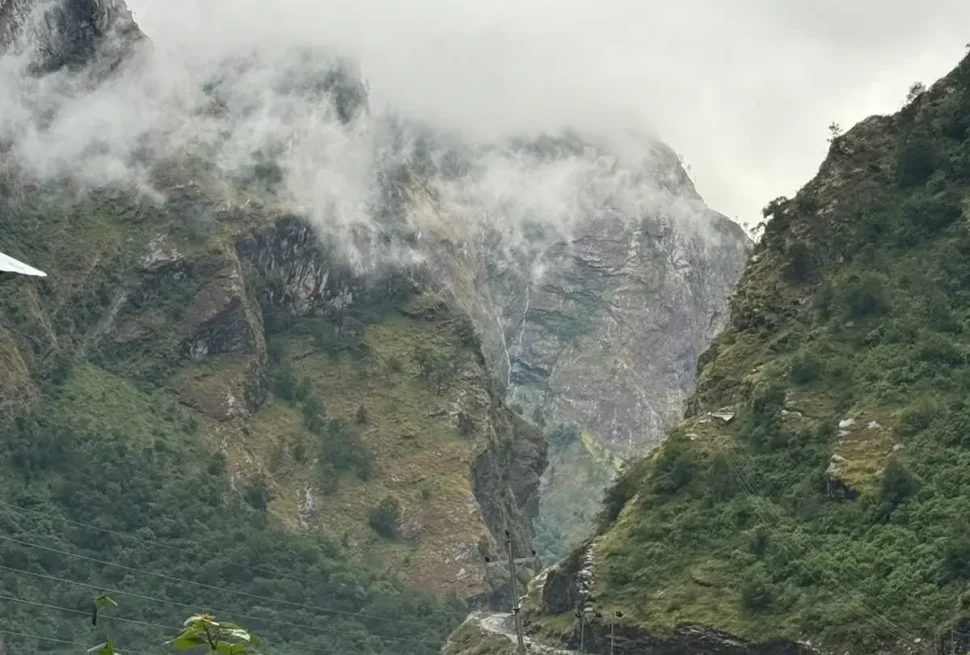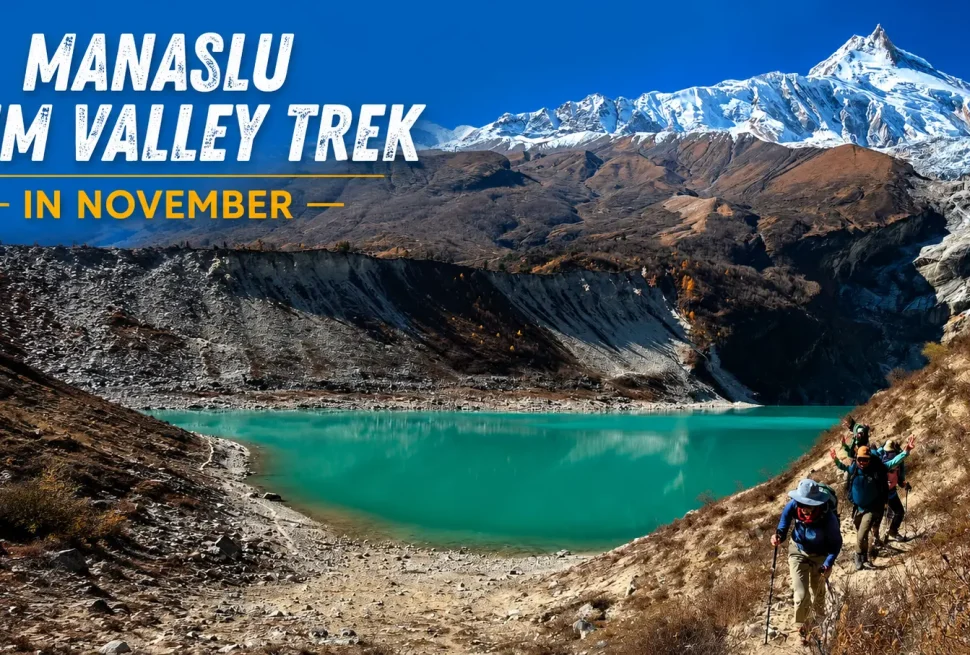
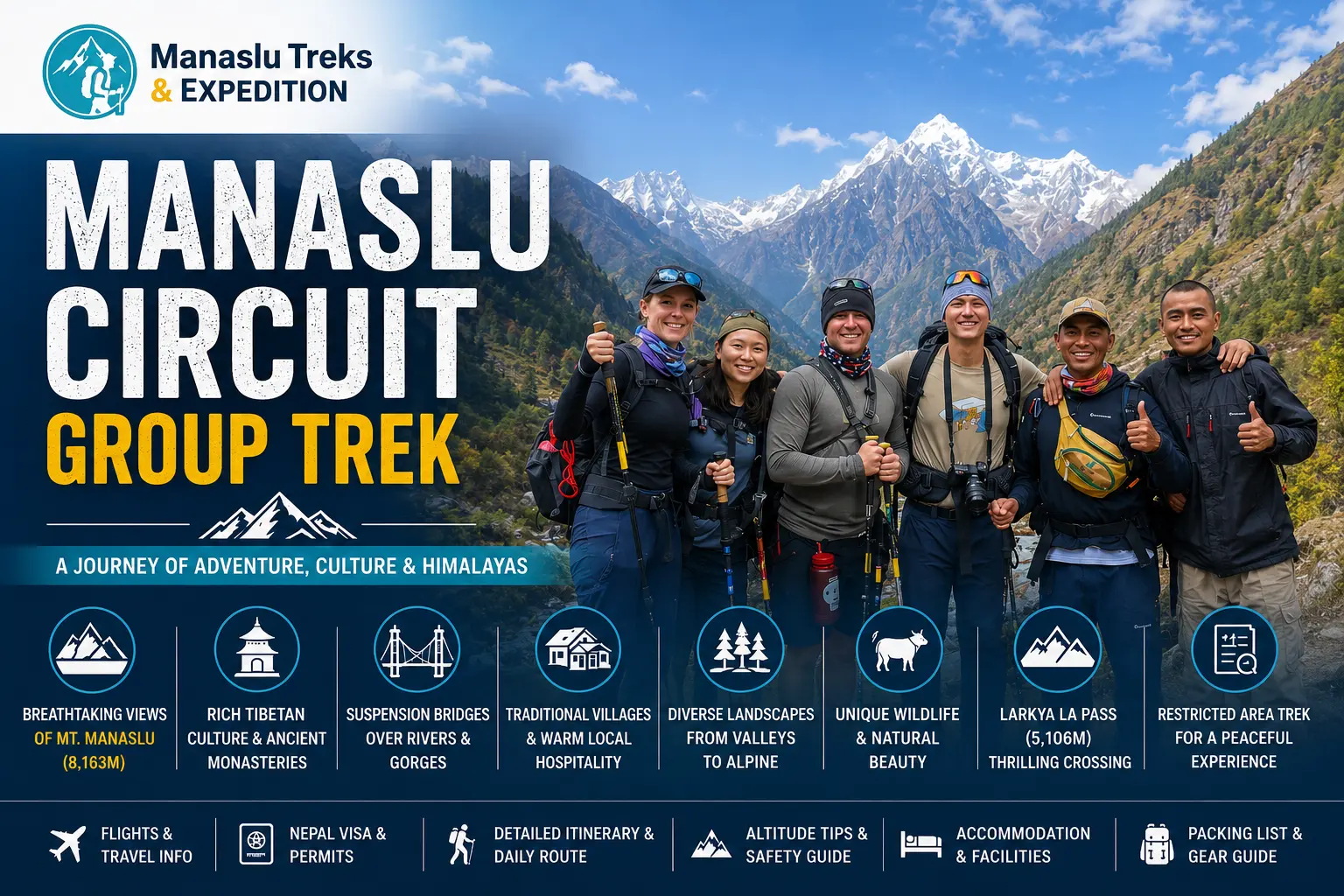
Manaslu Circuit Group Trek brings you face to face with the raw, untouched heart of the Himalayas. Circling Mount Manaslu, the eighth highest mountain in the world at 8,163 meters, this iconic Nepal group trek carries you through ancient Tibetan Buddhist villages, dense rhododendron forests, glacial moraines, and finally over the breathtaking Larkya La Pass at 5,106 meters. Because Manaslu sits inside a government-protected area, every trekker is required by Nepalese law to join an organized group with a licensed local guide, making the Manaslu Circuit Group Trek the only legal, safe, and truly rewarding way to walk this spectacular trail. Trust our manaslu trekking company for expert guidance on every Manaslu adventure.
Planning the Manaslu Circuit Trek and need help with permits, route, or itinerary?
WhatsApp us Email usWhat Is the Manaslu Circuit Group Trek?
The Manaslu Circuit Group Trek is a guided trekking journey around Mount Manaslu, the eighth highest mountain in the world at 8163 meters. The trail passes through the remote Budhi Gandaki valley, traditional Gurung and Tibetan villages, dense forests, alpine landscapes, ancient monasteries, and the spectacular Larkya La Pass at 5106 meters before reaching the Annapurna region.
Compared to the busier trekking routes in Nepal, the Manaslu region offers a more peaceful and authentic Himalayan experience. Trekkers walk together through remote mountain villages while experiencing local culture, dramatic scenery, and one of the most beautiful trekking routes in the Himalayas.
The group trekking experience also creates a strong connection among trekkers from different countries. Many travelers exchange trekking experiences, mountain travel stories, local culture, and personal adventures during the journey. Walking together for many days in the Himalayas naturally creates friendships and unforgettable memories along the trail.
The Manaslu Circuit Group Trek is ideal for trekkers looking for a well organized Himalayan adventure with experienced local guides, cultural immersion, mountain scenery, and the opportunity to connect with fellow trekkers during the journey.
Manaslu Circuit Group Departure Dates 2026
Join one of our Manaslu Circuit group departures in September, October or November 2026. Solo travellers, couples and small groups are welcome. Contact us to receive the best available group price.
September 2026
Booking OpenAvailable group starting dates:
Manaslu Circuit Group Joining Trek
View Trip DetailsOctober 2026
Most PopularAvailable group starting dates:
Manaslu Circuit Group Joining Trek
View Trip DetailsNovember 2026
Booking OpenAvailable group starting dates:
Manaslu Circuit Group Joining Trek
View Trip DetailsHave Your Own Preferred Trekking Date?
Your preferred date is not listed? Send us your travel date. We can arrange a new group departure or organize a private Manaslu Circuit Trek according to your schedule.
Want to Know the Latest Fixed Departures?
Contact our local team to check the latest confirmed Manaslu Circuit departure dates. We will send you the best available group option and price based on your travel schedule.
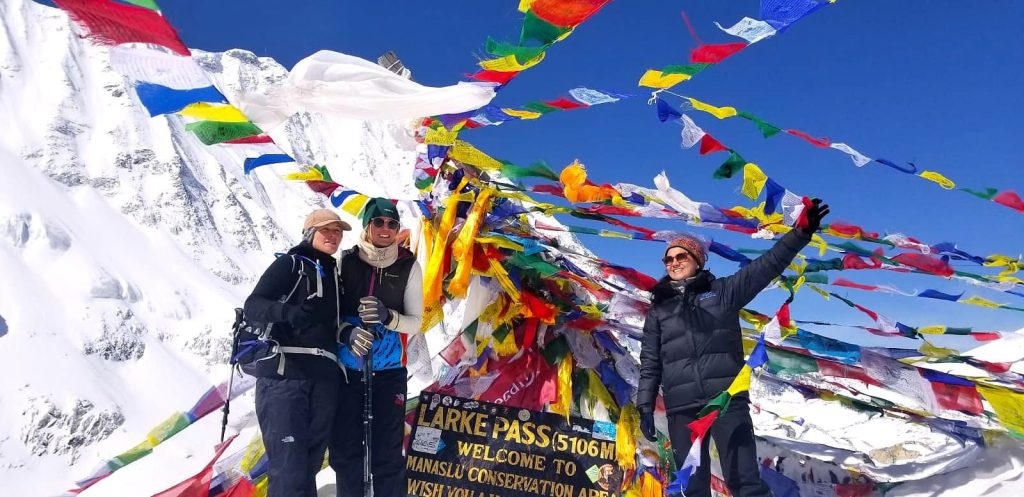
Facts about the Manaslu Circuit Trek:
- Total distance: approximately 177 km
- Highest point: Larkya La Pass at 5,106 metres
- Lowest sleeping altitude: Machha Khola at approximately 870 to 930 metres
- Standard duration: 14 days on trail, 16 days total from Kathmandu to Kathmandu
- Daily walking time: 5 to 7 hours average, up to 10 hours on Larkya La pass day
- Region: Gorkha district, Manaslu Conservation Area, exiting through Annapurna Conservation Area
- Year opened to foreign trekkers: 1991
- Status: Government restricted trekking area
The route at a glance runs from Kathmandu by jeep to Machha Khola, then on foot through Jagat, Deng, Namrung, Lho, Shyala, Samagaun, Samdo and Dharamsala before crossing the pass into Bhimthang, descending to Dharapani and driving back to Kathmandu.
What sets this circuit apart from every other trek in Nepal is its restricted area status. The trail runs close to the Tibetan border, which means Nepal’s Department of Immigration requires every foreign trekker to hold a Manaslu Restricted Area Permit (RAP) in addition to the standard Manaslu Conservation Area Permit (MCAP) and the Annapurna Conservation Area Permit (ACAP) needed for the exit leg. None of these permits can be obtained independently at a counter. Every one of them must be arranged through a registered Nepali trekking agency, and a licensed guide must accompany the group at all times.
That legal framework is exactly why the group format exists, and why so many trekkers across the world specifically search for a Manaslu Circuit Group Join Trek rather than planning a private solo expedition.
For a deep dive into every permit detail, cost and regulation, read the complete Manaslu Circuit Trek FAQ 2026 and 2027 guide on manaslutreks.com.
Ready to Trek the Manaslu Circuit in 2026?
Have questions about dates, permits, itinerary or cost? Talk directly with our local trekking team.
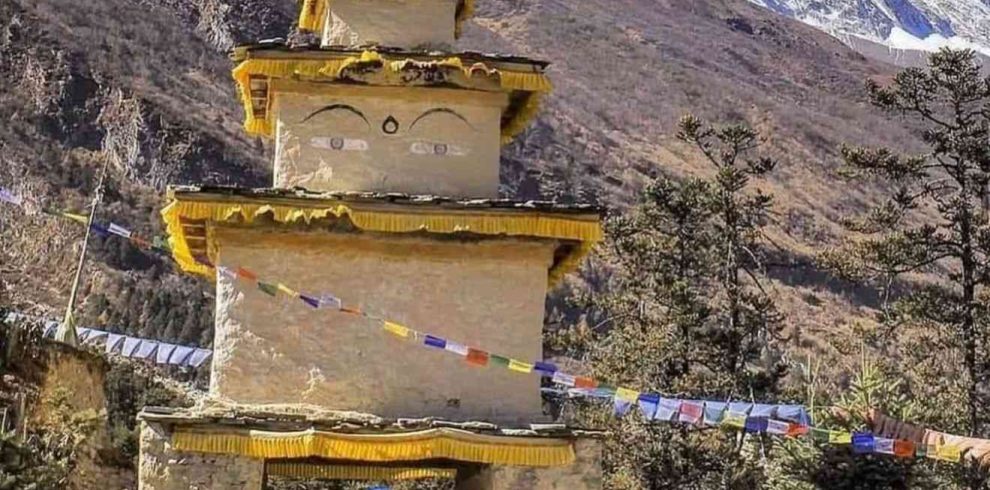
The 14-Day Manaslu Circuit Trek takes you around Mount Manaslu at 8,163 meters, the eighth-highest mountain on earth, through one of…
Solo Manaslu Circuit Trek vs Group Manaslu Circuit Trek
This is the question every planner eventually asks, and the honest answer is that a true solo Manaslu Circuit Trek simply does not exist under Nepal law.
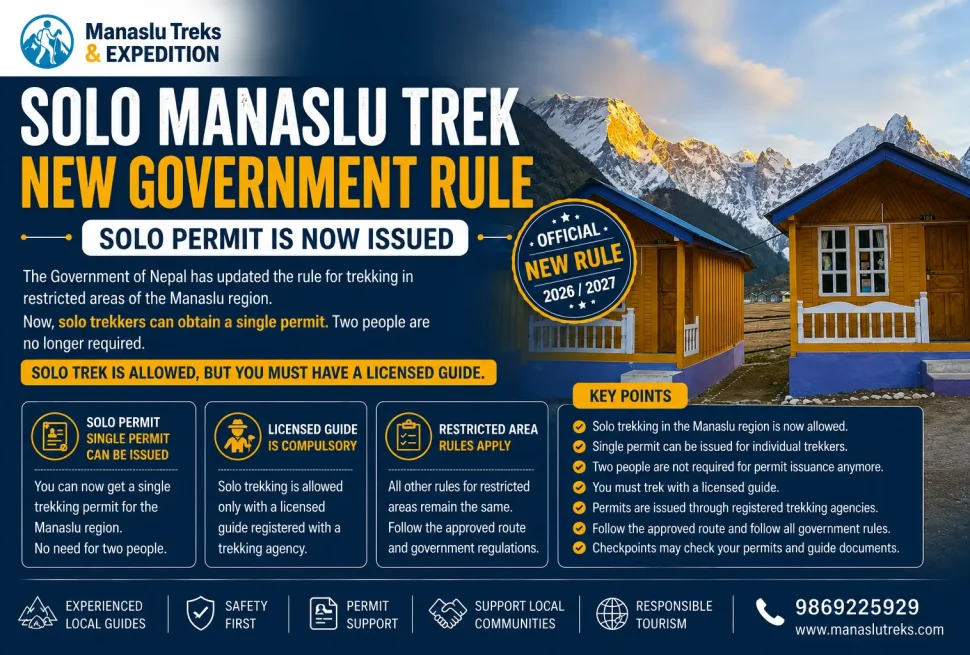
Before March 2026, the Department of Immigration required at least two foreign trekkers named on the same RAP form before any permit would be issued. A rule update on 22 March 2026 now allows an individual trekker to apply for a RAP, but the requirement for a registered agency and a licensed guide remains fully in force. You cannot walk from checkpoint to checkpoint on this trail with a TIMS card the way you might on the Annapurna Circuit. The five checkpoints at Jagat, Philim, Namrung, Samagaun and Samdo will turn back any trekker without a properly issued RAP and a guide walking alongside them.
So when people search for a solo Manaslu Circuit Trek, what they almost always mean is a group join departure, where a single trekker buys into a fixed departure alongside other travellers they have not met yet. This is one of the most popular formats in Nepal trekking and it works beautifully on the Manaslu Circuit.
| Factor | Group Join Trek | Private Trek |
|---|---|---|
| Average cost per person for 14 days | USD 850 to 1,200 | USD 1,290 to 1,900 |
| Permit logistics | Pre arranged for the whole group | Arranged for your party alone |
| Itinerary flexibility | Fixed dates and daily stages | Fully customisable |
| Social atmosphere | Trail family of 6 to 12 trekkers | Quieter, more intimate |
| Departure guarantee | Confirmed once minimum group forms | Guaranteed on any chosen date |
| Single supplement | Optional add on for solo room | Not applicable |
| Best suited to | Solo travellers, budget travellers, social personalities | Couples, families, photographers, slow trekkers |
The Manaslu Circuit Trek is a spectacular journey around Mount Manaslu (8,163 m), the eighth-highest mountain in the world. Located…
Manaslu Circuit Trek Cost 2026 by Group Size
The Manaslu Circuit Trek cost for 2026 depends on the number of trekkers in your group. As the group size increases, the cost per person becomes lower. Special discounts are available for all group sizes.
Advantages of the group format on the Manaslu Circuit
Joining a group is cheaper because the costs of permits, jeep transport, guide salary and porter logistics are shared across multiple paying members. It is also the natural solution to the RAP requirement, since two or more named trekkers sit on the same form. Beyond the paperwork and the savings, the group format creates something the private trek cannot: genuine trail companionship across twelve days of remote mountain walking. When your body struggles at 4,000 metres and a fellow trekker sits with you over a hot lemon tea and laughs about how much harder this is than the brochure suggested, that connection is irreplaceable.
Groups also receive priority teahouse booking in peak season. In mid October, when Samagaun and Dharamsala fill to capacity nightly, organised agencies pre book entire rooms weeks in advance. Independent walkers sometimes sleep on dining room benches. Group trekkers do not.
On Larkya La day specifically, the group advantage is a safety one. With a knowledgeable guide monitoring every member’s pace, oxygen saturation and cold exposure across an eight to ten hour crossing, the collective awareness of the group is a genuine lifeline at altitude.
Planning the Manaslu Circuit Trek and need help with permits, route, or itinerary?
WhatsApp us Email usWhat Is Included and Not Included in the Manaslu Circuit Trek Package?
Our Manaslu Circuit Trek package covers the main permits, transportation, accommodation, meals and trekking support required for the journey.
What Is Included
- Airport pickup and drop-off in Kathmandu
- Kathmandu hotel accommodation with breakfast, as mentioned in the itinerary
- Transportation from Kathmandu to the trek starting point
- Return transportation from the trek finishing point to Kathmandu
- Manaslu Restricted Area Permit
- Manaslu Conservation Area Permit
- Annapurna Conservation Area Permit
- Local municipality entry fee, when applicable
- Licensed and experienced Manaslu trekking guide
- Porter service according to the confirmed package
- Guide and porter salaries, meals, accommodation and insurance
- Breakfast, lunch and dinner during the trek
- Teahouse accommodation throughout the trekking route
- Private rooms where available
- Sleeping bag and down jacket, when required
- Trekking duffel bag for porter use
- Basic first-aid kit and oximeter carried by the guide
- Seasonal fresh fruit during the trek when available
- Government taxes and company service charges
- Pre-trek briefing and full local support in Nepal
What Is Not Included
- International flights to and from Nepal
- Nepal entry visa fee
- Travel and emergency evacuation insurance
- Alcoholic drinks, bottled drinks and soft drinks
Verified permit fees for 2026 and 2027:
- RAP September to November: USD 100 per person for the first 7 days plus USD 15 per person per extra day
- RAP December to August: USD 75 per person for the first 7 days plus USD 10 per person per extra day
- MCAP: NPR 3,000 (approximately USD 22 to 30)
- ACAP: NPR 3,000 (approximately USD 22 to 30)
- Total permit cost in autumn: approximately USD 150 to 165 per person
- Total permit cost in off season: approximately USD 125 to 140 per person
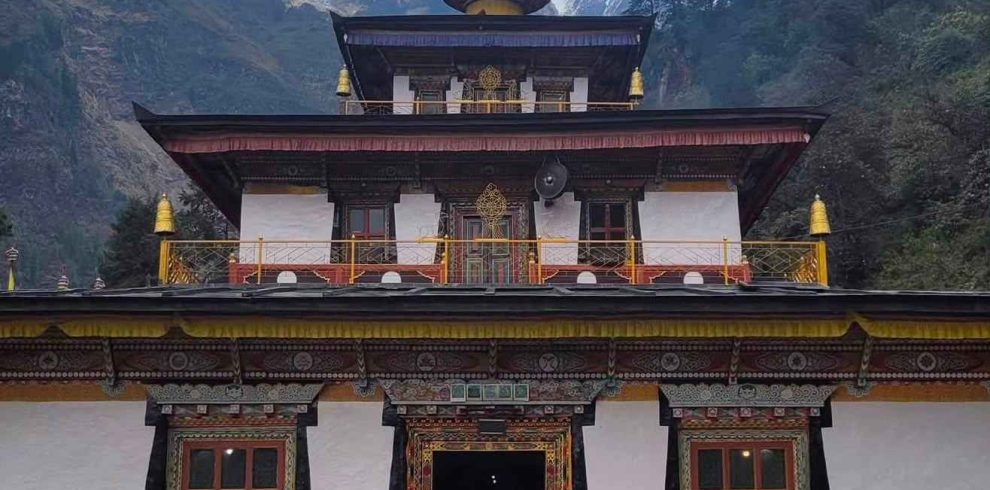
The Serang Gompa Trek is a cultural and nature-focused trekking route in the Nubri Valley of Nepal's Manaslu region. The…
The Manaslu Circuit Trek is a spectacular journey around Mount Manaslu (8,163 m), the eighth-highest mountain in the world. Located…
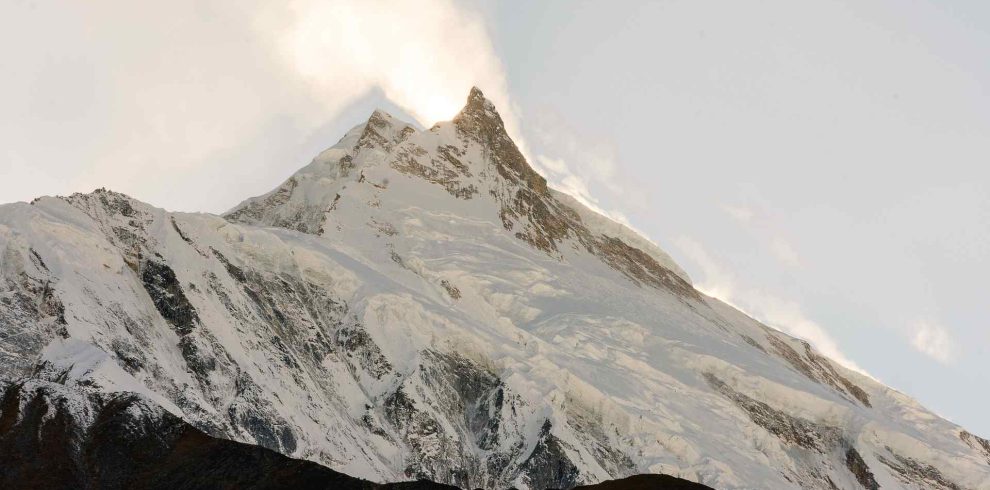
The 9 Days Manaslu Circuit Trek, also known as the Short Manaslu Circuit Trek, is designed for trekkers who want…
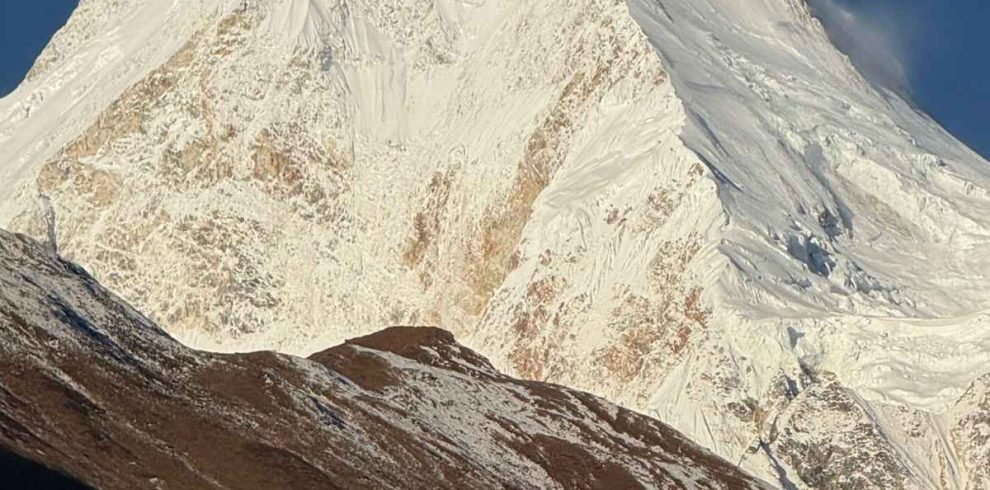
The Manaslu Base Camp Trek is one of Nepal's most spectacular and off-the-beaten-path trekking adventures. Set in the remote Manaslu…
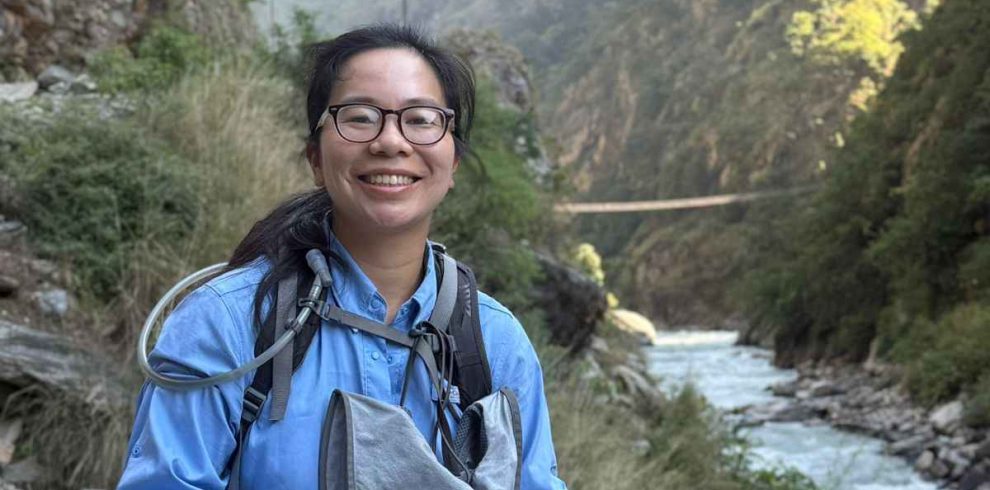
The Luxury Manaslu Circuit Trek is a comfortable way to explore one of Nepal’s most beautiful and less crowded trekking…
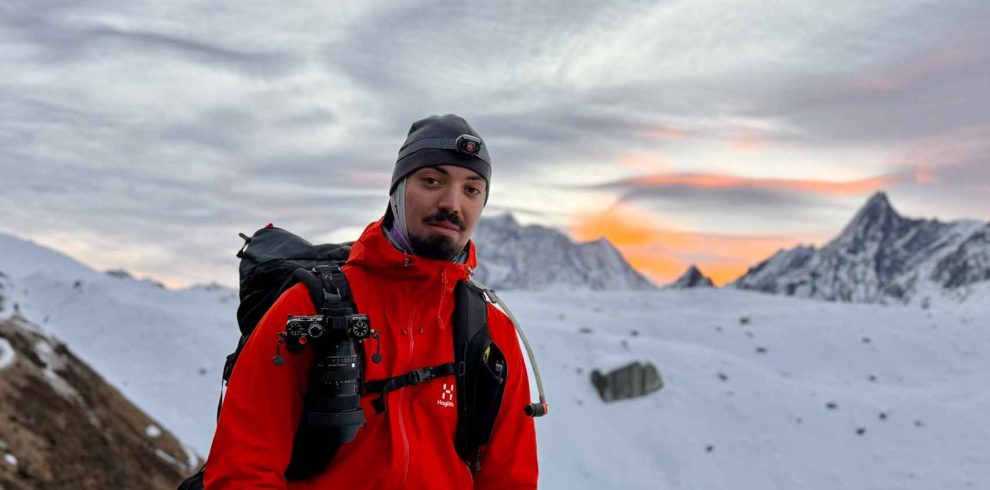
Are you interested in mountain photography and videography and looking for a quieter Himalayan route with more time at key…
Money-saving tips in the Manaslu Circuit Trek:
Travel in the early September or late November shoulder windows rather than peak October, book a group join instead of a private trek, share a porter with another trekker, choose local jeep transfers over private vehicles, and rent your sleeping bag, down jacket and microspikes from a Thamel gear shop in Kathmandu rather than buying new.
There are no ATMs beyond Arughat. Carry NPR 30,000 to NPR 50,000 in small notes for hot showers, charging fees, snacks, beverages and tips. Typically, guide and porter together run around USD 100 to USD 200 per staff member for the full trek.
For the most current pricing and to see exactly what each Manaslu Treks and Expedition package includes, visit the Manaslu Circuit Trek cost guide on manaslutreks.com.
Advantages and Disadvantages of the Group Manaslu Circuit Trek
Every trekking format comes with trade-offs. The group format on the Manaslu Circuit has clear, honest benefits and a few genuine limitations, and any good guide will tell you both.
Advantages of joining a Manaslu Circuit Group Trek:
The cost saving is real and significant. Permits, transport, and guide salaries shared across eight to twelve trekkers produce a per-head cost that a two-person private trek simply cannot match. The social dimension is equally real. A group of travelers who have never met becomes a trail family across twelve days of remote walking, sharing meals, milestones, and the particular exhaustion of altitude. That bond is one of the most commonly cited highlights in trekker reviews.
Safety improves with numbers on Larkya La day. A guide monitoring the whole group can catch early signs of altitude mountain sickness in one member while keeping the others moving safely. A lone trekker with a private guide has no such community net. The group format also removes the heavy burden of logistics. Pre-departure briefings in Kathmandu, pre-tested daily stages, pre-booked teahouses in peak season, a gear checklist from the agency, and a fixed per-day meal system all reduce the cognitive load on the trekker so the experience can be enjoyed rather than managed.
Disadvantages of the group format:
The pace is set by the slowest acclimatising member on any given day, which can frustrate physically fit trekkers who want to move faster. Twin-sharing rooms are the default arrangement, and a single supplement is needed if you want a solo room in the teahouses that offer them. Side trips to Pungyen Gompa, Manaslu Base Camp or Birendra Lake are often listed as optional rather than guaranteed in the day schedule. Group dynamics depend on the personalities who happen to book the same departure, and occasionally that chemistry is not perfect. Departure dates are fixed, which means your international flights need to fit the calendar rather than the other way around.
Best Time to Do the Group Manaslu Circuit Trek
The Manaslu Conservation Area experiences four distinct climatic seasons. Two of them are ideal for the group trek. Two of them are not.
Autumn: Mid-September to Late November — The Gold Standard Season
The monsoon washes off the sky in mid September and the Himalayan autumn begins. Trails firm up, visibility clears completely, and the air carries that particular sharpness that makes every mountain view feel painted rather than real. October is the single best month for the Manaslu Circuit Group Trek. The days are warm enough in the lower valleys, the Larkya La is clear of new snow, the teahouses are fully open and fully stocked, and the cultural calendar brings Dashain and Tihar celebrations through the villages along the way.
Daytime temperatures in lower villages run 10 to 20 degrees Celsius. Around Samagaun and Samdo they sit at 5 to 15 degrees during the day. At Dharamsala and on the pass itself, nights drop to minus 5 to minus 15 degrees Celsius with windchill pushing colder. November is nearly as good as October with crisper, quieter trail conditions, though nights get noticeably colder and a few teahouses begin closing in the last two weeks.
Spring: March to May — The Second Peak Season
Spring on the Manaslu Circuit is a different kind of beautiful. The rhododendron forests between Machha Khola and Namrung explode in red and pink. Mountaineering expedition teams begin their rotation to Manaslu Base Camp via Samagaun, adding a charged atmosphere of big-mountain ambition to the trail. April is the sweet spot inside this season, with warm lower valleys, manageable pass conditions and clear skies most mornings.
Daytime temperatures in lower villages reach 15 to 25 degrees. Upper villages sit at 5 to 15 degrees during the day. Night temperatures at Larkya Phedi and the pass hover around minus 5 to minus 12 degrees. Late May can bring pre monsoon afternoon showers into the lower forests, and early March can leave Larkya La icy and demanding.
Winter: December to February — For Hardened Trekkers Only
Heavy snow accumulates on Larkya La from late December onward. Multiple teahouses in Samdo and Dharamsala close entirely. Daytime highs struggle to reach zero at altitude, and pass crossings with wind chill can fall below minus 20 degrees Celsius. Early December is a viable and quiet window for very well-equipped, experienced trekkers. The rest of winter is genuinely difficult and not recommended for group join departures.
Monsoon: June to August — Generally Not Recommended
July brings heavy rain to the lower trail, leech infested forest sections, frequent landslides between Soti Khola and Jagat, and persistent cloud cover that hides the mountains for days. The upper Manaslu region sits in a partial rain shadow and some operators run treks through this season, but visibility on the pass is poor and the trail hazards are significant.
Most popular fixed departure months: October, April, November, May, March and September in that order.
Who Is the Manaslu Circuit Group Trek For?
The Manaslu Circuit is a moderate-to-challenging grade trek, and it welcomes a broader range of trekkers than its remote reputation might suggest.
Fitness level: Trekkers should be able to walk 6 to 8 hours a day over uneven mountain terrain while carrying a daypack weighing 6 to 8 kg, and repeat this effort for 9 to 12 consecutive days. Manaslu Treks and Expedition recommends preparing for 8 to 12 weeks before departure, combining hilly hikes with a loaded pack, four to five days a week of cardio, and leg-strengthening exercises like squats, lunges, and step-ups.
Experience required: No technical climbing skill is necessary. Prior high altitude trekking experience is helpful but not required. Many trekkers complete the Manaslu Circuit as their very first Nepal trek, and our guides regularly lead complete beginners through the full loop with the 14 to 16-day itinerary. The key is pacing and proper acclimatisation, both of which a good group guide manages for you.
Age range: There is no government-imposed age limit. Our team has guided trekkers from age four walking with parents to trekkers past seventy in excellent health. The recommended range for solo participation in a group join departure is 18 to 65, with trekkers over 60 encouraged to provide a recent medical clearance and consult a doctor about altitude considerations before booking.
Who this trek is perfect for: Solo travellers who want the camaraderie of a built in trail family, budget-conscious adventurers who want a premium Himalayan experience without the premium private price, travellers drawn to living Tibetan Buddhist culture in the Nubri Valley villages, and anyone who wants far fewer crowds than Everest Base Camp or the Annapurna Circuit while still walking a route of equal scenic drama.
Who should think carefully: Trekkers with serious cardiovascular or respiratory conditions, anyone unwilling to spend twelve days in basic teahouse conditions with limited Wi Fi, cold showers and pit toilets above Namrung, and travellers expecting five star comfort at altitude.
Planning the Manaslu Circuit Trek and need help with permits, route, or itinerary?
WhatsApp us Email usGroup Manaslu Trek Organizer: Why Choose Manaslu Treks and Expedition?
Manaslu Treks and Expedition Nepal Pvt Ltd is a Kathmandu-based, government-registered local trekking company built around one region and one mission: giving every trekker the most genuine, well-organized, and fairly priced experience on the Manaslu Circuit and its neighboring trails.
Our guides are not generalists pulled from a staffing pool. Many were born in or near Gorkha district and have been walking the Budhi Gandaki valley since childhood. They know which teahouse in Samagaun keeps the warmest dining hall, which section of trail between Ghap and Namrung is most prone to landslide debris after rain, and exactly when to call a weather hold on the morning of the Larkya La crossing. That local knowledge does not come from a training manual. It comes from years of walking this specific trail.
What makes Manaslu Treks and Expedition different:
- No advance payment required. Confirm your trek on arrival in Kathmandu. Your money stays safe until we meet.
- All inclusive pricing. Every permit, every transport leg, guide, porter, meals on trail and Kathmandu accommodation are bundled into your package with no surprise extras.
- 24 hour WhatsApp support. From the day you enquire to the day you fly home, our team is reachable at any hour.
- Government-licensed guides trained in altitude first response, equipped with pulse oximeters, supplemental oxygen protocol training, and emergency communication equipment.
- Flexible itineraries. Fixed departures exist for group join trekkers, and private departures can be built around your exact schedule, pace and interests.
- Transparent permit handling. We track every update from the Department of Immigration, including the March 2026 RAP rule change, and apply the current regulations precisely.
Reach us any time on WhatsApp at +977 9869225929 or by email at info@manaslutreks.com. Read verified client reviews at manaslutreks.com/reviews.
What You Should Know Before You Book a Group Manaslu Circuit Trek
Booking a restricted-area trek in Nepal requires more preparation than a standard trail. Here is everything to check off before you confirm your departure.
Documents and permits:
Bring a passport valid for at least six months beyond your Nepal entry date. You will need two to four recent passport-sized photographs for permit processing. Your agency will need to see the original passport at the Department of Immigration, so do not send a scan only. A Nepal visa can be obtained on arrival at Tribhuvan International Airport or in advance through the e-Visa portal.
The RAP, MCAP, and ACAP permits are non-transferable and largely non-refundable. Your agency needs at least one full working day in Kathmandu, Sunday through Friday, to process all permits before you can depart for the trailhead.
Insurance: this is not optional:
Every trekker on the Manaslu Circuit must hold comprehensive travel insurance that explicitly covers high altitude trekking above 5,000 metres, trekking in restricted areas in Nepal, and helicopter rescue and evacuation in Nepal to a minimum coverage of USD 6,000. From Samagaun through Bhimthang, there is no road. The helicopter is the only emergency exit. Without valid insurance, your guide will not allow you to continue past a certain altitude, and for good reason.
Commonly recommended providers include World Nomads, SafetyWing, Global Rescue, True Traveler, and IMG Signature. Always read the policy and confirm altitude coverage before purchasing.
Acclimatisation rules every group member follows:
A mandatory rest day in Samagaun is built into every responsible Manaslu Circuit itinerary. Many operators also include a half-day acclimatization in Samdo. The principle is simple: hike high during the day, sleep at the lower altitude. Drink 3 to 4 litres of water daily. Avoid alcohol, tobacco and sleeping pills at altitude. Many trekkers take Diamox under medical advice as a preventive measure against altitude sickness.
Cash to carry:
There is no ATM beyond Arughat. Carry NPR 30,000 to NPR 50,000 in small denomination notes for hot showers, device charging, extra snacks, drinks and staff tips. Charging fees at altitude typically run USD 1 to USD 5 per device per hour where electricity is available at all.
Essential gear to pack:
A layered clothing system with thermal base layers, a fleece mid layer, a down jacket and a waterproof shell. Trekking trousers and thermal leggings. A sleeping bag rated to minus 10 degrees Celsius comfort level or warmer (rentable in Thamel, Kathmandu). Sturdy broken in waterproof trekking boots with ankle support. Trekking poles. Headlamp with spare batteries. UV 400 sunglasses and SPF 50 or higher sunscreen. A wide brimmed sun hat plus warm beanie and liner gloves. A 2 to 3 litre hydration system plus water purification tablets or a filter. A personal first aid kit including Diamox, Dexamethasone, ibuprofen, ORS sachets, blister plasters and antiseptic. Microspikes for autumn late season or early spring. A power bank of at least 20,000 mAh plus a universal power adapter.
Common Problems on a Group Manaslu Circuit Trek
Honest information about trail challenges builds the kind of trust that marketing never can. Here is what actually goes wrong on the Manaslu Circuit, and how the group format addresses it.
Altitude Mountain Sickness (AMS): AMS risk begins above 3,000 metres and rises sharply above 3,500 metres. Symptoms are headache, nausea, dizziness, loss of appetite and disrupted sleep. The more serious forms, HACE and HAPE, are rare but immediately life-threatening and require descent or helicopter evacuation. The northern section from Samagaun to Bhimthang has no road access, making a helicopter the only fast option in an emergency. A licensed guide with a pulse oximeter monitoring every group member daily is your best defense.
Larkya La Pass day demands: The crossing begins at 3 to 4 in the morning from Dharamsala with headlamps. The ascent gains around 650 meters over frozen scree and often icy snow. The descent into Bhimthang drops approximately 1,400 metres over eight to ten hours of total walking. Cold, wind and crusted snow are the norm even in October. Your group guide sets the pace, watches the weather window, and makes the call if conditions are not safe.
Weather volatility: Sudden snowfall on the pass, monsoon rain on the lower trail, fog in early September and cold snaps in the last week of November are all normal events. Responsible operators build buffer days into the itinerary. Fixed-departure groups benefit from an agency that has walked this circuit enough times to know which days to push and which to wait.
Landslide zones: The sections between Jagat and Deng, around Ghap, and on the road between Soti Khola and Machha Khola are all landslide-prone after rain. Guides clients around damage when possible and flags conditions honestly.
Teahouse capacity in peak season: Samagaun, Samdo, and Dharamsala fill to capacity nightly in mid-October. Reputable group operators pre book rooms weeks ahead. Independent walkers without this network sometimes sleep on dining hall benches.
Permit and rule changes: RAP regulations updated as recently as 22 March 2026. Always book through a registered agency that actively monitors policy changes from the Department of Immigration. Manaslu Treks and Expedition tracks every update so your permits are always current and compliant.
Connectivity: NTC SIM gives the best partial signal coverage along the lower trail. Dead zones begin above Samagaun. Plan to be fully offline on the pass and in Bhimthang.
Group Manaslu Circuit Trek Itinerary: 14 Days Day by Day
The following itinerary is the 14 day standard used by Manaslu Treks and Expedition. Every altitude, distance, and teahouse stop has been cross-verified against the trail and multiple operator itineraries.
Day 1: Drive Kathmandu to Machha Khola — 870 to 930 metres — 8 to 9 hours by jeep
The group assembles in Kathmandu for a pre-departure briefing covering permits, gear checks, and the days ahead. Before dawn the next morning, the jeep convoy climbs out of the Kathmandu valley, crosses the Trishuli river, pushes through Dhading Bensi, drops to Arughat Bazaar where you collect the RAP stamp, and then bumps along an off road track beside the Budhi Gandaki river to Machha Khola. The air smells of river mud and jungle. Overnight at a riverside teahouse.
Day 2: Machha Khola to Jagat — 1,340 to 1,410 metres — 6 to 7 hours — approximately 22 km

The first full walking day moves past the warm natural pools of Tatopani, over a long suspension bridge strung high above the river gorge, and up wide stone staircases through terraced farmland. Jagat is the official entry checkpoint of the restricted area, where your guide presents the RAP to the checkpoint officer. Overnight in Jagat.
Day 3: Jagat to Deng — 1,860 metres — 6 to 7 hours — approximately 20 km
Through the Gurung village of Philim, past the Tsum Valley junction at Lokpa for those not taking the extension, and into a narrow, uninhabited gorge where bamboo crowds the trail on both sides. The landscape starts shifting here from Nepal’s green hill country into something rawer. Overnight in Deng.
Day 4: Deng to Namrung — 2,630 to 2,660 metres — 6 to 7 hours — approximately 17 to 19 km
A series of suspension bridges, the small settlements of Rana, Bihi Phedi, and Ghap, and a zig-zag trail climbing through landslide zones bring the group to Namrung. The architecture here starts showing its Tibetan character: flat roofs, prayer flags, mani stone walls. Overnight in Namrung.
Day 5: Namrung to Samagaun via Lho and Shyala — 3,520 to 3,530 metres — 6 to 7 hours — approximately 15 to 18 km
Past the villages of Lihi and Sho, then into Lho, where the Ribung Gompa sits on a ridge with the full face of Manaslu framed behind it. This is many trekkers first clear sighting of the mountain and the effect is staggering. Shyala at 3,500 meters offers a panoramic mountain bowl before the final descent into Samagaun, the largest village in the upper Budhi Gandaki valley. Overnight in Samagaun.
Day 6: Acclimatization Day in Samagaun — 3,520 metres
This day is mandatory and non negotiable. The body needs time to adjust to altitude before pushing higher. Optional hikes give the group productive ways to spend the day: Birendra Lake at 3,691 metres is a glacial gem thirty minutes from the village, Pungyen Gompa sits on a ridge above town with views across the entire Manaslu range, and a day walk toward Manaslu Base Camp at 4,800 metres gives strong walkers a genuine altitude warm up. Overnight in Samagaun.
Day 7: Samagaun to Samdo — 3,860 to 3,875 metres — 3 to 4 hours — approximately 8 km
A short, gentle walk along a wide valley floor past mani walls and clusters of prayer flags to Samdo, one of the last permanent settlements before the Tibetan border. The short day is intentional: rest in the afternoon, sleep well, let the altitude settle. Some guides arrange an optional afternoon hike toward Rui La pass for further acclimatisation. Overnight in Samdo.
Day 8: Samdo to Dharamsala — 4,460 to 4,470 metres — 4 to 5 hours — approximately 6 to 12 km
A slow, steady climb over alpine meadow and moraine to the stone shelter at Dharamsala, known locally as Larkya Phedi, the base camp for the pass crossing. The teahouse here is basic: shared rooms, limited menu, no hot shower, no phone signal. Sleep early. The alarm is set for 3 a.m.
Day 9: Larkya La Pass Crossing to Bhimthang — 5,106 metres at the summit, 3,590 to 3,720 metres at Bhimthang — 8 to 10 hours — approximately 16 to 24 km
This is the day the entire trek builds toward. The group sets out in darkness, headlamps illuminating the frozen trail. The guide moves steadily, checking in with each member. The ascent gains around 650 metres over snow and scree. At the top of Larkya La, prayer flags snap in the wind and the panorama opens across Himlung, Cheo Himal, Kangguru and the Annapurna range. Then the descent begins, long and knee testing, dropping 1,400 metres through the Larkya glacier runoff terrain into the wide green meadow of Bhimthang. The emotional and physical release when the teahouse comes into view is something every Manaslu Circuit trekker remembers for the rest of their life. Overnight in Bhimthang.
Day 10: Bhimthang to Tilche or Dharapani — 1,910 to 2,515 metres — 6 to 7 hours — approximately 18 km
Down through pine forest, across river bridges and past apple orchard villages, the group re enters the Annapurna Conservation Area and joins the famous Annapurna Circuit trail. The air thickens with oxygen, the joints thank you for the lower altitude, and the teahouse at Tilche or Dharapani feels like extraordinary luxury after Dharamsala. Overnight at Tilche or Dharapani.
Day 11: Drive Dharapani to Besisahar and onward to Kathmandu — approximately 9 to 10 hours
Local jeep along the Marsyangdi valley to Besisahar, then a transfer to a tourist bus or a continued jeep for the final run to Kathmandu. The city feels overwhelming after ten days of clean mountain air. Farewell dinner in Thamel with the guide and fellow trekkers. Overnight in Kathmandu.
Optional extensions available through Manaslu Treks and Expedition:
- Tsum Valley extension: 5 to 7 additional days into one of Nepal’s most isolated Himalayan valleys
- Manaslu Base Camp side trip: 1 additional day out of Samagaun
- Full Annapurna Circuit continuation: continue through Manang, over Thorong La, through Muktinath and Jomsom for a true Himalayan grand traverse
Read the full Manaslu Circuit Trek 2026 and 2027 itinerary and package details on manaslutreks.com.
Frequently Asked Questions About the Group Manaslu Circuit Trek
Can I do the Manaslu Circuit Trek solo without joining a group?
You cannot walk the Manaslu Circuit without a registered agency and a licensed guide regardless of group size. The Manaslu Restricted Area Permit is only issued through a registered Nepali agency. What most people searching for a solo trek actually want is a group join fixed departure where they travel with other trekkers under a shared organization.
How many people are typically in a group join Manaslu Circuit Trek departure?
Most fixed departures run with 6 to 12 trekkers plus one guide and one assistant guide for every 6 to 8 members. Smaller groups of 4 to 6 trekkers are also common on departures with local operators.
Is the Manaslu Circuit Trek suitable for beginners?
Yes, with the right preparation. No technical climbing skill is needed. Beginners who train consistently for 8 to 12 weeks before departure and follow the acclimatization schedule on a 14-day itinerary complete this trek successfully every season.
What permits do I need for the Manaslu Circuit Group Trek?
Three permits are required: the Manaslu Restricted Area Permit (RAP), the Manaslu Conservation Area Permit (MCAP), and the Annapurna Conservation Area Permit (ACAP). All three are arranged by your registered agency and bundled into the package price at Manaslu Treks and Expedition.
When is the best time to join a group Manaslu Circuit Trek?
October is the single best month for clear skies, stable weather and the best pass conditions. April is the second best. March, May, September, and November are all viable with minor trade-offs in weather, temperature, or teahouse availability.
How difficult is the Larkya La Pass crossing?
The crossing is long and demanding rather than technically difficult. It involves an 8 to 10-hour day with a 3 to 4 a.m. start, altitude above 5,100 meters, cold temperatures, wind, and icy terrain. A fit, well-acclimatized trekker completes it without technical equipment. Trekking poles and microspikes are strongly recommended.
What is the Manaslu Circuit Trek group price in 2026?
Group join packages from local operators run USD 850 to USD 1,900 per person for 14 to 16 days all inclusive. Manaslu Treks and Expedition packages start at USD 1,050 for group-join departures. Contact us directly for the current fixed departure calendar and pricing.
Is travel insurance mandatory for the Manaslu Circuit Trek?
Yes. Comprehensive travel insurance covering high altitude trekking above 5,000 metres, restricted area trekking in Nepal, and helicopter rescue and evacuation is required. Your guide will ask to see your insurance policy before the group departs Kathmandu.
Book Your Group Manaslu Circuit Trek with Manaslu Treks and Expedition
The Manaslu Circuit is not a trek you stumble upon. You choose it deliberately, knowing that the reward on the other side of Larkya La, the views of an eight thousand metre peak at arm’s length, the silence of the Nubri Valley, the warmth of a teahouse fire after the longest walking day of your life, is worth every step of preparation.
Manaslu Treks and Expedition has been leading this circuit for trekkers from around the world throughout every season. Our team knows this trail the way you know your own neighborhood. We will handle every permit, every jeep transfer, every teahouse booking and every altitude check so that your only job on the trail is to walk, breathe and look up.
Fixed departure group join treks run throughout the spring and autumn seasons. No advance payment is required to confirm your place.
Contact us today:
- WhatsApp: +977 9869225929
- Email: info@manaslutreks.com
- Website: manaslutreks.com
Read our complete Manaslu Circuit Trek 2026 guide with over 1000 FAQs and browse all available Manaslu Circuit Trek packages and fixed departure dates on manaslutreks.com.
Planning the Manaslu Circuit Trek and need help with permits, route, or itinerary?
WhatsApp us Email us