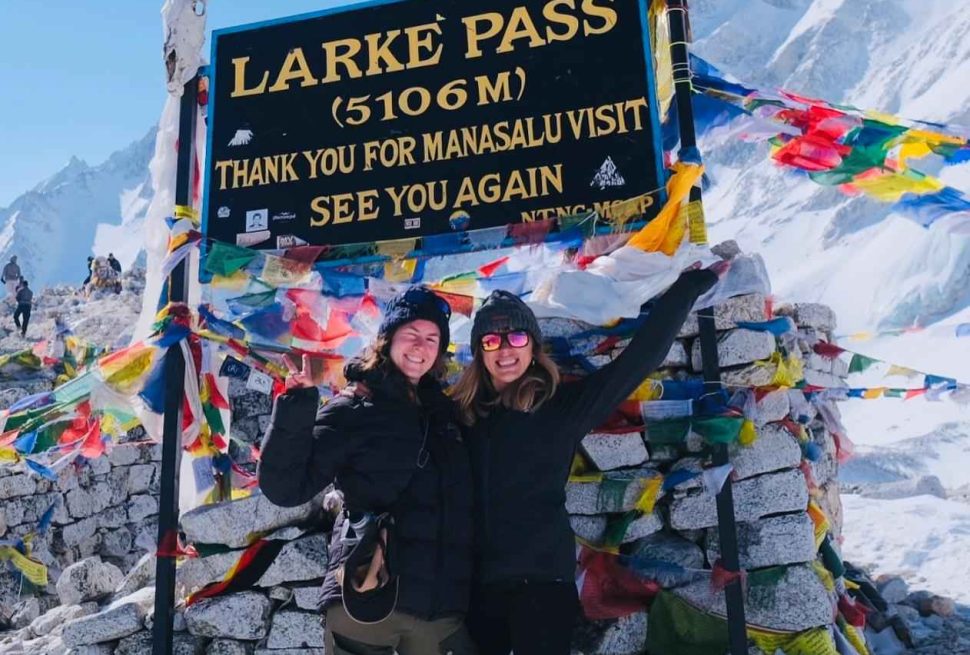
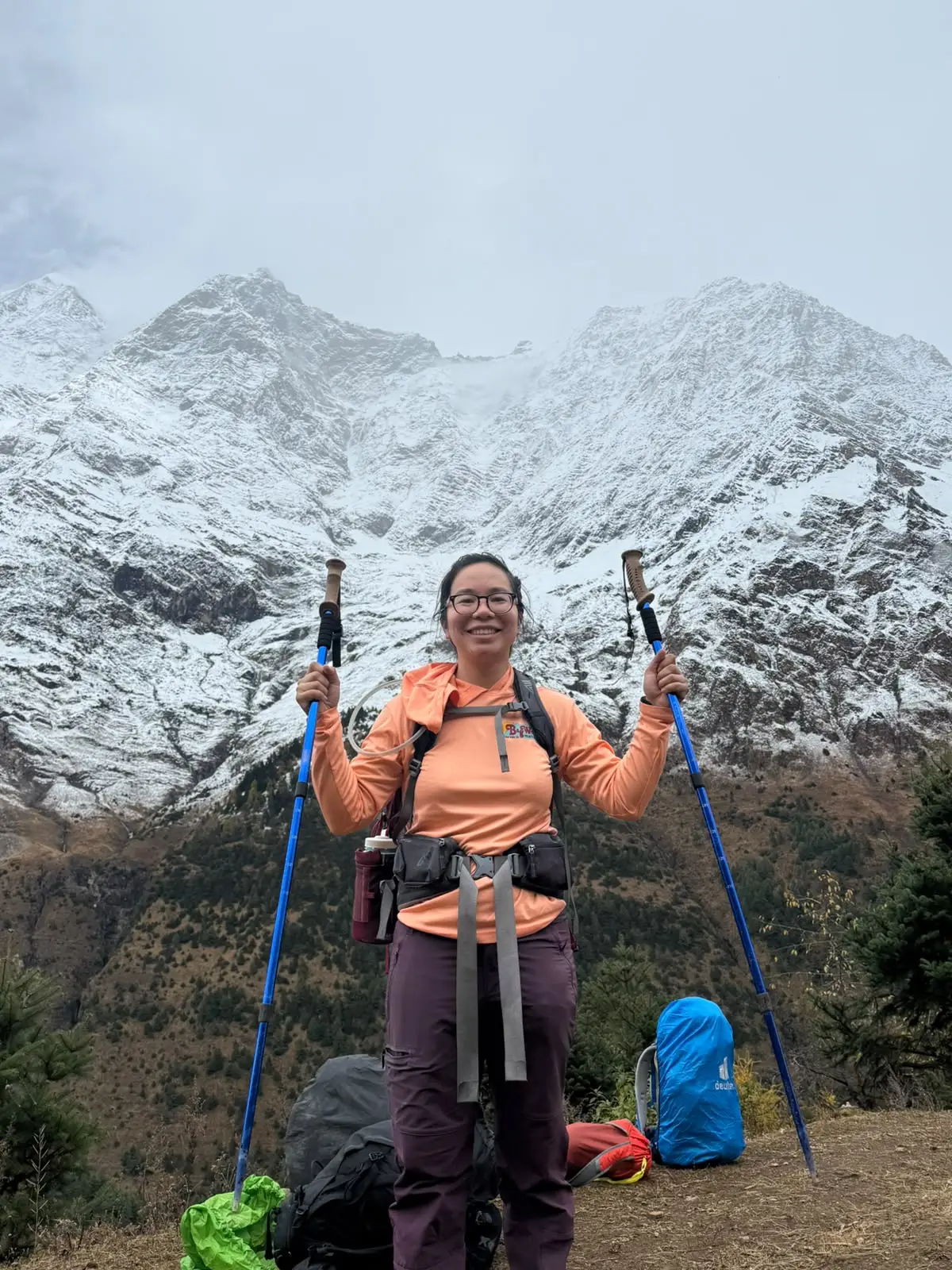
The Manaslu Circuit Trek is among Nepal’s most rewarding off-the-beaten-path adventures. It circles Mount Manaslu, the world’s eighth-highest peak at 8,163 meters. Each year, trekkers cross the 5,160-meter Larke Pass, visit Tibetan Buddhist villages, and traverse landscapes that transition from subtropical valleys to alpine deserts. While most opt for autumn or spring, experienced trekkers now ask: Is the Manaslu Circuit possible during the monsoon?
If you are reading this in July 2026 and considering a monsoon trek, you need current and reliable information. Advice from old guidebooks or people who haven’t been on the trail in July may not help. You need the latest updates on road status, trail conditions, weather, teahouse availability, and safety. Be sure your information comes from a team that truly knows the Manaslu region.
Manaslu Treks guides this circuit year-round. Our team keeps in touch with teahouse owners, jeep drivers, and local officials. This update reflects the real situation as of July 6, 2026. We have walked these trails in the rain, crossed landslide areas, and stayed in the teahouses that remain open when others close. This guide is based on our direct experience and is here to help you trek the Manaslu Circuit during the monsoon. The answer is yes—the Manaslu Circuit Trek is possible during the monsoon season, which runs from June to August in Nepal. However, possible does not mean easy, and it is not the same as trekking in October or April. The monsoon transforms the Manaslu region. Valleys turn deep green, rivers swell with glacial melt and rain, and clouds often cover the ridges, sometimes hiding the mountain views that make this trek famous. But for trekkers who understand the trade-offs and come prepared, the monsoon offers something special. In peak autumn, the trail from Machha Khola to Larke Pass is usually crowded. You meet groups at every teahouse, and dining halls are full of lively conversations. In July, you might see only seven to ten trekkers a day. You can walk for hours without meeting anyone else. Teahouse owners who stay open have time to sit with you, share stories, and offer genuine hospitality instead of rushed service. The monsoon Manaslu trek is quieter, wilder, and more personal.
There are real challenges. Heavy rain falls, especially in the afternoons and evenings. Trails in lower areas get muddy and slippery. Leeches thrive in humid forests below 2,000 meters. Landslides can block roads and sections of trail. Clouds often hide the mountain views that make the Manaslu Circuit famous. You need the right gear, realistic expectations, and, ideally, a local guide who knows current conditions. The monsoon Manaslu Circuit is a true adventure. For first-time high-altitude trekkers or those with tight schedules, we usually recommend waiting until autumn. Your choice depends on experience, risk tolerance, and what you seek from the journey.
Current Weather Situation in the Manaslu Region
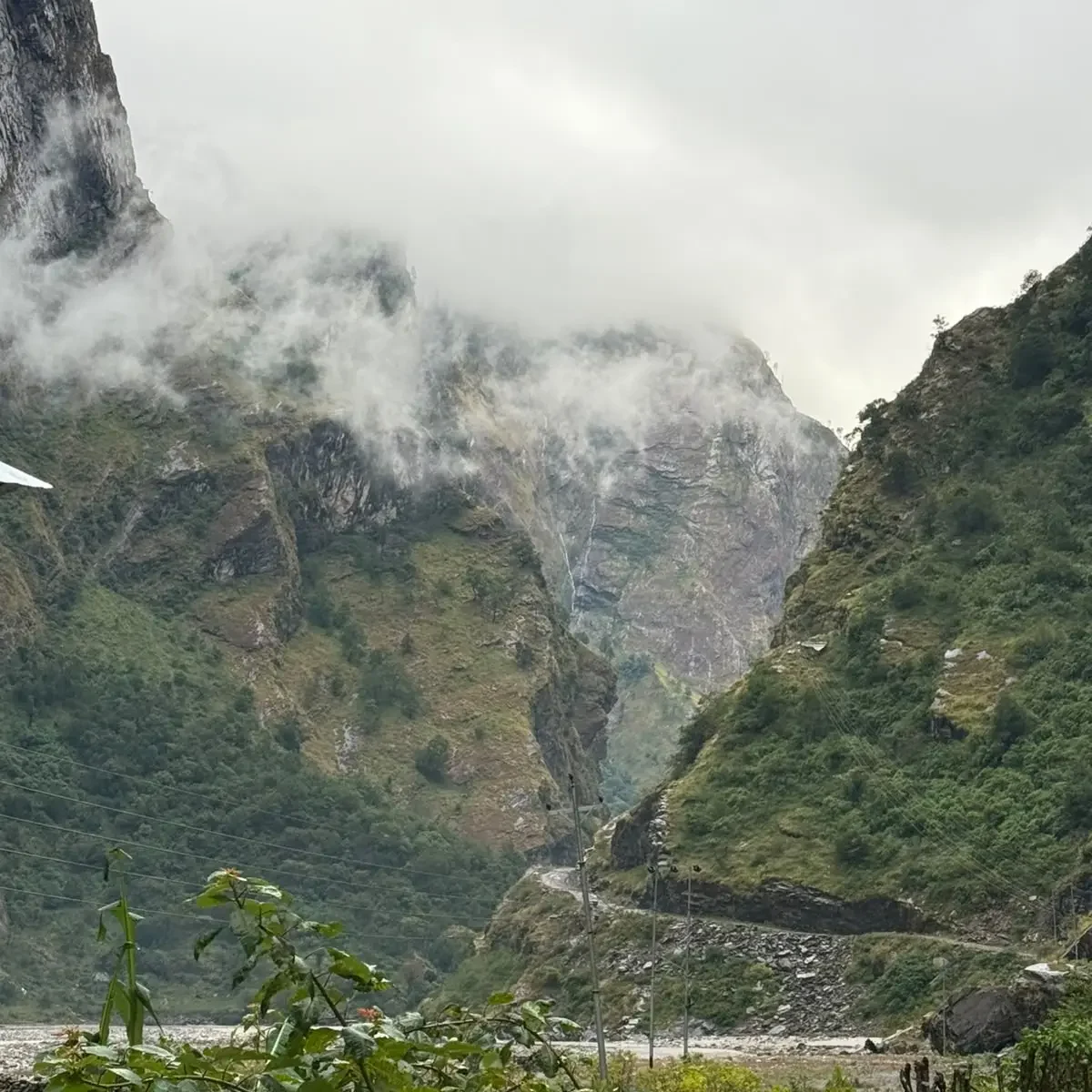
Understanding the monsoon weather pattern is essential for planning your trek. The monsoon typically arrives in Nepal during the second week of June and persists through August. By July, the rainfall reaches its peak intensity. The Manaslu region, in the central Himalayas northwest of Kathmandu, experiences distinct weather patterns at different altitudes.
In the lower valleys around Machha Khola and Jagat, below 1,500 meters, daytime temperatures are 15°C to 20°C. Humidity feels high, and rain is frequent, though not always nonstop. Mornings often start clear. Sunshine breaks through the clouds. Afternoon brings heavy rain, sometimes as brief downpours, other times as showers lasting for hours. Nights stay warm and rarely drop below 13°C, making sleeping conditions comfortable.
In the mid-altitude villages like Namrung and Samagaun, situated between 2,500 and 3,500 meters, temperatures during the day range from 8°C to 15 °C. Rain still occurs, but its intensity decreases with increasing altitude. Fog and low clouds become more common than heavy rain. You might walk through misty forests where visibility drops to fifty meters, creating an ethereal atmosphere but limiting views of the surrounding peaks.
Above 4,000 meters, at Dharamsala and the Larke Pass, the monsoon manifests differently. Precipitation often falls as snow or sleet rather than rain. Daytime temperatures hover between 5°C and 10°C, while nights drop below freezing. The pass itself can receive fresh snowfall, making the crossing more challenging than in autumn. However, the monsoon snow is usually wet and heavy rather than dry powder, and it tends to melt quickly at lower elevations.
As of early July 2026, our team reports that the typical monsoon pattern is holding. Afternoon rain is steady in the lower regions. The higher villages have more cloud cover than precipitation. No unusual weather systems have been detected. The conditions are manageable for prepared trekkers. Still, you should expect to get wet and muddy in the forested sections.
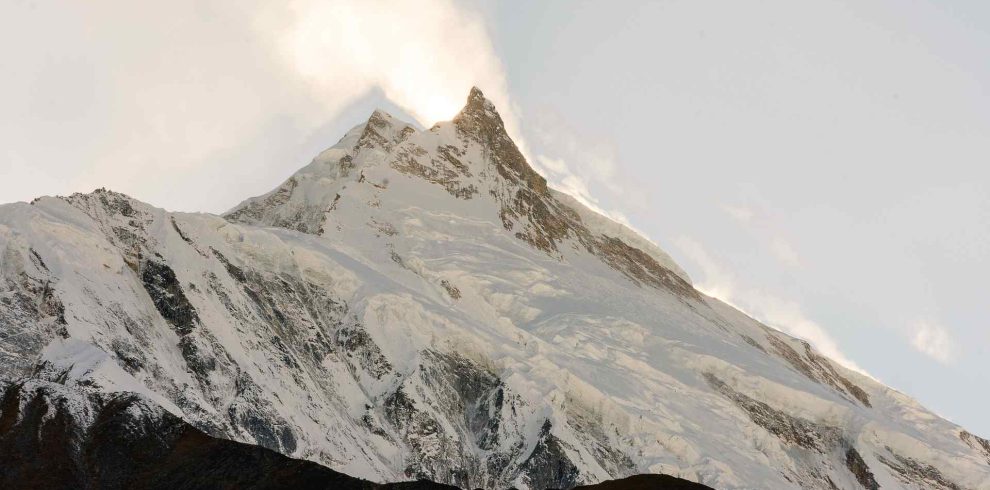
The 9 Days Manaslu Circuit Trek, also known as the Short Manaslu Circuit Trek, is designed for trekkers who want…
Road Condition from Kathmandu to Machha Khola
The journey from Kathmandu to the trailhead represents your first monsoon challenge. Most Manaslu Circuit treks begin at Machha Khola, though some itineraries start at Soti Khola or Arughat. The road distance from Kathmandu to Machha Khola is approximately 160 kilometers, and in the dry season, the drive takes 8 to 10 hours. In the monsoon, the same journey requires more patience and flexibility.
As of July 6, 2026, we have excellent news for monsoon trekkers. The road from Kathmandu to Arughat is fully operational. This section follows the Prithvi Highway to Dhading Besi, then turns north onto the gravel road toward the Budhi Gandaki valley. While the surface is rough and dusty in places, the road is still passable for buses, jeeps, and private vehicles. Landslides have happened in the usual trouble spots, especially near the Gorkha district border. Road crews have cleared them quickly. Expect some delays, but complete blockages are rare on this section.
The critical section for monsoon trekkers has always been the stretch from Arughat to Machha Khola. This 35-kilometer stretch follows the Budhi Gandaki river on a narrow, winding road carved into steep hillsides. During heavy rain, this section is notorious for landslides, rockfalls, and washouts. In previous monsoon seasons, trekkers have been forced to walk from Arughat to Soti Khola or even Machha Khola when the road became impassable.
This year, the situation is significantly better than average. As of our latest update, jeeps are operating regularly from Arughat to Machha Khola. Local bus services are also running, though less frequently than in the dry season. The road has held up well despite consistent rainfall. Our jeep drivers report that while the surface is muddy and slow going, they are completing the journey without major incidents. This is partly due to the relatively moderate landslide activity this season and partly because local authorities have prioritized keeping this route open, recognizing its importance for tourism and local trade.
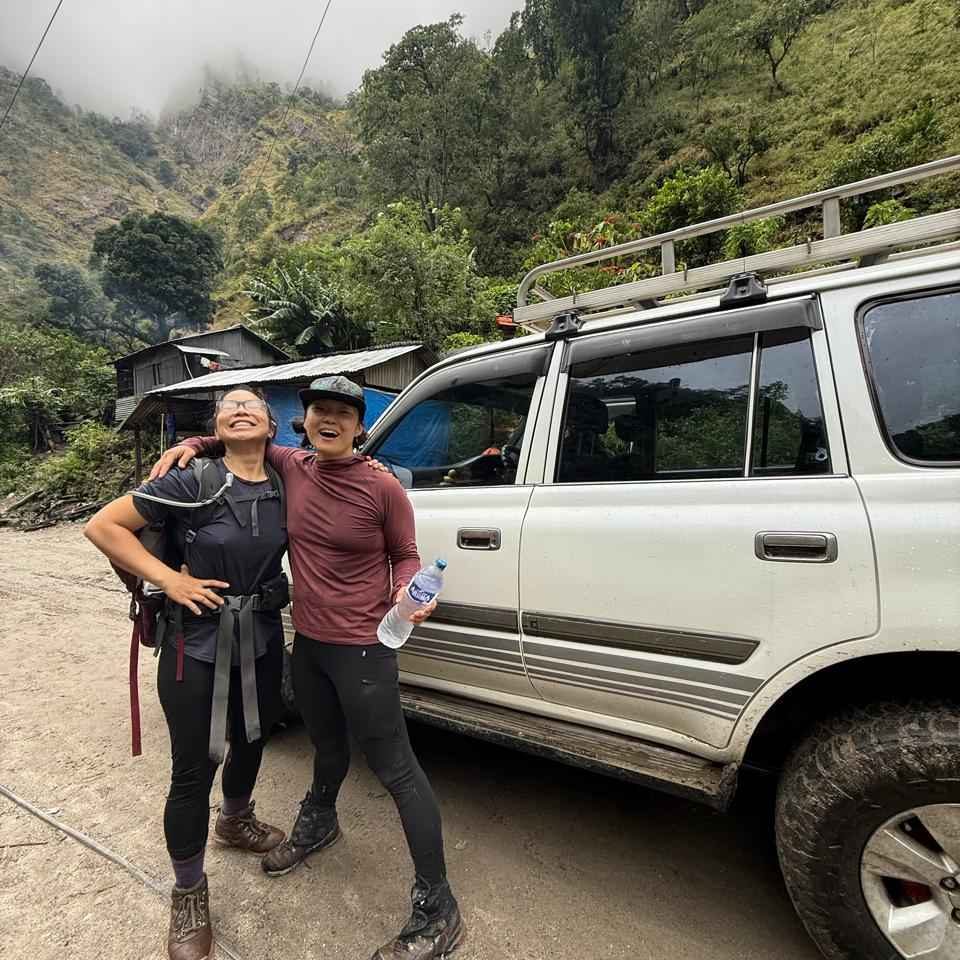
We recommend booking a private jeep rather than relying on public buses during the monsoon. Jeeps offer better ground clearance for muddy sections, and private drivers can wait out short delays or choose alternative routes if minor blockages occur. The cost is higher, but the reliability and comfort justify the expense, especially when starting a long trek.
If you trek with Manaslu Treks, we handle all ground transportation. Our drivers know every curve of this road. They keep in radio contact with other drivers and local checkpoints. If conditions change, we adjust departure times or routes. Your safety and schedule remain our priority.
Trail Condition During Monsoon
Once you step onto the trail at Machha Khola, the monsoon experience truly begins. The Manaslu Circuit trail follows the Budhi Gandaki River for the first several days, gradually climbing through terraced farmland, subtropical forest, and narrow gorges. During the monsoon, this lower section undergoes the most dramatic transformation.
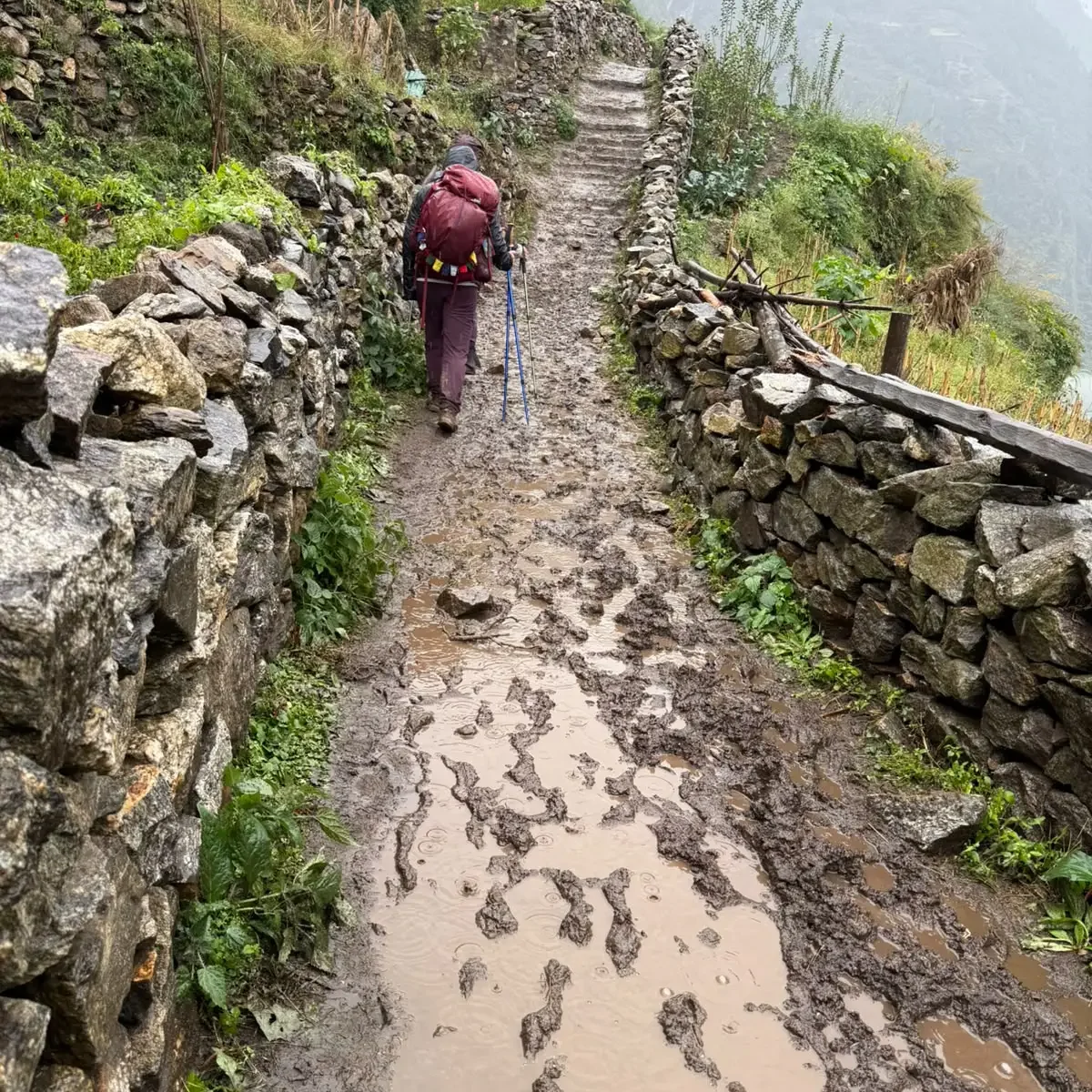
From Machha Khola to Jagat, the trail is muddy. Not just damp, but truly muddy in sections where water runoff crosses the path. You will find puddles, slippery rocks, and stretches of soft clay churned by trekkers and pack animals. Good trekking boots with aggressive tread are essential. Gaiters help keep mud and water out of boots. Trekking poles provide stability on uneven, slick surfaces. The good news is that the trail remains intact. The Manaslu Circuit is a well-established route with decades of foot traffic. The path, carved into stable hillsides and river terraces, endures. Though erosion occurs, the trail does not wash away. You may find a new stream crossing the path since October, but you will not find the trail destroyed.d.
Between Jagat and Deng, the trail enters a narrow gorge. The monsoon makes this section one of the most atmospheric on the circuit. Waterfalls cascade from cliffs above, sometimes dropping onto the trail. Mist rises from the river below, which now roars constantly. The vegetation is extremely green, with ferns, mosses, and wildflowers thriving. Wet rocks and misty conditions reduce traction, so caution is important. The experience, however, is unforgettable.
From Namrung upward, the trail climbs out of the deepest gorge and enters drier, more open terrain. The monsoon impact lessens significantly here. Above 3,000 meters, the trail surface becomes firmer, and mud becomes less of an issue. The main challenge shifts to cloud cover and occasional rain rather than muddy conditions. The section from Samagaun to Samdo to Dharmasala is actually quite pleasant in the monsoon, with cooler temperatures and less precipitation than the lower valleys.
Our guides report that as of July 2026, the trail is in typical monsoon condition. No major trail damage has occurred. No bridges have been washed out. The famous suspension bridges over the Budhi Gandaki remain secure and passable. The trail is wet and muddy in the lower sections, dry and cloudy in the upper sections. Trekkers should expect slower progress than in autumn, plan for shorter daily distances, and start early to avoid afternoon rain.
Landslide and Safety Risk
Landslides represent the most serious safety concern for monsoon trekking in the Manaslu region. The combination of steep terrain, loose soil, and heavy rainfall creates conditions where hillsides can fail without warning. Understanding the real risk, rather than fearing exaggerated dangers, helps you make informed decisions.
The road from Arughat to Machha Khola passes through the highest landslide-prone area. This is where most monsoon disruptions occur. As noted earlier, the road is currently open and operational, but this can change with a single night of heavy rain. Our team monitors weather forecasts and road reports daily. If we receive warnings of heavy precipitation, we adjust departure times or consider alternative approaches.
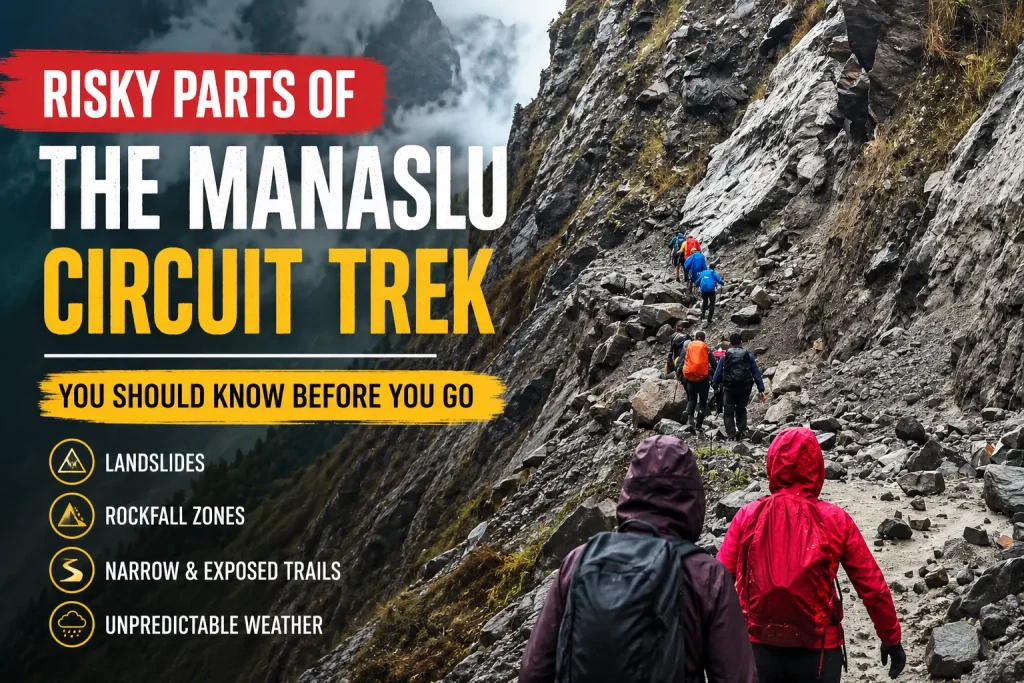
On the trail itself, landslide risk varies by section. The lower trail between Machha Khola and Jagat passes through several known landslide zones, where the path crosses steep, unstable slopes. These sections are short, usually less than a hundred meters, and our guides know them intimately. We assess conditions each morning before leading groups through. If a landslide has blocked the trail, we wait for local crews to clear it or take alternative routes that bypass the danger zone. In extreme cases, we might delay the trek by a day, but we never push through active landslide areas.
Between Jagat and Deng, the trail enters a narrower gorge where rockfall and landslides are a concern. The cliffs here are steep and high, and monsoon rain can loosen rocks that then tumble onto the trail. Our guides carry helmets for this section and time crossings for early morning when rockfall activity is lowest. We move quickly and quietly through the most exposed zones, never stopping in the direct fall line of the cliff.
Above Namrung, the landslide risk drops significantly. The terrain becomes more stable, with broader valleys and less steep slopes. The main risk shifts to altitude and weather rather than geological hazards. Larke Pass can experience snow and high winds, but these are typical high-altitude challenges rather than monsoon-specific dangers. Read our Full blog about the risky parts of Manaslu Circuit Trek
As of July 6, 2026, our safety assessment is cautiously positive. No major landslides have blocked the trail. No injuries have been reported among trekkers or guides. The daily count of seven to ten trekkers on the trail suggests that others are also finding the conditions manageable. However, we maintain constant vigilance. Monsoon conditions can change rapidly, and a single intense storm can alter the risk profile within hours.
We strongly recommend that all monsoon trekkers trek with a licensed guide who is familiar with current conditions. Solo trekking is not permitted on the Manaslu Circuit at any time, but during the monsoon, the guide’s local knowledge becomes even more critical. A guide can assess landslide zones, adjust timing to avoid afternoon storms, and make real-time decisions based on weather and trail reports.
Teahouse Availability and Current Operations
Accommodation is a critical concern for monsoon trekkers. Unlike the Everest or Annapurna regions, where teahouses operate year-round in most villages, the Manaslu Circuit sees significant seasonal closures. Many teahouse owners descend to lower elevations or cities during the monsoon, closing their lodges until autumn. Finding accurate, current information about which teahouses are open can be frustrating, as most lodges lack online booking systems, and communication infrastructure is limited.
At Manaslu Treks, we maintain direct relationships with teahouse owners throughout the circuit. Our guides carry updated contact lists and verify lodge status before each departure. Here is the exact teahouse situation as of July 6, 2026, based on our direct communication with lodge operators and recent guide reports.
Samagaun (3,530 meters): Samagaun serves as the primary acclimatization stop on the Manaslu Circuit, where most trekkers spend two nights to prepare for the high pass. This village normally has the best accommodation options on the entire route. As of July 2026, five teahouses remain operational in Samagaun. The other lodges have closed for the monsoon season, with owners returning to cities or lower villages. The five open teahouses include some of the best-known lodges on the circuit, such as Hotel Bodhisattva and Manaslu Mountain Lodge. Rooms are available, though the selection is more limited than in autumn. Our guides can secure reservations in advance through direct phone calls.
Samdo (3,860 meters): Samdo is the last village before the final push to the Larke Pass, a remote settlement near the Tibetan border with stunning views of the surrounding peaks. Normally home to several small teahouses, Samdo currently has four lodges open for trekkers. This is actually a reasonable number for monsoon, as the village has never had extensive accommodation options. The open teahouses offer basic but adequate rooms with warm blankets and communal dining areas. Our guides know the owners personally and can arrange stays without difficulty.
Dharmasala (4,460 meters): Also known as Larke Phedi, Dharmasala is the final stop before crossing the Larke Pass. This is the most basic accommodation on the entire circuit, essentially a high-altitude shelter rather than a proper teahouse. As of July 2026, only one teahouse remains operational at Dharmasala. This is typical for monsoon, as the extreme altitude and harsh conditions make year-round operation challenging. The single open lodge offers dormitory-style accommodation with basic bedding. We advise our clients not to expect comfort in Dharmasala at any time of year, particularly during the monsoon. The good news is that this teahouse plans to remain open until August 15, after which it will continue operating through the autumn season. So if you are trekking in July or early August, you have a confirmed place to stay before the pass.
Bhimtang (3,590 meters): Bhimtang is the first village after crossing the Larke Pass, a beautiful settlement in a wide valley surrounded by peaks. It serves as a welcome rest stop after the strenuous pass crossing. Currently, three teahouses are open and welcoming trekkers in Bhimtang. This is a healthy number for the monsoon and provides good accommodation options after the pass. The lodges here offer better facilities than those in Dharamsala, with comfortable rooms, warm dining halls, and sometimes even outdoor seating areas with mountain views.
Machha Khola, Jagat, and Namrung: In the lower- and mid-elevation villages, teahouse availability is better than in the high-elevation villages. Machha Khola has more than enough lodges operating, with options like Hotel Manaslu Riverside and New Yeti Hotel remaining open. Jagat similarly has adequate accommodation, with several teahouses serving the steady flow of trekkers and local travelers. Namrung, situated in the middle section, also has sufficient lodges open for the monsoon season. These villages are more accessible, less dependent on trekking seasonality, and have stronger local populations that keep businesses running year-round.
Trail Traffic: An important indicator of monsoon viability is the number of trekkers actually on the trail. Our guides report that currently, seven to ten trekkers are walking the Manaslu Circuit each day. This is a tiny fraction of the autumn numbers, which can see 50 to 100 trekkers daily. However, it is enough to keep the open teahouses viable and to ensure that you are not completely alone on the trail. You will have company at the lodges, but you will not face the crowds and competition for rooms that define peak season.
For monsoon trekkers, we recommend booking through a trekking agency that can confirm teahouse availability in advance. Independent trekkers might find themselves arriving at closed lodges or competing for the few available rooms. With Manaslu Treks, we call ahead, secure your places, and ensure that the teahouses are expecting you.
What to Pack for the Manaslu Trek in Monsoon
Packing correctly for monsoon trekking can make the difference between a challenging but rewarding adventure and a miserable, dangerous experience. The Manaslu Circuit demands specific gear year-round, but the monsoon requires additional preparation for rain, mud, leeches, and humidity. Here is our comprehensive packing list, refined over years of monsoon-guiding experience.
Waterproof Outer Layers: A high-quality waterproof jacket is absolutely essential. Not water-resistant, but fully waterproof with sealed seams and a durable water-repellent finish. Your jacket should have a hood that fits over your trekking hat and a design that covers your hips to prevent water from running down onto your waist. Waterproof pants are equally important for the lower sections, where you will walk through wet vegetation and mud. Gaiters that seal the gap between your pants and boots keep water and debris out of your footwear.
Footwear: Your boots are your most important piece of equipment in the monsoon. They need aggressive Vibram soles or equivalent for traction on wet rock and mud. Full waterproofing is ideal, though even the best boots eventually let in moisture in prolonged heavy rain. Bring multiple pairs of merino wool socks. Unlike cotton, merino retains warmth when wet and dries quickly. Change socks at lunch breaks to keep your feet as dry as possible.
Trekking Poles: In the dry season, many trekkers do not use poles. In the monsoon, they become essential. The muddy, slippery trail demands three points of contact for stability. Adjustable poles allow you to shorten them for uphill sections and lengthen them for descents. Carbide tips grip wet rock better than rubber tips.
Rain Cover for Backpack: Your backpack needs a dedicated rain cover that fits snugly. Even if your pack claims to be water-resistant, monsoon rain will find its way in. Additionally, pack all clothing and electronics in waterproof dry bags inside your pack. This double protection ensures that even if your pack gets soaked, your essentials remain dry.
Leech Protection: Below 2,000 meters, particularly in the humid forest sections between Machha Khola and Jagat, leeches are active during the monsoon. These small bloodsucking creatures wait on vegetation and attach to passing trekkers. They are not dangerous, but they are unpleasant. Pack salt or a small amount of tobacco to detach them if they bite. Wear long pants tucked into socks or gaiters. Some trekkers apply insect repellent to their lower legs. Check your legs and boots during breaks.
Clothing System: The monsoon demands a versatile clothing system. Days in the lower sections can be warm and humid, so lightweight, breathable fabrics are recommended. Nights at higher elevations drop below freezing, demanding insulated layers. Pack a combination of lightweight synthetic shirts, a fleece midlayer, and a down or synthetic insulated jacket for cold evenings. Avoid cotton entirely, as it tends to stay wet and cold.
Sleeping Bag: Even though you will sleep in teahouses, bring a sleeping bag rated to at least minus 10 degrees Celsius. Teahouses provide blankets, but in the monsoon, these can feel damp. Your own sleeping bag ensures a warm, dry night’s sleep. A sleeping bag liner adds warmth and keeps your bag clean.
Electronics Protection: Humidity and rain threaten cameras, phones, and batteries. Bring a waterproof case or dry bag for your electronics. Store batteries in a sealed container with desiccant packets to prevent moisture damage. Solar chargers are less effective during the monsoon due to cloud cover, so bring enough power banks and consider a small portable charger.
Quick Dry Towel: A compact, quick-drying towel is invaluable for drying off after rain, wiping mud from gear, or drying wet feet. Standard cotton towels will stay damp for days in monsoon humidity.
First Aid and Medications: In addition to your standard trekking first aid kit, include extra blister treatment supplies. Wet feet form blisters more quickly than dry conditions do. Bring waterproof bandages, moleskin, and blister pads. Include medication for stomach issues, as monsoon humidity can affect food storage at teahouses.
Headlamp: With heavy cloud cover and early darkness in the valleys, a reliable headlamp is essential. Choose one with a red light mode for preserving night vision and battery life.
Water Purification: While teahouses provide boiled water, having your own purification method adds an extra layer of security. Waterborne illness risk increases slightly during the monsoon due to runoff contamination. Bring purification tablets, a filter, or a UV sterilizer.
Should You Trek Manaslu in Monsoon or Wait Until Autumn?
This is perhaps the most important question for prospective trekkers, and the answer depends entirely on your priorities, experience, and flexibility. Both seasons offer valid Manaslu Circuit experiences, but they are fundamentally different adventures. Let us compare them honestly, based on our experience guiding in both seasons. For a full breakdown of what to expect, our Manaslu Circuit Trek in July guide covers trail and weather conditions in detail.
The Case for Monsoon Trekking:
Solitude is the greatest gift of monsoon trekking. Walking the Manaslu Circuit with only a handful of other trekkers transforms the experience. You are not competing for teahouse rooms. You are not queuing for meals. You are not stepping aside constantly to let faster groups pass. The trail becomes yours. The teahouse owners have time to talk, to share their stories, to offer insights into local life that get lost in the rush of autumn.
The landscape is another monsoon advantage. The hills are impossibly green. Waterfalls appear everywhere, fed by monsoon rain and glacial melt. The rivers run full and wild. Wildflowers bloom in the meadows. The atmosphere is mystical, with clouds and mist creating an ever-changing, dreamlike environment. Photographers who specialize in mood and atmosphere often prefer monsoon to the clear, harsh light of autumn.
Cost is also a factor. Monsoon trekking packages are typically less expensive than autumn departures. Teahouses charge lower rates. Transportation costs may be reduced. Agencies offer discounts to attract the smaller pool of monsoon trekkers. If budget is a concern, Monsoon provides better value.
The Case Against Monsoon Trekking:
The challenges are significant and should not be underestimated. You will get wet. You will walk through mud. You will likely encounter leeches. Mountain views, the primary reason most trekkers choose the Manaslu Circuit, are frequently obscured by clouds. You might spend days seeing nothing but a white sky and gray mist, with the magnificent peaks completely hidden. For many trekkers, this defeats the purpose of the journey.
Landslide and road disruption risks are real. While currently manageable as of July 2026, a single heavy storm can change conditions overnight. Your itinerary needs flexibility. If you have a fixed return date, monsoon trekking adds stress that autumn does not.
The physical discomfort is greater. Wet boots, damp clothing, humid sleeping conditions, and slippery trails demand more mental and physical resilience. Some trekkers thrive in these conditions. Others find them demoralizing.
The Case for Autumn Trekking:
Autumn, particularly October and November, is the classic Manaslu Circuit season for good reason. The monsoon rains have washed the dust from the air, leaving visibility that seems to extend forever. The skies are deep blue. The mountain views are crisp and clear from dawn to dusk. Temperatures are cool but not frigid, perfect for walking. The trails are dry and stable.
Teahouses are fully operational, with expanded menus and improved facilities. The social atmosphere in the lodges is lively, with trekkers from around the world sharing stories. The cultural experience is richer, as local festivals like Dashain and Tihar often fall during autumn.
The main drawback is crowds. You will share the trail with many other groups. You will need to book teahouses in advance. The sense of wilderness and solitude diminishes. For some trekkers, this social atmosphere is a positive. For others, it detracts from the remote experience they seek.
Our Recommendation:
If you are an experienced trekker who has done multi-day hikes in wet conditions, who values solitude over comfort, and who has a flexible schedule that can absorb weather delays, the monsoon offers a unique and rewarding Manaslu Circuit experience. The current conditions as of July 2026 are favorable, with open roads, operational teahouses, and manageable trail conditions.
If this is your first high altitude trek, if you have fixed travel dates, if mountain views are your primary motivation, or if you simply prefer dry conditions and clear skies, wait for autumn. The Manaslu Circuit in October or November is a more predictable, comfortable, and visually spectacular experience.
Local Advice from Manaslu Treks
After more than a decade of operating in the Manaslu region, we have learned lessons that no guidebook can teach. Here is the advice we give our own friends and family when they ask about monsoon trekking.
Start early, finish early. The monsoon rain pattern is remarkably consistent in the Manaslu region. Mornings are often clear or lightly cloudy. Heavy rain typically arrives in the afternoon, between 2 PM and 6 PM. Plan your trekking day to start at dawn, reach your destination by early afternoon, and be settled in your teahouse before the rain intensifies. This timing also reduces landslide risk, as most slope failures occur during or after heavy afternoon precipitation.
Build buffer days into your itinerary. In the dry season, the Manaslu Circuit takes roughly 11 to 15 days, including transfers to and from Kathmandu. In the monsoon, add two to three extra days. These buffer days account for potential road delays, trail closures, or weather conditions that make trekking unsafe. If you do not need them, you have bonus time to explore villages or rest. If you do need them, you avoid the stress of a rigid schedule.
Eat local, eat fresh. The teahouses that remain open during monsoon are usually the better-established, more professionally run lodges. They maintain higher food standards than the seasonal operations that close. Dal bhat, the traditional Nepali meal of rice, lentils, and vegetables, is your best option. It is always freshly cooked, nutritionally balanced, and safe to eat. Avoid items that might have been prepared hours earlier, or that rely on ingredients that spoil quickly in humidity.
Respect the river. The Budhi Gandaki transforms during monsoon from a beautiful mountain river into a powerful, dangerous torrent. The suspension bridges are safe, but do not linger on them unnecessarily. Never attempt to cross the river outside of designated bridges, even if the trail seems to suggest a shortcut. The current is stronger than it appears, and the water is ice cold from glacial melt.
Listen to your guide. This advice applies year-round, but it becomes critical during the monsoon. Your guide has walked this trail in conditions you have not yet imagined. They know when to push forward and when to wait. They know which teahouse owners can be trusted and which are cutting corners. They know the sound of an unstable slope versus normal mountain noise. Trust their judgment, even when it contradicts your plan.
Embrace the experience. Monsoon trekking is not inferior to autumn trekking. It is different. The discomforts are real, but so are the rewards. The empty trails, the green valleys, the intimate teahouse conversations, and the sense of accomplishment that comes from completing a major trek in challenging conditions create memories that last a lifetime. Approach monsoon trekking with the right mindset, and you will find it transformative.
Frequently Asked Questions
Is the Manaslu Circuit Trek safe during the monsoon?
The MCT trek is safe for prepared, experienced trekkers who follow local guidance and maintain flexible itineraries. The main risks are landslides, slippery trails, and road disruptions, all of which can be managed with proper planning and a knowledgeable guide. As of July 2026, conditions are stable, and no major safety incidents have been reported.
Do I need a guide for monsoon trekking?
Yes. Solo trekking is not permitted on the Manaslu Circuit in any season, as the region is a restricted area requiring special permits. In the monsoon, a guide is even more essential for assessing trail conditions, arranging teahouse accommodation, and making real-time safety decisions.
What permits do I need for the Manaslu Circuit?
You need three permits: the Manaslu Restricted Area Permit, the Manaslu Conservation Area Permit, and the Annapurna Conservation Area Permit. Your trekking agency handles these. The restricted area permit requires a minimum of two trekkers per group plus a licensed guide.
How many trekkers are on the trail in July?
As of July 6, 2026, approximately seven to ten trekkers are walking the Manaslu Circuit daily. This is significantly fewer than the fifty to one hundred-plus daily trekkers in the peak autumn season.
Are teahouses open during the monsoon?
Yes, but fewer than in peak season. As of July 2026, Samagaun has five open teahouses, Samdo has four, Dharmasala has one, and Bhimtang has three. Lower villages such as Machha Khola and Jagat offer ample accommodation. We recommend booking through an agency to secure rooms.
Can I see Mount Manaslu during the monsoon?
Mountain views are less reliable in the monsoon due to cloud cover. You might experience clear mornings with stunning views, followed by afternoons of complete whiteout. Some days, the peaks remain hidden entirely. If guaranteed mountain views are your priority, autumn offers better odds.
What is the road condition from Kathmandu to Machha Khola?
As of July 6, 2026, the road is fully operational. Jeeps and buses are running from Arughat to Machha Khola. The surface is muddy and slow, but passable. Private jeeps are recommended over public buses for reliability and comfort.
What should I pack specifically for the monsoon?
Essential monsoon gear includes a fully waterproof jacket and pants, gaiters, trekking poles, waterproof backpack cover, dry bags for internal packing, leech protection, quick dry clothing, and a sleeping bag rated to minus 10 degrees Celsius. See our detailed packing section above.
Is leech protection necessary?
Below 2,000 meters, particularly in the forested sections between Machha Khola and Jagat, leeches are active during the monsoon. They are harmless but unpleasant. Wear long pants tucked into socks, use gaiters, and carry salt or tobacco for removal.
How does monsoon trekking compare to autumn in cost?
Monsoon trekking is generally less expensive. Teahouses charge lower rates, agencies offer seasonal discounts, and there is less competition for services. However, the potential need for buffer days and private transportation can offset some savings.
What happens if a landslide blocks the trail?
Our guides assess conditions daily. If a landslide blocks the trail, we wait for local crews to clear it, which usually takes hours to a day. In rare cases, we reroute around the blockage or delay the trek. We never attempt to cross active landslide zones.
Can I trek to the Larke Pass during the monsoon?
Yes, Larke Pass remains accessible in the monsoon, though conditions are more challenging than in autumn. Snow and sleet are possible at the pass. The trail is passable with proper gear and a guide, but the crossing demands more caution and preparation.
Should I book in advance for monsoon?
Yes. While the monsoon sees fewer trekkers, the reduced number of open teahouses means available rooms can still fill up. Booking through a reputable agency ensures confirmed accommodation and transportation.
Ready to Trek the Manaslu Circuit This Monsoon?
We are the official Manaslu Circuit Trek Company, making tough adventures possible. Our monsoon departures are for trekkers who want to experience the Manaslu Circuit without crowds. With our local knowledge, trusted teahouse network, and focus on safety, we turn the monsoon challenge into a memorable journey.
Contact us today to discuss your July or August 2026 trek. Let us show you the Manaslu Circuit as few people ever see it: wild, green, empty, and waiting.
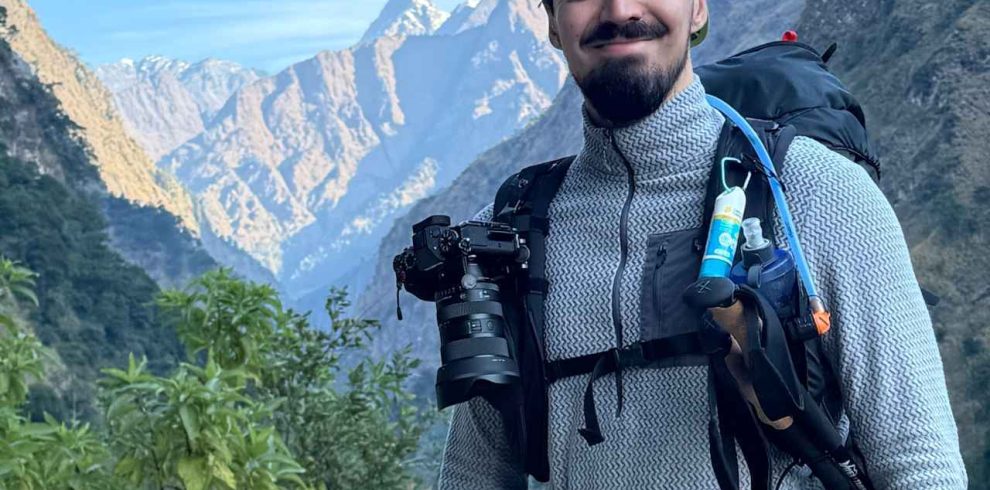
The Manaslu Circuit Trek is a spectacular journey around Mount Manaslu (8,163 m), the eighth-highest mountain in the world. Located…