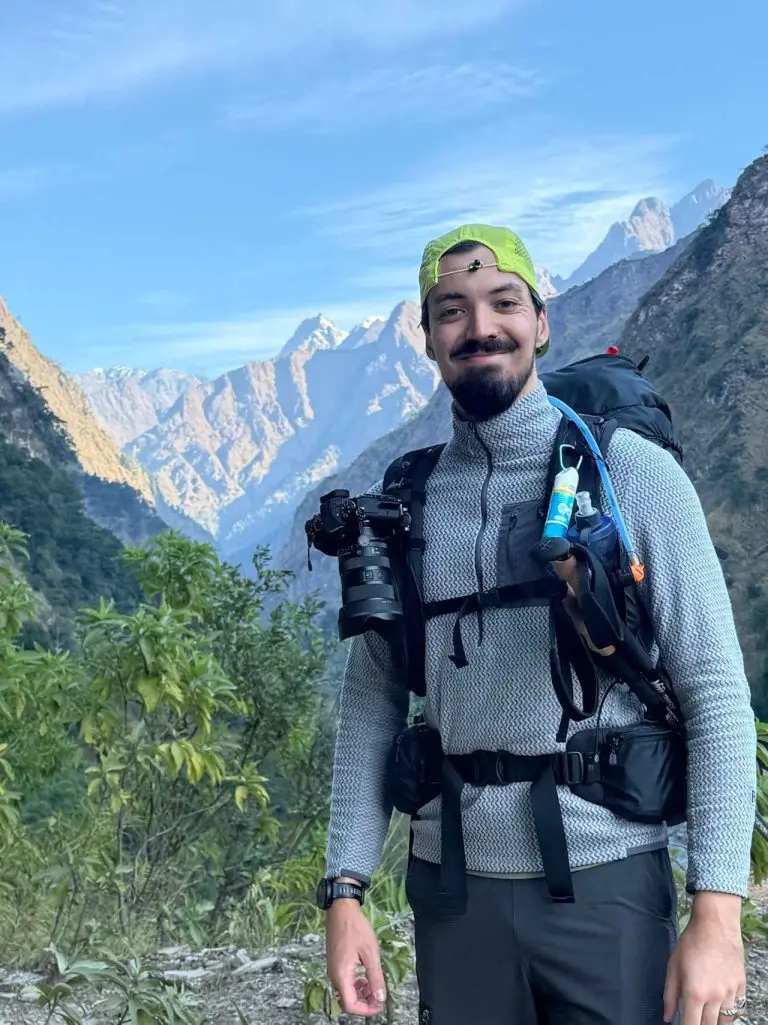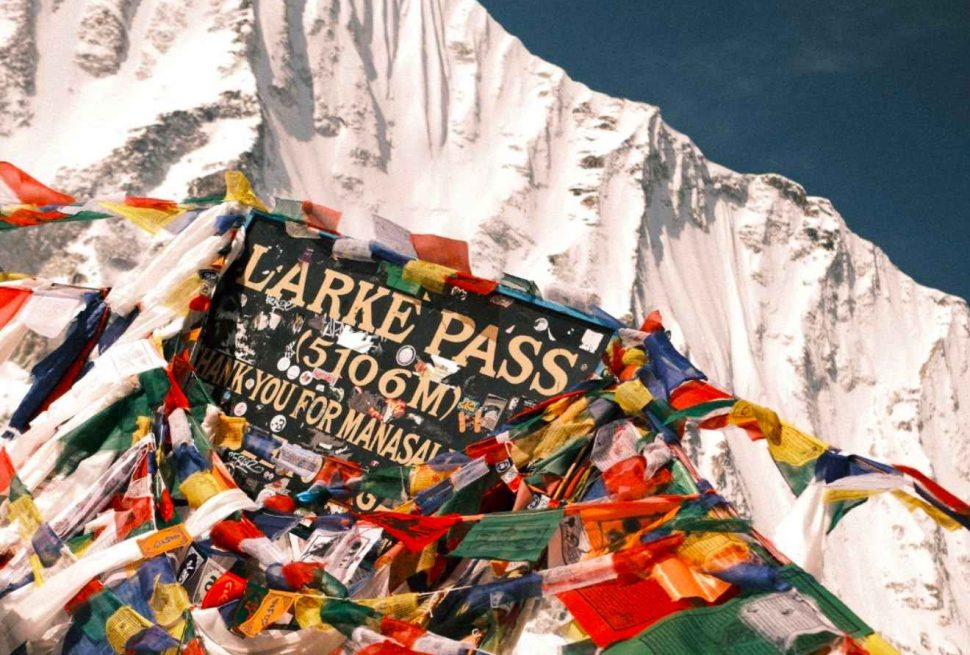
Somewhere between Samagaon and Larkya La, almost every trekker on the Manaslu Circuit Trek ends up staring at a phone battery dropping faster than it should, usually right when the mountain view in front of them is worth photographing the most. Cold temperatures, thin phone signal constantly searching for a network, and long days without a proper outlet all work against your battery on this route. The good news is that almost all of it is manageable once you understand why it happens and build a few habits around it before you even leave Kathmandu.
This guide covers exactly how charging actually works on the Manaslu Circuit, what it realistically costs, and a full set of practical techniques for making your phone and camera battery last through a long trekking day, so you are not choosing between capturing the view and having enough charge left to use your phone at your next stop.
Charging on the Manaslu Circuit: What to Actually Expect
Before the battery saving techniques, it is worth being straightforward about what charging access actually looks like on this route, since getting this wrong can catch trekkers off guard. Charging is available at most teahouses along the Manaslu Circuit, but it is a paid service almost everywhere, not a free amenity, and the price climbs steadily as you move up the valley:
- In the lower villages, around Soti Khola, Machhakhola, and Jagat, charging is widely available and relatively inexpensive, since these teahouses are closer to the road and often connected to a more reliable local power source
- From Deng through Namrung and Lho, charging remains available but the price rises noticeably, and teahouses increasingly rely on solar panels or small local hydro systems rather than grid power
- In Samagaon and Bimthang, charging is generally available but priced at the higher end of the range, and depends heavily on recent weather, since solar panels need clear skies to keep the system topped up
- Near Samdo and especially at Dharamsala, the last stop before Larkya La, charging becomes limited or unavailable altogether, since these are the most remote, least developed stops on the entire circuit
As a rough guide, expect charging fees somewhere in the range of a few hundred Nepali rupees per hour, rising toward the higher end of that range the further up the valley you go. Our own detailed Manaslu Circuit Trek FAQ guide covers this in more depth, and the honest summary is the same one guides give every season: charging is generally possible, but it is a limited and metered resource, not something to plan around freely using without a bit of care.
Why Batteries Drain Faster in the Mountains
Before covering specific techniques, it helps to understand why your battery seems to disappear faster on this trek than it does at home:
- Cold temperatures slow down the chemical reactions inside lithium batteries, which reduces both the available capacity and how efficiently the battery can deliver power, sometimes cutting effective battery life by a third or more
- Away from mobile network coverage, your phone constantly searches for a signal, and that search itself uses meaningfully more power than staying connected to a stable network would
- Camera sensors and screens, especially on phones, draw more power in cold conditions, and touchscreens can become less responsive in the cold, leading to more repeated taps and swipes that drain the battery faster than intended
- Altitude apps, GPS tracking, and background location services all run constantly unless you turn them off, and GPS in particular is one of the heaviest battery draws on any modern phone
Airplane Mode Is Your Single Best Battery Saving Tool
If there is one habit worth adopting above all others on this trek, it is switching to airplane mode whenever you are not actively trying to send a message or make a call:
- Once you are outside mobile network coverage, which is most of the upper half of this route, your phone keeps searching for a signal in the background unless you turn this off manually
- Airplane mode alone can meaningfully extend your daily battery life, often by a significant margin, simply by stopping that constant, invisible search
- You can still use your phone’s camera, notes, offline maps, and any downloaded content normally in airplane mode, so you lose very little functionality for the battery you save
- If you are trekking with a local SIM card and do get intermittent signal in the lower villages, it is still worth switching to airplane mode once you know you are heading into a stretch without coverage rather than letting your phone keep searching
Screen Brightness and Display Settings
- Turn brightness down manually rather than relying on auto brightness, which tends to push the screen brighter than necessary in strong mountain sunlight and drains the battery faster as a result
- Shorten your screen auto lock timer to the minimum comfortable setting, so the screen is not staying lit unnecessarily every time you glance at your phone
- Turn off always on display features if your phone has them, since a screen that is never fully off is a constant, low level drain across an entire trekking day
- Use dark mode where available, particularly on phones with OLED screens, since dark pixels use meaningfully less power than bright white backgrounds on this type of display
Managing Background Apps and Location Services
- Close apps you are not actively using rather than leaving dozens running in the background, particularly anything that regularly refreshes content like social media or news apps
- Turn off location services for any app that does not need it for your trek, and set essential ones, like an offline maps app, to only access location while the app is actively open rather than always
- Disable automatic app updates and background app refresh entirely for the duration of the trek, since these can quietly consume both battery and any mobile data you have without you actively using the app at all
- Turn off push notifications for anything non essential, since each notification wakes the screen and processor briefly, and those small wake ups add up meaningfully across a long day
Keeping Your Devices Warm
Since cold is one of the biggest drains on battery performance out here, keeping your phone and camera warm is genuinely one of the most effective things you can do:
- Carry your phone in an inner jacket pocket, close to your body, rather than in an outer pocket or the top of your pack where it is directly exposed to cold air
- At night, keep your phone and any spare batteries inside your sleeping bag with you rather than leaving them in your pack in an unheated room, since teahouse rooms at higher elevation regularly drop below freezing overnight
- If you notice your phone shutting down unexpectedly in extreme cold, warming it back up gently, rather than trying to force it back on repeatedly, is usually enough to bring it back to normal, since this shutdown is typically the phone protecting itself rather than actual battery damage
- The same logic applies to a dedicated camera and any spare batteries for it. A cold battery reads as far weaker than it actually is, and simply warming it in an inner pocket for a few minutes before use often restores a meaningful amount of apparent charge
Choosing and Using a Power Bank Properly
A good power bank is genuinely the single most useful piece of gear for managing battery life on this trek, and it is worth choosing carefully:
- Look for a capacity of around 20,000 mAh, which is enough to fully recharge a modern phone several times over without needing daily teahouse charging at all
- Where possible, choose a power bank using lithium polymer cells rather than standard lithium ion, since they generally handle cold temperatures more reliably on multi week treks at altitude
- Carry the power bank in an inner pocket during the day, for the same cold protection reasons as your phone, rather than leaving it in an outer pocket of your pack
- Charge the power bank itself whenever you do pay for teahouse charging, rather than charging your phone directly each time, so you build up a reserve rather than only ever charging device to device
- If flying internationally with a power bank, keep it in your carry on rather than checked luggage, and confirm it is under 100 Wh capacity, since larger power banks are restricted on flights
Our full Manaslu Circuit Trek Packing List covers where a power bank fits alongside the rest of your essential gear for this route.
Are Solar Chargers Worth Bringing
Solar panel chargers get asked about a lot, and the honest answer is that they are usually not worth the extra weight for a standard teahouse trek like this one:
- A typical small solar panel needs six to eight hours of direct, unobstructed sunlight to fully charge a phone, which is a lot to ask on a trekking day where you are walking, not sitting still with a panel angled toward the sun
- Since teahouse charging is available, even if it costs a little, for most of this route, a solar panel mostly duplicates an option you already have rather than solving a genuine gap
- Solar chargers make more sense on longer, more remote expeditions where teahouses and any charging access disappear entirely for many days at a time, which is not the situation on a standard Manaslu Circuit itinerary
- A quality power bank, kept charged whenever you pass through a village with reliable electricity, is simpler, lighter, and more dependable for this specific trek
Camera Specific Battery Tips
If you are carrying a dedicated camera rather than relying entirely on your phone, a few extra habits help significantly:
- Carry two or three spare batteries rather than just one backup, and rotate them between an inner pocket and the camera itself to keep at least one battery warm and ready at all times
- Turn off image stabilization when you do not need it, since it draws continuous power even when you are simply holding the camera rather than actively shooting
- Avoid leaving the rear screen on to frame every shot if your camera has a viewfinder, since an optical or electronic viewfinder typically uses meaningfully less power than the main display
- Turn off the flash unless you genuinely need it, and disable any automatic flash setting, since it is one of the more power hungry features on most cameras
- Switch the camera off completely between shots on a long viewpoint stop, rather than leaving it in standby, particularly in cold conditions where standby drain is worse than usual
Action Cameras and GoPro Batteries Need Extra Attention
If you are carrying a GoPro or a similar small action camera, it is worth knowing that these tend to suffer from cold and battery drain more than a standard camera or phone:
- Small action camera batteries have less overall capacity to begin with, so the percentage impact of cold weather on their runtime is more noticeable than on a larger camera or phone battery
- Carry at least three spare batteries if you plan to film consistently through the day, since a single battery on a cold morning at altitude may only last a fraction of its rated time
- Keep unused batteries in an inner pocket, not in the camera housing itself, since a battery sitting inside a cold plastic housing loses charge and performance faster than one kept close to your body
- Turn off features you are not actively using, including Wi Fi connectivity to a phone app, GPS tagging, and any always on display, since these are some of the heaviest drains on this type of camera specifically
What About Drone Batteries
A small number of trekkers bring a drone for aerial footage of the mountains, and it is worth knowing the honest limitations before you pack one:
- Drone batteries are affected by cold in the same way as any other lithium battery, and cold weather noticeably shortens flight time compared to what the drone is rated for at sea level
- Charging drone batteries at teahouses is possible in most places, but it is slow and adds to your charging costs, so bringing two or three spare batteries from home is far more practical than relying on charging them fully on the trail
- Keep drone batteries warm in an inner pocket right up until you are ready to fly, then let the drone warm up briefly before takeoff in genuinely cold conditions, since a very cold battery can underperform badly for the first few minutes of a flight
- Always check local rules and restricted area regulations before flying, since drone use is limited or requires permission in parts of the Manaslu Conservation Area, independent of any battery consideration
How Our Guides Manage Their Own Batteries
Our guides carry their own phones on every trek, both for communication and for their own photos, and after years of doing this route repeatedly, most of them have settled into a nearly identical routine without ever being told to. Phone goes into an inner jacket pocket first thing each morning, switched to airplane mode unless a call is expected. A single power bank gets charged once, usually at whichever stop has the best price that day, rather than charging a phone directly at every teahouse. Photos are taken deliberately at viewpoints rather than constantly along the trail. At night, phone and power bank both go into the sleeping bag rather than staying in a cold room overnight. None of this is complicated, and it is worth copying exactly, since it comes from people who have done this specific trek more times than almost anyone else on the trail.
Budgeting for Charging Costs Along the Route
Since charging is a paid service almost everywhere on this circuit, it is worth budgeting for it properly rather than being caught without small notes:
- Carry a supply of small denomination Nepali rupee notes specifically for charging and Wi Fi fees, since teahouses this far from a bank rarely have change for larger notes
- Expect charging costs to add up to a meaningful, though not huge, part of your daily spending across a full trek, on top of food and any Wi Fi fees
- Charging your own power bank once a day, rather than your phone directly every time you want to use it, is usually the more cost effective approach, since it means fewer separate charging sessions billed by the hour
- If your budget is tight, prioritize charging in the lower, cheaper villages whenever you have the chance, rather than waiting until you are higher up where the same charge costs noticeably more
Planning your gear list for the Manaslu Circuit Trek, power bank and battery strategy included? We are happy to walk you through exactly what to bring.
WhatsApp us Email usA Realistic Daily Habit Checklist
Bringing all of the above together, here is a simple routine that keeps most trekkers comfortably powered through a full trekking day:
- Switch to airplane mode first thing each morning, unless you specifically need signal for a call or message that day
- Keep your phone and power bank in an inner jacket pocket while walking, rather than an outer pocket or your pack
- Take photos deliberately rather than constantly, and consider using a dedicated camera for the bulk of your photography if you have one, saving your phone battery for navigation, notes, and communication
- Download offline maps and any reference material you need before you leave Kathmandu, so you are not relying on a live data connection or GPS out on the trail
- Charge your power bank, not your phone directly, whenever you reach a teahouse with reliable, reasonably priced electricity
- Bring your phone, camera, and any spare batteries into your sleeping bag overnight rather than leaving them exposed to the cold in your room
Seasonal Differences in How Bad Battery Drain Gets
How much of a problem battery drain actually becomes depends a fair amount on when you trek:
- Autumn and spring, the two most popular seasons for this route, bring cold nights but generally manageable daytime temperatures, so battery drain is noticeable but rarely dramatic if you follow the habits above
- Winter treks see significantly colder overnight temperatures, especially above Samagaon, and battery performance drops accordingly, making spare batteries and warm storage even more important than usual
- Solar dependent charging, which many higher villages rely on, becomes less reliable during longer stretches of cloud or snowfall, which happens more often outside the main autumn and spring windows
- Our Best Time to Trek the Manaslu Circuit Trek guide covers seasonal conditions in more depth, and it is worth reading alongside this one if you are trekking outside the peak autumn or spring windows, since both cold and charging reliability shift together with the season
Common Mistakes Trekkers Make With Batteries
- Leaving location services and background app refresh switched on for the entire trek, without realizing how much this adds up over many days
- Charging directly from teahouse power every single day instead of charging a power bank once and drawing from that, ending up paying for more separate charging sessions than necessary
- Leaving devices in an outer pocket or directly in a pack overnight in a cold room, then being surprised when a phone will not turn on the next morning
- Assuming charging will be free or always available at every stop, then being caught without small notes or with a device at zero percent in a village where charging is limited or unavailable
Frequently Asked Questions About Batteries on the Manaslu Circuit Trek
Is phone and camera charging free at teahouses on this route?
Generally no. Charging is a paid service at almost every teahouse on the Manaslu Circuit, with the price rising as you move higher up the valley, and it becomes limited or unavailable altogether near Dharamsala and Larkya La.
What size power bank should I bring?
Around 20,000 mAh is a sensible size for this trek, enough to fully recharge a phone multiple times without needing to rely on teahouse charging every single day.
Is airplane mode really that effective for saving battery?
Yes. Once you are outside mobile network coverage, your phone uses meaningful extra power constantly searching for a signal, and airplane mode stops that search entirely while still allowing offline use of your phone.
Should I bring a solar charger for this trek?
Generally not necessary. Teahouse charging, even though it is paid, covers most of what a solar panel would offer on a standard route like this, and a good power bank is simpler and more reliable.
Why does my battery drain so much faster in cold weather?
Cold temperatures slow the chemical reactions inside lithium batteries, reducing both effective capacity and how efficiently they deliver power, which is why keeping devices warm in an inner pocket or your sleeping bag makes a real difference.
The Bottom Line
Charging on the Manaslu Circuit Trek is generally available but comes at a cost that increases the higher up the valley you go, and it becomes genuinely limited near the pass. Rather than relying on it heavily, a combination of airplane mode, sensible screen settings, keeping devices warm, and a properly sized power bank will get most trekkers comfortably through each day without constantly hunting for an outlet or overpaying for charging at altitude. None of these habits are complicated, and building them into your routine from day one on the trail makes a real, noticeable difference by the time you reach Larkya La.
If you have questions about gear, power banks, or anything else to pack for the Manaslu Circuit, get in touch and we will help you put together a complete, realistic packing list before you go.