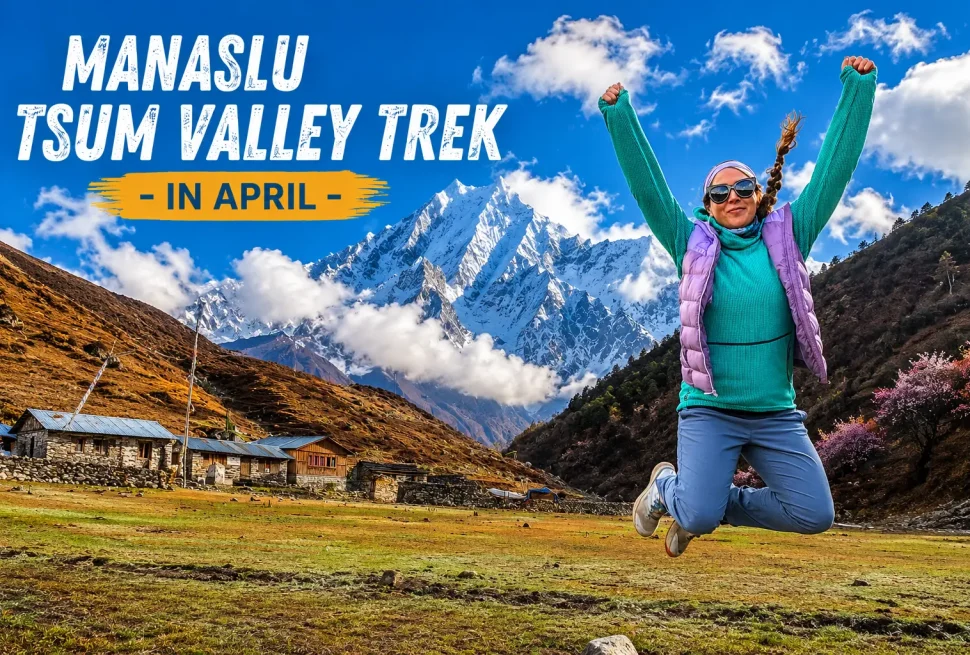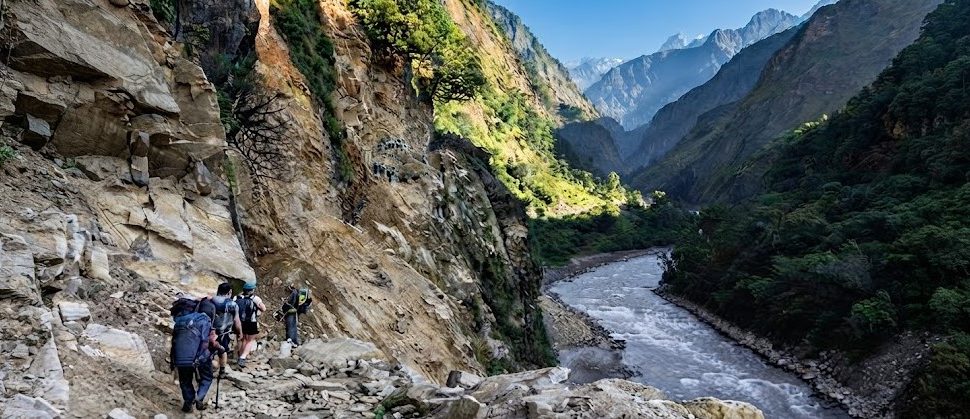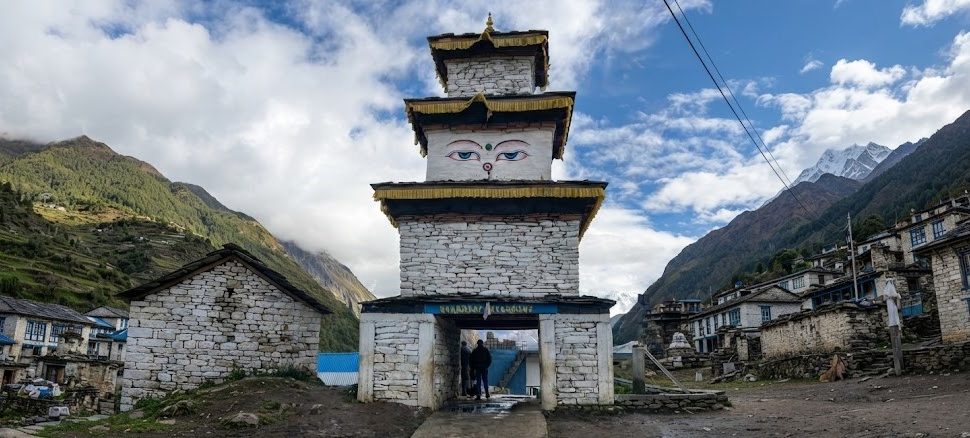
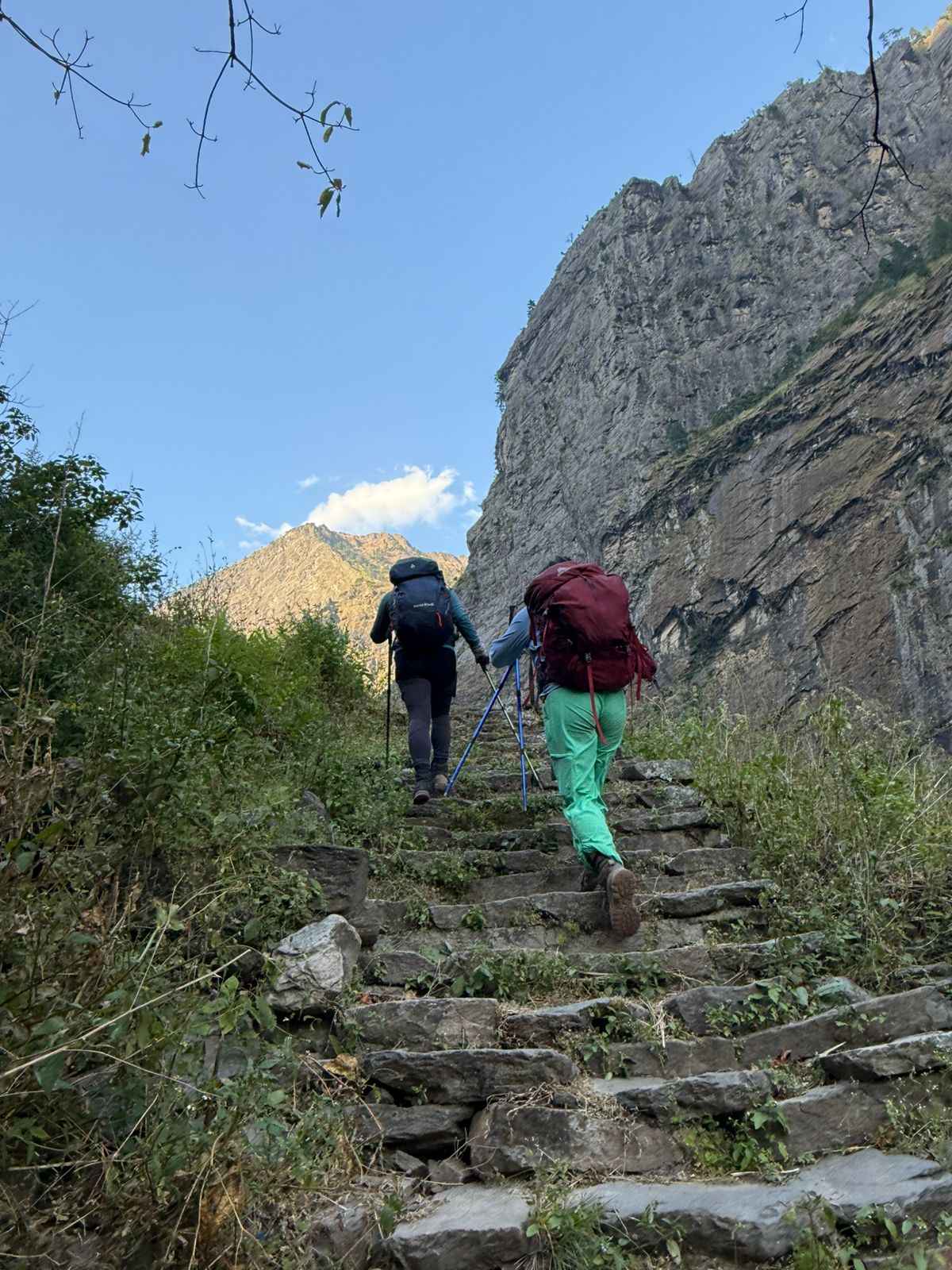
Every week, someone messages us asking the same underlying question in a different shape. Should I do Manaslu or Everest Base Camp? Is Manaslu harder than the Annapurna Circuit? I only have eight days, is Langtang better than Manaslu for that. My friend wants Kanchenjunga instead, which is actually different. We answer some version of this question almost daily, and the honest answer is never a single sentence. Each of these five treks does something different, and the right one depends on your fitness, your available days, your appetite for crowds, and how basic you are willing to let your accommodation get.
This guide puts the Manaslu Circuit Trek side by side with the four routes trekkers compare it against most often: Everest Base Camp, the Annapurna Circuit, the Langtang Valley Trek, and the Kanchenjunga Trek. We cover permits, cost, altitude, crowd levels, teahouse comfort, cultural texture, and the kind of physical demand each route actually places on your body, not the marketing version of it. Where a number could change (permit fees, group sizes, park rules), we have pulled it from the operators who actually run these treks rather than repeating whatever the last blog post said.
The Five Treks at a Glance
| Trek | Typical Duration | Max Altitude | Restricted Area | Crowd Level | Starting Price |
|---|---|---|---|---|---|
| Manaslu Circuit | 13 days | 5,106m (Larkya La) | Yes | Low | From USD 1,099 |
| Everest Base Camp | 14 days | 5,545m (Kala Patthar) | No | Very High | From USD 1,449 |
| Annapurna Circuit | 13 days | 5,416m (Thorong La) | No | High | From USD 1,449 |
| Langtang Valley | 8 days | 3,870m (Kyanjin Gompa) | No | Moderate | From USD 690 |
| Kanchenjunga | 19 to 26 days | 5,143m (Pangpema) | Yes | Very Low | Custom quote |
Numbers alone will not tell you which trek suits you, so the sections below go through each comparison in real depth. We start with the one we get asked about most.
How We Put This Comparison Together
The Manaslu figures in this guide are based on our own permit processing records and the current 2026 pricing. The Everest Base Camp, Annapurna Circuit, and Langtang Valley figures come from our colleagues at Next Trip Nepal, who run those three routes and confirmed current pricing, group size discounts, and permit costs with us directly rather than us pulling numbers from a generic listing. Kanchenjunga is not a route either of our companies currently sells as a fixed package, so those figures reflect the standard Restricted Area Permit and Kanchenjunga Conservation Area Permit rates published by the Department of Immigration and Nepal Tourism Board, cross-checked against what specialist Kanchenjunga operators are quoting for 2026 departures. Where a rule changed recently, such as the March 2026 removal of the two-trekker minimum on restricted area permits, we have flagged the date so you know it is current rather than carried over from an older article.
Manaslu Circuit Trek vs Everest Base Camp Trek
This is the comparison we field more than any other, mostly because both routes reach a similar altitude, take about two weeks, and are marketed as bucket-list Himalayan treks. The similarities stop there. Manaslu and Everest Base Camp are close to opposite experiences once you are actually on the trail. For an even deeper side by side breakdown of these two treks alone, see our dedicated Manaslu Circuit Trek vs Everest Base Camp comparison.
Permits and Legal Requirements
Manaslu sits inside a restricted area under the Department of Immigration. You need a Manaslu Restricted Area Permit, which costs USD 100 for the first seven days in September to November (USD 75 in the December to August window), plus a Manaslu Conservation Area Permit and an Annapurna Conservation Area Permit at NPR 3,000 each, since the route exits through Annapurna Conservation Area territory near Dharapani. A licensed guide from a registered trekking agency is a legal requirement, checked at Jagat, Philim, Namrung, Samagaon, and Dharapani. Until March 2026, Manaslu also required a minimum of two trekkers per permit application. That rule has now been dropped, so a solo traveller can book with just a guide and does not need to find a trekking partner first, though the guide requirement itself has not changed.
Everest Base Camp sits within Sagarmatha National Park, a protected area but not a restricted one. You need a Sagarmatha National Park entry permit (NPR 3,000) and a Khumbu Pasang Lhamu Rural Municipality entry permit (NPR 2,000), for a combined cost of roughly NPR 5,000, considerably cheaper than Manaslu’s permit stack. Nepal’s 2023 rule change means independent trekking without a guide is no longer permitted in national park areas, including Sagarmatha, so in practice, you now need a guide here too, but there is no restricted area fee layered on top, and no minimum group size ever existed for this route.
In plain terms: Manaslu costs more in permits and has stricter paperwork, Everest Base Camp is cheaper to permit but has caught up on the guide requirement.
Altitude and Physical Difficulty
Everest Base Camp itself sits at 5,364m, and most itineraries push on to Kala Patthar at 5,545m for the classic sunrise view of Everest, making it the higher of the two routes in raw elevation. Manaslu’s high point, Larkya La, is 5,106m. On paper that makes Everest Base Camp the taller trek.
In practice, trekkers who have done both routes consistently describe Manaslu as the harder one, and the reason has nothing to do with elevation. Everest Base Camp gains altitude in a fairly gentle, well-paced way across its 14 days, with two acclimatisation days built around Namche Bazaar and Dingboche. Manaslu’s trail is rougher underfoot for longer stretches, the days above Samagaon involve more sustained climbing on narrower paths with fewer flat sections, and the final push over Larkya La is a single demanding day of 8 to 9 hours that starts around 3am and includes both a 650m climb and a knee-punishing 1,400m descent in the same push, with no lodge at the halfway point. Everest Base Camp has no equivalent single day: you reach base camp and Kala Patthar as out-and-back day trips from established lodges, not as one long crossing with a remote camp on either side.
If you are choosing based purely on cardiovascular fitness, both routes demand a similar baseline. If you are choosing based on trail conditions and the psychological weight of one very long, remote crossing day, Manaslu is the harder trek.
Crowds and Trail Atmosphere
This is where the two routes diverge most sharply. Everest Base Camp is one of the most heavily trekked routes on the planet. During peak October and November weeks, an estimated 300 to 500 trekkers move through the Khumbu on a given day, and teahouse rooms in Namche, Tengboche, and Dingboche get booked out early in the afternoon, which is why guides on this route often walk ahead of their group to secure beds. You will share the trail, the dining rooms, and the views with a genuinely large number of other trekkers, and at Everest Base Camp itself and Kala Patthar summit mornings, it can feel closer to a queue than a wilderness experience.
Manaslu remains one of the quieter major treks in Nepal specifically because of the restricted area system, which caps the practical volume of trekkers on the route. You will pass other groups, particularly in October, but nothing like Everest’s peak-season density. For trekkers who want the scale and drama of a high Himalayan trek without walking in a procession of down jackets, this is Manaslu’s single biggest advantage.
Teahouse Comfort and Food
Everest Base Camp has the most developed teahouse infrastructure of any trek in Nepal outside the Annapurna region. Namche Bazaar has bakeries, espresso machines, and pizza. Many lodges below Dingboche offer attached bathrooms, hot showers, and Wi-Fi, and the food menus stay varied well above 4,000m because the volume of trekker traffic supports better supply chains.
Manaslu’s teahouses are simpler throughout, and the gap widens noticeably above Samagaon. Shared squat toilets, thin walls, no running water at some lodges, and Wi-Fi that disappears once you pass 3,500m are the norm rather than the exception. Food narrows to dal bhat, noodles, and basic soups at altitude. This is not a complaint about quality so much as a description of what restricted area infrastructure looks like when far fewer trekkers are passing through to support it.
Scenery and Cultural Experience
Everest Base Camp delivers the most famous mountain views in the world: Everest itself, Lhotse, Nuptse, and Ama Dablam, along with the Sherpa villages of Namche and the monastery at Tengboche. It is iconic for a reason.
Manaslu’s scenery trades global fame for a rawer, less mediated feel. You pass through the Nubri villages of Lho, Shyala, and Samagaon, where Tibetan Buddhist culture runs closer to the surface and daily life has not been reshaped as heavily around trekking tourism. Manaslu itself, the eighth-highest mountain in the world, dominates the skyline from Namrung onward, and the descent through Bimthang and Tilije into rhododendron forest offers a different kind of variety than the Khumbu’s high alpine terrain.
Cost Comparison
Our 13-day Manaslu Circuit Trek starts from USD 1,099 per person. A 14-day, all-inclusive Everest Base Camp package through Next Trip Nepal starts from USD 1,449. Part of that gap comes from Lukla flights, which are expensive, weather-dependent, and frequently delayed or cancelled during shoulder season, adding both cost and schedule risk that Manaslu’s road-based approach to Machha Khola does not carry.
What a Typical Day Actually Feels Like
On a mid-trek Everest Base Camp day, most groups are up around 6:30am for tea in bed before breakfast, on the trail by 7:30 or 8am, and settled into the next lodge by early afternoon, leaving time to explore the village, charge devices, or simply sit in a warm dining room with a book. Namche Bazaar even has a Saturday market and a bakery worth timing your rest day around. The pace is truly relaxed outside of the summit push itself, because the route is built around well-spaced villages with real infrastructure.
A mid-trek Manaslu day covers similar walking hours but with fewer places to stop along the way. Between Namrung and Samdo, lodges are spaced further apart and the terrain includes more sustained climbing on narrower paths, so a six-hour walking day on Manaslu tends to feel more like six hours of continuous effort than Everest Base Camp’s six hours broken up by tea houses, mani walls, and photo stops every twenty minutes. Neither pace is objectively better, but if you value the social, almost festival atmosphere of a well-trodden trail, Everest Base Camp delivers that in a way Manaslu, by design, does not.
Who Should Choose Which
Choose Everest Base Camp if you want the single most recognisable trekking destination in the world, do not mind sharing the trail with hundreds of other people, and want the comfort of well-developed teahouses even at altitude. Choose Manaslu if you want a comparably high, comparably demanding trek without the crowds, are comfortable with more basic accommodation, and want a route that still feels like it belongs to the people who live there rather than primarily to tourism.
Manaslu Circuit Trek vs Annapurna Circuit Trek
Annapurna and Manaslu are geographic neighbours, and the Manaslu Circuit actually finishes by crossing into Annapurna Conservation Area territory near Dharapani, which is why you need an ACAP permit for Manaslu even though it is not primarily an Annapurna route. Trekkers often ask which of the two “real” circuits is the better choice, and the honest answer depends heavily on how much development and road access bothers you.
Permits and Access Rules
The Annapurna Circuit requires an Annapurna Conservation Area Permit (NPR 3,000) and a TIMS card (NPR 2,000), for a combined cost of roughly NPR 5,000. Neither permit restricts group size, and independent trekking without a guide remains technically legal on this route, since it is a conservation area rather than a restricted one, though a guide is strongly recommended given how altitude-related incidents at Thorong La are consistently the leading cause of medical evacuation on the circuit.
Manaslu, as covered above, requires the more expensive Restricted Area Permit stack and a mandatory licensed guide, with no exceptions.
Altitude and the Two High Passes
Thorong La, the Annapurna Circuit’s high point, sits at 5,416m, making it 310m higher than Manaslu’s Larkya La at 5,106m. The Thorong La crossing is done from Thorong High Camp (4,925m) and covers roughly 491m of ascent over the final 5km followed by a long 1,656m descent into Muktinath, a demanding day but one supported by well-established infrastructure on both sides and a shorter overall push than Larkya La.
Larkya La’s crossing day is longer in both distance and time, roughly 18 to 24km against Thorong La’s shorter approach, and Manaslu’s descent side toward Bimthang is rougher underfoot with less reliable trail marking in poor visibility. Both passes demand an early, cold, pre-dawn start to avoid afternoon wind, which on Thorong La regularly exceeds 50km/h after 10am.
Road Construction and Trail Purity
This is an increasingly important difference. The Annapurna Circuit’s original charm, an unbroken walking route around the entire Annapurna massif, has been eroded over the past decade by motorable roads reaching further into the lower valleys. As of 2026, active road construction between Besisahar and Chame means sections of the original trekking trail now run alongside or share space with vehicle traffic, and many operators, including on the route above, now start groups on foot further up the valley at Ngadi or Dharapani to skip the most disrupted section entirely. From Chame northward and throughout the Mustang descent, the trail remains intact and unaffected.
Manaslu has no equivalent road encroachment. The restricted area status that makes the permits more expensive also means there has been no push to motorise the trail, and the walking route from Machha Khola to Dharapani remains as it has been for years. If an uninterrupted foot trail matters to you, Manaslu currently has the edge.
Crowds and Teahouse Development
The Annapurna Circuit is significantly busier than Manaslu, especially in October, and the trail infrastructure reflects decades of tourism investment. Lower and mid-altitude sections between Dharapani and Manang have comfortable lodges with attached bathrooms and running water, Manang itself has bakeries and a Himalayan Rescue Association post offering altitude briefings, and facilities improve again quickly after Thorong La at Muktinath and Jomsom. The stretch directly above Manang, from Yak Kharka through Thorong Phedi and High Camp, does thin out to more basic rooms and shared facilities, similar to what Manaslu offers throughout its upper sections, but this rougher stretch only lasts two or three days on Annapurna versus most of the second week on Manaslu.
Manaslu stays basic for longer and busy for shorter periods. If you want the comfort of good lodges most nights with only a brief rough patch near the pass, Annapurna delivers that. If you are comfortable with simpler accommodation as the norm rather than the exception, Manaslu will not surprise you.
Scenery and Ecological Range
The Annapurna Circuit’s signature feature is its diversity: the route crosses seven distinct vegetation zones in roughly two weeks, from subtropical river forest near Besisahar to the high Tibetan-style desert around Kagbeni and Muktinath, with Annapurna I, Dhaulagiri, and the Kali Gandaki, the deepest gorge on earth by vertical measurement, all visible from different points along the way. Muktinath itself is a genuinely significant pilgrimage site for both Hindu and Buddhist traditions.
Manaslu’s ecological range is narrower, but its cultural texture arguably runs deeper, since the Nubri villages along the route see a fraction of Annapurna’s foot traffic, and daily life has changed less as a result. Neither route is objectively more scenic; they offer different kinds of variety.
Cost Comparison
Next Trip Nepal’s 13-day Annapurna Circuit Trek starts from USD 1,449 for a solo traveller, dropping with group size. Our 13-day Manaslu Circuit route starts from USD 1,099, reflecting the shorter supply chain for permits and slightly simpler logistics, even though Manaslu’s individual permit fees are higher; group size discounts and the extensive included-gear packages on Annapurna itineraries account for most of the difference.
What a Typical Day Actually Feels Like
A mid-trek day on the Annapurna Circuit, say between Chame and Upper Pisang, mixes forest walking with clear views of Annapurna II and IV opening up ahead of you, and by early afternoon you are usually in a lodge with a hot shower and a menu that still includes momos and pasta. The social atmosphere is strong, since many trekkers are moving at a similar pace and dining rooms in Manang fill up with a genuine mix of nationalities comparing notes on the pass ahead.
A mid-trek day on Manaslu, by contrast, particularly through the Namrung to Samdo stretch, involves longer gaps between villages and a noticeably quieter dining room at the end of the day, often just your own group and one or two others rather than a room full of trekkers. Both routes get really remote and basic in the days immediately around their respective passes, Thorong Phedi and Dharamsala, but Annapurna returns to comfort faster on the far side at Muktinath, while Manaslu’s descent to Bimthang, though scenic, does not reach the same level of facilities until you are back on the road at Tilije.
Who Should Choose Which
Choose the Annapurna Circuit if you want maximum ecological and cultural variety in a single trek, are comfortable trekking without a mandatory guide if going independently, and do not mind sharing sections of trail with road traffic in the lower valley. Choose Manaslu if an unbroken walking trail matters to you, you want meaningfully fewer people around you for the full two weeks rather than just the summit day, and you are comfortable with a licensed guide as a fixed part of the experience rather than an optional add-on.
Manaslu Circuit Trek vs Langtang Valley Trek
This comparison comes up constantly from trekkers with limited time in Nepal, because Langtang is genuinely one of the shortest major treks in the country while Manaslu is a full two-week commitment. If your available days are the deciding factor, this section will settle it quickly.
Duration and Accessibility from Kathmandu
Langtang starts with a 7 to 8 hour drive from Kathmandu to Syabrubesi, and the standard itinerary runs about 8 days from Kathmandu departure to Kathmandu return, reaching Kyanjin Gompa at 3,870m before returning the same way. This makes it the most accessible major trek in Nepal for anyone without two full weeks to spare, and it is why it is consistently recommended as the best short trek for first-time visitors or trekkers combining Nepal with a broader regional trip.
Manaslu requires a full 13 days minimum, starting with a long jeep transfer to Machha Khola and finishing with a drive back from Tilije, and there is no realistic way to compress it given the restricted area permit’s minimum coverage and the acclimatization schedule the altitude demands.
Permits and Guide Requirements
Langtang requires a Langtang National Park entry permit (NPR 3,390) and a TIMS card (NPR 1,000 through an agency), for a combined cost of roughly NPR 4,390, the cheapest permit stack of any trek in this comparison. It is not a restricted area, so a guide is recommended for safety and navigation, rather than legally mandatory, though we do not recommend attempting it without one, given the terrain above Lama Hotel.
Manaslu’s restricted area permit costs several times more and requires a licensed guide with no exceptions, as covered in detail above.
Altitude and Difficulty
Langtang’s high point at Kyanjin Gompa is 3,870m, with an optional side hike to Kyanjin Ri (4,773m) or Tserko Ri (4,984m) for trekkers who want a higher viewpoint and better mountain panorama. Even with the side hike, Langtang never approaches the altitude or sustained difficulty of Manaslu’s Larkya La crossing. Next Trip Nepal grades the standard itinerary as an easier trek, appropriate for trekkers with moderate fitness and limited high-altitude experience, walking 4 to 6 hours a day on a well-established trail.
Manaslu is a substantially harder trek in every respect: more days at altitude, a genuine high pass crossing, rougher trail conditions, and a longer overall commitment. Trekkers sometimes use Langtang as a shorter acclimatisation or fitness-testing trek before attempting something like Manaslu the following season, and that is a reasonable way to think about the pairing.
Crowds and Atmosphere
Langtang sees a moderate volume of trekkers, more than Manaslu but nowhere near Everest Base Camp or the Annapurna Circuit’s peak season numbers, partly because its shorter length makes it a popular add-on trip and partly because it remains somewhat overshadowed by Nepal’s bigger-name routes despite being closer to Kathmandu than any of them.
A Note on Langtang Village
Worth mentioning directly rather than skating past it: the 2015 earthquake triggered a massive landslide that destroyed the original Langtang village and killed a significant number of residents and trekkers. The village has been rebuilt slightly above its original site, and the Tamang community that lives along this valley has shown real resilience in restoring the trekking infrastructure. Walking through the memorial area near the rebuilt village is a sober, actually moving part of the route, not just a historical footnote.
What a Typical Day Actually Feels Like
A day on the Langtang trail, especially the stretch from Lama Hotel to Langtang Village, moves through dense forest with the Langtang Lirung massif occasionally breaking through the tree line, and because the trek is short, most trekkers walk it at a relaxed pace of 4 to 6 hours with real time to sit at Kyanjin Gompa’s bakery in the afternoon eating a slice of apple pie made from the valley’s own orchards. It is a genuinely gentle introduction to teahouse trekking.
A comparable day on Manaslu, even at similar elevation gain, simply asks more of you, both in walking hours and in how basic the stops along the way are. If Langtang is your first teahouse trek, treat the pace difference as useful information rather than a warning: Manaslu will feel like a significant step up in both duration and daily demand, not just a slightly longer version of the same experience.
Cost Comparison
Next Trip Nepal’s 8-day Langtang Valley Trek starts from USD 690, reflecting both the shorter duration and the lower permit costs. Our 13-day Manaslu Circuit starts from USD 1,099. On a per-day basis the two are fairly comparable; the total cost gap mostly reflects Manaslu simply being a longer, more logistically involved trek.
Who Should Choose Which
Choose Langtang if your available time in Nepal is a week or less, you want a genuine Himalayan trekking experience without committing two full weeks, or you are testing your appetite for high-altitude trekking before a bigger route. Choose Manaslu if you have the full two weeks available and want a trek that goes considerably further, higher, and deeper into a less developed region.
Manaslu Circuit Trek vs Kanchenjunga Trek
This is the comparison for trekkers who have already done Manaslu, or something like it, and are looking for the next step up in remoteness and commitment. Kanchenjunga sits at the opposite end of Nepal’s trekking spectrum from Langtang: longer, harder to reach, and substantially less developed than any other route covered here.
Duration and Remoteness
A Kanchenjunga Base Camp trek typically runs 19 days, and the fuller circuit route visiting both the north base camp at Pangpema (5,143m) and the south base camp at Oktang (roughly 4,730m) can extend to 26 or more days depending on the exact itinerary and how much buffer is built in for weather. This makes it close to double the length of the Manaslu Circuit, and getting to the trailhead itself in Nepal’s far eastern corner near the Sikkim and Tibet borders already involves a long flight or drive before the walking even starts.
Manaslu, at 13 days, is a serious but far more time-efficient commitment by comparison.
Permits and the Solo Trekking Rule
Kanchenjunga requires a Restricted Area Permit at roughly USD 20 per person per week, plus a Kanchenjunga Conservation Area Permit at a flat NPR 2,000, bringing the total permit cost for a typical three to four week circuit to around USD 95, which is actually reasonable value given the length of the trek. Like Manaslu, Kanchenjunga required a minimum of two trekkers per permit application until the same March 2026 rule change removed that requirement. A solo trekker can now obtain the Kanchenjunga Restricted Area Permit alone, provided a licensed guide from a registered agency accompanies them, which is the identical arrangement now in place for Manaslu.
Altitude and Difficulty
Kanchenjunga’s north base camp at Pangpema sits at 5,143m, close to Manaslu’s Larkya La at 5,106m, but the difficulty comparison is not really about a single high point. Kanchenjunga’s difficulty stems from its sustained remoteness: long stretches between villages, far fewer teahouses (in some sections, camping or basic homestay arrangements are required rather than proper lodges), limited resupply opportunities, and a notably long stretch of consecutive high-altitude days rather than a single crossing. Where Manaslu has one demanding pass day surrounded by more moderate walking, Kanchenjunga sustains difficulty across a much longer stretch of the itinerary.
For trekkers building up experience, Manaslu is a reasonable intermediate step, and operators frequently recommend exactly that: complete something like Manaslu or Everest Base Camp first, then consider Kanchenjunga once you know how your body handles multiple weeks at altitude.
Crowds and Infrastructure
If Manaslu feels quiet compared to Everest Base Camp, Kanchenjunga is quiet compared to Manaslu. It remains one of the least-trekked major routes in Nepal, with a fraction of the annual trekker numbers of any other trek in this comparison. The upside is an experience of genuine wilderness and untouched village culture; the downside is that services you might take for granted elsewhere (reliable Wi-Fi, varied food, easy evacuation routes) are simply not available for much of the route.
What a Typical Day Actually Feels Like
Days on the Kanchenjunga trail, especially through the middle stretch between Ghunsa and the north base camp at Pangpema, can involve walking for hours without passing another trekking group, staying in a lodge with two or three rooms total rather than a proper village, and eating whatever the kitchen has on hand rather than choosing from a menu. It is a genuinely different category of remoteness from the other four treks in this comparison.
A Manaslu day, by comparison, always ends somewhere with at least a small cluster of lodges and a functioning kitchen, even in the sparser stretches above Samagaon. If Kanchenjunga’s degree of remoteness sounds appealing rather than daunting, that is usually a sign you are ready for it. If it sounds like more isolation than you want, Manaslu gives you a meaningful taste of quiet, less-trekked Nepal without asking you to go quite that far into it.
Who Should Choose Which
Choose Kanchenjunga if you have three to four weeks available, have already completed at least one high-altitude Himalayan trek, and want a truly remote experience with minimal trekker traffic. Choose Manaslu if you want a serious, high-altitude restricted area trek that still fits inside a standard two-week Nepal holiday, with a well-established (if basic) support network of teahouses along the way.
Weather and Best Season Across All Five Treks
Season affects these five treks differently, mostly because of how their maximum altitude and geographic exposure interact with Nepal’s two trekking windows: spring (March to May) and autumn (September to November).
Manaslu is at its best from late September through November and again from March through April. Because the region sits close to the Tibetan plateau, autumn air here tends to be exceptionally dry and stable, and October remains the single most reliable month for a clear Larkya La crossing. Spring brings rhododendron blooms in the lower forest sections but slightly higher odds of afternoon cloud near the pass. Winter crossings of Larkya La are possible but genuinely risky, since Dharamsala and the pass itself regularly see deep snow and teahouses this high can close entirely in the coldest weeks. Monsoon (June to August) is not viable; landslide risk on the lower Budhi Gandaki approach is real and most upper lodges shut for the season.
Everest Base Camp follows the same broad spring and autumn windows, but October and November see the heaviest trekker volume of any route in this comparison, with Lukla flights operating at their busiest and most weather-sensitive. Pre-monsoon May offers warmer temperatures and slightly thinner crowds than October, at the cost of more afternoon haze softening distant views.
The Annapurna Circuit shares Manaslu’s autumn and spring preference, with October again standing out as the most dependable month for a calm Thorong La crossing. The rain-shadow effect around Manang and Mustang means this region stays drier even during shoulder-season weeks than the wetter approach through Besisahar, which is worth knowing if you are trying to extend your trekking window slightly earlier or later than peak season.
Langtang has the most forgiving season profile of the five, since its lower maximum altitude means winter trekking to Kyanjin Gompa, while cold, remains really feasible in a way it is not on the higher routes, and even early monsoon weeks can work for trekkers willing to accept reduced mountain visibility in exchange for lush, green valleys and a nearly empty trail.
Kanchenjunga demands the most conservative season planning of all five, given how remote evacuation options are if weather turns. Autumn and spring remain the only sensible windows, and because the trek runs three to four weeks, most itineraries deliberately build in one or two contingency days to absorb a weather delay without forcing a rushed pass crossing.
Packing List Differences Across the Five Treks
The core packing list, layered clothing, a good sleeping bag, trekking poles, and a reliable headlamp, stays broadly similar across all five routes, but a few items matter more or less depending on which trek you choose.
For Manaslu and Kanchenjunga, pack for genuine self-sufficiency: a wider range of snacks than you think you need, since shop variety thins out fast above the mid-altitude villages, a paper map or offline GPS track as backup since signage is sparser than on Nepal’s more developed routes, and a proper water purification method rather than relying on buying bottled water, which becomes both expensive and less available the further you get from Kathmandu.
For Everest Base Camp and the Annapurna Circuit, you can travel slightly lighter on backup snacks and cash reserves, since both routes have enough lodges, shops, and even ATMs at key hubs (Namche Bazaar and Jomsom respectively) that resupply is genuinely possible mid-trek. Sun protection matters more here too, given the higher trekker density means more open, sun-exposed sections near popular viewpoints where you will spend longer than planned taking photos.
For Langtang, you can pack the lightest of the five, given the shorter duration and lower maximum altitude, though a proper down jacket is still worth bringing since nights at Kyanjin Gompa drop well below freezing even in main season.
Across all five, microspikes are worth carrying if you are trekking in late autumn or early spring, when ice is more likely on the higher sections regardless of which pass or viewpoint you are aiming for.
Which Trek Fits Which Kind of Trekker
Rather than repeating the aspect-by-aspect breakdown above, it helps to think in terms of who you actually are as a trekker.
First-time trekkers with a week or less. Langtang is the clear answer here. Its shorter duration, gentler altitude profile, and easy access from Kathmandu make it the least intimidating entry point into Himalayan trekking, while still delivering genuine mountain scenery and real cultural depth in the Tamang villages along the valley.
First-time trekkers with two full weeks. Everest Base Camp remains the obvious choice if you want the most globally recognizable trekking achievement and do not mind a busy trail. If crowds put you off, Manaslu offers a comparable sense of achievement with a much quieter experience, though it demands slightly more comfort in basic accommodation.
Photographers. All five routes reward a camera, but Manaslu and Kanchenjunga offer something the others increasingly cannot: genuinely uncluttered frames. Getting a clean shot of Everest or Annapurna I without other trekkers, tents, or lodge buildings in view has become progressively harder as those routes have developed; Manaslu’s Namrung to Samdo stretch and Kanchenjunga’s approach to Pangpema still offer that kind of unspoiled composition.
Couples and honeymooners. Langtang’s shorter duration suits travellers who want a genuine trek as part of a broader Nepal honeymoon itinerary without dedicating two full weeks to it. For couples who want a bigger shared achievement and are willing to commit for longer, our Manaslu couple’s package is built specifically for that, pairing the same route with more flexible pacing.
Experienced trekkers looking for the next challenge. If you have already completed Everest Base Camp or the Annapurna Circuit, Manaslu is a logical next step in both altitude experience and remoteness. If you have already done Manaslu, Kanchenjunga is the natural progression from there.
Budget-conscious trekkers. Langtang’s USD 690 starting price makes it the most accessible of the five on cost alone. Among the two-week routes, Manaslu’s USD 1,099 starting price undercuts both Everest Base Camp and the Annapurna Circuit despite reaching comparable altitude and demanding a comparable number of trekking days.
Trekkers who specifically want to avoid crowds. Manaslu and Kanchenjunga are the two answers here, in that order of practicality. Manaslu delivers meaningfully lower trekker density within a standard two-week trip; Kanchenjunga goes further still but asks for a much larger time commitment in return.
Conservation Fees and Where Your Permit Money Goes
It is worth noting that permit fees for all five of these routes are not merely bureaucratic overhead. Conservation area permits (MCAP, ACAP, Langtang National Park, Kanchenjunga Conservation Area) fund trail maintenance, community health posts, and environmental protection within each respective protected area, while Sagarmatha National Park fees support similar work in the Khumbu. Restricted area permits (Manaslu’s RAP and Kanchenjunga’s RAP) carry an additional layer, since the higher fee also reflects the administrative cost of the stricter monitoring these border-adjacent regions require, along with the local municipality fee that goes directly to the Chum Nubri Rural Municipality in Manaslu’s case rather than to a national conservation body. In practical terms, the higher price of a Manaslu or Kanchenjunga permit is not simply Nepal charging more for a similar product; it reflects a notably different administrative and conservation structure than the more heavily developed Everest, Annapurna, and Langtang regions.
Getting to the Trailhead: Flights, Roads, and Schedule Risk
How you actually reach the start of each trek affects your overall schedule risk more than most trekkers plan for, and it is worth treating as a genuine comparison point rather than a footnote.
Everest Base Camp depends on a flight to Lukla, widely regarded as one of the more weather-sensitive airstrips used commercially anywhere, since it sits on a short mountainside runway that closes quickly in poor visibility. During shoulder season weeks, backlogs of a day or two are common, and some operators now route trekkers through Ramechhap instead of Kathmandu’s main airport to shorten the flight and slightly improve reliability, though this adds a long pre-dawn road transfer the night before. Build at least one buffer day into any Everest Base Camp itinerary specifically to absorb a Lukla delay, both on the way in and the way out.
Manaslu starts and ends entirely by road: a long jeep drive from Kathmandu to Machha Khola at the start, and a drive back from Tilije or Dharapani at the end. Roads have their own risk, particularly landslide closures during and just after monsoon, but the risk profile is more predictable and rarely strands a group for multiple days the way a closed airstrip can.
The Annapurna Circuit mixes both: road transfer in from Kathmandu or Pokhara to the trailhead, and a short flight from Jomsom to Pokhara at the end for most standard itineraries, though this final leg can be swapped for an overland drive if the flight is delayed, giving this route more built-in flexibility than Everest Base Camp’s single-point Lukla dependency.
Langtang is entirely road-based, a straightforward 7 to 8 hour drive from Kathmandu to Syabrubesi and back, making it the most schedule-reliable of the five treks in this comparison.
Kanchenjunga typically starts with a domestic flight to Bhadrapur or Suketar in Nepal’s far east, followed by a long road transfer to the actual trailhead village, adding a genuine multi-day buffer requirement at both ends of an already long itinerary given the region’s remoteness and lower flight frequency compared to Lukla.
Altitude Sickness Risk Compared
All five treks carry genuine altitude sickness risk, but the shape of that risk differs meaningfully between routes, and understanding the difference matters more than a generic AMS warning.
On Everest Base Camp, the risk builds gradually across two clearly scheduled acclimatization days at Namche Bazaar (3,440m) and Dingboche (4,410m), and most operators, including well-run ones, monitor oxygen saturation daily from Namche onward. The gradual, well-signposted nature of the ascent is part of why this remains one of the more forgiving high-altitude treks for first-timers, despite reaching 5,545m at Kala Patthar.
On the Annapurna Circuit, risk centers on the Manang acclimatization stop and the push to Thorong High Camp, with the Thorong La crossing day itself the single highest-risk window of the entire trek, given the rapid elevation change from High Camp to the pass and back down to Muktinath in one push.
On Manaslu, risk builds more steadily across a longer stretch of consecutive high-altitude nights, Samagaon, Samdo, and Dharamsala in succession, before the Larkya La crossing itself. This sustained exposure, rather than one single acute risk day, is part of why guides on this route pay especially close attention to how trekkers are sleeping and eating in the days leading up to the pass, not just on the crossing day itself.
Langtang’s lower maximum altitude of 3,870m at Kyanjin Gompa keeps AMS risk meaningfully lower than the other four routes, though it is not zero, and trekkers who add the Kyanjin Ri or Tserko Ri side hike to nearly 4,800 or 5,000m should treat that specific day with the same caution as any other high-altitude push.
Kanchenjunga combines Manaslu’s sustained-exposure risk profile with a considerably longer stretch of consecutive nights above 4,000m, and the remoteness of the region means a serious AMS case is genuinely harder and slower to evacuate than on any of the other four treks, which is the core reason this route is generally recommended only after you have proven experience at a comparable or slightly lower altitude first.
Group Sizes and Private Trip Options
All five treks are available as both fixed group departures and private trips, but the practical trade-offs differ. Group departures on Everest Base Camp and the Annapurna Circuit run frequently throughout the main seasons given the volume of demand, so joining an existing group is usually straightforward with weeks rather than months of notice. Manaslu’s group departures run less frequently given the restricted area permit process, so private trips are more common here, and since March 2026’s rule change, a private trip for a single trekker with a dedicated guide is now fully possible without needing to coordinate a second traveller. Langtang’s short duration makes it easy to fill group departures on short notice. Kanchenjunga is overwhelmingly booked as a private, custom itinerary given how few operators run it and how much the exact route and duration vary by group.
Day-by-Day Itinerary Snapshots
Seeing the actual day structure side by side makes the pacing differences concrete in a way summary statistics cannot.
Manaslu Circuit, 13 Days
| Day 1 to 2 | Kathmandu, then drive to Machha Khola (930m) |
| Day 3 to 6 | Trek through Jagat, Deng, Namrung (2,900m) to Sama Gaon (3,530m) |
| Day 7 | Acclimatisation day at Sama Gaon |
| Day 8 to 9 | Trek to Samdo (3,785m), then Dharamsala (4,460m) |
| Day 10 | Cross Larkya La (5,106m) to Bimthang (3,720m) |
| Day 11 to 13 | Trek to Tilije, drive to Kathmandu, departure |
Everest Base Camp, 14 Days
| Day 1 to 2 | Kathmandu, fly to Lukla (2,860m), trek to Phakding |
| Day 3 to 4 | Trek to Namche Bazaar (3,440m), acclimatisation day |
| Day 5 to 7 | Trek through Tengboche to Dingboche (4,410m), acclimatisation day |
| Day 8 to 9 | Trek to Lobuche, then Gorak Shep and Everest Base Camp (5,364m) |
| Day 10 | Kala Patthar sunrise (5,545m), descend toward Pheriche |
| Day 11 to 14 | Descend to Lukla, fly to Kathmandu, departure |
Annapurna Circuit, 13 Days
| Day 1 to 2 | Kathmandu, drive to Dharapani or Chame (2,670m) |
| Day 3 to 5 | Trek through Upper Pisang to Manang (3,540m) |
| Day 6 | Acclimatisation day at Manang |
| Day 7 to 8 | Trek to Yak Kharka, then Thorong Phedi (4,450m) |
| Day 9 | Cross Thorong La (5,416m) to Muktinath (3,800m) |
| Day 10 to 13 | Trek to Jomsom, fly to Pokhara, drive to Kathmandu |
Langtang Valley, 8 Days
| Day 1 | Drive Kathmandu to Syabrubesi (1,462m) |
| Day 2 to 3 | Trek through Lama Hotel to Langtang Village |
| Day 4 | Trek to Kyanjin Gompa (3,870m) |
| Day 5 | Acclimatisation day, optional Kyanjin Ri or Tserko Ri hike |
| Day 6 to 7 | Descend to Lama Hotel, then Syabrubesi |
| Day 8 | Drive back to Kathmandu |
Kanchenjunga Base Camp, 19 to 26 Days
| Day 1 to 3 | Fly to Bhadrapur or Suketar, drive and trek to Chirwa |
| Day 4 to 8 | Trek through Amjilosa and Gyabla to Ghunsa (3,595m) |
| Day 9 to 10 | Acclimatisation and trek toward Khambachen |
| Day 11 to 13 | Trek to Lhonak and North Base Camp at Pangpema (5,143m) |
| Day 14 to 19+ | Return via Ghunsa, or continue to South Base Camp at Oktang for the full circuit variant |
What’s Usually Included in the Package Price
Comparing headline prices across operators only tells part of the story, since what counts as “included” varies by route and by company. On our Manaslu packages, the quoted price covers all three permits (RAP, MCAP, ACAP), teahouse accommodation and three meals a day throughout the trek, a licensed guide, porter service, and ground transport to and from Machha Khola and Tilije. It does not cover Kathmandu hotel nights outside the trek dates, personal gear, alcoholic drinks, hot showers or device charging at altitude, or tips.
Next Trip Nepal’s Everest Base Camp and Annapurna Circuit packages follow a similar structure: permits, teahouse accommodation, full board meals during the trek, a licensed guide, and shared porter service are included, with Kathmandu hotel nights, international flights, personal insurance, and trekking gear like down jackets and sleeping bags often bundled in as loan equipment on the Annapurna Circuit specifically, which is worth checking for since not every operator includes this. Their Langtang package follows the same pattern at a lower price point given the shorter duration and simpler logistics.
Kanchenjunga packages, since they are custom quotes rather than fixed listings, vary more by operator, but a properly run itinerary should still include both permits, all teahouse or camping accommodation, meals, a licensed guide, and porter support, given how impractical it would be to arrange any of that independently in such a remote region.
Across all five treks, the items that consistently sit outside the base price are similar: your international flight to Nepal, personal travel insurance with high-altitude and helicopter evacuation cover, your Nepal entry visa fee, alcoholic and bottled drinks on the trail, hot showers and charging fees at higher lodges, and tips for your guide and porter. Budgeting an extra USD 200 to 400 per person for these on top of the package price is a reasonable planning figure regardless of which of the five routes you choose.
Side by Side: Permits and Legal Requirements
| Trek | Permits Required | Approx. Permit Cost | Guide Legally Required | Solo Trekking |
|---|---|---|---|---|
| Manaslu Circuit | RAP + MCAP + ACAP | USD 255 to 265 (14 days) | Yes | Yes, with guide (since March 2026) |
| Everest Base Camp | Sagarmatha NP + Khumbu Municipality | ~NPR 5,000 (~USD 40) | Yes (park rule) | Yes, with guide |
| Annapurna Circuit | ACAP + TIMS | ~NPR 5,000 (~USD 37) | Recommended, not mandatory | Yes, independently |
| Langtang Valley | Langtang NP + TIMS | ~NPR 4,390 (~USD 35) | Recommended, not mandatory | Yes, independently |
| Kanchenjunga | RAP + KCAP | ~USD 95 (3 to 4 weeks) | Yes | Yes, with guide (since March 2026) |
Frequently Asked Questions
Is the Manaslu Circuit harder than Everest Base Camp?
Most trekkers who have done both say yes, even though Everest Base Camp technically reaches a higher point at Kala Patthar (5,545m versus Manaslu’s 5,106m). The difference comes down to trail conditions and the single long, remote crossing day over Larkya La, which has no equivalent on the Everest Base Camp route.
Which is cheaper, Manaslu or Everest Base Camp?
Manaslu’s individual permits cost more due to the restricted area fee, but our standard 13-day Manaslu package starts from USD 1,099, below the USD 1,449 starting price for a 14-day Everest Base Camp package, largely because Everest Base Camp itineraries include the cost and schedule risk of Lukla flights.
Can I do Manaslu without a guide?
No. Manaslu is a restricted area and a licensed guide from a registered agency is a legal requirement checked at multiple posts along the route. This has not changed; what changed in March 2026 is that solo trekkers no longer need a second trekking partner to obtain the permit.
Is Langtang a good warm-up trek before Manaslu?
Yes, this is a common and sensible approach. Langtang’s 8-day itinerary and lower maximum altitude (3,870m at Kyanjin Gompa) make it a reasonable way to test your fitness and altitude tolerance before committing to Manaslu’s longer, higher, and more demanding route.
How much harder is Kanchenjunga than Manaslu?
substantially harder, mainly due to length and remoteness rather than a single altitude figure. Kanchenjunga takes 19 to 26 days, compared to Manaslu’s 13, with far fewer teahouses and resupply points along the way. Most operators recommend completing a trek at Manaslu’s level of difficulty before attempting Kanchenjunga.
Which of these treks has the best mountain views?
This depends on personal taste more than any other factor in this comparison. Everest Base Camp delivers the most globally recognisable peaks. The Annapurna Circuit offers the widest ecological variety in a single route. Manaslu and Kanchenjunga both offer views with far fewer people around you to share them with, which changes how the experience feels even when the raw scenery is comparable.
Do all these treks require travel insurance?
Yes, and for all five routes your policy needs to specifically cover trekking at the maximum altitude reached plus helicopter evacuation. Standard travel insurance frequently excludes high-altitude trekking by default, so check the policy wording before you travel rather than after.
Can I combine two of these treks in one trip?
Yes, though it takes planning around fitness and total time available. Langtang plus a shorter add-on is the easiest pairing given its brevity. Combining Manaslu with the Annapurna Circuit is also possible since the two routes share a border near Dharapani, and some operators run a connected Manaslu-to-Annapurna itinerary of around three weeks for trekkers who want both experiences without flying home in between.
Which trek has the most reliable Wi-Fi and phone signal?
Everest Base Camp, by a clear margin, thanks to the Everest Link network installed throughout the Khumbu. The Annapurna Circuit has decent coverage up to Manang and again from Muktinath onward, with a gap in between. Langtang has patchy but usable coverage at Kyanjin Gompa. Manaslu loses reliable signal above Samagaon, and Kanchenjunga has the least connectivity of the five for the vast majority of the route.
Do I need prior trekking experience for any of these?
Langtang and Everest Base Camp are both regularly completed by first-time multi-day trekkers with reasonable fitness. The Annapurna Circuit is achievable for first-timers too, provided the acclimatisation schedule is respected. Manaslu is more forgiving of first-timers than its restricted area status might suggest, but prior multi-day hiking experience truly helps given the rougher trail conditions. Kanchenjunga is the one route in this comparison we would not recommend as a first Himalayan trek.
How far in advance should I book each of these treks?
For Everest Base Camp and the Annapurna Circuit during October and November, book at least two to three months ahead given how quickly peak season group departures and Lukla flight allocations fill up. Manaslu’s restricted area permit process benefits from four to six weeks notice, though as a private trip this is more about giving your agency time to file paperwork than about availability. Langtang can often be arranged with under two weeks notice given its shorter, simpler logistics. Kanchenjunga, given its length and remoteness, is best planned three to four months ahead.
Is Manaslu likely to become as crowded as Everest Base Camp eventually?
Unlikely in the near term, since the restricted area permit system is a structural, not incidental, limit on trekker volume, unlike Everest Base Camp’s open national park access. Trekker numbers on Manaslu have grown steadily over the past decade, but the permit and guide requirements mean growth is naturally capped in a way it never was on the Everest or Annapurna routes.
Food, Water, and Daily Trail Costs
Food shapes the daily experience of any teahouse trek more than most people expect, and it varies noticeably between these five routes, both in variety and in what you will actually pay for it.
On Everest Base Camp, the menu stays surprisingly wide even at altitude thanks to the volume of trekker traffic supporting a proper supply chain. Namche Bazaar has bakeries turning out cinnamon rolls and apple pie, and even at Dingboche and Lobuche you can usually find pizza, pasta, and yak cheese alongside the standard dal bhat. Expect to pay USD 6 to 10 for a main meal at lower elevations, climbing to USD 12 to 18 above Dingboche as everything has to be carried in by porter or yak.
The Annapurna Circuit runs a similar pattern, with Manang in particular known for genuinely good bakeries, given how many trekkers pass through on their acclimatization day there. Food cost runs roughly USD 5 to 8 per meal in the lower valley, rising to USD 10 to 15 above Manang, broadly in line with Everest Base Camp’s pricing curve.
Langtang punches above its weight on food quality for a short trek, since Kyanjin Gompa has a small cheese factory producing really good local yak cheese, and the bakery there is a well-earned rest stop on the acclimatization day. Prices stay moderate throughout, given the trek’s short length and steady trekker volume.
Manaslu’s food narrows considerably above Samagaon. Dal bhat, noodle soup, fried rice, and basic egg dishes make up most of the menu, and while the food is genuinely filling and reasonably priced by Nepal teahouse standards, do not expect the bakery culture of Namche or Manang. This is simply a function of far lower trekker volume supporting a thinner supply chain, not a quality problem with the lodges themselves.
Kanchenjunga has the narrowest food range of the five, and in the most remote stretches near Pangpema, meals actually depend on what the lodge happens to have on hand that day rather than a fixed menu. Trekkers on this route typically carry more of their own snacks and supplements than on any other trek in this comparison, precisely because resupply options are so limited.
Water treatment matters on all five routes. Boiled water is available at every teahouse for a small fee, and a good water purification method, whether tablets, a filter, or a UV pen, is worth carrying regardless of which trek you choose, both to save money and to reduce plastic bottle waste in regions that have no real waste management infrastructure once you are more than a day or two from a road.
Training Timeline: How to Prepare for Each Trek
How much training time you actually need depends on the trek’s duration and daily demand, not just its maximum altitude.
For Langtang, four to six weeks of consistent hiking or stair climbing, building toward comfortable 3 to 4 hour walks with a light daypack, is a reasonable minimum for most moderately fit trekkers. This is the most forgiving preparation window of the five given the trek’s shorter daily distances and lower maximum altitude.
For Everest Base Camp and the Annapurna Circuit, eight to twelve weeks of structured training gives your body time to build the cardiovascular base these longer, higher routes demand. A reasonable plan mixes three to four cardio sessions a week, hill walking or stair climbing with a weighted pack building toward 90 minutes, and two strength sessions a week targeting legs and core, since knee strength matters as much as lung capacity on the long descents from both Kala Patthar and Thorong La.
For Manaslu, the same eight to twelve week window applies, but we weight the training slightly more toward sustained endurance than raw hill repeats, given how much of the route above Samagaon involves consecutive days of six-plus hours of walking on rougher terrain rather than a single hard summit push. Multi-day training hikes, even modest ones, translate better to Manaslu’s demands than short, intense sessions alone.
For Kanchenjunga, we recommend a genuine three to four month preparation window given the trek’s length, and ideally at least one completed high-altitude trek in the twelve months beforehand so you already have a working sense of how your own body responds to sustained days above 4,000m before committing to three or more consecutive weeks of it.
Across all five routes, the single most common preparation mistake we see is trekkers who arrive cardiovascularly fit but who have done little to no training with a loaded daypack on uneven ground, then struggle more than expected with the specific demands of descent, not ascent. Flat-ground fitness and mountain-trail fitness are related but not identical, and the gap shows up hardest on Manaslu’s descent to Bimthang and Everest Base Camp’s long walk-out from Gorak Shep, both of which punish undertrained knees regardless of how strong your lungs are.
Environmental Impact and Leave No Trace Across the Five Regions
How much impact your trek leaves behind depends heavily on trekker volume, and this is another area where the five routes differ sharply.
Everest Base Camp and the Annapurna Circuit both face genuine waste management pressure from decades of high trekker numbers, particularly around plastic water bottles and batteries. Both regions now run active clean-up campaigns, and many teahouses along both routes have switched to offering boiled or filtered water refills to reduce bottle waste. If you trek either route, using a refillable bottle with your own purification method rather than buying bottled water at every stop makes a genuine difference at this scale.
Langtang’s smaller trekker volume keeps its environmental footprint more manageable, though the valley’s slow recovery from the 2015 earthquake means the local ecosystem and infrastructure are still in a longer-term rebuilding phase, and the community here benefits directly and visibly from trekking revenue supporting that recovery.
Manaslu and Kanchenjunga, precisely because the restricted area system caps trekker numbers, carry a noticeably lighter environmental footprint per season than the other three routes. This is not an accident of remoteness alone; it is a direct structural result of the permit system limiting daily entries, which is worth knowing if minimizing your trekking footprint is genuinely important to you rather than just a nice side effect. That said, remote regions have less capacity to deal with waste that is left behind, so the same carry-out-what-you-carry-in discipline matters even more here than on the busier routes, simply because there is no clean-up infrastructure to fall back on.
Across all five treks, a few habits make a real difference regardless of route: carry a refillable bottle and proper water treatment rather than buying bottled water, pack out any non-biodegradable waste rather than assuming a village bin exists, and choose an operator that pays fair, transparent wages to guides and porters, since responsible staff treatment is as much a part of sustainable trekking as environmental practice.
Insurance and Emergency Evacuation Compared
Every one of these five treks requires travel insurance that specifically names high-altitude trekking and helicopter evacuation, and the coverage threshold matters more than trekkers often realise when comparing policies.
For Langtang, a policy covering evacuation up to 4,000m is technically sufficient given the trek’s maximum altitude at Kyanjin Gompa, though we recommend buying cover up to at least 5,000m anyway in case you add the Tserko Ri side hike, which nudges close to that threshold.
For Manaslu, Everest Base Camp, and the Annapurna Circuit, your policy needs to cover evacuation up to at least 6,000m, since all three routes reach above 5,000m and insurers price coverage in altitude bands rather than by specific trek name. Many standard travel policies cap out at 3,000m or 4,000m by default and require an explicit high-altitude trekking add-on, which is easy to miss when buying a policy quickly online.
For Kanchenjunga, coverage up to 6,000m is again the minimum, but the more important factor is confirming your policy actually covers helicopter evacuation from a notably remote region, since evacuation cost and complexity scale with distance from Kathmandu, not just altitude. Some policies technically cover high-altitude evacuation everywhere in Nepal, but have practical exclusions or extended response times for the far eastern border region that are worth asking about directly before you buy.
On all five routes, we strongly recommend a policy from a specialist provider with a track record in Nepal specifically, rather than a generic global travel policy, given how often claims in this part of the world hinge on details like guide certification, permit compliance, and pre-authorization procedures that generalist insurers are not set up to handle quickly. Confirm your policy before departure, not after you land in Kathmandu, since some providers will not issue high-altitude cover once you are already in the country.
Cash and Payment on the Trail
None of these five treks offer reliable card payment once you leave Kathmandu, so cash planning matters regardless of which route you choose.
On Everest Base Camp and the Annapurna Circuit, ATMs exist at key hubs, Namche Bazaar on the Everest side and Jomsom on the Annapurna side, so you can top up mid-trek if needed, though fees are high and machines occasionally run out of cash during peak season. Carrying NPR 20,000 to 30,000 as a buffer for extras (showers, charging, snacks, tips) is a reasonable planning figure for either route.
Langtang’s shorter length means a smaller cash buffer, typically NPR 10,000 to 15,000, covers most trekkers comfortably for the full 8 days.
Manaslu and Kanchenjunga have no ATMs anywhere on the trekking route itself, so all cash for the full trek duration needs to be carried from Kathmandu or Pokhara before departure. For Manaslu’s 13 days, NPR 25,000 to 35,000 is a sensible buffer; for a three to four week Kanchenjunga circuit, plan closer to NPR 50,000 to 70,000 given the longer duration and the complete absence of any resupply point for cash along the way. Break this into smaller denominations before you leave, since teahouses in remote sections often cannot make change for larger notes.
Across all five routes, guide and porter tips are customary and expected at the end of the trek, typically calculated as a daily rate multiplied by trek length and divided among your group if you are trekking with others. Budgeting this in as a fixed line item before you arrive, rather than deciding on the spot, tends to make the final days of any of these treks less awkward for everyone involved.
Making the Decision
If you want the most famous trekking destination on earth and do not mind crowds, Everest Base Camp is still the trek most people picture when they imagine Nepal. If you want maximum ecological variety in one continuous route and are comfortable with some road sections in the lower valley, the Annapurna Circuit delivers that better than anything else in this comparison. If your time is limited to a week or so, Langtang gives you a genuine Himalayan trek without the two-week commitment the other routes demand. If you have already trekked at altitude before and want to go further into genuine remoteness, Kanchenjunga is the next step up.
And if you want a trek that reaches Manaslu’s kind of altitude and demands a comparable level of fitness and commitment, but does it with a fraction of the crowds and a deeper, less mediated dose of local culture along the way, that is exactly the gap the Manaslu Circuit fills. We have been organising treks in this specific region for more than ten years, and it remains, in our own admittedly biased but well-informed view, the best value serious trek in Nepal for anyone willing to trade a bit of comfort for a trail that still feels genuinely quiet.
Send us your available dates and fitness background through our Manaslu Circuit Trek, or read our detailed Larkya La crossing guide first if you want to know exactly what the pass day involves. You can also message us on WhatsApp at +977 9869225929, and we can help you decide whether Manaslu or one of the routes above is a better fit for what you are looking for. If Everest Base Camp, the Annapurna Circuit, or Langtang turns out to be the better match for your dates, our partner team at Next Trip Nepal runs all three and we are happy to point you their way directly.
Manaslu Treks and Expedition has been organizing treks in the Manaslu region for more than ten years. Our guides are licensed, experienced, and trained specifically for this region. We arrange all permits, transport, accommodation, and logistics so you can focus on the trail itself.