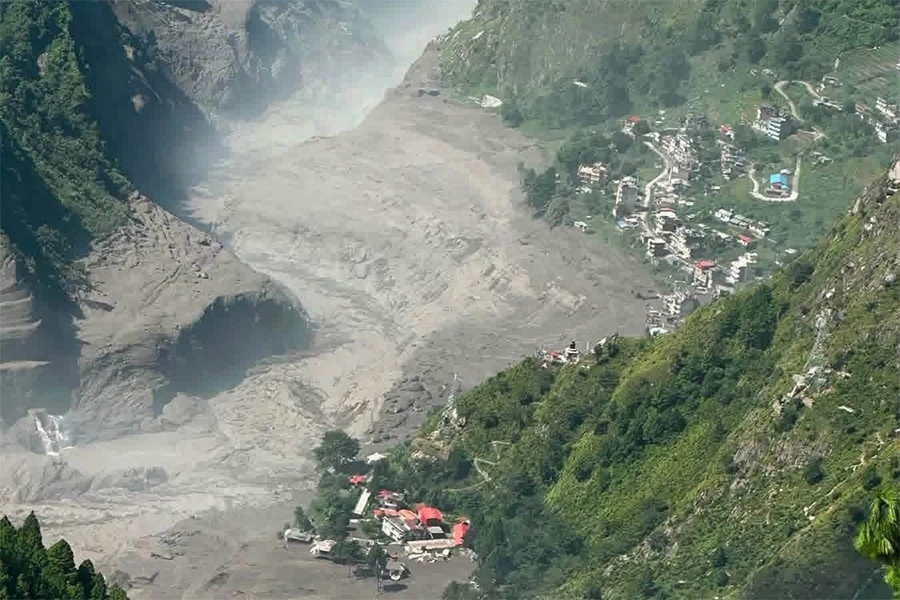
If you have been following the news out of Nepal this week, you have probably seen the heartbreaking footage from Rasuwa district, where a sudden flash flood tore through the Nepal-Tibet border area on August 26, 2026. Our thoughts are first and foremost with the families affected by this tragedy. Search and rescue operations are still ongoing, and our team is closely monitoring updates from Nepali authorities.
Manaslu Circuit Trek Because so many of our guests have written in asking whether their upcoming Manaslu Circuit Trek is affected, we wanted to put together a clear, honest update rather than let rumors fill the gap.
What Actually Happened
Early on Wednesday morning, a massive volume of water surged down the Bhote Koshi River from the Tibetan side of the border, most likely caused by a glacial lake outburst somewhere upstream in Tibet. Nepal’s own weather stations recorded very little rainfall that morning, so the flood was not a local monsoon event. It hit the border settlements of Timure and Syabrubesi first, then continued downstream into the Trishuli River, affecting parts of Nuwakot, Dhading, and Gorkha districts as the water level rose.
This is a Rasuwa district event, centered on the Nepal-China border crossing at Rasuwagadhi. It is not directly connected to the Manaslu region, and it did not touch the Manaslu trekking trail itself.
Search and Rescue, and the Missing Pilgrims Bound for Kailash
Before anything else, we want to be clear about the human scale of this event, because it is far more serious than a simple infrastructure story.
The Government of Nepal has mobilized the Nepali Army, the Armed Police Force, Nepal Police, and the National Disaster Risk Reduction and Management Authority for a large-scale search and rescue operation across Rasuwa and the downstream districts. Helicopters, both military and private, have been deployed continuously since the flood hit, and senior ministers have been personally coordinating rescue logistics around the Timure customs point.
According to preliminary figures released by the Nepal Tourism Board and reported by Nepal Police, more than 380 travelers were out of contact in the immediate aftermath, made up of both foreign nationals and Nepali citizens. A large share of them were pilgrims on the Kailash Mansarovar Yatra, since Rasuwagadhi is Nepal’s main overland crossing point into Tibet for that pilgrimage route, and hundreds of pilgrims were scheduled to cross the border on the very morning the flood struck. Reports have named missing travelers from India, the United States, Canada, the United Kingdom, Australia, and Malaysia among others, along with Nepali pilgrims and locals.
It is important to say clearly that being listed as out of contact does not automatically mean someone has died. Communication towers, mobile networks, and fiber lines in the area were badly damaged by the flood, which is a major reason so many people could not be reached in the first hours and days. Verification work is ongoing, and numbers are being updated as authorities restore communication and continue search efforts on the ground.
We are following the official Nepal Tourism Board updates and Nepal Police reports closely, and we would encourage anyone with friends or family who may have been traveling through the Rasuwa or Tibet border corridor this week to contact the Nepal Tourism Board or the dedicated relief hotline directly rather than relying on secondhand information.
This is also the clearest reason why this disaster is being talked about so widely. It is a border and pilgrimage route tragedy, not a trekking trail collapse, and that distinction matters for understanding what is and is not affected elsewhere in the country. You can get more information about search and rescue update from this government official website https://ndrrma.gov.np/en
To Be Completely Clear: Manaslu, Everest, and Annapurna Are Not Affected
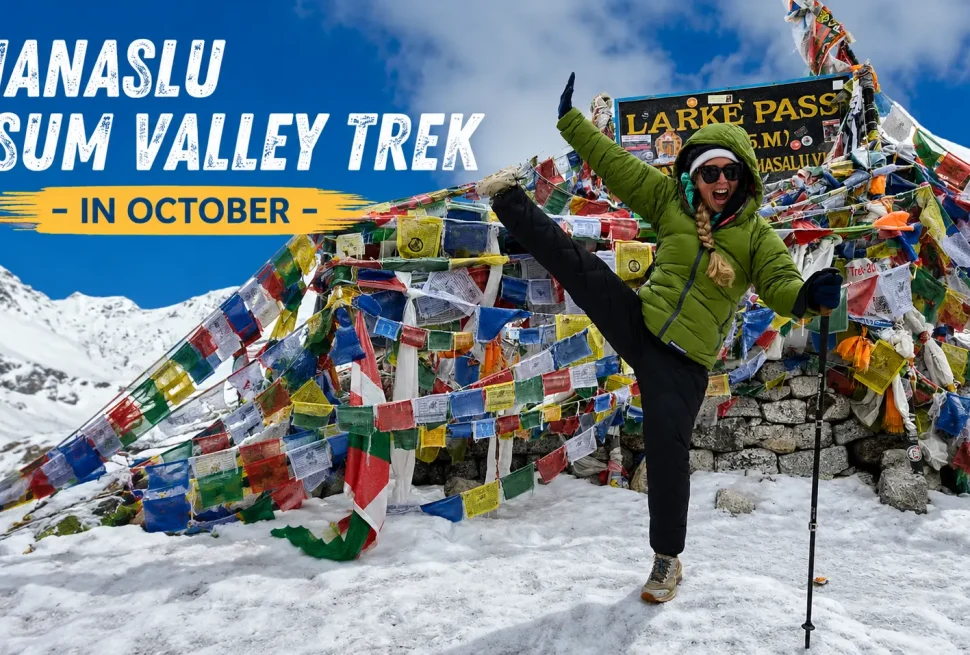
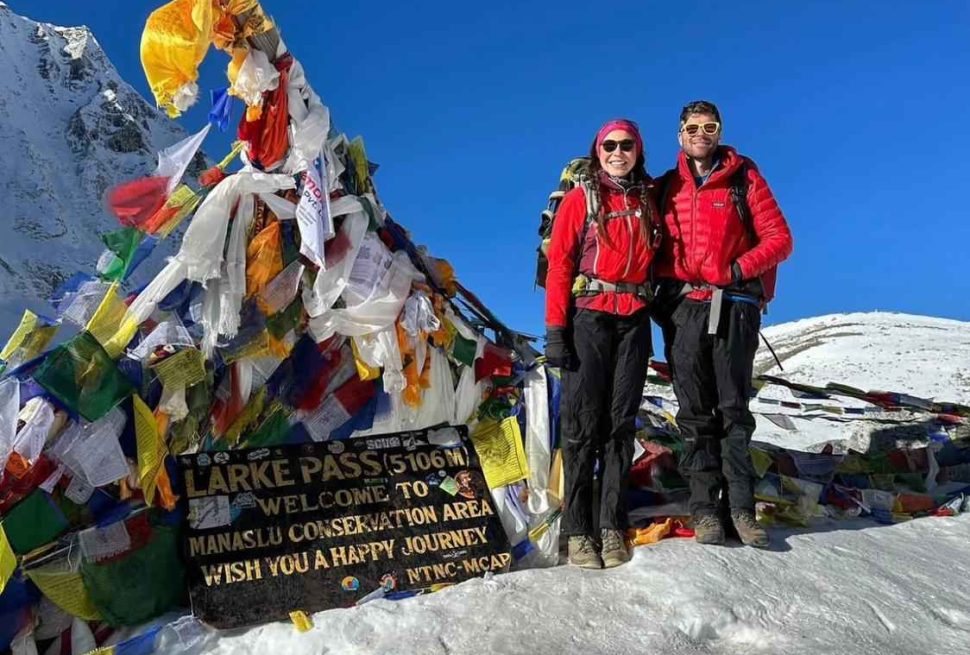
We want to be direct about this: the Manaslu Circuit Trek is a completely separate valley system from where this flood occurred. The Manaslu route follows the Budhi Gandaki river, starting from Soti Khola or Machha Khola and climbing up through Namrung, Samagaun, and Samdo before crossing Larkya La into the Annapurna Conservation Area. That valley sits well away from the Bhote Koshi and Trishuli corridor where the flood damage happened.
Our guides currently in the field, along with local teahouse owners along the Budhi Gandaki, have confirmed there is no trail damage, no bridge damage, and no disruption to the Manaslu Circuit route itself as a result of this flood. Villages such as Jagat, Deng, Namrung, and Samagaun are operating normally.
To put it plainly, so there is no confusion: Manaslu is not affected. Everest is not affected. Annapurna is not affected. All three of these trekking regions are in entirely different valley systems from the Bhote Koshi and Trishuli corridor where this flood occurred, and none of their trails, bridges, or teahouses have been affected by this incident in any way.
That said, we would rather trekkers hear this from us honestly than have us pretend the whole country is untouched. The flood did affect road infrastructure much farther south, and that part matters for how you get to the trailhead, so let us walk through that too.
What Was Actually Affected: The Prithvi Highway and Regional Bridges
The Prithvi Highway, which connects Kathmandu to Pokhara and much of central Nepal, runs alongside the Trishuli River for a good stretch, and this is where the flood’s downstream effects showed up. Several bridges along this corridor sustained damage, and traffic was temporarily suspended while authorities assessed the highway for safety.
The good news: as of this week, the Prithvi Highway has reopened to traffic. Vehicles are moving again between Kathmandu and Pokhara.
Where things are a bit more complicated is on some of the smaller connector roads and bridges away from the main highway itself. According to our own drivers and ground staff, one of the bridges that many trekking groups have started relying on in recent seasons, connecting the Lakhu and Dhading areas, has been damaged and is currently not usable. This bridge had become popular because it shaved real time off the drive between Kathmandu and the Manaslu trailhead area. With it out of service, vehicles now need to route through Gorkha Bazaar instead, which adds roughly an hour to the journey.
We want to be transparent that this detour detail comes from our team’s direct on-the-ground observation rather than a formal government report, since damage assessments on smaller local bridges tend to lag behind the bigger highway updates. If you are planning transport to the Manaslu trailhead in the coming weeks, budget that extra hour into your schedule, and check with your operator close to your departure date in case the routing changes again.
Nepal’s Department of Roads and the government have stated that repair work on damaged bridges in the flood affected zone is being prioritized, with officials indicating a goal of restoring the major crossings within roughly a month. If that timeline holds, the detour through Gorkha Bazar should be a short term inconvenience rather than a lasting issue, well ahead of the busy September and October trekking season.
What About Everest, Annapurna, and Langtang?
We have had a number of questions about the other major trekking regions too, so here is a quick honest rundown based on what we know right now.
Everest region: not affected. The Everest region trails, drawing from the Dudh Koshi valley and accessed via Lukla, sit in a different part of the country entirely. There is no trail damage, no bridge damage, and no disruption of any kind linked to this flood.
Annapurna region: not affected. The Annapurna Circuit and Annapurna Base Camp trails themselves are fully intact and untouched. Some travelers heading to or from Pokhara along the Prithvi Highway experienced short delays while the highway was temporarily closed, but the highway has reopened, and the trails were never at risk in the first place.
Manaslu region: not affected. As covered above, the Budhi Gandaki valley and the full Manaslu Circuit route are untouched by this flood, and the only practical change for trekkers is a longer drive to reach the trailhead because of one damaged connector bridge, not any damage to the trek itself.
Langtang region: This is the one region genuinely affected, since Langtang trekking begins from Syabrubesi, which was one of the hardest hit settlements in this flood. Anyone planning a Langtang Valley, Tamang Heritage, or Gosaikunda trek should speak with their operator directly, as road access and trail conditions are still being assessed.
Our Honest Advice If You Have a Manaslu Trek Booked
We know the natural reaction to headlines like these is worry, and that is completely fair given how serious this disaster has been for the communities directly affected. But panic is not useful either, and canceling a Manaslu trip over an incident that happened in a different valley system, hundreds of kilometers of trail away, would not reflect what is actually happening on the ground.
Here is what we would suggest instead.
If your trek departs in the next few weeks, plan for the Gorkha Bazar detour adding about an hour to your drive time, and confirm your transport arrangements with your operator a few days before departure.
If your trek is scheduled for the main autumn window in late September or October, there is currently no reason to expect any lingering effect. Bridge repairs are underway, the Prithvi Highway is already open, and the Manaslu trail itself was never touched by this flood in the first place.
If you are still deciding whether to book, we would encourage you to talk to an operator who has people physically on the ground right now, rather than relying only on news headlines written from far away. Conditions in Nepal can change quickly, but they can also be reported inaccurately or out of context just as quickly.
A Final Word
This flood has caused real loss for families in Rasuwa and along the Trishuli corridor, and we do not want a trekking update to read as though we are brushing that aside. At the same time, we know many of you have trips planned, deposits paid, and flights booked, and you deserve clear, accurate information rather than vague reassurance or unnecessary alarm.
The Manaslu Circuit Trek is open, the trail is undamaged, and, with a small adjustment to ground transport timing, autumn 2026 departures are proceeding as planned. We will keep this page updated as the highway and bridge situation develops, and as always, feel free to reach out to our team directly with any specific questions about your upcoming trip.