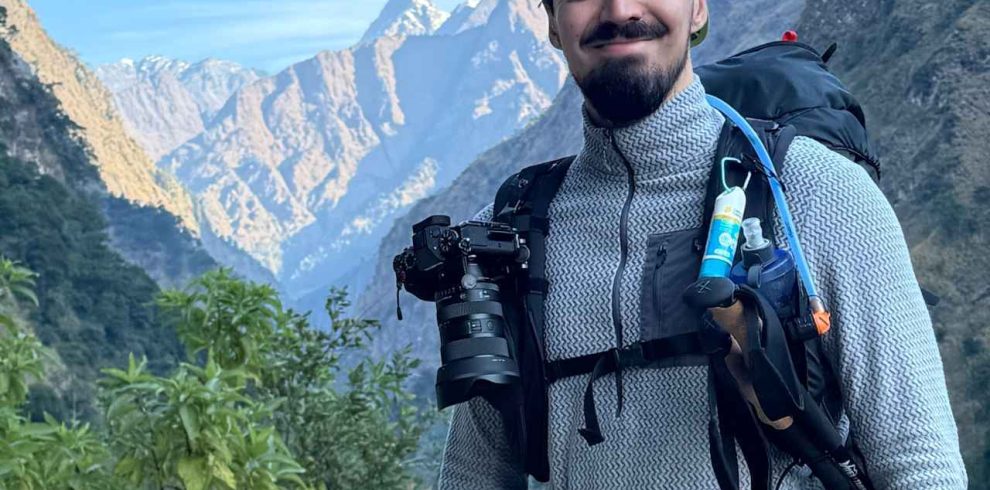
Namaste, I am a Trekking Guide and the founder of Manaslu Treks and Expedition. I have walked the Manaslu Circuit Trek more than twenty times. I am a licensed guide born and raised in Dhading, now based in Kathmandu, and I have taken first-time trekkers of every age and fitness level over the Larkya La Pass at 5,106 meters. Every season, someone messages me and asks the same question in a different way. Am I too inexperienced for this trek? Is Manaslu too hard for a beginner? Should I do Everest Base Camp first instead?
I am going to answer that question honestly in this guide, using real numbers, real village names, and real decisions I make on the trail every week, not generic advice copied from a travel brochure.
The Manaslu Circuit Trek is a spectacular journey around Mount Manaslu (8,163 m), the eighth-highest mountain in the world. Located…
Can a Beginner Really Complete the Manaslu Circuit Trek
Yes, a beginner can complete the Manaslu Circuit Trek, and I have guided dozens of people who had never done a multi-day trek before their arrival in Nepal. What matters is not your past trekking résumé. What matters is your baseline fitness, your willingness to walk slowly at altitude, and whether you choose an itinerary with enough acclimatization days built in.
The trek is rated moderate to challenging, not extreme. You do not need technical climbing skills, ropes or crampons on the standard route. You need the ability to walk for five to seven hours a day on uneven ground for around two weeks, and the patience to let your body adjust to thinner air as you climb from about 700 meters at the start to just over 5,100 meters at the pass.
Where beginners get into trouble is not the walking itself. It is rushing the itinerary, ignoring early altitude symptoms, or booking with a company that skips acclimatization days to save money. I will cover exactly how to avoid all three below.
How Manaslu Compares to Everest Base Camp and Annapurna for a First Timer
People planning their first Himalayan trek almost always compare three routes: Manaslu, Everest Base Camp and the Annapurna Circuit. Each has a different risk profile for someone with no prior high altitude experience, and the differences matter more than most blogs explain.
Everest Base Camp starts with a flight into Lukla at around 2,800 meters. That means you are sleeping above 2,800 meters on your very first night, with almost no gradual buildup. Your body has to adapt fast, and this is exactly why so many first-time EBC trekkers get headaches in the first three days.
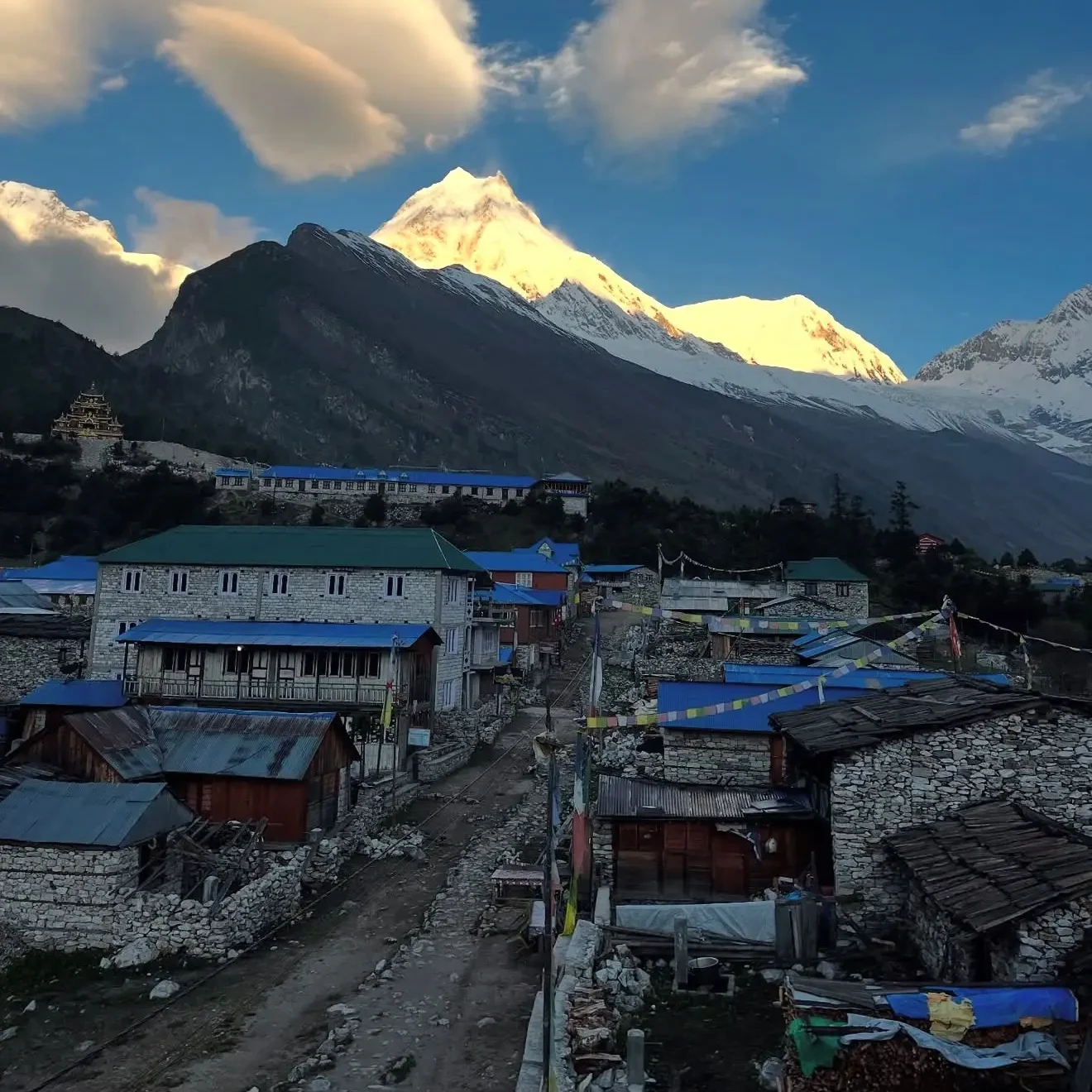
Manaslu works differently. You start driving from Kathmandu to Machha Khola or Soti Khola, both at altitudes below 900 meters, and you walk uphill gradually for more than a week before reaching altitudes above 3,500 meters. This slow, road-based start is actually an advantage for a beginner, because your lungs and blood have far more time to adjust before the air gets genuinely thin.
Where Manaslu becomes harder than EBC is in the final push. Larkya La at 5,106 meters is a long summit day, eight to ten hours from Dharamsala to Bimthang, at an altitude with roughly half the oxygen of sea level. EBC’s high point, Kala Patthar, is a shorter out-and-back walk from an established lodge town. Manaslu also has fewer teahouses, simpler food options at altitude and a more remote feel, since the region only reopened to trekkers in 1991 and still requires a restricted area permit.
The Manaslu Circuit Trek is a spectacular journey around Mount Manaslu (8,163 m), the eighth-highest mountain in the world. Located…
The Annapurna Circuit crosses Thorong La at 5,416 meters, higher than Larkya La, but benefits from the best infrastructure of the three routes and paved road access on both sides now.
My honest take as someone who has guided all three regions: if you have zero trekking experience and zero time to prepare, Everest Base Camp or the classic Annapurna teahouse trek are marginally gentler introductions. If you can give yourself even four to six weeks of walking practice, and you choose a 14-day Manaslu Trek itinerary with two full acclimatization days, Manaslu is absolutely within reach for a first timer, and you get a much quieter trail and a far more authentic village experience than either of the other two routes.
There is also a cost comparison worth knowing. Everest Base Camp costs more overall, mainly because of the domestic flight to and from Lukla, which alone can run several hundred dollars round-trip and is often delayed by weather. Manaslu has no flights at all. Every kilometer is covered by road and trail, which keeps the transport portion of your budget lower, even though the restricted area permit itself costs more than an open route permit.
Why Manaslu Is Different From an Ordinary Trek
Before you plan anything, understand that Manaslu is not a walk you can simply show up and start. The region lies close to the Nepal-Tibet border in northern Gorkha district and has been designated a restricted area since the government opened it to foreign trekkers in 1991. This status protects a fragile alpine ecosystem, centuries-old Buddhist heritage sites, and a sensitive border zone.
Because of that classification, three things are true that are not true on open routes like Annapurna Base Camp or Langtang.
You must trek with a licensed guide from a registered Nepali trekking agency. This is not a suggestion. It is a legal requirement enforced at checkpoints along the trail.
Your permits must be applied for in advance through that agency, and your entry and exit dates must match what is printed on the permit.
You cannot simply walk in on your own with a backpack and a map, the way some travelers do on unrestricted trails elsewhere in Nepal.
We are registered with the Trekking Agencies Association of Nepal (TAAN) and the Nepal Mountaineering Association (NMA). Every guide on our team carries an official license and every trek we run has permits filed correctly before you land in Kathmandu.
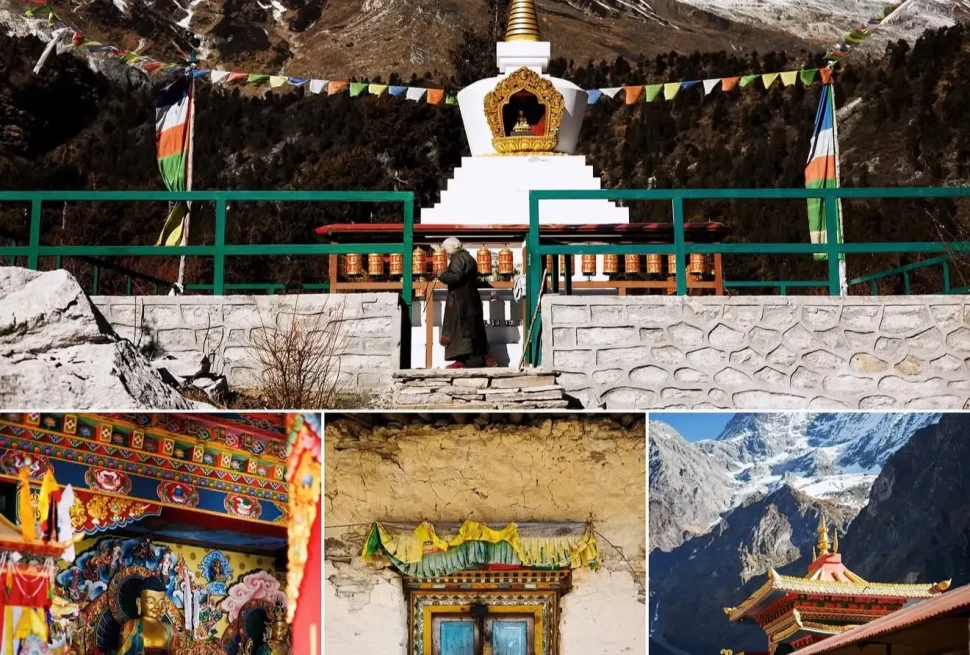
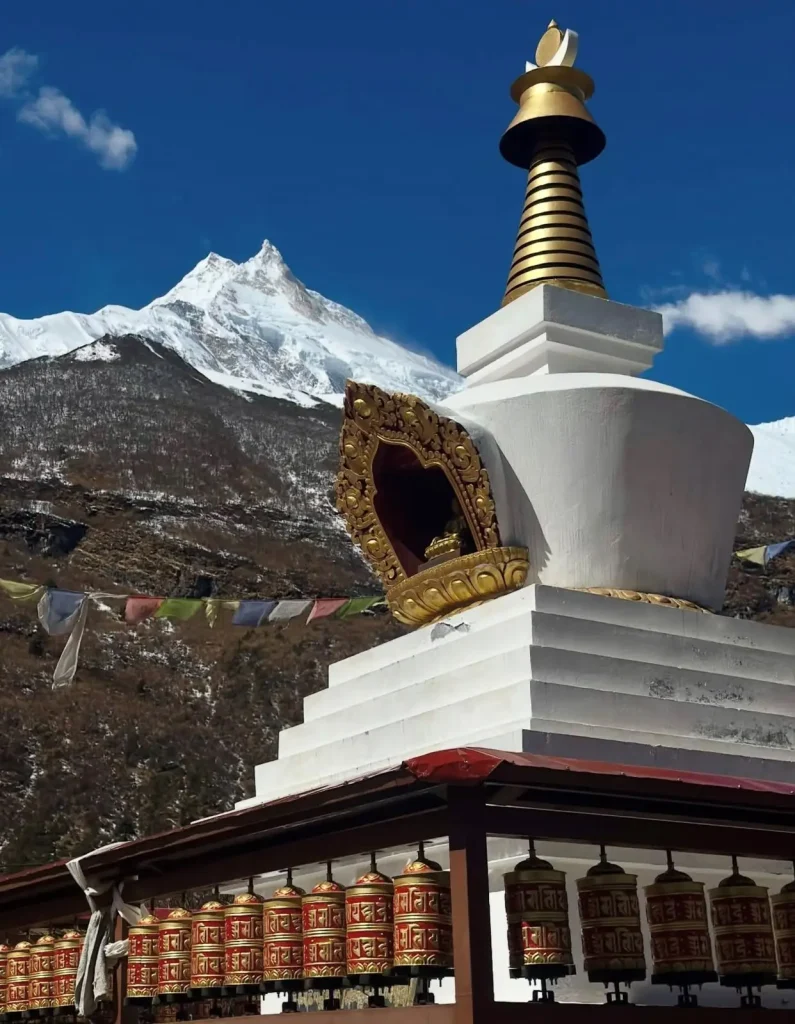
For a beginner, this restricted status also means something positive that rarely gets mentioned. The villages along the route belong to the Nubri and Tsum people, communities with a distinct culture, language and Tibetan Buddhist tradition that has stayed largely intact precisely because the region limits visitor numbers. You will pass mani walls, chortens and monasteries that are still active places of worship, not tourist attractions rebuilt for photographs. Mount Manaslu itself, the eighth highest mountain on earth at 8,163 meters, translates roughly to mountain of the spirit in Sanskrit, and the reverence local people hold for it is visible in how carefully the trail passes below it rather than through it.
The Permits You Need and the Solo Trekking Rule Change
For the standard Manaslu Circuit, you need three permits: the Manaslu Restricted Area Permit, the Manaslu Conservation Area Permit and the Annapurna Conservation Area Permit, since the final section of the route after Larkya La descends through Bimthang and Tilije into the Annapurna Conservation Area before ending at Dharapani.
Restricted Area Permit pricing depends on the season. From September through November it costs 100 US dollars per person for the first seven days, then 15 dollars per person for each additional day. From December through August the rate drops to 75 dollars for the first seven days, then 10 dollars per additional day. The conservation area permits are priced in Nepali rupees, at 3,000 rupees each for foreign nationals, with reduced rates for SAARC nationals and Nepali citizens.
One rule beginners ask me about constantly is solo trekking. Until March 22, 2026, a single foreign trekker could not get a Manaslu permit alone, since the old policy required a minimum of two people per restricted area permit. As of March 22, 2026, the Department of Immigration changed that rule. A solo foreign traveler can now be issued a restricted area permit without needing to find a second person to join.
This does not mean unsupported solo trekking. You are still required to travel with a licensed guide arranged through a registered agency, exactly as before. What changed is that you no longer need to wait for a stranger to join your booking. For a beginner traveling alone, this is genuinely good news, because it means you can plan your own pace with your own guide instead of matching the speed of a group of people you have never met.
To put the total permit cost in real terms for a beginner planning a standard fourteen day trip in autumn, expect roughly 205 dollars for the Restricted Area Permit, around 25 to 30 dollars each for the MCAP and ACAP conservation permits, and a small local municipality fee of about 8 dollars collected on the trail near Jagat or Philim. Altogether, permits and local fees typically land around 260 to 270 dollars per person during peak season, and somewhat less from December through August. This is a fixed cost that does not change whether you are trekking solo or in a group of twelve, since it is charged per person by the government, not per booking.
Choosing the Right Itinerary Length as a First Timer
We run Manaslu itineraries from nine days up to twenty three days when combined with Tsum Valley, and the length you choose has more effect on your safety and comfort than almost any other decision you will make.
The nine day short Manaslu Circuit Trek is a compressed version with minimal buffer for acclimatization. I only recommend this to trekkers who already have experience above 4,000 meters, since it does not give your body much room to adjust before the pass.
The ten and eleven day versions add a bit more breathing room but still move quickly through the middle section of the route.
For a genuine first timer, I recommend the thirteen or fourteen day itinerary. The fourteen day version in particular builds in two full acclimatization days, typically one at Samagaun around 3,530 meters and one at Samdo around 3,860 meters, before you attempt the pass. Those two rest days, where you sleep at the same elevation but hike a little higher during the day, are the single most effective tool for reducing altitude sickness risk that I know of as a guide.
If you have more time and want the richest cultural experience, the nineteen day Manaslu Circuit with Tsum Valley extension adds the sacred Tsum Valley, including Milarepa’s meditation caves and the Mu Gompa monastery, before rejoining the main circuit. For trekkers who want both regions at a relaxed pace, the twenty three day combined itinerary gives you the most comfortable acclimatization schedule of any package we run.
Should a Beginner Add the Tsum Valley Extension
I get asked this constantly, so let me answer it directly. Tsum Valley Trek itself is gentler than the main Manaslu Circuit. It sits lower, tops out at a lower elevation, and has shorter daily walking distances. The extension does not make your trek any harder physically. What changes is the duration and cost, since you add roughly 7 to 10 extra days and a separate Tsum Valley Restricted Area Permit.
For a true first timer with limited vacation time, I usually recommend saving Tsum Valley for a second trip to Nepal rather than combining everything into one long journey. For a beginner who has more time available and wants maximum cultural depth on a single visit, the combined itinerary is genuinely one of the best value trekking experiences in the entire Himalaya, since you get two restricted regions, far fewer trekkers than Everest or Annapurna, and a very gradual acclimatization schedule built in simply because the route is longer.
Cost Breakdown for a Beginner: What Is Included and What Is Extra
As a rough guide to current package pricing, the nine-day short circuit starts from around 890 dollars, the standard thirteen-day trek runs from roughly 1,350 dollars, the fourteen-day version with full acclimatization is priced from about 1,300 dollars, and the luxury fifteen-day version with upgraded lodges runs from around 2,000 dollars. Prices shift with group size and season, so check the current rate on the trip page before booking rather than relying on a number in an article.
For a beginner budgeting for the first time, it helps to know exactly what a standard package covers and what you pay for separately on the trail.
Included in a standard all-inclusive package: all three permits, your licensed guide, a porter to carry your main duffel, teahouse accommodation for every night on the route, three meals a day while trekking, ground transportation between Kathmandu and the trailhead in both directions, and your included stay at Moonlight Hotel in Thamel before and after the trek.
Not included, and worth budgeting separately: hot showers at teahouses, which typically cost a small fee at higher altitudes, wifi where available, snacks and bottled drinks beyond your included meals, tips for your guide and porter at the end of the trek, and personal travel insurance covering high altitude trekking and emergency evacuation.
Because there are no ATMs beyond the first day or two of the route, I always tell first time trekkers to carry enough Nepali rupees in cash from Kathmandu to cover these extras for the entire trip, since running short of cash above Namrung is a real problem with no easy solution on the trail.
The Manaslu Circuit Trek is a spectacular journey around Mount Manaslu (8,163 m), the eighth-highest mountain in the world. Located…
What a Beginner Actually Experiences, Day by Day
Let me walk you through what the trek actually feels like on a standard fourteen-day itinerary, because most articles describe permits and altitude charts but never tell you what a normal day looks like on the ground.
Day one is arrival in Kathmandu, where our team meets you at Tribhuvan International Airport and takes you directly to Moonlight Hotel in Thamel. You settle in, meet your guide for a briefing and gear check, and rest off the jet lag. This first meeting matters for a beginner especially, since it is your chance to ask every question you have been saving up, from what to expect at Deng to how cold Dharamsala really gets, before you are already on the trail with no easy way back.
Day two is the long drive from Kathmandu to Machha Khola or Soti Khola, seven to ten hours by road depending on conditions. This is not glamorous. It is a long, bumpy ride, and most first-timers are relieved when it finally ends.
Days three through six follow the Budhi Gandaki river through a series of villages: Machha Khola to Jagat, Jagat to Deng, and on toward Namrung. Some of this stretch now follows a rebuilt gravel road rather than a dedicated trekking trail. The Nepal government has been extending a road along this corridor, and as of now roughly 154 kilometers of that road network exists in some form, though construction is only partially finished and large sections remain rough track rather than a finished surface. Between Jagat and Philim in particular, there is no separate trekking path around the roadwork, so you will walk on the road itself for part of that stretch whether you like it or not. I tell every beginner this in advance so nobody is surprised or disappointed on day three.
Days seven and eight take you past Namrung into proper Himalayan terrain: Lho, Shyala and finally Samagaun, where Mount Manaslu itself, the eighth highest mountain on earth at 8,163 meters, comes into full view above the village.
Day nine is your first acclimatization day at Samagaun. Most trekkers use it to hike up toward Manaslu Base Camp or Birendra Lake rather than resting completely, since gaining altitude during the day then sleeping lower is more effective than doing nothing at all.
Day ten continues to Samdo, and day eleven is a second acclimatization day there, often with a short hike toward the old trading route near the Tibet border.
Day twelve moves to Dharamsala, sometimes called Larkya Phedi, the last stop before the pass at around 4,450 meters. This is the coldest, most basic night of the trek, and it is also the shortest, since everyone wants to sleep early before a pre dawn start.
Day thirteen is the big one. You leave Dharamsala in the dark, climb to Larkya La at 5,106 meters over several hours, then descend a long, demanding stretch to Bimthang on the other side. This single day covers about 23 to 24 kilometers and takes most trekkers 8 to 10 hours. It is the hardest day of the entire trek, and it is also the day people remember most vividly for the rest of their lives.
Day fourteen and beyond ease considerably as you descend through Tilije toward Dharapani, where the Manaslu Circuit meets the Annapurna Circuit trail and road access resumes for your drive back to Kathmandu and a final night at Moonlight Hotel. Over the full fourteen days you will have covered somewhere between 150 and 170 kilometers on foot and climbed from under 900 meters to just over 5,100 meters and back down again, which is worth remembering on the harder days when the finish line feels far away. Most trekkers, including complete beginners, receive a completion certificate from our team once they are back in Kathmandu, a small thing that ends up meaning more than people expect after two weeks of effort.
The Manaslu Circuit Trek is a spectacular journey around Mount Manaslu (8,163 m), the eighth-highest mountain in the world. Located…
What a Typical Trekking Day Actually Feels Like
Beyond the village names and distances, beginners want to know what the rhythm of a single day feels like, so here is the honest version.
You wake around six in the morning, often to the sound of roosters or your guide gently knocking on the door. Breakfast is usually porridge, eggs, toast or Tibetan bread with tea or coffee, eaten in the dining hall while your porter finishes packing the duffel bags. You are usually walking by seven thirty.
The morning session covers the bulk of the day’s distance, broken by short rest stops every hour or so for water and a snack. Lunch happens around midday, either at a teahouse along the route or at a scenic spot if the next village is close. The afternoon session is shorter and slower, since fatigue builds and, at higher altitude, so does the effect of thinner air.
You typically arrive at your next teahouse between two and four in the afternoon, giving you time to wash up, rest, and journal or read before dinner. Dinner is served around six or seven, followed by a group conversation in the warm dining hall, since it is usually the coldest room to leave once everyone settles in. Most trekkers are in bed by eight thirty or nine, exhausted in the best possible way.
Understanding Altitude and Acclimatization Before You Go
Altitude is the single biggest variable on this trek, and it is also the one beginners misunderstand the most. Altitude sickness has nothing to do with how fit you are. I have watched marathon runners struggle at 4,000 meters while a sixty-year-old grandmother with no gym routine crossed Larkya La without a single symptom. What matters is ascent rate, hydration and how honestly you listen to your body.
Above roughly 3,000 meters, the air holds less oxygen, meaning your body needs time to produce more red blood cells and adjust its breathing pattern. Rush that process and you risk a headache, nausea, dizziness or trouble sleeping, which is called acute mountain sickness.
The early warning signs to watch for are a mild headache, loss of appetite, unusual fatigue, and difficulty sleeping despite being tired. These are common and usually manageable with rest and hydration. The signs that mean you must descend immediately are a headache that does not respond to rest or basic medication, vomiting, confusion, loss of balance or coordination, or a persistent cough with fluid sounds in the chest. Every guide on our team is trained to recognize this second set of symptoms and to insist on descent without negotiation if they appear, since this is the point where altitude sickness can become genuinely dangerous.
The two acclimatization days built into the fourteen day itinerary, at Samagaun and Samdo, exist specifically to slow your ascent rate at the two points where it matters most. On those days, drink at least three to four liters of water, walk a little higher than your sleeping altitude during the day then come back down to sleep lower, eat enough calories even if your appetite drops, and tell your guide immediately if you feel anything more than mild tiredness.
If symptoms do not improve with rest, the right decision is always to descend rather than push on, and that decision is never treated as a failure. I would rather bring a client down a day early than risk a serious problem near Larkya La where evacuation options are limited. For a full breakdown of what happens if altitude sickness does occur on this specific route, our guide on what happens if you get sick on the Manaslu Circuit Trek covers the exact decision process our guides follow.
Physical Fitness and Training Before You Arrive
You do not need to be an athlete for this trek, but you should not arrive completely untrained either. I recommend starting a simple preparation routine four to eight weeks before your flight to Kathmandu.
Build up regular walking on hills or stairs, ideally with a daypack loaded to five kilograms in the early weeks, increasing to seven or eight kilograms as your departure date approaches. Add two or three sessions a week of cardiovascular exercise such as jogging, cycling or brisk walking, and include some basic strength work for your legs and core, since the descent days after the pass put real strain on your knees.
A simple structure that works well for most first timers looks like this. In the first two weeks, walk three times a week for thirty to forty minutes on any terrain with hills, plus one longer weekend walk of ninety minutes. In weeks three and four, extend the weekend walk to two or three hours with a loaded daypack, and add one stair climbing or step machine session during the week. In the final two to four weeks before departure, aim for one long walk of four or more hours on the steepest terrain you can find nearby, since this best simulates a demanding trekking day, and keep the shorter sessions going to maintain general fitness without overtraining right before you fly.
Just as important, break in your trekking boots before you arrive. I have seen more beginners struggle with blisters from brand new boots than from any altitude issue in the first three days. Wear them on every training walk so your feet already know the boots by the time you reach Machha Khola. Our full preparation guide, how to train and prepare for the Manaslu Circuit Trek, goes into more detail on a week by week training structure if you want a complete plan.
What to Pack as a Beginner
I am not going to repeat an entire packing list here since we have a dedicated Manaslu Circuit Trek packing list that covers every item in detail, but as a beginner there are a few things worth flagging specifically.
Always carry a rain jacket and a warm mid layer in your daypack, not in your main duffel that your porter carries. Weather near the pass can shift from clear sun to cold wind within an hour, and if your porter is thirty minutes ahead or behind you on the trail, you need to be able to layer up immediately, not wait.
A four season sleeping bag rated for temperatures well below freezing is essential for the nights at Samdo and Dharamsala. A basic water purification method, either tablets or a filter, saves money and plastic waste, since bottled water above Samagaun becomes expensive and less available the higher you go.
Trekking poles are worth the small extra weight, especially on the long descent from Larkya La to Bimthang, which is where most beginner knee complaints happen.
A few small items make a bigger difference than beginners expect. A headlamp with spare batteries is essential for the early departure on pass day, since you will be walking in full darkness for the first hour or more. Sunglasses rated for high altitude glare protect your eyes on the snow near Larkya La, where reflected sunlight is far stronger than it looks. A basic first aid kit with blister plasters, pain relief and any personal medication rounds out the essentials, though your guide also carries a more complete kit for the group.
Insurance for a Beginner Trekker
Travel insurance is not optional for this trek in my professional opinion, even though it is not legally checked at the same checkpoints as your permits. Manaslu is remote, and if something goes wrong near Samdo or Dharamsala, the only realistic way out in a genuine emergency is a helicopter evacuation, which is expensive without coverage.
When you buy a policy, confirm three things specifically. It must cover trekking at altitudes up to 6,000 meters, since some standard travel policies cap out at 3,000 or 4,000 meters and will not pay out above that line. It must include emergency helicopter evacuation, not just medical treatment. And it should include trip interruption coverage, in case a family emergency or illness forces you to leave the trek early. Buy this before you leave home, since it is far harder to arrange once you are already in Nepal.
We ask every guest to send us a copy of their policy details before departure, and our guides carry emergency contact numbers for major insurance providers, so there is no delay if a claim or evacuation call needs to be made from the trail. This single piece of paperwork, done properly before you fly, is the difference between a stressful evacuation and a straightforward one.
Teahouses, Bathrooms and Food: What Comfort Actually Looks Like
Beginners often picture Himalayan teahouses as either luxury lodges or bare wooden huts, and the reality on Manaslu sits comfortably in between. Rooms are simple, usually twin share with a proper bed, blankets and a pillow, and every village has a warm communal dining hall where trekkers gather in the evening.
On the packages we run, every stop along the Manaslu Circuit has rooms with attached bathrooms except Deng, where facilities remain more basic and shared bathrooms are the norm. That single exception is worth remembering so you are not caught off guard on that particular night. Everywhere else on the standard route, you can expect your own bathroom attached to your room.
Food is simple, filling and repetitive by design. Dal bhat, the traditional Nepali rice and lentil set with unlimited refills, is the most reliable and nutritious option at every altitude, and it is what most guides eat every single day on the trail. Menus also include noodle soup, fried rice, momo, porridge and eggs, though variety narrows the higher you climb.
For a full village by village breakdown, our accommodation in Manaslu Circuit Trek guide and our dedicated toilet facilities guide cover every stop in more detail than I have room for here.
Staying Connected on the Trail
One question almost every first timer asks me before departure is whether they will have phone signal. The honest answer is that connectivity on Manaslu has improved a great deal in recent years, and every guest who books with us receives an NTC SIM card, Nepal’s main mobile network, which gives reasonably reliable data coverage through most of the lower and middle sections of the route. Coverage does thin out near Samdo and Dharamsala, which is normal and expected given the remote terrain, but you are rarely completely cut off the way trekkers were a decade ago.
Where You Stay in Kathmandu Before and After Your Trek
Your Manaslu experience does not start on the trail. It starts in Kathmandu, and every package we run includes a stay at Moonlight Hotel in Thamel, both before your trek begins and after you return. On your arrival day, once you check in and rest off the flight, we sit down together for a proper briefing, go through your gear piece by piece, answer every question you have, and make sure your permits and documents are in order before you leave the city. This matters more than people expect on a first trek, because you arrive jet lagged, get everything sorted in comfort, and then have a proper hot shower and real bed waiting for you the moment you come back down from the mountains, rather than scrambling to book a room after two weeks on the trail.
The Guides and Porters Who Will Be With You
For a beginner, the person walking beside you matters more than almost any piece of gear you pack. Every guide on our team is licensed and trained in first aid and altitude management, and most of our guides, like me, grew up in villages in the Manaslu and Gorkha region, which means the trail, the culture and the families running the teahouses are not abstract to us. They are our neighbors.
I started this work as a porter myself, carrying loads on these same trails long before I earned my guide license, so I understand the physical side of the trek from every angle, not just the theory. Our porters carry your main duffel, generally around 20 to 22 kilograms shared between two trekkers, while your guide stays with you, sets the pace, checks on your condition throughout the day, and makes the real time decisions that keep a beginner safe when the terrain or weather changes.
Every guide we send with a beginner group carries a current TAAN-registered guide license, wilderness first aid training, and practical experience managing altitude-related issues in the field, not just classroom theory. For a first time trekker, this is the difference between someone who can recognize the early signs of acute mountain sickness on day nine at Samagaun and someone who simply hopes you will be fine. I check this personally with every guide before they take a beginner group, because their judgment matters more on this trek than on almost any other route in Nepal.
Group Trek or Private Trek: Which Is Better for a Beginner
Both options work well for first timers, and the right choice depends on your personality more than your fitness. A group trek, joining other travelers on a fixed departure date, is usually less expensive per person since guide and transport costs are shared, and many beginners enjoy the social side of walking with new friends every evening in the dining hall.
A private trek, just you or your travel companions with your own guide, gives you full control over your daily pace, your rest stops and even your departure date. For a beginner who is anxious about keeping up with strangers, or who wants extra flexibility to slow down if altitude symptoms appear, a private trek removes that pressure entirely. Since the March 2026 solo permit change, private trekking for a single traveler has also become far more straightforward to arrange than before.
The Manaslu Circuit Trek is a spectacular journey around Mount Manaslu (8,163 m), the eighth-highest mountain in the world. Located…
Common Mistakes First-Time Trekkers Make on Manaslu
After twenty-plus trips on this route, I see the same handful of mistakes repeat themselves nearly every season.
Walking too fast on the first three days because the terrain feels easy at low altitude, then arriving at Samagaun already fatigued right when the trek gets harder.
Skipping or shortening acclimatization days to save one night of accommodation cost, which is a false saving if it leads to altitude sickness that ends your trek early.
Not carrying enough cash. There are no ATMs beyond the early stages of the route, so every trekker needs to carry sufficient Nepali rupees from Kathmandu for tea, snacks, hot showers and tips.
Underestimating the cold at Dharamsala and Samdo, then not packing a sleeping bag rated for the actual temperatures at those altitudes.
Choosing an agency based purely on the lowest price without checking whether they are registered with TAAN and NMA, whether their guides are actually licensed, and whether their itinerary includes real acclimatization days rather than just a fast, cheap route to the pass.
Buying travel insurance that does not actually cover high altitude helicopter evacuation, then discovering the gap only when it is too late to fix.
Ignoring footwear problems on day one or two because they seem minor, then dealing with a painful blister for the remaining twelve days simply because a small piece of moleskin was never applied early. Treat every hot spot on your foot the moment you feel it, not once it becomes a real blister.
Best Time of Year for a First Time Trekker
For a first attempt at high-altitude trekking, I recommend spring (March to May) or autumn (September to November). Both seasons bring stable weather, clear mountain views and manageable daytime temperatures. Autumn in particular offers the clearest skies of the year right after the monsoon clears, which is why it is the busiest season on the trail.
Winter, from December to February, brings deep cold and heavy snow around Larkya La, and I only recommend it to trekkers with prior winter mountain experience. Monsoon, from June to August, brings rain, leeches and a higher landslide risk in the lower gorge sections, and while the permits are cheaper and the trail is far quieter, I would not recommend it as a first Himalayan trek unless you specifically want that kind of challenge.
To give you real numbers rather than vague seasonal labels, daytime temperatures in lower villages like Jagat and Deng during autumn and spring typically range from 15 to 22 degrees Celsius, comfortable for walking in a light layer. By the time you reach Samagaun and Samdo, daytime temperatures drop to somewhere between 0 and 10 degrees Celsius, and nighttime temperatures at Samdo and Dharamsala regularly fall to between minus 10 and minus 15 degrees Celsius in autumn, colder still in winter. This is exactly why a properly rated sleeping bag is not a suggestion, it is a requirement, and why I keep repeating this point throughout this guide.
Choosing the Right Trekking Company as a Beginner
The single biggest factor in whether a beginner has a safe, comfortable Manaslu experience is not their fitness level. It is the company they book with. Before you hand over your trust and your money, confirm three things: that the agency is registered with TAAN and NMA, that your guide holds an actual government license rather than an informal porter promoted to guide for the season, and that the itinerary you are shown includes genuine acclimatization days rather than a compressed schedule designed to undercut competitors on price.
I built Manaslu Treks and Expedition around exactly this standard, because I started as a porter myself on these same trails before becoming a licensed guide, and I know firsthand what happens when a company cuts corners on acclimatization to save a day of costs. It is not worth it, for you or for us. That is also why our booking policy requires no advance payment. You reserve your dates, we prepare your permits and logistics, and you settle payment after you arrive in Nepal and meet our team in person, rather than sending money to a company you have never met before you even land.
Mental Preparation: What Nobody Tells First Timers
Most guides focus entirely on physical preparation and skip the mental side, so let me add what I have learned from watching hundreds of beginners on this trail. The hardest part of the Manaslu Circuit is rarely your legs. It is usually the middle stretch, somewhere around Namrung or Lho, when the excitement of day one has worn off, the destination still feels far away, and the daily routine of walking, eating and sleeping starts to feel repetitive.
Expect that flat feeling and it will not surprise you when it arrives. Bring a book, a journal, or simply lean into conversation with your guide and porter, since they know this stretch well and can tell you stories about the villages you are passing through. The pass day itself brings a different kind of mental challenge, an early start in the cold and dark, several hours of steady uphill effort with less oxygen than you are used to, followed by a long knee jarring descent. Trekkers who do well on that day are rarely the fittest in the group. They are the ones who accepted beforehand that it would be slow and difficult, and simply kept putting one foot in front of the other without fighting the discomfort.
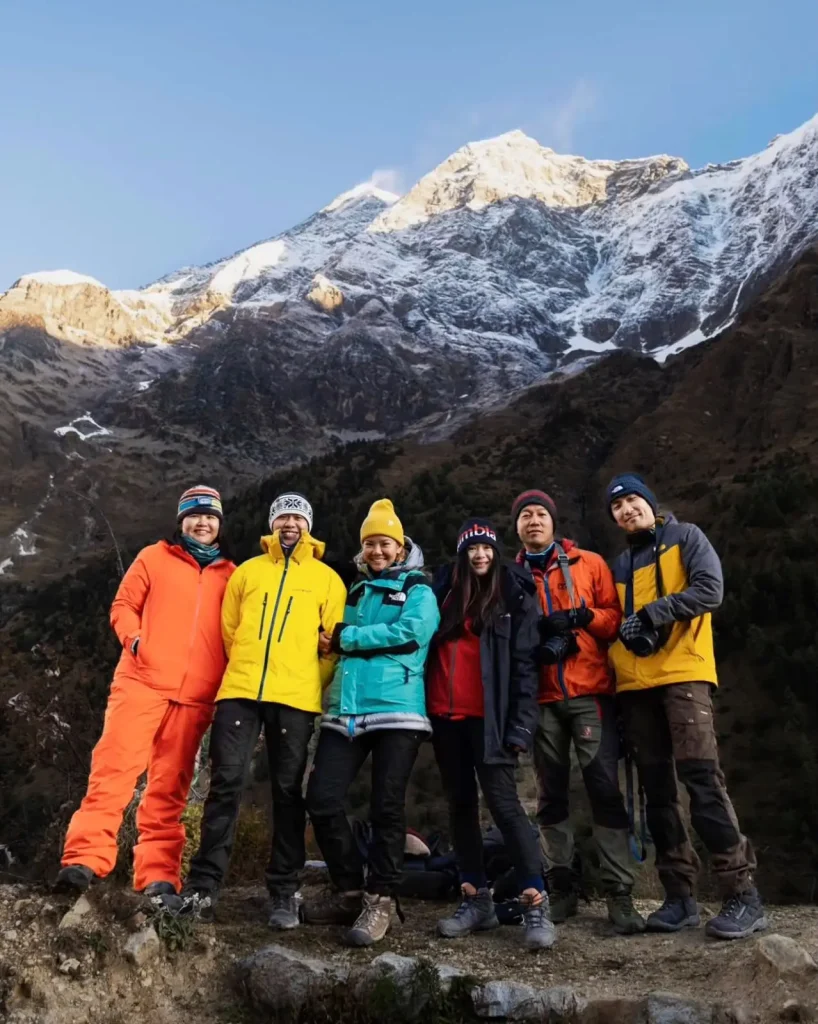
My Honest Advice to a First-Time Manaslu Trekker
If you take one thing away from this guide, let it be this. Your trekking history does not determine whether you can complete the Manaslu Circuit. Your decisions do. Choose the fourteen day itinerary if this is genuinely your first high altitude trek. Train for a month or two beforehand, even if it is just stairs and a loaded daypack around your neighborhood. Pack for real cold at Dharamsala and Samdo. Drink more water than feels necessary. Walk slower than you think you need to, especially above Samagaun. And trek with a guide who will tell you the truth about your condition, not just tell you what you want to hear.
I have watched complete beginners stand at Larkya La at sunrise, exhausted, cold and grinning from ear to ear, having just done something they were not sure they could do. That moment is available to you too, with the right preparation and the right team beside you.
Frequently Asked Questions
Is the Manaslu Circuit Trek suitable for a first time trekker with no high altitude experience?
Yes. A beginner with reasonable fitness can complete the Manaslu Circuit Trek, especially on a thirteen or fourteen day itinerary that includes two acclimatization days at Samagaun and Samdo. What matters most is ascent rate and pace, not prior trekking experience.
Do I need a guide to trek the Manaslu Circuit as a beginner?
Yes. A licensed guide is legally required for every trekker in the Manaslu region, regardless of experience level, since it is a restricted area under Nepal government regulation. Solo trekking without a guide is not permitted.
Can I trek the Manaslu Circuit alone without joining a group?
Yes, since March 22, 2026, a single foreign trekker can be issued a restricted area permit without needing a second person to join. You still must travel with a licensed guide through a registered agency, but you no longer need to wait for a group.
What is the highest point on the Manaslu Circuit Trek?
The highest point is Larkya La Pass at 5,106 meters, usually crossed on a single long day between Dharamsala and Bimthang that takes eight to ten hours.
How many days should a beginner plan for the Manaslu Circuit Trek?
I recommend thirteen to fourteen days for a first time trekker. The fourteen day version includes two full acclimatization days, which significantly lowers the risk of altitude sickness compared to shorter nine or ten day versions.
Do all teahouses on the Manaslu Circuit have attached bathrooms?
Nearly every stop on the standard route has rooms with attached bathrooms, with the single exception of Deng, where shared bathrooms are the norm. Every other village on the circuit offers attached bathroom rooms.
Will I have phone signal during the Manaslu Circuit Trek?
Coverage has improved significantly in recent years. Every guest booking with us receives an NTC SIM card, which provides reliable data through most of the lower and middle sections, with coverage thinning near Samdo and Dharamsala.
What is the best season for a beginner to trek Manaslu?
Spring, from March to May, and autumn, from September to November, offer the most stable weather and clearest mountain views, making them the best seasons for a first time high altitude trekker.
Is there a road on the Manaslu Circuit Trek route?
Yes, partially. Around 154 kilometers of road has been built in stages through the lower Manaslu region, though construction remains incomplete. Between Jagat and Philim in particular, there is no separate trekking trail, so you walk on the road itself for that stretch.
Do I need to pay in advance to book the Manaslu Circuit Trek?
No. Our booking policy requires no advance payment. You reserve your dates and pay after you arrive in Nepal, once you have met our team and confirmed everything in person.
Is the Manaslu Circuit Trek harder than the Annapurna Circuit for a beginner?
Manaslu is slightly more demanding than the Annapurna Circuit for a first timer, mainly due to remoteness and fewer facilities, even though Annapurna’s Thorong La at 5,416 meters is technically higher than Larkya La. Annapurna benefits from better trail infrastructure overall.
What travel insurance do I need for the Manaslu Circuit Trek?
You need a policy that covers trekking at altitudes up to at least 6,000 meters and includes emergency helicopter evacuation, since standard travel insurance often excludes high altitude activity above 3,000 or 4,000 meters.
Should a beginner do a group trek or a private trek on Manaslu?
Both work well. A group trek is usually cheaper and more social, while a private trek gives a beginner full control over daily pace, which can reduce anxiety about keeping up with others, especially if altitude symptoms appear.
How much does the Manaslu Circuit Trek cost for a beginner?
Standard packages range from around 890 dollars for a nine day trek up to around 1,350 to 2,000 dollars for thirteen to fifteen day standard and luxury versions. This generally includes permits, guide, porter, teahouse accommodation, meals and transport, along with your Moonlight Hotel stay in Kathmandu. Tips, hot showers, wifi and travel insurance are extra.
What permits do beginners need for the Manaslu Circuit Trek?
You need the Manaslu Restricted Area Permit, the Manaslu Conservation Area Permit and the Annapurna Conservation Area Permit. All three are arranged through your registered trekking agency and cannot be obtained independently.
Is food safe and sufficient for a beginner on the Manaslu Circuit Trek?
Yes. Every teahouse serves freshly cooked meals, with dal bhat as the most reliable and filling option at every altitude. Portions are generous and refills of rice and lentils are typically included at no extra cost.
I am Kiran Basnet, founder of Manaslu Treks and Expedition and a licensed guide from Dhading. I have completed the Manaslu Circuit more than twenty times, and I wrote every word of this guide myself, based on what I actually tell first-time trekkers before they fly to Kathmandu.
The Manaslu Circuit Trek is a spectacular journey around Mount Manaslu (8,163 m), the eighth-highest mountain in the world. Located…