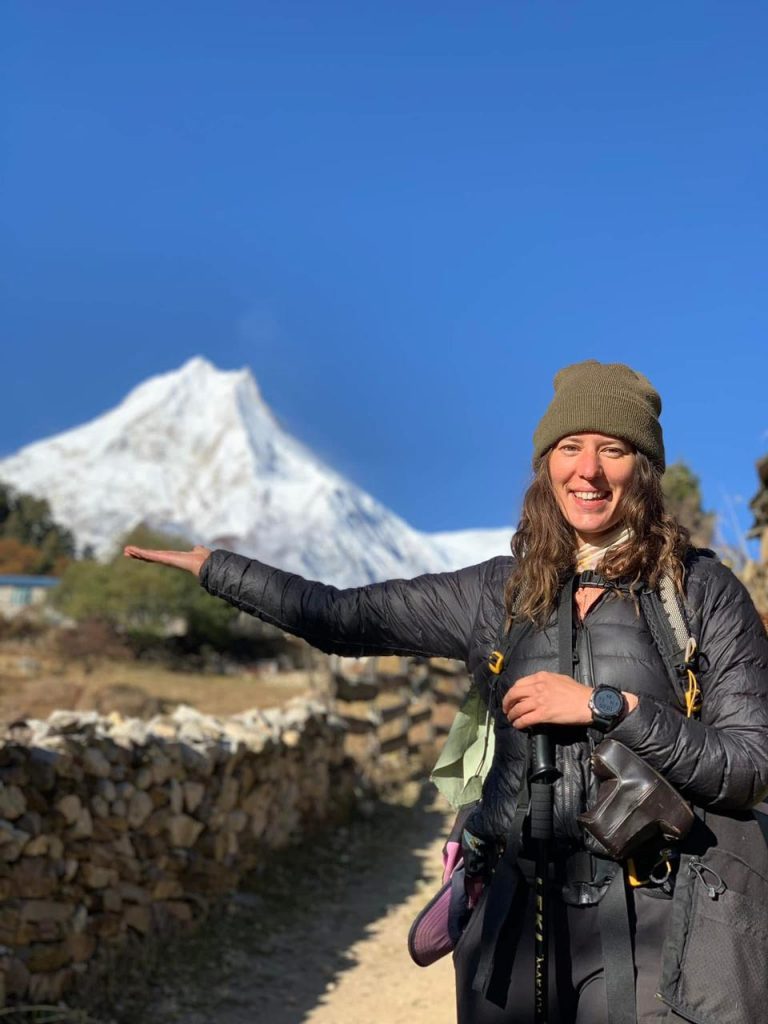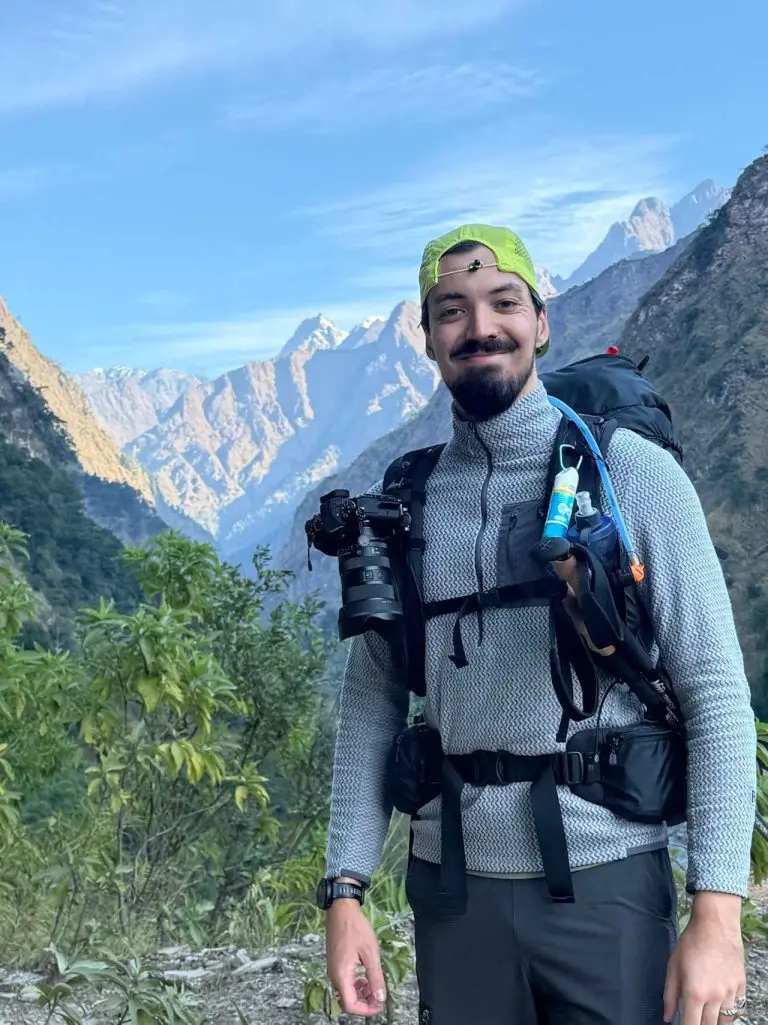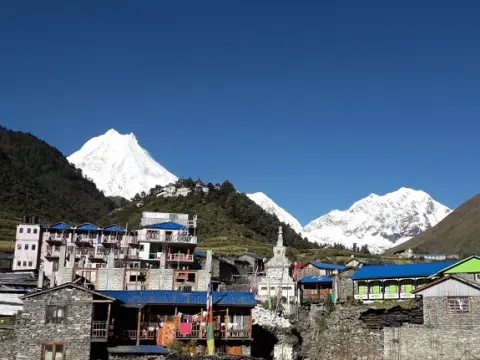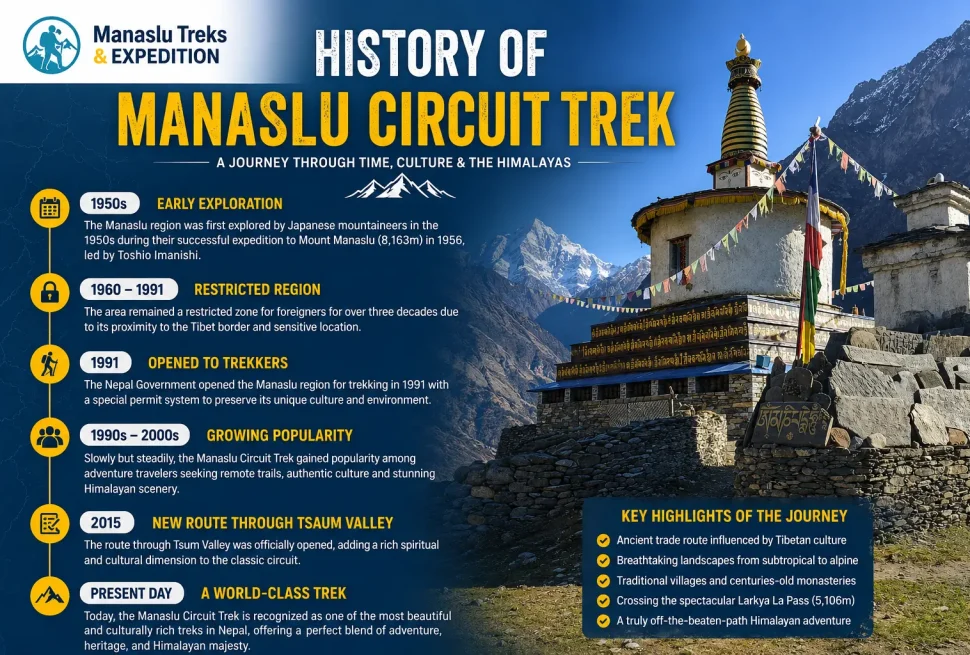
The Manaslu Tsum Valley Trek is, without question, one of the most extraordinary trekking experiences available in Nepal today. Combining the wild grandeur of the Manaslu Circuit, including the famous Larkya La Pass at 5,160 metres, with the culturally preserved, spiritually charged landscape of the Tsum Valley, this trek offers something that few routes in the Himalayas can match: genuine remoteness, architectural authenticity, and landscapes completely untouched by mass tourism. Trust our manaslu trekking company for expert guidance on every Manaslu adventure.
Manaslu Treks and Expedition, we have been guiding trekkers through this region for years. We know the trails intimately, from the suspension bridges swaying above the Budhi Gandaki gorge to the silence of Mu Gompa at 3,700 metres. This article compiles the essential facts every trekker should know before setting out on the Manaslu Tsum Valley Trek.
Key Facts About the Manaslu Tsum Valley Trek
Before diving deeper, here are the most important facts you need to understand about this trek at a glance:
- It is a restricted area trek. Both Manaslu and Tsum Valley fall within Nepal’s restricted zones, requiring special government-issued permits on top of the standard national park entry fees.
- Solo trekking is not permitted. By law, you must be accompanied by a licensed Nepalese guide>
- It is significantly less crowded than Everest or Annapurna. Even during peak season, the trails feel genuinely remote. You can walk for hours without meeting another trekking group.
- Tsum Valley is a sacred hidden valley. Known as a Beyul, a hidden valley of refuge in Tibetan Buddhist tradition, Tsum Valley has been isolated for centuries, preserving its language, culture, and monastic traditions.
- Larkya La Pass exceeds 5,100 metres. At 5,160m, this is the highest point of the Manaslu Circuit and demands acclimatization, fitness, and respect for altitude.
- Tea houses exist but are basic. Unlike Everest or Annapurna routes, accommodation in the Manaslu region, especially inside Tsum Valley, is simple. Expect shared rooms, squat toilets, and limited electricity.
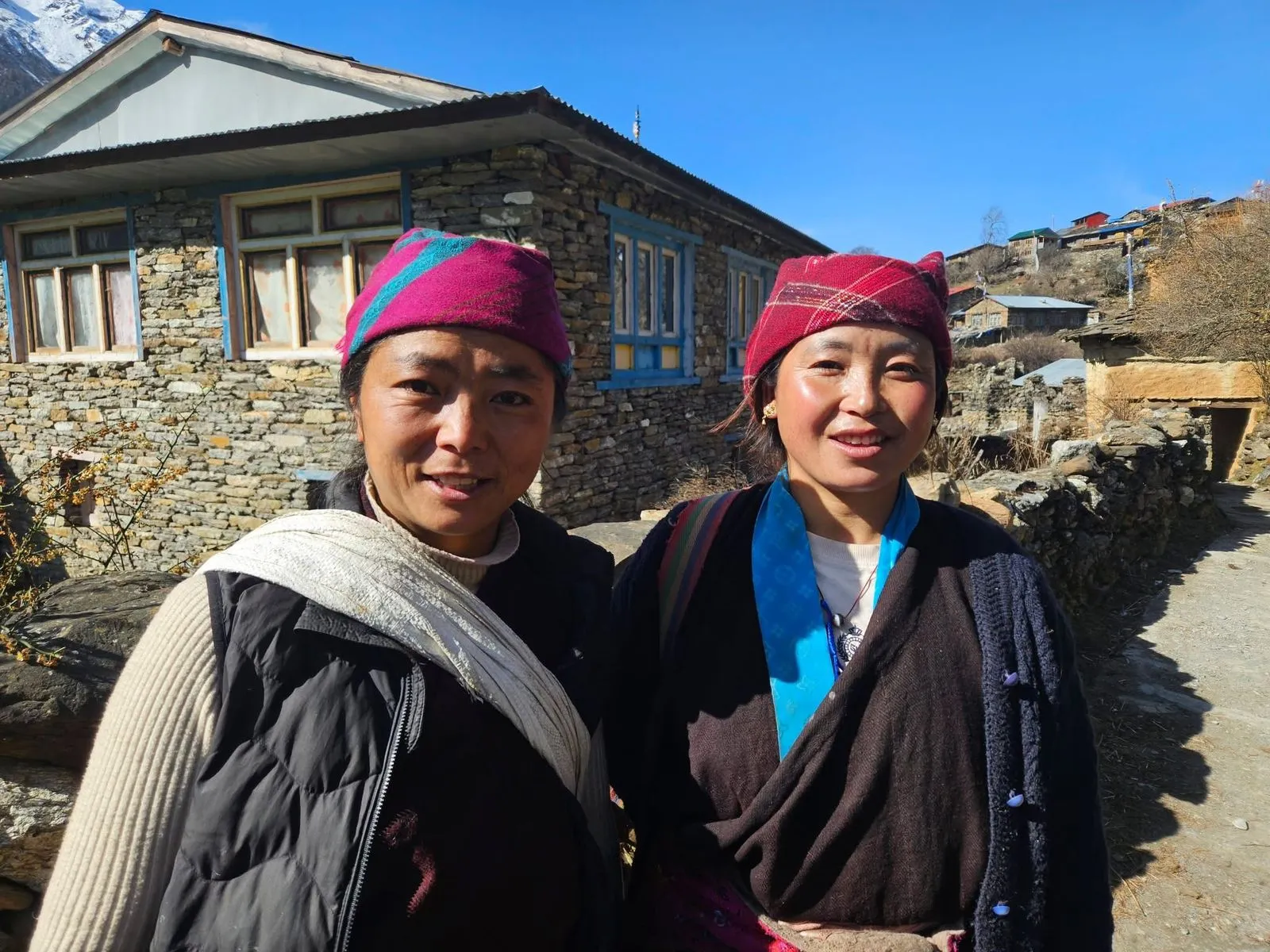
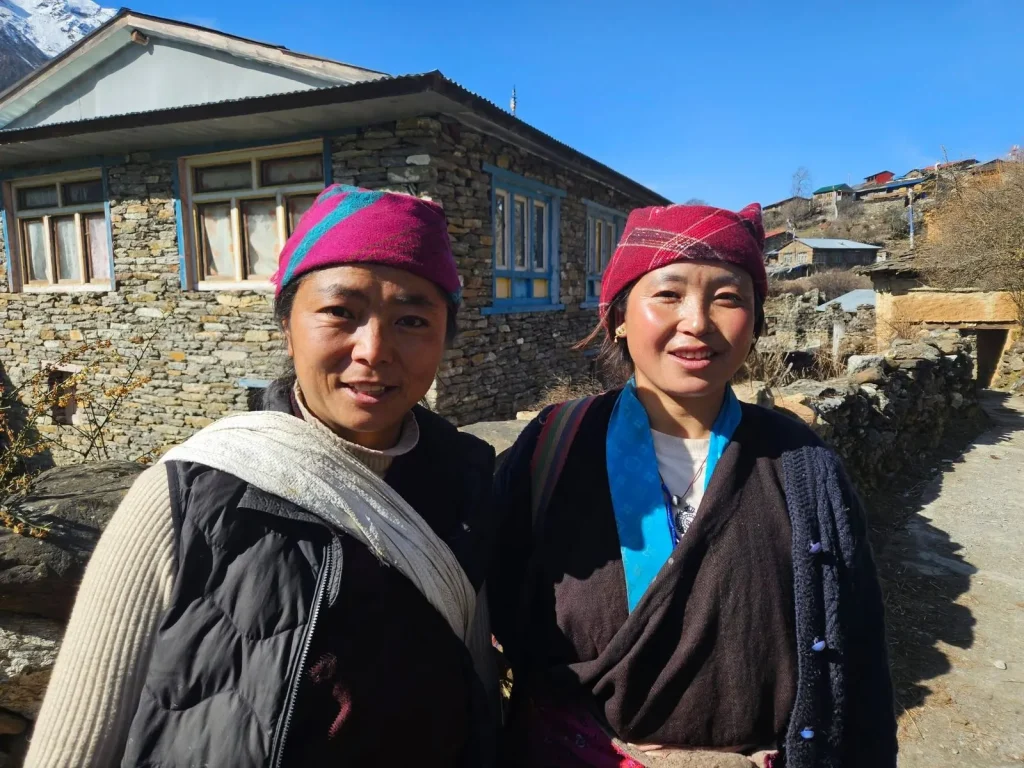
- The Tsumba people are a distinct ethnic group. The inhabitants of Tsum Valley speak their own Tsum dialect (related to Tibetan), practice Tibetan Buddhism, and maintain traditions dating back centuries.
- Duration ranges from 18 to 24 days depending on whether you combine the full Manaslu Circuit with the complete Tsum Valley extension, or do a shorter variation.
- The trek begins from Arughat or Soti Khola, reached by road from Kathmandu (6 to 8 hours drive).
- Helicopter rescue is possible but expensive. Ensure you have comprehensive travel insurance covering high-altitude evacuation before departing.
- Mobile connectivity is extremely limited. Nepali SIM cards (especially NTC) work in some lower villages, but expect long stretches with no signal at all.
- Wildlife includes snow leopards, Himalayan tahr, and red pandas. The Manaslu Conservation Area is a biodiversity hotspot.
- Currency: There are no ATMs after Arughat. Carry sufficient Nepalese Rupees in cash for the entire trek.
- Altitude sickness is a real risk. Anyone ascending too fast above 3,000 metres, especially toward Samagaon, Samdo, and Larkya La, risks Acute Mountain Sickness (AMS).
- The Manaslu Circuit Trek alone takes 14 to 17 days; adding the Tsum Valley extension requires 4 to 7 additional days.
- It is open year-round in theory, but heavy monsoon rains (June to August) make trails slippery, risky for landslides, and leeches are prevalent at lower elevations.
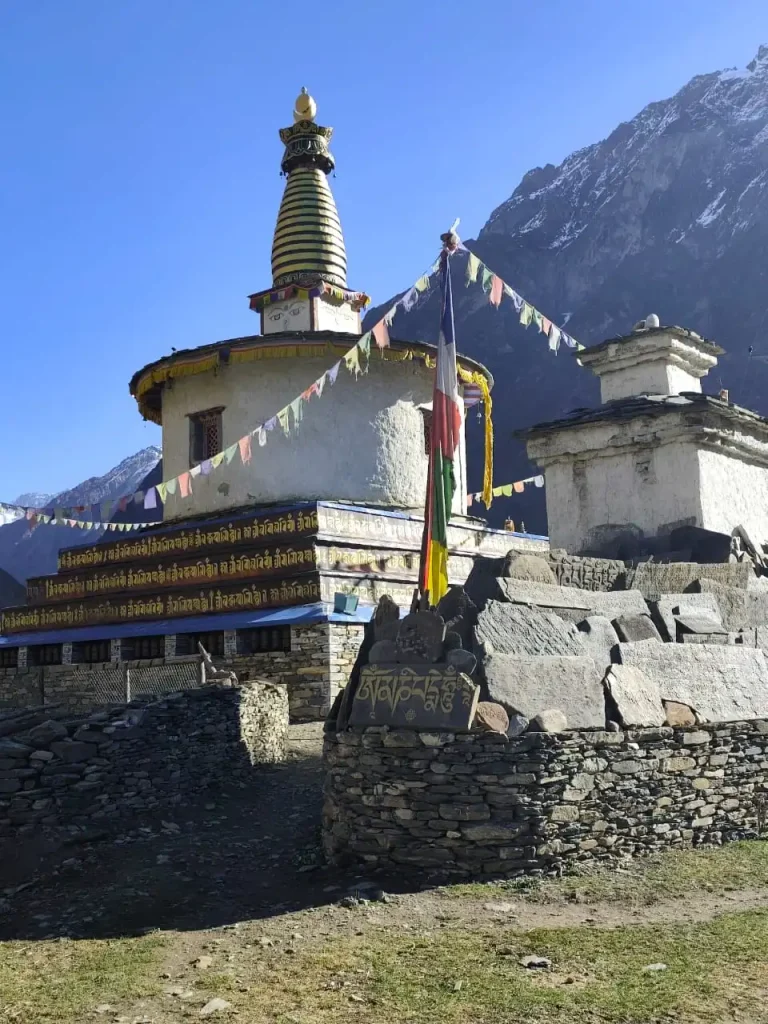
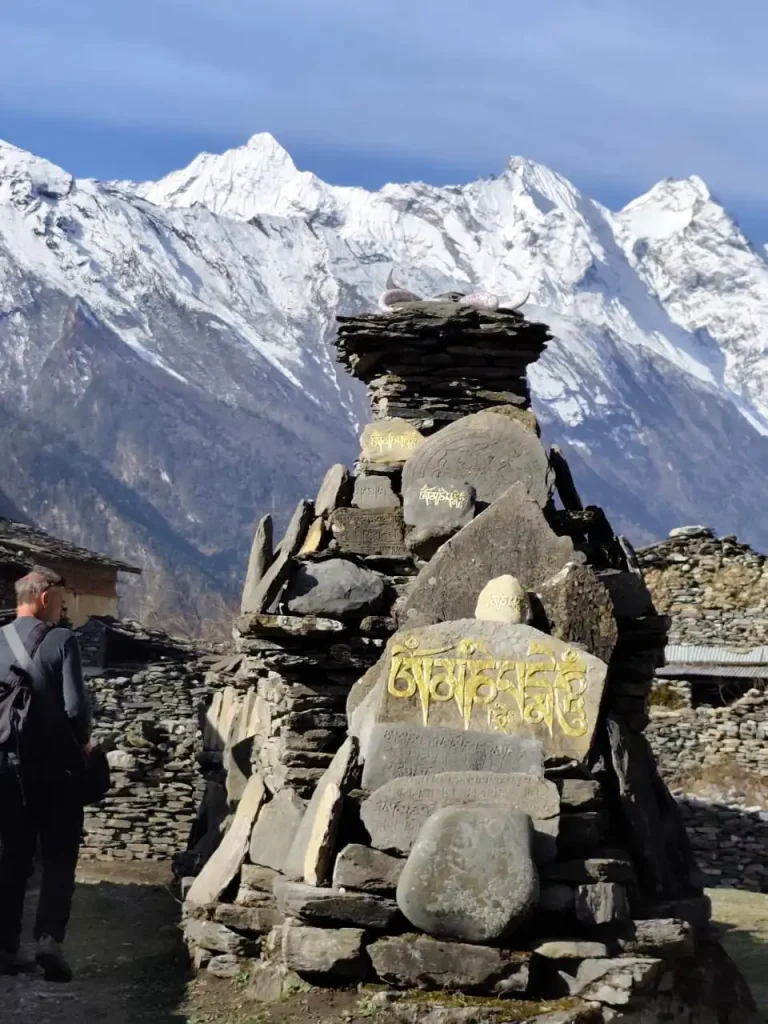
- Prayer flags, chortens, and mani walls mark the trails constantly, a reminder that you are walking through living sacred geography.
- The trek enters Tibet’s cultural sphere without crossing the border. Architecture, cuisine, and religious practice all reflect deep Tibetan influence.
- Porter welfare matters. Ensure your trekking company follows fair porter practice including adequate clothing, load limits, and insurance.
- The trek is not recommended for first-time trekkers without prior experience at altitude (e.g., Langtang or Annapurna base camp).
Route and Geography Facts
The Manaslu Tsum Valley Trek itinerary follows the Budhi Gandaki River valley northward from the lowlands of Gorkha district, climbing progressively through subtropical forest, rhododendron groves, high alpine meadows, and finally stark glacial terrain near the Tibetan border.
Main Route Overview
The trek typically starts with a drive from Kathmandu to soti khola or Machha Khola (870m). From here the trail climbs through Jagat, Jagat, and Deng before reaching Namrung and then Samagaon, the key acclimatization hub near Manaslu Base Camp.
The Tsum Valley spur branches off near Lokpa or Chhekampar, heading north into the hidden valley, passing through Chhule, Nile, Chhochhet, and culminating at the revered Mu Gompa (3,700m) and, for the most adventurous, Rachen Gompa. This extension adds roughly 4 to 7 additional days to the trek.
Returning to the main Manaslu Circuit, trekkers continue to Samdo (3,875m) and Dharmasala (4,460m), the high camp before Larkya La Pass. The descent leads to Bimthang and eventually out via Dharapani on the Annapurna Circuit road.
Terrain and Trail Conditions
- Lower sections involve narrow gorge trails with numerous river crossings via suspension bridges.
- Mid-sections pass through dense forest; trails can be muddy and slippery even in dry seasons after rain.
- Above Samagaon, terrain becomes open, rocky, and glacially carved.
- Larkya La itself involves a pre-dawn start (typically 3 to 4 AM) to cross before afternoon winds and cloud buildup.
- The Tsum Valley trails are narrower and less maintained than the main Manaslu route; expect more primitive conditions.
Cultural Facts of Tsum Valley
Tsum Valley’s cultural heritage is arguably its greatest attraction. Declared a conservation area in 2008, Tsum Valley had remained sealed from outside influence for most of its history, and that isolation has left a remarkable legacy.
The Tsumba People
The indigenous Tsumba people are ethnically and linguistically distinct from surrounding Gurung and Tibetan communities. They practice a form of Tibetan Buddhism deeply intertwined with the Nyingma tradition and the spiritual legacy of Guru Rinpoche (Padmasambhava), who is said to have blessed the valley as a sacred refuge.
Mu Gompa: Heart of the Valley
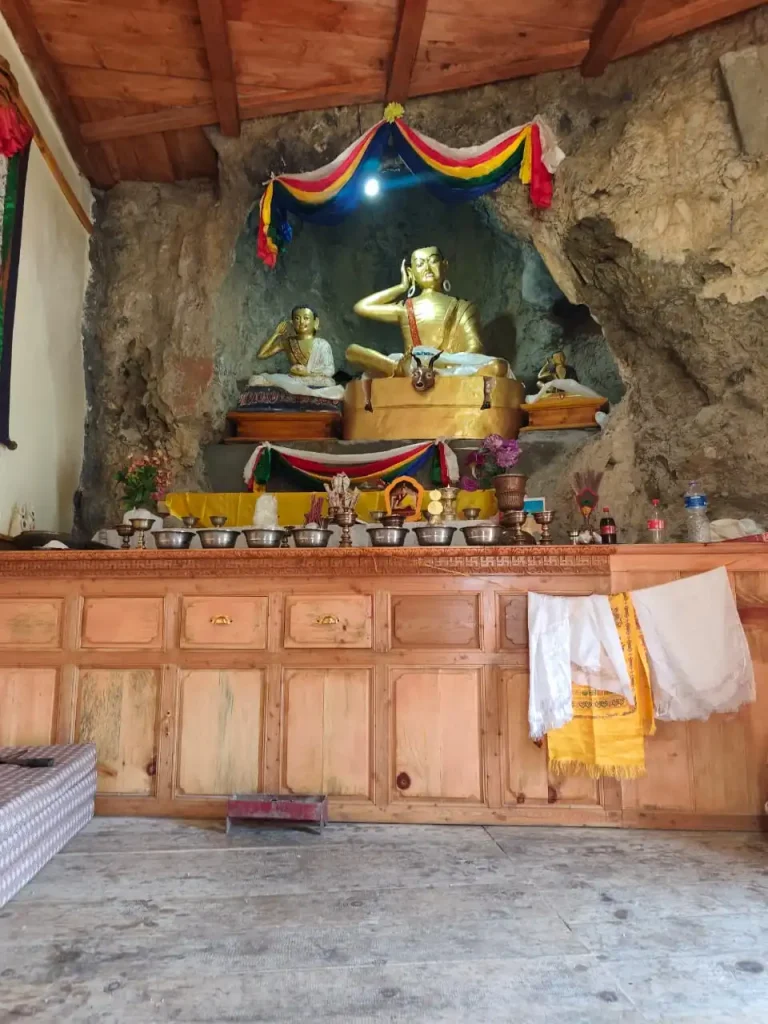
Mu Gompa, the largest monastery in Tsum Valley at 3,700 metres, houses dozens of monks and is an active centre of Buddhist practice. Trekkers are welcome to visit, observe prayer sessions, and in some cases stay in monastery guesthouses. The gompa sits on a ridge with sweeping views across the valley toward the Tibetan plateau.
Rachen Nunnery
A short walk from Mu Gompa, Rachen Nunnery is home to Ani (Buddhist nuns) who live and study in remarkable high-altitude conditions. Visiting Rachen offers a rare and profound encounter with female monastic life in the Himalayas.
Nile Village
At 3,361 metres, Nile is one of the highest permanent settlements in Tsum Valley and an important cultural hub. The village’s ancient stone architecture, carved prayer walls (mani walls), and festivals offer a window into a way of life unchanged for centuries.
Permit and Regulation Facts
The permits required for the Manaslu Tsum Valley Trek are more complex than for most Himalayan treks in Nepal. Planning these in advance, ideally through a registered local agency, is essential.
| Permit Type | Cost (Approx.) | Where Issued |
|---|---|---|
| Manaslu Restricted Area Permit (RAP) | USD 100/week (peak) / USD 75/week (off-peak) | Immigration Office, Kathmandu |
| Tsum Valley Restricted Area Permit | USD 40/week (peak) / USD 30/week (off-peak) | Immigration Office, Kathmandu |
| Manaslu Conservation Area Permit (MCAP) | NPR 3,000 (~USD 23) | Nepal Tourism Board, Kathmandu or checkpost |
| Annapurna Conservation Area Permit (ACAP) | NPR 3,000 (~USD 23) | Nepal Tourism Board / ACAP office |
| Trekkers’ Information Management System (TIMS) | NPR 2,000 (~USD 15) | NTB / trekking agencies |
Guide Requirement
A licensed government guide is mandatory for the Manaslu Tsum Valley Trek. This is not a suggestion; it is a legal requirement enforced at checkpoints throughout the route. Your guide must carry their guide identity card and present it at each checkpoint along the trail. Attempting to trek without a guide means you will be turned back.
Difficulty and Altitude Facts
The Manaslu Tsum Valley Trek sits comfortably in the moderate to strenuous difficulty bracket. It is not a technical mountaineering route; you do not need crampons or rope for the standard itinerary, but the duration, altitude, and remoteness make it a serious undertaking.
Who Is This Trek For?
- Trekkers with prior experience at altitude (3,000m+) on routes like Langtang, Annapurna Base Camp, or Island Peak approach.
- People who can sustain 6 to 8 hours of walking per day on uneven terrain over multiple consecutive days.
- Trekkers who are comfortable with basic, rustic accommodation and limited facilities.
- Those seeking authentic cultural experience alongside natural grandeur, not luxury or Instagram-ready infrastructure.
Altitude Profile
- Soti Khola / Arughat: ~870m
- Jagat: 1,410m
- Namrung: 2,660m
- Samagaon: 3,530m (key acclimatization stop)
- Samdo: 3,875m
- Dharmasala / High Camp: 4,460m
- Larkya La Pass: 5,160m ← Highest point
- Bimthang: 3,590m
- Mu Gompa (Tsum Valley): 3,700m
Larkya La Pass Facts
Crossing Larkya La at 5,160m is the physical and psychological highpoint of the Manaslu Circuit. The ascent from Dharmasala involves a pre-dawn start across glaciated moraine and snowfields. Good weather is essential; in poor visibility or heavy snowfall, the pass should not be attempted. Your guide will assess conditions and make this call.
Best Time Facts for the Manaslu Tsum Valley Trek
Spring: March to May Recommended
Spring is widely regarded as the best season for the Manaslu Tsum Valley Trek. Rhododendrons bloom below 3,500m (March to April), skies are relatively clear, temperatures are moderate, and the high passes are mostly snow-free. May can be warmer at lower elevations but remains excellent at altitude. This is peak season, so book your guide and permits well in advance.
Autumn: October to November Recommended
Post-monsoon autumn offers crystal-clear mountain views, stable weather, and comfortable trekking temperatures. October is considered the single best month for high-pass crossings. November grows colder, especially at elevation, but is still very viable for experienced trekkers who are prepared for cold nights.
Winter: December to February (Not Recommended)
Larkya La Pass becomes extremely dangerous and often impassable in deep winter. Temperatures at high camp drop well below -20°C. The Tsum Valley itself, being at slightly lower altitudes, can still be visited in winter, but the overall circuit is not advisable for most trekkers.
Monsoon: June to September (Avoid)
The monsoon brings persistent rain, leeches at lower elevations, frequent landslides, muddy and slippery trails, and poor mountain visibility. While some experienced trekkers do the lower sections in monsoon, the Manaslu Tsum Valley Trek is strongly not recommended during this period.
Cost and Logistics Facts
Understanding the true cost of the Manaslu Tsum Valley Trek requires accounting for several components that are often left out of generic online figures.
Cost Breakdown (Per Person, Approximate)
| Item | Estimated Cost (USD) |
|---|---|
| All Permits (Combined) | $200 to $280 |
| Licensed Guide (18 to 22 days) | $400 to $600 |
| Porter (Optional, recommended) | $250 to $400 |
| Tea House Accommodation & Meals | $400 to $600 |
| Transportation (Kathmandu to Soti Khola and return) | $60 to $120 |
| Agency Service Fee | $300 to $600 |
| Travel Insurance | $80 to $150 |
| Total Estimated Budget | $1,700 to $2,700 |
Costs vary depending on group size, the number of days, porter inclusion, and agency pricing. Independent budget trekkers who arrange everything through a local agency (as required by law) can bring costs toward the lower end; guided group tours with all services included sit higher.
Logistics Facts
- Drive to trailhead: 6 to 8 hours from Kathmandu to Soti Khola (private jeep or local bus).
- ATM access: Last reliable ATM is in Arughat. Carry all necessary cash before leaving Kathmandu.
- Charging devices: Tea houses charge a fee (NPR 200 to 500) per device for charging. Solar power is common; availability varies by season and weather.
- Internet: Very limited. Some lodges have slow WiFi at a fee; expect to be largely offline for 2 to 3 weeks.
- Emergency evacuation: Helicopter rescue from most points on the route is possible, but costs $3,000 to $6,000 or more without insurance. Comprehensive travel insurance covering emergency evacuation is non-negotiable.
Comparison with Other Major Nepal Treks
| Feature | Manaslu + Tsum Valley | Everest Base Camp | Annapurna Circuit |
|---|---|---|---|
| Duration | 18 to 24 days | 12 to 16 days | 12 to 18 days |
| Max Altitude | 5,160m (Larkya La) | 5,364m (EBC) | 5,416m (Thorong La) |
| Crowd Level | Very Low | Very High | High |
| Solo Trekking | Not Permitted | Permitted | Permitted |
| Cultural Immersion | Exceptional | Moderate | Good |
| Permit Complexity | High (4 to 5 permits) | Low (1 to 2 permits) | Low (1 to 2 permits) |
| Accommodation | Basic Tea Houses | Good Tea Houses | Good Tea Houses |
| Approximate Cost | $1,700 to $2,700 | $1,200 to $2,000 | $1,000 to $1,800 |
| Difficulty | Moderate to Strenuous | Moderate | Moderate |
The Manaslu Tsum Valley Trek demands more in terms of planning, permits, and physical commitment than either Everest Base Camp or the Annapurna Circuit, but it rewards that effort with an authenticity and solitude those routes simply cannot offer anymore.
Why Choose a Local Trekking Company for Manaslu Tsum Valley?
Given the complexity of the Manaslu Tsum Valley Trek permits, the remoteness of the route, and the mandatory guide requirement, choosing the right trekking partner is more critical here than on most Nepal treks.
What a Reliable Local Agency Provides
- All permit processing: the Restricted Area Permits can only be issued to registered agencies. Your agency handles all paperwork.
- Experienced, locally-rooted guides: a guide from Gorkha or the Manaslu region knows the trail, the culture, the weather patterns, and the people. This knowledge is irreplaceable.
- Custom itinerary flexibility: a local agency can adjust pacing, add or remove Tsum Valley extension, and respond to conditions on the ground.
- Fair porter practice: reputable agencies follow KEEP (Keep Nepal Beautiful) and porter welfare standards.
- Emergency support: in a medical crisis, a local agency has the relationships and local knowledge to coordinate evacuation far more effectively than a remote online booking platform.
- Genuine local pricing: without the margin added by international booking layers.
Manaslu Treks and Expedition is a locally registered, Kathmandu-based trekking company specializing in the Manaslu region. Our team includes guides with decades of combined experience on the Manaslu Circuit and Tsum Valley trails. We handle every detail, from permit collection to customized Manaslu Tsum Valley Trek packages, so you can focus entirely on the experience.
Whether you’re looking for a detailed Manaslu Circuit Trek itinerary, a combined Manaslu and Tsum Valley expedition, or simply honest advice about the route, our team is here to help.
Frequently Asked Questions
Is the Manaslu Tsum Valley Trek worth it?
This trek is absolutely worth it for the right trekker. If you value solitude, authentic cultural encounters, and genuinely wild mountain landscapes over comfort and convenience, this trek delivers an experience that Everest and Annapurna routes simply cannot replicate. The level of commitment required is real, but so is the reward.
Do I need a guide for the Tsum Valley trek?
Yes. A licensed Nepalese guide is a legal requirement, not an optional upgrade. You will be turned back at checkpoints if you attempt to trek without one. Beyond legality, a knowledgeable local guide dramatically improves your safety, cultural understanding, and logistical experience in this remote area.
How remote is Tsum Valley Nepal?
Extremely remote. There are no roads, no ATMs, no hospitals, and limited mobile connectivity once you enter Tsum Valley. The nearest emergency helicopter landing zones are accessible but may be weather-dependent. This is precisely what preserves the valley’s extraordinary character, but it requires proper preparation.
How difficult is the Manaslu Tsum Valley Trek?
The trek is classified as moderate to strenuous. The length (18 to 24 days), altitude (max 5,160m at Larkya La), basic accommodation, and physical demands of long daily walking make it more demanding than standard Nepal treks. Prior high-altitude trekking experience is strongly recommended. That said, it does not require any technical climbing skills.
What is the best time for the Manaslu Tsum Valley Trek in Nepal?
Spring (March to May) and autumn (October to November) are the two recommended seasons. October is generally considered the single best month; weather is stable, skies are clear after the monsoon, and mountain views are spectacular. Spring offers blooming rhododendrons at lower elevations and is equally popular.
What permits are required for Manaslu and Tsum Valley Trek?
You need: (1) Manaslu Restricted Area Permit, (2) Tsum Valley Restricted Area Permit, (3) Manaslu Conservation Area Permit (MCAP), (4) Annapurna Conservation Area Permit (ACAP) for the exit section, and (5) TIMS card. All permits must be arranged through a registered Nepali trekking agency.
Can I combine the Manaslu Circuit with the Tsum Valley?
Yes, and this is the recommended approach for most trekkers who have the time. The combined route gives you both the Larkya La Pass crossing and the cultural depth of Tsum Valley. The typical combined trek runs 21 to 24 days from Kathmandu to Kathmandu. Our team can design a custom Manaslu Circuit with Tsum Valley itinerary based on your available time and fitness level.
Conclusion: The Manaslu Tsum Valley Trek Is Truly Unique
The Manaslu Tsum Valley Trek stands apart in a country already overflowing with world-class trekking routes. It is longer, more demanding, and more complex to arrange than most Nepal treks, and that is precisely what protects its extraordinary character. The trails are quiet, the culture is intact, and the mountains are as raw and magnificent as anywhere on Earth.
If you are willing to commit to the planning, the permits, and the physical demands, this trek will reward you with experiences that stay with you for a lifetime: the silence of Mu Gompa at dawn, the view of Manaslu from Lho, the prayer wheels spinning in Nile village, and the breathless triumph of Larkya La at 5,160 metres.
With the right preparation and a knowledgeable local team beside you, the Manaslu Tsum Valley Trek is not only achievable but its lifetime experience.
23 Days Manaslu Tsum Valley Trek Detailed Itinerary
This is a slower and more immersive itinerary with extra acclimatization and cultural exploration.
- Day 1: Drive Kathmandu to Machha Khola
- Day 2: Trek to Jagat
- Day 3: Trek to Lokpa
- Day 4: Trek to Chumling
- Day 5: Trek to Chhokang Paro
- Day 6: Trek to Nile
- Day 7: Explore Mu Gompa and Rachen Gompa
- Day 8: Acclimatization in Nile
- Day 9: Trek back to Chumling
- Day 10: Trek to Deng
- Day 11: Trek to Namrung
- Day 12: Trek to Lho
- Day 13: Trek to Samagaon
- Day 14: Acclimatization Day (Manaslu Base Camp optional)
- Day 15: Trek to Samdo
- Day 16: Acclimatization or border hike
- Day 17: Trek to Dharamsala
- Day 18: Cross Larkya La Pass to Bimthang
- Day 19: Trek to Tilije
- Day 20: Trek to Dharapani
- Day 21: Drive to Besisahar
- Day 22: Drive to Kathmandu
- Day 23: Rest or departure
17 Days Manaslu Tsum Valley Trek Short Itinerary
This is a slightly faster version for trekkers with limited time but still covering key highlights.
- Day 1: Drive to Machha Khola
- Day 2: Trek to Jagat
- Day 3: Trek to Lokpa
- Day 4: Trek to Chumling
- Day 5: Trek to Nile
- Day 6: Visit Mu Gompa
- Day 7: Trek back to Deng
- Day 8: Trek to Namrung
- Day 9: Trek to Samagaon
- Day 10: Acclimatization Day
- Day 11: Trek to Samdo
- Day 12: Trek to Dharamsala
- Day 13: Cross Larkya La Pass to Bimthang
- Day 14: Trek to Dharapani
- Day 15: Drive to Besisahar
- Day 16: Drive to Kathmandu
- Day 17: Buffer day
21 Days Manaslu Circuit with Tsum Valley and Serang Gompa Itinerary
This itinerary includes a unique extension to Serang Gompa for deeper cultural experience.
- Day 1: Drive to Machha Khola
- Day 2: Trek to Jagat
- Day 3: Trek to Lokpa
- Day 4: Trek to Chumling
- Day 5: Trek to Chhokang Paro
- Day 6: Trek to Nile
- Day 7: Visit Mu Gompa
- Day 8: Trek to Serang Gompa
- Day 9: Return to Chumling
- Day 10: Trek to Deng
- Day 11: Trek to Namrung
- Day 12: Trek to Samagaon
- Day 13: Acclimatization Day
- Day 14: Trek to Samdo
- Day 15: Trek to Dharamsala
- Day 16: Cross Larkya La Pass to Bimthang
- Day 17: Trek to Dharapani
- Day 18: Drive to Besisahar
- Day 19: Drive to Kathmandu
- Day 20: Rest day
- Day 21: Departure
19 Days Manaslu Tsum Valley Trek Itinerary
This is the most balanced version of the Manaslu Tsum Valley Trek with proper acclimatization and full Tsum Valley exploration.
- Day 1: Drive from Kathmandu to Machha Khola (930m)
- Day 2: Trek to Jagat (1,340m)
- Day 3: Trek to Lokpa (2,040m)
- Day 4: Trek to Chumling (2,386m)
- Day 5: Trek to Chhokang Paro (3,010m)
- Day 6: Trek to Nile (3,361m)
- Day 7: Visit Mu Gompa (3,700m) and return to Nile
- Day 8: Trek back to Chumling
- Day 9: Trek to Deng (1,860m)
- Day 10: Trek to Namrung (2,630m)
- Day 11: Trek to Samagaon (3,530m)
- Day 12: Acclimatization Day in Samagaon
- Day 13: Trek to Samdo (3,875m)
- Day 14: Trek to Dharamsala (4,460m)
- Day 15: Cross Larkya La Pass (5,160m) to Bimthang (3,720m)
- Day 16: Trek to Dharapani (1,960m)
- Day 17: Drive to Besisahar
- Day 18: Drive to Kathmandu
- Day 19: Buffer or rest day
Official Manaslu Tsum Valley Trek Company in Nepal
Manaslu Treks and Expedition is a government registered and officially licensed trekking company in Nepal, specializing in the Manaslu Tsum Valley Trek. With deep local roots in the Manaslu region, our team brings real field experience, practical knowledge, and a strong commitment to safe and responsible trekking in one of Nepal’s most remote Himalayan areas.
Organizing a Manaslu Tsum Valley Trek requires proper permits, experienced guides, and strong logistical support. As a trusted Manaslu Tsum Valley trek agency, we manage every detail to ensure a smooth and safe trekking experience.
Why Manaslu Treks and Expeditions is best company for Tsum Valley Trek
- Government Licensed Company: Officially registered and authorized to operate restricted area treks in Nepal.
- Licensed Professional Guides: All guides are government certified with real experience in Manaslu and Tsum Valley.
- Manaslu Region Specialists: Focused expertise in Manaslu Circuit and Tsum Valley trekking routes.
- Complete Permit Management: We arrange all required permits including RAP, Tsum Valley permit, MCAP, and ACAP.
- Real Field Experience: Years of guiding experience across Larkya La Pass and remote Himalayan trails.
- Flexible Itinerary: Customized trekking plans based on your time and fitness.
- Safety Focused Approach: Proper acclimatization and altitude awareness throughout the trek.
- Responsible Trekking Practice: Fair treatment and proper care for porters and staff.
- Transparent Pricing: Clear cost with no hidden charges.
- Reliable Local Support: Strong network in remote areas for logistics and emergency support.
With Manaslu Treks and Expedition, you are trekking with a trusted local team that understands the region and provides reliable support from start to finish.