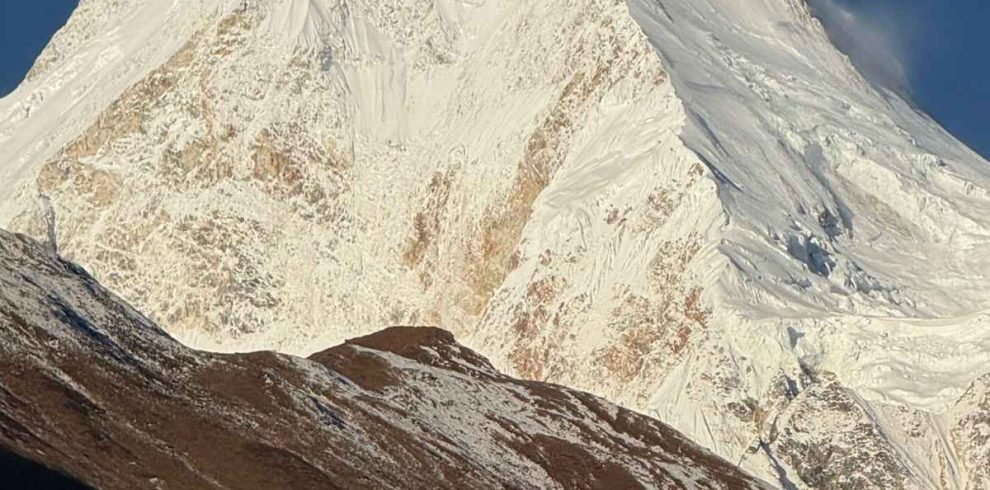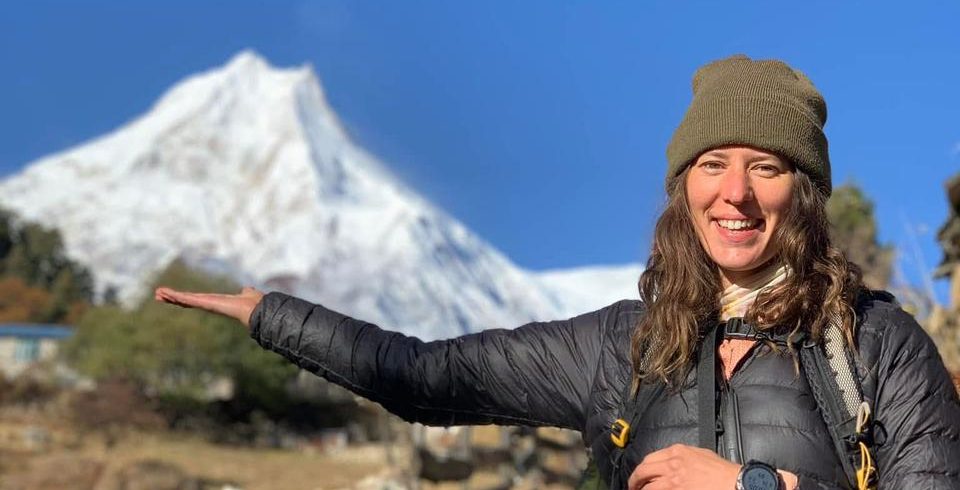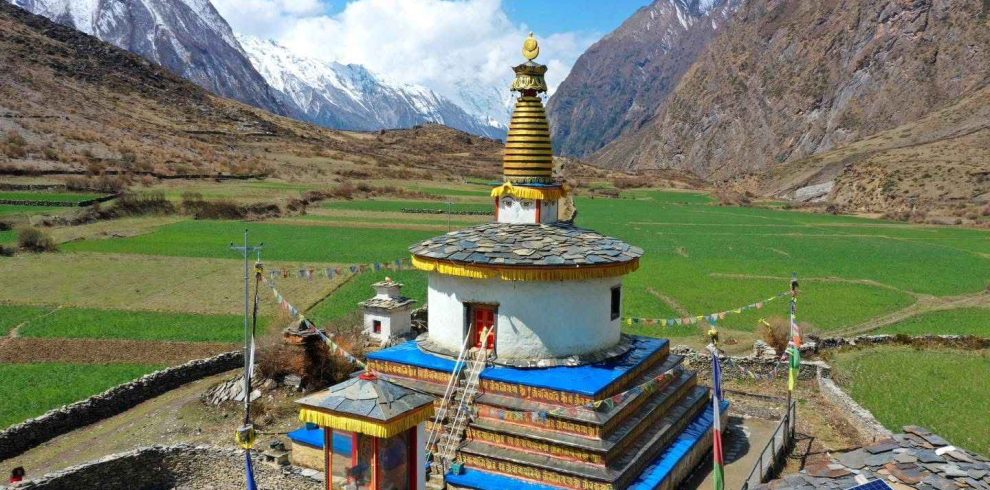
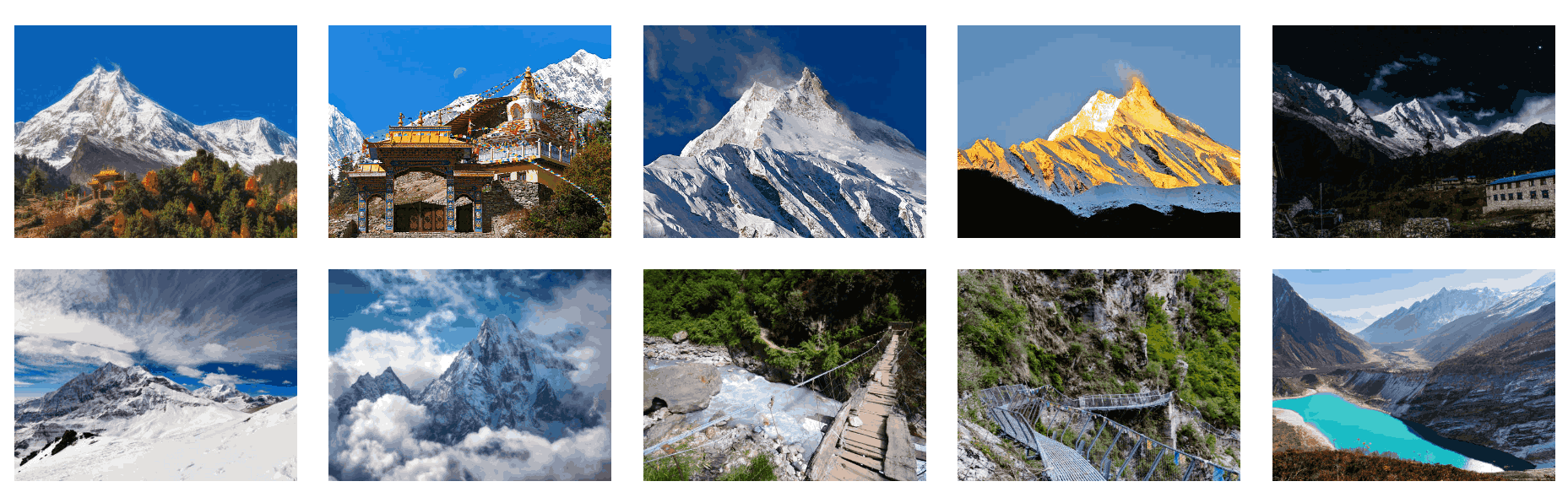
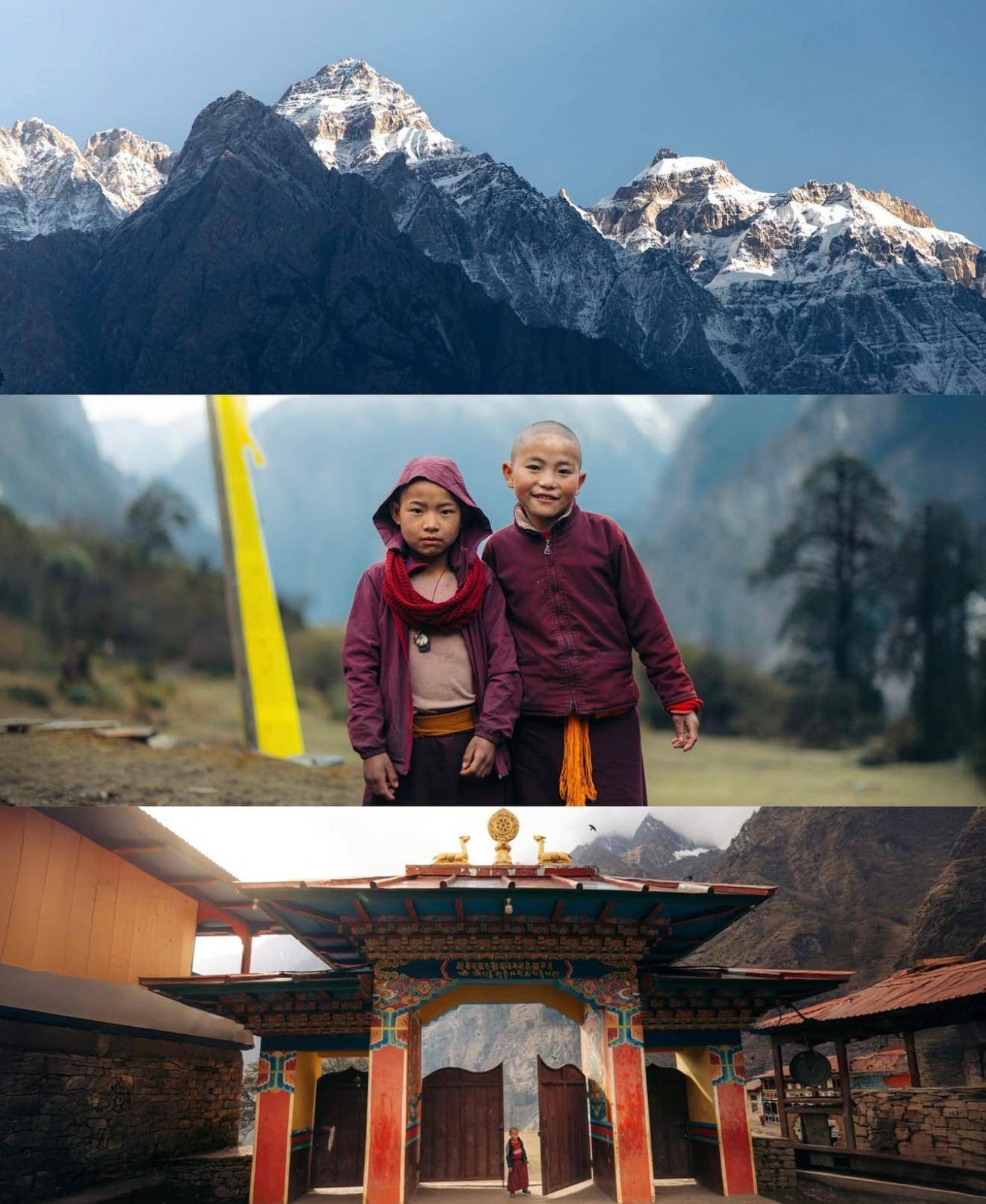
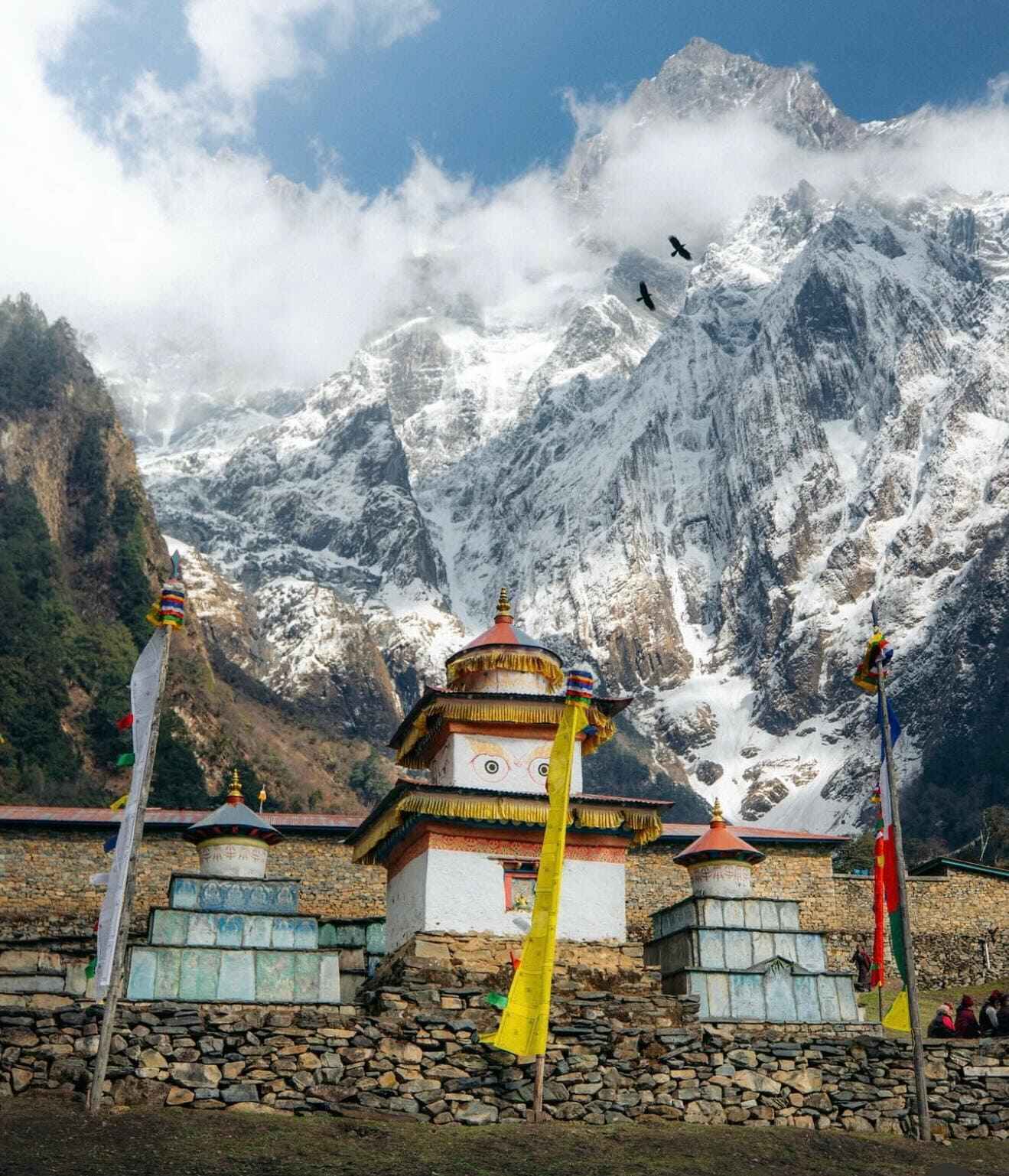
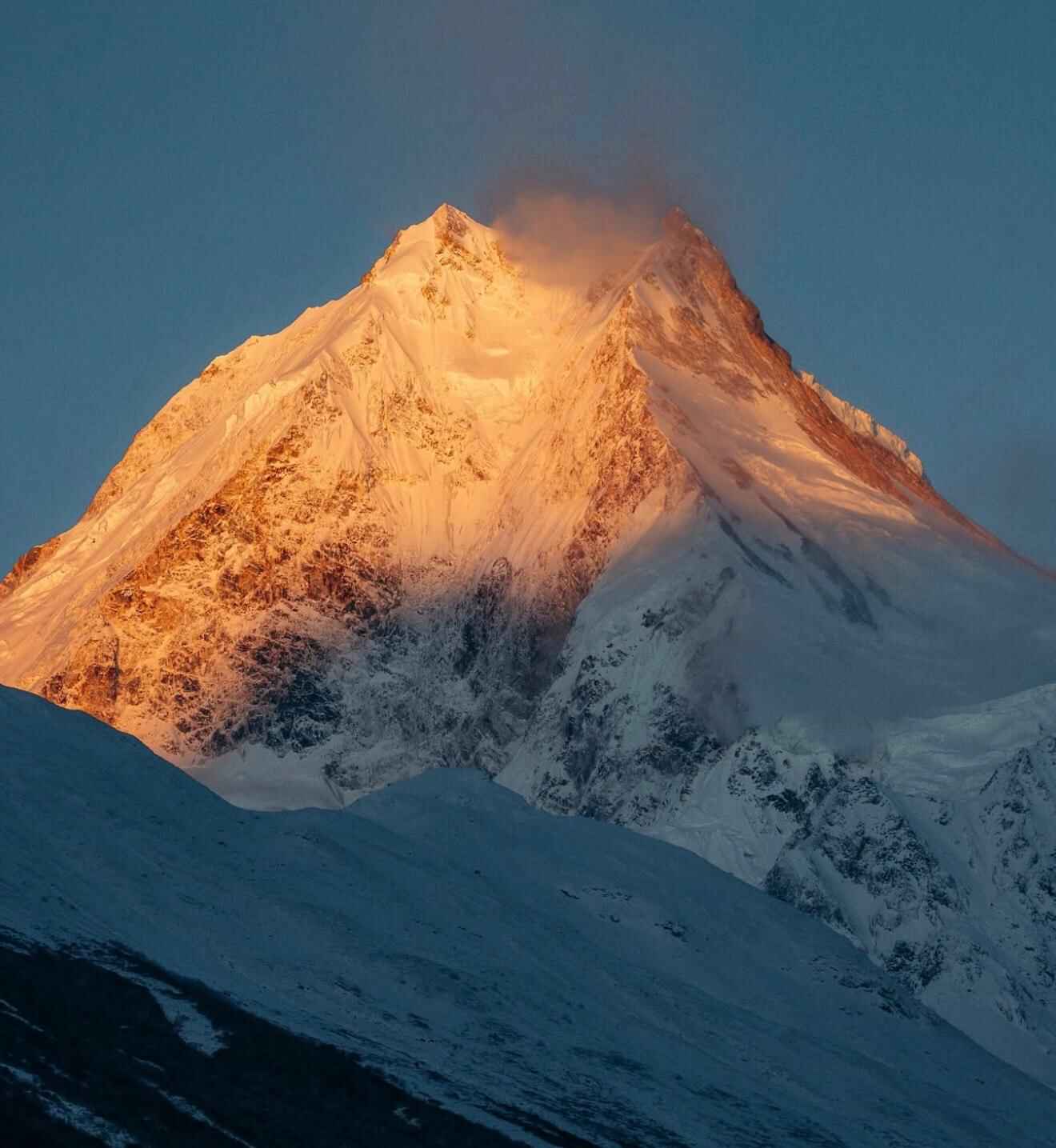
The 10-Day Manaslu Circuit Trek is a shorter yet adventure-packed version of the classic Manaslu trek, designed for trekkers who want to experience the raw beauty of the region within a limited time frame. This journey circles the world’s eighth-highest mountain, Mt. Manaslu (8,163m), and blends cultural discovery with breathtaking Himalayan scenery.
10 Days Manaslu Circuit Trek Cost 2026 and 2027
The 10 days Manaslu Circuit Trek cost for 2026 and 2027 starts from USD 1,050 per person and goes up to USD 1,250 per person.
This is a 100 percent all inclusive price, which means there are no hidden costs, no surprise charges, and nothing extra to pay after you arrive in Nepal.
| No. of Pax | Starting Price (per person) | Inquiry |
|---|---|---|
| 1 Pax | USD $1,195 | |
| 2–2 Pax | USD $1,095 | |
| 3–6 Pax | USD $995 | |
| 7–10 Pax | USD $895 |
10 Days Manaslu Circuit Trek — Quick Itinerary Outline
🔵 Trekking 🟡 Rest/Acclimatization 🔴 High Altitude 🟢 Return
The Manaslu region is a restricted area that only opened to trekkers in the early 1990s. This means visitor numbers are regulated and the trail remains wonderfully off the beaten path. You’ll trek through Gurung and Tibetan villages that still practice ancient traditions and visit Buddhist monasteries and mani walls adorned with colourful prayer flags. Acclimatization stops in places like Namrung and Sama Gaun allow your body to adjust to the altitude and provide opportunities to explore side trails to viewpoints and hidden valleys. For shorter adventures, explore our 9 Days Manaslu Circuit Trek and for longer journeys, discover our 14 Days Manaslu Circuit Trek and 14-day Manaslu Trek Package for Couple
The Manaslu Circuit Trek is a remarkable 10‑day journey that loops around the world’s eighth highest peak, following an off‑the‑beaten‑path trail through lush valleys, ancient Buddhist villages and across the challenging Larkya La Pass. This shorter itinerary is ideal for fit trekkers seeking stunning Himalayan panoramas and authentic cultural encounters without the crowds found on more famous treks.
Why Book the 10-Day Manaslu Trek with Us?
- We offer a 100 percent hassle-free trekking experience with all permits, transport, meals, and accommodation arranged for you
- No advance booking fee is required; you can pay after arriving in Nepal by international card, bank transfer, or cash
- Our itinerary is crafted by experienced local Manaslu trekking guides who know every detail of the trail
- We provide 24/7 customer support before and during your trip via WhatsApp, email, or phone
- Our guides and porters are friendly, professional, and trained in emergency rescue, altitude sickness response, and first aid
- You can trek at your own pace with no pressure; if you need extra time or rest days, we’re always flexible
- We book the best available tea houses along the route for cleaner rooms, better food, and a more comfortable stay
- We focus on your safety, comfort, and satisfaction from the moment you contact us until the end of your trek
Why Choose the 10 Days Manaslu Circuit Trek
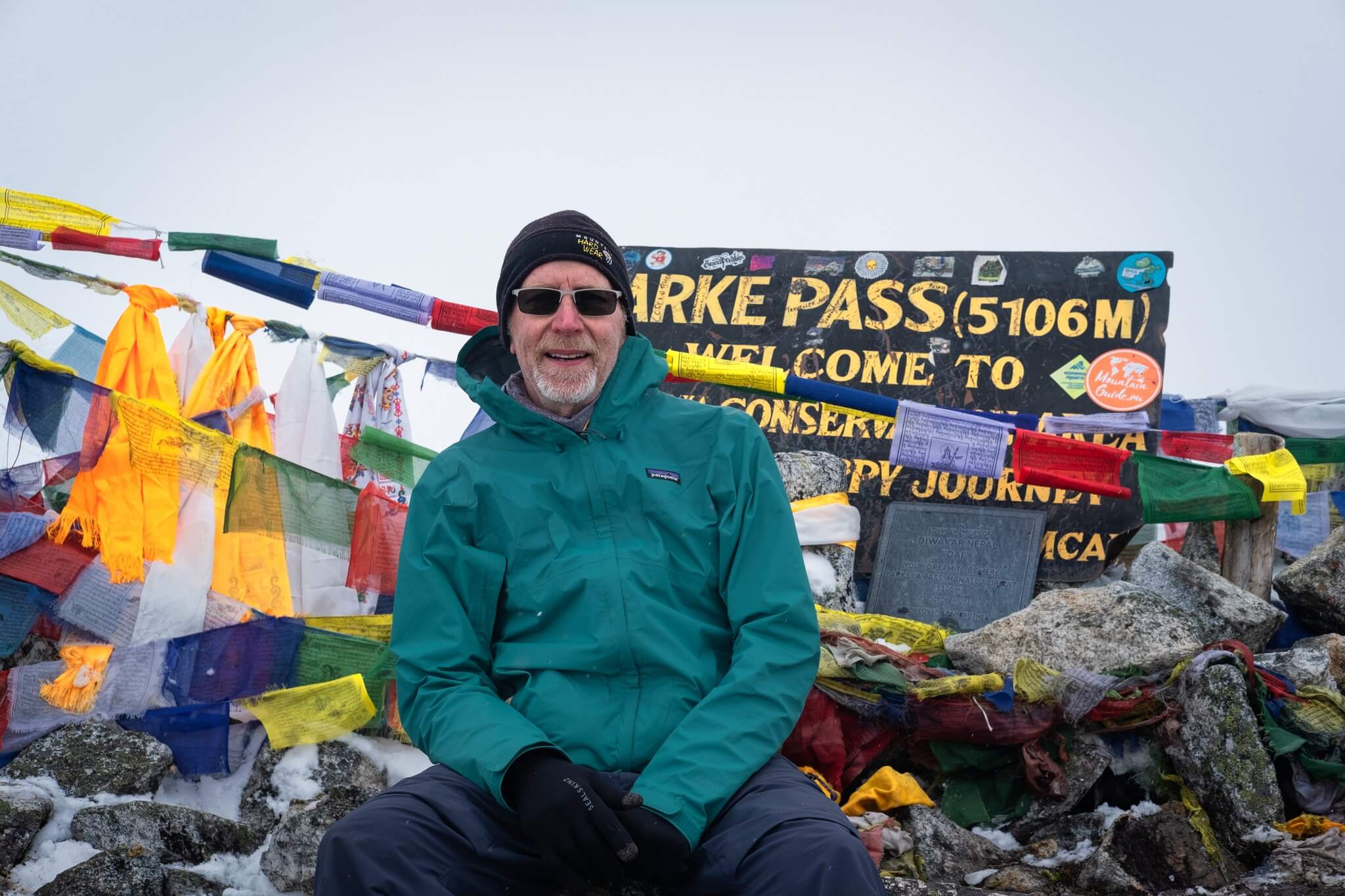
The 10 Days Manaslu Circuit Trek is the most time efficient way to complete the full Manaslu Circuit and cross the legendary Larkya La Pass at 5,106 metres. Most trekkers who choose the 10 day version are experienced trekkers with limited holiday time who still want the complete Manaslu experience. Unlike longer versions that cover the same ground in 14 to 18 days, this itinerary maintains a steady pace through the Budhi Gandaki river valley, reaching Samagaon at 3,530 metres with a planned acclimatisation rest day before the high pass crossing. The route passes through the Manaslu Conservation Area, a protected zone home to Snow Leopards, Red Pandas, Himalayan Tahr, and over 1,500 species of flowering plants. The entire circuit is walked on foot without any road sections, making it one of the few remaining pure trekking routes in Nepal.
10 Days Manaslu Circuit Trek Highlights
- Cross the Larkya La Pass at 5,106 metres, one of the highest trekking passes in Nepal
- Trek through the Manaslu Conservation Area, a UNESCO recognised biodiversity zone
- Visit Samagaon, a Tibetan Buddhist village with direct views of Mount Manaslu at 8,163 metres
- Explore the ancient Pungen Gompa monastery set into a cliff face above Samagaon
- Walk through the dramatic Budhi Gandaki river gorge, one of Nepal’s deepest canyon sections
- Experience authentic Nubri culture, Tibetan language, butter tea, and century old monasteries
- See panoramic views of Manaslu, Ganesh Himal, Himlung, Cheo Himal, and the Annapurna range
- Trek through multiple climate zones from subtropical forest at 700 metres to arctic alpine terrain at 5,106 metres
10 Days Manaslu Circuit Trek Route at a Glance
The route begins with a 7 to 8 hour drive from Kathmandu to Machhakhola at 900 metres. From there, the trail follows the Budhi Gandaki river north through subtropical forest and terraced farmland, passing through Machha Khola, Jagat, Deng, Ghap, Namrung, Lho, Shyala, and reaching the high camp village of Samagaon at 3,530 metres. After an acclimatisation day, the route climbs to Samdo at 3,860 metres and then to the high camp at Dharamsala at 4,460 metres for the Larkya La crossing. The crossing itself takes 7 to 9 hours. After the pass, the trail descends steeply through Bhimtang at 3,590 metres and continues down to Tilije at 2,300 metres, where a vehicle returns trekkers to Kathmandu.
10 Days Manaslu Circuit Trek Difficulty and Fitness Requirements
This trek is graded as Strenuous and is not suitable for beginners. Daily walking hours range from 5 to 9 hours depending on the stage, with elevation gains of up to 900 metres per day on some sections. The Larkya La crossing day is the longest and most physically demanding stage, typically starting at 3:00 am to 4:00 am from Dharamsala to reach the pass before afternoon cloud and wind. Required fitness level: trekkers should be able to walk 7 to 8 hours per day with a daypack, have prior experience with multi day trekking at altitude above 3,000 metres, and have no significant cardiac or respiratory health issues. A minimum of 4 to 6 weeks of regular cardiovascular training before the trek is strongly recommended.
10 Days Manaslu Circuit Trek Cost 2026
The 10 Days Manaslu Circuit Trek cost varies depending on group size, season, and the services included. Our all inclusive package price covers all required permits (RAP, MCAP, ACAP), a licensed guide, a porter, teahouse accommodation, breakfast and dinner daily, ground transportation, first aid kit, and emergency insurance. Permit costs alone are USD 100 per person per week for the Restricted Area Permit during peak season (September to November), plus NPR 3,000 each for MCAP and ACAP. For accurate and current package pricing including 2026 seasonal rates, please contact our team directly or request a customised quotation through our website.
Highlights
- Cross the Larkya La Pass at 5,106 metres, one of the highest and most dramatic trekking passes in all of Nepal
- Trek through the Manaslu Conservation Area, a UNESCO recognised biodiversity hotspot home to Snow Leopards, Red Pandas, and Himalayan Tahr
- Stand face to face with Mount Manaslu (8,163 m), the world's eighth highest mountain, from the village of Samagaun
- Explore ancient Tibetan Buddhist monasteries including Pungen Gompa, carved into the cliff above Samagaun village
- Walk the raw and remote Budhi Gandaki river gorge, one of the deepest canyon trekking sections anywhere in Nepal
- Experience authentic Nubri and Gurung culture, including butter tea, century old mani walls, prayer flags, and traditional village life
- Enjoy panoramic summit views of Manaslu, Ngadi Chuli, Himlung Himal, Cheo Himal, Ganesh Himal, and the Annapurna range
- Trek through six distinct climate zones from subtropical jungle at 900 metres to high arctic terrain at 5,106 metres
- Visit the sacred Birendra Glacial Lake at 4,200 metres on the acclimatisation day, reflecting Manaslu in its still blue waters
- Complete the full Manaslu Circuit on a restricted trekking route with fewer than 5,000 trekkers per year, far off the tourist trail
10 Day Manaslu Circuit Trek Itinerary
After an early breakfast in Kathmandu, we begin our journey with a long but scenic drive to Machhakhola (900 m). The route follows the Prithvi Highway west toward Arughat Bazaar before turning north along the Budhi Gandaki River valley. The full drive takes approximately 8 to 9 hours, passing through terraced farmland, Gurung and Magar villages, and lush subtropical forests. We arrive at Machhakhola in the late afternoon. Overnight in a teahouse.
We leave Machhakhola early and follow the Budhi Gandaki River upstream through a narrow gorge lined with subtropical vegetation. The trail crosses suspension bridges, passes through Khorlabesi and Tatopani (hot springs), and gradually climbs to Jagat. This stretch offers the first views of snow capped peaks to the north. Trek duration is approximately 5 to 6 hours. Overnight in a teahouse at Jagat.
From Jagat, we enter the restricted zone of the Manaslu Conservation Area after a permit check. The trail passes through Salleri and Sirdibas before descending to Philim, where Gurung people have lived for centuries. We continue through bamboo forest and cross the river several times on wooden and wire bridges before reaching Deng. Trek duration is 5 to 6 hours. Overnight in a teahouse.
Today is a shorter but scenic day as we trek from Deng to Ghap through dense forest and riverside trail. We pass through Rana, cross several steel bridges, and enter a more alpine landscape. Ghap sits at the junction of two valleys and marks the beginning of the high mountain zone. Tibetan influence in the culture and architecture becomes noticeable here. Trek duration is approximately 4 to 5 hours. Overnight at Ghap.
Leaving Ghap, the trail climbs steadily through rhododendron and pine forest with open views of the surrounding peaks. We pass through Lho village, where a local monastery and stunning backdrop of Manaslu (8,163 m) make it a highlight of the trek. After Lho, we continue upward to Namrung, a well developed teahouse village with views of Ganesh Himal and Sringi Himal. Trek duration is 5 to 6 hours. Overnight at Namrung.
Today’s stage takes us into the high alpine zone above 3,000 m. We trek through Sho, Lho (second visit), and Shyala with panoramic views of Manaslu, Ngadi Chuli (Peak 29), and Himalchuli. The landscape transitions from forests to open yak pastures and rocky terrain. Samagaun is the largest village in the upper Budhi Gandaki valley, home to ethnic Tibetan communities. The village has good teahouse facilities and a warm local atmosphere. Trek duration is 5 to 6 hours.
We spend the day at Samagaun to allow our bodies to adjust to the altitude before the high pass crossing. Options for the day include a morning hike to Birendra Lake (4,200 m), a glacial lake at the base of the Manaslu glacier with stunning reflections of the mountain. Alternatively, we can visit the Pungen Glacier viewpoint or explore the Tibetan influenced Mu Gompa monastery above the village. The rest is essential preparation for the Larkya La crossing ahead. Overnight at Samagaun.
After an early breakfast, we leave Samagaun and cross the Budhi Gandaki River, entering the upper glacial valley. The trail climbs steadily through boulder fields and moraine terrain with close up views of the Manaslu massif. We pass near the Larkya Glacier and ascend to Dharmasala (also known as Larkya Phedi or High Camp) at 4,460 m. This is the last teahouse before the high pass. Facilities are basic. We arrive early afternoon for rest and an early night in preparation for the pre dawn start. Trek duration is 4 to 5 hours.
This is the most challenging and rewarding day of the trek. We wake before 4:00 am and begin the ascent to Larkya La Pass (5,106 m) by headlamp. The climb takes 3 to 4 hours over snow and rock with dramatic views of Himlung, Cheo Himal, Kangguru, and the Annapurna range. At the pass we celebrate before a long descent through glacial terrain to Bimthang (3,590 m), where we rest and have lunch. We then continue descending through rhododendron and bamboo forest to Tilje (Tilije) village at 2,300 m. Total trek duration is 10 to 12 hours. Overnight in a teahouse at Tilije.
After breakfast at Tilije, we board our jeep or bus for the long drive back to Kathmandu. The drive passes through Dharapani, Besisahar, and Dumre before joining the Prithvi Highway back to the capital. The journey takes approximately 8 to 10 hours depending on road conditions. We arrive in Kathmandu in the evening, marking the end of a remarkable Manaslu Circuit adventure. The evening is free for rest, celebration, and souvenir shopping in Thamel.
What’s Included & Excluded in 10 Days Manaslu Circuit Trek
Manaslu Trek Package Inclusions
- Airport pick-up and drop-off in Kathmandu
- Ground transportation: Kathmandu to Machha Khola and Dharapani to Kathmandu by public bus
- All necessary permits: Manaslu Restricted Area Permit, Manaslu Conservation Area Permit (MCAP), and Annapurna Conservation Area Permit (ACAP)
- Licensed, English-speaking local trekking guide
- Porter service (1 porter for every 2 trekkers, carrying up to 20 kg total – 10 kg per trekker)
- Three meals a day (breakfast, lunch, dinner) during the trek
- Morning tea or coffee every trekking day
- Lodge/teahouse accommodation during the trek
- Sleeping bag and down jacket (to be returned after the trek)
- Trekking map of the Manaslu Circuit
- Trekking completion certificate from Manaslu Treks & Expedition
- Farewell dinner in Kathmandu hosted by Manaslu Treks & Expedition
- First-aid kit carried by the guide
- All government taxes and local charges
Cost Not Included in the Package
- Nepal visa fee (available on arrival at Tribhuvan International Airport)
- International airfare to and from Kathmandu
- Travel insurance (must include emergency evacuation coverage)
- Meals in Kathmandu (lunch and dinner)
- Personal expenses like snacks, bottled water, soft drinks, alcohol, Wi-Fi, battery charging, and hot showers during the trek
- Tips for guide and porter
- Any services not mentioned in the “Included” section
Join Our Fixed Trip Starting Date
Contact us for private trip
- SEND EMAIL INFO@MANASLUTREKS.COM
- MAKE CALL ON WHATSAPP
-
Group Discount Available GuaranteedFridayJun 12, 2026SundayJun 21, 2026$1,250$1,1954% OFFAvailable
-
Group Discount Available GuaranteedSaturdayJun 13, 2026MondayJun 22, 2026$1,250$1,1954% OFFAvailable
-
Group Discount Available GuaranteedSundayJun 14, 2026TuesdayJun 23, 2026$1,250$1,1954% OFFAvailable
10 Day Manaslu Circuit Trek Map
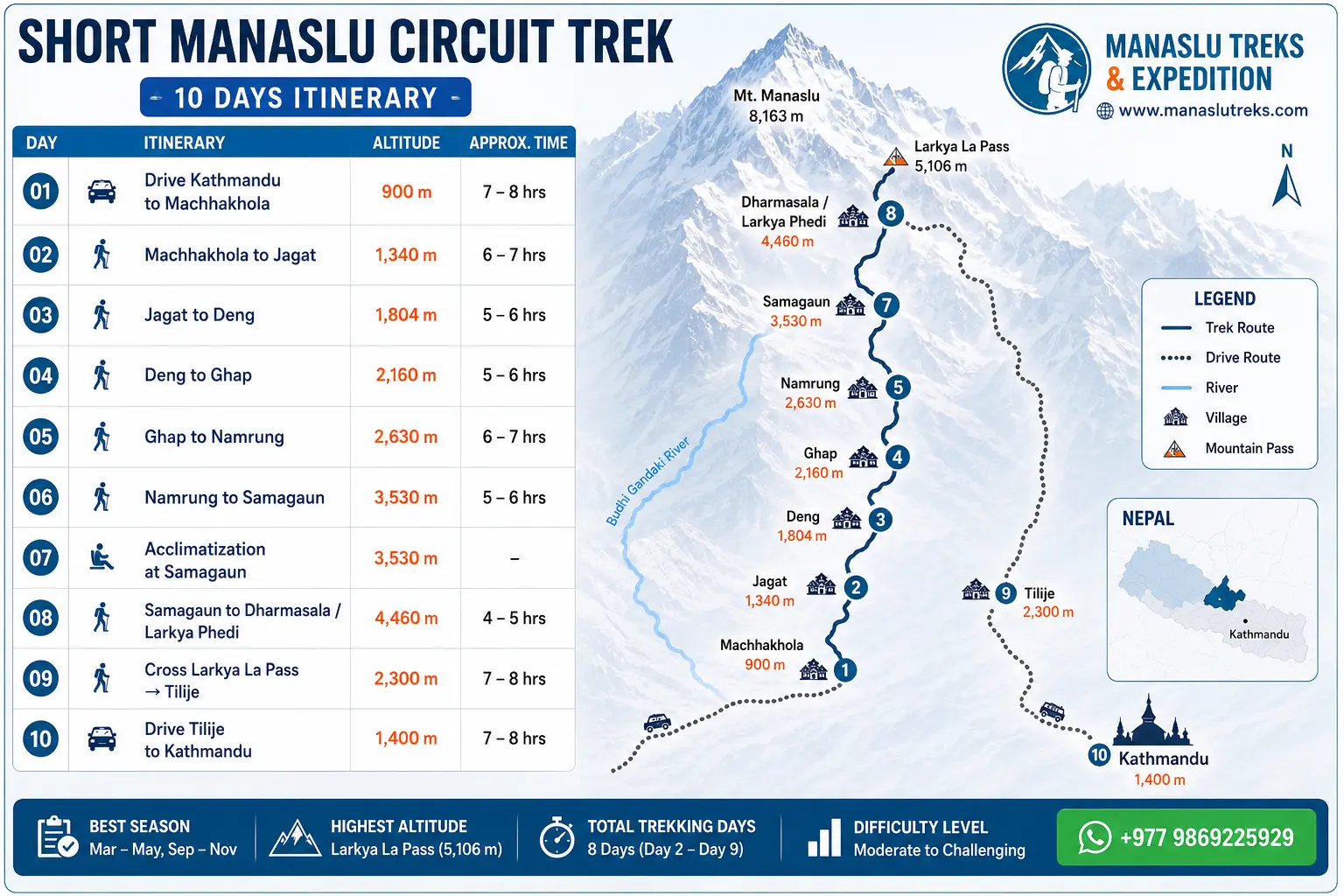
Complete Trekker Guide to the 10 Days Manaslu Circuit Trek
10 Days Manaslu Circuit Trek at a Glance
- Duration: 10 days trekking plus travel days from Kathmandu
- Maximum Altitude: Larkya La Pass at 5,106 metres above sea level
- Trek Grade: Strenuous or Hard
- Start Point: Machhakhola at 900 metres
- End Point: Tilije at 2,300 metres
- Best Seasons: March to May and September to November
- Daily Walking: 5 to 9 hours per day
- Accommodation: Teahouse lodges throughout the route
- Meals: Breakfast and dinner included in package
- Required Permits: RAP, MCAP, and ACAP
- Guide Required: Yes, a licensed government registered guide is mandatory
Day by Day Itinerary Summary for the 10 Days Manaslu Circuit Trek
- Day 1: Drive from Kathmandu to Machhakhola at 900 metres (7 to 8 hours by jeep or bus)
- Day 2: Trek from Machhakhola to Machha Khola at 869 metres (5 to 6 hours walking)
- Day 3: Trek from Machha Khola to Jagat at 1,410 metres (6 to 7 hours walking)
- Day 4: Trek from Jagat to Deng at 1,804 metres (5 to 6 hours walking)
- Day 5: Trek from Deng to Namrung at 2,630 metres (6 to 7 hours walking)
- Day 6: Trek from Namrung to Samagaon at 3,530 metres (5 to 6 hours walking)
- Day 7: Acclimatisation rest day at Samagaon with optional visit to Pungen Gompa and Birendra Lake
- Day 8: Trek from Samagaon to Dharamsala at 4,460 metres via Samdo (6 to 7 hours walking)
- Day 9: Cross Larkya La Pass at 5,106 metres and descend to Tilije at 2,300 metres (9 to 10 hours)
- Day 10: Trek from Bhimtang to Tilije at 2,300 metres then drive to Kathmandu (5 hours trek plus 6 hours drive)
Altitude Profile and Acclimatisation Plan
- Days 1 to 4 are spent below 2,000 metres so there is minimal altitude risk in this section
- Day 5 reaches Namrung at 2,630 metres where mild altitude awareness begins
- Day 6 reaches Samagaon at 3,530 metres which is the first genuinely high camp on the route
- Day 7 is a planned rest and acclimatisation day at Samagaon which is essential for a safe pass crossing
- Day 8 moves to Dharamsala at 4,460 metres passing through Samdo at 3,860 metres
- Day 9 peaks at Larkya La Pass at 5,106 metres before descending to 3,590 metres at Bhimtang
- The acclimatisation day on Day 7 is non negotiable and is built into all our itineraries
- Guides carry pulse oximeters and monitor all trekkers blood oxygen readings from Day 6 onwards
Permits for the 10 Days Manaslu Circuit Trek: Updated 2026 Costs
- Manaslu Restricted Area Permit (RAP): USD 100 per person per week during September to November peak season
- Manaslu Restricted Area Permit (RAP): USD 75 per person per week during December to August off season
- Manaslu Conservation Area Permit (MCAP): NPR 3,000 per person (approximately USD 22)
- Annapurna Conservation Area Permit (ACAP): NPR 3,000 per person (approximately USD 22) for the Tilije entry section
- All permits must be obtained through a registered trekking agency before entering the restricted zone
- Permits are checked at multiple police and army checkpoints along the Manaslu route
- Our agency handles all permit applications and paperwork before your trek departure
- You will need 2 passport photos and a copy of your passport for permit processing
Teahouse Accommodation Standards on the Manaslu Circuit
- All overnight stops on this route use teahouse lodges which are basic mountain guesthouses
- Rooms are simple with 2 wooden beds, foam mattresses, and thin blankets
- Twin sharing rooms are provided in our package; single rooms have limited availability above Namrung
- Attached bathrooms with Western toilets are available at lower elevations up to around Jagat
- Above Deng most toilets are shared squat style facilities
- Hot showers are solar powered and available up to Namrung for approximately NPR 200 to 400
- Above Namrung cold bucket showers or no shower facilities are the norm
- Common dining rooms heated by wood burning bukhari stoves are the social centre of each teahouse
- Solar charging for devices costs NPR 200 to 500 per session above Samagaon
- Bring a sleeping bag rated to minus 10 degrees Celsius as teahouse blankets are not sufficient above 3,500 metres
Food and Eating on the 10 Days Manaslu Circuit Trek
- Breakfast and dinner are included in our package price at all teahouses
- Lunches are not included and are paid separately, typically costing NPR 400 to 800 per meal
- Dal Bhat (rice with lentil soup and vegetables) is the most nutritious, filling, and affordable meal on the menu
- Most teahouses offer unlimited Dal Bhat refills which makes it the best value option
- Noodle soup, Tibetan bread, porridge, eggs, fried rice, momos (dumplings), and pasta are widely available
- Food quality and variety decreases above Samagaon due to supply chain difficulty at high altitude
- Bring energy bars, nuts, dried fruit, and chocolate from Kathmandu as trail snacks
- Avoid alcohol above 3,000 metres as it accelerates dehydration and impairs acclimatisation
- Budget approximately NPR 800 to 1,500 per day for lunches and snacks on the trail
Water Safety and Drinking Water on the Trek
- Never drink untreated water from rivers, streams, or taps anywhere along the route
- Boiled water from teahouses at NPR 50 to 100 per litre is the safest and most reliable option
- Water purification tablets such as Aquatabs or Micropur are lightweight and effective as a backup
- A UV pen like a SteriPen purifies water in 60 to 90 seconds and is battery powered
- Sawyer Squeeze or LifeStraw filters remove bacteria and protozoa but not viruses
- Carry a reusable 1 litre bottle rather than plastic bottles to reduce environmental waste
- Drink at least 3 litres per day below 3,000 metres and at least 4 litres per day above 3,000 metres
- Dehydration is one of the most common causes of altitude sickness and fatigue on this trek
Altitude Sickness Prevention and Treatment on the Manaslu Circuit
- Altitude sickness or Acute Mountain Sickness (AMS) can affect any trekker above 3,000 metres regardless of fitness level
- Common AMS symptoms include headache, nausea, dizziness, loss of appetite, and disturbed sleep
- Serious symptoms requiring immediate descent include severe headache, vomiting, loss of balance, confusion, and blue lips
- The golden rule is never ascend if you have AMS symptoms; always descend if symptoms are severe
- Drink plenty of water, walk slowly, and avoid alcohol and sleeping pills above 3,000 metres
- Diamox (Acetazolamide) can be used as a preventive medication; consult your doctor before the trek
- Our guides carry Diamox, Dexamethasone, and Nifedipine for emergency AMS treatment
- Pulse oximeters are carried by our guides to monitor blood oxygen levels daily from Samagaon onwards
- Anyone with a blood oxygen reading below 75 percent will be assessed and may require descent
- The acclimatisation rest day at Samagaon on Day 7 significantly reduces the risk of altitude sickness at Larkya La
Crossing the Larkya La Pass: What to Expect
- The Larkya La Pass at 5,106 metres is the highest point and most demanding section of the trek
- The crossing typically starts between 3:00 am and 4:00 am from Dharamsala high camp
- Starting early is essential to reach the pass before afternoon wind and cloud builds up
- The ascent from Dharamsala to the pass takes approximately 3 to 4 hours of steady uphill walking
- The pass itself offers panoramic views of Himlung Himal (7,126m), Cheo Himal (6,812m), Kangguru (6,981m), and the Annapurna range
- The descent from the pass to Bhimtang is steep, loose, and requires careful footing on scree
- Trekking poles are essential for both the ascent and descent sections of the crossing
- In winter months from November to February the pass can be snow covered requiring crampons
- Total crossing day walking time is 9 to 10 hours making it the longest and most tiring day of the trek
- A hot meal and warm teahouse at Bhimtang awaits at the end of the crossing day
Wildlife and Nature in the Manaslu Conservation Area
- The Manaslu Conservation Area covers 1,663 square kilometres and is protected by Nepal government regulations
- Snow Leopards inhabit the high alpine zones above 4,000 metres and are occasionally spotted near Samdo
- Himalayan Tahr (a wild goat) and Blue Sheep (Bharal) are commonly seen on rocky slopes above 3,500 metres
- Red Pandas live in the temperate forest zones between 2,000 and 4,000 metres
- Musk Deer are present in forested areas and are rarely seen due to their nocturnal habits
- Over 110 bird species have been recorded in the conservation area including the Himalayan Monal (Nepal’s national bird)
- The lower trail section passes through subtropical broadleaf forest rich in orchids, bamboo, and ferns
- Above 3,500 metres the landscape transitions to high altitude grassland, glacial moraines, and permanent snow
- Hunting and collection of wildlife are strictly prohibited in the conservation area
Tibetan Buddhist Culture Along the 10 Days Manaslu Circuit Trek
- The upper Manaslu region (above Deng) is home to the Nubri people, a Tibetan Buddhist community
- Tibetan language, dress, food, and religious customs are preserved almost unchanged in the Nubri villages
- Mani walls (stone walls carved with Buddhist prayers) line the trail from Deng northwards; always pass them on the left
- Prayer flags (Lungta) are strung across ridgelines, mountain passes, and village entrances throughout the upper valley
- Pungen Gompa at Samagaon is the most important monastery on the circuit, built into a cliff above the village
- The Birendra Lake above Samagaon is considered sacred and is a recommended visit on the acclimatisation day
- Loshar (Tibetan New Year) celebrations in January or February can occasionally be witnessed in Nubri villages
- Photography of monks, nuns, and religious ceremonies requires permission and a respectful attitude
- Butter tea (Po Cha) and Tsampa (roasted barley flour) are the traditional foods offered in Nubri households
Physical Training Plan Before the 10 Days Manaslu Circuit Trek
- Start training at least 6 to 8 weeks before the trek departure date
- Focus on cardiovascular fitness through hiking, trail running, cycling, or swimming 4 to 5 times per week
- Practice weighted walking with a daypack of 8 to 10 kilograms to build strength and endurance
- Include stair climbing and uphill walking to train the specific muscles used during steep ascents
- Practice long distance walking days of 5 to 6 hours to build foot and joint resilience
- Break in your trekking boots thoroughly before arrival; never start a multi day trek in new footwear
- Work on core strength exercises such as planks and squats which help with balance on uneven terrain
- Yoga and stretching routines reduce the risk of muscle injuries during the trek
- If you have any cardiac, respiratory, or knee conditions, consult a doctor before booking
Gear List for the 10 Days Manaslu Circuit Trek
- Footwear: Waterproof ankle supporting trekking boots (well broken in), camp sandals or flip flops
- Lower body: 2 pairs of trekking pants, thermal base layer leggings, waterproof overtrousers
- Upper body: 2 to 3 moisture wicking base layer tops, fleece mid layer, down jacket, waterproof shell jacket
- Head and hands: Warm wool or fleece hat, sun hat or cap, sun protection neck gaiter, liner gloves, waterproof outer gloves
- Sleeping: Sleeping bag rated to minus 10 degrees Celsius (available for rent in Kathmandu Thamel)
- Trekking: Adjustable trekking poles (2 poles are strongly recommended for the pass crossing)
- Daypack: 25 to 35 litre daypack with rain cover for items carried personally each day
- Duffel bag: 60 to 80 litre duffel for gear carried by porter; maximum load per porter is 20 kilograms
- Hydration: 2 litre reusable water bottle plus purification tablets or filter
- Navigation and light: Headlamp with extra batteries (essential for the pre dawn Larkya La start)
- Sun protection: SPF 50 sunscreen, UV blocking sunglasses, and lip balm with SPF
- First aid: Personal first aid kit, blister pads, ibuprofen, anti diarrhoea tablets, and any prescription medication
Mobile Coverage and Internet Access on the Manaslu Circuit
- Nepal Telecom (NTC) provides the best mobile coverage on this route compared to Ncell
- 4G coverage is available from Kathmandu to approximately Machhakhola and Machha Khola
- 2G or 3G signal is intermittently available up to Samagaon on Nepal Telecom
- Above Samagaon including Samdo, Dharamsala, and Larkya La Pass there is typically no mobile coverage
- WiFi is available at most teahouses up to Samagaon for NPR 200 to 500 per session via satellite connection
- Above Samagaon WiFi is either unavailable or too slow for anything beyond simple messaging
- Our guides carry a Garmin inReach satellite communicator for emergency two way messaging from anywhere on the route
- Personal satellite communication devices such as inReach Mini can be rented in Kathmandu for the trek
Emergency Evacuation and Medical Support on the Route
- There are no hospitals or formal medical clinics between Machhakhola and Tilije
- The nearest hospital with proper facilities is in Gorkha, approximately 6 to 8 hours by road from Arughat
- In case of serious medical emergency, helicopter evacuation from most points on the circuit takes 30 to 60 minutes from Kathmandu
- Helicopter evacuation costs USD 3,000 to USD 6,000 or more depending on altitude and distance
- All trekkers must carry personal travel insurance that covers helicopter evacuation to a minimum of USD 100,000
- Our guides carry a complete first aid kit including pulse oximeter, emergency oxygen mask, wound care, and AMS medications
- Garmin inReach satellite devices carried by our guides can send SOS signals from any location on the planet
- Trekkers with pre existing health conditions should carry a detailed medical summary in English
How to Book the 10 Days Manaslu Circuit Trek
- Contact our team through the inquiry form on this page or by email to get a personalised quotation
- To confirm your booking a deposit of 25 percent of the total package cost is required
- The remaining balance is paid on arrival in Kathmandu before the trek begins
- We require a copy of your passport, 2 passport photos, and proof of travel insurance before departure
- Bookings should be made at least 4 to 6 weeks in advance during peak season (October) to ensure guide and teahouse availability
- Custom private group departures can be arranged for any date during the spring and autumn seasons
- Fixed group departures are available for solo travellers or small groups wanting to join others
- Group discounts are available for groups of 4 or more trekkers booking together
Responsible Trekking and Leave No Trace on the Manaslu Circuit
- Carry all plastic waste out of the conservation area; no plastic should be left on the trail or buried
- Use reusable water bottles and refuse single use plastic bottles where filtered or boiled water is available
- Choose teahouses using solar or gas cooking rather than wood fires to reduce deforestation
- Stay on marked trails and do not cut switchbacks as this causes serious erosion on steep mountain slopes
- Do not pick plants, disturb wildlife, or remove any natural or cultural objects from the route
- Respect local religious customs including mani walls, prayer flags, and monastery etiquette
- Pay fair wages to local staff and tip guides and porters appropriately (see our tipping guidelines)
- Buy food and souvenirs from locally owned teahouses and shops rather than from outside vendors
- Report any waste dumping or environmental violations to the nearest conservation area checkpoint
Weather and Temperature Guide by Season
- March to May (Spring): Daytime 15 to 25 degrees at low elevations, minus 5 to minus 10 at high altitude; rhododendron blooms; moderate trail traffic
- June to August (Monsoon): Heavy rainfall, muddy trails, leeches below 2,500m, landslide risk; not recommended for most trekkers
- September to November (Autumn): Best conditions; crystal clear skies, stable weather, 10 to 22 degrees at low elevations, minus 10 to minus 15 at Larkya La
- December to February (Winter): Cold and dry; Larkya La may be snow blocked and impassable without mountaineering equipment; only for very experienced trekkers
- October has the most stable weather and is the single best month for this trek
- November offers slightly fewer trekkers on trail and equally clear skies but very cold nights above 4,000 metres
- Late September after the monsoon clears is excellent with lush green landscapes and fresh clean air
Comparing the 10 Day vs 14 Day vs 18 Day Manaslu Circuit Itinerary
- 10 Day version: Best for experienced trekkers with limited time; longer daily walking hours; covers the full circuit including Larkya La
- 14 Day version: Most popular; more rest days built in; acclimatisation is more gradual; better for first time Manaslu trekkers
- 18 Day version: Includes side trips to Birendra Lake, Manaslu Base Camp, or Tsum Valley; recommended for those wanting a deeper exploration
- All three versions cross the Larkya La Pass; the difference is the pace and additional stops along the way
- The 10 day itinerary is not recommended for trekkers who have never trekked above 4,000 metres before
- All versions require the same permits (RAP, MCAP, ACAP) and a licensed guide
- Contact our team to discuss which duration matches your fitness level and available time
Porter and Guide Services: What Our Team Provides
- All guides are licensed by the Nepal government and registered with the Trekking Agencies Association of Nepal (TAAN)
- Our guides are fluent in English and have a minimum of 5 years experience on the Manaslu Circuit route
- Guides carry a first aid kit, pulse oximeter, emergency medications, satellite communicator, and all permits
- One porter is provided for every two trekkers in the standard package; solo trekkers get a dedicated porter
- Porters carry a maximum load of 20 kilograms excluding their own personal gear in compliance with TAAN standards
- All our porters receive appropriate clothing, shelter, food, and insurance per Nepal trekking industry standards
- Private guides are available at an additional cost for trekkers who prefer dedicated individual attention
- Tipping is customary and appreciated; recommended tip is USD 15 to 20 per day for guides and USD 10 to 12 per day for porters
The Villages of Samagaon and Samdo: Culture and Community
- Samagaon at 3,530 metres is the largest and most important village on the upper Manaslu Circuit route
- It is a Tibetan Buddhist community of the Nubri people with permanent stone houses and a large monastery
- Pungen Gompa above Samagaon was founded several centuries ago and contains ancient thangka paintings and butter lamp altars
- The acclimatisation day at Samagaon is best spent visiting Pungen Gompa, walking to Birendra Lake (3,800m), or resting at the teahouse
- Mount Manaslu at 8,163 metres dominates the skyline directly north of Samagaon and is visible from the village
- Samdo at 3,860 metres sits close to the Tibet border and has a long history as a trans Himalayan trading post
- Local families in both villages sometimes welcome trekkers for butter tea and conversation
- Mobile coverage effectively ends at Samagaon for all major Nepalese carriers
Kathmandu Preparation: What to Do Before the Trek
- Arrive in Kathmandu at least 1 to 2 days before the trek departure date for gear preparation and acclimatisation to 1,400 metres
- Visit Thamel district for any gear purchases or rentals needed before the trek
- Carry USD cash in small denominations (USD 1, USD 5, USD 10, USD 20 bills) for ATMs in Kathmandu may not always work
- Get a Nepal Telecom SIM card for the best mobile coverage on the Manaslu route
- Our team provides a pre trek briefing covering the route, safety protocols, and permit requirements
- Visit the doctor before departure for altitude sickness medication prescription (Diamox 250mg) if advised
- Confirm your travel insurance covers emergency helicopter evacuation to at least 5,500 metres before travelling
- Inform a trusted contact at home of your trekking route, dates, and emergency contact numbers
Nepal Visa Information for the 10 Days Manaslu Circuit Trek
- Nepal tourist visas are available on arrival at Tribhuvan International Airport in Kathmandu
- USD 30 for a 15 day single entry visa (sufficient for most trekkers on a 10 day trek plus Kathmandu stay)
- USD 50 for a 30 day multiple entry visa (recommended if you plan to visit other areas or extend your stay)
- USD 125 for a 90 day multiple entry visa
- Requirements: valid passport with at least 6 months validity, one passport size photo, and the fee in USD cash
- Indian nationals do not require a visa to enter Nepal
- Chinese nationals and SAARC country nationals may have different fee structures
- Visa extensions beyond the original duration can be arranged at the Department of Immigration in Kathmandu
Frequently Searched Questions About the 10 Days Manaslu Circuit Trek
- Is the Manaslu Circuit better than Everest Base Camp? For solitude and raw cultural authenticity, yes. EBC has more infrastructure and prestige but far more trekkers on trail.
- Can I do the Manaslu Circuit without a guide? No. A licensed guide is legally required in this restricted area for all foreign trekkers.
- Is 10 days enough for the Manaslu Circuit? Yes for experienced trekkers. First timers should consider the 14 day itinerary for a safer acclimatisation schedule.
- What is the hardest day of the 10 Days Manaslu Circuit Trek? Day 9 crossing Larkya La Pass is the hardest and longest day, starting before dawn and lasting 9 to 10 hours.
- How much does the 10 Days Manaslu Circuit Trek cost in 2026? Contact our team for current all inclusive package pricing. Permit costs alone start at USD 175 per person.
- Do I need to be vaccinated before the Manaslu Circuit Trek? Hepatitis A, Typhoid, and Tetanus vaccinations are recommended. Consult your travel health clinic at least 4 weeks before departure.
Solo Trekking the Manaslu Circuit in 2026: Rules and Requirements
- Solo trekking the Manaslu Circuit is fully legal in 2026 provided you hire a licensed government registered guide
- Nepal updated its trekking regulations and the previous minimum group size requirement of 2 trekkers no longer applies
- A solo trekker needs only one guide and one porter, making the trip straightforward to arrange as an individual
- The Restricted Area Permit (RAP) can be issued to a single trekker with a registered guide attached to the booking
- Solo trekking costs more per person than group departures because permit and guide fees are not shared
- Our agency offers dedicated solo private departures on any date during spring and autumn seasons
- Solo trekkers should carry a personal satellite communicator or GPS device for additional safety in remote sections
- The trail is well marked between Machhakhola and Tilije so navigation is straightforward with a guide
Manaslu Circuit Trek vs Annapurna Circuit Trek: Which One to Choose
- The Manaslu Circuit is a restricted trekking area requiring a Restricted Area Permit, making it far less crowded than the Annapurna Circuit
- The Annapurna Circuit has paved roads on large sections of its route while the Manaslu Circuit remains a fully walking trail with no road shortcuts
- The Larkya La Pass at 5,106 metres on the Manaslu Circuit is more remote and more challenging than the Thorong La Pass at 5,416 metres on the Annapurna Circuit
- The Annapurna Circuit can be completed without a mandatory guide while the Manaslu Circuit legally requires one
- Teahouse facilities on the Annapurna Circuit are more developed and varied, while Manaslu teahouses are simpler and more authentic
- The Manaslu route offers deeper immersion into Tibetan Buddhist Nubri culture than the more tourist-developed Annapurna villages
- Budget: both treks have similar overall costs but Manaslu requires an additional USD 100 Restricted Area Permit per week
- Verdict: choose Manaslu for solitude and raw authenticity, choose Annapurna for better facilities and more flexibility
Month by Month Weather Guide for the 10 Days Manaslu Circuit Trek
- January: Cold and dry, daytime at pass can reach minus 20 degrees Celsius, Larkya La is often snow blocked and very dangerous
- February: Slightly warmer than January but still risky for the high pass, occasional clear weather windows possible
- March: Spring begins, rhododendrons start blooming below 3,000 metres, good visibility, recommended for experienced trekkers
- April: Excellent month, stable weather, rhododendrons in full bloom, trail is busy but not overcrowded, highly recommended
- May: Late spring, warm at low elevations, increasing cloud by afternoon, pre-monsoon haze can reduce summit visibility
- June: Monsoon begins, heavy rain, leeches below 2,500 metres, landslide risk on steep sections, not recommended
- July: Peak monsoon, trail can be impassable in sections, only for very experienced monsoon trekkers
- August: Late monsoon, trails are lush and green, rain continues but may have clearer windows in upper valley
- September: Best month after mid-September when monsoon clears, crystal clear skies, fresh green landscapes, highly recommended
- October: Peak season, best weather overall, stunning mountain views, busiest teahouses, book well in advance
- November: Excellent clarity and cold nights above 4,000 metres, fewer trekkers than October, still highly recommended
- December: Cold and increasingly risky at the pass, early snowfall possible, only experienced winter trekkers should attempt
Tipping Guide for the 10 Days Manaslu Circuit Trek
- Tipping is customary and forms an important part of guide and porter income in Nepal
- Recommended tip for the lead guide: USD 15 to 20 per day for the full duration of the trek
- Recommended tip for an assistant guide: USD 10 to 15 per day
- Recommended tip for each porter: USD 10 to 12 per day
- For a 10 day trek, a total tip of USD 150 to 200 per guide and USD 100 to 120 per porter is considered appropriate
- Tips are given in cash (NPR or USD) on the final day of the trek at the farewell gathering
- If multiple trekkers share a guide or porter, the combined tip from the group is appropriate rather than individual amounts
- Tips are entirely voluntary and based on the quality of service received during the trek
- Our agency does not add a service charge to the package price so tipping is the main way to reward exceptional service
How to Get from Kathmandu to Machhakhola: Transport Options in 2026
- Private jeep from Kathmandu to Machhakhola: 8 to 9 hours, costs USD 150 to 200 for the full vehicle, most comfortable option
- Public bus from Kathmandu to Arughat then local jeep to Machhakhola: 10 to 12 hours, costs NPR 800 to 1,500 per person, budget option
- The road from Kathmandu follows the Prithvi Highway west to Gorahi, then turns north through Arughat Bazaar along the Budhi Gandaki
- Road conditions between Arughat and Machhakhola can be rough, especially during and after the monsoon season
- Our package includes private jeep transport from Kathmandu to Machhakhola on Day 1
- The return journey on Day 10 is from Tilije through Dharapani and Besisahar to Kathmandu by jeep or bus
- Departure from Kathmandu is typically at 6:00 am to 7:00 am to arrive at Machhakhola before dark
- There are no domestic flights to any point on the Manaslu Circuit starting point; road transport is the only option
Group Departure vs Private Trek for the 10 Days Manaslu Circuit
- Group departures are fixed date trips where solo travelers or small groups join others, reducing cost through sharing
- Private treks depart on any date you choose with a dedicated guide and porter assigned exclusively to your group
- Group departures cost USD 895 to 995 per person and are available on set dates throughout spring and autumn
- Private treks cost USD 1,095 to 1,195 per person and offer full flexibility on pace, rest days, and route adjustments
- Group departures are ideal for solo trekkers who want companionship and cost savings
- Private treks are ideal for couples, families, or groups of friends who prefer their own schedule
- Both options include the same permits, guide, porter, accommodation, and meals
- Custom private departures can be arranged for any date with at least 2 to 4 weeks advance notice
Physical Fitness Test: Are You Ready for the 10 Days Manaslu Circuit Trek?
- You should be able to walk 6 to 8 hours continuously on uneven terrain without feeling completely exhausted
- You should have prior trekking experience above 3,000 metres, ideally including at least one multi-day mountain trek
- You should be able to carry a 6 to 8 kilogram daypack comfortably for a full day without significant knee or back pain
- You should have no serious cardiac, respiratory, or blood pressure conditions without your doctor’s clearance
- A resting pulse below 80 bpm and no shortness of breath during moderate exercise is a good baseline fitness indicator
- If you can comfortably complete a 20 to 25 kilometre day hike with 1,000 metres of elevation gain, you are fit enough
- The Larkya La crossing day requires 10 to 12 hours of walking starting before dawn, which is the key fitness benchmark
- If you are uncertain about your fitness, our team recommends starting with the Annapurna Base Camp or Langtang Valley Trek first
Frequently Asked Questions About the 10 Days Manaslu Circuit Trek
The 10 Days Manaslu Circuit Trek is rated as a hard or strenuous trek. It requires crossing the Larkya La Pass at 5,106 metres, which is the most demanding section. Trekkers should be physically fit, able to walk 6 to 8 hours per day on steep mountain terrain, and comfortable at high altitude. Prior trekking experience in Nepal or a similar mountain environment is strongly recommended. Our guides set a comfortable pace with proper acclimatisation built into the schedule.
Three permits are required. The Manaslu Restricted Area Permit (RAP) costs USD 100 per person for the first week during September to November and USD 75 per week during December to August. The Manaslu Conservation Area Permit (MCAP) costs NPR 3,000 per person. The Annapurna Conservation Area Permit (ACAP) costs NPR 3,000 per person. All permits are arranged by our agency before departure. You do not need to visit any government office yourself.
Yes. A licensed, government registered trekking guide is mandatory on the Manaslu Circuit. This is a legal requirement for all foreign trekkers entering the Manaslu Restricted Area. Solo trekkers are also permitted as long as they hire a licensed guide through a registered trekking agency. You no longer need a minimum group of two people. Our guides are experienced, English speaking, and hold certification from the Nepal government.
The two best seasons are spring from March to May and autumn from September to November. October is the peak month with the most stable weather, clearest skies, and best mountain views. Spring offers the bonus of rhododendron blooms below 3,500 metres. The monsoon season from June to August is generally not recommended due to heavy rain, muddy trails, and landslide risk on the approach road. Winter trekking from December to February is possible but Larkya La Pass can be snow blocked and dangerous.
Temperatures vary significantly by elevation and season. At Soti Khola at 700 metres, daytime temperatures in October range from 20 to 28 degrees Celsius. At Samagaon at 3,530 metres, nights drop to around 0 to minus 5 degrees Celsius. At Dharamsala at 4,460 metres the night before the Larkya La crossing, temperatures can fall to minus 10 to minus 15 degrees Celsius. A sleeping bag rated to at least minus 10 degrees Celsius is essential. Down jacket, fleece, and waterproof shell layers are all required.
Yes. Altitude sickness or Acute Mountain Sickness (AMS) is a genuine risk above 3,000 metres. The main high altitude sections are Samagaon at 3,530 metres, Samdo at 3,860 metres, Dharamsala at 4,460 metres, and Larkya La Pass at 5,106 metres. Our itinerary includes a rest and acclimatisation day at Samagaon to allow the body to adjust. Our guides carry a pulse oximeter to monitor blood oxygen levels and emergency AMS medication including Diamox and Dexamethasone. Anyone showing signs of severe AMS will be descended immediately.
The package includes all required permits (RAP, MCAP, ACAP), an experienced licensed guide, a porter (one porter for every two trekkers), twin sharing teahouse accommodation throughout, breakfast and dinner at each overnight stop, ground transportation from Kathmandu to Soti Khola and from Dharapani back to Kathmandu, a first aid kit with pulse oximeter and emergency medication, and emergency evacuation insurance. Airport pickup and drop is also included on request.
Not included are international flights to Nepal, Nepal visa fees (USD 30 for 15 days or USD 50 for 30 days), personal travel insurance covering helicopter evacuation, lunches and snacks on the trail, personal trekking gear, tips for guide and porter (recommended USD 15 to 20 per day for the guide and USD 10 to 12 per day for the porter), extra nights in Kathmandu hotels, and personal expenses such as hot showers and device charging fees at teahouses.
Soti Khola is reached by a 7 to 8 hour drive from Kathmandu via Arughat Bazar. Our package includes private jeep or tourist bus transportation departing Kathmandu early morning at around 6:00 am. At the end of the trek, a vehicle picks up the group at Dharapani in the Annapurna region for the 6 to 7 hour drive back to Kathmandu via Besisahar and Dumre. All ground transportation is pre arranged and included in the package cost.
Yes. Travel insurance is mandatory and our agency requires proof of coverage before departure. Your policy must cover emergency helicopter evacuation to a minimum of USD 100,000 and must include high altitude trekking coverage up to at least 5,500 metres. Many standard travel insurance policies cap coverage at 4,000 metres so it is essential to check this carefully before purchasing. Recommended providers include World Nomads, Battleface, and True Traveller. Always carry your policy document and emergency contact numbers during the trek.
Essential items include waterproof trekking boots that are well worn in before the trek, moisture wicking base layers, trekking pants, a fleece mid layer, a waterproof shell jacket, a down jacket, a sleeping bag rated to minus 10 degrees Celsius, merino wool socks (3 to 4 pairs), a warm hat, gloves, UV protection sunglasses, a headlamp with spare batteries, a reusable water bottle, water purification tablets, sunscreen, lip balm, and a small personal first aid kit. Most gear can be rented at low cost in Kathmandu Thamel.
This trek is not recommended for complete beginners with no prior trekking experience. The 10 day format is more demanding than the standard 14 to 18 day version because the same altitude is covered in fewer days, resulting in longer daily walking hours and a faster ascent rate. Trekkers who have completed moderate treks such as the Annapurna Base Camp or Langtang Valley trek and are comfortable with 5 to 7 hour walking days will find this trek achievable with proper physical preparation and training in advance.
Yes. The Tsum Valley is a sacred Himalayan valley branching off the Manaslu Circuit route near the village of Chumling. A Tsum Valley extension adds 7 to 10 days to the journey and requires a separate Tsum Valley Restricted Area Permit. The valley is one of the most remote and least visited regions in Nepal, home to ancient Tibetan Buddhist monasteries, nunneries, and the deeply preserved Tsumba culture. Our agency arranges custom Manaslu and Tsum Valley combined itineraries on request.
-
Quiet trails big mountains and brilliant supportBy Anna Bergstrom June 7, 2026This was my first Himalayan trek and I chose well. Praldah was calm, competent, and encouraging from the first day out of Machhakhola. He explained each section of the trail in advance so I always knew what to expect. The lower gorge was surprisingly lush in May — waterfalls everywhere and rhododendrons still flowering. The shift to high alpine terrain above Namrung happened fast. Samagaun was spectacular. The Manaslu north face is simply enormous up close. Larkya La was hard but I made it and I cried at the top. Manaslu Treks and Expedition organised a wonderful trip with a brilliant crew.Date of Experience: May 01, 2025
-
Larkya La at dawn is worth the 4am wake up callBy Ryan Cooper June 7, 2026We left Dharmasala at 4:30am with head torches and frozen fingers. Guide Dhana Sherpa set the pace perfectly — steady, consistent, no stops long enough to lose warmth. We hit the summit of Larkya La just as the sun broke over the ridgeline to the east. I have no real words for what that looked like. The descent into Bimthang and on to Tilije is long and hard on the knees but the whole day felt like an achievement I will carry for a long time. Our porter Pasang made sure we had enough snacks and water at every rest point. Manaslu Treks and Expedition ran an excellent trip.Date of Experience: October 01, 2025
-
This trek pushed me and I am so glad it didBy Fiona Walsh June 7, 2026I am not a hardcore trekker and I was nervous before this trip. Sudip figured that out within the first hour and adjusted the pace accordingly. By day five I was walking without thinking about the altitude. By the acclimatisation day I was hiking to Pungen Gompa on my own and loving every step. The crossing of Larkya La on day nine was the most physically demanding thing I have done and the most satisfying. Manaslu Treks and Expedition gave me a trip I did not think I was capable of. I am already planning to come back and do the Annapurna Circuit with them.Date of Experience: September 01, 2025
-
Manaslu and a guide named Sunil who genuinely caredBy Mark Jensen June 7, 2026I have trekked in Nepal four times and Sunil is the best guide I have had. He did not just lead the walk — he made sure we understood where we were, why the route goes the way it does, and what we were looking at across the valley. The teahouses from Namrung upward are basic but warm and the food was solid. Our porter Karma was quiet but remarkably strong. Crossing from Dharmasala to Tilije through the Larkya La is a serious undertaking and Sunil managed it with real confidence. Manaslu Treks and Expedition delivered exactly what they promised. Good team, no surprises.Date of Experience: October 01, 2025
-
Go to Manaslu before everyone else discovers itBy Katie Anderson June 7, 2026The Manaslu Circuit is still one of the most underrated treks in the Himalayas. Guide Susam pointed out things I would never have noticed — a snow leopard track in the mud near Namrung, a centuries old mani wall near Ghap, glaciers visible only from a specific angle above Deng. He had an ease about him that made the tough days feel manageable. Day 9 over Larkya La was the hardest physical day of my trekking life. I am incredibly glad I did it. Manaslu Treks and Expedition were professional and responsive throughout the planning process.Date of Experience: April 01, 2026
-
From Machhakhola to Tilije — ten days I will talk about foreverBy Oliver Franks June 7, 2026Booked with Manaslu Treks and Expedition on a recommendation from a friend. Everything went smoothly from airport pickup to final drop off. Ramsharan was our guide and his connection with the villages along the route was clear at every teahouse — people greeted him like family. The route through Deng, Ghap, and Namrung is deceptively beautiful, every bend opens something new. Samagaun was the highlight. Standing in that high alpine bowl looking up at the eighth highest mountain on earth is humbling in a way that is hard to describe. The pass day was long but Ramsharan set the perfect pace.Date of Experience: May 01, 2026
-
Not easy not cheap but absolutely worth itBy Laura Bennett June 7, 2026I had wanted to do the Manaslu Circuit for three years and finally made it in November. Late season meant cold nights but clear skies and almost no other trekkers. Nakul was our guide and was exceptional — not just in trail knowledge but in how he looked after the group. He checked altitude symptoms every morning without making it feel clinical. The drive from Kathmandu to Machhakhola takes most of Day 1 but you wake up Day 2 already in the gorge and it hits you how remote this place is. Crossed Larkya La with zero other groups on the trail. Would do it again tomorrow.Date of Experience: November 01, 2025
-
Manaslu Circuit smashes everything else I have done in NepalBy Tom Wilson June 7, 2026I had done Everest Base Camp and Annapurna Circuit before this. The Manaslu Circuit is harder, quieter, and more rewarding than both. Praldah was our guide and I cannot say enough good things about him. On day nine he was up at 3am making sure all of us had hot tea before the pass attempt. We crossed Larkya La at sunrise and the light on the peaks was the kind of thing you remember for life. Our porter Tenzin carried everything heavy without a word of complaint. Manaslu Treks and Expedition handled the whole logistics well. Worth every dollar.Date of Experience: September 01, 2025
-
The Larkya La crossing is something I will never forgetBy Sophie Martin June 7, 2026From Machhakhola on Day 2 I could feel this trek was different to anything else I had done. The gorge section along the Budhi Gandaki is one of the most dramatic walking days of my life. Our guide Dhana Sherpa was patient and honest about what to expect at altitude. He carried extra layers on summit day just in case. Pungen Gompa above Samagaun was genuinely moving — ancient monastery, prayer flags, absolute silence. The descent from Larkya La into Tilije felt like arriving in a different world. I came back with 3,000 photos and a lot of stories.Date of Experience: October 01, 2025
-
Remote raw and real — this is the actual NepalBy David Chen June 7, 2026I wanted something away from the crowds and the Manaslu Circuit delivered. We saw almost no other trekkers for the first four days. Sudip was our guide and his knowledge of the route was excellent — he flagged a washed out section near Jagat and had us on an alternate path without any fuss. Porter Mingma kept morale high the whole trip. Crossing Larkya La in May with fresh snow on the ridgeline was something else. Manaslu Treks and Expedition handled all permits including the restricted area entry. Everything sorted before we even landed in Kathmandu.Date of Experience: May 01, 2025
-
Samagaun was magical and the pass was brutalBy Rachel Thompson June 7, 2026Two nights in Samagaun was the right call. On the acclimatisation day guide Sunil took us up to Birendra Lake at 4,200 metres. The reflection of Manaslu on that still water on a clear morning is something you cannot recreate in a photo. Sunil was experienced and never pushed us past our pace. The crossing of Larkya La the next day was demanding but the views from the top across to the Annapurna range were incredible. Manaslu Treks and Expedition ran a clean and organised trip from start to finish. Highly recommend.Date of Experience: October 01, 2025
-
Tough but absolutely worth every stepBy Michael Bauer June 7, 2026Manaslu Treks and Expedition organised everything efficiently from Kathmandu to Tilije. Susam was our guide and he had this calm way of explaining everything — altitude symptoms, village history, which teahouse had the best dal bhat. Our porter Dawa was barely affected by the altitude and made the rest of us look embarrassed. The climb out from Dharmasala to Larkya La is no joke. Eleven hours on day nine was hard but standing on that ridge with Manaslu behind us made every blister worth it. Best trek I have done anywhere.Date of Experience: September 01, 2025
-
Manaslu blew my mind completelyBy Emma Clarke June 7, 2026I booked with Manaslu Treks and Expedition after seeing them mentioned in a few forums. Our guide Ramsharan was one of those people you immediately feel safe with. He grew up near the region and knew every teahouse owner by name. The section through the Budhi Gandaki gorge was dramatic — waterfalls everywhere and the path carved right into the cliff face. By the time we reached Samagaun I could not believe I was standing in front of Manaslu. The pass day was long and cold but Ramsharan kept us moving at exactly the right pace. I already want to come back for the Tsum Valley.Date of Experience: November 01, 2025
-
One of the best decisions I made in NepalBy James Harrison June 7, 2026I did a lot of research before choosing a company for the Manaslu Circuit Trek, and Manaslu Treks and Expedition was the right call. Our guide Nakul was fantastic — he knew every village, every shortcut, and when to push and when to rest. Our porter Bikash carried more weight than I thought possible and never complained once. The acclimatization day at Samagaun was a highlight I did not expect. We hiked up to Birendra Lake and had Manaslu completely to ourselves. Larkya La was hard. We left at 4am and the wind at the top was brutal, but crossing at 5,106 metres is something I will remember for the rest of my life. Book this trip.Date of Experience: October 01, 2025
-
The Manaslu Circuit changed how I think about trekkingBy Chris Murphy December 8, 2025I thought trekking was about covering distance. Nakul changed that. He stopped us at viewpoints I would have walked past, introduced us to a monk at the monastery above Samagaun, and made sure we took time to actually absorb where we were. The restricted area status means the crowds you find on Everest and Annapurna simply do not exist here. The teahouses are quieter, the trails are quieter, and the mountains feel more immediate. The pass day was genuinely tough — eleven hours from Dharmasala to Tilije — but Nakul had us across before the afternoon wind picked up. Brilliant guide, excellent company all round.Date of Experience: November 05, 2025


Write a Review Cancel reply
Thank you. Your review will appear after admin approves it.
Please fill all the fields.