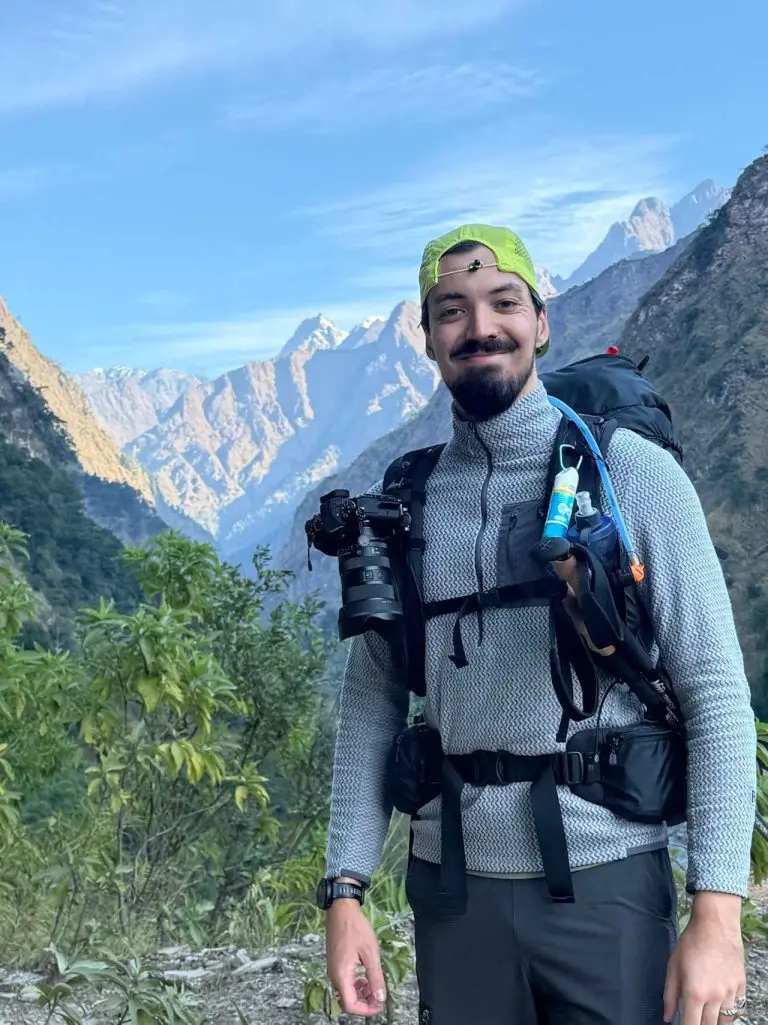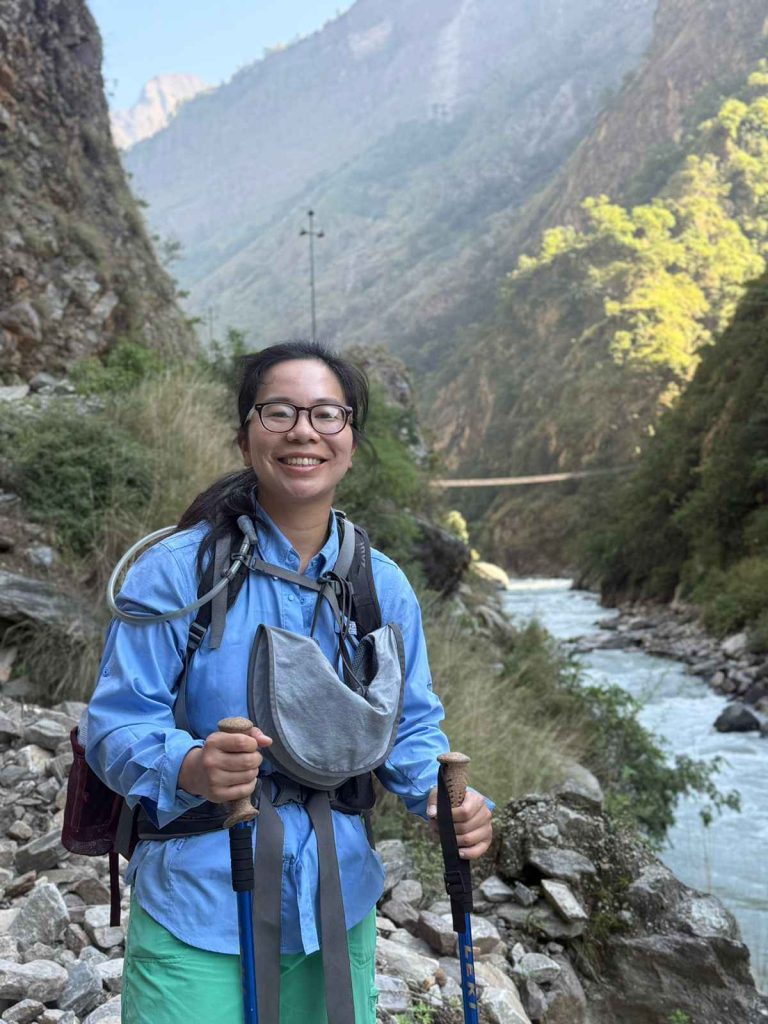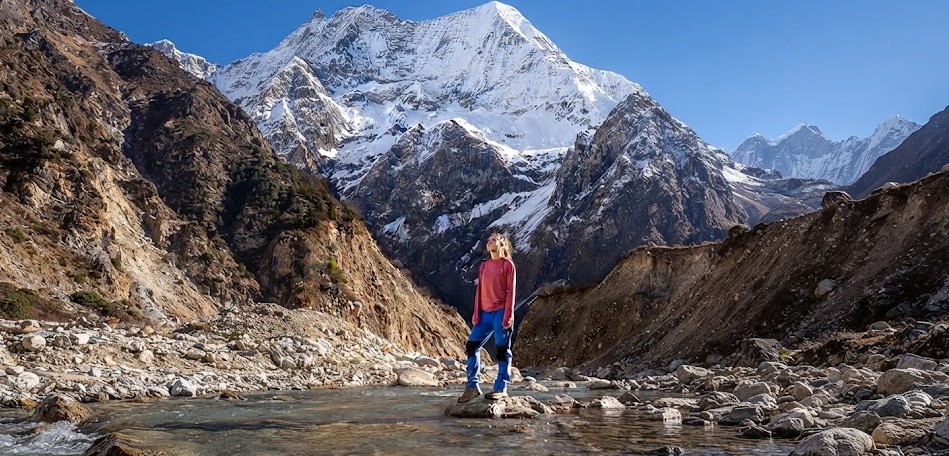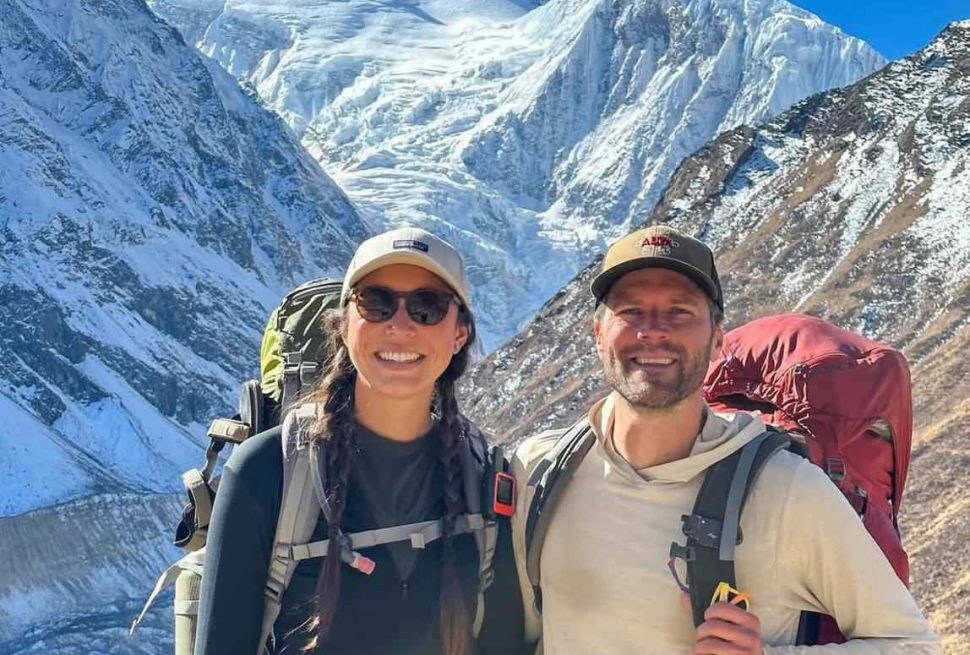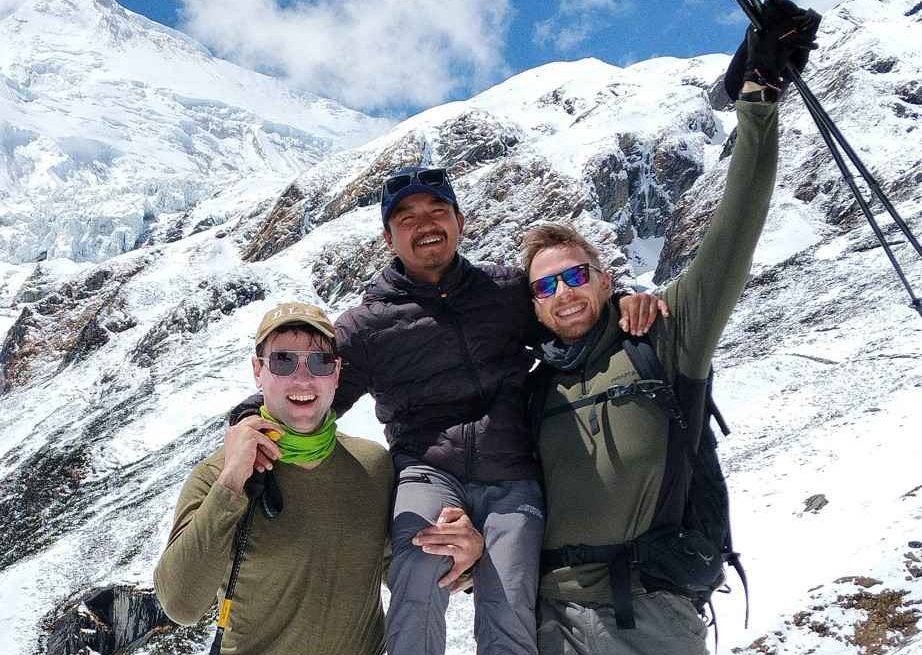
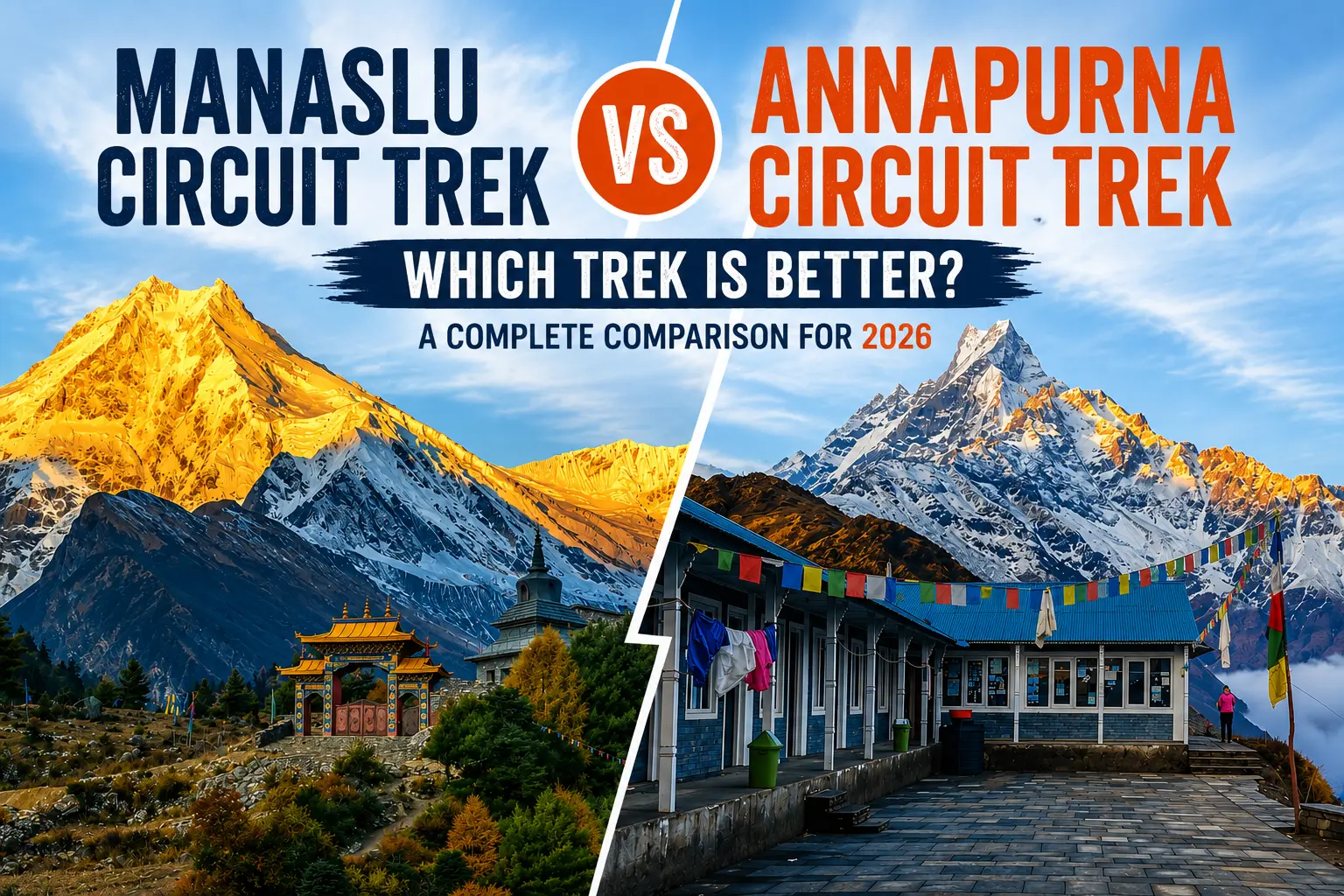
A complete, field-tested comparison for 2025: difficulty, permits, cost, crowd levels, culture, and the honest truth about both of Nepal’s greatest mountain circuits. Trust our manaslu trekking company for expert guidance on every Manaslu adventure.
Route Overview and First Impressions
Nepal has given the world two mountain circuits that sit at the very top of every serious trekker’s bucket list. The Annapurna Circuit has been drawing adventurers for five decades, a golden-era classic with a worn-in comfort and an almost mythological reputation. The Manaslu Circuit is something else entirely: wilder, more private, and rooted in a culture that feels genuinely untouched.
Both routes loop around an eight-thousander. Both cross a high Himalayan pass. Both offer a changing panorama of subtropical jungle, terraced farmland, high-altitude desert, and glacier-draped peaks. Yet every trekker who has walked both trails will tell you that the experience of walking them could not be more different.
This guide is written by the team at Manaslu Treks and Expedition. We have guided clients across both circuits for over a decade. We know where the trail gets steep without warning, which teahouses serve the best dal bhat, and how to read a cloud building over Larkya La at dawn. What follows is not promotional copy. It is the honest, detailed comparison that we wish existed when we first started trekking these mountains.
- Circles Mount Manaslu at 8,163 m
- Larkya La Pass at 5,106 m (some sources cite 5,160 m)
- 160 km total trail distance
- 14 to 18 days typical duration
- Restricted area, guide mandatory
- Roughly 14,980 trekkers in 2025
- Starts near Machha Khola, Gorkha District
- Circles Annapurna massif (highest peak 8,091 m)
- Thorong La Pass at 5,416 m
- 130 to 230 km depending on route variant
- 10 to 24 days typical duration
- Open trekking area
- Roughly 244,045 trekkers in 2024
- Starts at Besisahar or Chame, Lamjung District
Quick Side-by-Side Comparison Table
The table below gives you a snapshot of every major factor in one view. We expand on each row in the sections that follow.
| Factor | Manaslu Circuit Trek | Annapurna Circuit Trek |
|---|---|---|
| Duration | 14 to 18 days | 10 to 24 days (typically 15 to 20) |
| Distance | ~160 km | 130 to 230 km |
| Highest Pass | Larkya La – 5,106 m | Thorong La – 5,416 m |
| Overall Difficulty | Moderate to Strenuous | Moderate to Challenging |
| Annual Trekkers | ~14,980 (2025) | ~244,045 (2024) |
| Area Type | Restricted (permit + guide required) | Open conservation area |
| Main Permit Cost | RAP: USD 100/week (autumn) | ACAP: ~USD 22 per person |
| Guide Requirement | Mandatory (licensed guide) | Mandatory as of 2023 |
| Budget Trek Cost | USD 1,600 to 2,000 (guided package) | USD 699 to 1,200 |
| Cultural Influence | Tibetan Buddhist (upper reaches) | Gurung, Thakali, Tibetan mix |
| Road Intrusion | Minimal inside restricted zone | Significant on lower sections |
| Wi-Fi / Connectivity | Limited; unreliable above 3,500 m | More consistent in main villages |
| Hot Springs | Tatopani (Day 3) | Tatopani near Beni |
| Start/End Point | Machha Khola / Dharapani | Besisahar or Chame / Pokhara |
| Best for | Solitude seekers, experienced trekkers | First-timers, social trekkers, flexibility |
Difficulty and Physical Demands
This is the question every trekker asks first, and it deserves a fully honest answer rather than a marketing-friendly one. Both circuits are moderate to strenuous. Neither requires technical climbing skills or ropes. Both will test your cardiovascular fitness, your knees on long descents, and your mental resilience on days that start before sunrise.
The Manaslu Circuit: Remote and Relentless
Manaslu earns its moderate-to-strenuous rating not purely from altitude but from the combination of remoteness, sustained daily effort, and terrain variation. The Budhi Gandaki valley in the early days of the trek involves constant up-and-down movement: cross a river on a suspension bridge, climb stone steps cut into the cliff, descend to the riverbank again, repeat. There is no road once you pass Jagat. No shortcut. No turning back without a full day’s walking.
The crossing of Larkya La Pass at 5,106 m is the trek’s defining moment. You begin the approach from Dharamsala at around 4,460 m, typically departing by 4:30 AM in darkness to avoid afternoon winds and clouds. The ascent covers glaciated moraine ground, and in October the temperature at the summit can drop to minus 10 degrees Celsius or lower. The descent to Bimtang is long and demanding on the legs. That said, the technical difficulty remains low: you are walking, not climbing.
A full two weeks of consecutive six-to-eight-hour hiking days, with limited mobile network access and basic teahouse facilities, demands genuine physical and mental preparation. Prior multi-day trekking experience is strongly recommended before attempting Manaslu.
The Annapurna Circuit: Higher Pass, Better Infrastructure
The Annapurna Circuit crosses Thorong La at 5,416 m, which is the highest point on either trek and sits 310 m above Larkya La. By this measure it is a bigger altitude challenge. However, the Annapurna route has well-established teahouse infrastructure, road access along parts of the trail, and the option to shorten the route significantly by taking a jeep from Besisahar to Chame or beyond.
Proper acclimatization in Manang, typically at 3,500 m with a rest day before the pass attempt, is essential. Altitude sickness remains a genuine risk above 3,000 m on any trek in Nepal. The overall daily terrain on Annapurna is less consistently demanding than Manaslu: the lower sections in particular involve walking on wide paths alongside roads, which reduces the wilderness feel but makes the logistics considerably simpler.
Altitude Profiles and Key Passes
Understanding the altitude profile of each trek is critical for acclimatization planning. Acute Mountain Sickness (AMS) can occur at any altitude above 2,500 m and becomes a serious concern above 3,500 m. The rate of ascent matters as much as the final altitude reached.
Note: Thorong La on Annapurna stands 310 m higher than Larkya La on Manaslu. Both treks include mandatory acclimatization days before the pass crossing. Descend to altitude of 2,000 m or below in the immediate days after crossing either pass.
Crowd Levels: The Numbers Tell the Story
Those numbers require a moment to absorb. On Annapurna in peak season (October and early November), popular teahouses in Manang and Thorong Phedi fill up by early afternoon. You are advised to book accommodation in advance. The trail near Chame can feel less like wilderness and more like a busy footpath through a national park on a holiday weekend.
On the Manaslu Circuit, even in peak season, trekkers frequently walk for hours without meeting another group. The restricted area permit system and the mandatory licensed guide requirement create a natural ceiling on visitor numbers. Lodges operate on a first-come basis and rarely fill to capacity outside the narrowest peak-season window.
This is not simply a matter of preference for solitude. Lower foot traffic means trails stay in better condition, local communities experience less disruption, and teahouse food is cooked with more care because the cook is serving eight trekkers rather than forty. The quality of the cultural experience in villages like Samagaun and Samdo is directly linked to the relative scarcity of outside visitors.
Permits and Regulations in 2026/2027
Permit requirements are one of the most significant practical differences between the two circuits. Manaslu requires multiple permits and a licensed guide by law. Annapurna now also requires a licensed guide (since April 2023) but remains an open conservation area with simpler permit logistics.
Manaslu Circuit Permits
Annapurna Circuit Permits
Important: Guide Requirement in 2025
- Manaslu: A licensed guide and a minimum group size of two trekkers are legally required in the restricted area. Solo trekking is not permitted under any circumstance.
- Annapurna: A licensed guide has been mandatory since April 2023. The rule applies to both independent and agency-organized trekkers.
- Both treks: Your trekking agency handles all permit applications, which saves significant time and avoids administrative errors.
Cost Breakdown and Budget Planning
Cost is consistently the top practical concern for trekkers deciding between these two routes. The Manaslu Circuit is the more expensive option, and it is worth understanding exactly why before reaching any conclusions about value.
| Cost Category | Manaslu Circuit | Annapurna Circuit |
|---|---|---|
| Permits (total) | USD 220 to 280 | USD 37 to 44 |
| Licensed guide (per day) | USD 30 to 40 | USD 25 to 35 |
| Porter (per day) | USD 20 to 30 | USD 18 to 25 |
| Teahouse accommodation/night | USD 5 to 15 | USD 3 to 20 |
| Meals per day | USD 15 to 25 | USD 12 to 20 |
| Transport (Kathmandu round trip) | USD 40 to 80 | USD 25 to 60 |
| Full guided package (2 weeks) | USD 1,600 to 2,000 | USD 699 to 1,200 |
| Budget independent trekking | Not permitted | USD 699 to 900 |
| Luxury package (private guide, better lodges) | USD 2,500+ | USD 1,500 to 2,500 |
The cost gap between these two treks is real and largely explained by two factors. First, Manaslu’s restricted area permit alone costs many times more than the entire Annapurna Conservation Area permit. Second, independent trekking is illegal on Manaslu, meaning the cost of a licensed guide is non-negotiable rather than optional.
Budget-conscious trekkers who are willing to manage their own logistics on an open trail will find the Annapurna Circuit considerably more accessible financially. Those who value solitude, exclusivity, and the premium wilderness experience that comes with restricted access tend to regard Manaslu’s higher cost as appropriate for what it delivers.
Typical Itineraries: Day by Day
The tables below give a representative standard itinerary for each trek. Both are flexible; your guide will adjust pacing based on weather, fitness, and acclimatization.
Manaslu Circuit Trek: 14 to 15 Day Itinerary
| Day | Route | Altitude | Walking Hours |
|---|---|---|---|
| 1 | Kathmandu to Machha Khola (drive + optional walk) | 900 m | Drive (8 to 10 hrs) |
| 2 | Machha Khola to Jagat | 1,340 m | 6 to 7 hrs |
| 3 | Jagat to Deng (via Tatopani hot springs) | 1,860 m | 6 hrs |
| 4 | Deng to Namrung | 2,630 m | 6 to 7 hrs |
| 5 | Namrung to Lho / Shyala | 3,444 m | 5 to 6 hrs |
| 6 | Lho to Samagaun | 3,530 m | 4 to 5 hrs |
| 7 | Acclimatization: Birendra Lake or Manaslu Base Camp side trip | 3,530 to 4,800 m | 4 to 7 hrs (side trip) |
| 8 | Samagaun to Samdo | 3,875 m | 3 to 4 hrs |
| 9 | Samdo to Dharamsala (Larke Phedi) | 4,460 m | 4 to 5 hrs |
| 10 | Dharamsala over Larkya La Pass to Bimtang | 5,106 m / 3,590 m | 8 to 10 hrs |
| 11 | Bimtang to Tilije | 2,300 m | 5 to 6 hrs |
| 12 | Tilije to Dharapani | 1,860 m | 4 to 5 hrs |
| 13 | Dharapani to Beshi Sahar (drive) / Kathmandu | 760 m | Drive |
| 14/15 | Buffer / rest or departure | Kathmandu (1,400 m) | Rest day |
Annapurna Circuit Trek: 15 to 16 Day Itinerary
| Day | Route | Altitude | Walking Hours |
|---|---|---|---|
| 1 | Kathmandu to Besisahar / Chame (drive) | 1,430 m | Drive (7 to 9 hrs) |
| 2 | Chame to Pisang (Lower) | 3,200 m | 5 to 6 hrs |
| 3 | Pisang to Manang | 3,519 m | 5 to 6 hrs |
| 4 | Acclimatization day in Manang (Ice Lake hike) | 3,519 m | Optional 4 to 5 hrs |
| 5 | Manang to Yak Kharka | 4,018 m | 4 hrs |
| 6 | Yak Kharka to Thorong Phedi / High Camp | 4,450 to 4,850 m | 3 to 4 hrs |
| 7 | Thorong Phedi over Thorong La Pass to Muktinath | 5,416 m / 3,800 m | 7 to 9 hrs |
| 8 | Muktinath to Marpha / Jomsom | 2,667 m | 5 to 6 hrs |
| 9 | Jomsom to Ghasa (walk or bus) | 2,010 m | Variable |
| 10 | Ghasa to Tatopani (hot springs) | 1,200 m | 5 to 6 hrs |
| 11 | Tatopani to Ghorepani | 2,874 m | 7 to 8 hrs |
| 12 | Poon Hill sunrise, Ghorepani to Nayapul | 1,070 m | 5 hrs + Poon Hill |
| 13 | Nayapul to Pokhara (drive) | 822 m | Drive (2 hrs) |
| 14/15 | Buffer / Pokhara rest or Kathmandu flight | 822 m | Rest day |
Culture, Scenery and Wildlife
Manaslu: The Tibetan Heartland
The cultural journey on the Manaslu Circuit follows an unmistakable progression. The lower elevations pass through Gurung and Brahmin communities: Hindu temples, rice paddies, and the aromas of farmyard kitchens. As you climb above 2,500 m, the world transforms. Prayer flags appear on ridge-lines. Mani walls lined with carved stones border the trail. Teahouses serve butter tea and tsampa alongside noodle soup. The villages of Namrung, Lho, Samagaun, and Samdo preserve a way of life that is rooted in Tibetan Buddhism and has changed remarkably little over centuries.
The ethnic communities of the Manaslu region include Nubri, Tsum, Gurung, Sherpa, and Bhotia peoples. Each community has its own dialect, traditional dress, and ritual calendar. Encountering a puja ceremony in a hillside monastery or stumbling across the preparation for Losar, the Tibetan New Year, is the kind of unscripted cultural moment that no bus tour can replicate.
Wildlife in the Manaslu Conservation Area is exceptional. Red pandas, snow leopards, Himalayan tahr, musk deer, blue sheep, and over 100 species of birds inhabit the forests and high ridges. In May 2025, a trekking team from this region captured a confirmed snow leopard sighting on camera in the conservation area: an event described by the lead guide as one of the most remarkable of his 20-year career.
Annapurna: Diversity in Every Step
The Annapurna Circuit is arguably the most geographically diverse trekking route in the world. In a single circuit you move through subtropical lowland forest, past cascading waterfalls, into terraced Gurung villages, through the arid Tibetan plateau landscape of the Kali Gandaki gorge (the deepest gorge on earth), and down through the fertile lowlands above Pokhara.
The cultural landscape is correspondingly rich. Gurung and Magar communities occupy the lower elevations. The Manang valley above 3,500 m brings a distinct Tibetan character with white-washed chortens and flat-roofed houses built for high-altitude winters. Muktinath, on the far side of Thorong La, is one of the holiest pilgrimage sites in both Hinduism and Tibetan Buddhism, drawing devotees from across South Asia. The Thakali people of the Kali Gandaki are famous throughout Nepal for their exceptional cooking: the apple brandy and buckwheat pancakes of Marpha have been fuelling grateful trekkers for generations.
Accommodation and Food
Both treks are teahouse treks, meaning you sleep and eat in locally run lodges rather than tents. The quality, variety, and reliability of these teahouses differs considerably between the two routes.
| Aspect | Manaslu Circuit | Annapurna Circuit |
|---|---|---|
| Room quality | Basic twin rooms, wool blankets; more remote lodges are very simple | Range from basic to comfortable; some lodges with attached bathrooms in main villages |
| Food variety | Dal bhat, noodles, Tibetan bread, pasta, soup; limited menu above 3,500 m | Extensive menus including pizza, apple pie, hot chocolate; more variety at all elevations |
| Charging / Wi-Fi | Paid charging common; Wi-Fi unreliable above 3,000 m | More consistent Wi-Fi in Manang, Jomsom; charging widely available |
| Hot showers | Available in some lower teahouses; solar-heated; not reliable above 3,500 m | More widely available; some electric showers in main villages |
| Advance booking | Usually not necessary; walk-in almost always possible | Recommended in peak season (Oct to Nov); popular lodges fill up |
| Noise / atmosphere | Quiet; genuine local family atmosphere | Busier; more international trekker social scene |
Trekkers who appreciate the social atmosphere of a busy teahouse, the comfort of finding a hot shower after a long day, and the option of a fresh vegetable pizza at 3,500 m will feel more at home on the Annapurna Circuit. Those who find that atmosphere somehow diminishes the experience and would rather sit with a family around a wood-burning stove in a hamlet of 30 houses will choose Manaslu without hesitation.
Best Season for Each Trek
| Season | Manaslu Circuit | Annapurna Circuit |
|---|---|---|
| Autumn (Sept to Nov) | Best season: clear skies, stable weather, peak permit costs (USD 100/week) | Best season: busiest period, excellent conditions, advance booking essential |
| Spring (Mar to May) | Excellent: rhododendron blooms, comfortable temperatures, USD 75/week permit | Very good: wildflowers, moderate temperatures, less crowded than autumn |
| Winter (Dec to Feb) | Larkya La often impassable; experienced trekkers only; very cold | Thorong La can be snowed in; not recommended for most trekkers |
| Monsoon (Jun to Aug) | Not recommended: landslides, trail erosion, leeches, poor visibility | Not recommended: similar conditions; lower sections particularly wet |
The trekking windows are similar for both circuits. Autumn (October to early November) is the golden period: post-monsoon skies are exceptionally clear, mountain views are at their sharpest, and trail conditions are stable. Spring (late March to May) is the second-best window, offering rhododendron forests in full bloom on both routes and reliably good weather before the monsoon arrives.
One practical advantage of Manaslu’s spring season: the restricted area permit costs USD 75 per week rather than USD 100, which offers a modest financial incentive for trekkers with schedule flexibility. Spring also tends to be slightly less crowded than autumn on Manaslu, which is already the quieter route by a very wide margin.
Overall Scorecard
The ratings below are our professional assessment based on years of guiding on both circuits. Each category is scored out of 10. Higher is not always better: a score of 9 for solitude on Manaslu is a feature, not a flaw.
Note: The overall gap is narrow and both treks score high. The “winner” depends entirely on what you are looking for. There is no objectively better choice.
The Honest Verdict
After walking both circuits many times, training guides on both routes, and listening to hundreds of returning trekkers describe what stayed with them longest after their Nepal experience, we arrive at a conclusion that may seem deliberately unhelpful but is genuinely true: both circuits are extraordinary, and the better choice depends entirely on you.
The Annapurna Circuit is easier to access, more flexible, considerably cheaper, and more forgiving for less experienced trekkers. It delivers stunning geographical diversity, a deeply layered cultural experience, and the pleasure of crossing one of the world’s great mountain passes. The fact that 244,000 people walked through the Annapurna region in 2024 is not a reason to dismiss it: those trekkers are there for a reason.
The Manaslu Circuit offers something that money cannot buy on the more popular routes: genuine wilderness. Standing on a ridge above 4,000 m with no teahouse, no other trekking group, and no road visible in any direction, surrounded by peaks whose names you have been learning to pronounce for the past week, is an experience that sits differently in the memory than anything the Annapurna route can offer at the equivalent point. That experience has a price: the permit costs, the mandatory guide, the longer drive, the more basic lodges, and the physical demand of a trail that does not offer shortcuts.
There is one more option worth mentioning. The exit point of the Manaslu Circuit at Dharapani connects directly to the Annapurna Circuit. Completing both circuits back to back covers the middle portion of the Great Himalayan Trail and gives you a comprehensive picture of the central Himalayan landscape that no single trek can match. This combination requires three to four weeks and is best planned with an experienced local agency.
At Manaslu Treks and Expedition, we lead groups on both routes across all seasons. Our guides include people from the Nubri valley communities who have lived the culture you will observe from the trail. We believe deeply in responsible, low-impact trekking that genuinely benefits the communities we pass through. Whether you choose Manaslu, Annapurna, or both, we will make sure the experience exceeds every expectation you carry with you into the mountains.
Frequently Asked Questions
- Is the Manaslu Circuit harder than the Annapurna Circuit? Generally yes, due to greater remoteness, longer daily walks, more basic facilities, and sustained terrain difficulty even though Larkya La (5,106 m) is 310 m lower than Thorong La (5,416 m).
- Can I combine both circuits? Yes. The Manaslu Circuit exits at Dharapani, which is the entry point for the Annapurna Circuit. Combined, this is part of the Great Himalayan Trail and takes approximately 25 to 30 days.
- Do I need a guide for both treks in 2025? Yes. Both require a licensed guide under current Nepal regulations. On Manaslu, a minimum group size of two trekkers is also legally required.
- Can I add Tsum Valley to the Manaslu Circuit? Yes, with an additional five to seven days and a separate Tsum Valley permit. It is a deeply rewarding extension for trekkers with the time and interest.
- Which trek has better mountain views? Manaslu offers close, sustained views of an eight-thousander and its neighbors throughout the circuit. Annapurna delivers broader panoramic diversity. Poon Hill on Annapurna gives the most photographed sunrise Himalayan panorama in Nepal.
If you want to explore detailed itineraries, permits, and trekking packages for the Manaslu region, you can check:
For Annapurna region trekking options and Annapurna Circuit itineraries, visit: