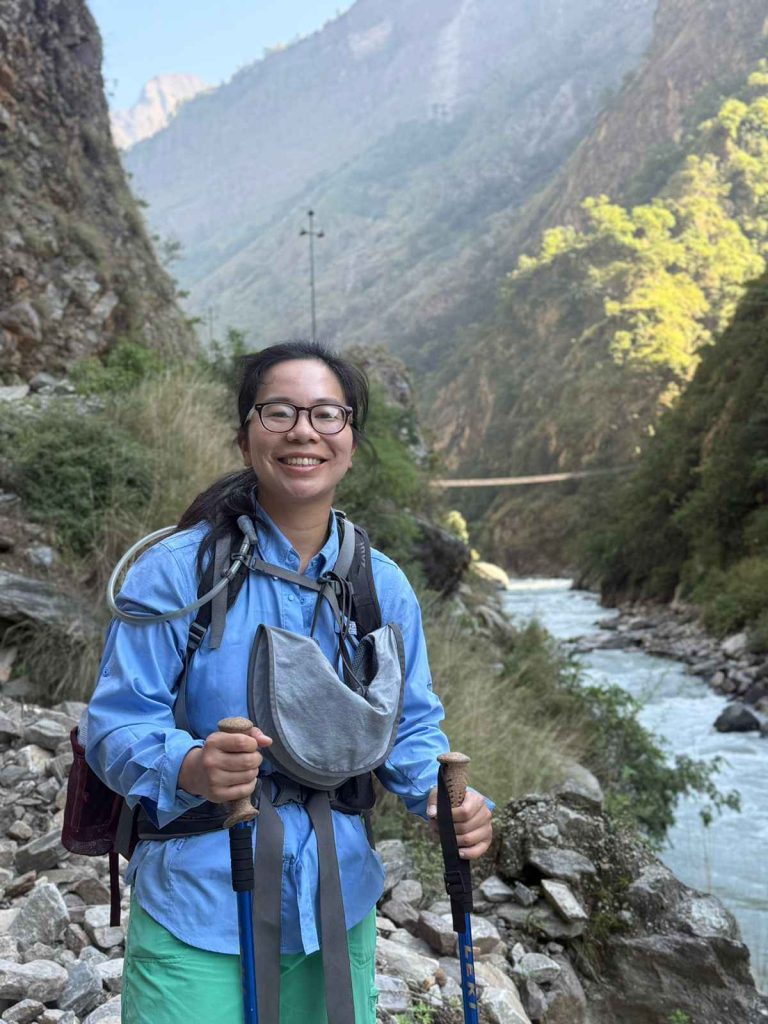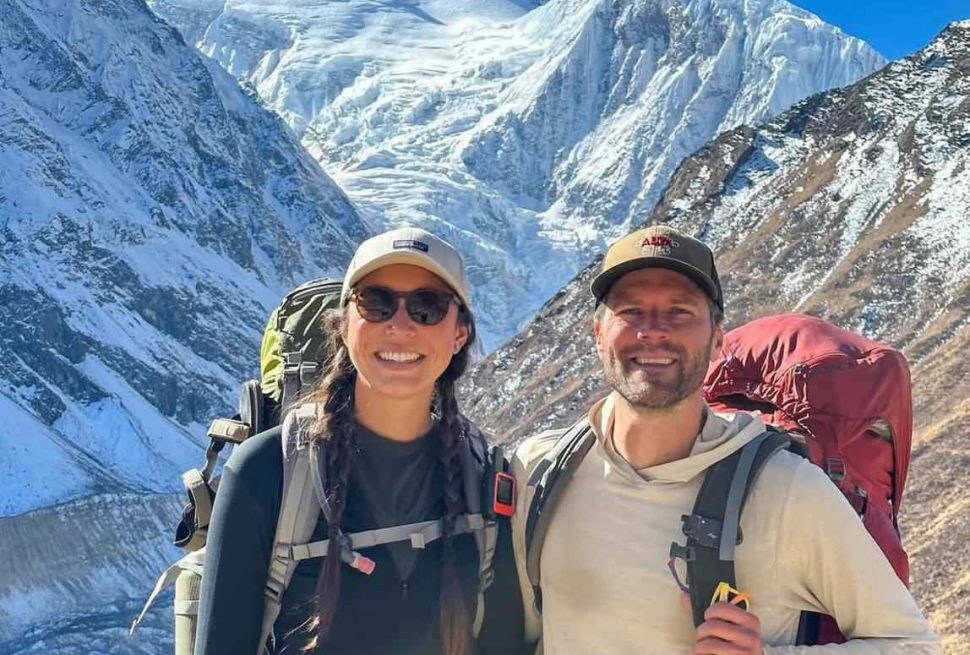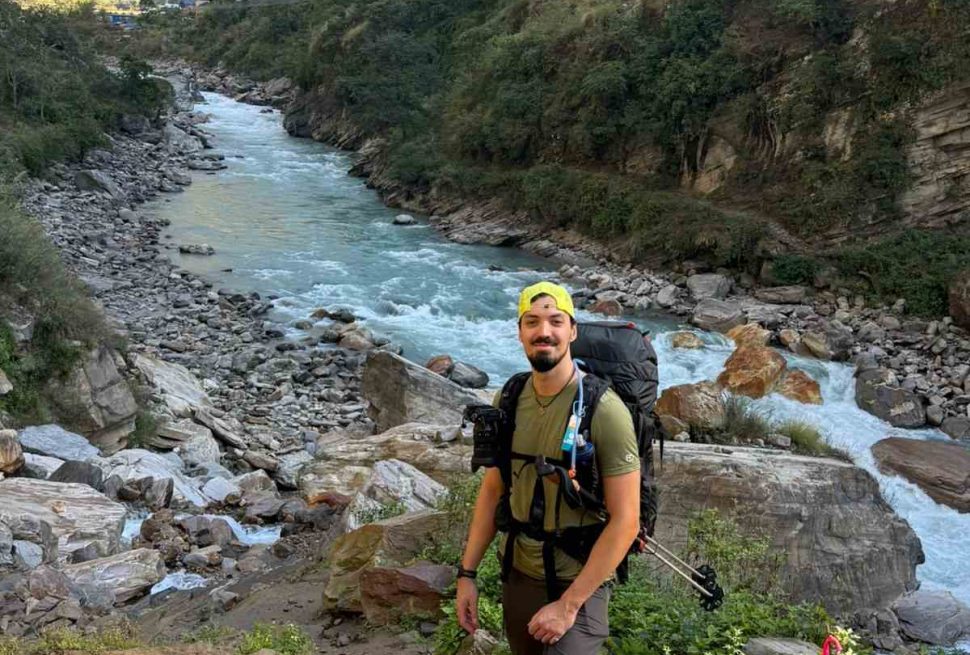
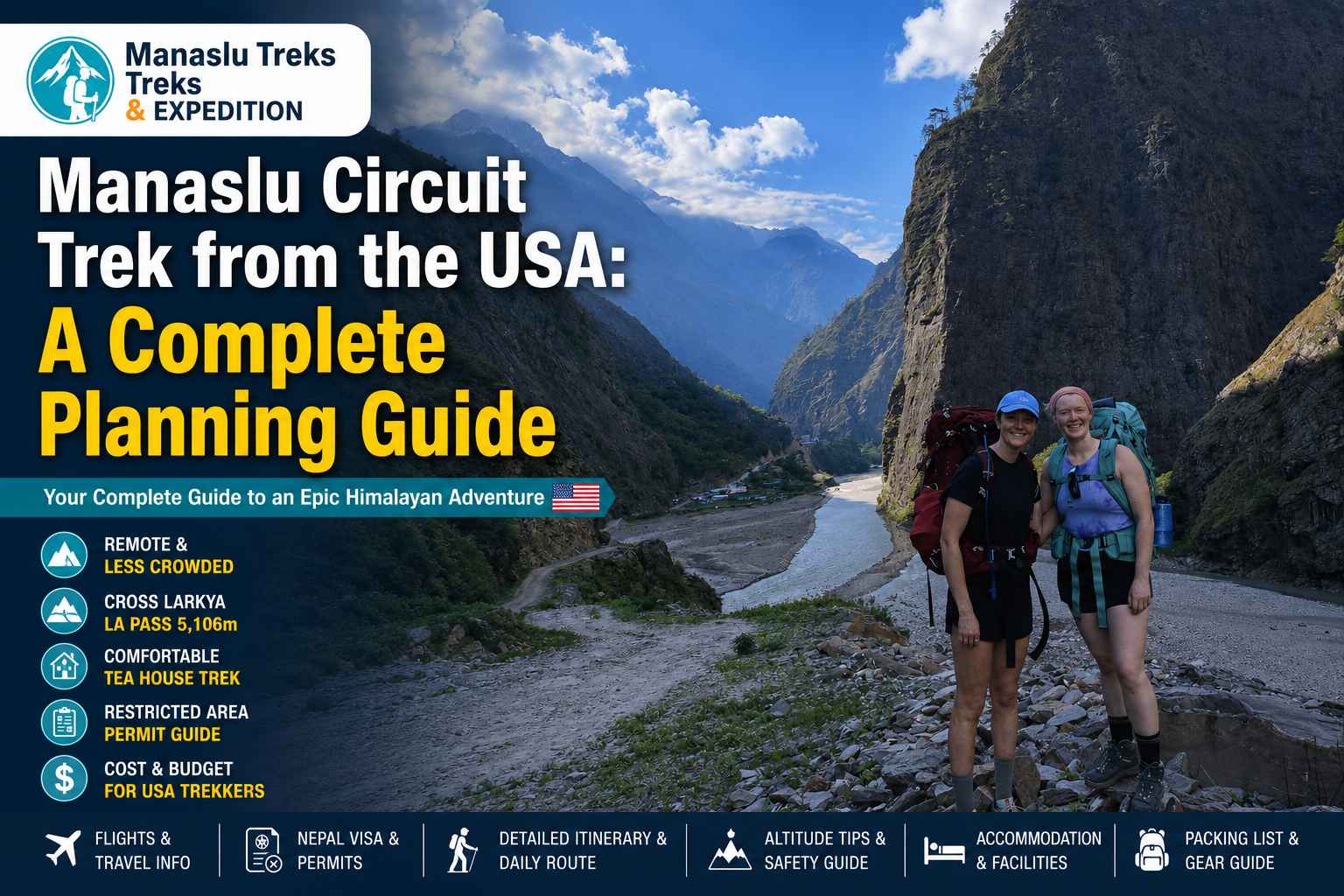
The Manaslu Circuit Trek from the USA is becoming one of the most searched and recommended remote trekking adventures in Nepal for American hikers looking beyond Everest Base Camp and Annapurna. The Manaslu Circuit Trek Nepal route circles Mount Manaslu, the world’s eighth-highest mountain at 8,163 meters, through a protected restricted area known for its authentic Tibetan culture, quieter trails, dramatic Himalayan scenery, and the challenging crossing of Larkya La Pass at 5,106 meters. Book with the best manaslu trek company for competitive pricing and guaranteed departures.
For many American trekkers, the biggest attraction of the Manaslu Circuit Trek is that it still feels genuinely remote. Unlike Nepal’s busier trekking regions, the Manaslu trail passes through traditional mountain villages where local culture, Buddhist monasteries, and daily life remain deeply connected to the Himalayas. The combination of fewer crowds, long trekking days, suspension bridges, glacier valleys, and spectacular mountain views makes the Manaslu Circuit one of the best tea house treks in Nepal for travelers seeking a more adventurous experience.
This guide covers every step of planning the Manaslu Circuit Trek from the United States, from finding your flights and getting your Nepal visa to understanding permits, acclimatisation, trail conditions, and what to actually expect from the tea houses. All information reflects current 2026 conditions and regulations.
Manaslu Treks and Expedition, we organise the Manaslu Circuit exclusively. This is not a side route for us. Our guides are local to the Manaslu region, our permit knowledge is current, and our itineraries are built around what actually works on this trail rather than what looks clean on a website.
Planning the Manaslu Circuit Trek and need help with permits, route, or itinerary?
WhatsApp us Email usWhy American Trekkers Choose Manaslu Over Everest and Annapurna
The Everest Base Camp trek is famous for a reason. The scenery is extraordinary, and the Sherpa culture is deeply moving. But the trail itself has changed. During the peak October season, the path between Namche Bazaar and Tengboche sees thousands of trekkers a day. Tea house bookings require planning months ahead. The experience, while still powerful, is no longer remote.
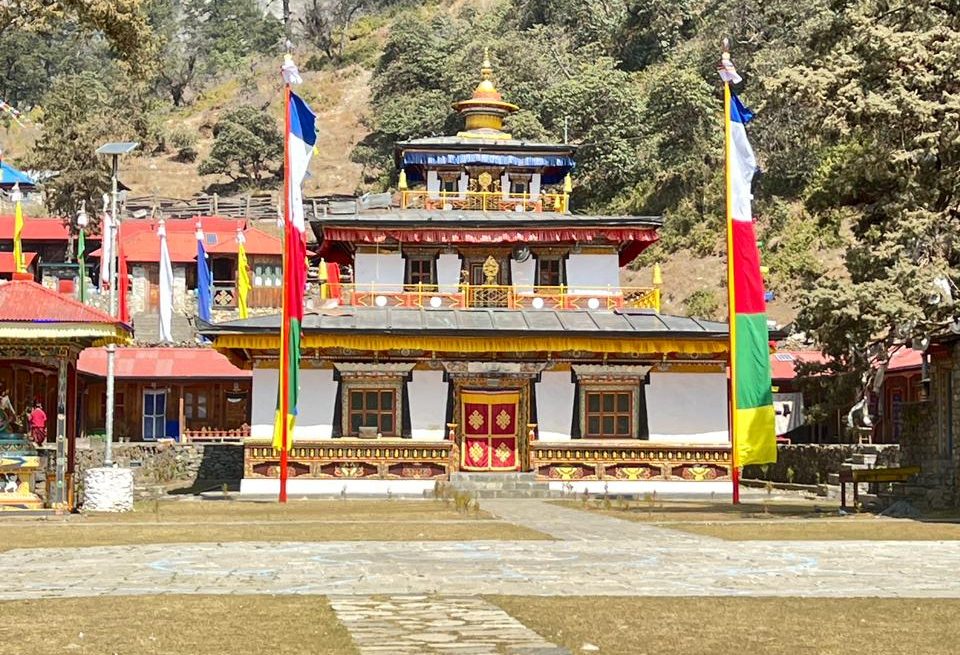
The Manaslu Circuit is a different situation entirely. The restricted area permit system actively caps how many people enter. The sections above Namrung feel genuinely quiet even in October. Villages like Samagaon and Samdo are small Tibetan Buddhist communities that have not been reshaped by decades of tourist infrastructure. The monasteries here, including Ribung Gompa at Samagaon and the ancient Lho Monastery with its direct view of Manaslu’s west face, are working religious sites, not stops on a tour circuit.
For American trekkers who want a physically demanding route with authentic cultural depth and without the sensation of walking through a linear tea house hotel, Manaslu is the answer. The permit regulations mean you will always need a licensed guide and a registered agency, but that structure is also what keeps the trail the way it is.
Is the Manaslu Circuit Trek from USA the Right Adventure for You?
Before planning flights and permits, be honest about fitness. The Manaslu Circuit is not a beginner trek. You will walk six to nine hours per day on uneven mountain trails for twelve to sixteen consecutive days. Some days in the middle section are moderate in length. The Larkya La crossing day runs nine to eleven hours starting before dawn from Dharamsala at 4,460 metres, climbing to the pass at 5,160 metres, and descending to Bhimthang at 3,720 metres. That is a long, hard day at serious altitude.
The altitude gain is also significant and fast. From Machha Khola at around 930 metres, you reach the Larkya La at 5,160 metres in approximately ten to eleven trekking days. At 5,100 metres your body has access to roughly half the oxygen available at sea level. Breathing takes conscious effort. Steps become deliberate. This is not an exaggeration and it is not something fitness alone fully compensates for. Acclimatisation time built into the itinerary is what makes the difference.
If you can hike eight hours on consecutive days with a loaded daypack and have no serious cardiac or respiratory conditions, the Manaslu Circuit is achievable with proper preparation. If you have done multi day treks at moderate altitude before, even better. Training for three to six months before departure with regular cardiovascular exercise and loaded hikes will serve you well.
People with heart conditions, serious asthma, or other respiratory issues should consult a doctor before planning this trek. The nearest hospital above Samagaon is many hours away even by helicopter when weather cooperates.
Flights from the USA to Kathmandu
There are no direct flights from any US city to Kathmandu. All routes require at least one connecting stop, and most East Coast to Kathmandu itineraries involve total travel times of sixteen to twenty hours. From the West Coast, factor twenty to twenty eight hours from departure to arrival.
Most used connecting routes:
From New York (JFK), Washington (IAD), or Chicago (ORD): Qatar Airways connects via Doha, Emirates connects via Dubai, and Turkish Airlines connects via Istanbul. These are the most consistently available options and all serve Tribhuvan International Airport in Kathmandu with regular frequency.
From Los Angeles (LAX) or San Francisco (SFO): The above Middle East hub connections work from the West Coast as well, though the total journey is longer. Korean Air via Seoul and connections through Tokyo are also commonly used on this side of the country.
What to expect on fares:
Round trip economy fares from the East Coast to Kathmandu typically range from USD 800 to USD 1,500 depending on the season and how far ahead you book. October departures, which is the peak month for autumn trekking in Nepal, sit at the higher end of this range. Spring departures in March and April are generally more affordable. Booking four to six months ahead of your travel date gives you the best combination of price and seat availability on the connections that work best for your schedule.
If you are targeting an October start for the Manaslu Circuit, reaching out to your trekking company and beginning flight research by April or May is practical. Guides and permit slots for the most popular weeks in October fill up, and locking in your trek dates before searching for flights gives you a clear target.
Arrival in Kathmandu:
Tribhuvan International Airport (KTM) is Nepal’s only international airport. It is small by international standards and can be chaotic on busy arrival days in early October. If you arrive during a peak period, expect the visa on arrival queue to take longer than you might anticipate. Landing the evening before your first planned Kathmandu day rather than the morning of it gives you breathing room.
Nepal Visa for US Citizens
American citizens are eligible for a tourist visa on arrival at Tribhuvan International Airport. You do not need to apply at a Nepalese embassy in the United States before travel.
Visa durations and fees for 2026:
15 day visa: USD 25 per person. 30 day visa: USD 50 per person. 90 day visa: USD 125 per person.
For the Manaslu Circuit Trek, the 30 day visa is the right choice for most American trekkers. A standard 14 day trek plus two to three days in Kathmandu before and after adds up to around eighteen to twenty total days in Nepal. The 30 day visa covers this comfortably and costs only USD 25 more than the 15 day option. That buffer matters if weather, road conditions, or permit processing causes any delay.
What to bring for the visa on arrival:
Your passport must have at least six months of validity remaining beyond your entry date into Nepal and at least one blank page for the visa stamp. Bring two passport sized photographs, though airport kiosks have photo functionality if needed. Visa fees are payable in USD cash or major currencies at the counter. Credit cards may be accepted at some kiosks but carry cash as a backup, particularly if you arrive during a busy period.
Online pre arrival application:
Nepal’s Department of Immigration operates the NepaliPort system, which allows you to complete your visa application form online before departing the United States. Completing this and printing the barcode confirmation speeds up your processing time at the airport considerably, which is worth doing if you arrive during a peak trekking season arrival day.
Important for US passport holders:
Your US passport must show at least six months of validity past your Nepal entry date. Check this before booking flights. US passport renewals through the State Department have had extended processing times in recent years, particularly during summer. If your passport needs renewal, begin that process well before your planned travel date.
Travel Insurance Requirements
Travel insurance is not optional for the Manaslu Circuit Trek. Since March 2026, Nepal’s Department of Immigration will not issue the Restricted Area Permit unless your travel insurance policy explicitly covers helicopter evacuation up to 6,000 metres.
This is a practical requirement, not just a bureaucratic one. Above Samagaon, the nearest road is many hours of walking away. In a medical emergency, helicopter evacuation from the Larkya La area is the only realistic option. Without the right insurance, the cost of that evacuation falls entirely on you.
What your policy must cover:
Emergency helicopter evacuation and rescue at high altitude with coverage stated specifically for altitudes above 5,000 metres. Emergency medical treatment including hospitalisation in Nepal. Trip cancellation and interruption.
US based insurers with Himalayan trekking coverage:
World Nomads offers an adventure sports plan that covers trekking above 4,000 metres and helicopter evacuation. IMG Global offers the Patriot or iTrekkers plan specifically built for high altitude trekking. Global Rescue provides medical and security evacuation membership plans that many experienced Himalayan trekkers use as a dedicated evacuation policy alongside standard travel insurance.
When purchasing from any US provider, state clearly that the trek reaches altitudes above 5,000 metres and that helicopter evacuation cover at that altitude is a requirement. Expect to pay between USD 100 and USD 250 for a three week policy with proper adventure trekking and helicopter evacuation coverage.
Print a copy of your policy and carry it on the trek. Your trekking agency will ask to see it during permit processing. Email a copy to a family member as well, along with your guide’s contact details and your trekking itinerary.
Planning the Manaslu Circuit Trek and need help with permits, route, or itinerary?
WhatsApp us Email usPermits for the Manaslu Circuit Trek: What Americans Need to Know
The Manaslu Circuit is a restricted area trek. You cannot obtain permits independently or in advance from the United States. All permits must be processed through a Nepal government registered trekking agency in Kathmandu after you arrive and have your Nepal visa stamped in your passport.
This is a legal requirement. The Department of Immigration needs to verify your original passport with the physical visa sticker before issuing the Restricted Area Permit. Most agencies collect your documents on arrival day and have permits ready by the afternoon of your second day in Kathmandu.
The permits required for the Manaslu Circuit:
Manaslu Restricted Area Permit (MRAP): The central permit covering the section from Jagat to Dharapani.
Autumn season (September to November): USD 100 per person for the first 7 days, then USD 15 per person per additional day. Off season (December to August): USD 75 per person for the first 7 days, then USD 10 per person per additional day.
Manaslu Conservation Area Permit (MCAP): Required from Philim village onward. Approximately NPR 3,000 (around USD 23) for non SAARC nationals.
Annapurna Conservation Area Permit (ACAP): Required after crossing the Larkya La Pass as the trail descends into the Annapurna Conservation Area toward Dharapani. Approximately NPR 3,000 (around USD 23) for non SAARC nationals.
Chumnubri Rural Municipality Permit: A local community development fee of approximately NPR 1,000, collected along the trail.
TIMS cards are no longer required for the Manaslu Circuit. The permit system now uses QR coded permits scanned at checkpoints including Jagat, Philim, Deng, and Samdo.
The solo trekker rule change from March 2026:
On March 22, 2026, Nepal’s Department of Immigration changed the solo trekker rule for the Manaslu Circuit. American trekkers who are travelling alone can now obtain the Manaslu Restricted Area Permit as individuals without needing a second foreign trekker named on the same application. The previous requirement of a minimum of two foreign trekkers per permit application has been removed. However, the licensed guide requirement was not changed and remains fully enforced at every checkpoint. You cannot legally or safely trek the restricted section without a government licensed guide from a registered agency. Any American trekker who arrives at Jagat checkpoint without a guide will be turned back regardless of permit status.
Documents your agency needs from you:
A copy of your passport with your Nepal visa page clearly visible. Two to four passport sized photographs (bring extras, they are used across multiple permits). A copy of your travel insurance policy showing helicopter evacuation coverage. Your trekking itinerary.
Choosing a Trekking Company as an American
Independent trekking is not permitted on the Manaslu Circuit. Every trekker must book through a government registered agency and be accompanied by a licensed guide. This is not just a rule to follow. In a region this remote, your agency and guide are your logistics backbone, your safety network, and your connection to local knowledge.
For American trekkers booking from the United States, a few practical considerations apply.
Communication before departure: A good Manaslu trekking company should respond to your emails and WhatsApp messages within a reasonable time, give clear answers about costs and itinerary, and be transparent about what is included and what is not. Vague pricing or pressure to book immediately without details are red flags.
Specialisation matters: Agencies that focus specifically on the Manaslu region know the checkpoints, the teahouse owners, the current trail conditions, and the permit process in real time. General Nepal trekking agencies that offer Manaslu alongside twenty other routes often lack the on the ground knowledge that makes the difference when something unexpected happens.
Licensed guides with actual Manaslu experience: Ask directly whether your guide has led the Manaslu Circuit before and how many times. A guide who knows this specific route, speaks enough Tibetan to communicate with upper valley communities, and understands the altitude warning signs from experience rather than training is categorically more valuable than a general Nepal guide assigned to the route.
Manaslu Treks and Expedition works exclusively in the Manaslu and Tsum Valley region. Our guides are local to the area, handle all permit processing through official government channels, and have direct relationships with teahouse owners across the circuit. We communicate clearly with American clients before departure, provide a detailed pre trek briefing, and are available throughout the trek via our Kathmandu office.
Full Day by Day Manaslu Circuit Trek Itinerary
The 14 day itinerary below is the standard format used by Manaslu Treks and Expedition. It is designed around realistic walking pace, genuine acclimatisation needs, and the actual terrain and logistics of the route.
Day 1: Drive from Kathmandu to Machha Khola (930m) Walking hours: No trekking today. Drive approximately 9 to 10 hours. The drive follows the Prithvi Highway west along the Trishuli River before turning north into the Gorkha district. Road conditions are good until Arughat, then narrow and rough along the Budhi Gandaki River gorge. A private jeep is strongly recommended from Arughat onward. Motion sickness is common on this section. Bring Dramamine or your preferred equivalent and travel on an empty stomach if you are susceptible. Machha Khola at 930 metres has several guesthouses with basic facilities.
Day 2: Machha Khola (930m) to Jagat (1,340m) Walking hours: 5 to 6 hours. The trail follows the east bank of the Budhi Gandaki River, crossing on suspension bridges and climbing through gorge terrain to Jagat. This is the first official permit checkpoint for the Manaslu restricted area. Gorge scenery is immediate and dramatic with vertical cliffs and waterfalls. The path hugs cliff edges in places and has some steep and slippery sections after rainfall. Trekking poles are useful from this point forward.
Day 3: Jagat (1,340m) to Deng (1,860m) Walking hours: 6 to 7 hours. The trail passes through Salleri, Sirdibas, and Ghatta Khola, crossing the river multiple times on suspension bridges. The first mani walls and Buddhist prayer flags appear as the valley shifts culturally northward. The Tsum Valley junction at Pewa is passed today. Deng is a small village with basic teahouses. Sleep well, hydrate, and avoid alcohol.
Day 4: Deng (1,860m) to Namrung (2,630m) Walking hours: 6 to 7 hours. Rock tunnels cut into cliff faces, carved mani stones, and dense rhododendron forests appear through this section. The route passes through Rana, Bihi, and Prok before the final ascent to Namrung. Prok is a photogenic village with traditional stone houses and Buddhist stupas. Namrung offers the first strong views of Siringi Himal and Ganesh Himal. This is your first night above 2,500 metres. Drink at least three to four litres of water today.
Day 5: Namrung (2,630m) to Lho (3,180m) Walking hours: 5 to 6 hours. The trail enters the upper Nubri Valley and the cultural landscape becomes unmistakably Tibetan. The village of Lihi with its barley terraces and strings of chortens is one of the most picturesque settlements on the circuit. The final approach to Lho is rewarded by the first clear view of Mount Manaslu. Most trekkers describe this first sighting as one of the most powerful moments of the entire journey. Lho Monastery sits on a ridge above the village with Manaslu directly behind it.
Day 6: Lho (3,180m) to Samagaon (3,520m) Walking hours: 4 to 5 hours. The route passes through Shyala village where Himal Chuli and Ngadi Chuli frame the eastern horizon and Manaslu dominates ahead. The optional detour to Pungyen Gompa, about 1.5 hours return from Shyala, is one of the highlights of the entire trek. The monastery sits on a ridge above a glacier with sweeping views of Manaslu. Samagaon is the largest upper valley settlement with multiple teahouses, Ribung Gompa, and a genuine Tibetan community atmosphere. Some teahouses here have 4G mobile connectivity.
Day 7: Acclimatisation Day at Samagaon (3,520m) Walking hours: Optional 3 to 6 hours depending on chosen hike. This rest and acclimatisation day is essential, not optional. The altitude jump from Samagaon to the Larkya La, from 3,520 metres to 5,160 metres, is significant. Your body needs this day. The best option for the day hike is Manaslu Base Camp at 4,800 metres, a five to six hour return walk through moraine and glacier terrain where you stand directly beneath the south face of the mountain. Birendra Lake at around 3,450 metres is the shorter alternative at one to two hours return. Drink four litres of water today and go to bed early.
Day 8: Samagaon (3,520m) to Samdo (3,875m) Walking hours: 3 to 4 hours. A short but meaningful day. Samdo is the last permanent settlement before the Larkya La. The village sits in a high open valley close to the Tibetan border. The Nepal and Tibet ridgeline is visible from the village on a clear day. Use the afternoon for a walk 200 to 300 metres above Samdo and then return to sleep at village level.
Day 9: Samdo (3,875m) to Dharamsala or Larkya Phedi (4,460m) Walking hours: 3 to 4 hours. Dharamsala is the final stop before the pass. The walk from Samdo ascends steadily through open moraine and boulder fields. Dharamsala has a handful of stone teahouses with very limited capacity. Arrive early during peak season because beds fill quickly. At 4,460 metres the cold is significant even in October. Wind can factor on exposed sections. Lay out your gear tonight and set your alarm for 3:30 AM. Early dinner, early sleep.
Day 10: Dharamsala (4,460m) over Larkya La Pass (5,160m) to Bhimthang (3,720m) Walking hours: 9 to 11 hours, the longest and most demanding day. This is what you came for. The pre dawn start by headlamp across rocky moraine, the long ascent through snow and cold, and the arrival at the pass as the sun rises over Manaslu are moments most trekkers describe as among the most powerful of their lives. The summit view encompasses Manaslu at 8,163 metres, Himlung at 7,126 metres, Cheo Himal at 6,820 metres, Kang Guru at 6,981 metres, and on clear days Annapurna II at 7,937 metres. The descent to Bhimthang is steep and long through glacial terrain before opening into alpine meadows. In autumn, the trail is typically snow free or has light snow near the pass top. November and spring crossings may require crampons. Your guide will assess conditions before departure.
Day 11: Bhimthang (3,720m) to Tilche (2,300m) Walking hours: 5 to 7 hours. A long descent day through some of the most beautiful terrain on the lower circuit. The trail drops from alpine meadow through rhododendron and pine forest following the Dudh Khola. The transition from high altitude snowscape to lush subtropical greenery happens within a single day of walking.
Day 12: Tilche (2,300m) to Dharapani (1,860m) and Drive to Kathmandu or Besisahar Walking hours: 2 to 3 hours of trekking then 6 to 8 hours of driving. The restricted area ends at Dharapani. From here jeeps return to Besisahar and onward to Kathmandu. The road from Dharapani to Besisahar has improved significantly and is passable by jeep year round, though monsoon damage can cause occasional delays.
Planning the Manaslu Circuit Trek and need help with permits, route, or itinerary?
WhatsApp us Email usGetting to the Trailhead: Kathmandu to Machha Khola
Unlike the Everest region where most trekkers fly to Lukla, the Manaslu Circuit has no domestic flight option. All transport to Machha Khola is by road. This is an adjustment for American trekkers expecting a quick transfer to the trailhead.
A private jeep from Kathmandu to Machha Khola costs approximately USD 180 to 200 per vehicle. This is the recommended option. The road is good on the Prithvi Highway portion but becomes rough and narrow after Arughat and the last section into Machha Khola is genuinely bumpy. A 4WD vehicle is appropriate. Shared jeeps and public buses operate the same route for less money but take longer, are considerably less comfortable, and stop frequently.
Manaslu Treks and Expedition arranges all transport for clients, departing early from Kathmandu to reach Machha Khola by evening. Your first trekking morning begins from Machha Khola the following day.
Kathmandu Before Your Trek
Plan to arrive in Kathmandu at least two full days before your trek departs. One of those days is consumed by permit processing. The other gives you time to rest from the long flight from the US, check and adjust gear, exchange currency, and meet your guide for the pre trek briefing.
Staying in Thamel: The Thamel neighbourhood in central Kathmandu is where most trekkers stay. It has a wide range of guesthouses from budget to mid range, gear rental and purchase shops, pharmacies, ATMs, restaurants serving both Nepali and Western food, and currency exchange counters. Three star hotels in Thamel cost between USD 30 and 80 per night for a double with breakfast included.
Currency: The Nepali Rupee (NPR) is the local currency. ATMs in Thamel accept most international cards. The single most important cash advice for American trekkers is this: withdraw enough Nepali Rupees in Kathmandu to cover your entire trek, including tips, charging fees, hot shower fees, and any personal purchases on the trail. After Arughat there are no reliable ATMs anywhere on the Manaslu Circuit route. Small denomination bills in the NPR 100 to NPR 500 range are preferable for teahouse tips and village purchases.
Nepal SIM card: Buying an NTC (Nepal Telecom) SIM card in Thamel costs around NPR 500 to 600 with an initial deposit, and a data pack of 5 to 6 GB runs approximately NPR 800 to 1,000. NTC has better high altitude coverage than Ncell on the Manaslu Circuit. You will have reasonable signal in the lower villages and at Samagaon, but coverage above Samagaon becomes unreliable and above Samdo expect no signal. Download offline maps before you leave Kathmandu.
Tea House and Food Experience for American Trekkers
American trekkers who expect the level of facilities that Everest Base Camp route tea houses now offer will need to recalibrate for Manaslu. The tea houses here are simpler, particularly in the upper valley.
What to expect at each stage:
Lower villages from Machha Khola to Jagat have basic rooms with wooden beds, thin mattresses, and shared bathrooms. Hot showers may be available using solar heating. WiFi is limited.
Mid altitude villages from Deng to Namrung are similar. Some Namrung teahouses have improved amenities with private rooms available. Food options narrow through this section. Dal bhat, noodles, fried rice, and eggs are the reliable choices throughout the route.
Upper villages from Lho to Samdo have wooden bunks, thin mattresses, and blankets. The communal dining room with a central wood stove is where everyone gathers in the evening. At Samagaon, the largest upper village, facilities are better than elsewhere at this altitude and some teahouses have 4G connectivity. Hot showers are available at extra cost of around USD 2 to 3. Charging devices costs USD 2 to 5 depending on the device.
Dharamsala at 4,460 metres is the most basic stop on the route. Very limited food choices, communal sleeping, field latrines, and essentially no washing facilities. This is one night and the early start means you will not be spending much time here.
Bhimthang at 3,720 metres is noticeably more comfortable after Dharamsala, with warm dining rooms and a reasonable food selection.
Food across the route: Dal bhat is the best thing to eat on this trek. It is available everywhere, served in unlimited quantities, nutritionally dense, and keeps you walking. Tibetan influenced dishes including thukpa noodle soup, tsampa porridge, and butter tea become available in the upper villages. Above 4,000 metres, food takes longer to cook and prices increase. Bottled water creates plastic waste in a fragile environment. Use a water purifier, purification tablets, or fill your bottle with boiled water from the teahouse kettle.
Altitude Sickness and Acclimatisation
Altitude sickness is the most serious health risk on the Manaslu Circuit. At 5,160 metres on the Larkya La, your body has roughly half the oxygen available at sea level. This affects everyone regardless of fitness level, age, or previous hiking experience.
Recognising Acute Mountain Sickness (AMS):
Mild AMS presents as a persistent headache that does not resolve with rest, loss of appetite, nausea, disturbed sleep, and fatigue beyond what the day’s effort warrants. These symptoms are common at altitude and often resolve with rest at the same elevation and proper hydration.
Warning signs that require immediate descent: shortness of breath at rest, persistent vomiting, inability to walk in a straight line, confusion or disorientation, and a wet cough with pink or frothy sputum. These indicate High Altitude Pulmonary Oedema (HAPE) or High Altitude Cerebral Oedema (HACE), both of which can be fatal if descent is delayed. Your guide is trained to recognise these signs and will make the descent call without debate.
Diamox for American trekkers:
Acetazolamide, sold as Diamox in the US, is a prescription medication used to prevent and treat AMS. It works by stimulating faster and deeper breathing, which increases blood oxygen levels. Consult your doctor before the trek and discuss whether Diamox is appropriate for you. The standard preventative dose is 125mg twice daily beginning one to two days before ascending above 3,000 metres. Side effects include increased urination and tingling in the extremities. Carry ibuprofen or paracetamol for headache management as well.
Practical acclimatisation strategy:
The 14 day itinerary is designed with adequate acclimatisation built in. The rest day at Samagaon before pushing to Samdo and Dharamsala is the most important single day of preparation on the entire trek. Do not skip it to save time. The altitude jump from Samagaon at 3,520 metres to the Larkya La at 5,160 metres without that rest day dramatically increases your risk of serious altitude problems.
Drink three to four litres of water per day throughout the trek. Eat fully even when appetite drops. Avoid alcohol above 3,500 metres. If you feel a headache developing at any stage, stop ascending and rest for a full day before going higher.
Crossing the Larkya La Pass: What to Expect
The Larkya La crossing is the defining experience of the Manaslu Circuit and deserves direct, honest preparation.
Your group leaves Dharamsala between 3:30 and 4:30 AM by headlamp. The temperature in October at this altitude is typically between minus 5 and minus 15 degrees Celsius before dawn. The first two hours cross rocky moraine in darkness. As the sky begins to lighten, Himlung’s pyramid and Cheo Himal’s ridgeline come into view. The final ascent to the pass takes three to four hours from Dharamsala. The last 300 metres are steep and the altitude is fully felt.
The summit of the pass at 5,160 metres is marked by prayer flags and a small cairn. On a clear autumn morning, the panorama is extraordinary. Manaslu’s north face fills the western sky. Annapurna II, Ngadi Chuli, and Kang Guru stretch across the southern horizon. Take your photos but do not linger too long as wind and cold at the top can be severe.
The descent to Bhimthang takes four to six hours on steep rocky terrain and loose scree. Trekking poles and careful footwork protect your knees on this section. By the time you reach Bhimthang you have been walking nine to eleven hours and gained and lost significant altitude. It is the hardest day of the trek and also the most rewarding.
If conditions at the pass are dangerous due to blizzard, ice, or extreme wind, a good guide will not proceed. This is a non negotiable safety decision and one that your guide at Manaslu Treks and Expedition will make without pressure from the group.
Complete Budget Breakdown for US Trekkers
Understanding the full cost of the Manaslu Circuit Trek from the United States helps you plan realistically.
International flights (round trip, economy): USD 800 to USD 1,500 from East Coast airports. West Coast departures may be higher depending on routing and season.
Nepal visa on arrival (30 days): USD 50.
Travel insurance with helicopter evacuation coverage: USD 100 to USD 250 depending on provider and coverage level.
Trekking package (14 days with licensed guide, all permits, teahouse accommodation, three meals per day, and transport from Kathmandu to the trailhead and back): USD 1,000 to USD 1,600 per person for a private booking. Group bookings cost less per person.
Kathmandu hotel (2 nights before and 1 night after the trek): USD 30 to 80 per night, approximately USD 90 to 240 total.
Personal spending on trail (charging fees, hot showers, personal drinks, tips for guide and porter): USD 200 to 400 for the full trek.
Total trip cost from the United States: USD 2,200 to USD 3,600 per person depending on flight cost, trekking package choice, and personal spending habits.
Carry enough Nepali Rupees from Kathmandu to cover the full trek. There are no ATMs after Arughat. Small denomination bills are preferred for tips and teahouse purchases.
Packing Essentials for American Trekkers
The Manaslu Circuit takes you from subtropical forest at around 930 metres to glacial conditions at 5,160 metres. Pack for the full range.
Clothing: Moisture wicking base layers, a mid layer fleece, a down jacket rated to at least minus 10 degrees Celsius, and a waterproof windproof outer shell. Warm trekking trousers and lighter trekking pants. Warm hat, gloves both light and heavy, wool or synthetic socks, and a buff or neck warmer. The pre dawn Larkya La crossing in October can reach minus 15 degrees Celsius with wind. Dress appropriately.
Footwear: Waterproof trekking boots with ankle support that have been broken in before the trip. New boots for the Manaslu Circuit is a serious mistake. Blisters at altitude in a remote location are a genuine problem. Camp shoes for teahouse evenings.
Technical gear: A headlamp with fresh batteries and spare batteries (mandatory for the pre dawn Larkya La start). Trekking poles (strongly recommended for steep descents and snow sections). Gaiters for the pass section. Crampons may be needed for November crossings or spring conditions.
Health items: Personal first aid kit. Diamox with prescription from your US doctor. Ibuprofen and paracetamol. Oral rehydration salts. Sunscreen with minimum SPF 50 (UV increases significantly at altitude). Lip balm with UV protection. A pulse oximeter is a useful self monitoring tool above 4,000 metres.
Electronics: Power bank of at least 10,000 mAh. Adapter for Nepal’s electrical outlets (220V, Type C and D sockets). Offline maps downloaded before you lose signal. Camera or phone.
Documents: Original US passport. Copies of all permits in a separate waterproof folder. Printed travel insurance policy. Emergency contacts including your trekking company’s Kathmandu office and the US Embassy in Kathmandu at +977 1 423 4000.
Planning the Manaslu Circuit Trek and need help with permits, route, or itinerary?
WhatsApp us Email usCultural Respect on the Manaslu Circuit
The communities along the Manaslu Circuit, particularly the Nubri Tibetan Buddhist villages of the upper valley, have maintained cultural traditions across generations. Trekking through these villages is a privilege, not an entertainment.
When passing mani walls, prayer wheels, or stupas, walk on the left, keeping the structure to your right. This is the correct direction in Buddhist tradition. Remove shoes before entering a monastery or someone’s home. Ask before photographing monks, worshippers, or families. Speak quietly inside religious sites. The upper Tsum Valley observes the Shyagya tradition of not slaughtering animals, and even on the main circuit the communities of the upper valley live according to Buddhist principles of non harm.
Greet people with Namaste, palms together with a slight bow. This is universally understood and universally appreciated. A few words of Nepali go a long way in lower villages. In the Tibetan Buddhist communities of the upper valley, your guide’s ability to communicate in the local dialect is what opens doors that English alone cannot.
Tipping is an important part of how guides and porters are compensated in Nepal. Budget approximately USD 5 to 10 per day for your guide and slightly less for your porter, paid at the end of the trek. This is not a suggestion. It is how the system works and how the people who made your trek possible are fairly compensated.
Best Time to Do the Manaslu Circuit Trek from the United States
Autumn (September to November): October is the most popular and generally the best month. Skies are clear after the monsoon, visibility is outstanding, and trail conditions are stable. By late November the Larkya La begins accumulating snow and crossing conditions become significantly more challenging. If you are targeting October, reach out to your trekking company and begin flight searches by April to get the best combination of guide availability and airfare.
Spring (March to May): The second best season. Rhododendron forests bloom in late March and April, covering the lower trail sections in striking colour. Morning views are sharp. Afternoon cloud builds up through May. Late March through April is the best window.
Monsoon and winter: June through August monsoon brings heavy rain, landslide risk, and obscured mountain views. December through February brings very cold conditions and heavy snow on the Larkya La. Neither is recommended for most American trekkers unless you have extensive cold weather high altitude experience.
Why Trek with Manaslu Treks and Expedition
Planning the Manaslu Circuit Trek from the United States means trusting a Nepal based team with every logistical detail of your trip from the moment you arrive in Kathmandu. That trust should be placed with a company that specialises specifically in this route, not a general Nepal trekking agency that lists Manaslu alongside fifty other options.
Manaslu Treks and Expedition works exclusively in the Manaslu region and Tsum Valley. Our guides are from this area. They know every checkpoint, every teahouse owner, every section of the trail that requires extra care in different seasons, and the cultural protocols of the Nubri communities that make the upper valley experience genuinely meaningful rather than just scenic.
We handle all permit processing through official government channels. We arrange transport at both ends of the trek. We provide advance teahouse reservations during peak season when beds at Dharamsala are genuinely scarce. We communicate clearly with American clients before departure with a detailed briefing covering everything from packing specifics to altitude preparation and what to expect at each stage of the route.
For trekkers considering the Tsum Valley extension alongside the Manaslu Circuit, our combined itinerary options including the 23 day route and 19 day version are built around realistic daily stages that do not rush either region.
If you are ready to start planning your Manaslu Circuit Trek from the USA, reach out to us at Manaslu Treks and Expedition. We will answer your questions directly, give you a clear cost breakdown, and build an itinerary that reflects the real experience this remarkable route delivers.
Manaslu Treks and Expedition is a government registered, Nepal Tourism Board affiliated trekking company specialising in the Manaslu Circuit, Tsum Valley, and restricted area trekking in Nepal.
Planning the Manaslu Circuit Trek and need help with permits, route, or itinerary?
WhatsApp us Email us