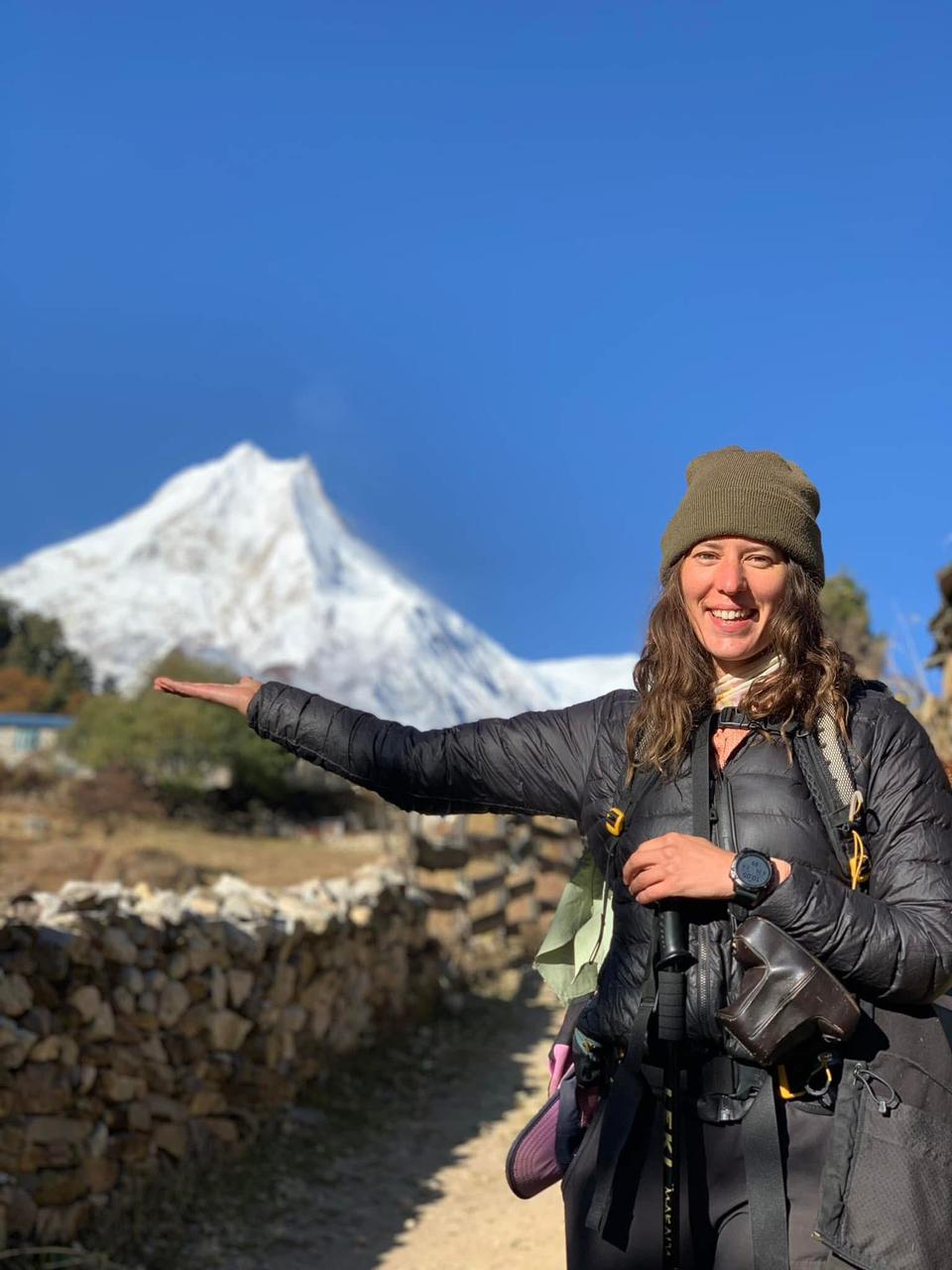
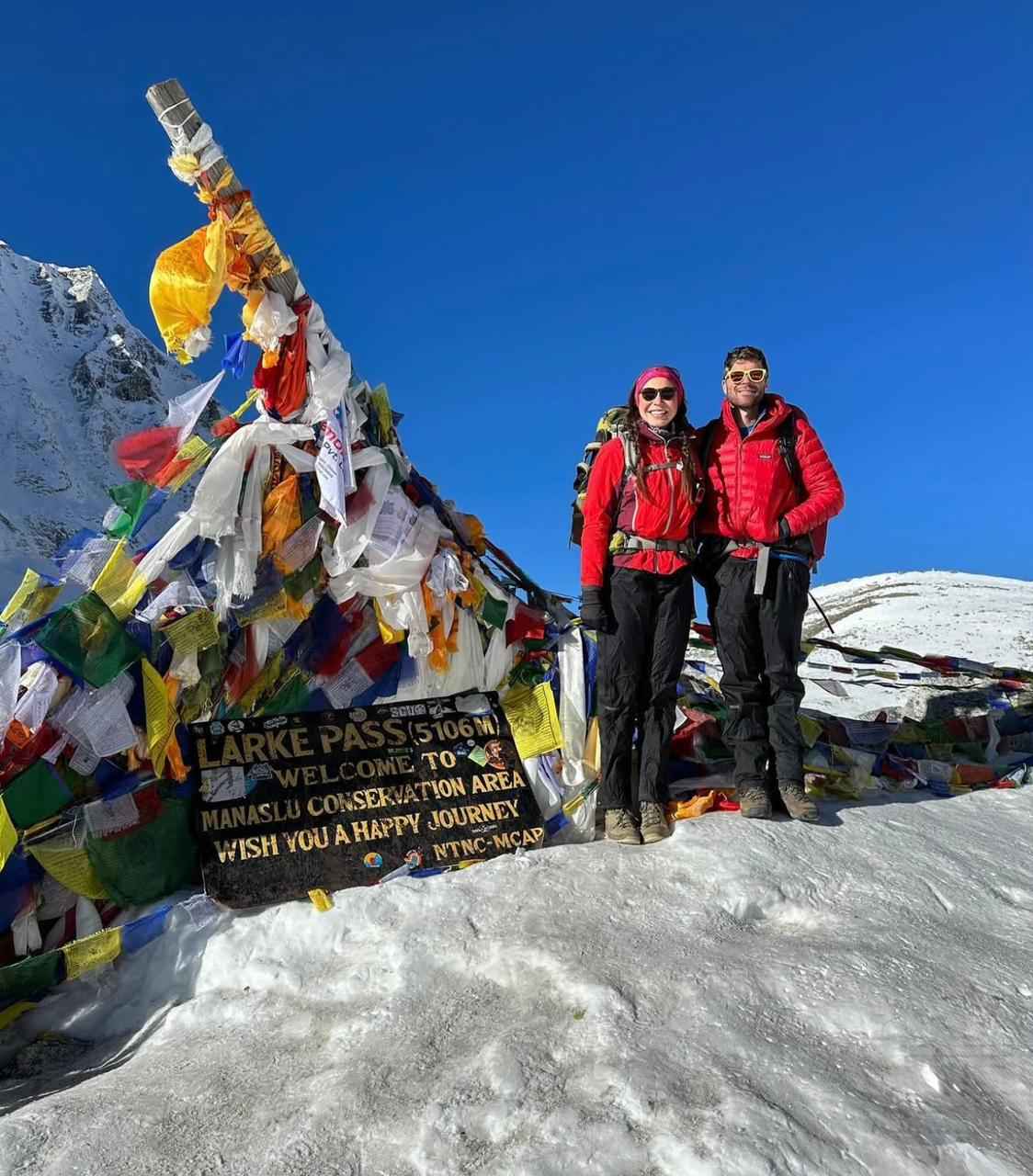
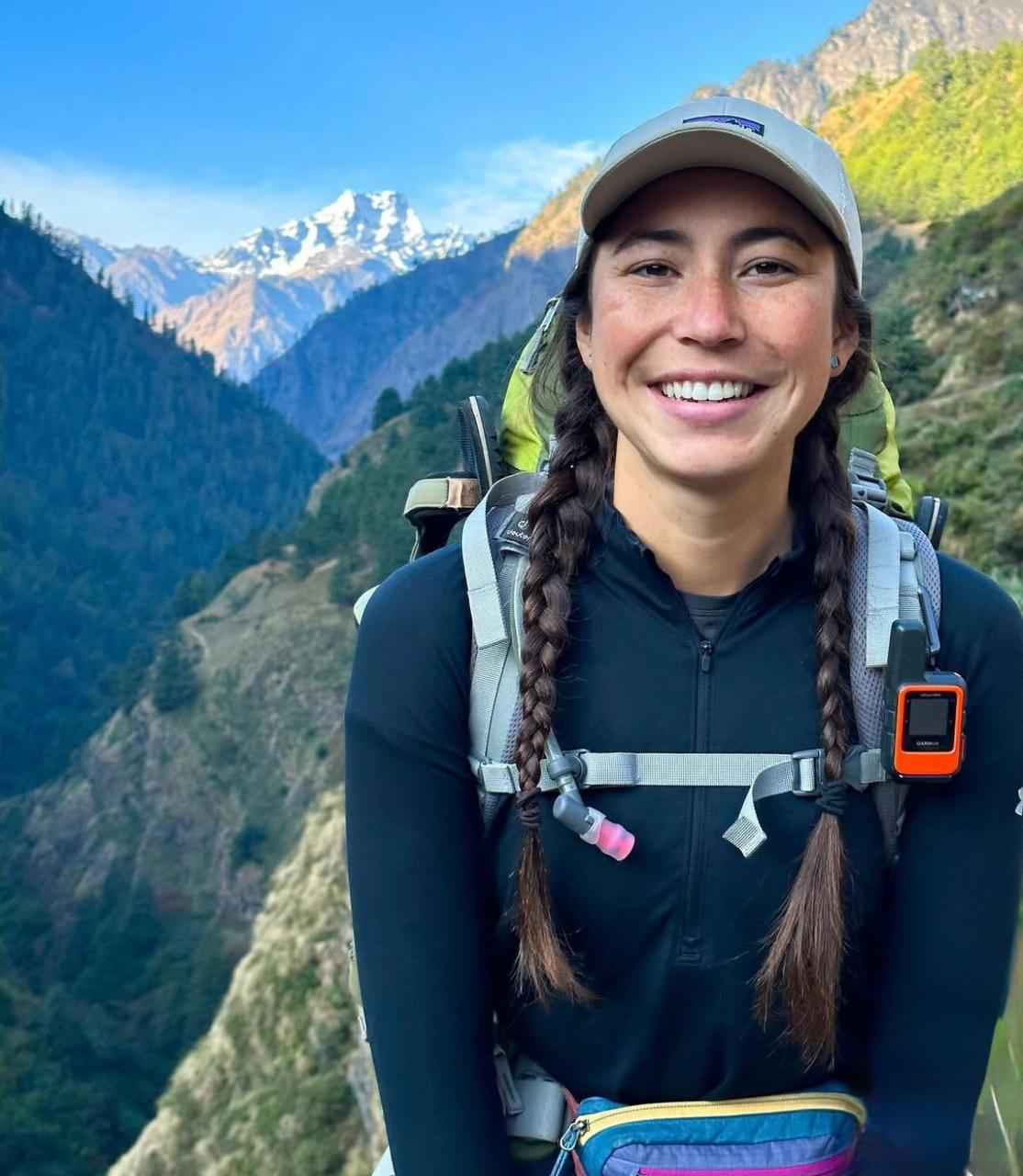
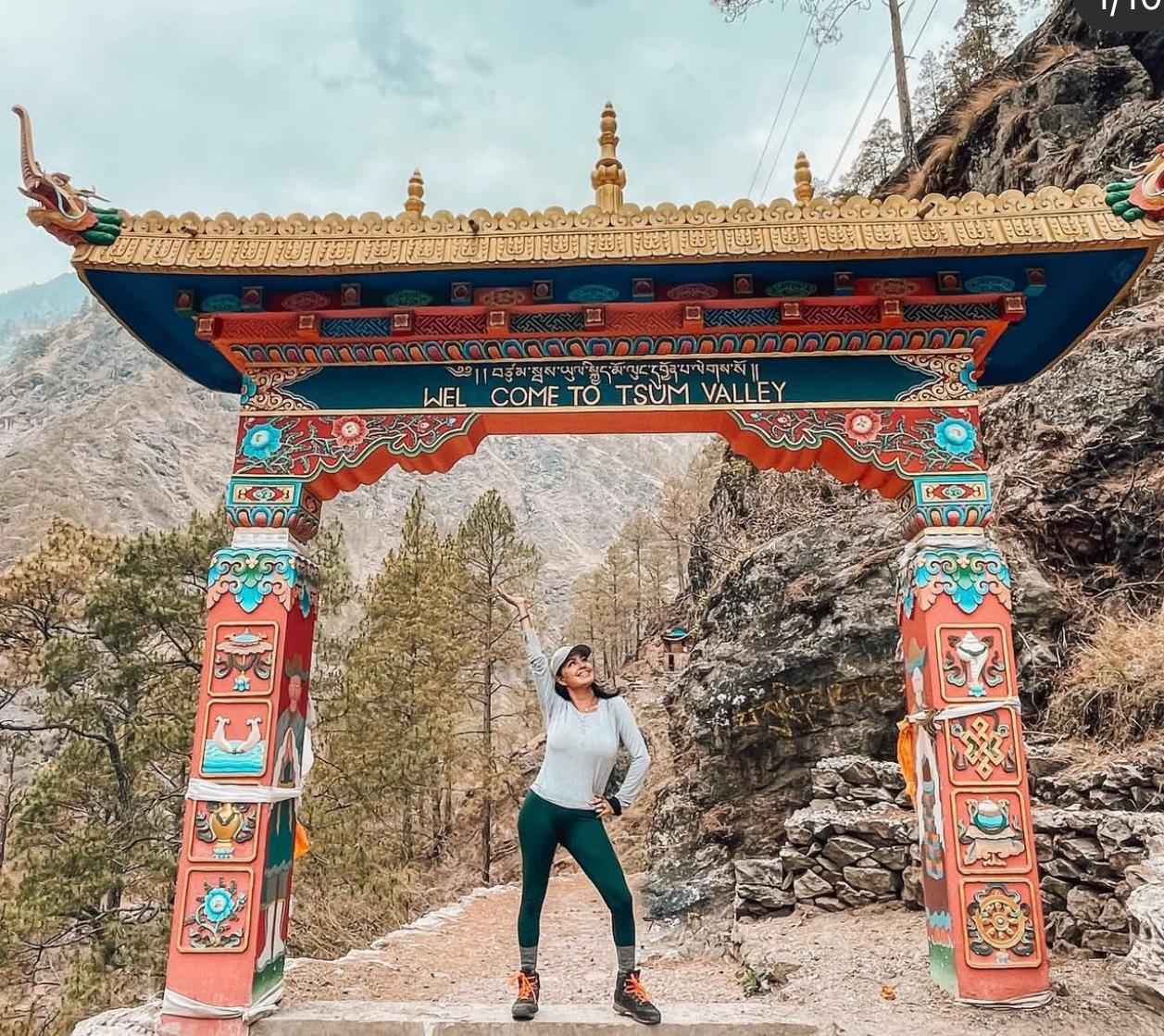
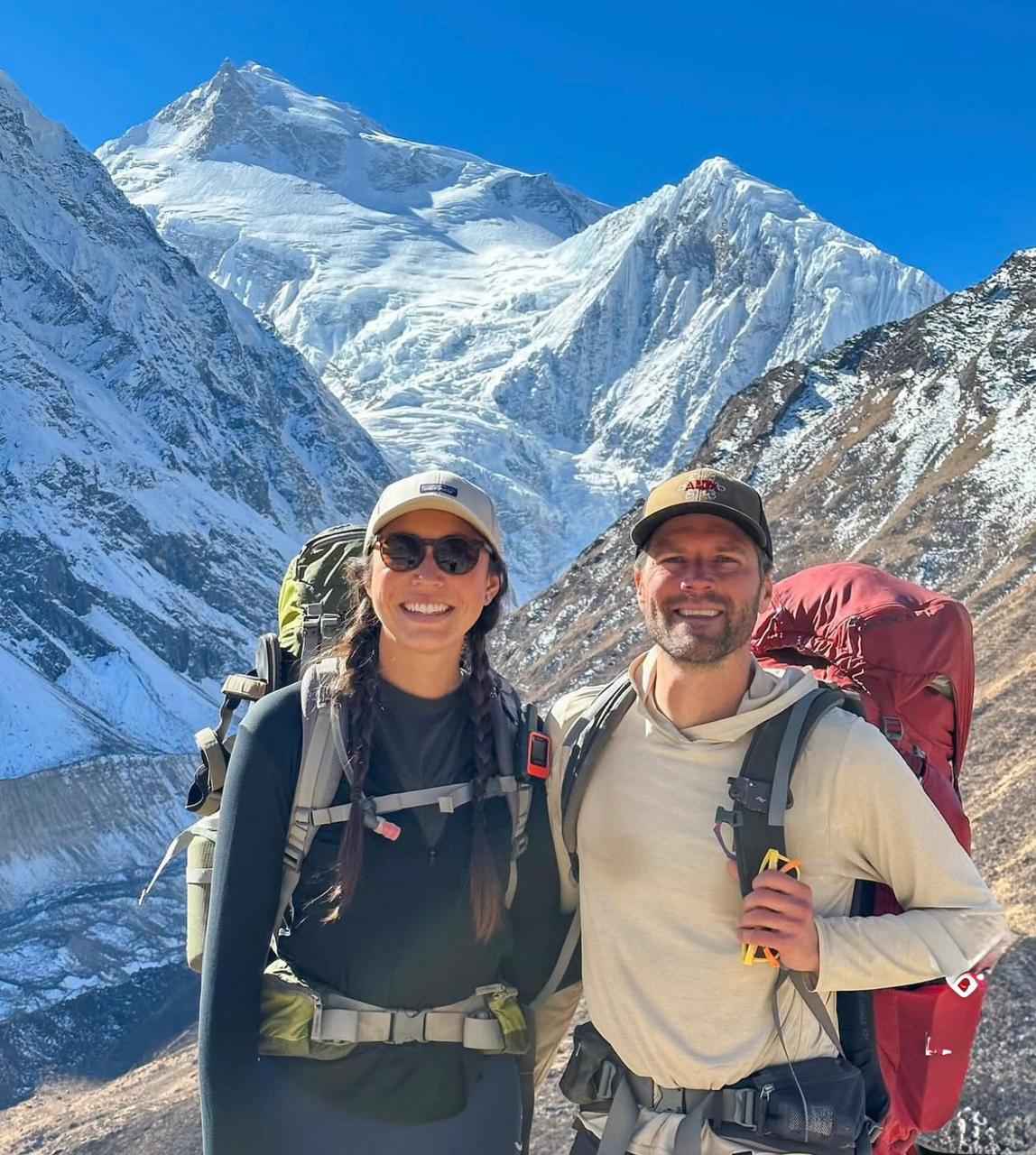
The 19-Day Manaslu Circuit with Tsum Valley Trek is one of Nepal’s most rewarding long-distance Himalayan journeys, combining remote valleys, ancient monasteries, traditional villages, and the dramatic crossing of Larkya La Pass at 5,106 m. This 19-day itinerary offers a balanced blend of culture, high-altitude landscapes, wildlife, and peaceful trails far away from the crowded trekking routes.
Designed for trekkers seeking an authentic and less commercial experience, the Manaslu Circuit and Tsum Valley Trek provides proper acclimatization, diverse scenery and meaningful interactions with local communities. With expert local guides, flexible itineraries and no advance payment required, this route is a fantastic choice for adventurers looking for a truly immersive Nepal trekking experience.
19 Days Manaslu Circuit and Tsum Valley Trek Updated Cost 2026 and 2027
The 19 days Manaslu Circuit and Tsum Valley Trek cost for 2026 and 2027 starts from USD $1,455 per person and goes up to USD $1,895 per person.
This is a 100 percent all inclusive price, which means there are no hidden costs, no surprise fees, and nothing extra to pay after you arrive. Everything needed for the trek such as permits, accommodation, meals, guide, and logistics is included as per the itinerary.
| No. of Pax | Starting Price (per person) | Inquiry |
|---|---|---|
| 1 Pax | USD $1,895 | |
| 2–2 Pax | USD $1,795 | |
| 6–8 Pax | USD $1,755 | |
| 9–10 Pax | USD $1,655 |
Note: If your group has more than 10 trekkers, please contact us for a special group discount on WhatsApp orEmail.
Manaslu Circuit and Tsum Valley Trek Overview
The Manaslu Circuit and Tsum Valley Trek is a remarkable 19 day journey that takes you deep into the wild heart of Nepal. This trek combines the classic Manaslu Circuit with the hidden Tsum Valley, offering both breathtaking mountain scenery and a rare cultural experience. Far less crowded than the Everest or Annapurna routes, this trail gives you the feeling of true exploration.
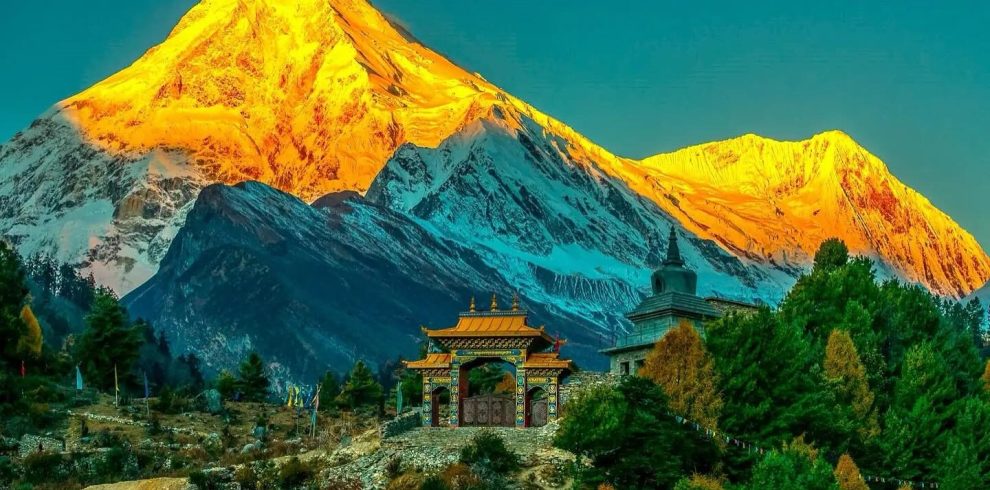
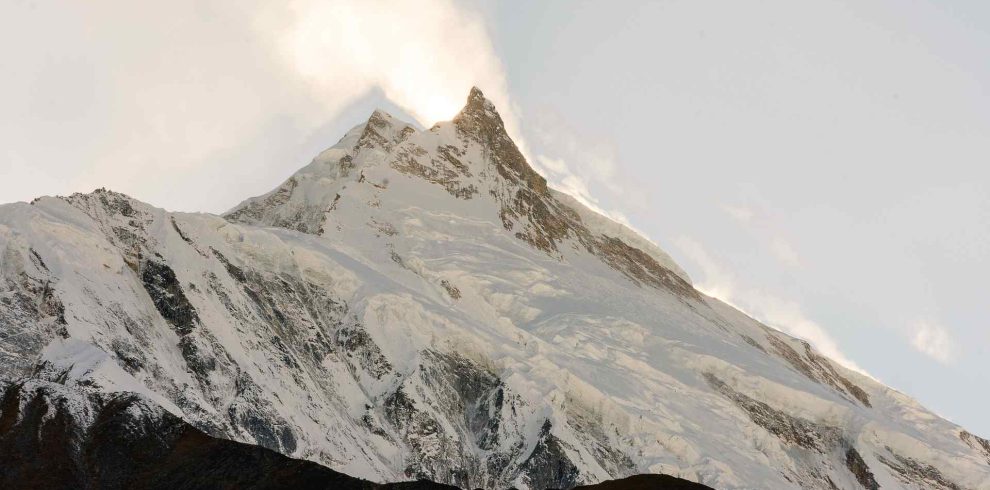
Rising above everything is Mount Manaslu at 8,163 meters, the eighth highest mountain in the world. Along the way you pass through quiet forests, cross suspension bridges over roaring rivers, and walk into villages where life has changed very little for centuries. In the Tsum Valley you will meet communities whose traditions are deeply connected with Tibetan Buddhism. Ancient monasteries, prayer walls and the famous Milarepa’s Cave make this part of the trek especially spiritual.
The highlight of the Manaslu section is crossing Larkya La Pass at 5,160 meters. It is one of the longest and most beautiful passes in Nepal. Standing at the top, you are surrounded by stunning views of Manaslu, Ganesh Himal, Himlung Himal, Cheo Himal and even Annapurna II in the distance.
The Manaslu Tsum Valley trek is challenging, and you should be prepared for full days of walking, often six to seven hours, through high-altitude landscapes. But the rewards are more than worth it. You will experience both the natural beauty of the Himalayas and the warm hospitality of Gurung, Sherpa and Tsumbas people who welcome you into their villages.
For adventurous travelers who want something more unique than the popular trails, the Manaslu Circuit with Tsum Valley is a perfect choice. For adventurous travelers looking for something more focused than the popular trails, the Manaslu Circuit with Tsum Valley offers a rich mix of mountains and culture. Travelers who are more interested in mountain scenery, light, and photography rather than side valleys may prefer the Manaslu Photography Trek, which follows the main Manaslu Circuit at a slower pace with extra time at key viewpointsIt is a journey of mountains, culture and unforgettable experiences.
Why Book the Best Manaslu Circuit Trek plaus Tsum Valley Trek with Us?
- We offer a 100 percent hassle-free trekking experience with all permits, transport, meals, and accommodation arranged for you
- No advance booking fee is required; you can pay after arriving in Nepal by international card, bank transfer, or cash
- Our itinerary is crafted by experienced local Manaslu trekking guides who know every detail of the trail
- We provide 24/7 customer support before and during your trip via WhatsApp, email, or phone
- Our guides and porters are friendly, professional, and trained in emergency rescue, altitude sickness response, and first aid
- You can trek at your own pace with no pressure; if you need extra time or rest days, we’re always flexible
- We book the best available tea houses along the route for cleaner rooms, better food, and a more comfortable stay
- We focus on your safety, comfort, and satisfaction from the moment you contact us until the end of your trek
Manaslu Circuit Tsum Valley Trek Highlights
- Authentic Tsum culture with Tibetan Buddhist traditions and lifestyle
- Sacred monasteries including Mu Gompa, Rachen Gompa, and ancient chortens
- Cross the high Larkya La Pass at 5,160 meters with dramatic Himalayan views
- Stunning panoramas of Mount Manaslu, Ganesh Himal, Himalchuli, and Shringi Himal
- Diverse landscapes from terraced fields and subtropical forests to alpine meadows and glaciers
- Rare wildlife such as snow leopards, blue sheep, and the Himalayan monal
- Off the beaten path adventure with magical sunrise views, yak and chauri products, and warm village hospitality
Manaslu Circuit and Tsum Valley Trek Itinerary
A representative from Manaslu Treks and Expedition greets you at Tribhuvan International Airport and escorts you to your hotel in Thamel. After a welcome tea, your guide checks gear, permits, and insurance details and helps you rent or buy anything missing. If time allows, stroll to Ason and Indra Chowk to feel old Kathmandu, try a plate of momos, or step inside a small courtyard shrine that hums with evening butter lamps. At the briefing, your guide explains the Manaslu and Tsum Valley permit rules, trail etiquette near monasteries, and the pacing plan for safe acclimatisation.
Leave the city after breakfast and follow the Prithvi Highway beside the Trishuli River. The road is smooth at first, then turns rural beyond Dhading Besi. Terraces step up the hillsides, schoolchildren wave from the roadside, and women thresh millet in courtyards. After Arughat the track narrows and grows rough as it climbs above the Budhi Gandaki. Expect dust and bumps, but also wide views into the gorge and the promise of wilder country ahead. You reach Maccha Khola by late afternoon. Tea houses sit close to the river, the air is warm and there is the steady sound of water. Your guide gives a short walk to stretch legs and shows you where to refill water and how to use your purification system for the days ahead.
The Manaslu Circuit begins beside the Budhi Gandaki with a steady pattern of short climbs, balcony paths, and bridges. You pass Khorla Besi, then reach Tatopani, a natural hot spring where locals soak tired muscles. The trail narrows through rock walls and opens again to small fields of maize and millet. Black faced langurs often move in the trees here, and you may hear the soft click of prayer beads as elders walk past. After Doban and Yaru Phat, a long suspension bridge sways above the Yaru Khola. The final hour climbs to Jagat, a stone paved village with carved lintels, neat alleys, and a square where children play. This is the check post for the Manaslu restricted area. Your guide handles permits while you sip a ginger lemon tea on a sun warmed step.
Leave with the first light and follow a gentle path to Sirdibas where white washed houses wear bright prayer flags. A short ascent reaches Salleri with wide views of Sringi Himal. The track contours to Philim, a larger village with a school and tidy fields. It is a good place for a relaxed lunch and to chat with shopkeepers about seasonal crops and recent pass conditions. Beyond Philim the forest grows thick and the crowds fall away. You cross elegant bridges, hear the river far below, and meet the quiet gate that marks the turn into the Tsum Valley. The final approach rises through bamboo and pine to Lokpa, a small settlement set on a shelf above the gorge. Evenings are still and the sky is full of stars.
The path dips and climbs through mixed forest scented with pine and damp earth. In places the trail is narrow with steep drops, in others it opens to grassy spurs where you stop to drink and watch the light move on the cliffs. Across the valley the first shoulders of Ganesh Himal appear. A long suspension bridge leads to Chumling, your first true Tsum village, with stone houses, small mani walls, and tidy kitchen gardens. Visit the local monastery in the late afternoon when the wind quiets and the prayer flags hang almost still. Dinner might be dhindo with nettle soup, a hearty local meal shared with your hosts.
The trail from Chumling climbs gradually through fields of maize and barley, then winds into forests alive with bird calls. You pass small villages like Ripchet where stone houses are clustered together, giving a glimpse of daily life in the Tsum Valley. Mani walls guide your way, and long wooden bridges carry you over rushing rivers. The higher you climb, the clearer the snowy summits of Ganesh Himal and Himalchuli become.
After about six hours you reach Chekampar, also known as Chokhangparo. This twin village, formed by Chokhang and Paro, is one of the largest settlements in Tsum. The wide open fields here support yak grazing, and monasteries sit on ridges overlooking the valley. As the sun sets, the air grows cold and prayer flags shimmer in the golden light. Stay in a local tea house and enjoy a warm dinner with yak butter tea if you’d like to try something traditional.
Start the morning with clear mountain views before following the trail past mani walls and chortens. You pass through Phurbe and Pangdun, quiet villages with stone courtyards where yaks and dzopkyos rest. The walk is gentle but steady, always climbing a little higher.
On the way you may stop at Rachen Gompa, a nunnery with bright murals and a strong spiritual presence. From here the trail narrows, following the Shiar Khola upstream until the valley opens again. By late afternoon you arrive in Nile, the last major village before the Tibetan border. With its slate roofs, long mani walls, and surrounding peaks, Nile feels remote and peaceful. This is your base for tomorrow’s visit to Mu Gompa, the spiritual heart of Tsum Valley.
Today is one of the highlights of the Tsum Valley section. From Nile you follow a rising trail that winds past chortens and stone steps until the monastery of Mu Gompa comes into view, perched dramatically on a ridge. At 3,700 meters this is the highest monastery in the valley, founded over 100 years ago. Inside you’ll find ancient statues, colorful thangkas, and monks chanting in dimly lit halls.
The views from Mu Gompa are extraordinary, with mountains crowding the horizon and silence stretching into Tibet. You may have the chance to meet monks and learn about their way of life. Some trekkers spend the night here in a simple room beside the monastery, an unforgettable experience, while others return to Nile. Whichever option you choose, today brings a deep sense of Himalayan spirituality.
Leaving Nile, the trail descends through the same villages you passed earlier, but the changing light gives the valley a different character. The walk feels easier as you follow the Shiar Khola downstream and pass through Chokhangparo and Phurbe once again. You may notice more details this time, children running after goats, women spinning wool in doorways, or the rhythm of waterwheels powering small mills.
After several suspension bridges and forested stretches, you arrive back at Chumling. Coming down from the high valley, the air feels warmer, the fields greener, and the village livelier. After dinner, step outside to see the stars. The clear night skies of Tsum Valley are often unforgettable.
Today you officially leave the Tsum Valley and rejoin the main Manaslu Circuit trail. The path descends back to Lokpa, crossing bridges over deep gorges and passing through forests alive with bird song. From Lokpa, the trail drops steeply towards the Budhi Gandaki River and follows its dramatic course.
You pass farms of maize and potatoes, cross bamboo groves, and walk through smaller villages before reaching Deng, a small settlement tucked between cliffs. Deng is quiet, with only a handful of tea houses, but it’s a good place to rest before the climb into higher country. The river roars nearby, and the sunset paints the cliffs in shades of gold and pink.
The trail from Deng starts with short climbs through pine and oak forest before crossing suspension bridges draped in prayer flags. You pass Bihi Phedi, where children often greet trekkers with a cheerful “Namaste.” The gorge narrows and the sound of the Budhi Gandaki grows louder as you follow its winding path.
After Ghap village, the trail rises gently through woods of rhododendron and fir. Monasteries and mani walls appear more often, a sign of the stronger Tibetan influence as you move higher. A short detour to Prok village rewards you with fine views of Siringi Himal. By afternoon, you reach Namrung, a lively village with tea houses, small shops, and watch towers built of stone. The views here are wide and impressive. Ganesh Himal, Himalchuli, and Manaslu show their snow-capped faces in the distance.
Today’s trail passes some of the most picturesque villages on the trek. From Namrung, you climb through Lihi, Sho, and Lho, each with stone houses, terraced fields, and ornate monasteries. The highlight is Ribung Monastery in Lho, with a perfect backdrop of Mount Manaslu rising tall behind it.
The path continues gently upwards through forest and open pastures until you reach Shyala. This village sits on a broad plain surrounded by mountains on all sides. You can see Manaslu, Himalchuli, Ngadi Chuli, and Ganesh Himal from here, forming a natural amphitheatre of peaks. Yaks graze in the fields, and prayer flags ripple in the thin, cold air. Overnight in Shyala, where the sense of being deep in the heart of the Himalayas is unmistakable.
A shorter and easier day brings you to Sama Gaun, one of the most important villages on the Manaslu Circuit. The trail passes through yak pastures and forest patches, with the snowy dome of Manaslu drawing closer as you walk. Along the way, you cross wooden bridges over glacial streams and see herders guiding their animals across the high meadows.
By midday, you reach Sama Gaun, a large village with stone houses, traditional gompas, and a backdrop of glaciers. It has tea houses, small shops, and even a health post. This is an excellent place to rest and acclimatise before higher altitudes. In the afternoon, you can visit the old monastery or relax and watch life unfold in the village square.
Today is vital for adjusting to altitude. The best option is a day hike to Manaslu Base Camp at about 4,800 metres. The trail climbs steeply past Birendra Lake, a turquoise glacier-fed lake that reflects the mountains. Higher up, snow and ice appear as you approach the base camp, where climbers prepare for their summit attempts. The views of Manaslu, glaciers, and surrounding peaks are breathtaking.
If you prefer something shorter, you can hike to Pungen Gompa or explore the ridges above the village. Either way, returning to Sama Gaun in the afternoon gives your body time to recover. Spend the evening enjoying a warm meal and chatting with locals about their way of life in this remote valley.
Leaving Sama Gaun, the trail climbs steadily but gently through alpine meadows. The Budhi Gandaki River narrows and the valley opens into wide grazing land. Eagles and lammergeiers circle overhead, while blue sheep may be spotted on the slopes.
By midday you reach Samdo, a windswept village just a day’s walk from the Tibetan border. The houses are built of stone and wood, and the culture is distinctly Tibetan. This is one of the last permanent settlements before the high pass. After lunch, you can walk up to a nearby viewpoint for panoramas of Manaslu and the surrounding ranges. Samdo is simple but rich in atmosphere, a place where life revolves around herding and trade.
Trek from Samdo to Dharmasala (4,460 m / 14,632 ft) – 3 to 4 hrs walk
Today’s trail is shorter to allow time for acclimatization before the big pass. From Samdo you descend to cross a wooden bridge, then follow a barren path where the valley widens. Along the way you pass the ruins of Larke Bazaar, once a bustling trade post between Nepal and Tibet.
The climb is steady and the landscape grows harsher, with fewer trees and more rocks and ice. By early afternoon you reach Dharmasala (also called Larkya Phedi), a simple stone shelter where trekkers prepare for the crossing. Spend the rest of the day resting, hydrating, and enjoying early dinner. Step outside after sunset and the sky glitters with stars above the glacier — a reminder that tomorrow is the most challenging and rewarding day of the trek.
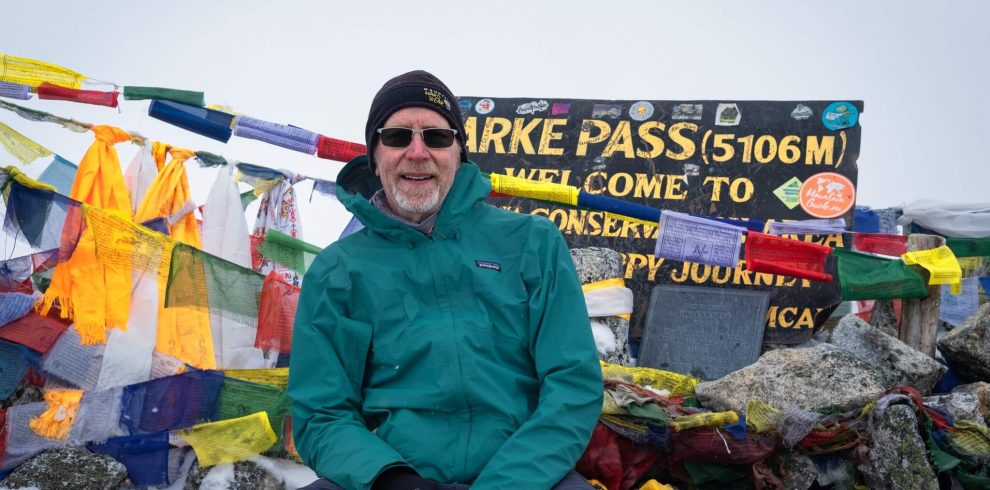
Wake before dawn for an early start. The climb to Larkya La Pass is gradual but long, taking you over rocky ground and frozen streams. As the sun rises, the mountains glow pink and gold. After hours of steady effort, you reach the prayer flag-covered top of the pass at 5,160 metres. The views are vast; Himlung Himal, Kang Guru, Cheo Himal, and Annapurna II line the horizon.
After a brief celebration, you begin the long descent. The trail crosses glacial moraines, skirts small frozen lakes, and finally drops into meadows. By evening, you reach Bhimthang, a beautiful alpine village ringed by towering peaks. After a long day, enjoy hot soup and a hearty meal, and sleep deeply under thick blankets.
The trail from Bhimthang descends quickly through alpine meadows alive with wildflowers in spring. You cross the Dudh Khola River and pass through rhododendron forests that glow red in April. Small villages like Karche and Gho appear along the way, where children play and locals farm terraced fields.
By afternoon you arrive at Dharapani, a busy trekking junction on the Annapurna Circuit. After days in remote valleys, the sudden sense of connection feels refreshing. You can enjoy a hot shower, celebrate with your group, and reflect on the incredible journey across Manaslu and Tsum Valley.
After breakfast you board a jeep that follows the Marsyangdi Valley down to Besisahar, passing waterfalls and cliffs along the way. From Besisahar, you transfer to a bus or private vehicle for the return to Kathmandu. The road is long but scenic, with views of rivers, hillsides, and small towns bustling with life.
By evening you arrive in Kathmandu and are dropped at your hotel. In the evening, enjoy a warm farewell dinner with your trekking team, where you will also be presented with a Trip Achievement Award in recognition of your successful journey. This special moment is a reminder of the strength, endurance, and spirit that carried you across remote valleys, sacred monasteries, and one of Nepal’s highest mountain passes.
What’s Included & Excluded
Trek Package Inclusions
- Airport pick-up and drop-off in Kathmandu
- 2 nights in a 3-star hotel in Kathmandu with breakfast
- Ground transportation: Kathmandu to Machha Khola and Dharapani to Kathmandu by public bus
- All necessary trekking permits
- Licensed, English-speaking local trekking guide
- Lodge/teahouse accommodation during the trek
- Porter service (1 porter for every 2 trekkers, carrying up to 20 kg total – 10 kg per trekker)
- Three meals a day during the trek (breakfast, lunch, dinner)
- Morning tea or coffee every trekking day
- Sleeping bag and down jacket (to be returned after the trek)
- Trekking map of the Manaslu Circuit
- Trekking completion certificate from Manaslu Treks & Expedition
- Farewell dinner in Kathmandu hosted by Manaslu Treks & Expedition
- First-aid kit carried by the guide
- All government taxes and local charges
Cost Not Included in the Package
- Nepal visa fee (available on arrival at Tribhuvan International Airport)
- International airfare to and from Kathmandu
- Travel insurance (must include emergency evacuation coverage)
- Meals in Kathmandu (lunch and dinner)
- Personal expenses like snacks, bottled water, soft drinks, alcohol, Wi-Fi, battery charging, and hot showers during the trek
- Tips for guide and porter
- Any services not mentioned in the “Included” section
Join Our Fixed Trip Starting Date
Contact us for private trip
- SEND EMAIL INFO@MANASLUTREKS.COM
- MAKE CALL ON WHATSAPP
-
Group Discount Available GuaranteedSaturdayMay 30, 2026WednesdayJun 17, 2026$2,000$1,8955% OFFAvailable
-
Group Discount Available GuaranteedSundayMay 31, 2026ThursdayJun 18, 2026$2,000$1,8955% OFFAvailable
-
Group Discount Available GuaranteedMondayJun 1, 2026FridayJun 19, 2026$2,000$1,8955% OFFAvailable
Essential Information
19 Days Manaslu Circuit and Tsum Valley Trek
Extra Information
Total Trek Distance and Daily Walking Details
The 19 day Manaslu Circuit and Tsum Valley Trek covers roughly 215 to 230 kilometers in total, depending on the exact route taken through the Tsum Valley and any small variations near the Larkya La descent. That is significantly more ground than the standard 13 day Manaslu Circuit alone, which runs around 177 kilometers. The extra distance comes entirely from the Tsum Valley loop, which branches off near Lokpa and rejoins the main Manaslu trail at Deng after several days of walking through a completely separate valley system.
Most days on this trek run between 5 and 8 hours of actual walking time. The longer days usually fall in the lower Tsum Valley where the terrain drops steeply and the trail is busier underfoot. The shorter days tend to be on the upper section of the circuit near Samagaon and Samdo where altitude management matters more than distance. On pass crossing day over Larkya La, plan for a full day from before sunrise.
Daily Distance and Walking Time Table
| Day | Route | Distance | Walking Time |
|---|---|---|---|
| Day 1 | Arrival Kathmandu | — | — |
| Day 2 | Drive Kathmandu to Machha Khola | Road 160km | 6 to 7 hours drive |
| Day 3 | Machha Khola to Jagat | 14km | 6 to 7 hours |
| Day 4 | Jagat to Lokpa (Tsum Valley entry) | 13km | 5 to 6 hours |
| Day 5 | Lokpa to Chumling | 10km | 5 to 6 hours |
| Day 6 | Chumling to Chekampar | 12km | 6 hours |
| Day 7 | Chekampar to Nile | 13km | 6 hours |
| Day 8 | Day trip Nile to Mu Gompa and return | 14km round trip | 6 to 7 hours |
| Day 9 | Nile to Chumling (descent) | 13km | 5 to 6 hours |
| Day 10 | Chumling to Deng | 14km | 6 to 7 hours |
| Day 11 | Deng to Namrung | 18km | 6 hours |
| Day 12 | Namrung to Shyala | 14km | 7 to 8 hours |
| Day 13 | Shyala to Samagaon | 5km | 3 to 4 hours |
| Day 14 | Acclimatization at Samagaon | — | Short hike to Birendra Lake |
| Day 15 | Samagaon to Samdo | 10km | 3 to 4 hours |
| Day 16 | Samdo to Dharamsala | 6km | 3 to 4 hours |
| Day 17 | Dharamsala to Bimthang via Larkya La | 18 to 20km | 8 to 10 hours |
| Day 18 | Bimthang to Besisahar and drive Kathmandu | 16km trek plus 4 hour drive | 5 to 6 hours walk |
| Day 19 | Final departure from Kathmandu | — | — |
Important Monasteries and Cultural Highlights in Tsum Valley
This is where the 19 day itinerary separates itself completely from the standard Manaslu Circuit. The Tsum Valley is not just a side valley. It is its own world. The people who live here, the Tsumba, are a Tibetan Buddhist community who have had very little outside contact for most of their history. The valley was opened to foreign trekkers only in 2008. Before that, the Tsumba lived almost entirely according to their own traditions, economy, and religious calendar.
The cultural experience in Tsum Valley is different from what you find on the main Manaslu route in a specific way. On the standard Manaslu Circuit, the Tibetan Buddhist influence is strong in the upper valley around Lho and Samagaon, but you are still on a trekking route with tea houses built for outsiders. In the Tsum Valley, you are entering communities where the monasteries are still the social and spiritual centers of daily life, where monks and nuns outnumber trekkers on most days, and where the sight of a Western trekker is still relatively unusual compared to somewhere like the Everest region.
Mu Gompa
Mu Gompa sits at approximately 3,700 meters at the far northern end of the Tsum Valley, close to the Tibetan border. It is the largest and highest monastery in the valley, established in 1895 AD. The monks here follow the Karma Kagyu tradition of Tibetan Buddhism. Inside the main prayer hall you will find a life size statue of Avalokiteshvara, the Bodhisattva of Compassion, along with images of Guru Padmasambhava and Tara, and the complete Kangyur, the collection of Tibetan Buddhist canonical scriptures.
Getting to Mu Gompa from Nile village takes around 2 to 3 hours of uphill walking. The trail is clear but sustained and the altitude makes it feel longer than the distance suggests. If you arrive in the morning, the monks sometimes allow visitors to sit quietly during prayers. This is not guaranteed, and the right approach is to ask your guide to check first and then wait to be invited rather than walking in.
Rachen Gompa
Rachen Gompa sits at approximately 3,240 meters and is a nunnery rather than a monks monastery. It is located in Rachen village, roughly 2 hours walk from Chekampar. The nuns here follow the same Karma Kagyu tradition as the monks at Mu Gompa. What stands out about Rachen is the quality of the murals inside. The wall paintings are exceptionally detailed and well preserved, depicting scenes from Buddhist texts and the lives of key teachers.
The nuns at Rachen maintain the monastery with limited outside support. There is usually a small donation box near the entrance. Leaving something here, even a modest amount, goes directly to the people who look after the place. Most trekkers pass through on Day 7. Do not rush this stop. Give yourself at least an hour to walk around the grounds and sit in the courtyard for a while.
Milarepa Cave (Namkading Cave)
Milarepa Cave, also called Namkading Cave, lies between Rachen Gompa and Mu Gompa at roughly 3,400 meters. The cave is associated with Milarepa, the 11th century Tibetan Buddhist yogi and poet who is one of the most celebrated figures in Tibetan Buddhism. According to the tradition maintained by the Tsumba people, Milarepa meditated in this cave during his time of intensive practice in the high valleys of the Himalayas.
The cave itself is built into rock and has two small shrine rooms attached to it. The walls are painted with murals and the cave contains Buddhist scripture papers and prayer objects. For Tibetan Buddhist pilgrims, this is a place of genuine pilgrimage.
Dephyudonma Gompa
Dephyudonma Gompa is the oldest monastery in the Tsum Valley, situated near the villages of Chhule and Nile, roughly 2 hours above Nile village on a separate trail from the main path to Mu Gompa. The monastery is associated with the earliest spread of Buddhism in the Tsum Valley and is run by Lama Serap of Nile Ladrang from the Kangyur sect. The ancient murals on its walls depict scenes from Buddhist canonical texts, and the prayer hall contains a notable collection of thangkas and sculpture.
Because Dephyudonma sits off the main trekking trail, fewer trekkers reach it. You arrive, it is quiet, and you have the place essentially to yourself. If you have both the energy and the time on Day 8, visiting Dephyudonma before or after Mu Gompa makes for one of the most complete days of Buddhist heritage you can have anywhere in Nepal.
Altitude Profile and Acclimatization Guide
The 19 day Manaslu Circuit and Tsum Valley Trek stays relatively moderate in altitude through most of the Tsum Valley section. The highest point in Tsum Valley is Mu Gompa at around 3,700 meters, which is manageable for most trekkers who have been ascending gradually over several days. The serious altitude begins after you rejoin the main Manaslu trail and push toward Samagaon, Samdo, Dharamsala, and ultimately Larkya La Pass at 5,106 meters.
Altitude Profile Table
| Location | Altitude | Daily Gain or Loss | Notes |
|---|---|---|---|
| Kathmandu | 1,350m | Arrival | Rest day, briefing, gear check |
| Machha Khola | 930m | 420m lower by road | Trek starting point, warm and humid |
| Jagat | 1,340m | +410m | First restricted area checkpoint |
| Lokpa | 2,040m | +700m | Entry to Tsum Valley |
| Chumling | 2,386m | +346m | First Tsum Valley village, first monastery visit |
| Chekampar | 3,031m | +645m | Largest village in Tsum, start monitoring for symptoms |
| Nile | 3,361m | +330m | Last major village before Mu Gompa, cold nights |
| Mu Gompa | 3,700m | +339m | Highest point of Tsum Valley, day trip from Nile |
| Deng | 1,804m | 1,896m descent on return | Rejoining main Manaslu trail |
| Namrung | 2,630m | +826m | Mountain views open significantly |
| Shyala | 3,500m | +870m | Watch for early altitude symptoms |
| Samagaon | 3,530m | +30m | Acclimatization rest day, critical stop |
| Samdo | 3,785m | +255m | Short day, controlled altitude gain |
| Dharamsala | 4,460m | +675m | High camp, limited facilities, very cold night |
| Larkya La Pass | 5,106m | +646m | Highest point, cross before 10am |
| Bimthang | 3,720m | 1,386m descent | Significant relief, good teahouse |
| Besisahar | 760m | 1,420m descent from Tilije area | Drive to Kathmandu follows |
Altitude Sickness Advice
Altitude sickness is a real concern above 3,000 meters and a serious concern above 4,000 meters. Here is what we tell every group before they leave.
The symptoms of Acute Mountain Sickness are headache, nausea, loss of appetite, fatigue, and disrupted sleep. These can appear at any altitude above 2,500 meters in some people. Mild symptoms at Chekampar or Nile are not uncommon and not necessarily alarming. The correct response is simple: do not go higher until the symptoms pass.
- Drink three to four liters of water per day from Samagaon upward
- Walk slowly. The Nepali phrase bistari bistari means slowly slowly
- Do not take sleeping tablets at altitude. They suppress breathing
- Discuss diamox with your doctor before the trek if you have any history of altitude sensitivity
- Do not try to shorten the itinerary to save time in the high altitude section
Internet, Charging, Shower and ATM Guide
WiFi Availability
| Section | WiFi Available | Quality |
|---|---|---|
| Machha Khola to Jagat | Available at most tea houses | Basic, usable for messaging |
| Lokpa to Nile (Tsum Valley) | Available in some tea houses | Poor to moderate, frequent outages |
| Mu Gompa | Not reliably available | Occasionally from satellite signal |
| Deng to Namrung | Available at most tea houses | Basic |
| Shyala to Samagaon | Available at larger tea houses | Moderate, NTC coverage better |
| Samdo | Limited availability | Often not working |
| Dharamsala | Not available | No WiFi |
| Bimthang | Available in some tea houses | Basic |
Charging Costs
Charging is available at most tea houses through solar power or occasionally generator power. Costs are typically NPR 200 to NPR 500 per device per charge. At Dharamsala and Mu Gompa charging may not be available at all.
Hot Shower Availability
| Section | Hot Shower | Cost |
|---|---|---|
| Machha Khola to Jagat | Available at most lodges | NPR 300 to 500 |
| Lower Tsum Valley (Lokpa to Chumling) | Available at some lodges | NPR 300 to 500 |
| Upper Tsum Valley (Chekampar to Nile) | Bucket hot water only at some lodges | NPR 200 to 300 |
| Mu Gompa | Not available | None |
| Deng to Namrung | Available at most lodges | NPR 300 to 500 |
| Samagaon | Available at some lodges | NPR 400 to 600 |
| Samdo and above | Bucket water or cold only | — |
| Dharamsala | Not available | — |
| Bimthang | Available at most lodges | NPR 300 to 500 |
Mobile Network
NTC SIM cards provide the best coverage on this route. Ncell signal is weaker and disappears in many sections above Jagat. If you are bringing a local Nepali SIM for the trek, NTC is the one to buy. Signal is available on the lower trail sections, patchy through the Tsum Valley, available in Samagaon and Samdo on a good day, and absent at Dharamsala and above.
Last ATM Location
Withdraw enough Nepali rupees in Kathmandu to cover all personal expenses for the full 19 days. On a fully inclusive package, budget NPR 60,000 to NPR 100,000 in personal spending money covering WiFi fees, charging, hot showers, extra drinks and snacks, and tips for your guide and porter. Carry this in a mix of smaller denominations as tea houses in remote sections often cannot change large bills.
Manaslu and Tsum Valley Permit Breakdown
The 19 day Manaslu Circuit and Tsum Valley Trek requires more permits than any other standard trekking route in Nepal because it enters two separate restricted areas. Understanding what each permit is and why it exists saves confusion at checkpoints along the trail.
Permit Cost Table 2026
| Permit | Covers | Cost per Person | When to Obtain |
|---|---|---|---|
| Manaslu Restricted Area Permit (MRAP) | Entry into Manaslu restricted area from Jagat onward | USD 100 for first 7 days (Sep to Nov), USD 15 per extra day. USD 75 for first 7 days (Dec to Aug), USD 10 per extra day | Through registered trekking agency only, before departure |
| Tsum Valley Restricted Area Permit | Entry into Tsum Valley restricted area | USD 40 for first 7 days (Sep to Nov). USD 20 per extra day. Lower rates in off season | Through registered trekking agency only, before departure |
| Manaslu Conservation Area Permit (MCAP) | Entry into the Manaslu Conservation Area | NPR 3,000 per person (approximately USD 23) | Nepal Tourism Board office or through your agency |
| Annapurna Conservation Area Permit (ACAP) | Western exit from Larkya La through Bimthang and Besisahar area | NPR 3,000 per person (approximately USD 23) | Nepal Tourism Board office or through your agency |
Frequently Asked Questions
This is a challenging trek by any standard. It is not for beginners. Daily walking runs from 5 to 8 hours across 17 trekking days, passing through high altitude terrain above 4,000 meters in the final section. The Larkya La crossing at 5,106 meters is physically demanding and begins before dawn. That said, trekkers with solid aerobic fitness who have prepared specifically for this trek and who have some previous multi day trekking experience complete it comfortably every season.
You do not need previous high altitude experience specifically, but you need to be comfortable with long days of walking in mountain terrain over multiple consecutive weeks. If you have never trekked before, this is not the right starting point. We recommend completing a moderate 7 to 10 day trekking route in Nepal first before attempting this itinerary.
October and November are the best months. The skies are clear, mountain views are at their finest, and trail conditions are stable. March to May is the second best window with rhododendron blooms on the lower sections. Avoid December through February for the upper altitude section as snow can make the Larkya La crossing significantly harder. June through August is monsoon season and not recommended.
You need four permits: the Manaslu Restricted Area Permit, the Tsum Valley Restricted Area Permit, the Manaslu Conservation Area Permit, and the Annapurna Conservation Area Permit. The total permit cost for a trekker on a standard 19 day itinerary in the October to November season is approximately USD 170 to USD 200 per person depending on the exact number of days. All permits are included in our package price. You pay nothing extra for permits.
A licensed guide is legally mandatory in both the Manaslu and Tsum Valley restricted areas. This is a government regulation, not a suggestion. You will not pass the checkpoints at Jagat or at the Tsum Valley entry without a properly licensed guide whose name matches the permit documentation. A porter alone does not satisfy this requirement.
The Tsum Valley is a geographically separate valley that branches north off the main Budhi Gandaki gorge. It was one of the last valleys in Nepal to be opened to foreign trekkers, only in 2008. The people who live there, the Tsumba, follow Tibetan Buddhist traditions that have changed very little because the valley had minimal outside contact for centuries. The monasteries, the cultural practices, and the daily life of the Tsumba are genuinely distinct from what you encounter on the main Manaslu trail. Adding the Tsum Valley to the circuit gives the trek a cultural dimension that the standard route simply does not have.
Mu Gompa is the highest and largest monastery in the Tsum Valley, established in 1895 AD at approximately 3,700 meters. It is the spiritual center of the valley, home to monks following the Karma Kagyu tradition of Tibetan Buddhism. Inside are important religious texts including the Kangyur, a life size statue of Avalokiteshvara, and images of Guru Padmasambhava. From the monastery ridge the views extend across to Ganesh Himal and into Tibet. For many trekkers who complete this route, the day at Mu Gompa is the single most memorable experience of the full 19 days.
Milarepa Cave, also known as Namkading Cave, is a meditation cave in the Tsum Valley associated with Milarepa, the 11th century Tibetan Buddhist yogi and poet. According to the living tradition of the Tsumba people, Milarepa meditated in this cave during his years of intensive practice in the Himalayan valleys. The cave has two small shrine rooms with Buddhist murals and scripture materials inside. It is a pilgrimage site for Tibetan Buddhist practitioners and one of the most spiritually significant stops on the entire route.
NTC SIM cards provide some signal on the lower sections of the Tsum Valley trail. Above Chekampar and through the upper valley toward Nile and Mu Gompa, signal becomes unreliable and often disappears entirely. At Dharamsala before the Larkya La crossing there is no signal. Plan accordingly and inform family or contacts at home that you will be largely unreachable for sections of the 19 days.
The last reliable ATM is in Kathmandu. Withdraw enough Nepali rupees before departure to cover all personal expenses for the full 19 days. On a fully inclusive package, budget NPR 60,000 to NPR 100,000 in personal spending money for WiFi fees, charging costs, hot showers, extra drinks and snacks, and tips for your guide and porter. Carry this in a mix of smaller denominations as tea houses in remote sections often cannot change large bills.
Your guide carries a pulse oximeter and monitors your blood oxygen saturation at key points along the route. At the first sign of serious altitude illness your guide will recommend descent. We support our guides in making these decisions without waiting for the trekker to agree. Emergency helicopter evacuation from Samagaon and nearby areas is coordinated through our Kathmandu office. This is why valid travel insurance covering helicopter evacuation is mandatory for all trekkers with us.
The best preparation is walking and hiking with a loaded pack on consecutive days. Start with 45 to 60 minute walks five days a week and build toward weekend hikes of 5 to 7 hours with a 7 to 10 kilogram pack over 8 to 12 weeks. Specifically strengthen your knees for downhill sections as the descent from Larkya La to Bimthang is long and sustained. Break in your boots completely before you travel. We say this to every trekker and some still arrive with new boots. It causes blisters within three days and makes the trek unnecessarily difficult.
Tsum Valley and Manaslu Circuit Trek vs Standard Manaslu Circuit Trek
This comparison comes up often from trekkers who are deciding between the two routes. Here is the honest picture from people who have organized both.
| Feature | 19 Day Manaslu Circuit and Tsum Valley Trek | 13 Day Standard Manaslu Circuit Trek |
|---|---|---|
| Total Duration | 19 days | 13 days |
| Total Distance | Approximately 215 to 230km | Approximately 177km |
| Maximum Altitude | 5,106m at Larkya La | 5,106m at Larkya La |
| Tsum Valley Included | Yes, full loop through Tsum Valley | No |
| Mu Gompa Visit | Yes | No |
| Rachen Gompa Visit | Yes | No |
| Milarepa Cave | Yes | No |
| Cultural Depth | Very high. Tsumba culture, Tibetan Buddhism, ancient monasteries | High. Nubri culture, upper Manaslu villages |
| Permit Cost | Higher, four permits required including Tsum Valley permit | Lower, three permits required |
| Physical Demand | Challenging. More total days and distance | Challenging. Fewer days |
| Crowd Levels | Very low in Tsum Valley, low on Manaslu section | Low on Manaslu section |
| Best For | Trekkers with 19 to 20 days who want cultural depth alongside mountain scenery | Trekkers with 13 to 15 days focused on the Manaslu mountain experience |
| Acclimatization | Gradual through Tsum Valley, rest day at Samagaon | Rest day at Samagaon |
| Wildlife Opportunities | Good. Snow leopard, blue sheep, Himalayan tahr in both sections | Good. Same upper valley wildlife |
| Cost | Higher due to extra days, additional permits, and Tsum Valley section | Lower |
| Spiritual Experience | Exceptional. Tsum Valley is a living sacred valley with minimal outside influence | Good. Nubri villages and monasteries on upper Manaslu route |
Best Company for the Manaslu Tsum Valley Trek
The Manaslu Tsum Valley Trek is very different from popular routes such as Everest Base Camp or Annapurna Base Camp. This journey combines the complete Manaslu Circuit with the remote Tsum Valley, one of Nepal’s most culturally preserved Himalayan regions. Since the route enters a restricted area and crosses high mountain terrain including Larke Pass at 5,106 meters, choosing the right trekking company plays an important role in the overall experience.
Unlike shorter treks, this route requires permit arrangements, transportation coordination, experienced mountain guides, and proper acclimatization planning. Trekking companies with direct experience in the Manaslu region understand changing trail conditions, seasonal factors, tea house conditions, and local logistics much better than agencies operating many unrelated destinations.
Many trekkers compare this route with the shorter 14 Days Manaslu Circuit Trek. While both routes cross Larke Pass and follow the Manaslu trail, Tsum Valley adds hidden villages, Tibetan Buddhist culture, monasteries, and a quieter trekking experience away from the main route.
What Makes a Good Manaslu Trekking Company?
- Government registered company in Nepal
- Licensed trekking guides
- Experience in the Manaslu region
- Restricted area permit support
- Airport pickup and transportation
- Emergency planning
- Altitude awareness
- Flexible itineraries
- Recent customer reviews
- Clear inclusions without hidden costs
As a local operator, Manaslu Treks and Expedition regularly organizes treks throughout the region including the Luxury Manaslu Circuit Trek, standard Manaslu itineraries, and combined Tsum Valley routes. Working directly with a Nepal-based team often allows trekkers to receive practical route advice before arrival rather than generic information.
How to Reach the Manaslu Tsum Valley Trek from the USA and Europe
Most trekkers from the United States and Europe begin by flying into Kathmandu, Nepal. Kathmandu serves as the international gateway for treks in the Manaslu region. Unlike Everest trekking routes that often require domestic flights, the Manaslu Tsum Valley Trek starts with an overland drive from Kathmandu toward Machha Khola.
Travel may initially seem complicated, but the process becomes straightforward when divided into steps. Most trekkers arrive in Kathmandu, stay one or two nights, complete permits and gear checks, and then begin the journey toward the trailhead.
Traveling from the USA
Travelers from New York, Los Angeles, Chicago, Washington, Boston, or San Francisco usually connect through international transit hubs.
| Route | Transit City | Total Travel Time |
|---|---|---|
| USA → Doha → Kathmandu | Qatar | 20–28 Hours |
| USA → Dubai → Kathmandu | UAE | 22–30 Hours |
| USA → Istanbul → Kathmandu | Turkey | 20–30 Hours |
| USA → Delhi → Kathmandu | India | 22–32 Hours |
Traveling from Europe
Travelers from London, Frankfurt, Paris, Amsterdam, Zurich, Madrid, and Rome generally have shorter flight times and multiple airline choices.
| Route | Transit City | Total Travel Time |
|---|---|---|
| Europe → Doha → Kathmandu | Qatar | 12–18 Hours |
| Europe → Dubai → Kathmandu | UAE | 12–17 Hours |
| Europe → Istanbul → Kathmandu | Turkey | 11–16 Hours |
| Europe → Delhi → Kathmandu | India | 12–18 Hours |
What Happens After Arriving in Kathmandu?
After arriving at Tribhuvan International Airport, most trekkers spend one or two days in Kathmandu before heading toward the mountains. This extra time helps recover from jet lag and allows final trek preparation.
- Airport pickup and hotel transfer
- Meet your guide and trekking team
- Restricted permit processing
- Equipment check
- Purchase last-minute trekking gear
- Currency exchange
- Trek briefing
If you need additional information about permits and route logistics, many trekkers also review the Manaslu Circuit Trek Cost Guide before arrival.
Journey from Kathmandu to the Trek Starting Point
Unlike Everest Base Camp where trekkers take a domestic mountain flight, the Manaslu route begins by road. Depending on weather and itinerary choice, transportation may be arranged by local bus, shared jeep, or private jeep.
| Journey | Approx Time |
|---|---|
| Kathmandu → Machha Khola | 8–10 Hours |
The Manaslu Tsum Valley Trek takes more effort to reach than some popular Nepal trekking routes, but many trekkers consider the remote villages, Tibetan culture, monasteries, and quieter trails one of the most rewarding experiences in the Himalayas.
Best Places for Pictures and Videos During the Manaslu Tsum Valley Trek
The Manaslu Tsum Valley Trek passes through river valleys, remote villages, forests, suspension bridges, monasteries, alpine landscapes, and high Himalayan viewpoints. Since the route combines both the Manaslu Circuit and the hidden Tsum Valley, the scenery changes noticeably throughout the journey. Some places are better for wide mountain landscapes, while others are ideal for village photography, cultural moments, and travel videos.
Many trekkers focus only on reaching Larke Pass, but some of the most memorable images often come from smaller villages, monastery courtyards, prayer walls, and quiet moments along the trail. Early morning and late afternoon usually provide softer mountain light and clearer conditions for photography.
Top Photography and Video Locations During the Trek
| Location | Photography Highlights |
|---|---|
| Chumling | Traditional stone houses, narrow trails, and mountain scenery |
| Chhokang Paro | Wide valley landscapes and open mountain views |
| Mu Gompa | Ancient monastery and panoramic Himalayan backdrop |
| Samagaon | Classic village scenery beneath Mt. Manaslu |
| Birendra Lake | Glacial lake with mountain reflections |
| Pungyen Gompa | Remote monastery and surrounding peaks |
| Larke Pass | Prayer flags and high Himalayan panoramas |
| Bimthang | Open valley views and glacier scenery |
Best Photo Locations Inside Tsum Valley
The Tsum Valley section feels very different from the standard 14 Days Manaslu Circuit Trek. Villages remain quieter and local Tibetan culture is visible throughout the route. Monasteries, mani walls, traditional homes, and surrounding mountains create a very different atmosphere compared with the main Manaslu trail.
Mu Gompa
Mu Gompa is one of the most memorable photography locations in Tsum Valley. Sitting high above nearby settlements, the monastery offers wide views across the valley. Prayer flags, mountain landscapes, and traditional architecture create excellent opportunities for both landscape photos and travel videos.
Chhokang Paro
Chhokang Paro is one of the broadest sections of Tsum Valley and offers wide landscape views that work especially well for panoramic photography. Fields, village homes, and distant mountains combine naturally without the crowds found on busier trekking routes.
Best Mountain Viewpoints Along the Route
Larke Pass (5,106m)
Larke Pass remains one of the major highlights of the journey. Trekkers usually cross early in the morning when weather conditions are more stable. Prayer flags stretch across the pass while surrounding peaks and glaciers create one of the classic mountain views of the Manaslu region.
Those considering a shorter route can compare this experience with the Luxury Manaslu Circuit Trek or the standard Manaslu Circuit Trek itinerary.
Samagaon and Birendra Lake
Samagaon is one of the most photographed villages on the route and also serves as an acclimatization stop. During rest days, many trekkers take side trips toward Birendra Lake and nearby viewpoints. The turquoise glacial water and mountain backdrop create one of the strongest scenery combinations along the trek.
Trekkers planning the route often also read the Manaslu Circuit Trek Cost Guide before arrival because transportation, permits, and planning can influence the overall itinerary.
Photography Tips for the Manaslu Tsum Valley Trek
- Start early for clearer mountain views
- Carry spare batteries for colder areas
- Protect cameras from dust and snow
- Keep gear easily accessible while walking
- Ask permission before photographing local people
- Use acclimatization days for side-trip photography
- Do not rely only on mobile phone charging availability
Culture and Wildlife of the Manaslu Tsum Valley Trek
The Manaslu Tsum Valley Trek combines two experiences that make this route very different from many trekking regions in Nepal. Alongside mountain scenery and high Himalayan landscapes, trekkers pass through villages where traditional lifestyles, Tibetan Buddhist practices, and old customs remain visible in daily life. The route also enters the protected Manaslu Conservation Area, a region created to preserve both natural ecosystems and local culture. :contentReference[oaicite:1]{index=1}
Compared with the standard 14 Days Manaslu Circuit Trek, adding Tsum Valley introduces a noticeably stronger cultural experience. The valley remained isolated for many years and only opened to foreign trekkers in recent decades. Because of this isolation, traditions, language, architecture, and local customs developed with strong Tibetan influence and remain preserved today. :contentReference[oaicite:2]{index=2}
The Unique Culture of Tsum Valley
Tsum Valley lies near the Tibetan border and has long been known as a hidden valley in Himalayan Buddhist tradition. The area is connected with the concept of a sacred refuge or “Beyul” and has historically remained separate from heavily traveled trade and trekking regions. :contentReference[oaicite:3]{index=3}
The local people are known as Tsumba. Their language, customs, religious practices, and daily lifestyle have been strongly influenced by Tibetan culture. Agriculture, yak herding, village life, and Buddhist traditions remain closely connected to everyday routines. Traditional crops such as barley, potatoes, buckwheat, and maize continue to support many communities throughout the valley. :contentReference[oaicite:4]{index=4}
Village Culture Along the Route
| Village | Cultural Experience |
|---|---|
| Jagat | Traditional mountain settlement and entry into the restricted region |
| Chumling | Ancient monasteries and early Tibetan influence |
| Chhokang Paro | Traditional homes and wide valley settlements |
| Nile | Strong Buddhist traditions and access toward Mu Gompa |
| Samagaon | Village life below Mt. Manaslu and nearby monasteries |
Monasteries and Spiritual Life
Buddhist culture appears continuously throughout the route. Trekkers regularly pass mani walls, prayer wheels, chortens, and colorful prayer flags. Important spiritual sites include Mu Gompa, Rachen Gompa, and Milarepa Cave. Monasteries remain active parts of village life rather than historical attractions. :contentReference[oaicite:5]{index=5}
For trekkers comparing itineraries, the Luxury Manaslu Circuit Trek and the standard Manaslu Circuit Trek include mountain scenery, but the Tsum Valley extension offers a deeper cultural experience.
Wildlife in the Manaslu Conservation Area
The route passes through the Manaslu Conservation Area, established in 1998 to preserve biodiversity and local ecosystems. The protected area covers approximately 1,663 square kilometers and ranges from lower forest regions to alpine terrain and glacier environments.
The changing altitude creates multiple habitats that support wildlife across forests, cliffs, and high mountain areas. More than thirty mammal species and over one hundred bird species have been recorded in the conservation area.
Wildlife Trekkers May Encounter
| Wildlife | Typical Habitat |
|---|---|
| Himalayan Tahr | Steep rocky mountain slopes |
| Blue Sheep | Open alpine landscapes |
| Musk Deer | Forest regions and remote hillsides |
| Langur Monkeys | Lower forests and village surroundings |
| Himalayan Monal | Woodlands and mountain terrain |
| Snow Leopard | Rare high-altitude habitat |
Trekkers rarely see snow leopards because they stay in remote high-altitude terrain, but blue sheep and Himalayan tahr are more commonly spotted around upper mountain sections. :contentReference[oaicite:8]{index=8}
Nature, Culture and Trekking Combined
Many trekkers read the Manaslu Circuit Trek Cost Guide before planning the journey, but the route offers more than permits and mountain views. The combination of preserved culture, wildlife habitat, remote villages, and changing landscapes is one reason many trekkers consider this route different from more crowded trekking regions.
Traditional Foods You Will Find During the Manaslu Tsum Valley Trek
One interesting part of trekking through the Manaslu and Tsum Valley region is experiencing mountain food and local meals along the route. Many international trekkers arrive expecting simple noodles and rice, but tea houses often serve a mix of Nepali, Tibetan, and basic international dishes. Some foods become part of everyday trekking life and many trekkers end up eating them repeatedly because they provide reliable energy during long mountain days.
The food culture gradually changes as you move higher into the mountains. Lower villages often have wider menu choices, while upper areas around Tsum Valley and Manaslu show stronger Tibetan influence. During the trek, food is not only fuel for walking but also part of the cultural experience.
Popular Local and Trekking Foods Explained
| Food | Description |
|---|---|
| Dal Bhat | Dal Bhat is Nepal’s traditional meal and one of the most common dishes during trekking. It usually includes rice, lentil soup, seasonal vegetables, curry, pickles, and sometimes potatoes. Tea houses often provide additional servings, making it popular for long trekking days. |
| Tibetan Bread | A thick fried bread commonly served for breakfast with jam, honey, butter, eggs, or tea. Unlike normal bread, Tibetan bread is softer and heavier, making it filling before long walking days. |
| Thukpa | Thukpa is a Tibetan-style noodle soup popular in colder mountain regions. It usually contains vegetables, noodles, herbs, and sometimes egg. Many trekkers prefer it after long cold days at higher elevations. |
| Momos | Momos are dumplings filled with vegetables, potato, cheese, or meat in lower villages. They are usually served with spicy dipping sauce and are one of Nepal’s most popular snacks. |
| Tsampa | Tsampa is roasted barley flour traditionally eaten in Tibetan communities. It has been part of Himalayan diets for generations and may occasionally appear in remote villages. |
| Garlic Soup | Garlic soup is commonly ordered by trekkers at higher altitude. Many people believe it helps support acclimatization and warming during colder sections of the trek. |
| Butter Tea | Traditional Tibetan butter tea has a salty taste and is made with tea, butter, and milk. It can feel unusual for first-time visitors but remains part of local mountain culture. |
Foods Trekkers Usually Eat Most Often
During the first few trekking days many people experiment with different menu items. As the trek becomes longer and altitude increases, most trekkers gradually switch toward simpler meals that feel easier to digest and provide steady energy.
- Dal Bhat
- Fried rice
- Noodle soup
- Garlic soup
- Potato dishes
- Porridge
- Tibetan bread
- Egg dishes
Trekkers comparing shorter routes can also check the 14 Days Manaslu Circuit Trek or the Luxury Manaslu Circuit Trek for differences in itinerary and lodge experience.
Manaslu Circuit Tsum Valley Trek vs Annapurna Circuit Trek
The Manaslu Circuit Tsum Valley Trek and the Annapurna Circuit Trek are two of Nepal’s best long-distance Himalayan trekking routes. Since both routes cross high mountain passes and move through traditional villages, many trekkers compare them before booking a trip. At first glance they can look similar. Both involve tea house trekking, mountain scenery, changing landscapes, and cultural experiences. However, once you start walking, the atmosphere and overall experience become very different.
The Annapurna Circuit has been one of Nepal’s classic trekking routes for decades and attracts trekkers from all over the world. It is easier to access and has more developed infrastructure. The Manaslu Tsum Valley Trek feels quieter and more remote. Adding Tsum Valley creates a completely different experience because the route enters hidden villages, old monasteries, and regions with stronger Tibetan Buddhist influence.
Complete Trek Comparison
| Category | Manaslu Tsum Valley Trek | Annapurna Circuit Trek |
|---|---|---|
| Average Trek Duration | 19 Days | 12–18 Days |
| Total Trek Distance | Approximately 180–200 km | Approximately 160–230 km depending on road use |
| Highest Point | Larke Pass (5,106m) | Thorong La Pass (5,416m) |
| Walking Hours | 5–8 hours daily | 5–8 hours daily |
| Difficulty | Moderate to challenging | Moderate |
| Accommodation | Simple tea houses | Better developed tea houses |
| Crowd Level | Low | Medium to high |
| Road Impact | Less road influence | Roads affect some sections |
| Permit Rules | Restricted area permits required | Standard trekking permits |
| Culture | Strong Tibetan Buddhist influence | Mixed Gurung, Thakali and mountain communities |
Permit Comparison
Permit requirements create one of the biggest differences between these treks.
The Annapurna Circuit is easier because trekkers usually require Annapurna region permits only. Trek planning is more flexible and independent trekking is generally easier.
The Manaslu Tsum Valley Trek follows different rules because it enters a restricted area near the Tibetan border. Independent trekking is not allowed and trekkers must travel with a licensed guide and obtain multiple permits.
| Permit Type | Manaslu Tsum Valley Trek | Annapurna Circuit Trek |
|---|---|---|
| Restricted Area Permit | Required | Not required |
| Tsum Valley Permit | Required | Not required |
| MCAP | Required | Not required |
| ACAP | Required | Required |
Trekkers often review the Manaslu Circuit Trek Cost Guide before arrival because permit costs significantly affect the total budget.
Culture and Village Experience
Culture feels very different on these routes.
The Annapurna Circuit passes through Gurung villages, Thakali communities, apple-growing areas, and larger settlements connected by roads. Villages such as Manang and Marpha have become popular trekking stops and offer cafés, bakeries, and larger facilities.
The Manaslu Tsum Valley route remains quieter and more traditional. The Tsum Valley stayed isolated for many years and preserved strong Tibetan cultural influence. Villages such as Chumling, Chhokang Paro, Nile, and Mu Gompa provide a noticeably different atmosphere.
Prayer flags, monastery walls, spinning prayer wheels, Buddhist chortens, and local traditions become regular parts of the route rather than occasional attractions.
Mountain Scenery and Landscape Comparison
Both routes offer spectacular scenery but the landscape changes differently.
Annapurna Circuit passes through forests, waterfalls, valleys, alpine regions, and dry Mustang landscapes. Trekkers see Annapurna, Dhaulagiri, Tilicho Peak, and surrounding mountain ranges.
The Manaslu Tsum Valley route provides mountain views of Mt. Manaslu, Himalchuli, Ngadi Chuli, Ganesh Himal and surrounding peaks. Since roads influence fewer sections, the route often feels more natural and isolated.
Trekkers considering a shorter alternative often compare this route with the 14 Days Manaslu Circuit Trek because both share the main Manaslu trail.
Food and Accommodation Comparison
Accommodation on Annapurna Circuit is generally more developed because tourism infrastructure has existed for many years. Some villages include bakeries, cafés, upgraded lodges, and larger menus.
Accommodation on the Manaslu Tsum Valley route remains simpler and more traditional. Tea houses are family-run and become more basic at higher elevations. Many trekkers enjoy this quieter atmosphere because villages feel less commercialized.
Those seeking upgraded lodge experiences sometimes compare the route with the Luxury Manaslu Circuit Trek.
Crowds and Trail Experience
Crowds create one of the biggest differences between the two routes.
During spring and autumn, Annapurna villages and trails become busy because thousands of trekkers complete the route each season.
The Manaslu Tsum Valley Trek remains quieter because of permit restrictions and lower visitor numbers. Some days trekkers walk for long periods passing only villagers, yak caravans, and mountain scenery.
Which Trek Should You Choose?
Choose Annapurna Circuit if you prefer:
- Easier logistics
- Larger tea houses
- More developed facilities
- Flexible route options
- More food choices
Choose Manaslu Tsum Valley Trek if you prefer:
- Fewer crowds
- Stronger Tibetan culture
- Monasteries and spiritual sites
- Remote mountain atmosphere
- Traditional villages
- Quieter trails
Frequently Asked Questions (FAQ)
The Manaslu Circuit with Tsum Valley Trek is considered a challenging trek. You will walk 6 to 8 hours per day on steep, rocky, and high-altitude trails. The highest point, Larkya La Pass (5,160m), involves walking on snow and ice depending on the season. Good fitness, prior trekking experience, and mental preparedness are highly recommended.
Yes, travel insurance is mandatory for the Manaslu Circuit and Tsum Valley Trek. Your policy must cover:
- Emergency helicopter evacuation up to 6,000m
- Medical treatment in case of altitude sickness or accidents
- Trip cancellations or interruptions
- Loss or theft of baggage
We recommend carrying a printed copy of your insurance policy, as lodges or helicopter companies may ask for proof in an emergency.
You need three different permits for the Manaslu Circuit and Tsum Valley Trek:
- Manaslu Restricted Area Permit (RAP)
- Manaslu Conservation Area Permit (MCAP)
- Annapurna Conservation Area Permit (ACAP)
All permits are included in your package and will be arranged by Manaslu Treks & Expedition. Solo trekking is not allowed; a registered guide is compulsory.
The best seasons for the Manaslu Circuit and Tsum Valley Trek are:
- Spring (March to May): Clear skies, warmer weather, rhododendrons in bloom.
- Autumn (September to November): Crisp mountain air, stable conditions, and the best visibility.
Trekking is possible in winter (December to February), but snow often blocks the Larkya La Pass. Monsoon season (June to August) is not recommended due to heavy rain and leeches.
No, you can book the Manaslu Circuit and Tsum Valley Trek without making an advance payment. At Manaslu Treks & Expedition, we believe in offering a hassle-free booking process and building trust with our clients. You can secure your trip with us first and make the payment once you arrive in Nepal.
This flexible policy gives you peace of mind while planning your adventure, knowing that your trek is confirmed even before you make any payment.
Kathmandu: Two nights in a 3-star hotel with breakfast.
On the trek: Basic but comfortable tea houses and lodges run by local families. Rooms usually have two beds with blankets. Toilets may be shared, and facilities become simpler at higher elevations like Dharmasala and Mu Gompa.
-
Best Trekking CompanyBy Evan April 7, 2026I did the Manaslu Circuit and Tsum Valley trek with Manaslu Treks and Expedition in March 2026. It was my third trekking visit to Nepal and easily the most enjoyable. Throughout the pre-trip planning, the team maintained a high level of professionalism, ensuring a smooth process from start to finish. Our guide, Kiran, was very knowledgeable, extremely friendly, and great to spend time with on the trail. His experience in both the Manaslu region and Tsum Valley really showed, and he made the trek safe, well paced, and enjoyable every day. I would not hesitate to book with Manaslu Treks and Expedition again, and would definitely ask for Kiran.Date of Experience: March 12, 2026
-
 Best Trekking Experience in NepalBy Andres Ortola April 1, 2026I just wrapped up an amazing adventure with Manaslu Treks and Expedition, and they were fantastic from start to finish. We combined the Manaslu Circuit and Tsum Valley trek, and every part of the journey was incredible. From the very beginning, Kiran provided all the detailed information during our correspondence, which made planning the trip easy and clear. He answered all our questions patiently and helped us feel confident before arriving in Nepal. The landscapes were constantly changing, from deep river valleys and traditional villages to high mountain views and peaceful monasteries in Tsum Valley. It felt far more authentic and less crowded compared to other trekking regions. A big thanks to the whole team for managing everything so smoothly. A special thanks to Kiran, whose knowledge, positive energy, and support made a real difference throughout the trek. He took great care of us, managed the pace well, and shared meaningful insights about the local culture and region. If you are planning a trek in Nepal and want something unique and well organized, Manaslu Treks and Expedition is a great choice. This was truly a memorable Himalayan experience.Date of Experience: October 15, 2025
 -
Manaslu Tsum Valley TrekBy Gwyn Bouch March 20, 2026We recently completed the Tsum Valley trek with Manaslu Treks and Expedition, and I couldn’t be more pleased with the level of service and support we received from start to finish. Kiran and his team arranged everything smoothly, including permits, accommodation, meals, and all logistics throughout the trek. Everything was well organized, allowing us to fully enjoy the journey without any stress. We built a great connection with Kiran along the way. He was professional, knowledgeable about the region, and very easy to spend time with. His understanding of Tsum Valley, its culture, and local communities made the experience much more meaningful. If you are planning the Tsum Valley trek, Manaslu Treks and Expedition is a very reliable choice, and we highly recommend Kiran as your guide.Date of Experience: April 16, 2026
-
Great Tsum Valley Trek Experience with Guide NakulBy Alexander Lodman March 4, 2026We spent a long time choosing the right company for our Tsum Valley trek, and we are very glad we chose Manaslu Treks and Expedition. From the beginning, everything was well organized. The communication before arrival was clear and reliable, and the airport pick-up and hotel arrangement in Kathmandu made the start of the trip smooth and stress free. A special thanks to our guide, Nakul, who was excellent throughout the trek. His experience, friendly nature, and deep understanding of the Tsum Valley made the journey much more meaningful. He explained the culture, monasteries, and daily life in a simple and engaging way, and always made sure we were safe, comfortable, and enjoying every moment. Our porter also did a great job, always supportive and hardworking. Tsum Valley is a truly special place, and this trek felt authentic and well managed from start to finish. We highly recommend Manaslu Treks and Expedition for anyone planning this adventure.Date of Experience: February 12, 2026
-
Manaslu Tsum Valley Trek with KiranBy Annette May 15, 2025We arranged our Tsum Valley trek through Manaslu Treks and Expedition, and the entire experience was smooth from the beginning. Communication was quick, clear, and reliable. After arriving in Kathmandu, we met the team and immediately felt we were in safe and professional hands. Our guide, Kiran, was highly experienced and originally from the Manaslu region, which made a big difference throughout the trek. His deep knowledge of the Tsum Valley, local culture, and traditions added real value to the journey. He guided us with care, explained everything clearly, and ensured we were comfortable and well looked after every day. Kiran’s connection with the local community allowed us to experience the valley in a more meaningful way, not just as trekkers but as guests. The whole trek felt authentic, well-organized, and hassle-free. We highly recommend Manaslu Treks and Expedition for anyone planning the Tsum Valley trek.Date of Experience: April 08, 2026

Write a Review Cancel reply
Thank you. Your review will appear after admin approves it.
Please fill all the fields.