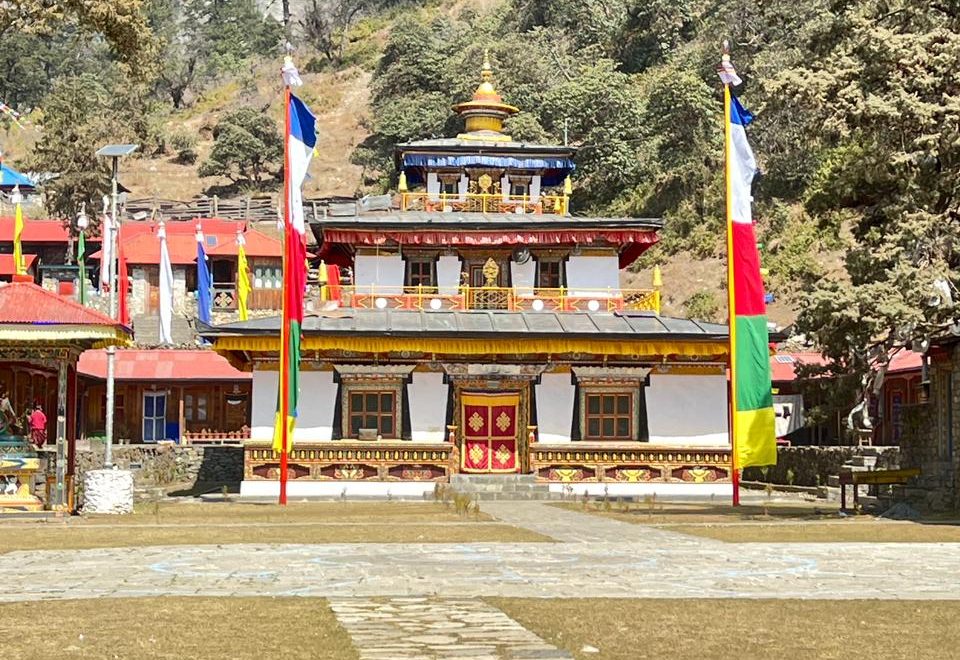
Serang Gompa Trek in Nepal: A Remote Buddhist Monastery Trek in the Manaslu Region
The Serang Gompa Trek is one of the most remote and culturally immersive trekking experiences in the Manaslu region of Nepal. Located deep inside the sacred Nubri Valley, this hidden monastery trek takes travelers away from the busy main Manaslu Circuit Trek route into a peaceful Himalayan valley where ancient Tibetan Buddhist traditions still shape everyday life. Trust our Manaslu trekking company for expert guidance on every Manaslu adventure.
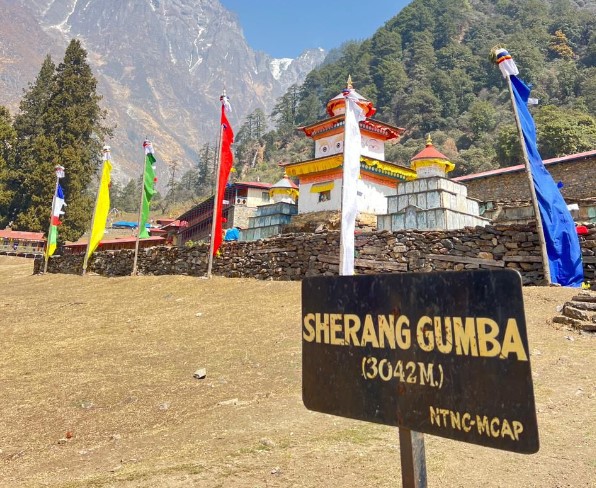
Unlike standard teahouse treks in Nepal, the Serang Monastery Trek offers a rare overnight stay inside an active Buddhist monastery at approximately 3,100 meters. Trekkers sleep in simple monastery accommodation, attend early morning prayer ceremonies before sunrise, drink traditional butter tea with monks, and experience authentic Himalayan monastery life far from modern tourism.
Serang Gompa is located inside the spiritually important Kyimolung Beyul, also known as the Hidden Valley of Happiness. According to Tibetan Buddhist belief, this sacred hidden valley was blessed by Guru Rinpoche centuries ago as a spiritual refuge for Buddhist practitioners. The monastery itself has remained an important center of Tibetan Buddhist learning and meditation for more than 500 years.
The trek can be completed as a standalone cultural trekking route in around 7 to 10 days or combined with the full Manaslu Circuit Trek itinerary for travelers wanting both Himalayan scenery and deep cultural immersion. Compared to Everest Base Camp or Annapurna, the Serang Gompa route remains extremely quiet, with fewer trekkers visiting each year, helping preserve its peaceful atmosphere and authentic mountain culture.
The Serang Gompa Trek Nepal is best suited for trekkers who value spiritual experiences, remote trails, monastery culture, and meaningful interaction with local Buddhist communities rather than luxury facilities or crowded trekking routes. The trail includes steep ascents, basic accommodation, limited electricity, no reliable WiFi, and genuine remoteness, but the reward is access to one of the most authentic monastery trekking experiences in the Himalayas.
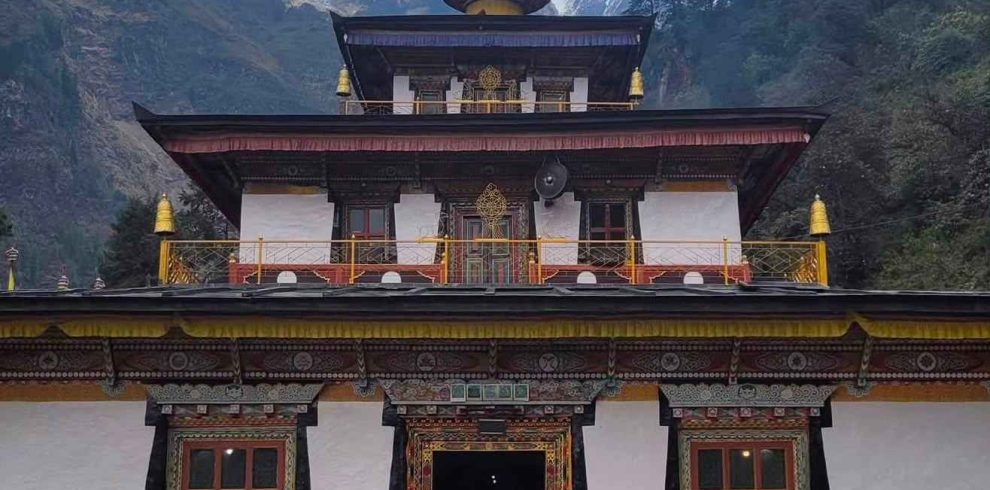
The Serang Gompa Trek is a cultural and nature-focused trekking route in the Nubri Valley of Nepal's Manaslu region. The…
The Serang Gompa Trek is a cultural and nature-focused trekking route in the Nubri Valley of Nepal's Manaslu region. The…
Planning the Serang Gompa Trek and need help with permits, route, or itinerary?
WhatsApp us Email usKey Reasons to Do the Serang Gompa Trek
Deep Cultural and Spiritual Immersion
Serang Gompa, located at around 3,100 meters, is one of the most important active Buddhist monasteries in the Nubri Valley of the Manaslu region. Trekkers can stay inside the monastery and experience the daily life of monks and nuns, including Buddhist chants, prayer ceremonies, meditation practices, and traditional Himalayan monastery culture.
An Off the Beaten Path Himalayan Experience
Unlike the crowded Everest Base Camp Trek or Annapurna Circuit Trek, the Serang Gompa Trek takes you into a peaceful and remote valley away from commercial trekking routes. The trail offers quiet forests, isolated villages, and a more authentic Himalayan trekking experience.
Explore the Hidden Valley of Happiness
The Kyimolung valley is considered a sacred beyul or hidden spiritual valley blessed by Guru Rinpoche according to Tibetan Buddhist belief. The peaceful atmosphere and untouched surroundings make this trek spiritually meaningful for many travelers.
Spectacular Himalayan Scenery
The Serang Gompa Trek offers beautiful mountain landscapes, waterfalls, forests, traditional Tibetan villages, and incredible viewpoints toward the north face of Mount Manaslu from nearby meditation caves.
Perfect for Trekkers Seeking Isolation and Peace
This trek is ideal for travelers who prefer quiet mountain trails, remote villages, and spiritual environments instead of busy trekking routes filled with large groups.
Ideal for Culturally Focused Trekkers
The Serang Gompa Trek is highly recommended for trekkers interested in Tibetan Buddhism, monastery life, Himalayan spirituality, meditation culture, and traditional mountain communities.
Best for Experienced or Flexible Trekkers
The route is suitable for trekkers comfortable with simple accommodation, basic facilities, and remote trekking conditions. It is also a great choice for travelers who want a deeper cultural experience beyond Nepal’s commercial trekking routes.
Who May Not Find the Serang Gompa Trek Ideal
First Time Trekkers in Nepal
Trekkers visiting Nepal for the first time may find routes like the Langtang Valley Trek or Ghorepani Poon Hill Trek easier before attempting remote monastery treks like Serang Gompa.
Travelers Looking for High Pass Adventure
The Serang Gompa Trek focuses more on culture, spirituality, and remote Himalayan life rather than crossing technical or very high altitude passes above 5,000 meters.
Trekkers Expecting Luxury Facilities
Accommodation is simple with limited electricity, no reliable WiFi, and basic monastery living conditions. Travelers expecting luxury services may find the trek challenging.
Large Trekking Groups
Monastery accommodation is limited, making the Serang Gompa Trek better suited for solo trekkers, couples, and small private groups.
Why Choose the Serang Gompa Trek Over the Standard Manaslu Circuit?
The Real Difference
Most Manaslu Circuit trekkers walk from Deng straight to Ghap, missing the entire Nubri Valley side trail. You’ll diverge at Bihi village (also called Krack), ascending steeply through rhododendron forest to reach settlements that see more yaks than tourists. This is the trade-off: you skip the Larkya La Pass (5,160m) but gain access to cultural depth that the main circuit simply rushes past.
Key distinctions:
- Cultural depth over altitude challenge – No 5,000m+ pass, but genuine monastery immersion
- Fewer trekkers – Serang Gompa sees roughly 1/100th the traffic of Larkya La
- Shayagya tradition access – You’re trekking through a declared ahimsa (non-violence) zone where hunting has been banned since 1920
- Flexible routing – Return the same way (loop via Tsum Valley if combining), or continue to join the main circuit at Lho
- Monastery stay included – Not a teahouse near a monastery, but sleeping inside the gompa itself
Planning the Serang Gompa Trek and need help with permits, route, or itinerary?
WhatsApp us Email usHighlights of Sereng Gompa Trek
- Overnight monastery stay at 3,100m inside Serang Gompa’s simple quarters
- Morning puja participation – attend prayers at 5:30 AM with resident monks
- Kyimolung Beyul – trek through the prophesied Hidden Valley of Happiness
- Shayagya wildlife sanctuary – walk through Nepal’s oldest community-protected ahimsa zone
- Pungyen Gompa visit – an ancient monastery with meditation caves used by Milarepa
- Nubri Valley culture – genuine interaction with Tibetan-influenced communities in Bihi, Prok, and Lho
- Birendra Tal side trip – turquoise glacial lake beneath Manaslu’s north face
- Limited trekker traffic – average 3-4 trekkers per week during peak season
- Yak caravans – regular sightings of traditional salt trade routes still in use
- Blue sheep habitat – one of the best areas in Manaslu for wildlife spotting
- Mani wall trails – kilometres of carved prayer stones marking the sacred landscape
- Traditional Tibetan villages – stone houses, water-driven prayer wheels, barley terraces
Shayagya Tradition and the Sacred Non Violence Zone on the Serang Gompa Trek
One of the most unique cultural aspects of the Serang Gompa Trek is the ancient Shayagya tradition practiced throughout the Kyimolung valley. This Himalayan valley is considered an Ahimsa or non violence zone where local Buddhist communities have protected nature and living beings for generations.
Since around 1920, strict local spiritual rules have been followed in this sacred valley. Hunting, trapping animals, harming wildlife, setting forest fires, and collecting wild honey are traditionally forbidden. Even killing insects is discouraged whenever possible.
Trekkers visiting Serang Gompa are expected to respect these local traditions carefully. The peaceful atmosphere of the valley is deeply connected to Tibetan Buddhist beliefs about compassion, karma, and harmony with nature.
Kyimolung Beyul The Hidden Valley of Happiness on the Serang Gompa Trek
The Serang Gompa region is not only beautiful but also spiritually important in Himalayan Buddhism. The valley is traditionally known as Kyimolung Beyul, meaning The Hidden Valley of Happiness.
According to Tibetan Buddhist belief, Guru Rinpoche also known as Padmasambhava blessed and prophesied this hidden valley during the eighth century. Beyuls are sacred hidden valleys believed to serve as spiritual refuges for Buddhist practitioners during difficult times.
Because of this spiritual significance, many monks, nuns, meditators, and pilgrims continue to visit the region for meditation, retreat, and religious study.
Serang Gompa Trek Accommodation and Monastery Stay
Accommodation during the Serang Gompa Trek is simple, traditional, and very different from the teahouses found on the main Manaslu Circuit Trek.
The monastery serves as an important Buddhist Shedra or scripture college connected to surrounding monasteries in the Nubri region. Many monks and nuns study Buddhist philosophy, rituals, and Tibetan scriptures here throughout the year.
Trekkers usually stay in shared dormitory style monastery rooms with basic wooden sleeping platforms. Blankets may be available, but temperatures can become extremely cold at night, especially during autumn and winter.
A warm sleeping bag is strongly recommended because heating facilities are limited at the monastery.
Communication, Power, and Digital Disconnect on the Serang Gompa Trek
Unlike the main Manaslu Circuit trail, the Serang Gompa Trek remains very remote with limited communication facilities and basic infrastructure.
Mobile network coverage is weak or completely unavailable near the monastery, and there is usually no WiFi connection available for trekkers.
Electricity mainly depends on small solar systems, so charging phones, cameras, and power banks may be limited depending on weather conditions.
Trekkers should fully charge important devices before leaving the main Manaslu trail at Bihi village and inform family members in advance that they may remain off grid for two to three days.
Meditation Caves on the Serang Gompa Trek
One of the most rewarding side trips near Serang Gompa is the short hike to the ancient meditation caves located uphill from the monastery.
These caves can usually be reached within thirty minutes to one hour depending on pace and trail conditions. The caves are believed to have been used by respected Buddhist masters and local lamas for meditation retreats for centuries.
Local stories also connect the area with the famous Tibetan yogi Jetsun Milarepa. Besides their spiritual importance, the caves offer beautiful panoramic views of the surrounding Himalayan landscape and the north face of Mount Manaslu.
Emergency Medical and Safety Information for the Serang Gompa Trek
The Serang Gompa Trek is remote and physically demanding compared to many standard teahouse treks in Nepal.
The trail from Bihi to Serang Gompa involves a steep ascent of approximately nine hundred seventy meters in a single day. Proper acclimatization, hydration, and pacing are important during this section.
Once leaving the main Manaslu trail at Bihi village, there are no medical clinics, pharmacies, or health posts near the monastery area.
Trekkers should carry a personal first aid kit, water purification system, important medications, and travel insurance covering helicopter evacuation in remote Himalayan regions.
Hiring an experienced local guide for the Serang Gompa Trek is strongly recommended because trail conditions and monastery logistics can change depending on the season.
Trek Itinerary Options
Option 1: Serang Gompa Direct Return (9 Days)
Best for: First-time Manaslu visitors wanting monastery focus without Larkya La commitment
| Day | Route | Elevation | Duration | Accommodation |
|---|---|---|---|---|
| 1 | Kathmandu to Soti Khola | 730m | 8-9 hrs drive | Lodge |
| 2 | Soti Khola to Machha Khola | 930m | 6-7 hrs | Teahouse |
| 3 | Machha Khola to Jagat | 1,340m | 6-7 hrs | Teahouse |
| 4 | Jagat to Bihi (Krack) | 2,130m | 5-6 hrs | Teahouse |
| 5 | Bihi to Serang Gompa | 3,100m | 5-6 hrs | Monastery |
| 6 | Serang Gompa exploration & return to Bihi | 2,130m | 5-6 hrs | Teahouse |
| 7 | Bihi to Deng | 1,804m | 4-5 hrs | Teahouse |
| 8 | Deng to Soti Khola | 730m | 7-8 hrs | Lodge |
| 9 | Soti Khola to Kathmandu | – | 8-9 hrs drive | – |
Planning the Serang Gompa Trek and need help with permits, route, or itinerary?
WhatsApp us Email us
The Serang Gompa Trek is a cultural and nature-focused trekking route in the Nubri Valley of Nepal's Manaslu region. The…
The Serang Gompa Trek is a cultural and nature-focused trekking route in the Nubri Valley of Nepal's Manaslu region. The…
Option 2: Serang Gompa with Circuit Extension (16 Days)
Best for: Experienced trekkers wanting both cultural depth and Larkya La pass
16 Days Manaslu Circuit Trek with Serang Gompa – Detailed Itinerary
Option 3: Serang Gompa with Tsum Valley Loop (18 Days)
Option 3: Serang Gompa with Tsum Valley Loop (18 Days)
This extended itinerary combines the Manaslu Circuit with a full exploration of the remote Tsum Valley and a peaceful visit to Serang Gompa. It is ideal for trekkers who want deeper cultural experience, less crowded trails, and more acclimatization time.
Best for: Those with 3+ weeks wanting maximum cultural immersion
9 Days Serang Gompa Trek Itineray
Day 1: Kathmandu to Soti Khola (730m) – 8-9 hours drive
Early morning departure (6:30-7:00 AM) from Kathmandu on a tourist bus or local bus. The route follows the Prithvi Highway to Dhading Bensi, then branches north through Arughat. Road conditions deteriorate significantly after Arughat—expect dust, potholes, and switchbacks. The final section to Soti Khola follows the Budhi Gandaki River through terraced hillsides. Arrive late afternoon.
Overnight: Basic lodge in Soti Khola
Day 2: Soti Khola to Machha Khola (930m) – 6-7 hours
The trail officially enters the Manaslu Conservation Area. You’ll cross multiple suspension bridges, pass through Lapubesi and Khorla Besi villages, and walk alongside the Budhi Gandaki’s powerful current. Several short but steep ups and downs as the trail cuts into the gorge walls. Machha Khola means “Fish River”—locals still fish here despite conservation restrictions.
Trail notes: Slippery sections after rain; narrow paths with cliff drops; porter traffic increases.
Overnight: Teahouse, Machha Khola
Day 3: Machha Khola to Jagat (1,340m) – 6-7 hours
Cross the Tharo Khola, pass through Khorlabesi, and ascend to Tatopani (hot springs available for small fee). Continue through Dobhan and Tharo Bharyang before the final climb to Jagat. This village marks the official checkpoint for permit inspection—have your Manaslu RAP and MCAP ready.
Altitude note: Noticeable temperature drop from valley floor; carry layers.
Overnight: Teahouse, Jagat
Day 4: Jagat to Bihi/Krack (2,130m) – 5-6 hours
Trek through Philim (large Gurung village), then Deng. At Deng, most circuit trekkers continue straight toward Namrung. You’ll take the left fork toward Bihi, also known locally as Krack. The trail narrows considerably—you’re now on the Serang Gompa route with minimal foot traffic. Steep sections through pine forest, occasional yak trains carrying supplies to upper Nubri villages.
Cultural shift: Notice increased Tibetan influence—chortens, prayer flags, mani walls become prominent.
Overnight: Simple teahouse, Bihi (only 2-3 lodges available)
Planning the Serang Gompa Trek and need help with permits, route, or itinerary?
WhatsApp us Email us
The Serang Gompa Trek is a cultural and nature-focused trekking route in the Nubri Valley of Nepal's Manaslu region. The…
Day 5: Bihi to Serang Gompa (3,100m) – 5-6 hours
This is the demanding day. Elevation gain of nearly 1,000m through continuous ascent. The trail climbs steeply through rhododendron and juniper forest, crossing several streams. Pass through Kogpa (tiny settlement), then continue upward. Final approach reveals the monastery complex perched on a hillside with Manaslu’s north ridge visible.
Arrive by mid-afternoon. The monastery caretaker or resident monk will show you to dormitory quarters. Basic accommodation—foam mattresses on wooden platforms, shared bathrooms (squat toilets), no showers. Evening puja (prayer session) around 5:30 PM if you wish to observe.
What to bring: Sleeping bag (monastery provides thin blankets but insufficient for night temperatures around 0-5°C), headlamp, warm clothes.
Overnight: Monastery dormitory, Serang Gompa
Day 6: Serang Gompa Exploration & Descent to Bihi (2,130m) – 5-6 hours
Wake before dawn (5:00 AM) to attend morning puja if interested—this is the main prayer session with all resident monks (approximately 30-40 monks currently reside here). Butter lamp offerings, chanting, ritual instruments. After breakfast (simple tsampa porridge or Tibetan bread with butter tea), explore the monastery grounds.
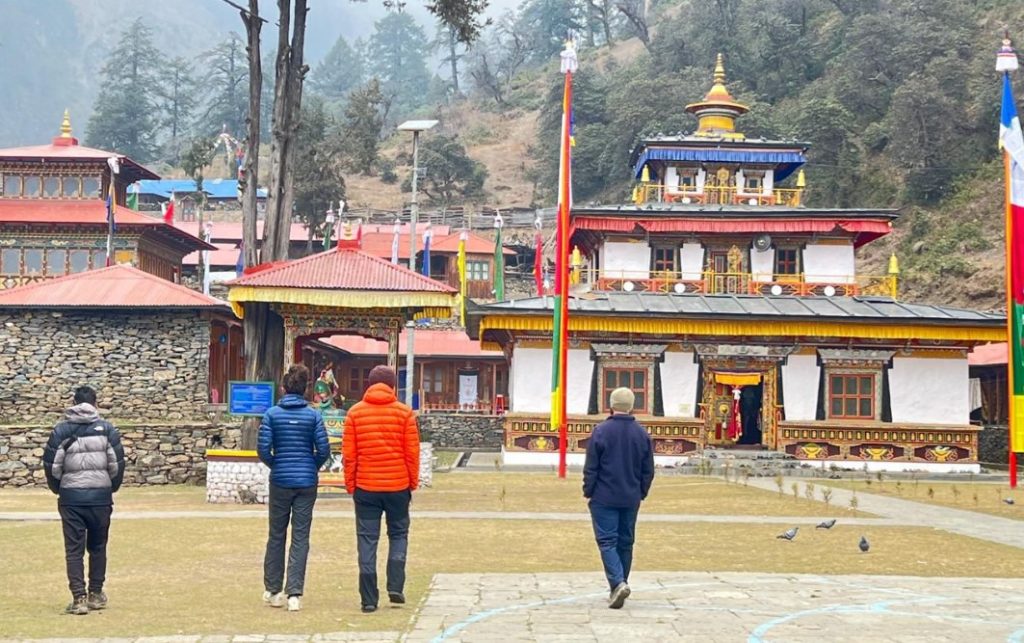
Key sites:
- Main prayer hall with ancient thangkas and statues
- Meditation caves approximately 30 minutes uphill (where historical lamas practiced)
- Viewpoint behind monastery for Manaslu North Face panorama
Depart after lunch, descending the same route back to Bihi. Downhill is faster but hard on knees—trekking poles recommended.
Overnight: Teahouse, Bihi
Day 7: Bihi to Deng (1,804m) – 4-5 hours
Retrace yesterday’s route back to the main trail junction at Deng. Shorter day allows rest after monastery visit.
Overnight: Teahouse, Deng
Day 8: Deng to Soti Khola (730m) – 7-8 hours
Long descent day retracing your approach route through Jagat, Tatopani, and Machha Khola. Trail is familiar now, moves faster downhill. Arrive Soti Khola late afternoon.
Overnight: Lodge, Soti Khola
Day 9: Soti Khola to Kathmandu – 8-9 hours drive
Early morning departure (6:00-6:30 AM) to avoid afternoon traffic in Kathmandu. Same rough road back through Arughat, then smoother highway to capital. Arrive evening.
Trek Difficulty: Real Assessment
Physical Demands
Difficulty Rating: Moderate to Challenging
This isn’t an easy trek, but it’s significantly less demanding than the full Manaslu Circuit with Larkya La. Here’s what makes it challenging:
Elevation gain specifics:
- Day 5 (Bihi to Serang): 970m vertical gain over 5-6 hours
- Cumulative ascent over 9 days: ~3,500m
- Maximum altitude: 3,100m (lower than most Nepal treks)
Trail conditions:
- 60% well-defined trails
- 30% steep rocky sections requiring careful footing
- 10% exposed cliff-side paths (not technical but requires confidence)
- Post-monsoon: muddy, slippery patches; spring: dry but dusty
- Several river crossings on suspension bridges (can be unstable in wind)
Daily walking times:
- Average: 5-7 hours
- Range: 4-8 hours depending on pace and conditions
- Terrain: mix of gradual riverside paths and steep forested climbs
Altitude Considerations
At 3,100m maximum, altitude sickness risk is lower than classic Nepal treks (Annapurna Base Camp, Everest Base Camp, Langtang). However:
- Bihi (2,130m) to Serang (3,100m) is a significant single-day gain
- Some individuals still experience mild AMS symptoms (headache, sleep disruption)
- Proper acclimatization means spending 2 nights at Serang or taking a rest day at Bihi
Symptoms to watch:
- Persistent headache not relieved by paracetamol
- Nausea, loss of appetite
- Unusual fatigue or dizziness
Prevention:
- Drink 3-4 liters water daily
- Ascend slowly, especially Day 5
- Consider Diamox if you’re prone to AMS (consult doctor first)
Planning the Serang Gompa Trek and need help with permits, route, or itinerary?
WhatsApp us Email usFitness Requirements
Minimum preparation:
- Ability to hike 6-7 hours with daypack (5-7kg)
- Comfortable with multi-day consecutive trekking
- Some previous trekking experience (doesn’t need to be high altitude)
Ideal preparation (8 weeks before):
- 3-4 cardio sessions weekly (running, cycling, stair climbing)
- Weekend hikes with 8-10kg pack
- Core strengthening (planks, squats)
- Practice hiking uphill for 2+ hours continuously
Who Will Find the Serang Gompa Trek Difficult?
- First-time trekkers with no hiking background
- Those with knee problems (steep descents aggravate this)
- Anyone uncomfortable with basic accommodation (no showers, squat toilets)
- Travelers requiring daily WiFi/communication (spotty coverage beyond Jagat)
Who Will Find The Serang Gompa Trek Manageable
- Anyone who’s completed 3-4 day hikes in their home country
- Trekkers who’ve done Annapurna Base Camp, Poon Hill, Langtang
- Fit individuals over 50 (we regularly guide 55-70 year olds here)
- Beginners willing to train properly for 2 months beforehand
Best Time to Trek Serang Gompa
Peak Seasons (Recommended)
Autumn: October to November
- Weather: Stable, clear skies after monsoon clears
- Temperature: Daytime 12-18°C (valley), 5-10°C (Serang); Night 0-5°C (Serang)
- Visibility: Excellent mountain views, post-monsoon clarity
- Trail conditions: Dry trails, some residual mud in forested sections
- Crowds: Moderate on lower trail (Manaslu Circuit traffic), minimal above Bihi
- Festivals: Possible Losar (Tibetan New Year) monastery celebrations if timing aligns
Why October-November is best: Clear weather, stable temperatures, vibrant autumn colors in rhododendron forests (not blooming but foliage peaks).
Spring: March to April
- Weather: Warming temperatures, generally stable
- Temperature: Daytime 15-20°C (valley), 8-12°C (Serang); Night 3-8°C (Serang)
- Visibility: Good, though occasional pre-monsoon haze
- Trail conditions: Dry, dusty trails
- Crowds: Lower than autumn, very quiet above Bihi
- Flora: Rhododendron blooms at lower elevations (spectacular reds, pinks, whites)
Why March-April works: Warmer temperatures make monastery stay more comfortable; rhododendrons bloom; fewer trekkers.
Shoulder Seasons (Possible but Challenging)
Early Winter: December to February
- Pros: Crystal-clear skies, virtually no other trekkers, monastery atmosphere most authentic
- Cons: Freezing nights at Serang (-5 to -10°C), heavy snowfall possible (trail can close), limited lodge operations below Jagat
- Reality check: Only for experienced cold-weather trekkers with proper gear
- Monastery note: Heating minimal; bring 4-season sleeping bag
Pre-Monsoon: Late May
- Pros: Warm temperatures, wildflowers in full bloom
- Cons: Afternoon clouds obscure mountain views, increasing humidity, leeches in lower forests
- Reality check: Acceptable if you don’t prioritize mountain photography; heat makes lower trail sections uncomfortable
Avoid: Monsoon (June to September)
- Heavy rainfall makes trails dangerously slippery
- Landslide risk on road to Soti Khola
- Leeches prevalent below 2,000m
- Cloud cover eliminates mountain views
- Some teahouses close due to lack of trekkers
- Not recommended even for experienced trekkers
Month-by-Month Breakdown
| Month | Conditions | Recommendation |
|---|---|---|
| January | Very cold, possible snow closures | Only experienced winter trekkers |
| February | Cold but clearing, fewer trekkers | Possible with proper gear |
| March | Warming, stable weather begins | Recommended |
| April | Warm, rhododendrons bloom | Highly recommended |
| May | Hot at lower elevations, pre-monsoon clouds | Acceptable early month |
| June-Sept | Monsoon rains, landslides | Avoid |
| October | Post-monsoon clarity, peak season | Highly recommended |
| November | Excellent weather, colder nights | Highly recommended |
| December | Cold, decreasing trekkers | Possible for experienced |
Permits Required
The Serang Gompa Trek requires three separate permits because you’re entering a restricted area within conservation zones. Unlike standard Nepal treks where you can self-organize, the Manaslu region requires you to book through a registered trekking agency with a licensed guide.
1. Manaslu Restricted Area Permit (RAP)
Purpose: Controls access to the sensitive border region near Tibet
Cost (2025-2026):
- September-November: USD 100 for first 7 days, then USD 15/day
- December-August: USD 75 for first 7 days, then USD 10/day
Validity: Covers the restricted Manaslu region including Nubri Valley and Serang Gompa
Processing: Only issued through registered trekking agencies in Kathmandu; requires minimum 2 trekkers (solo trekkers must join a group or pay for guide)
Requirements:
- Valid passport copy
- 2 passport-size photos
- Travel insurance certificate
- Agency booking confirmation
Our service: We handle all RAP applications—processing takes 1-2 business days in Kathmandu
2. Manaslu Conservation Area Permit (MCAP)
Purpose: Conservation fee supporting local communities and wildlife protection
Cost: NPR 3,000 (approximately USD 23-25)
Validity: No day limit; covers entire Manaslu Conservation Area
Checkpoint: First checked at Jagat; keep it accessible throughout trek
Requirements:
- Passport copy
- 2 passport photos
Our service: We obtain this simultaneously with RAP
3. Annapurna Conservation Area Permit (ACAP)
Note: Only required if you’re doing the circuit extension (Option 2 itinerary). Not needed for direct return Serang Gompa trek.
Purpose: You enter ACAP jurisdiction after crossing Larkya La Pass toward Dharapani
Cost: NPR 3,000 (approximately USD 23-25)
Our service: Included for circuit extension packages
Additional Fee: Chum Nubri Rural Municipality Entry
Cost: NPR 1,000 (approximately USD 7-8)
Collected at: Jagat checkpoint (cash only)
Purpose: Local infrastructure development
Note: This is separate from permits above; bring cash for this
Total Permit Cost Summary of Manaslu Serang Gompa Trek
Serang Gompa Direct Return (9 days):
- RAP: USD 100 (autumn) or USD 75 (other seasons)
- MCAP: USD 25
- Local fee: USD 8
- Total: ~USD 133-158
With Circuit Extension (16 days):
- RAP: USD 100 + USD 135 (9 extra days) = USD 235 (autumn)
- MCAP: USD 25
- ACAP: USD 25
- Local fee: USD 8
- Total: ~USD 293
Planning the Serang Gompa Trek and need help with permits, route, or itinerary?
WhatsApp us Email usImportant Permit Rules Serang Gompa With Manaslu Trek
Guide requirement:
The Manaslu Restricted Area Permit (RAP) requires trekkers to go through a registered trekking agency with a licensed guide. Independent trekking without a guide is still not allowed.
Minimum group size:
Previously, a minimum of 2 trekkers was required.
However, solo trekkers can now obtain permits through an agency and trek with a licensed guide without needing to join another group.
Permit checkpoints:
Permits are checked at several points along the trail, mainly:
- Jagat (main entry checkpoint)
- Philim
- Dharamsala / Larkya Phedi
- Samdo (for specific route checks)
If you exit via the Annapurna side, checks may continue in the Annapurna Conservation Area.
Validity dates:
The RAP is date-specific and based on your entry point (Jagat).
If your trek dates change, the permit must be corrected through the agency before entering the restricted area.
Copies:
Carry your original permits at all times.
It’s recommended to keep photocopies and a digital backup, as permits can get damaged during the trek.
Accommodation and Food
Teahouse Reality Check
Accommodation along the Serang Gompa route is basic to very basic. This isn’t the Annapurna Circuit with guest house WiFi and hot showers. Here’s what to actually expect:
Lower Trail (Soti Khola to Jagat)
Lodge type: Simple family-run teahouses
Rooms:
- Twin-sharing with two single beds (wooden frames, 4-inch foam mattresses)
- Thin walls (often plywood partitions)
- No heating
- Shared squat or Western toilets
- Cold water taps (hot water available for NPR 200-300 in bucket)
Common areas: Central dining room with benches around wood/kerosene stove (heat source for evening socializing)
Electricity: Sporadic; bring powerbank for devices
Bihi Village
Lodge availability: 2-3 very basic teahouses (not always all open)
Rooms:
- Similar to lower trail but more rustic
- Mattresses thinner, bedding older
- Shared facilities only
- No hot water availability
Food: Limited menu; dal bhat reliable, other items depend on supply
Note: This is the last proper teahouse before Serang Gompa
Serang Gompa Monastery Stay
This is the experience you came for—manage expectations accordingly.
Accommodation:
- Shared dormitory room (4-8 people per room)
- Wooden platform sleeping bases with thin foam pads
- Monastery provides wool blankets (bring sleeping bag; nights drop to 0-5°C)
- No heating (except small stove in common area)
- Shared squat toilet outside (cold, basic)
- No showers (some trekkers use wet wipes; locals don’t expect you to shower here)
Common area:
- Central room with stove (usually yak dung fuel)
- This is where you’ll have butter tea with monks
- Prayer hall accessible for observation (remove shoes, no photos during puja)
Atmosphere:
- Quiet, meditative (speak softly after 8 PM)
- Morning wake-up around 5:00 AM when puja begins (bells, drums, chanting)
- Respectful dress (cover shoulders and knees)
- Remove shoes before entering buildings
Cost: Monastery doesn’t charge fixed rate but expects donation (NPR 1,000-1,500 per person is appropriate; discuss with your guide)
Food on the Serang Gompa
Menu reality: Teahouse menus look extensive (20-30 items), but most aren’t actually available. Here’s what you’ll actually eat:
Reliable items:
- Dal bhat (rice, lentil soup, vegetable curry, pickle) – unlimited refills, available everywhere, best energy source
- Tibetan bread (fried flatbread) with jam or honey
- Porridge (oatmeal or tsampa)
- Fried rice or noodles (chow mein)
- Thukpa (noodle soup – excellent for cold days)
- Momo (dumplings) – quality varies wildly
- Potato dishes (hash browns, fries)
Items often “finished” (not available):
- Western breakfast (eggs sometimes available in lower villages)
- Pizza, pasta (theoretical menu items)
- Fresh vegetables beyond potatoes, cabbage, onions
Local specialties to try:
- Rikikur (potato pancakes with yak butter) – ask in Nubri villages
- Su chya (salt butter tea) – acquired taste, but culturally important
- Tsampa (roasted barley flour) mixed into tea or porridge
At Serang Gompa:
- Very simple monastery kitchen
- Expect tsampa porridge, Tibetan bread, potatoes, rice
- Butter tea served throughout day
- Bring energy bars/snacks for variety
Practical Food Advice
- Embrace dal bhat – locals say “dal bhat power, 24 hour” for good reason; unlimited refills provide sustained energy
- Order early – teahouses cook for groups sequentially; if you’re last to order, expect 60-90 minute wait
- Eat where you sleep – teahouse economics expect you to eat at the lodge where you’re staying (accommodation prices subsidized by food sales)
- Bring snacks – chocolate bars, energy bars, nuts for trail and monastery stay
- Boiled water – available at lodges (NPR 100-150 per liter); alternative to buying plastic bottles
- Dietary restrictions – vegetarian easy; vegan challenging (butter, ghee common); gluten-free very difficult (inform agency in advance)
Hygiene Notes
- Wash hands before eating (hand sanitizer essential)
- Avoid raw vegetables above Jagat
- Stick to hot, freshly cooked food
- Purify/boil all drinking water
- Western toilets rare above Bihi; bring toilet paper, hand sanitizer
Cost Breakdown
Package Pricing (Manaslu Treks and Expedition)
Serang Gompa Direct Return (9 Days):
- 2-3 pax: USD 850 per person
- 4-6 pax: USD 775 per person
- 7+ pax: USD 725 per person
With Circuit Extension (16 Days):
- 2-3 pax: USD 1,450 per person
- 4-6 pax: USD 1,325 per person
- 7+ pax: USD 1,250 per person
What’s Included
Transportation:
- Kathmandu to Soti Khola by tourist bus (or local bus option)
- Soti Khola to Kathmandu return
- Private vehicle airport transfers (arrival/departure)
Accommodation:
- 8 nights teahouse/lodge (twin-sharing)
- 1 night monastery dormitory at Serang Gompa
- Circuit extension adds 7 additional nights
Meals:
- 3 meals daily during trek (breakfast, lunch, dinner)
- Tea/coffee with meals (3 cups per day)
- Welcome/farewell dinner in Kathmandu
Staffing:
- Government-licensed Manaslu region trekking guide (English-speaking)
- Porter service (1 porter per 2 trekkers, carrying up to 20kg combined)
- Guide and porter salaries, meals, accommodation, insurance, equipment
Permits & Fees:
- Manaslu Restricted Area Permit (RAP)
- Manaslu Conservation Area Permit (MCAP)
- Annapurna Conservation Area Permit (ACAP) if doing circuit extension
- TIMS card
- Chum Nubri rural municipality fee
Equipment:
- Down jacket (loan for trek duration)
- Sleeping bag rated to -10°C (loan)
- Duffel bag for porter-carried gear (yours to keep)
- Company t-shirt and trekking map
Support:
- Pre-trek briefing in Kathmandu (itinerary, permits, packing review)
- First aid kit carried by guide
- Oximeter for altitude monitoring
- 24/7 emergency support (phone/WhatsApp)
Logistics:
- All government taxes
- Trekking completion certificate
What’s NOT Included
Visa:
- Nepal visa on arrival (USD 30/50/125 for 15/30/90 days)
International Flights:
- Your airfare to/from Kathmandu
Travel Insurance:
- Mandatory comprehensive policy covering trekking to 5,200m and helicopter evacuation (if doing circuit extension)
- For direct Serang trek: coverage to 3,500m minimum
Personal Expenses:
- Hot showers (NPR 200-400 per shower where available)
- WiFi (NPR 300-500 per day where available – unreliable above Jagat)
- Battery charging (NPR 200-400 per device)
- Bottled drinks, alcohol, snacks beyond meals
- Laundry
- Personal trekking equipment (see packing list)
Tips:
- Guide: USD 8-12 per day (customary)
- Porter: USD 8-10 per day (customary)
Emergency Costs:
- Helicopter rescue (if needed – insurance should cover)
- Medical treatment
- Extra nights if delayed by weather/illness
Optional Upgrades:
- Private jeep Kathmandu-Soti Khola (USD 200 one-way)
- Single room supplement (USD 200-250 total – not available at monastery)
- Extra porter for lighter personal load (USD 20 per day)
Independent Trekking Cost Estimate
For comparison: if you could trek independently (you can’t – RAP requires agency), costs would be:
- Permits: USD 133-158
- Accommodation: USD 3-8 per night
- Meals: USD 15-25 per day
- Guide (required): USD 25-30 per day
- Porter (optional): USD 20 per day
- Transportation: USD 15-20 each way
Reality: Total independent cost would be USD 600-750, but you save time, stress, and logistics headaches by booking a package.
Hidden Costs to Budget For
- Tips: USD 200-250 total (for 2-person group on 9-day trek)
- Hot drinks/snacks on trail: USD 50-80
- Battery charging: USD 20-30
- Hot showers: USD 30-50 (if you take them)
- Monastery donation: USD 10-15
- Emergency buffer: USD 200-300
Realistic total budget: Package price + USD 500-600 for all extras
Route Explanation & Alternatives
Starting Point Options
Option A: Soti Khola Start (Standard)
- Bus from Kathmandu: 8-9 hours, USD 10-15
- Road conditions: Poor after Arughat, dusty, bumpy
- Advantage: Cheaper, authentic local experience
- Disadvantage: Uncomfortable ride, frequent stops
Option B: Machha Khola Start (Private Jeep)
- Private jeep from Kathmandu: 9-10 hours, USD 200-250
- Saves 1 trekking day by starting higher
- Advantage: More comfortable, flexible timing
- Disadvantage: Higher cost, still rough roads
The Core Route: Soti Khola to Serang Gompa
Trail character changes as you ascend:
Lower Section (Soti Khola to Jagat):
- River valley trekking alongside Budhi Gandaki
- Subtropical vegetation (banana trees, terraced rice)
- Gurung and Magar villages
- Frequent suspension bridges
- Well-trafficked trail (shared with main circuit trekkers)
Middle Section (Jagat to Bihi):
- Elevation gain increases
- Pine and rhododendron forests
- Tibetan cultural influence grows (chortens, mani walls)
- Trail narrows after Deng
- Branching point at Deng: most trekkers go straight to Ghap; you turn left to Bihi
Upper Section (Bihi to Serang Gompa):
- Steep forest climb through rhododendron, juniper, bamboo
- Very quiet trail (few trekkers)
- Nubri Valley opens up
- Traditional stone villages (Kogpa)
- Final approach reveals monastery complex
- Manaslu North Face becomes visible
Return Options
Option 1: Retrace Your Steps (9-Day Itinerary)
- Descend same route Serang → Bihi → Jagat → Soti Khola
- Advantage: Familiar trail, no new permits, shorter overall
- Disadvantage: Less variety, repeat scenery
Option 2: Loop via Main Circuit (16-Day Itinerary)
- Serang → Ghap → Lho → Samagaun → Larkya La → Dharapani
- Advantage: Complete circuit experience, Larkya La pass, varied scenery
- Disadvantage: Requires ACAP permit, more challenging, longer commitment
Option 3: Tsum Valley Extension (18-Day Custom)
- Approach via Tsum Valley, cross to Serang, exit via main circuit
- Advantage: Maximum cultural immersion, two hidden valleys
- Disadvantage: Requires Tsum Valley permit, significant time commitment
- Contact us for custom itinerary
Navigation Notes
- Trail is well-marked from Soti Khola to Bihi (stone cairns, painted markers)
- Bihi to Serang has fewer trekkers but trail is clear
- Guide highly recommended (required for RAP anyway) – trail finding at river crossings can be confusing
- No risk of getting lost in dangerous terrain, but easy to take wrong fork at villages
- Cell service ends around Jagat; offline maps essential (maps.me works well)
Planning the Serang Gompa Trek and need help with permits, route, or itinerary?
WhatsApp us Email usAltitude Profile & Acclimatization In Serang Gompa Trekking
Elevation Progression (9-Day Itinerary)
| Day | Location | Elevation | Night Gain | Cumulative |
|---|---|---|---|---|
| 1 | Soti Khola | 730m | – | – |
| 2 | Machha Khola | 930m | +200m | +200m |
| 3 | Jagat | 1,340m | +410m | +610m |
| 4 | Bihi | 2,130m | +790m | +1,400m |
| 5 | Serang Gompa | 3,100m | +970m | +2,370m |
| 6 | Bihi (return) | 2,130m | -970m | +1,400m |
| 7 | Deng | 1,804m | -326m | +1,074m |
| 8 | Soti Khola | 730m | -1,074m | 0m |
Altitude Sickness Risk Assessment
Overall risk level: Low to Moderate
Why risk is lower than most Nepal treks:
- Maximum altitude only 3,100m (vs. 4,000-5,500m on popular routes)
- Gradual ascent over 5 days to reach Serang
- No single day exceeds 1,000m gain until Day 5
Why Day 5 requires caution:
- Bihi (2,130m) to Serang (3,100m) = 970m gain in one day
- Exceeds the recommended 500m daily gain above 3,000m
- Some trekkers experience mild AMS symptoms
Acclimatization Strategies Serang Gompa Trek
Built into standard itinerary:
- Gradual 5-day ascent to 3,100m
- 2 nights at Jagat (1,340m) helps baseline adjustment
- 1 night at Bihi (2,130m) before big Day 5 push
Optional modifications for sensitive individuals:
- Add rest day at Bihi before ascending to Serang
- Spend 2 nights at Serang Gompa instead of 1 (allows day hike to higher viewpoint for active acclimatization)
- Descend if symptoms develop (Serang to Bihi is only 5-6 hours down)
Active acclimatization at Serang:
- Day hike to meditation caves above monastery (3,400m)
- Hike to Pungyen Gompa side trail (3,200m)
- Short explorations gain altitude during day, return to 3,100m for sleep (“climb high, sleep low”)
Recognizing Altitude Sickness
Mild AMS (common, manageable):
- Headache (especially at night)
- Mild nausea
- Loss of appetite
- Difficulty sleeping
- Slight dizziness
Action: Rest, hydrate (3-4L water), take paracetamol, monitor. Usually resolves within 24 hours.
Moderate AMS (requires attention):
- Severe headache not relieved by medication
- Vomiting
- Extreme fatigue
- Shortness of breath at rest
Action: Stop ascending, descend if symptoms persist after 24 hours. Serang to Bihi descent usually resolves symptoms.
Severe AMS – HACE/HAPE (rare at 3,100m, but possible):
- Confusion, inability to walk straight line
- Severe breathing difficulty lying down
- Coughing up pink/frothy fluid
- Loss of consciousness
Action: Immediate descent. Helicopter evacuation if unable to descend on foot. This is why insurance with heli evacuation coverage is mandatory.
Prevention Tips
- Hydration: 3-4 liters water daily (your urine should be clear/pale yellow)
- Pace: Walk slowly, especially Day 5 ascent; “pole pole” (Swahili for “slowly slowly”)
- Avoid alcohol 48 hours before and at altitude
- Carbohydrate diet: Rice, potatoes, bread metabolize more efficiently at altitude
- Diamox (Acetazolamide): Consider if you’re prone to AMS (consult doctor before trek; typical dose 125mg twice daily starting 24 hours before ascent)
- Sleep position: Slightly elevated head (extra pillow/stuff sack under mattress)
- Don’t push through symptoms: Inform guide immediately if you feel unwell
Packing List: Serang Gompa Specific
Provided by Us (No Need to Bring)
- Down jacket (-10°C rated)
- Sleeping bag (-10°C rated)
- Duffel bag for porter-carried gear
- Trekking map
Essential Trekking Gear
Footwear:
- Broken-in waterproof hiking boots (ankle support essential)
- Camp shoes/sandals for teahouses (Crocs-style)
- 3-4 pairs wool/synthetic hiking socks
- Gaiters (optional, useful in monsoon fringe season)
Clothing Layers:
- Moisture-wicking base layers (2 sets – synthetic or merino wool)
- Insulating mid-layer (fleece or down vest)
- Waterproof/windproof shell jacket
- Waterproof pants (even in dry season – sudden weather)
- Trekking pants (2 pairs, quick-dry)
- Thermal underwear (for nights at Serang)
- Warm hat covering ears
- Sun hat/cap
- Buff/neck gaiter
- Gloves (lightweight for day, warm for evenings)
- Underwear (5-6 sets, quick-dry)
Backpack:
- Daypack 25-35L (you carry: water, snacks, layers, camera, valuables)
- Porter carries main duffel with clothes, sleeping bag, etc.
Trekking Poles:
- Highly recommended (collapsible, especially for steep Day 5 ascent and descents)
Monastery Stay Essentials
- Sleeping bag liner (adds warmth, hygiene – monastery blankets are shared)
- Headlamp with extra batteries (morning puja is pre-dawn; toilets outside)
- Wet wipes (no showers at monastery; these are your “shower”)
- Hand sanitizer (monastery facilities basic)
- Warm sleeping clothes (thermal layers, wool socks – nights 0-5°C)
- Earplugs (shared dormitory, early morning bells/drums)
- Respectful clothing for monastery (long pants/skirt covering knees, shirt covering shoulders – cultural requirement)
Health & Hygiene
- Personal first aid kit: (bandaids, blister treatment, pain relief, altitude sickness medication if prescribed, personal medications)
- Water purification: tablets (Aquatabs) or filter (Sawyer Squeeze) – boiled water available at lodges but purification backup useful
- Toilet paper (bring full roll; teahouses often run out)
- Sunscreen SPF 50+ (high altitude UV intense even in cool weather)
- Lip balm with SPF
- Toiletries: toothbrush, toothpaste, biodegradable soap, small towel
- Female hygiene products (bring full supply; not available on trail)
- Diamox (if prone to altitude sickness – consult doctor for prescription)
Electronics
- Phone with offline maps downloaded (maps.me)
- Powerbank (20,000mAh minimum – charging scarce/expensive above Jagat)
- Camera + extra batteries/memory cards
- Headlamp (critical – bring spare batteries)
- Universal adapter (Nepal uses Type C, D, M sockets)
- Charging cables (USB-C, lightning, etc.)
Note: Assume zero electricity at Serang Gompa; charge everything at Bihi before ascent.
Food & Water
- Water bottles: 2x 1L (wide-mouth easier to fill/purify)
- Thermos (optional but nice for hot drinks at Serang)
- Snacks: energy bars, chocolate, nuts, electrolyte powder (supplement teahouse meals)
Documents & Money
- Passport (original – required for permits)
- Passport photocopies (2 copies – backup)
- Passport photos (4 photos – for permits)
- Travel insurance certificate (print copy)
- Cash: USD for permits/tips + NPR for trail expenses (no ATMs beyond Kathmandu; bring ~USD 400-500 cash total)
- Credit card (backup, useful in Kathmandu only)
Optional Comfort Items
- Book/Kindle (monastery stay has downtime)
- Journal (Serang atmosphere inspires reflection)
- Playing cards (teahouse evening entertainment)
- Small gifts for monks (pencils, notebooks, batteries – appreciated but not expected)
What NOT to Bring
- Excessive clothing (laundry not available; quick-dry layers sufficient)
- Cotton clothing (takes forever to dry)
- Heavy books (Kindle better)
- Hairdryer, straightener (no electricity)
- Excessive toiletries (bring travel sizes)
- Jewelry/valuables (security risk, unnecessary)
Weight Limits
- Daypack you carry: 5-8kg
- Duffel porter carries: Max 10kg per person (if sharing porter with another trekker, 20kg total for 2 people)
- Total per person: 15-18kg maximum
Safety & Logistics
Guide Requirement (Non-Negotiable)
You cannot trek Serang Gompa independently. The Manaslu Restricted Area Permit (RAP) is only issued to:
- Registered trekking agencies
- Groups with licensed guide
- Minimum 2 trekkers (solo travelers must join group or pay solo supplement)
Why this matters:
- Safety: Guides trained in altitude sickness recognition, emergency protocols, helicopter evacuation coordination
- Navigation: Trail junctions at Bihi/Deng are confusing; guides prevent wrong turns
- Cultural mediation: Guides facilitate monastery interactions, explain etiquette, translate with monks
- Logistics: Guides book lodges ahead (critical at Bihi where only 2-3 operate), negotiate porter loads, handle permit checks
What makes a good Manaslu guide:
- 5+ years Manaslu region experience (not generic Nepal guides)
- Wilderness First Aid certification minimum (Wilderness First Responder ideal)
- Fluency in Nubri dialect (for Serang Gompa interactions)
- Cultural sensitivity training (monastery protocol)
- Satellite phone or GPS communicator for emergencies
Our guides:
- All born/raised in Gorkha or Manaslu region
- Average 8-12 years guiding experience
- English fluency (some also speak Japanese, French, German)
- Wilderness First Responder certified
- Carry comprehensive first aid kits + oximeters
Remoteness & Communication
Reality check: This is genuinely remote trekking. Here’s what that means:
Cell Phone Coverage:
- Kathmandu to Arughat: Full 4G
- Arughat to Machha Khola: Intermittent
- Jagat: Ncell coverage (spotty)
- Bihi to Serang Gompa: No coverage
WiFi:
- Soti Khola to Jagat: Available at some lodges (NPR 300-500/day, very slow)
- Bihi: Theoretical (rarely works)
- Serang Gompa: None
Emergency Communication:
- Guides carry satellite phones or GPS communicators (Garmin inReach)
- Helicopter evacuation possible from Bihi or Serang (weather permitting)
- Nearest hospital: Gorkha (4-5 hours drive from Soti Khola)
- Nearest hyperbaric chamber: Kathmandu (helicopter evacuation required from trail)
What this means for you:
- Inform family/friends you’ll be unreachable for 5-7 days (Bihi to Bihi)
- No daily WhatsApp check-ins possible
- Emergency contact: your agency’s 24/7 Kathmandu office number (given at briefing)
Weather-Related Risks
Landslides (Monsoon/Post-Monsoon):
- Road to Soti Khola vulnerable June-September
- Trail sections between Machha Khola-Jagat can wash out
- Always have buffer days in itinerary
Snowfall (Winter):
- Serang Gompa can receive snow December-February
- Trail from Bihi to Serang becomes slippery/dangerous
- Some lodges close if no trekker traffic
River Crossings:
- Budhi Gandaki swells during monsoon (bridges safe but intimidating)
- Flash flood risk at gorge sections (rare but possible)
- Guides monitor weather forecasts and adjust timing
Planning the Serang Gompa Trek and need help with permits, route, or itinerary?
WhatsApp us Email usMedical Facilities
On Trail:
- Jagat: Very basic health post (bandaids, basic medicines)
- No medical facilities beyond Jagat until you return
Our Medical Support:
- Guides trained in altitude sickness assessment (Lake Louise Score)
- Oximeters carried (monitor blood oxygen saturation)
- Comprehensive first aid kits (wound care, medications, splints)
- Evacuation protocols established (helicopter rescue coordination)
Common Issues We Treat:
- Blisters (preventable with proper footwear, early attention)
- Altitude headaches (hydration, paracetamol, monitoring)
- Digestive issues (hand hygiene, safe food choices)
- Minor sprains (trekking poles help prevent these)
Serious Emergencies:
- Helicopter evacuation from Bihi or Serang (weather-dependent)
- Cost: USD 3,000-5,000 (insurance must cover this)
- Evacuation time: 2-4 hours from emergency call (if weather clear)
Travel Insurance Requirements
Mandatory coverage:
- Medical treatment up to USD 100,000 minimum
- Helicopter evacuation from 3,500m altitude
- Repatriation to home country
- Trip cancellation/interruption
Recommended insurers familiar with Nepal:
- World Nomads (covers trekking to 6,000m)
- IMG Global
- Global Rescue (expensive but excellent evacuation service)
- True Traveller (UK-based)
Before purchasing, verify:
- Policy explicitly covers “trekking” or “hiking” in Nepal
- Altitude limit covers 3,500m minimum (5,500m if doing circuit extension)
- “Adventure sports” exclusion doesn’t apply to trekking
- Helicopter evacuation specifically mentioned
- 24/7 emergency assistance number
Submit to us before trek:
- Insurance certificate copy
- Emergency contact number for insurer
- Policy number
Porter Welfare
We follow International Porter Protection Group (IPPG) guidelines:
- Maximum porter load: 25kg including personal gear (we limit to 20kg)
- Porters provided: proper footwear, warm clothing, sleeping bags, meals, accommodation, insurance
- Equal treatment: porters eat same food, stay in same lodges as clients
- Medical care: guides monitor porter health; no one pressured to carry if unwell
- Fair wages: above-minimum porter rates, tip sharing encouraged
Your role:
- Pack efficiently (minimize duffel weight to 10kg per person)
- No adding items to porter load during trek (overloading is dangerous)
- Treat porters with respect (they’re professionals, not servants)
- Include porters in tip distribution (USD 8-10/day customary)
Serang Gopma Suitable For
Ideal Candidates
Experience Level:
- Have completed at least one multi-day trek before (even if not high altitude)
- Comfortable hiking 5-7 hours daily with daypack
- Willing to train 6-8 weeks before departure
Cultural Interest:
- Genuine curiosity about Tibetan Buddhism (not just box-checking)
- Respect for monastery protocol and traditions
- Patience for slow-paced cultural immersion
Comfort with Basics:
- Can manage without daily showers for 5-7 days
- Comfortable with squat toilets
- Don’t require WiFi or phone connectivity daily
- Accept basic food variety (dal bhat becomes repetitive but fuels well)
Personality Traits:
- Flexible when plans change (weather, trail conditions)
- Comfortable with solitude (very quiet trail above Bihi)
- Respectful of local customs and guide advice
- Not in a rush (this trek rewards slow, mindful pacing)
Age Range for Serang Gompa wtih Manslu Trek
Successfully guided:
- Youngest: 15 years (with physically fit parent)
- Oldest: 68 years (retired, regular hiker)
Sweet spot: 25-55 years
Considerations for 50+:
- Pre-existing knee issues? (steep descents are challenging)
- Regular hiking practice? (occasional weekend walks insufficient)
- Comfortable with basic facilities? (hot water, soft beds not guaranteed)
- Medical clearance recommended (especially if cardiovascular concerns)
Considerations for under 25:
- Solo young travelers welcome (many join our group departures)
- Student groups possible (minimum 4 persons)
- Good budget option vs. commercial treks
Serang Gompa trekking Not Suitable For
First-time trekkers with zero hiking experience:
- Recommend Poon Hill or shorter Annapurna treks first
- Build experience with 2-3 day treks before committing to this
Luxury travelers expecting:
- Daily hot showers
- Private rooms throughout (monastery is shared dormitory)
- Western toilets everywhere
- Extensive food menus
- WiFi and electricity
Those with medical contraindications:
- Uncontrolled heart conditions
- Severe asthma (altitude exacerbates this)
- Recent major surgeries (within 6 months)
- Pregnancy (altitude + remoteness = unsafe)
- Severe knee/joint issues (steep descents problematic)
Peak-baggers focused only on altitude:
- If you want 5,000m+ passes, do full Manaslu Circuit instead
- Serang Gompa is cultural depth over altitude challenge
Solo Trekker to Serang Gompa
Absolutely welcome. Options:
- Join scheduled group departure (meet companions, share costs)
- Private trek with solo supplement (USD 150-200 extra for guide exclusivity)
Solo female trekkers:
- Nepal is generally safe for women trekkers
- All our guides undergo gender sensitivity training
- Monastery dormitories are gender-separated or family-style (respectful environment)
- Many solo women have completed this trek with us
Serang Gompa Trek Group Sizes
Our group limits:
- Minimum: 1 person
- Maximum: 12 persons (maintains manageable group dynamics, less lodge impact)
- Average: 4-6 persons per departure
Private groups:
- Families, friends, corporate teams welcome
- Custom departure dates possible
- Itinerary modifications available (rest days, side trips)
Serang Gompa Trek FAQs
How difficult is the Serang Gompa Trek?
The Serang Gompa Trek is moderate to challenging, requiring 5–7 hours of daily hiking over 9 days. The most demanding day is the ascent from Bihi to Serang Gompa (around 970m elevation gain). The maximum altitude is 3,100m, which is lower than most high-altitude treks in Nepal, reducing the risk of altitude sickness. Previous multi-day trekking experience is recommended.
What permits are required for the Serang Gompa Trek?
You need three permits: the Manaslu Restricted Area Permit (RAP), the Manaslu Conservation Area Permit (MCAP), and a local entry fee. These permits must be arranged through a registered trekking agency, and a licensed guide is mandatory.
Can I trek to Serang Gompa independently?
No, independent trekking is not allowed in the Manaslu region. The Restricted Area Permit requires trekkers to travel with a registered agency and a licensed guide. This rule is strictly checked at entry points like Jagat.
What is the best time to trek Serang Gompa?
The best seasons are autumn (October to November) and spring (March to April). These months offer stable weather, clear mountain views, and comfortable trekking conditions. Monsoon season (June to September) is not recommended due to heavy rain and landslides.
What is included in the monastery stay at Serang Gompa?
The stay includes simple shared accommodation, basic meals, and the chance to observe morning prayers. Facilities are very basic with no heating, limited hygiene facilities, and shared toilets. A small donation is usually expected.
How much does the Serang Gompa Trek cost?
The 9-day trek typically costs between USD 725 to 850 per person depending on group size and services. This usually includes permits, guide, porter, meals, accommodation, and transport. Extra expenses should be budgeted separately.
Is altitude sickness a concern on this trek?
The risk is relatively low compared to other treks in Nepal, as the highest point is 3,100m. However, proper acclimatization, hydration, and a steady pace are still important to avoid any issues.
Planning the Serang Gompa Trek and need help with permits, route, or itinerary?
WhatsApp us Email us