
Introduction to the Manaslu Circuit Trek
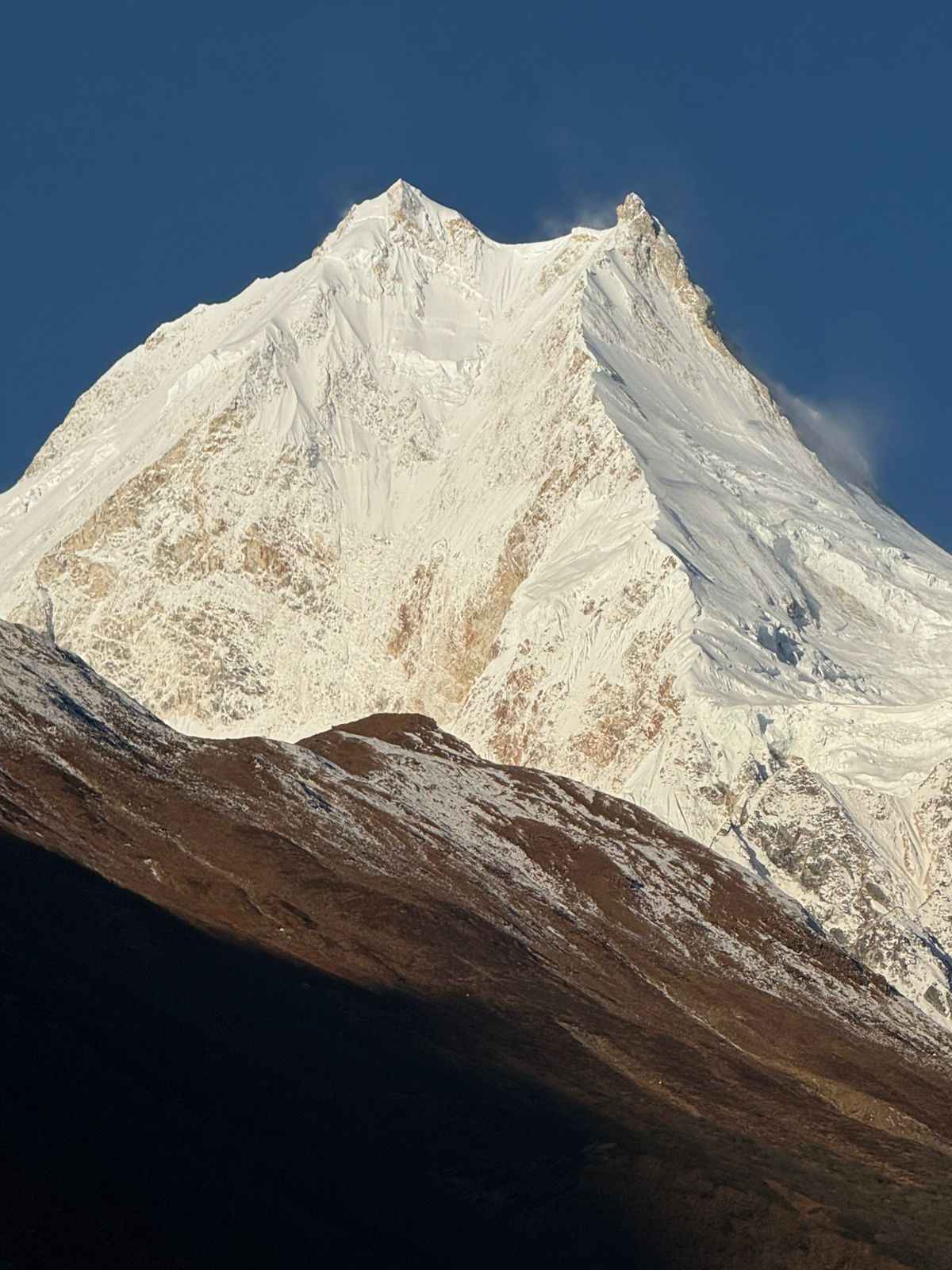
The Manaslu Circuit Trek takes you around Mount Manaslu at 8,163 meters, the eighth highest mountain in the world and one of the most visually dramatic peaks in the entire Himalayan range. The route follows the Budhi Gandaki River from the subtropical lowlands of Machha Khola through deep river gorges, rhododendron forests, and alpine meadows, rising steadily into the high Tibetan influenced villages of the Nubri Valley before crossing the Larkya La Pass at 5,106 meters and descending into the Annapurna region at Besisahar.
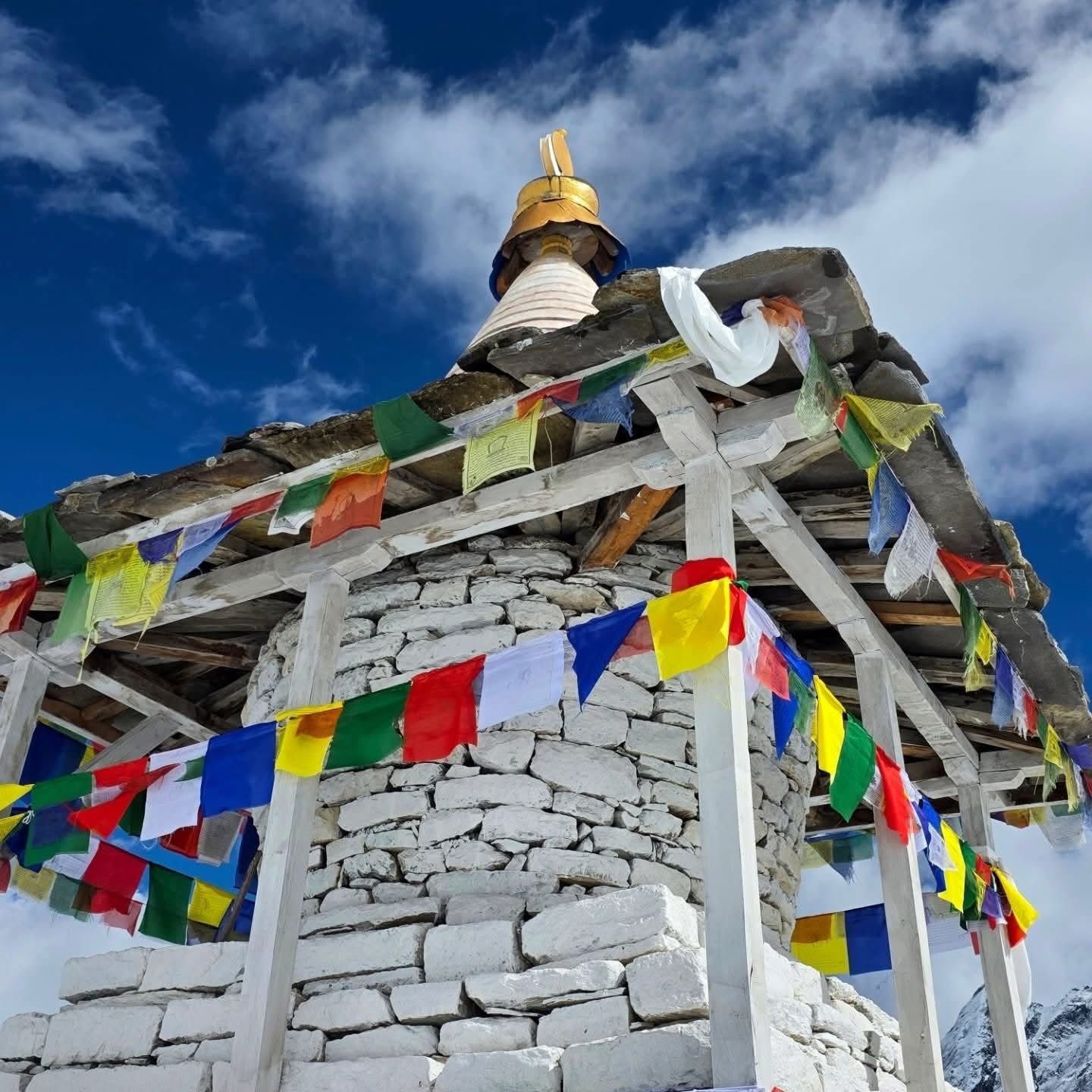
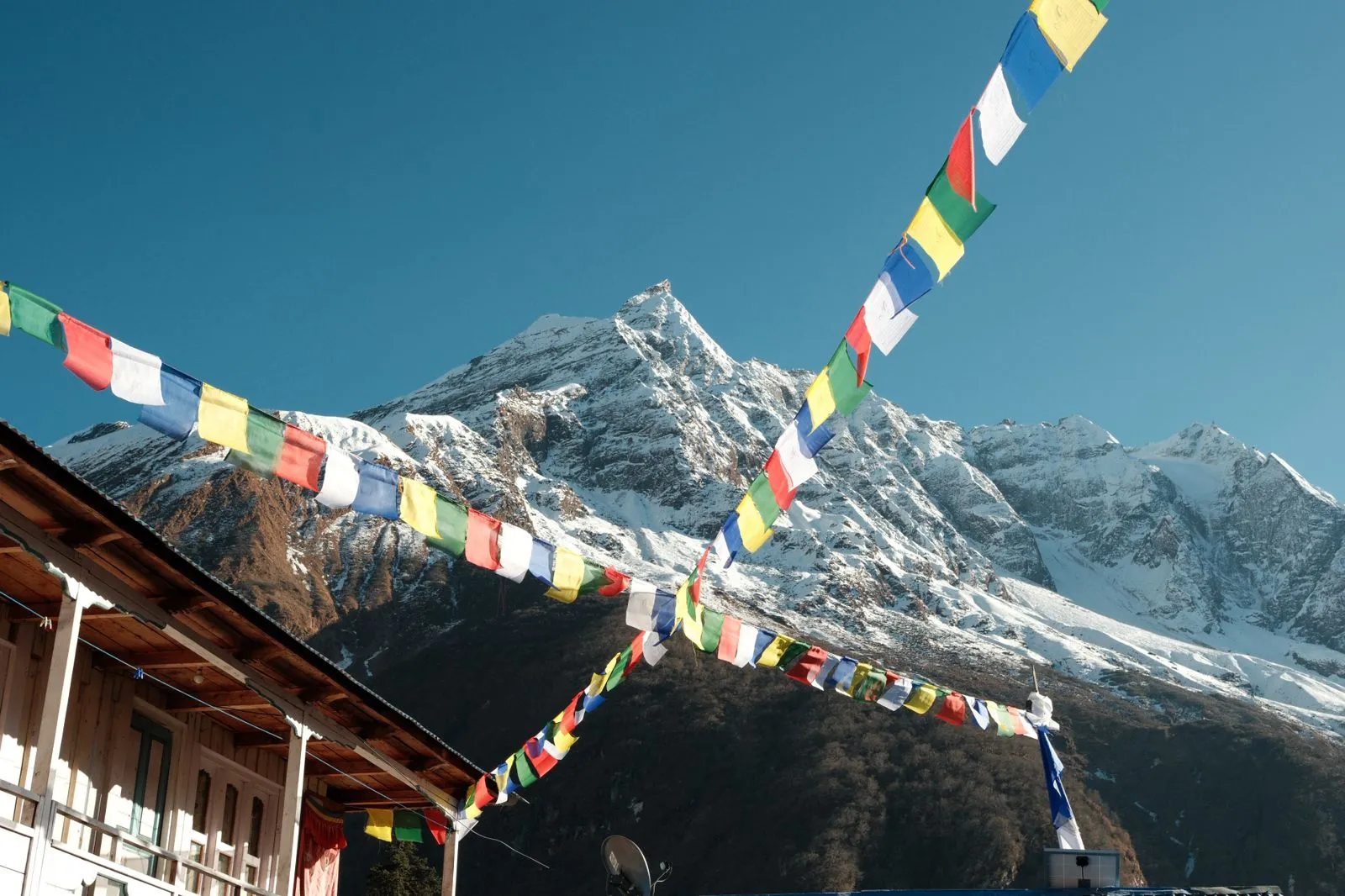
Compared to the Everest Base Camp Trek and the Annapurna Circuit Trek, the Manaslu Circuit remains significantly quieter. As a restricted area, trekker numbers are limited, trails feel genuinely remote, and the villages along the route retain a cultural authenticity that heavily trafficked routes have gradually lost. The Nubri people who live in the upper Manaslu valley, including the villages of Lho, Sama Gaon, and Samdo, follow Tibetan Buddhist traditions that have remained essentially unchanged for centuries. Their monasteries, mani walls, prayer flags, and daily rituals are not performances for visitors. They are simply how life is lived here.
The Larkya La Pass crossing is the defining moment of the trek. You leave Dharamsala at 4,460 meters before dawn, cross the pass in the early morning before winds rise, and descend through a glacial cirque where the peaks of Cheo Himal, Himlung Himal, Nemjung, Gyaji Kang, and Kang Guru form an unbroken wall of ice and rock while Annapurna II rises directly ahead. No photograph fully prepares you for this view. It is the reward for everything the trek asks of you.
We are Manaslu Treks and Expedition Pvt. Ltd., a licensed local operator based in Kathmandu and specializing exclusively in the Manaslu region. Our guides are local to Gorkha district, trained in wilderness first aid, and have guided this specific circuit across multiple seasons. We arrange all permits, handle all logistics, and give you genuine local support from the moment you land at Tribhuvan International Airport to the moment you depart.
13 Day Manaslu Circuit Trek Overview
Manaslu Circuit Trek Cost 2026 and 2027
Our 13 Days Manaslu Circuit Trek package is 100% all inclusive with transparent pricing. No hidden costs and no surprise fees after arriving in Nepal.
Need a private departure, custom itinerary, or group discount? Contact us anytime on WhatsApp.
Outline Itinerary
Below is the day-by-day outline itinerary for the 13 Days Manaslu Circuit Trek including destinations, elevation, walking duration, and major highlights along the route.
Day 1 • Kathmandu • 1,350m
Arrival: Trek briefing, gear check, hotel in Thamel
Day 2 • Machha Khola • 930m
Travel: 9 hour drive • 160 km
Drive through Arughat as the Budhi Gandaki gorge journey begins.
Day 3 • Jagat • 1,410m
Trek: 6–7 hours • 22 km
Restricted Area entry, Tatopani hot springs, first permit checkpoint.
Day 4 • Deng • 2,095m
Trek: 6–7 hours • 23 km
Pass Phillim village, Tsum Valley junction, and multiple river crossings.
Day 5 • Namrung • 2,900m
Trek: 6–7 hours • 20 km
Bihi and Ghap villages, mani walls, and Siringi Himal views.
Day 6 • Sama Gaon • 3,530m
Trek: 6–7 hours • 18 km
Lho village, Ribung Monastery, and first full view of Manaslu.
Day 7 • Sama Gaon • 3,530m
Rest Day
Acclimatization with optional visits to Birendra Lake, Manaslu Base Camp, or Pungyen Gompa.
Day 8 • Samdo • 3,785m
Trek: 3–4 hours • 10 km
Yak pastures, Tibetan border valley, and last village before the pass.
Day 9 • Dharamsala • 4,460m
Trek: 3–4 hours • 9 km
Final camp and pre-pass preparation near old Tibetan trade route remains.
Day 10 • Bimthang • 3,720m
Trek: 8–10 hours • 18–24 km
Cross Larkya La Pass (5,106m) with glacier views and long descent.
Day 11 • Tilije • 2,300m
Trek: 5–6 hours • 16 km
Alpine meadows, rhododendron forest, and Gurung apple orchards.
Day 12 • Kathmandu • 1,350m
Drive: 7–8 hours
Return via Besisahar with farewell dinner and trekking completion certificate.
Day 13 • Departure
Airport transfer and fly home.
Manaslu Circuit Trek Permits 2026
To trek in the Manaslu region, every trekker must obtain several permits because the route passes through a restricted area and protected conservation zones. All permits are arranged through a registered trekking agency in Nepal.
USD 100 for first 7 days + USD 15 per additional day
September to November
USD 75 for first 7 days + USD 10 per additional day
December to August
NPR 3,000
NPR 3,000
NPR 1,000
Important Rules and Information
- A licensed trekking guide is legally mandatory throughout the Manaslu restricted area.
- Solo trekking without a guide is not permitted.
- All permits must be arranged through a registered trekking agency.
- Solo travelers can now obtain the Restricted Area Permit, but a guide remains mandatory.
- Groups with more than 6 trekkers require two licensed guides.
- Travel insurance is mandatory for all trekkers.
- Guides and porters are also fully insured for emergency support.
Manaslu vs Everest Base Camp vs Annapurna Circuit
Manaslu Circuit: Very low, restricted area
Everest Base Camp: Very high, peak season
Annapurna Circuit: High, partially road accessible
Manaslu Circuit: Mandatory by law
Everest Base Camp: Not mandatory
Annapurna Circuit: Not mandatory
Manaslu Circuit: Restricted Area Permit
Everest Base Camp: National Park only
Annapurna Circuit: Conservation Area only
Manaslu Circuit: 5,106m Larkya La Pass
Everest Base Camp: 5,364m Everest Base Camp
Annapurna Circuit: 5,416m Thorong La Pass
Manaslu Circuit: Tibetan Buddhist, Nubri people
Everest Base Camp: Sherpa Buddhist
Annapurna Circuit: Mixed Gurung and Tibetan
Manaslu Circuit: Overland to trailhead
Everest Base Camp: Domestic flight to Lukla
Annapurna Circuit: Multiple road access points
Manaslu Circuit: Basic, remote
Everest Base Camp: Well developed
Annapurna Circuit: Developed, some motor road sections
Manaslu Circuit: Challenging
Everest Base Camp: Moderate to challenging
Annapurna Circuit: Moderate
Best for
Manaslu Circuit: Authentic remote experience
Everest Base Camp: Famous route, strong infrastructure
Annapurna Circuit: Varied landscapes, flexibility
Altitude Profile and Acclimatization Schedule
| Day | Overnight Location | Altitude | Altitude Gain or Loss | Acclimatization Status |
|---|---|---|---|---|
| Day 1 | Kathmandu | 1,350m | — | Arrival acclimatization |
| Day 2 | Machha Khola | 930m | Descent 420m | Comfortable |
| Day 3 | Jagat | 1,410m | Gain 480m | Normal gain |
| Day 4 | Deng | 2,095m | Gain 685m | Normal gain |
| Day 5 | Namrung | 2,900m | Gain 805m | Monitor for symptoms |
| Day 6 | Sama Gaon | 3,530m | Gain 630m | AMS risk begins, watch for headache |
| Day 7 | Sama Gaon | 3,530m | Rest day | Critical acclimatization day |
| Day 8 | Samdo | 3,785m | Gain 255m | Controlled gain |
| Day 9 | Dharamsala | 4,460m | Gain 675m | High altitude, rest immediately on arrival |
| Day 10 | Bimthang | 3,720m | Cross 5,106m, descend to 3,720m | Pass day, then significant recovery descent |
| Day 11 | Tilije | 2,300m | Descent 1,420m | Full recovery, altitude symptoms resolve |
13 Day Manaslu Circuit Trek Highlights
- Circle Mount Manaslu at 8,163 meters, the eighth highest peak in the world, on one of Nepal's least crowded and most authentically remote trekking routes
- Cross Larkya La Pass at 5,106 meters at dawn and witness the panoramic glacial cirque of Cheo Himal, Himlung Himal, Nemjung, Gyaji Kang, Kang Guru, and Annapurna II
- Trek through the Budhi Gandaki valley from subtropical forests and rice terraces to high alpine meadows and glacial moraine
- Experience the living Tibetan Buddhist culture of the Nubri people in the villages of Lho, Sama Gaon, and Samdo, where ancient monasteries are still the spiritual heart of daily life
- Visit Ribung Monastery above Lho village with panoramic views of Mount Manaslu directly across the valley
- Acclimatization day at Samagaon with optional side trips to Birendra Lake at 3,451 meters and Manaslu Base Camp at 4,800 meters
- Walk alongside suspension bridges spanning the Budhi Gandaki gorge, some of the longest and highest suspension bridges in Nepal
- See Himalayan wildlife including Himalayan Tahr, Blue Sheep, Himalayan Marmot, Pika, and if you are fortunate, Snow Leopard tracks in the upper valley snow
- Trek through one of Nepal's officially designated restricted areas where permit numbers are controlled and the mountain environment remains genuinely pristine
Detailed Day by Day Itinerary for 13 Days Manaslu Circuit Trek
Your representative from Manaslu Treks and Expedition meets you at Tribhuvan International Airport and transfers you to your hotel in Thamel. In the evening your guide meets you for a full trek briefing covering the daily route, altitude progression, what to expect at checkpoints, gear requirements, and how we manage the Larkya La crossing day. This is also your opportunity to rent any remaining gear you need from the well stocked trekking shops along Thamel Marg. A good night of sleep before the long drive tomorrow.
About Kathmandu
Kathmandu sits at 1,350 meters in the Bagmati Province of central Nepal and serves as the starting point for the Manaslu Circuit Trek. The city is home to seven UNESCO World Heritage Sites including Boudhanath Stupa, one of the largest Buddhist stupas in the world, Pashupatinath Temple on the banks of the Bagmati River, and Swayambhunath, the hilltop Buddhist complex known locally as the Monkey Temple. Thamel is the main trekker and tourist district where gear shops, restaurants, and exchange counters are concentrated. If you arrive a day early, Boudhanath is worth an evening visit to watch monks complete their sunset circumambulation of the stupa.
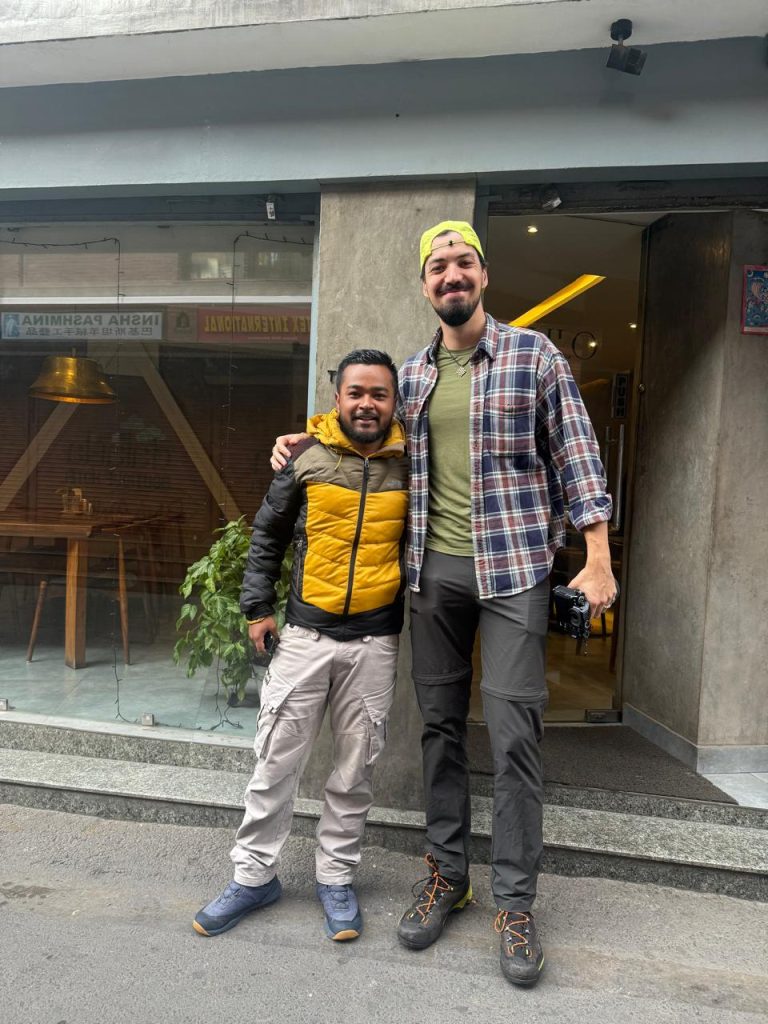
Departure from Gongabu Bus Park in Kathmandu between 6am and 7am. The road follows the Prithvi Highway through the Trishuli River valley, passing Malekhu and Dhading before turning north at Arughat toward the Budhi Gandaki valley. From Arughat the road changes character. Pavement gives way to rough mountain track, the Budhi Gandaki appears below carved through a steep gorge, and the landscape becomes increasingly wild. By late afternoon you reach Machha Khola, a small riverside settlement where the teahouses are simple and the sound of the river fills the night.
A private jeep upgrade reduces the drive by two to three hours and is available to add at booking. We recommend it for groups of four or more.
About Machha Khola
Machha Khola sits at approximately 930 meters on the eastern bank of the Budhi Gandaki River in Gorkha district. The name means “fish river” in Nepali, a reference to the clear Budhi Gandaki waters below the village. The settlement is inhabited primarily by Gurung and Ghale communities whose agricultural fields of rice and millet terrace the hillsides above the river. Machha Khola serves as the official road terminus for the Manaslu Circuit Trek. Beyond here the trail is foot traffic only. The teahouses at Machha Khola have developed over the past decade as trekker numbers to the Manaslu region have grown and now offer basic but clean accommodation with attached dining rooms.
Trek Time: 6 to 7 hours | Accommodation: Teahouse | Meals: Breakfast, Lunch, Dinner
The first walking day follows the Budhi Gandaki upstream through a mix of subtropical forest and riverside trail. Rhesus monkeys and langurs are common in the forest sections. The trail passes Khorlabeshi where Gurung shepherds wearing the traditional smoke browned Bokkhu cape can sometimes be seen, then Tatopani where natural hot springs offer a brief warm water soak. Crossing a long suspension bridge over the Budhi Gandaki at Doban, the trail continues through Landslip and Yaruphant before a final section brings you into Jagat, a beautifully maintained flagstone village of Gurung and Tibetan origin people. The Manaslu Conservation Area checkpoint at Jagat is where permits are verified. This is the official entry point into the restricted zone.
About Jagat
Jagat village sits at 1,410 meters in Gorkha district along the western bank of the Budhi Gandaki River. It serves as the first major checkpoint on the Manaslu Circuit Trek and marks the transition from the subtropical lower valley into the more mountainous middle sections of the route. The village is predominantly inhabited by Gurung and Tibetan origin communities who have preserved distinct cultural practices including traditional architecture with carved wooden windows and stone paved lanes. The economy combines subsistence farming, livestock herding, and increasingly teahouse tourism serving Manaslu trekkers. Several lodges in Jagat offer attached bathroom rooms and a wider menu than the higher villages, making it a comfortable first overnight stop on the trail. The stone paved central lane of Jagat is one of the most photographed sections of the lower valley.
Trek Time: 6 to 7 hours | Distance: 23 km | Accommodation: Teahouse | Meals: Breakfast, Lunch, Dinner
Leaving Jagat the trail climbs briefly before descending to Salleri then continues north through Sirdibas where Buddhist gompas and prayer flags signal the deepening Tibetan cultural influence. At Phillim a second permit check takes place before the trail continues along the western bank of the Budhi Gandaki through bamboo groves and cliffside paths. The Siyar Khola bridge junction is where the trail to Tsum Valley branches right. The main Manaslu circuit continues straight. The river sculpted boulders along this section have been carved into unusual shapes by centuries of water pressure and are a notable feature of the route. After Pewa the trail arrives at Deng, a quiet village surrounded by forest where the evening fire in the teahouse dining room is a welcome gathering point.
About Deng
Deng sits at approximately 2,095 meters in a narrow gorge section of the Budhi Gandaki valley. It is one of the smaller villages on the Manaslu Circuit route and is home to a predominantly Tibetan origin community whose language, dress, and daily religious practice reflect the Tibetan Buddhist culture of the upper valley. The local economy is limited in scale, based on subsistence agriculture, yak herding, and small teahouse revenues from passing trekkers. Several basic lodges have been established in Deng to serve the circuit route and the food and accommodation here, while simple, is reliable. The prayer wheels at the village entrance and the mani stone walls flanking the path through the village are characteristic of the cultural landscape that becomes increasingly dominant as you move north.
Trek Time: 6 to 7 hours | Distance: 20 km | Accommodation: Teahouse | Meals: Breakfast, Lunch, Dinner
The trail climbs steadily through pine and rhododendron forest, crossing small wooden bridges over clear tributaries of the Budhi Gandaki. Villages of Bihi and Ghap each have their own character. Bihi is known for its apple cultivation and the first clear views of snow peaks above the valley. Ghap marks another permit verification point and the beginning of the upper valley where mani walls line the trail and the sound of prayer flags in the wind accompanies every step. By Namrung the air is noticeably cooler and the views have opened significantly. Siringi Himal at 7,161 meters dominates the northeast horizon. The stone teahouses of Namrung feel like a genuine mountain village, which they are.
About Namrung
Namrung sits at 2,900 meters in the middle section of the Manaslu Conservation Area. The village is part of the Nubri sub region, inhabited by the Nubri people, a Tibetan Buddhist community whose language is a Tibetan dialect and whose cultural identity is distinct from both lowland Nepali and highland Sherpa communities. Namrung sits below the impressive face of Siringi Himal and offers the first genuinely high mountain views of the Manaslu Circuit route. The village has several teahouses and a small monastery. Evenings in Namrung are cold even in October. The temperature drops quickly after sunset and sleeping bags come out in earnest from this altitude onward.
Trek Time: 6 to 7 hours | Distance: 18 km | Accommodation: Teahouse | Meals: Breakfast, Lunch, Dinner
One of the most visually extraordinary days of the entire trek. The trail passes through Lihi and Sho, with their barley fields and traditional Tibetan style flat roofed houses, then arrives at Lho, the most significant village on the lower half of the upper valley. Ribung Monastery at Lho sits on a ridge above the village and offers a panoramic view of Mount Manaslu directly across the valley, one of the finest unobstructed views of an 8,000 meter peak accessible to trekkers anywhere in Nepal. After Lho the trail continues to Shyala, surrounded by peaks on all sides, before the final approach to Sama Gaon. The village of Sama Gaon, also called Samagaon, sits directly below the southwestern face of Manaslu and serves as the cultural and logistical heart of the upper valley.
About Lho Village
Lho sits at approximately 3,100 meters in the Nubri sub region of Gorkha district. It is one of the principal villages of the Nubri people and the home of Ribung Monastery, one of the most important active Buddhist monasteries in the Manaslu region. The monastery sits on a ridge west of the village and the view from its terrace of Mount Manaslu rising directly across the Budhi Gandaki valley is considered by many trekkers as one of the defining visual moments of the entire Manaslu Circuit Trek. The village economy centers on barley farming, yak herding, and a growing teahouse sector. The flat roofed Tibetan style architecture of Lho is characteristic of the Nubri building tradition and distinct from the stone roofed lodges of the lower valley.
About Sama Gaon
Sama Gaon, also written Samagaon, sits at 3,530 meters at the foot of Mount Manaslu’s southwestern glacier. It is the largest village in the upper Nubri valley and serves as the primary base for acclimatization on the Manaslu Circuit Trek. The village has the highest concentration of teahouses and lodges on the upper route and is significantly better equipped for trekkers than any village above it. The Pungyen Gompa monastery sits on a ridge above Sama Gaon at approximately 3,900 meters and is a significant Buddhist site with panoramic views of Manaslu, Ngadi Chuli, and Himalchuli. The turquoise glacial lake of Birendra Tal at 3,451 meters lies a short walk northeast of the village below the Manaslu glacier. The village is inhabited by the Nubri people and the monastery bell calling monks to morning prayer is the first sound most trekkers hear at da
Accommodation: Teahouse | Meals: Breakfast, Lunch, Dinner
A full rest day at Sama Gaon is built into every one of our itineraries. This is not optional extra time. It is essential time. The altitude gain from Machha Khola to Sama Gaon has been significant and the Larkya La crossing two days ahead reaches 5,106 meters. Your body needs this day to adjust.
Two acclimatization options are available depending on fitness and preference.
Option 1: Birendra Lake and Manaslu Base Camp
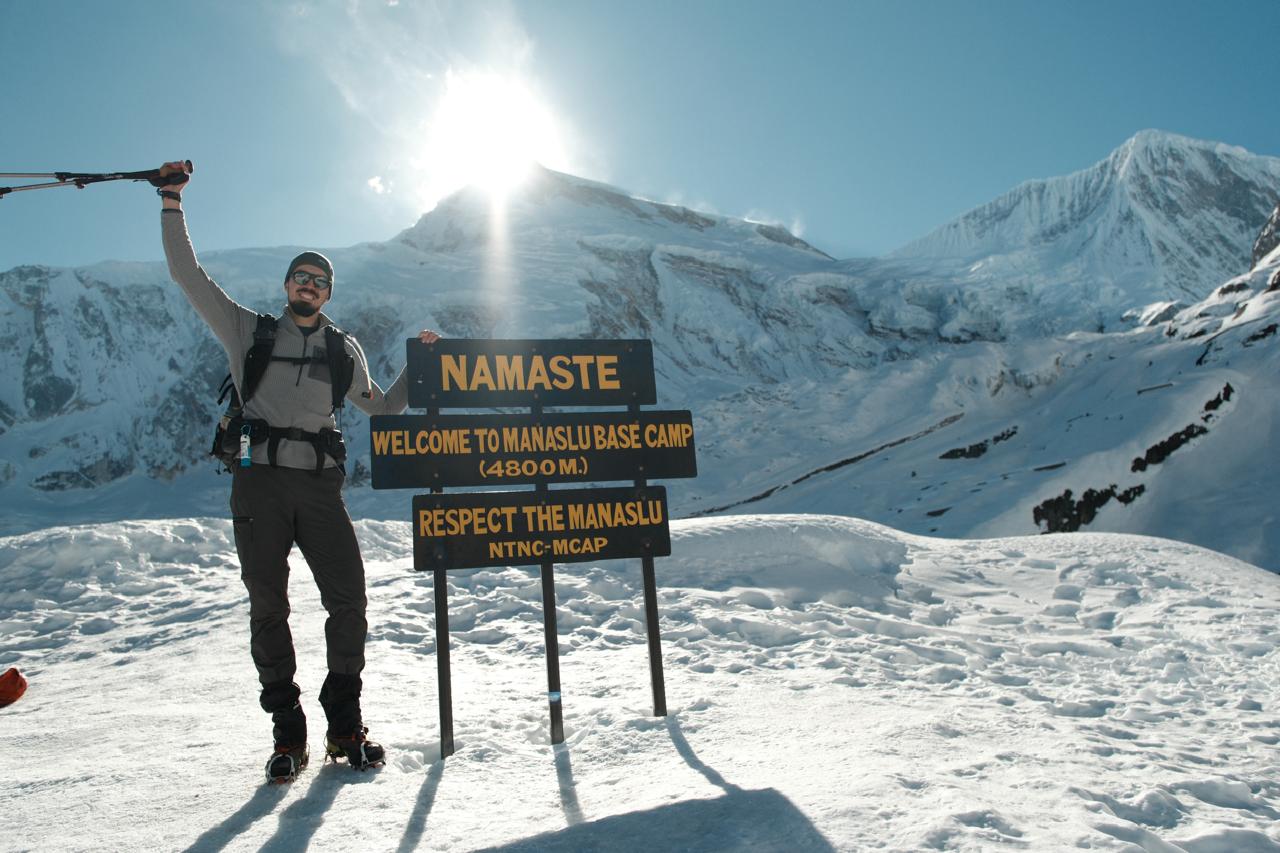
The trail from Sama Gaon to Birendra Lake takes approximately 45 minutes and passes through yak pastures with Manaslu directly ahead. Birendra Lake at 3,451 meters is a turquoise glacial lake fed by the Manaslu glacier above. Continuing beyond the lake toward Manaslu Base Camp at 4,800 meters takes a further two to three hours of steep climbing on moraine terrain. The base camp views of the southwest face of Manaslu are extraordinary. This option is for fit trekkers comfortable with significant altitude gain on the acclimatization day.
Option 2: Pungyen Gompa
The monastery above Sama Gaon sits at approximately 3,900 meters and is reached by a 45 to 60 minute walk from the village on a clear stone path. The gompa is an active monastery and the monks welcome respectful visitors. The ridge views of Manaslu, the Budhi Gandaki valley below, and the surrounding peaks including Ngadi Chuli and Himalchuli make this one of the most rewarding shorter walks on the entire circuit. This option is appropriate for all fitness levels.
Trek Time: 3 to 4 hours | Distance: 7 km | Accommodation: Teahouse | Meals: Breakfast, Lunch, Dinner
A deliberately short walking day to maintain the controlled altitude gain before the Larkya La crossing. The trail leaves Sama Gaon and crosses open yak pastures with wide valley views on all sides before a wooden bridge brings you into Samdo, the last inhabited village before the pass. Samdo sits close to the Tibetan border and the cultural atmosphere here is the most purely Tibetan of any village on the route. Many trekkers use the afternoon for a short acclimatization hike up the ridge above the village, which adds additional altitude exposure without the fatigue of a full walking day. The views north toward Tibet from the Samdo ridge are a unique perspective on the border landscape.
About Samdo
Samdo sits at 3,785 meters near the Nepal Tibet border in the upper Nubri valley. It is the last inhabited settlement before Dharamsala and the Larkya La Pass. The village is very small with a handful of families and a few basic teahouses. The Nubri people of Samdo historically maintained trade relationships with Tibetan communities across the border and the cultural traces of that connection are visible in the architecture, religious objects, and daily life of the village. The ridgeline above Samdo offers views across the border into the Tibetan plateau that are unavailable from any other point on the standard Manaslu Circuit route.
Trek Time: 3 to 4 hours | Distance: 9 km | Accommodation: Teahouse | Meals: Breakfast, Lunch, Dinner
The walk from Samdo to Dharamsala is short in distance but significant in altitude and in psychological preparation. The trail climbs steadily over rocky terrain offering wide views of the surrounding peaks and the glacier moraines ahead. Along the route you pass the ruins of a traditional Tibetan trade post, a reminder that this was a working trade corridor between Nepal and Tibet for centuries before it became a trekking route. Dharamsala, also called High Camp, consists of a small cluster of basic teahouses at 4,460 meters. There is no WiFi. Facilities are minimal. Rooms are basic shared dormitories. Temperatures at night can drop to minus 10 degrees Celsius or below depending on season. Arrive, eat, hydrate well, and sleep as early as possible. The alarm is set for 3am.
About Dharamsala
Dharamsala on the Manaslu Circuit Trek sits at 4,460 meters on the eastern approach to Larkya La Pass. It is not a permanent village. It is a seasonal teahouse cluster that exists specifically to serve trekkers on the night before the pass crossing. The name Dharamsala means resthouse or shelter in Sanskrit and is appropriate for its function. The teahouses here are the most basic on the entire route. Beds are shared dormitory style, blankets are thin, and the cooking options are limited to simple hot food. What Dharamsala has, and what matters entirely the night before the crossing, is altitude. Sleeping here rather than in Samdo gives your body an additional 675 meters of pre acclimatization before the 5,106 meter pass. That difference is meaningful.
Trek Time: 8 to 10 hours | Distance: 18 to 24 km | Accommodation: Teahouse | Meals: Breakfast and Dinner
The most demanding and most rewarding day of the entire Manaslu Circuit Trek. Wake at 3am. Breakfast by headlamp. On the trail by 4am.
The ascent from Dharamsala to Larkya La Pass climbs steadily over rocky moraine, then snow and ice in the final approach. The air is thin and the pace is slow and deliberate. Your guide manages the pace based on your condition. The pass must be reached before mid morning when winds typically rise. In autumn the crossing is cold but generally clear. In spring there may be residual snow on the approach. Micro crampons or traction devices are often useful on the icy descent sections.
At the pass itself, at 5,106 meters, the view opens in every direction. Behind you the Budhi Gandaki valley disappears into haze below. Ahead the glacial cirque formed by Cheo Himal at 6,820 meters, Himlung Himal at 7,126 meters, Nemjung at 7,140 meters, Gyaji Kang at 7,030 meters, and Kang Guru at 6,981 meters presents a wall of ice and rock that descends into cascading glaciers while Annapurna II at 7,937 meters rises directly ahead. This is the view that defines the Manaslu Circuit Trek and makes everything the route asks of you completely worthwhile.
The descent to Bimthang is long and steep over loose rock and occasional snow patches. Trekking poles are essential. The knees feel every step. By the time the trail drops into the green valley approaching Bimthang, the relief is physical and complete. Bimthang sits at 3,720 meters surrounded by Himalayan peaks including Manaslu, Ngadi Chuli, and Himalchuli. Teahouse facilities here are significantly better than Dharamsala and the hot meal and warm bed at the end of this day are among the most earned of any trek in Nepal.
About Bimthang
Bimthang sits at 3,720 meters in the Dudh Khola valley on the western side of Larkya La Pass, within the Annapurna Conservation Area. It is the first settlement on the western descent and marks the transition from the Manaslu Conservation Area to the Annapurna region. The village is small with several functional teahouses that are notably more comfortable than the high camp facilities above the pass. The views from Bimthang of Manaslu, visible now from the western face, and t
Trek Time: 5 to 6 hours | Distance: 16 km | Accommodation: Teahouse | Meals: Breakfast, Lunch, Dinner
The long descent continues through one of the most beautiful landscape transitions on the trek. Leaving the alpine zone above Bimthang, the trail drops through meadows, then pine forest, then rhododendron forest, then the subtropical valley terrain of the lower Dudh Khola. The altitude loss is rapid and the body notices the thickening air with genuine relief. Tilije is a Gurung village at 2,300 meters known for its apple orchards and the warm welcome of its teahouses. The temperature is comfortable, the food portions are generous, and the sense of having accomplished something significant is very present at the dinner table in Tilije on this evening.
About Tilije
Tilije sits at 2,300 meters in the Nasho VDC of Gorkha district, on the western side of the Manaslu region within the Annapurna Conservation Area boundary. It is a Gurung village whose agricultural economy includes rice, millet, and notably apple cultivation. The apples of Tilije are known locally for their quality and apple brandy produced in the village is a traditional product of the area. The teahouses in Tilije are well run and the transition from the basic high altitude facilities above the pass to the comparatively comfortable lodges here is immediately felt. Several streams cross the trail below Tilije providing fresh cold water in a section where the days have been dominated by melting snow and glacial melt.
Transport: 7 to 8 hours | Accommodation: 3 Star Hotel | Meals: Breakfast, Lunch, Dinner
An early morning jeep ride from Tilije connects to Dharapani and then to the highway at Besisahar. From Besisahar the road follows the Marsyangdi River valley south to the Prithvi Highway and then east to Kathmandu. The journey passes through mid hill landscapes and riverside towns and the contrast between the mountain world you have just left and the busy highway traffic around Mugling is striking. Arriving in Kathmandu in the evening, Manaslu Treks and Expedition hosts your farewell dinner. You receive your Manaslu Circuit Trek completion certificate. This is a moment worth celebrating.
After completing the Manaslu Circuit Trek, our team will arrange your airport transfer from Kathmandu according to your international flight schedule. Depending on your departure time, you can spend your final hours exploring Thamel, shopping for souvenirs, or relaxing before heading to the airport.
Includes/Excludes
13 Day Manaslu Circuit Trek Includes
- Airport pickup and drop in Kathmandu by private vehicle
- 2 nights hotel accommodation in Kathmandu with breakfast, 3 star standard, 1 night before and 1 night after the trek
- Ground transportation Kathmandu to Machha Khola and Tilije to Kathmandu by public bus (private jeep upgrade available)
- All permits: Manaslu Restricted Area Permit, Manaslu Conservation Area Permit, Annapurna Conservation Area Permit, and local municipality fee at Jagat checkpoint (NPR 1,000 per person)
- Licensed English speaking local guide from Gorkha district for full duration
- Porter service, 1 porter per 2 trekkers, carrying up to 20 kg total
- 3 meals per day on trek (breakfast, lunch, dinner) plus morning tea or coffee
- Teahouse accommodation throughout the trek on twin sharing basis
- Sleeping bag and down jacket provided (to be returned after trek)
- Trekking map of the Manaslu Circuit
- First aid kit carried by guide throughout
- Full insurance coverage for guide and porter including emergency rescue
- Farewell dinner in Kathmandu hosted by Manaslu Treks and Expedition
- Trekking completion certificate
- All government taxes and local charges
Excludes
- Nepal visa fee (available on arrival at Tribhuvan International Airport, USD 30 for 15 days, USD 50 for 30 days)
- International airfare to and from Kathmandu
- Travel insurance for trekker (mandatory, must cover trekking to 6,000 meters and emergency helicopter evacuation)
- Meals in Kathmandu beyond hotel breakfast
- Personal expenses on trek including bottled water, soft drinks, alcohol, WiFi, battery charging fees, and hot showers
- Tips for guide and porter (guide USD 150 to 200 recommended for 13 days, porter USD 80 to 120)
- Private jeep upgrade for road sections
- Personal trekking gear not covered by package
Join Our Fixed Trip Starting Date
Contact us for private trip
- SEND EMAIL INFO@MANASLUTREKS.COM
- MAKE CALL ON WHATSAPP
-
Group Discount Available GuaranteedSundayMay 24, 2026FridayJun 5, 2026$1,590$1,35015% OFFAvailable
-
Group Discount Available GuaranteedMondayMay 25, 2026SaturdayJun 6, 2026$1,590$1,35015% OFFAvailable
-
Group Discount Available GuaranteedTuesdayMay 26, 2026SundayJun 7, 2026$1,590$1,35015% OFFAvailable
Essential Information
Wildlife You May See on the Manaslu Circuit Trek
The Manaslu Conservation Area covers 1,663 square kilometers and protects one of the most biodiverse high altitude ecosystems in Nepal. The restricted nature of the Manaslu Circuit means wildlife encounters here are genuinely more frequent and less disturbed than on more heavily trafficked routes.
| Animal | Sighting Likelihood | Best Location | Altitude Zone |
|---|---|---|---|
| Himalayan Tahr | High | Above Namrung toward Lho | 2,500m to 4,000m |
| Blue Sheep (Bharal) | High | Above Sama Gaon, open slopes | 3,500m to 5,000m |
| Himalayan Marmot | High | Samagaon to Samdo valley | 3,500m to 4,500m |
| Pika | High | Rocky slopes above Samdo | 3,800m to 5,000m |
| Snow Leopard | Very rare but present | Upper valley above Sama Gaon | 3,500m to 5,500m |
| Red Panda | Occasional | Rhododendron forest below Namrung | 2,200m to 3,000m |
| Himalayan Black Bear | Occasional | Dense forest sections below Deng | 1,500m to 2,500m |
| Langur Monkey | Very high | Subtropical forest below Jagat | 900m to 1,800m |
| Rhesus Macaque | Very high | Lower Budhi Gandaki valley | 900m to 1,500m |
| Griffon Vulture | Common overhead | Open valley sections | All altitudes |
| Impeyan Pheasant (Danphe) | Moderate | Forest sections Deng to Namrung | 2,000m to 3,500m |
Snow Leopard tracks in the snow above Sama Gaon are occasionally spotted by our guides during the acclimatization day excursion toward Manaslu Base Camp. The Impeyan Pheasant, known locally as Danphe and the national bird of Nepal, is regularly seen on the forested sections between Deng and Namrung.
Food and Meals on the Manaslu Circuit Trek
Three meals per day are included in your package on all trekking days. Here is what to expect at each section of the route.
Lower Valley: Machha Khola to Namrung
Teahouse menus in the lower valley are the most varied on the entire route. Expect dal bhat, noodle soup, fried rice, pasta, vegetable curries, eggs in multiple styles, Tibetan bread, pancakes, and porridge. Most teahouses also offer black tea, milk tea, lemon tea, and coffee. Portions are generous and the food in this section is consistently good.
Upper Valley: Lho to Sama Gaon
The menu narrows slightly as you gain altitude and distance from supply lines. Dal bhat remains available and is always the most reliable and nourishing option. Noodles, fried rice, potato dishes, tsampa porridge, and Tibetan bread are standard. Meat dishes become less reliable above Namrung as refrigeration is not available. Vegetarian options are consistent throughout.
High Section: Samdo and Dharamsala
Menus are simple and limited. Dal bhat, noodle soup, potato dishes, tsampa, and boiled eggs. Hot drinks are always available. We advise all trekkers to carry personal high energy snacks from Samdo onward including nuts, dried fruit, chocolate, and energy bars to supplement the teahouse menu on the Larkya La crossing day.
Post Pass: Bimthang and Tilije
Menus improve significantly on the western descent. Bimthang has several reasonable teahouses and the food feels like a substantial upgrade after Dharamsala. By Tilije you are back to a varied menu with apple based local products as a regional specialty.
Dietary Requirements
Vegetarian food is available throughout the entire route. Vegan options are manageable with advance notice. We inform teahouse owners along the route of any dietary requirements before departure. Gluten free is more difficult above Sama Gaon but manageable with planning. Nut allergies should be clearly communicated to your guide before the trek begins.
The Nubri People: Culture and Heritage of the Upper Manaslu Valley
The villages of the upper Manaslu valley from Namrung to Samdo are home to the Nubri people, a Tibetan Buddhist community whose presence in this valley dates back many centuries.
The Nubri people speak a Tibetan dialect called Nubri, distinct from both standard Tibetan and from Nepali. Their cultural identity is Tibetan Buddhist in every meaningful sense. Monasteries are not tourist attractions here. They are the living spiritual and social centers of village life. Monks and lamas hold positions of respect that influence community decisions. Religious festivals punctuate the calendar and the sound of monastery bells, conch shells, and chanting is a daily feature of life in villages like Lho and Sama Gaon.
The Nubri traditionally maintained trade relationships with communities on both sides of the Nepal Tibet border, exchanging salt, grain, wool, and livestock across the high passes above Samdo. The ruins of the old Tibetan trade post visible on the trail between Samdo and Dharamsala are a direct trace of that history.
Agriculture in the Nubri villages is based on barley, buckwheat, and potato cultivation at higher elevations and rice and millet at lower altitudes. Yak herding is central to the upper village economy and the yak butter used in Tibetan tea and the yak cheese available at some upper valley teahouses are products of that pastoral tradition.
Trekkers who show genuine respect for the local culture including removing shoes before entering gompas, walking clockwise around mani walls and chortens, and asking permission before photographing individuals are consistently welcomed with warmth by Nubri communities along the route.
Physical Fitness Preparation for the Manaslu Circuit Trek
Trekkers who prepare specifically for this route for 8 to 12 weeks before departure complete it comfortably. Trekkers who arrive without specific training often struggle on consecutive long days and find the Larkya La crossing day significantly harder than necessary.
Recommended Training Program
8 to 12 Weeks Before Departure
Start with 3 to 4 days per week of aerobic activity. Walking, cycling, swimming, or hiking are all appropriate. Consistent sustained activity matters more than high intensity short sessions.
6 Weeks Before Departure
Begin hiking with a loaded pack. Start with 5 kilograms and increase to 7 to 8 kilograms over the following weeks. Hike on actual terrain with elevation wherever possible. Stair climbing and hill repetitions are valuable training for the ascent sections.
4 Weeks Before Departure
Introduce back to back hiking days. Walk 4 to 5 hours on Saturday and again 3 to 4 hours on Sunday. This simulates the multi day consecutive nature of the trek. Add leg strengthening exercises including squats, lunges, and step training twice per week.
Final 2 Weeks
Reduce intensity but maintain frequency. Focus on stretching, core strength, and ensuring your gear is fully tested and comfortable before travel.
Fitness Level Assessment
| Fitness Description | Manaslu Suitability |
|---|---|
| Sedentary, no regular exercise | Not suitable without 16 plus weeks specific preparation |
| Light activity, occasional walking | Suitable with 12 weeks focused preparation |
| Regular exercise, some hiking | Suitable with 8 weeks specific preparation |
| Regular hiking and fitness | Suitable with 6 weeks maintenance training |
| Active multi day trekking experience | Suitable, maintain current fitness level |
Suspension Bridges and River Crossings on the Manaslu Circuit Trek
Several of the suspension bridges on the Manaslu Circuit are among the longest and highest in Nepal. Crossing them is an experience that stays with trekkers long after the pass itself.
| Bridge Location | Approximate Length | Height Above River | Trek Day |
|---|---|---|---|
| Doban suspension bridge | 150 to 200 meters | 50 to 60 meters | Day 3 |
| Jagat area bridge | 120 meters | 40 meters | Day 3 |
| Philim bridge | 100 meters | 35 meters | Day 4 |
| Siyar Khola bridge | 80 meters | 25 meters | Day 4 |
| Namrung area bridge | 130 meters | 45 meters | Day 5 |
| Sama Gaon area bridge | 110 meters | 35 meters | Day 8 |
Bridges sway with foot traffic and wind. Your guide crosses first and the technique is simple: walk steadily, hold the rails, do not stop in the middle. Bridges washed away by monsoon flooding are sometimes replaced by temporary crossings using semi submerged rocks, particularly in early season. Your guide knows which sections may have temporary crossings in any given season.
Permit Checkpoint Guide
The Manaslu Circuit Trek has multiple permit checkpoints where documents are verified. Knowing what to expect at each one removes any uncertainty about the process.
| Checkpoint Location | Trek Day | Permits Checked | What to Bring |
|---|---|---|---|
| Arughat | Day 2 (drive) | Initial vehicle check | Passport |
| Jagat | Day 3 | Restricted Area Permit, MCAP | All permits, passport |
| Municipality fee point at Jagat | Day 3 | NPR 1,000 fee collected | Cash NPR 1,000 per person |
| Philim | Day 4 | Restricted Area Permit verification | All permits |
| Ghap | Day 5 | Restricted Area Permit verification | All permits |
| Sama Gaon | Day 6 | Full permit verification | All permits, passport |
| Samdo | Day 8 | Restricted Area Permit | All permits |
| Dharapani exit | Day 12 | ACAP checked on exit | ACAP permit |
Your guide carries your permits throughout the trek and manages the checkpoint process. Keep your passport available at Jagat and Sama Gaon specifically. Carry a photocopy of your passport separate from the original throughout the trek.
Manaslu Circuit Trek for Solo Trekkers
Solo trekking on the Manaslu Circuit is fully possible and increasingly popular. As of March 2026 the previous requirement of a minimum two person group for the Restricted Area Permit has been removed. Solo travelers can now obtain permits individually through a registered agency.
What remains unchanged: a licensed guide is legally mandatory for all trekkers in the restricted area regardless of group size. You cannot enter the restricted zone without one.
We match solo travelers with compatible group departures if desired, providing company on the trail without the cost of a fully private guide. Fully private solo departures with a dedicated guide are also available at the solo rate shown in the pricing table above.
Solo trekkers should carry a satellite communicator or ensure their guide has a reliable satellite device for sections above Sama Gaon where mobile signal becomes intermittent. We equip our guides with satellite communication capability on all departures.
Manaslu Circuit Trek for Couples
The Manaslu Circuit Trek is one of the finest adventures a couple can share. The combination of genuine challenge, extraordinary scenery, and the cultural richness of the Nubri villages creates a shared experience that most couples describe as one of the most meaningful trips of their lives.
For couples the 13 day itinerary runs with a private guide creating a more personal experience than a group departure. Private room upgrades are available at most teahouses on the lower and middle sections of the route for an additional fee paid directly at the lodge. Above Sama Gaon private rooms are not always available due to limited teahouse capacity at high altitude.
Contact us on WhatsApp to discuss a private couples itinerary tailored to your specific travel dates and preferences.
What Happens if Weather Delays the Trek
Weather delays on the Manaslu Circuit Trek most commonly occur at two points. Road conditions between Kathmandu and Machha Khola can cause delays due to landslides during pre or post monsoon weather. The Larkya La Pass can also be temporarily closed due to snowfall or visibility conditions, requiring a rest day at Dharamsala.
The buffer day built into the 13 day itinerary on Day 13 in Kathmandu exists specifically for this reason. It provides one day of flexibility without affecting your international flight schedule if the trek runs on time.
For trekkers with tight onward travel connections we strongly advise booking international flights with at least two days after the planned Kathmandu return date. Mountain weather is not controllable and the Larkya La crossing can be delayed by one day due to overnight snowfall even in peak October season.
If a delay at Dharamsala extends beyond one day, helicopter evacuation to Kathmandu is available as an emergency exit option covered by your travel insurance. Our team coordinates helicopter arrangements from Kathmandu if required.
Photography on the Manaslu Circuit Trek
The Manaslu Circuit is one of the most photogenic trekking routes in Nepal. Every section offers different and extraordinary photographic subjects.
| Section | Best Subjects | Best Light |
|---|---|---|
| Lower Budhi Gandaki valley | Suspension bridges, river gorge, subtropical forest, Gurung villages | Morning, first two hours of light |
| Namrung to Lho | Mountain first views, Tibetan villages, mani walls, prayer flags | Morning before valley cloud builds |
| Lho Ribung Monastery | Mount Manaslu full face, monastery terrace, prayer wheels | Early morning, before 8am |
| Sama Gaon | Village life, yaks, Manaslu close view | Morning and late afternoon |
| Birendra Lake | Turquoise glacial lake with Manaslu glacier above | Midday for water color, morning for clarity |
| Larkya La Pass | 360 degree panorama, prayer flags, glacial cirque | Post sunrise, before wind builds at 9am |
| Descent to Bimthang | Glacial landscape, Annapurna II ahead | Available throughout crossing day |
| Tilije valley | Rhododendron forest, apple orchards, green valley | Late afternoon golden hour |
A telephoto lens of 70 to 200mm is useful for mountain detail photography from Lho and Sama Gaon. A wide angle lens captures the full scale of the Larkya La cirque view. Drone photography requires special government permission and is not permitted under standard trek permits.
Memory cards and batteries drain faster in cold conditions above 4,000 meters. Carry your camera battery inside your jacket on cold mornings. At Dharamsala and on the Larkya La crossing day keep all electronics inside your sleeping bag overnight.
Tipping Guide for the Manaslu Circuit Trek
Tipping your guide and porter is an important and expected part of trekking culture in Nepal. Tips represent a significant portion of their total annual income and are directly appreciated.
| Staff Member | Recommended Tip for 13 Days | How to Pay |
|---|---|---|
| Lead guide | USD 150 to 200 | Cash in an envelope, presented at farewell dinner |
| Assistant guide (if applicable) | USD 100 to 150 | Cash in an envelope |
| Porter | USD 80 to 120 | Cash in an envelope, given directly to porter |
| Teahouse staff (optional) | NPR 100 to 200 per teahouse | Cash directly at checkout |
Tips should be in Nepali rupees or USD. Prepare tip envelopes before the farewell dinner in Kathmandu. If tipping in a group, a collective tip presented by one group member is appropriate and meaningful.
Extension Options from the Manaslu Circuit Trek
| Extension | Additional Days | Starting Point | What It Adds |
|---|---|---|---|
| Tsum Valley Trek | 7 to 10 days | Siyar Khola junction above Deng | Remote sacred valley, Milarepa caves, Mu Gompa monastery, deep Tibetan Buddhist culture |
| Serang Gompa Trek | 2 to 3 days | Bihi village on main route | Remote high altitude monastery above the main circuit trail |
| Manaslu Base Camp Extension | 1 day | Sama Gaon acclimatization day | Full day trek to Manaslu Base Camp at 4,800m |
| Manaslu and Annapurna Circuit Combined | 10 to 12 days | Besisahar at circuit end | Continue into Annapurna Circuit, cross Thorong La, complete two of Nepal’s finest circuits in one journey |
The Tsum Valley extension is the most popular addition to the Manaslu Circuit itinerary and adds one of the most culturally significant experiences in all of Nepal. Contact us to discuss any extension. All extensions require additional permits which we arrange.
Departure Options at the End of the Trek
| Option | Route | Time | Best For |
|---|---|---|---|
| Standard drive to Kathmandu | Besisahar to Kathmandu by bus or jeep | 7 to 8 hours | Standard departure |
| Drive to Pokhara | Besisahar to Pokhara by jeep | 3 to 4 hours | Trekkers continuing to Pokhara for rest or sightseeing |
| Domestic flight Pokhara to Kathmandu | Pokhara airport to Kathmandu | 25 minutes | Trekkers with tight international flight connections |
| Annapurna Circuit continuation | Trek on from Besisahar into Annapurna region | Multi day | Trekkers combining both circuits in one journey |
We arrange private jeep transportation to Pokhara from Besisahar for USD 50 to 80 depending on group size. Domestic flights from Pokhara to Kathmandu cost approximately USD 100 to 120 per person. We book these on your behalf if required.
Reviews from Our Manaslu Circuit Trek Clients
Lukas H, Germany — March 2025
Our guide Susam and porter Dipak took exceptional care of us throughout the entire circuit. The acclimatization day at Samagaon with the Birendra Lake hike was the highlight of the whole trip. The Larkya La crossing was the hardest thing I have done and the most beautiful. Manaslu Treks and Expedition handled every detail without a single problem.
Sarah M, Australia — October 2024
I was traveling solo and was slightly nervous about the logistics. From the airport pickup to the farewell dinner everything was managed professionally and warmly. My guide had clearly walked this route many times and his knowledge of the villages, the culture, and the trail conditions was genuine and not rehearsed. I would recommend this company without hesitation.
James and Emma R, United Kingdom — April 2025
We came as a couple and were given a private guide which made the whole experience feel personal rather than like a group tour. The guide adjusted the pace perfectly and the two nights at Samagaon meant we crossed Larkya La feeling genuinely ready. The farewell dinner in Kathmandu was a lovely touch. This was the best trip we have ever taken.
Contact Manaslu Treks and Expedition
We are available seven days a week for inquiries, itinerary customization, and booking. No advance payment is required. We respond to all inquiries within a few hours.
WhatsApp: +977 9869225929
Email: info@manaslutreks.com
Website: manaslutreks.com
Packing List for 13 Day Manaslu Circuit Trek
Weather on the Manaslu Circuit changes dramatically from the warm subtropical lower valley to the freezing conditions at Larkya La Pass at 5,106 meters. Pack for both extremes. Everything below is based on what trekkers actually need on this specific route across multiple seasons.
Clothing
| ✓ | Moisture wicking base layer, short and long sleeve |
| ✓ | Thermal inner wear for cold conditions above 3,000 meters |
| ✓ | Fleece midlayer jacket |
| ✓ | Down jacket rated to minus 10 degrees Celsius (provided in package) |
| ✓ | Waterproof and windproof outer shell jacket |
| ✓ | Trekking trousers, convertible type suitable for warm lower valley |
| ✓ | Thermal base layer for lower body |
| ✓ | Waterproof outer trousers for snow or rain |
| ✓ | Warm hat or beanie |
| ✓ | Sun hat for lower altitude sections |
| ✓ | UV protective sunglasses, category 3 or 4 lens |
| ✓ | Light gloves and warm insulated gloves, two pairs |
| ✓ | Merino wool or synthetic trekking socks, minimum four pairs |
Footwear
| ✓ | Waterproof above ankle trekking boots, broken in before travel. Never bring new boots on this trek |
| ✓ | Camp shoes or sandals for teahouse evenings |
Equipment
| ✓ | Trekking poles, two poles strongly recommended for Larkya La descent |
| ✓ | Daypack with rain cover, 20 to 25 litre |
| ✓ | Sleeping bag rated to minus 10 degrees Celsius (provided in package) |
| ✓ | Headlamp with spare batteries |
| ✓ | Power bank minimum 20,000 mAh capacity |
| ✓ | Water bottles or hydration system, minimum 2 litre capacity |
| ✓ | Water purification tablets as backup |
Personal and Health
| ✓ | Personal first aid kit including paracetamol, ibuprofen, oral rehydration salts, blister treatment, antidiarrheal, and antinausea medication |
| ✓ | Sunscreen SPF 50 or above, lip balm with SPF |
| ✓ | Personal hygiene items and biodegradable soap |
| ✓ | Pulse oximeter for personal altitude monitoring |
| ✓ | Discuss diamox with your doctor before departure if you have any altitude sensitivity concern |
Documents
| ✓ | Passport with minimum 6 months validity |
| ✓ | Travel insurance documents showing helicopter evacuation coverage |
| ✓ | Two passport photographs required for permit processing |
| ✓ | Emergency contact details left with family at home |
Note: Down jacket and sleeping bag rated to minus 10 degrees Celsius are provided as part of your package and must be returned at the end of the trek. All other items on this list should be brought from home. We strongly advise against buying or renting core gear such as boots or base layers in Kathmandu as fit and performance cannot be tested before departure.
Other Manaslu Circuit Trek Packages
We offer the Manaslu Circuit Trek across multiple durations and styles depending on your available time, fitness level, and travel preferences. Every package includes the same all inclusive service, licensed local guide, and permit arrangement.
| Duration | 9 Days |
| Difficulty | Medium |
| Price From | USD 1,090 |
| Best For | Trekkers with limited time, faster pace |
| Duration | 10 Days |
| Difficulty | Medium |
| Price From | USD 1,195 |
| Best For | Compact itinerary with single acclimatization |
| Duration | 11 Days |
| Difficulty | Medium |
| Price From | USD 1,290 |
| Best For | Balanced pace, good for fit trekkers |
| Duration | 13 Days |
| Difficulty | Hard |
| Price From | USD 1,300 |
| Best For | Most popular itinerary, proper acclimatization |
| Duration | 14 Days |
| Difficulty | Medium |
| Price From | USD 1,300 |
| Best For | Relaxed pace, extra buffer day included |
| Duration | 15 Days |
| Difficulty | Medium |
| Price From | USD 2,000 |
| Best For | Premium lodges, private service throughout |
| Duration | 12 Days |
| Difficulty | Medium |
| Price From | USD 885 |
| Best For | Photography focused itinerary, best light stops |
| Duration | 13 Days |
| Difficulty | Hard |
| Price From | Contact us |
| Best For | Private itinerary designed for two |
Not sure which duration suits you? Contact us on WhatsApp and we will recommend the right itinerary based on your fitness level, available days, and experience.
Combine with Tsum Valley Trek
The Tsum Valley is one of the most remote and culturally intact valleys in Nepal. Located north of the main Manaslu Circuit route, the valley branches from the Siyar Khola junction above Deng and leads into a high altitude sacred valley that was opened to trekkers only in 2008. The Nubri and Tsumba people of this valley maintain Tibetan Buddhist traditions that have remained essentially unchanged for centuries. Serang Monastery, Mu Gompa, and the caves associated with the Buddhist saint Milarepa are among the most significant sacred sites in the entire Himalayan region.
Adding the Tsum Valley to the Manaslu Circuit creates one of the deepest and most rewarding combined trekking experiences available anywhere in Nepal.
| Duration | 19 Days |
| Price From | USD 1,895 |
| What Is Added | Full Tsum Valley circuit combined with Manaslu Circuit |
| Duration | 23 Days |
| Price From | USD 1,995 |
| What Is Added | Extended Tsum Valley coverage with more cultural depth |
About Manaslu Treks and Expedition Pvt. Ltd.
We are a licensed local trekking operator based in Thamel, Kathmandu, specializing exclusively in the Manaslu region. Unlike general Nepal trekking companies that cover 20 or 30 different regions, our entire focus is Manaslu. Every guide we work with has walked this specific circuit multiple times across multiple seasons. Every logistics decision we make is based on ground knowledge of this particular valley and its conditions.
We are registered with the Trekking Agencies Association of Nepal (TAAN) and the Nepal Mountaineering Association (NMA). Our guides hold current wilderness first aid certifications. Our porters are fully insured for medical treatment and emergency rescue. We are verified on TripAdvisor and Google with consistent five star reviews from international trekkers.
No advance payment is required to book any trek with us. You pay only after arriving in Nepal. We accept cash, international bank transfer, and card payment.
- Registered company, Thamel, Kathmandu, Nepal
- Post Box No: 1956
- Member of TAAN and NMA
- Verified on TripAdvisor and Google
- Pay after arrival, no advance payment required
- 24 hour WhatsApp and email support before, during, and after your trek
Read more about our company on our About MTE page. Meet the team on our Our Team page. Read verified client reviews on our Reviews page.
Manaslu Circuit Trek vs Other Nepal Treks
Choosing the right trek in Nepal depends on what you are looking for. Here is an honest comparison of the Manaslu Circuit Trek against the two most popular alternatives.
Trail Crowds
| Manaslu | Very low, restricted area |
| Everest BC | Very high, especially October |
| Annapurna | High, partially road accessible |
Guide Requirement
| Manaslu | Mandatory by law |
| Everest BC | Not mandatory |
| Annapurna | Not mandatory |
Max Altitude
| Manaslu | 5,106m Larkya La Pass |
| Everest BC | 5,364m Everest Base Camp |
| Annapurna | 5,416m Thorong La Pass |
Cultural Character
| Manaslu | Tibetan Buddhist, Nubri people |
| Everest BC | Sherpa Buddhist |
| Annapurna | Mixed Gurung and Tibetan |
Overall Difficulty
| Manaslu | Challenging |
| Everest BC | Moderate to challenging |
| Annapurna | Moderate |
Best For
| Manaslu | Authentic remote experience, cultural depth, less crowd |
| Everest BC | Famous route, strong infrastructure, Sherpa culture |
| Annapurna | Varied landscapes, flexibility, beginner friendly |
View all our Manaslu Circuit Trek packages or browse all trips to find the itinerary that matches your plans.
How to Book the Manaslu Circuit Trek with Us
Booking with Manaslu Treks and Expedition is straightforward. Here is exactly how the process works from first contact to arriving at the trailhead.
- Contact us: Reach us on WhatsApp at +977 9869225929 or by email at info@manaslutreks.com with your preferred dates, group size, and any questions.
- Receive your itinerary: We send you a detailed itinerary, full cost breakdown, and packing list within a few hours of your inquiry.
- Confirm your dates: Once you are happy with the plan, confirm your departure date. No advance payment is required at this stage.
- Send your documents: Send us a scanned copy of your passport and two passport photos for permit processing. We begin permit arrangements immediately.
- Arrive in Kathmandu: Our representative meets you at Tribhuvan International Airport on arrival and transfers you to your hotel in Thamel.
- Trek briefing: Your guide meets you the evening before departure for a full briefing covering the route, altitude, daily plan, gear check, and permit overview.
- Pay on arrival: Full payment is made in Kathmandu before departure by cash, card, or bank transfer. No payment is required before you arrive in Nepal.
- Begin the trek: Your guide collects you from the hotel at the arranged time. From this point everything is handled.
Have a question? Visit our Contact page or message us on WhatsApp. We respond to all inquiries within a few hours seven days a week.
Nepal Visa and Entry Requirements
Most international trekkers can obtain a Nepal visa on arrival at Tribhuvan International Airport in Kathmandu. The process takes approximately 20 to 30 minutes at the airport.
15 Day Tourist Visa — USD 30
Not sufficient for 13 day trek plus Kathmandu days
30 Day Tourist Visa — USD 50 ✓ Recommended
Recommended for all Manaslu Circuit trekkers
90 Day Tourist Visa — USD 125
Long stay or combined itineraries
Visa Extension — USD 45 per month
Available at Department of Immigration, Kathmandu
Bring USD cash for visa payment at the airport. Two passport photos are required at the airport counter. Children under 10 years of age are exempt from visa fees. Indian nationals do not require a visa to enter Nepal.
Travel Insurance for the Manaslu Circuit Trek
Travel insurance is mandatory for the Manaslu Circuit Trek. Your policy must specifically cover trekking at high altitude and must include emergency helicopter evacuation.
Trekking Altitude Coverage
Minimum: 5,500 meters
Larkya La Pass reaches 5,106m
Emergency Helicopter Evacuation
Must be explicitly included
Only way out from above Sama Gaon in a medical emergency
Medical Treatment in Nepal
Must cover hospital costs
Nearest hospital to upper valley is in Kathmandu
Trip Cancellation or Delay
Recommended
Weather delays at Larkya La can extend the trip by one to two days
Personal Gear and Equipment
Optional but recommended
Covers loss or damage of trekking equipment
Our guides and porters are separately insured by Manaslu Treks and Expedition for medical treatment and emergency rescue. You are never responsible for our staff insurance costs.
Altitude Sickness on the Manaslu Circuit Trek
Altitude sickness is the most significant health risk on the Manaslu Circuit Trek. Understanding it clearly before departure is more important than any other health preparation.
What Is Altitude Sickness
Altitude sickness, also known as Acute Mountain Sickness or AMS, is a physiological response to reduced oxygen levels at elevation. It is not a sign of weakness or poor fitness. It can affect any trekker regardless of age, fitness, or prior high altitude experience. The only reliable prevention is controlled ascent with adequate acclimatization time.
Symptoms by Severity
Mild AMS
Symptoms: Headache, mild nausea, fatigue, loss of appetite, disrupted sleep
Response: Rest at current altitude, hydrate well, do not ascend further until symptoms fully resolve
Moderate AMS
Symptoms: Persistent headache not relieved by paracetamol, vomiting, significant fatigue, difficulty walking straight
Response: Descend immediately, do not wait to see if it improves at the same altitude
Severe AMS or HACE
Symptoms: Confusion, disorientation, inability to walk, extreme lethargy, loss of consciousness
Response: Emergency immediate descent, call for helicopter evacuation, administer oxygen if available
HAPE — Life Threatening
Symptoms: Wet crackling cough, pink or frothy sputum, severe breathlessness at rest, blue lips or fingertips
Response: Emergency immediate descent, helicopter evacuation, this is life threatening
Prevention on the Manaslu Circuit Trek
- Follow the itinerary as planned. Do not skip the acclimatization day at Sama Gaon
- Drink 3 to 4 liters of water per day from Sama Gaon upward
- Walk slowly and steadily. The Nepali phrase “bistari bistari” means slowly slowly and is the correct approach
- Eat even when appetite is reduced. Your body needs fuel at altitude
- Tell your guide immediately if you have any symptoms. They are trained to assess and respond
- Discuss diamox with your doctor before departure if you have any altitude sensitivity concern
Our guides carry pulse oximeters on all departures and monitor oxygen saturation and heart rate at altitude. Emergency descent and helicopter coordination from Sama Gaon, Samdo, and Bimthang is part of our standard emergency protocol on every departure.
Useful Reading Before Your Manaslu Circuit Trek
Our team publishes detailed guides and first hand trekker diaries from the Manaslu region. These articles give you practical, honest information from people who have walked the route recently.
A first hand diary account of the full 14 day circuit from one of our recent trekkers
A detailed trekker diary from the combined Manaslu and Tsum Valley itinerary
Preparation guides, permit updates, seasonal advice, and field notes from the Manaslu region
Plan Your Manaslu Circuit Trek
We are available seven days a week to answer your questions, help you choose the right itinerary, and handle every detail of your Manaslu Circuit Trek from permits to porter service.
WhatsApp: +977 9869225929
Email: info@manaslutreks.com
Address: Thamel, Kathmandu, Nepal
Culture and People of the Manaslu Region
The Manaslu Circuit Trek passes through one of the most culturally layered regions in Nepal. As you walk north from Machha Khola toward the Tibetan border, the culture around you changes gradually and completely. The lower valley is Gurung and Magar country, shaped by Hindu and animist traditions. The upper valley above Namrung belongs to the Nubri people, a Tibetan Buddhist community whose way of life has remained largely unchanged for centuries. Understanding who lives in this valley and how they live adds a dimension to the trek that the mountain views alone cannot provide.
The Three Cultural Zones of the Manaslu Region
Lower Valley
| Villages | Machha Khola, Jagat, Sirdibas, Philim |
| Ethnic Groups | Gurung, Magar, Tamang |
| Religion | Hinduism and Buddhism mixed |
| Language | Nepali, Gurung, Magar |
Middle Valley
| Villages | Deng, Ghap, Namrung, Bihi |
| Ethnic Groups | Gurung, early Nubri influence |
| Religion | Buddhism becoming dominant |
| Language | Nepali, early Nubri dialect |
Upper Valley (Nubri)
| Villages | Lho, Shyala, Sama Gaon, Samdo |
| Ethnic Groups | Nubri people (Nubripa) |
| Religion | Tibetan Buddhism, Nyingma tradition |
| Language | Nubri, a distinct Tibetan dialect |
The Nubri People
The Nubri people, also called Nubripa, are a Tibetan influenced Himalayan community living in the upper Budhi Gandaki valley of northern Gorkha district, close to the Nepal Tibet border. They trace their cultural and linguistic roots directly to Tibet and their identity is Tibetan Buddhist in every meaningful dimension of daily life.
The Nubri region remained entirely closed to foreign visitors until 1991. That enforced isolation preserved traditions, language, architecture, and religious practice that have disappeared or been diluted in more accessible Himalayan communities. What you encounter in the villages of Lho, Sama Gaon, and Samdo is not a culture performing itself for visitors. It is a living civilization that continues because it has always continued here.
The Nubri people speak a Tibetan dialect called Nubri, distinct from standard Tibetan and entirely different from Nepali. Younger village residents typically understand some Nepali but most daily conversation and family interaction happens in Nubri.
Daily Life of the Nubri People
- Agriculture forms the foundation of daily life. Barley, buckwheat, and potato are the primary crops at higher elevations. Rice and maize grow in the lower valley sections
- Yak herding is central to the upper valley economy. Yaks provide milk, butter, wool, leather, and transportation across high passes
- Yak butter tea, known locally as po cha, is the traditional daily drink. It is offered to guests as a gesture of hospitality and warmth
- Seasonal migration between valley floor and high summer pastures shapes the annual rhythm of upper village life
- Barter trade historically connected Nubri communities with Tibetan villages across the border, exchanging grain and forest products for salt and wool
- Many Nubri families maintain a close connection to monastic life. It is common for one or more children in a family to enter the monastery as monks or nuns
Tibetan Buddhism in the Nubri Valley
The Nubri people follow the Nyingma tradition of Tibetan Buddhism, the oldest of the four major schools brought to the Himalayan region by Guru Rinpoche in the eighth century. Its influence is visible throughout the upper valley in monastery architecture, ritual practice, and the sacred objects encountered on every trail.
Monasteries
Every upper valley village has its own active monastery. These are functioning religious and social institutions where monks conduct daily prayers, rituals, and education. They are not historical sites.
Mani Walls
Long stone walls carved with Buddhist mantras, most commonly Om Mani Padme Hum, line the trails throughout the upper valley. Always walk to the left of a mani wall, passing it clockwise.
Prayer Wheels
Cylindrical metal wheels filled with rolled prayers are mounted at monastery entrances and along village paths. Spinning them clockwise is considered equivalent to reciting the prayers inscribed inside.
Prayer Flags
Strings of colored flags printed with mantras are stretched between buildings, across ridgelines, and at high passes including Larkya La. The wind carries the prayers outward as the flags move.
Chortens
Dome shaped stone structures housing sacred relics mark trail junctions, village entrances, and high passes throughout the circuit. Always circumambulate clockwise.
Mani Stones
Individual stones carved with Buddhist inscriptions are placed along trails and piled into cairns at significant points. Never move or remove a mani stone from its position.
The Gurung People of the Lower and Middle Valley
The Gurung people inhabit the lower and middle sections of the Manaslu Circuit route and are one of the most prominent ethnic groups in the entire Gorkha district. They are a Tibeto-Burman community with a distinct cultural identity that blends Buddhist and animist traditions, and are historically known throughout Nepal as courageous soldiers who have served in the British and Indian Gurkha regiments for generations.
- Gurung villages are identifiable by their slate roofed stone houses, carved wooden balconies, and terraced agricultural fields climbing the hillsides above the Budhi Gandaki valley
- The Gurung maintain a traditional social gathering system called Rodhi, a community meeting place where young people socialize, sing, and share cultural knowledge, preserving music, dance, and oral tradition across generations
- Traditional Gurung musical performances include the Ghatu dance, a ritual dance performed by young women, and the Sorathi, a narrative folk dance telling stories from Hindu and Buddhist mythology
- Gurung shamans called Ghyabri or Paju maintain a pre-Buddhist animist practice that continues alongside Buddhist worship in many Gurung communities
Festivals of the Manaslu Region
Festivals in the Manaslu region follow both the Tibetan Buddhist lunar calendar in the upper valley and the Hindu Nepali calendar in the lower sections. If your trek coincides with a festival period in the upper Nubri villages, you will witness something that most visitors to Nepal never encounter.
Gyalpo Lhosar — Tibetan New Year
February or March | All Nubri villages, Lho, Sama Gaon, Samdo
Multi day New Year celebrations. Monasteries fill with prayer ceremonies, ritual offerings, and communal gatherings. Villagers wear traditional dress, exchange blessings, and prepare elaborate food for community feasting
Dumje Festival
Late April, May, or June | Sama Gaon, Lho, upper Nubri villages
Celebrates the birth of Guru Rinpoche, Padmasambhava. One of the most significant festivals for the Nubri people. Monks perform rituals, sacred texts are recited, and the community gathers for days of prayer and celebration
Cham Dance — Masked Dance
Spring and autumn | Ribung Monastery at Lho, Pungyen Gompa above Sama Gaon
Monks wear elaborate masks representing protective deities and perform choreographed dances in the monastery courtyard. Symbolizes the triumph of good over evil. One of the most visually extraordinary expressions of Tibetan Buddhist religious art
Saka Dawa
May or June, fourth Tibetan lunar month | All Nubri and Tsum valley villages
Commemorates the birth, enlightenment, and death of the Buddha. The most sacred month in the Tibetan Buddhist calendar. Monasteries hold special prayer ceremonies and villagers engage in acts of generosity and devotion
Yartung Festival
Late summer, usually August | Upper valley villages
Community gathering combining religious ceremony with social celebration. Marks the end of the summer pasture season. Communities gather for prayers, cultural performances, and communal feasting before herds return to lower elevations
Sonam Lhosar
January or February | Lower valley Tamang and Gurung areas
Tamang New Year celebration. Celebrated with traditional Tamang Hyeh drum dances, community meals, and cultural performances in village common areas throughout the lower Manaslu valley
Dashain
October, 15 days | Lower valley Hindu communities
Nepal’s most important Hindu festival. Family gatherings, tika blessings from elders, and the traditional bamboo swings that appear in village squares every year throughout the lower Gurung and Magar villages
Tihar
October or November, five days | Lower valley communities
Nepal’s festival of lights. Oil lamps line every window and doorstep of lower valley homes. The Bhai Tika ceremony on the fifth day, where sisters bless their brothers, is one of the most beautiful expressions of family in Nepali culture
Sacred Sites on the Manaslu Circuit Trek
The upper Manaslu valley contains some of the most significant Buddhist sacred sites accessible to trekkers anywhere in Nepal. These are active religious centers that have been in continuous use for centuries.
Ribung Monastery
| Location | Above Lho village |
| Altitude | Approximately 3,200m |
| Trek Day | Day 6 |
| About | One of the most important active monasteries in the Manaslu region. Nyingma tradition. Panoramic views of Mount Manaslu directly across the valley |
Pungyen Gompa
| Location | Ridge above Sama Gaon |
| Altitude | Approximately 3,900m |
| Trek Day | Day 7 acclimatization |
| About | Active monastery accessible on acclimatization day. Views of Manaslu, Ngadi Chuli, and Himalchuli from the monastery terrace |
Manaslu as Sacred Mountain
| Location | Visible from Lho onward |
| Altitude | 8,163m summit |
| Trek Day | Day 6 onward |
| About | Local belief holds that Manaslu is a deity, the Mountain of the Spirit. The Sanskrit word Manasa means spirit or soul. This sacred connection is palpable in daily prayer and ritual life at Lho |
Milarepa Caves
| Location | Tsum Valley extension |
| Trek Day | Tsum Valley |
| About | Caves where the Buddhist saint Milarepa is said to have meditated. Among the most sacred sites in the Himalayan region. Accessible on the 19 Day Manaslu and Tsum Valley Trek |
Mu Gompa
| Location | Upper Tsum Valley |
| Altitude | Approximately 3,700m |
| Trek Day | Tsum Valley |
| About | One of the largest active monasteries in the Tsum Valley. Major center of Nyingma practice. Accessible on the Tsum Valley and Manaslu Circuit Trek 23 Days |
Cultural Etiquette on the Manaslu Circuit Trek
Trekkers who approach the Nubri and Gurung communities with genuine respect are consistently welcomed with warmth. The following guidelines are not arbitrary rules. They are expressions of respect for a living culture.
Entering a Monastery
What to do: Remove shoes. Ask your guide if photography is permitted inside. Move quietly and do not interrupt prayers or rituals
Why it matters: Monasteries are active places of worship. The monks inside are engaged in genuine religious practice, not a performance
Passing a Mani Wall or Chorten
What to do: Always pass to the left, keeping the structure on your right. Walk clockwise around all sacred objects
Why it matters: Clockwise circumambulation is the correct direction in Tibetan Buddhist practice
Photographing Local People
What to do: Always ask permission before photographing individuals, especially monks and elderly people. Accept refusal gracefully
Why it matters: Permission is a courtesy that opens genuine connection and is almost always granted when asked with respect
Entering a Private Home
What to do: Wait to be invited. Remove shoes if others have. Accept offered butter tea if possible. It is a gesture of hospitality that means something to give
Why it matters: Hospitality is a deep cultural value for both Nubri and Gurung communities. Accepting what is offered is a form of respect
Dress in Villages and Monasteries
What to do: Cover shoulders and knees when visiting monasteries. Remove hats inside sacred spaces
Why it matters: Modest dress is a sign of respect in both Buddhist and Hindu religious contexts throughout Nepal
Giving and Receiving
What to do: Do not offer food, money, or objects with the left hand alone. Use both hands or the right hand only
Why it matters: In Nepali and Tibetan culture the left hand is considered impure for giving and receiving
Language on the Manaslu Circuit Trek
The Manaslu Circuit Trek passes through communities speaking several different languages. These basic phrases will open doors in every village along the route.
Hello or Greetings
| Nepali | Namaste |
| Nubri or Tibetan | Tashi Delek |
| Used Where | Namaste in lower valley, Tashi Delek in upper Nubri villages |
Thank You
| Nepali | Dhanyabad |
| Nubri or Tibetan | Thujeche |
| Used Where | Both used throughout the route |
Slowly Slowly
| Nepali | Bistari bistari |
| Nubri or Tibetan | Kali kali |
| Used Where | Essential phrase for setting pace at altitude |
Good Morning
| Nepali | Subha prabhat |
| Nubri or Tibetan | Ngamo sang |
| Used Where | Both used at teahouses each morning |
Delicious
| Nepali | Mitho chha |
| Nubri or Tibetan | Shimbo du |
| Used Where | Saying this after a meal at any teahouse is deeply appreciated |
Your guide is local to the Gorkha district and speaks fluent Nepali, Nubri, and English. Communication at every checkpoint, teahouse, monastery, and village encounter is fully managed. The phrases above are for your own enjoyment of the human connections the trek provides.
What Trekkers Say About the Cultural Experience
The cultural dimension of the Manaslu Circuit Trek consistently surprises trekkers who came primarily for the mountains.
“The moment that changed the trek for me was not the mountains. It was an elderly monk at Pungyen Gompa who gestured for me to sit and shared butter tea without a single shared word between us. The communication was completely nonverbal and completely clear.”
Lukas H, Germany — October trek
“I spent my acclimatization day in Sama Gaon not on the trails but in the village itself, watching the daily rhythm. Women carrying firewood. Children chasing yaks. Monks walking to the monastery at dawn. It felt like watching life happen at its most essential level, stripped of everything unnecessary.”
Sarah M, Australia — October trek
“Our teenage son became completely engaged by the Cham Dance preparation he witnessed at Ribung Monastery. He spent an hour photographing the masks with the monk’s permission and described it as the most interesting thing he had ever seen. That moment alone justified bringing him on this trek.”
James and Emma R, United Kingdom — April trek
Go Deeper: The Tsum Valley Cultural Experience
The cultural richness of the Manaslu region extends well beyond the main circuit route. The Tsum Valley, which branches from the main route above Deng, maintains specific cultural practices found nowhere else in Nepal including a community wide no killing policy enforced by the monasteries, a polyandrous marriage system where brothers share one wife to preserve family land, and a Bon Buddhist fusion tradition that predates mainstream Tibetan Buddhism in the region.
If the cultural dimension of this trek is what draws you most strongly, these two itineraries go deeper than the main circuit alone.
Frequently Asked Questions
Our standard itinerary is 13 days from Kathmandu to Kathmandu. This includes the drive to Machha Khola, 9 trekking days, a full acclimatization day at Sama Gaon, and a buffer day in Kathmandu. The 13 day version can be extended to 16 or 18 days by adding the Tsum Valley extension or a visit to Serang Gompa. A shorter 9 or 10 day version is also available for trekkers with limited time.
Yes. The Manaslu Circuit passes through a restricted area and a licensed Nepali guide is legally mandatory throughout. You will not pass the first checkpoint at Jagat without one. A porter alone does not satisfy this requirement.
As of March 2026, solo travelers can obtain the Manaslu Restricted Area Permit without needing to join a second person. However a licensed guide remains mandatory for all solo and group trekkers. We arrange solo departures regularly and can match solo travelers with compatible group departures if preferred.
The Manaslu Circuit is classified as challenging. Daily walking times of 5 to 9 hours, significant altitude gain, remote terrain, and limited infrastructure above Sama Gaon make genuine physical preparation necessary. The Larkya La crossing day of 8 to 10 hours is the most demanding single day. Trekkers who have completed Annapurna Circuit, Everest Base Camp, or similar multi day high altitude routes are well prepared. First time multi day trekkers with good cardiovascular fitness who prepare specifically for 8 to 12 weeks before departure can complete this route comfortably.
Larkya La Pass sits at 5,106 meters and is the highest point and central physical challenge of the Manaslu Circuit Trek. The crossing starts at 3am to 4am from Dharamsala at 4,460 meters and typically takes 8 to 10 hours including the long descent to Bimthang. The ascent is steep over moraine and sometimes snow and ice. The descent is long and hard on the knees. Trekking poles are essential. The views from the pass of the glacial cirque formed by Cheo Himal, Himlung Himal, Nemjung, Gyaji Kang, and Kang Guru are among the finest mountain panoramas in Nepal.
Three permits are required. The Manaslu Restricted Area Permit, the Manaslu Conservation Area Permit, and the Annapurna Conservation Area Permit. In addition a local municipality fee of NPR 1,000 is collected at the Jagat checkpoint. We arrange all permits as part of the package price. No additional permit cost falls to the trekker.
Altitude sickness risk increases significantly above Sama Gaon at 3,530 meters. Symptoms including persistent headache, nausea, loss of appetite, and disrupted sleep should be reported to your guide immediately. The built in acclimatization day at Sama Gaon is the most important prevention measure in the itinerary. Our guides carry pulse oximeters and are trained to recognize altitude illness symptoms. Emergency descent and helicopter evacuation coordination from Sama Gaon, Samdo, and Bimthang is part of our standard emergency protocol.
NTC SIM provides the best coverage throughout the Manaslu region. Signal is consistent in the lower valley and available intermittently at Sama Gaon and Samdo using satellite boosted NTC signal. There is no mobile signal at Dharamsala and no WiFi. Connectivity below Sama Gaon is reasonably reliable for messaging and basic internet.
There are no ATMs on the Manaslu Circuit Trek. The last reliable ATM is in Kathmandu. For personal expenses on the trail including WiFi fees of NPR 300 to 500, charging fees of NPR 200 to 500, hot showers of NPR 400 to 600, personal snacks, and tip money for your guide and porter, budget approximately USD 300 to 400 in Nepali rupees withdrawn before departure from Kathmandu.
Yes. Travel insurance is mandatory. Your policy must cover trekking to a minimum of 5,500 meters and must include emergency helicopter evacuation. Coverage for medical treatment in Nepal is also required. Our guides and porters are separately insured by Manaslu Treks and Expedition.
Autumn from September to November is the most reliable season. October offers the clearest skies, best mountain visibility, and most stable Larkya La conditions. Spring from March to May is the second best option with blooming rhododendrons on lower sections and good visibility above treeline. Winter is possible but cold and the pass may be inaccessible due to snow. Monsoon months from June to August are not recommended.
Yes. The Tsum Valley Trek can be added to the Manaslu Circuit, extending the total itinerary to 18 to 23 days. The Tsum Valley branches from the main Manaslu route at the Siyar Khola junction above Deng village and leads into one of the most remote and culturally intact valleys in Nepal. Contact us for the Manaslu Circuit and Tsum Valley combined itinerary.
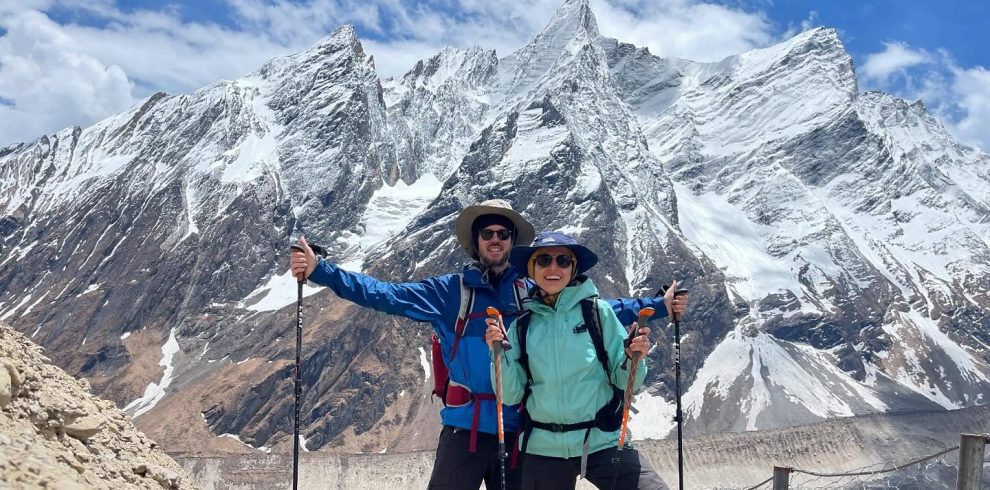
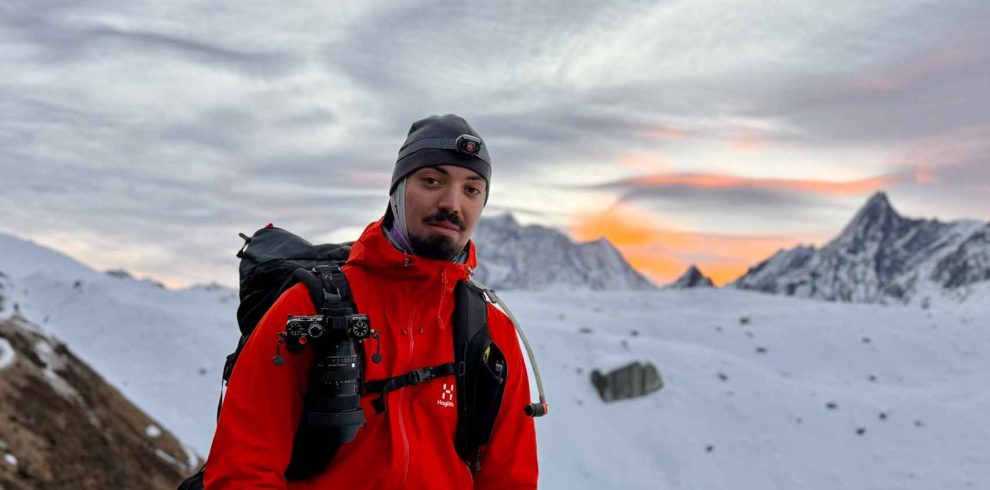
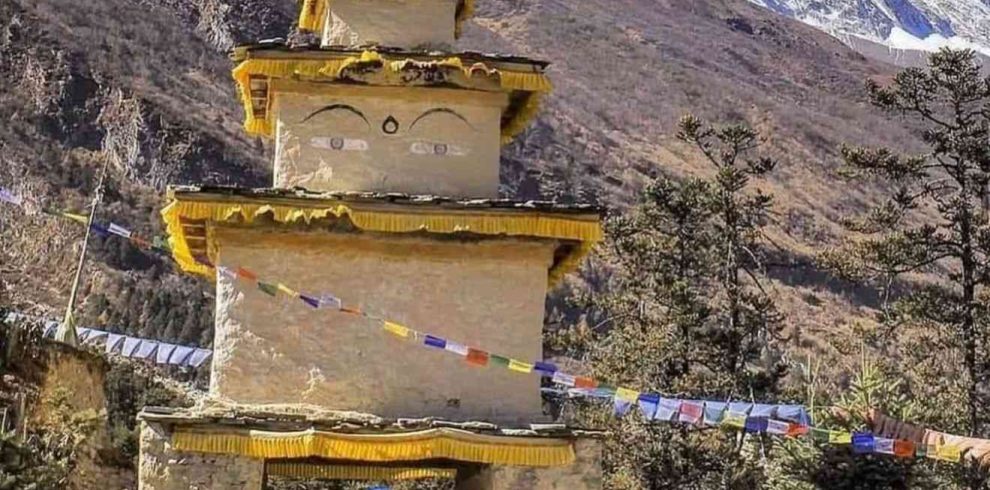


Write a Review